Bourse de Commerce – Pinault Collection: Book Tickets Online to Contemporary Art Museum in Paris
This website offers official tickets for this venue. Please note, however, that it is not the official website of the venue.
Smartphone tickets
Why wait?
Instant confirmation
Flexible cancellation


Bourse de Commerce – Pinault Collection: Admission with Time Slot
Highlights
Experience contemporary art within a historic and architecturally restored venue.
Gain access to multiple temporary exhibitions that rotate throughout the year.
Enjoy an audio guide app available in six different languages for a richer visit experience.
Benefit from a timed entry to manage your visit schedule effectively.
Located conveniently in central Paris, accessible by public transportation.
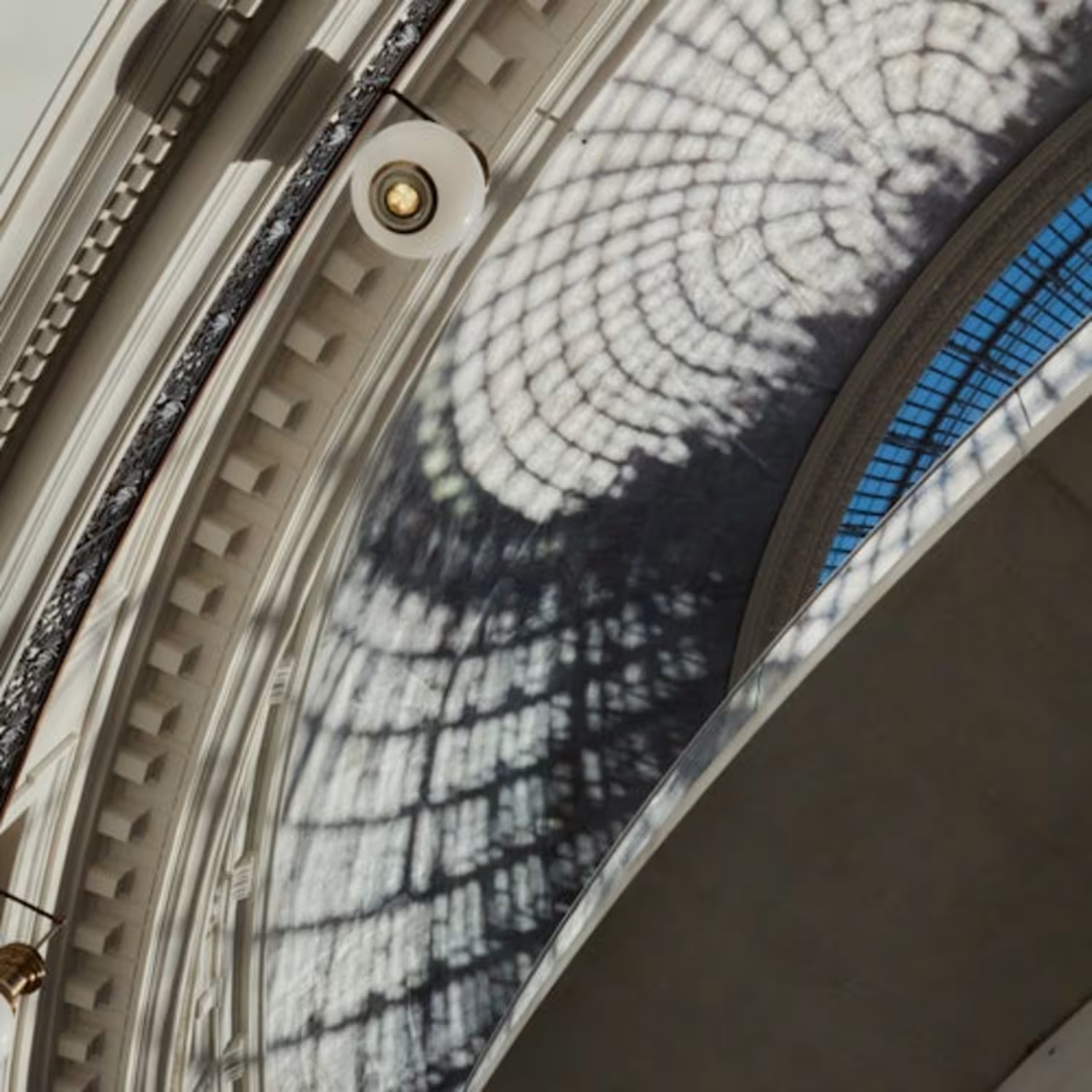
Day ticket for the Bourse de Commerce – Pinault Collection
Highlights
Skip waiting lines with priority entry.
Explore a prestigious collection of contemporary artworks.
Access an audio guide available in six languages via your smartphone.
Visit without a fixed entry time on the chosen day.
Admire rotating exhibitions that change multiple times a year.
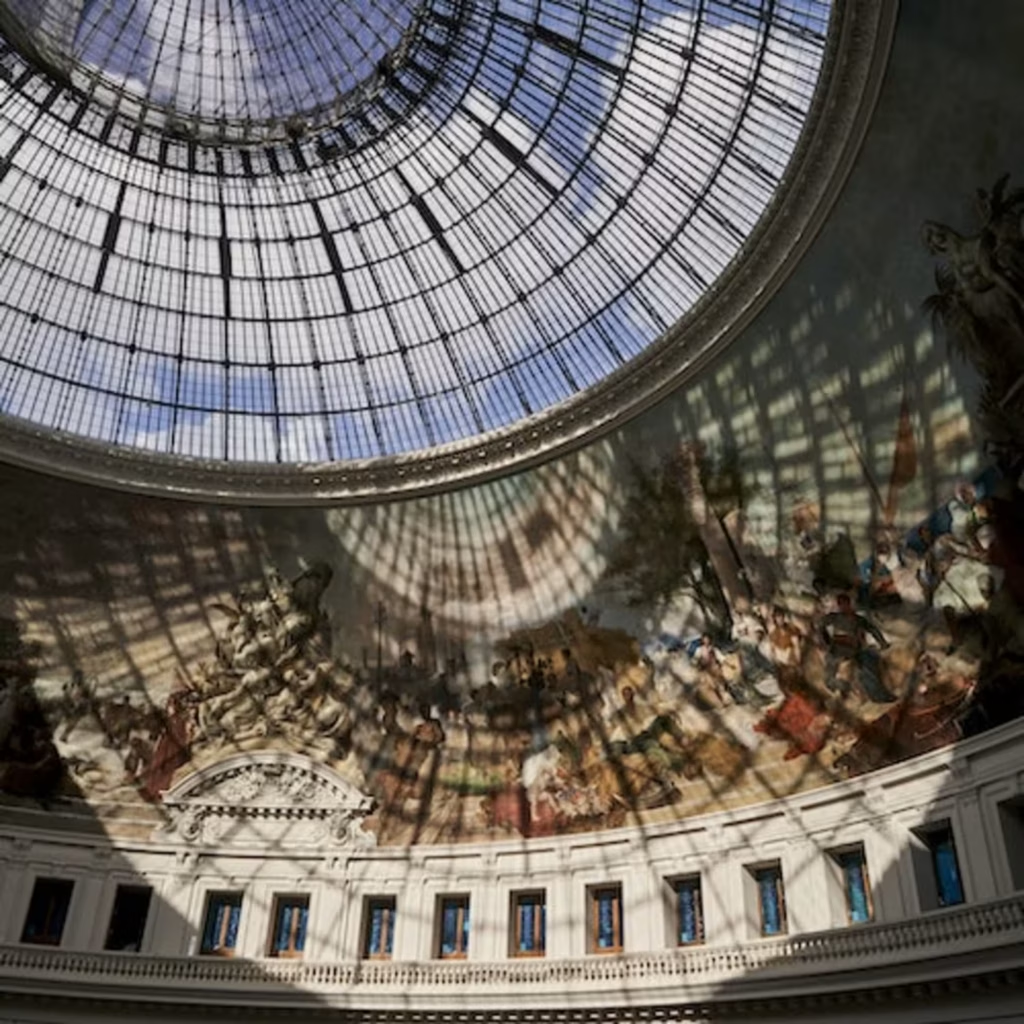
Welcome Bourse de Commerce Pinault Collection
Discover everything you need for an inspiring art-filled day — buy tickets, check opening hours, and explore essential visitor tips for the Bourse de Commerce – Pinault Collection, Paris’ striking contemporary art museum set inside a beautifully restored historic landmark.
About Bourse de Commerce – Pinault Collection in Paris
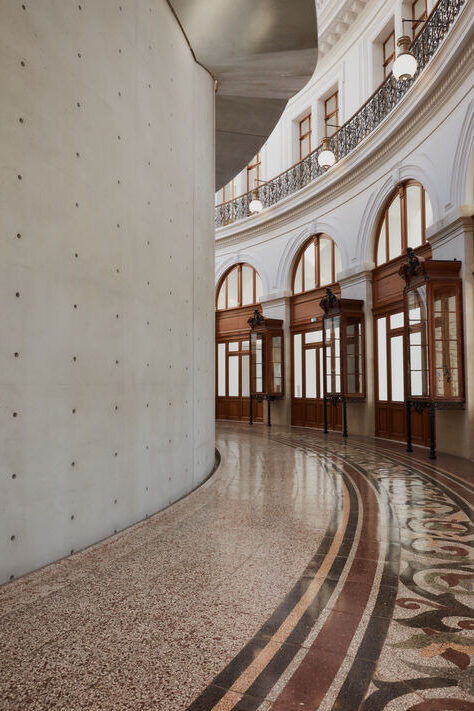
Why Visit Bourse de Commerce Pinault Collection?
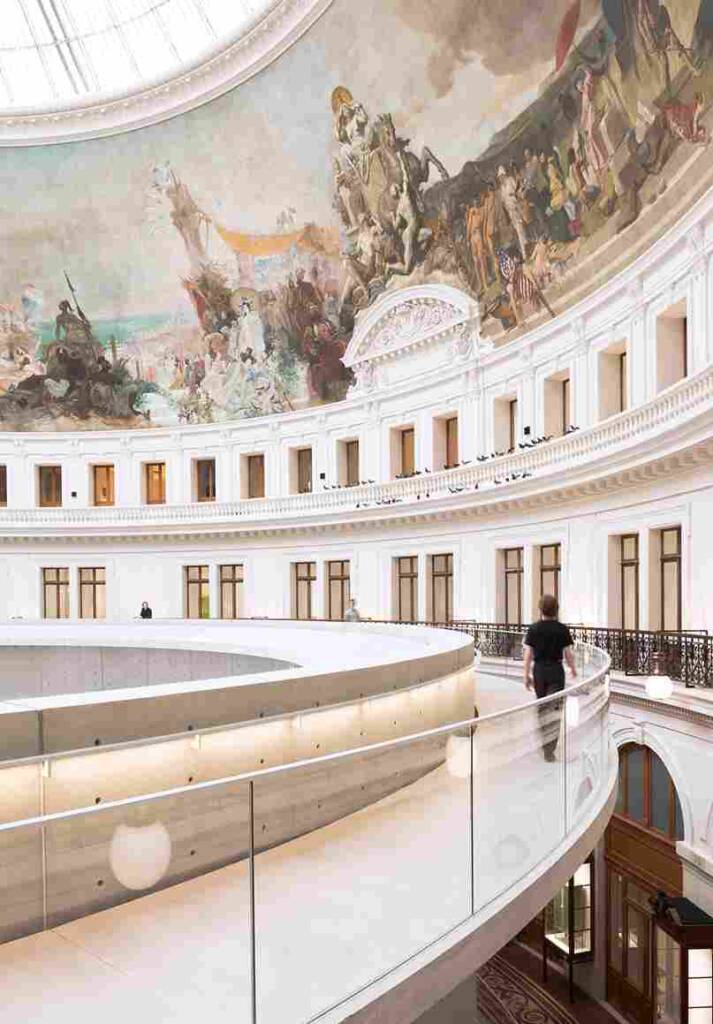
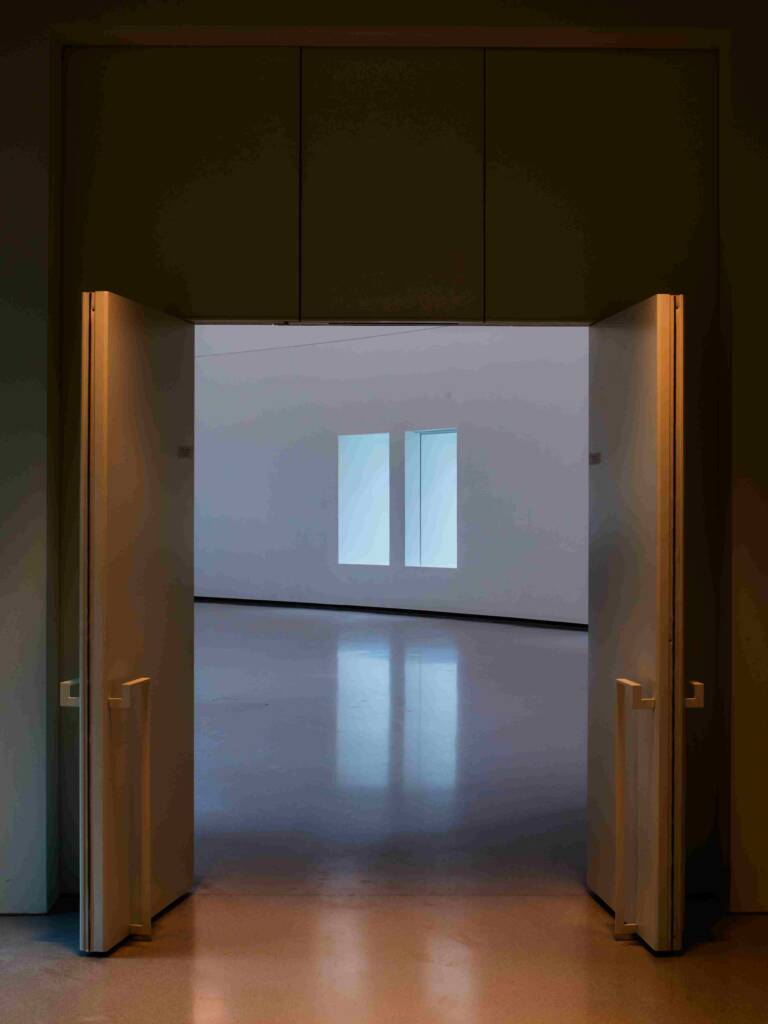
Minimal Exhibition
Lygia Pape: Tisser l'espace
Œuvres in situ
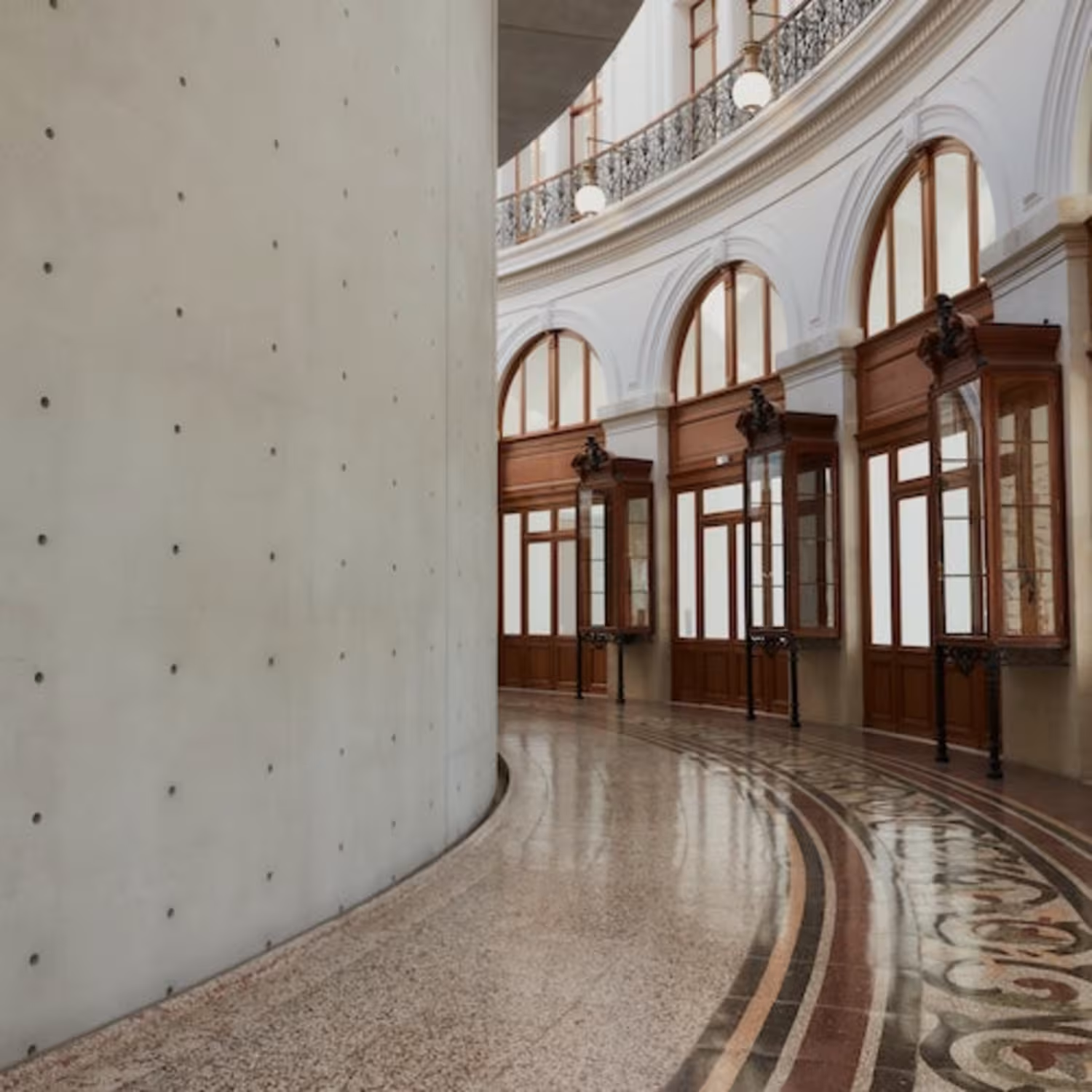
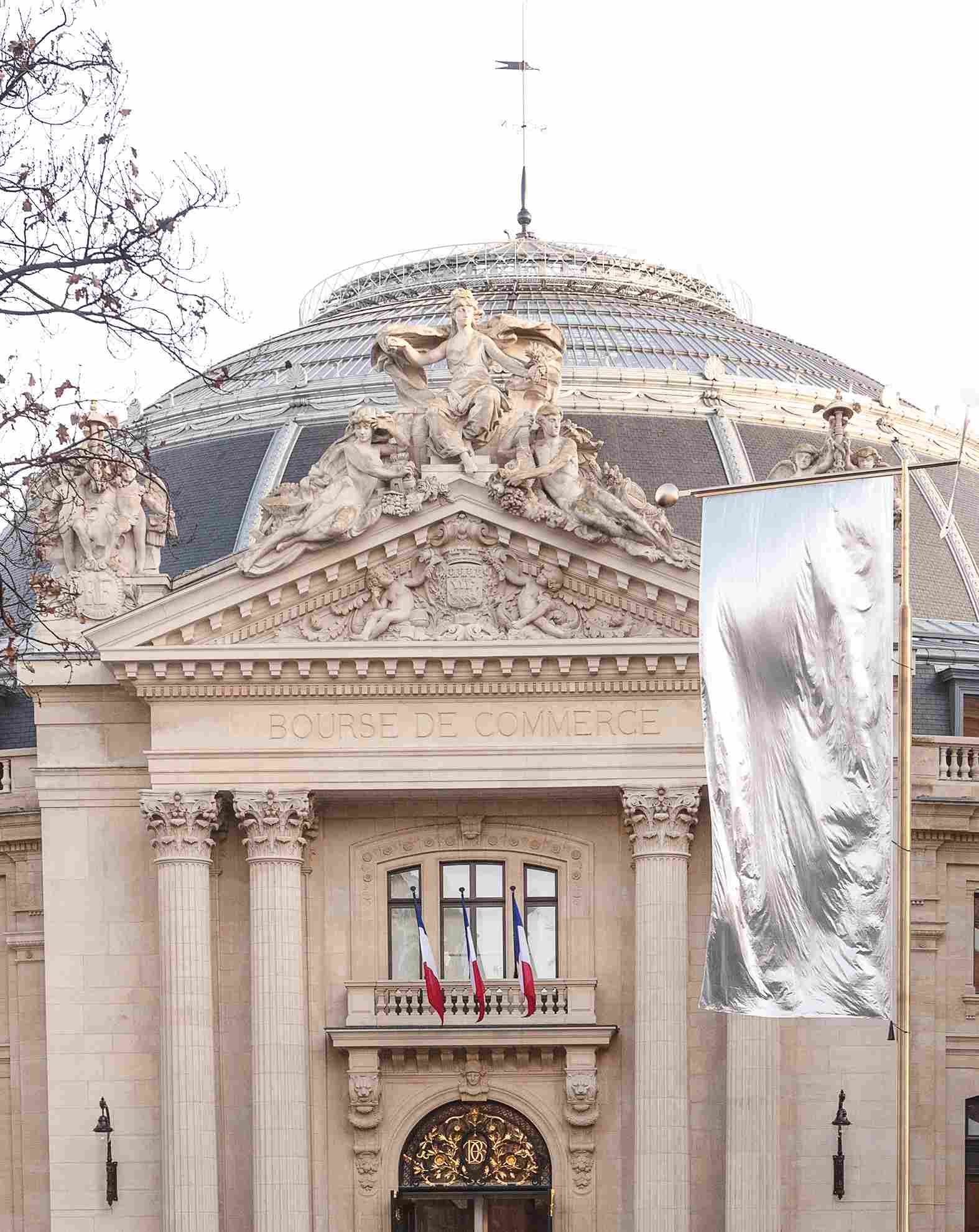
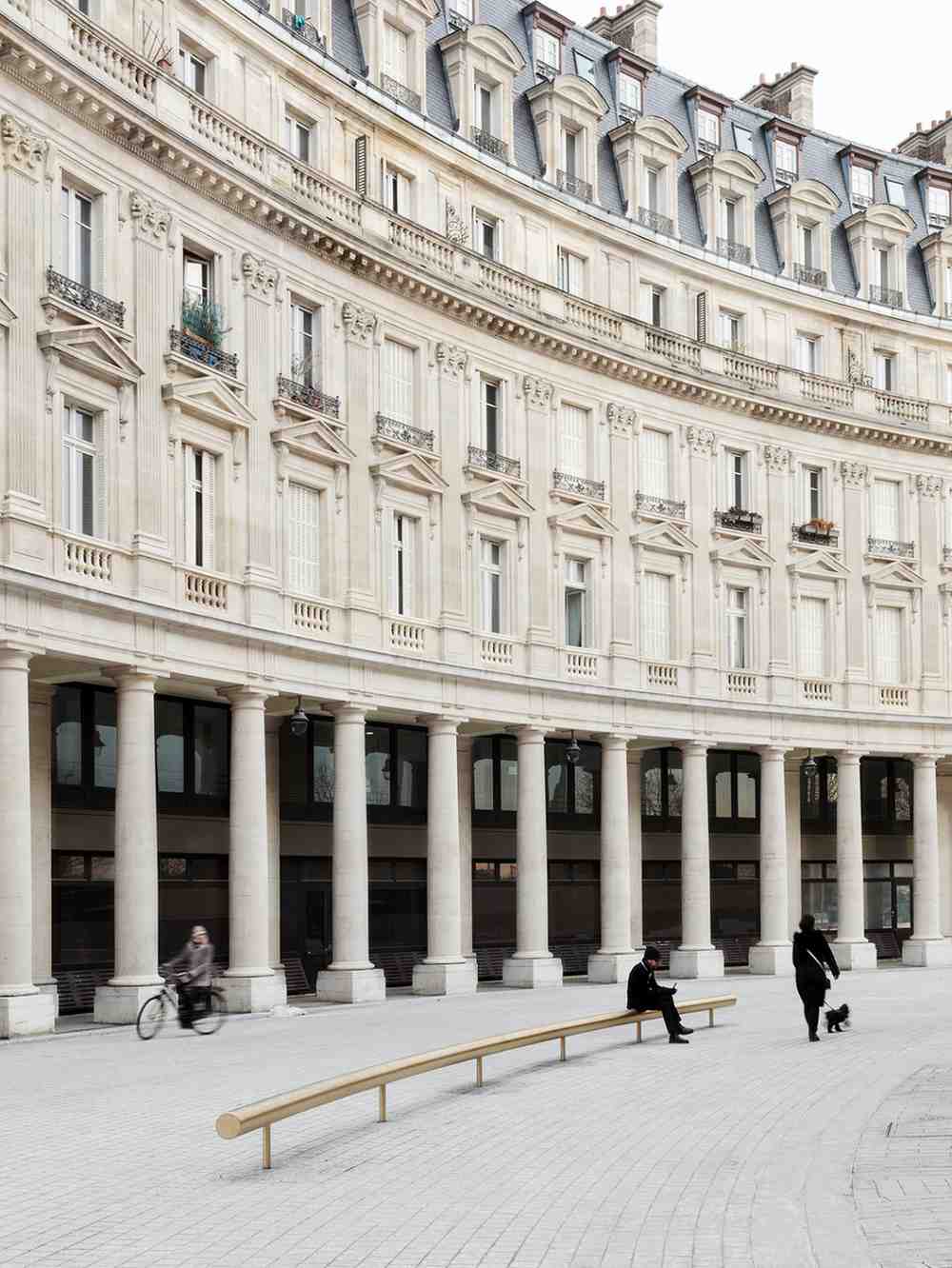
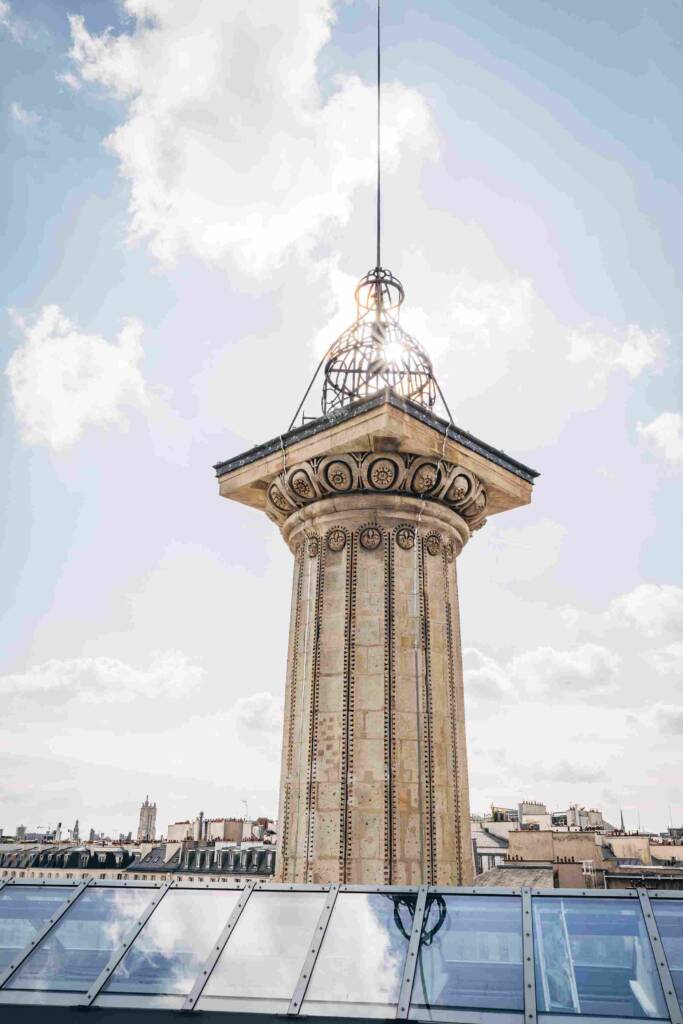
Architectural Heritage of the Venue
Multimedia and Educational Resources
Hours of Bourse de Commerce - Pinault Collecion
Best Times to Visit Bourse de Commerce – Pinault Collection, Paris
Late Mornings or Early Afternoons (11:00 AM – 2:00 PM)
The museum generally sees steady but manageable foot traffic at this time. Arriving shortly after opening or just before midday allows you to explore the contemporary art galleries at a comfortable pace, appreciate the architecture of the historic Rotunda, and enjoy shorter wait times for temporary exhibitions.
Weekdays, Especially Tuesday to Thursday
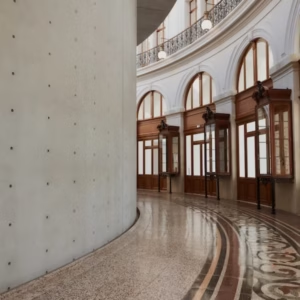
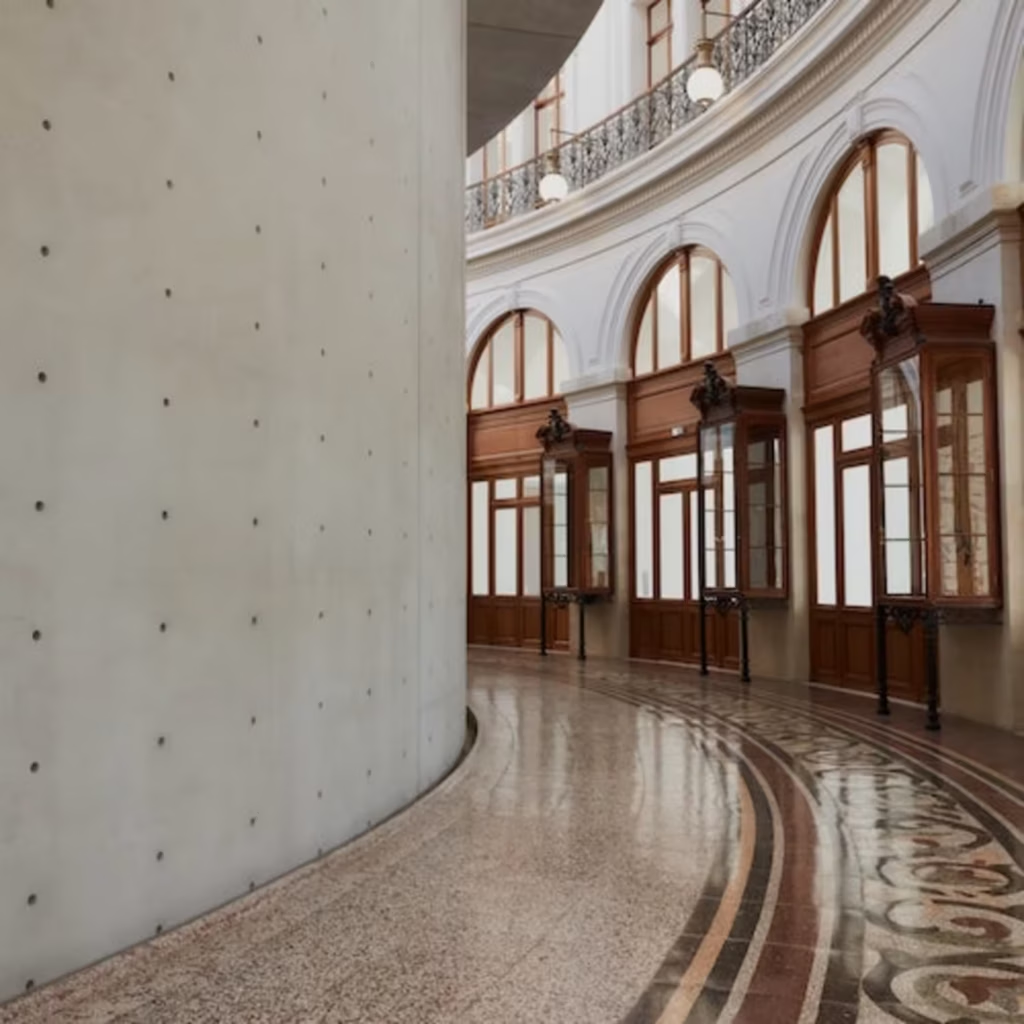
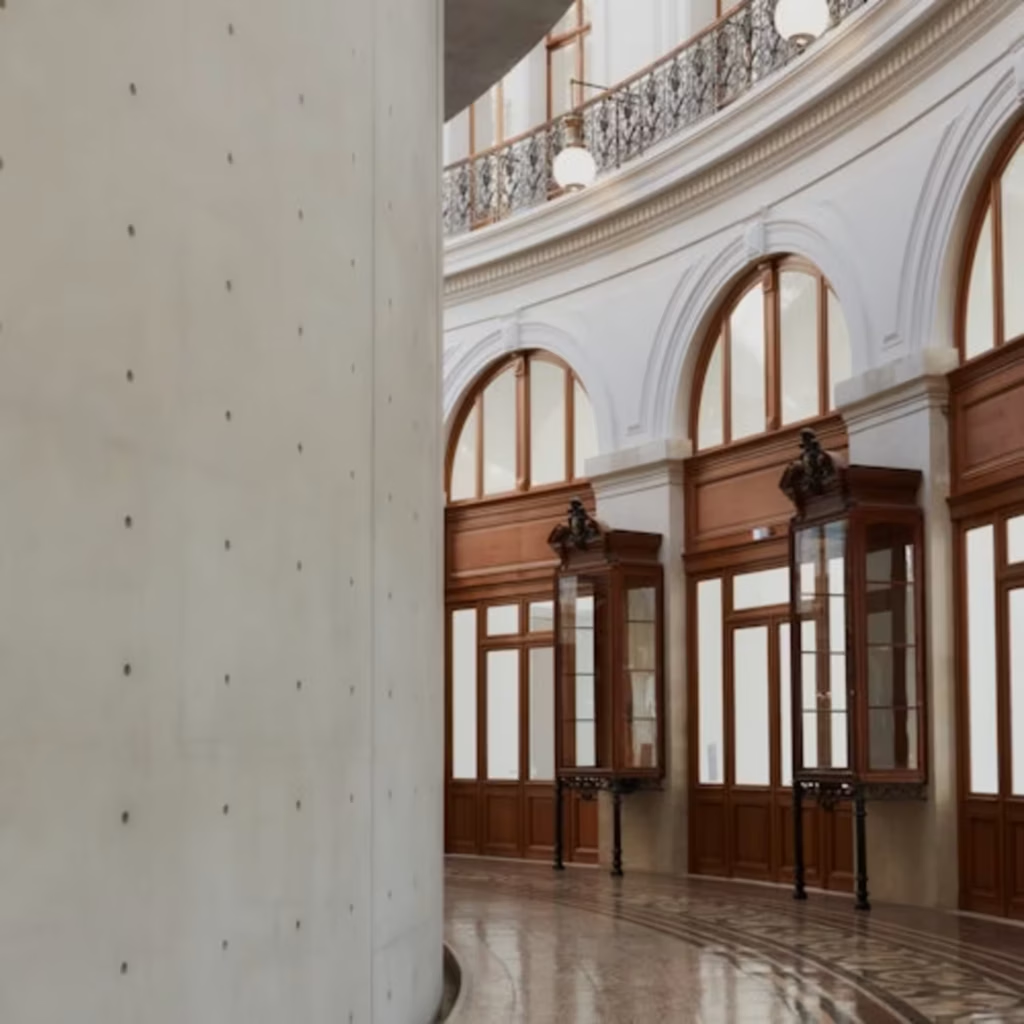
Midweek visits are ideal for travelers looking for a relaxed experience. These days typically draw fewer crowds compared to Fridays and weekends, giving you more room to take in the installations, spend time with large-scale works, and enjoy the quiet atmosphere of the monumental spaces restored by architect Tadao Ando.
Thursdays During Extended Hours (5:00 PM – 9:00 PM)
If you prefer a more ambient, less rushed visit, the museum’s late-night hours on Thursdays are perfect. The extended schedule offers a calmer environment, ideal for exploring the exhibitions after the daytime rush and enjoying the building’s dramatic circular design under evening lighting.
Outside Peak Tourist Seasons (Late Fall & Early Spring)
Paris experiences its highest visitor numbers in late spring and summer. Planning a visit from October to early April—excluding major holidays—usually means fewer crowds and a smoother experience inside the galleries and around the site in the Les Halles district.
During Temporary Exhibitions and Limited-Time Installations
The Pinault Collection features rotating exhibitions from international contemporary artists. Visiting during a major new opening or special installation lets you experience the collection’s newest additions and enjoy fresh curatorial perspectives, often accompanied by talks, screenings, or special programming.
Where to Find Bourse de Commerce - Pinault Collection
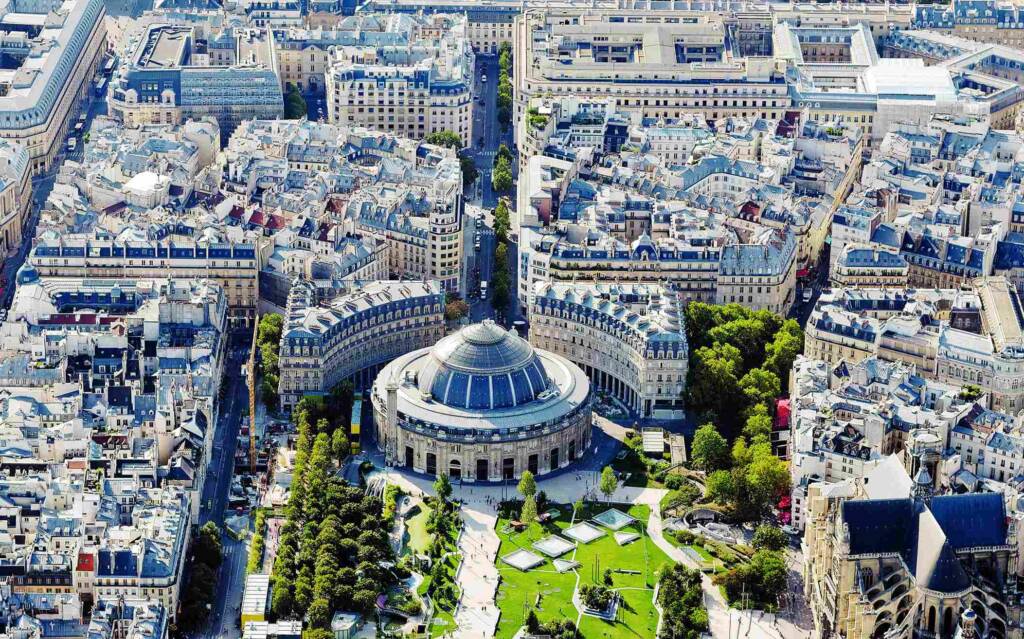
How to Get to Bourse de Commerce – Pinault Collection in Paris
By Metro
The museum is extremely well-connected by Paris’s metro system, with several stations just a short walk away.
The closest stations are Les Halles (Line 4), Louvre–Rivoli (Line 1), and Étienne Marcel (Line 4).
Metro is the easiest and most efficient way to reach the area, especially during busy periods.
Trains run frequently, making it ideal for visitors staying across central Paris.
By RER
The RER A, B, and D lines all stop at Châtelet–Les Halles, one of the largest transit hubs in the city and only a few minutes’ walk from the museum.
This option is convenient for travelers arriving from the airports or outer suburbs.
Signs inside the station clearly direct you toward Les Halles and the surrounding streets.
By Bus
Several bus routes pass through the Les Halles and Louvre districts, offering an easy surface-level connection.
Buses are ideal if you prefer above-ground travel or want to see the city as you move.
Service is regular throughout the day, but be prepared for slower travel during rush hours due to traffic.
By Car or Taxi
The central 1st arrondissement is accessible by car, but traffic can be heavy and parking is limited.
Paid parking garages are located near Les Halles and around the Louvre area, all within walking distance of the museum.
Using a taxi or rideshare may be more convenient than driving yourself, especially during peak tourist seasons.
By Bicycle
Paris’s bike-friendly infrastructure makes cycling a great option, especially for those staying nearby.
Several Vélib’ stations (Paris’s bike-share system) are located around the museum.
Bike lanes and pedestrian zones make the ride through central Paris enjoyable and safe.
On Foot
Visitors staying in neighborhoods like the Louvre, Marais, Les Halles, or Grands Boulevards can easily walk to the museum.
The stroll through central Paris is scenic, passing historic streets, cafés, and shopping areas.
Walking is one of the best ways to take in the architecture before reaching the museum’s striking rotunda.
Things to Know Before Visiting Bourse de Commerce - Pinault Collection in Paris
- Facilities
- Accessibility
- Guidelines
- Rules
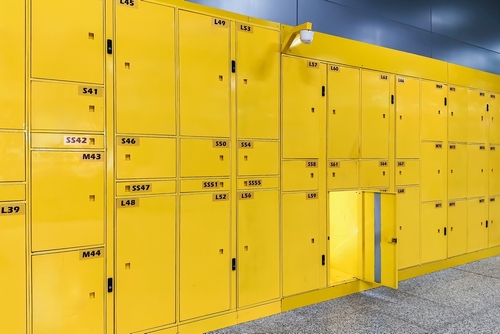
Onsite Facilities
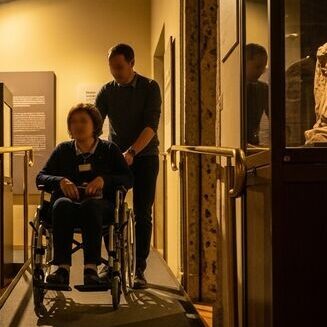
Accessibility Information
Visitor Guidelines
Rules and Regulations
Interesting Facts About Bourse de Commerce – Pinault Collection
A Former Wheat Exchange Turned World-Class Art Museum
Long before housing contemporary art, the building served as Paris’s historic grain exchange in the 18th and 19th centuries, where merchants traded wheat and agricultural goods.
Home to One of the Most Impressive Domes in Paris
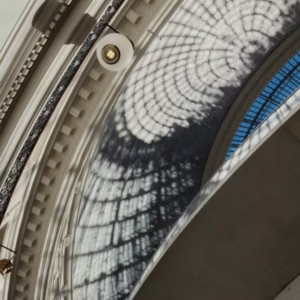
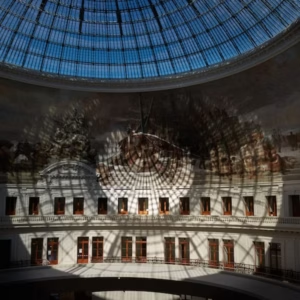
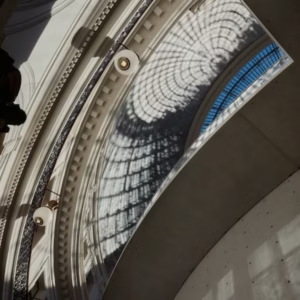
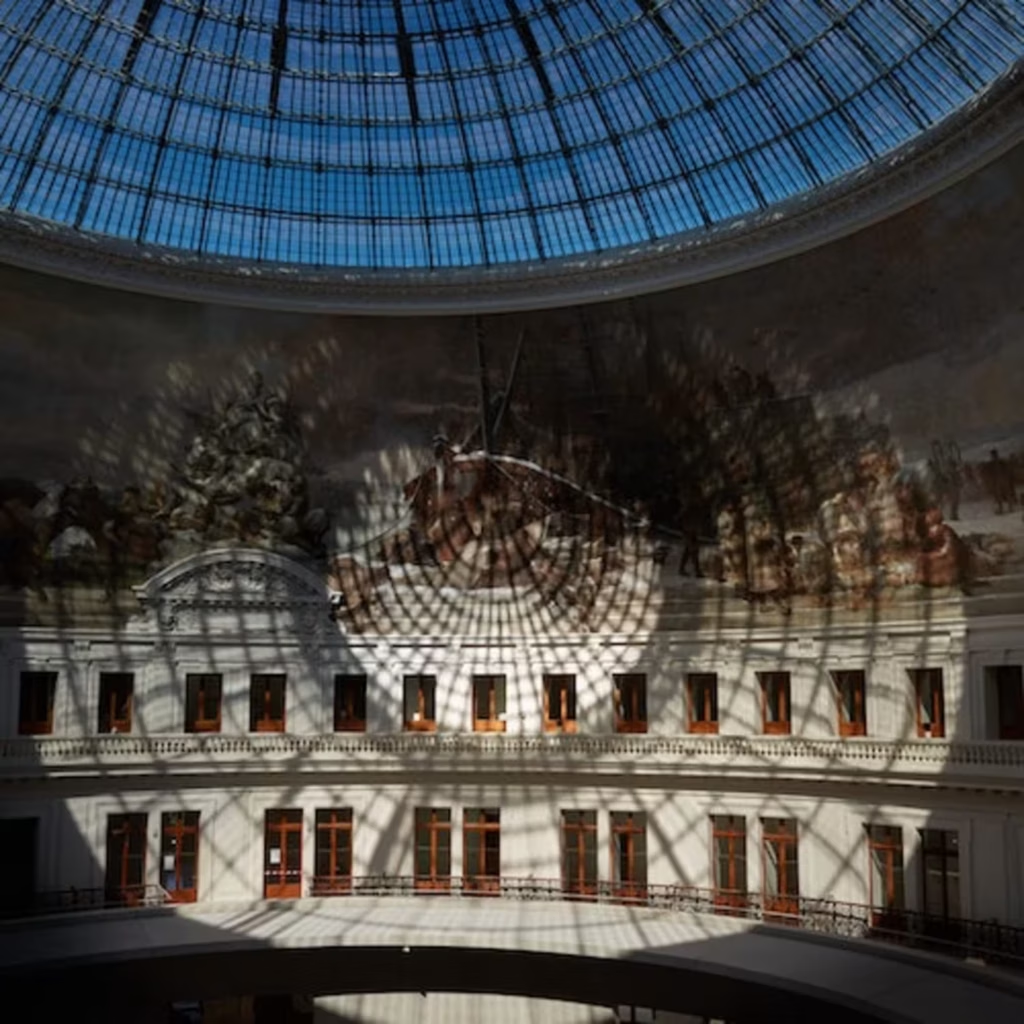
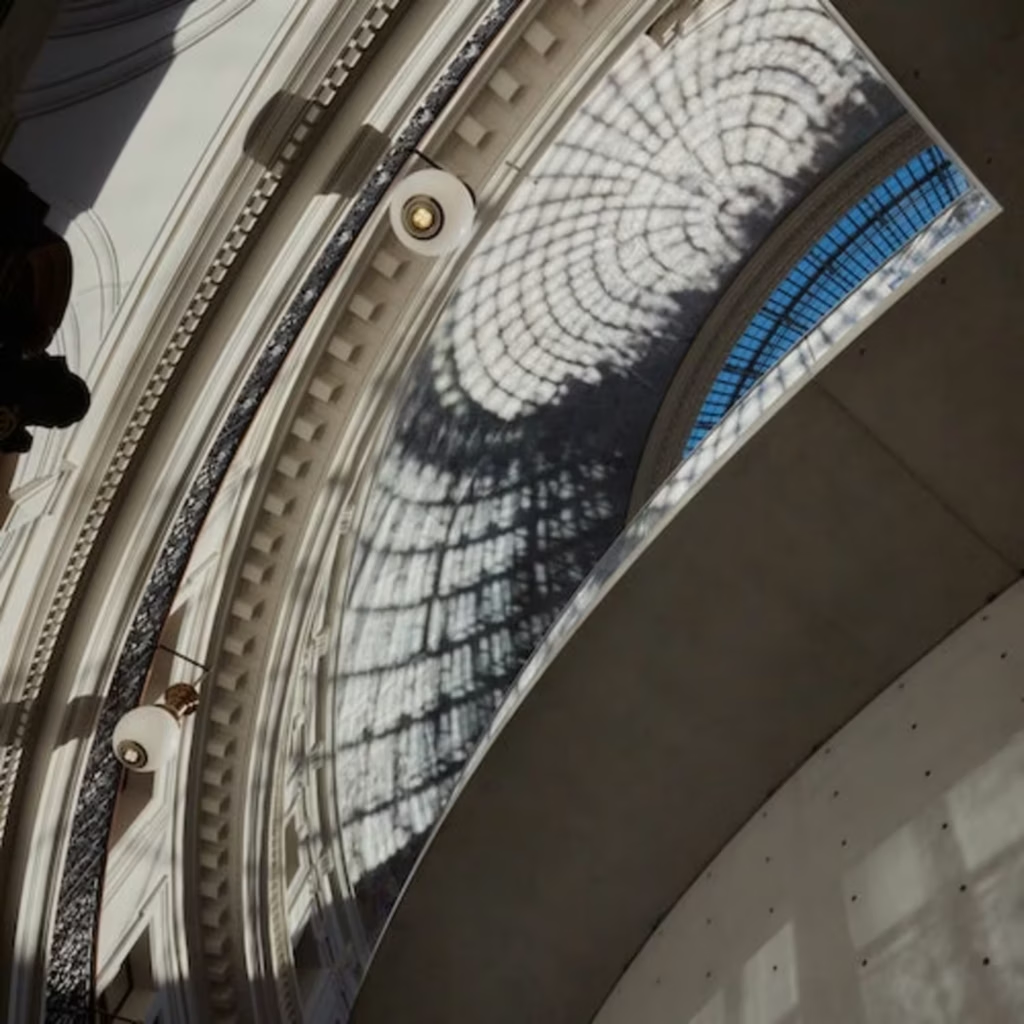
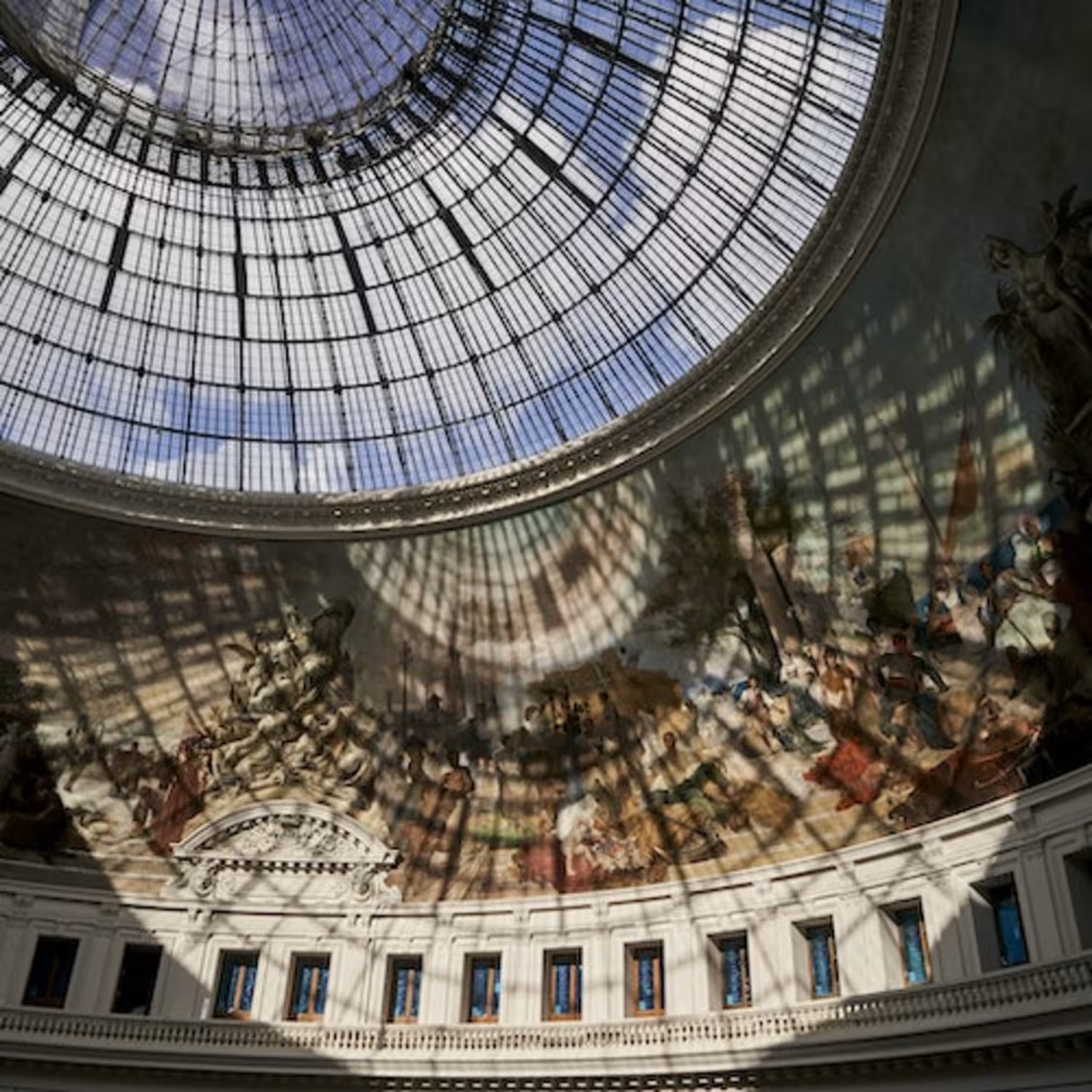
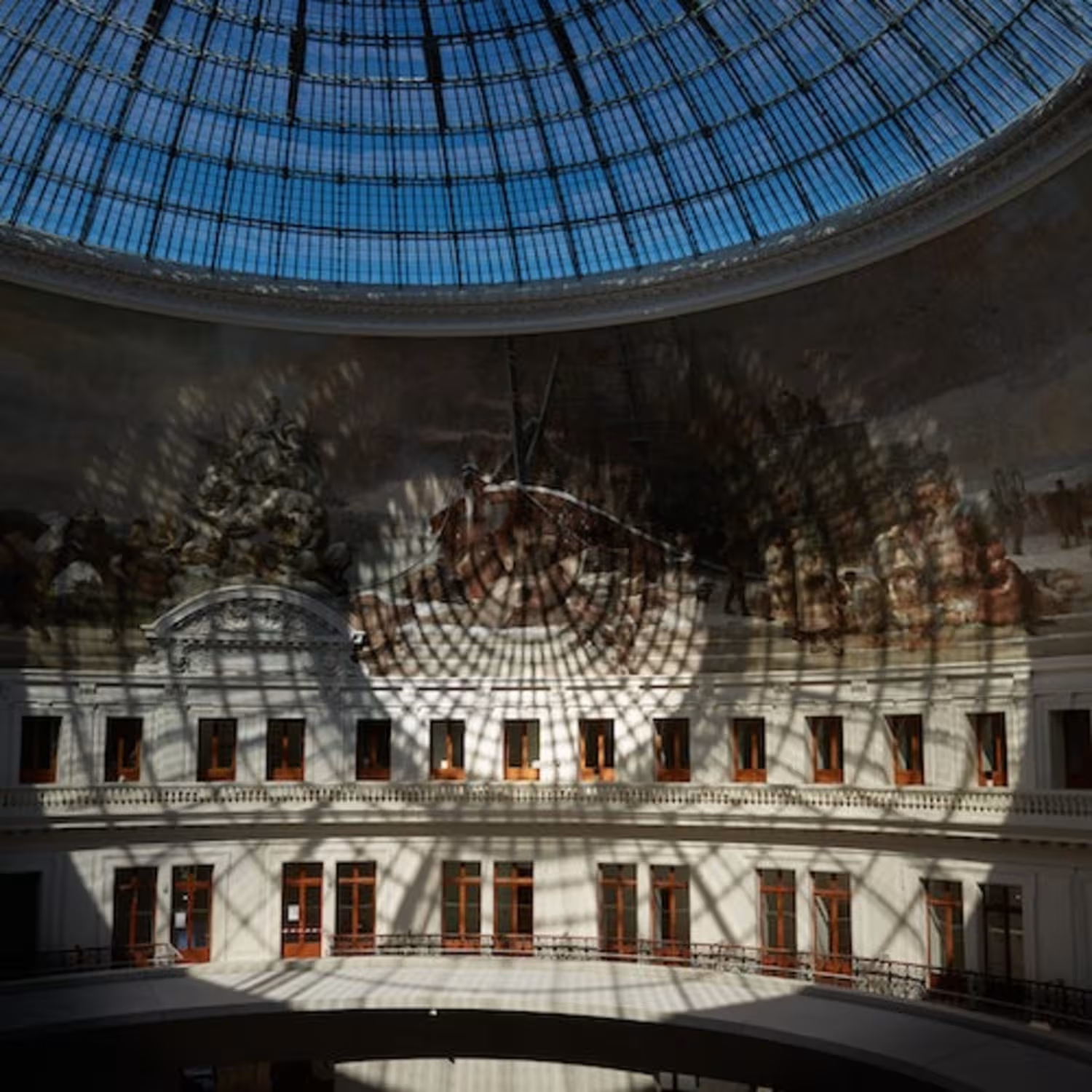
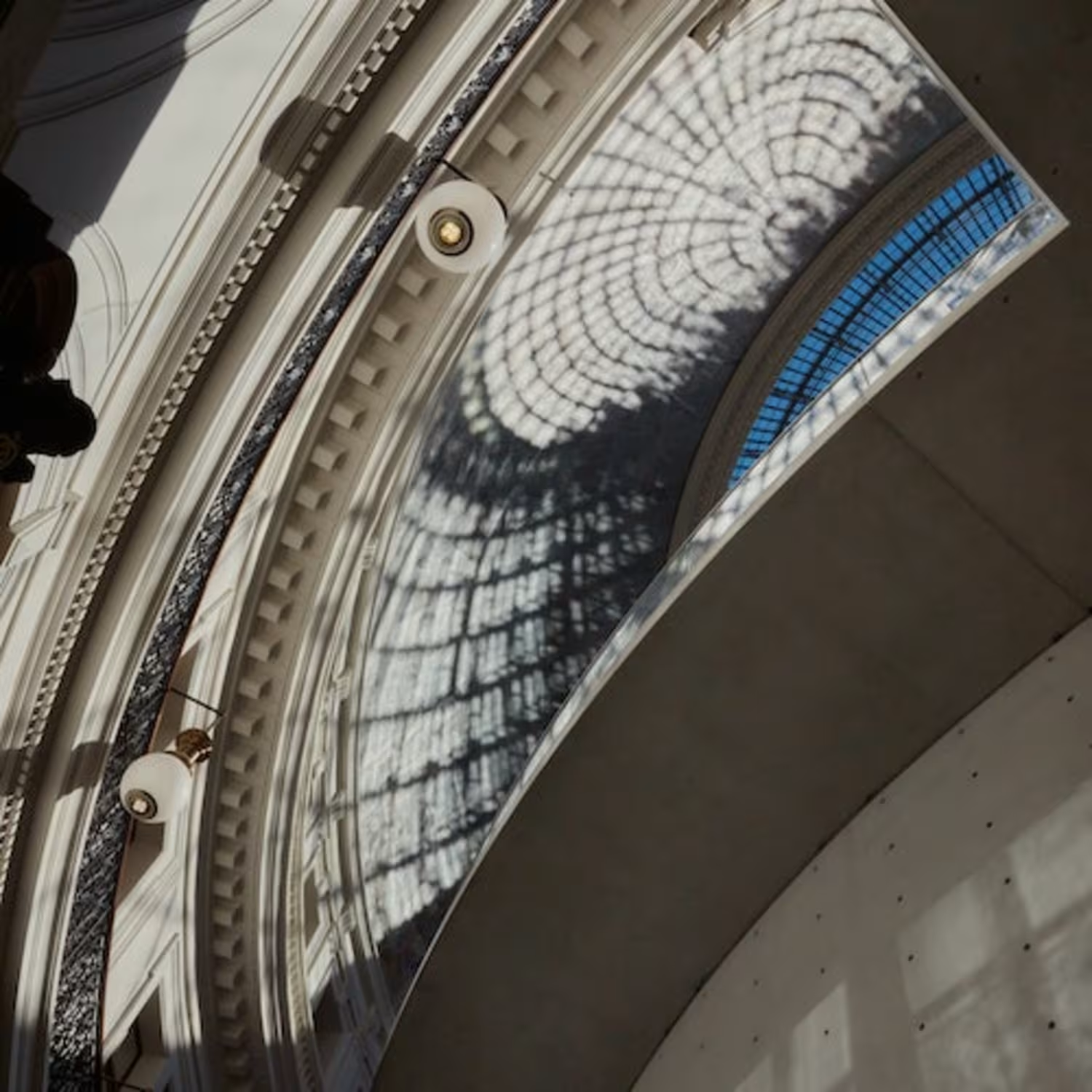
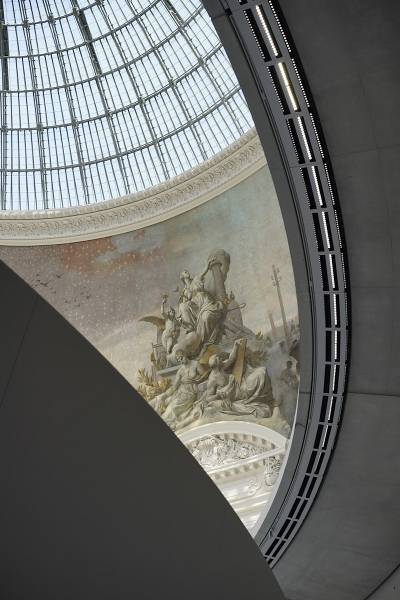
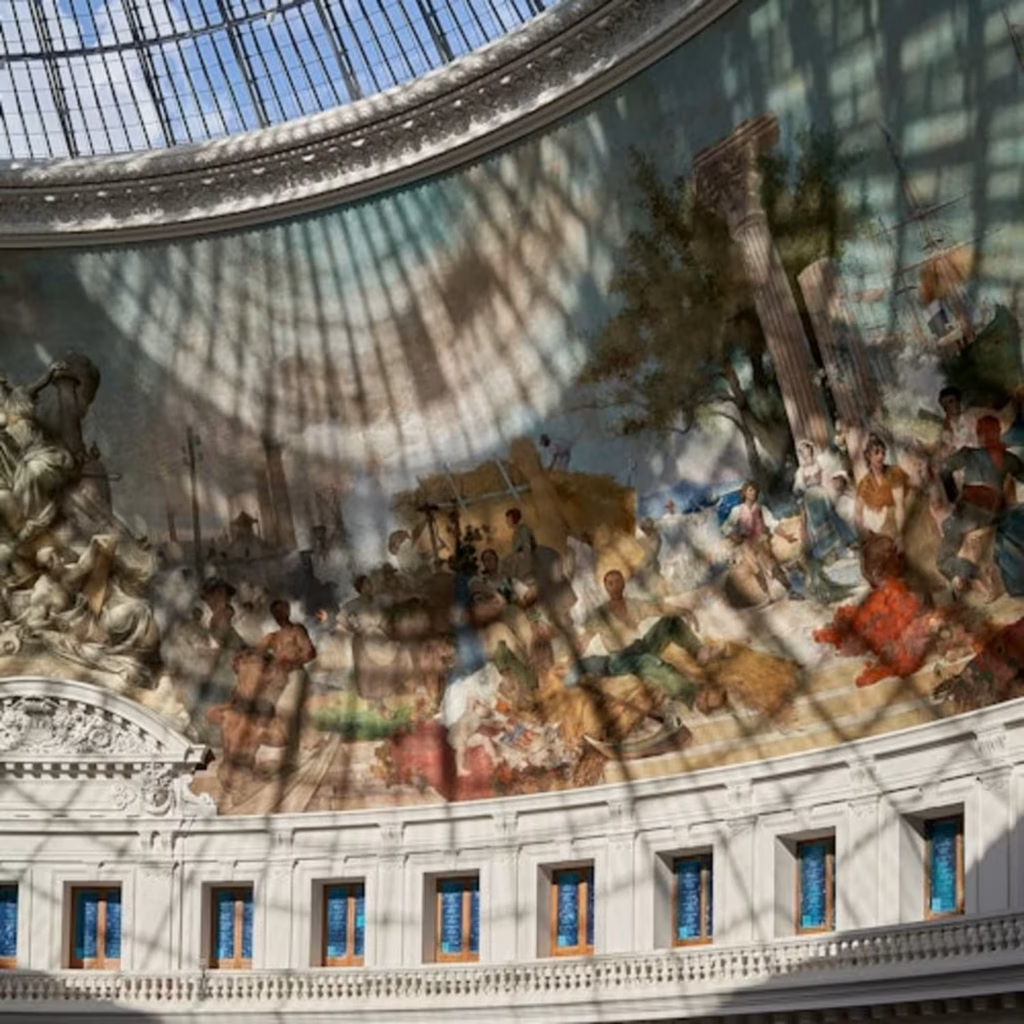
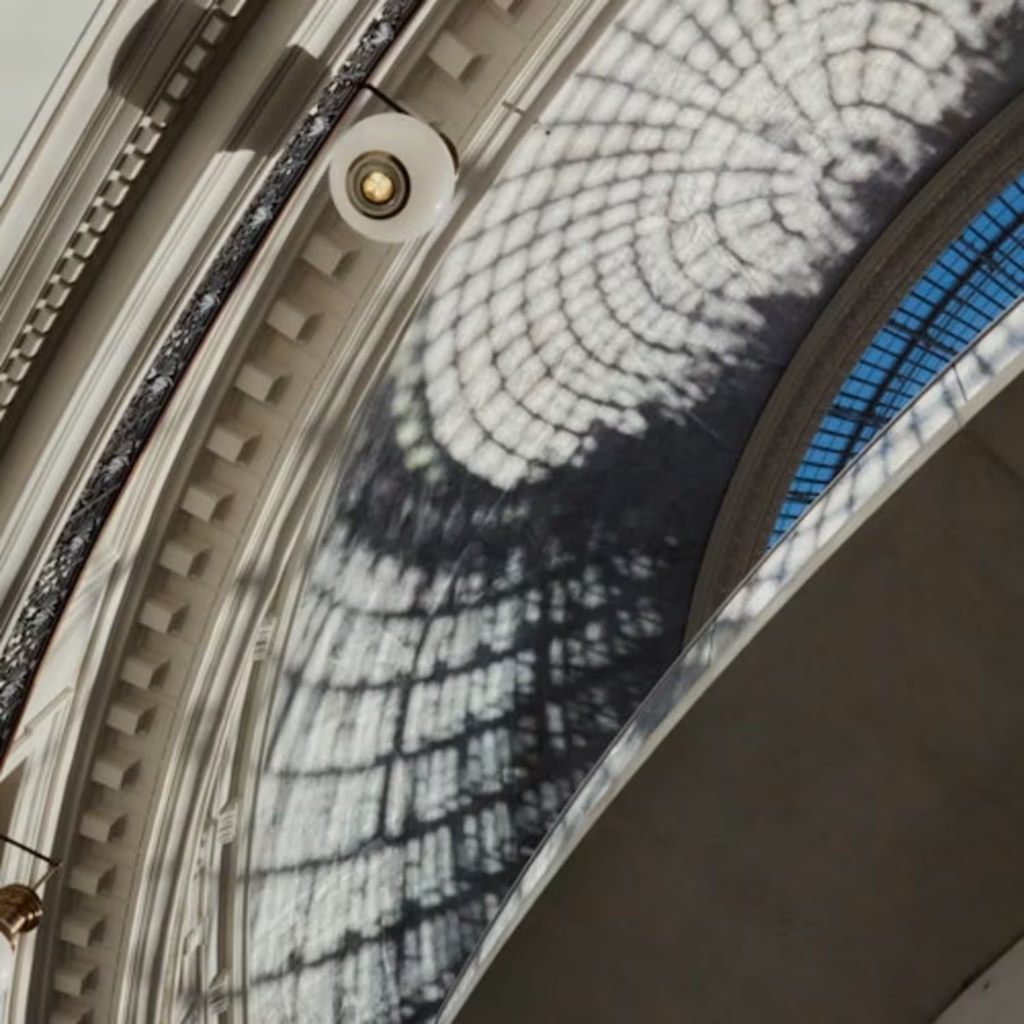
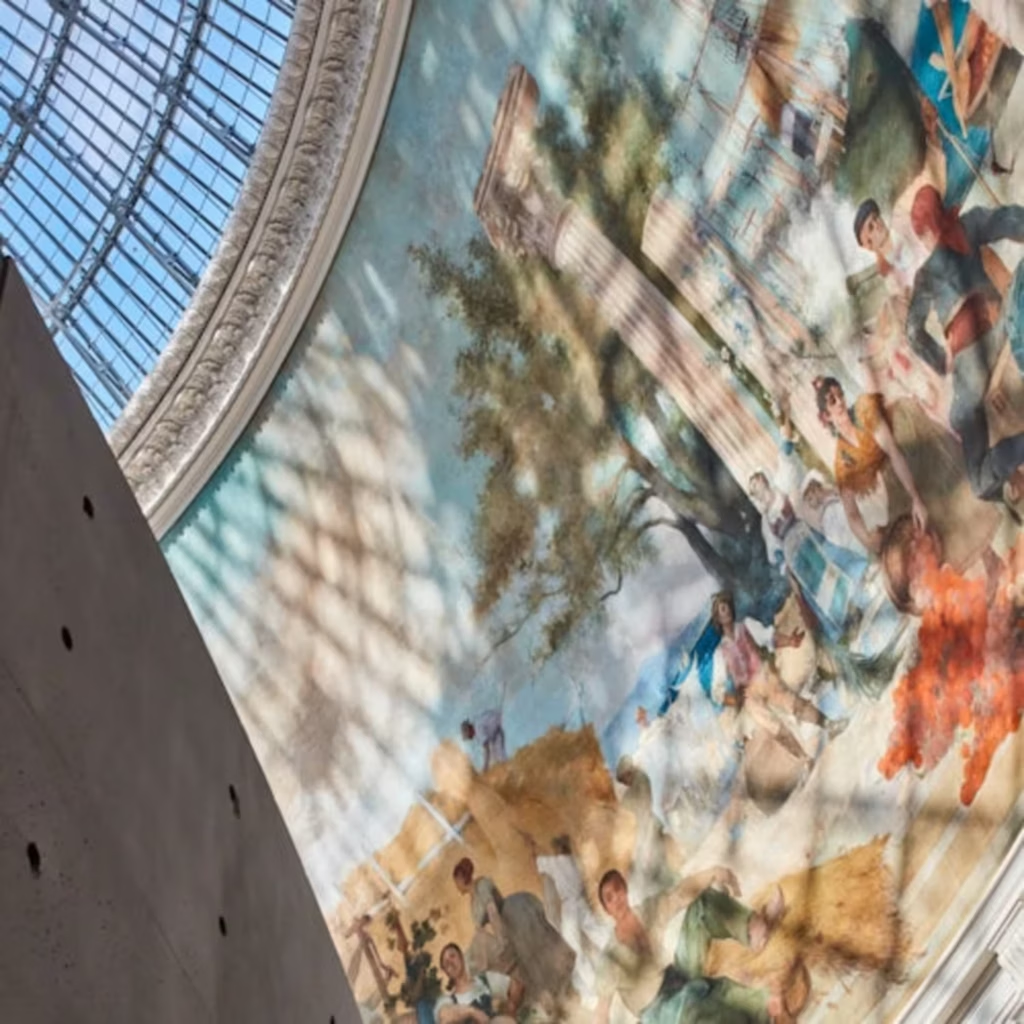
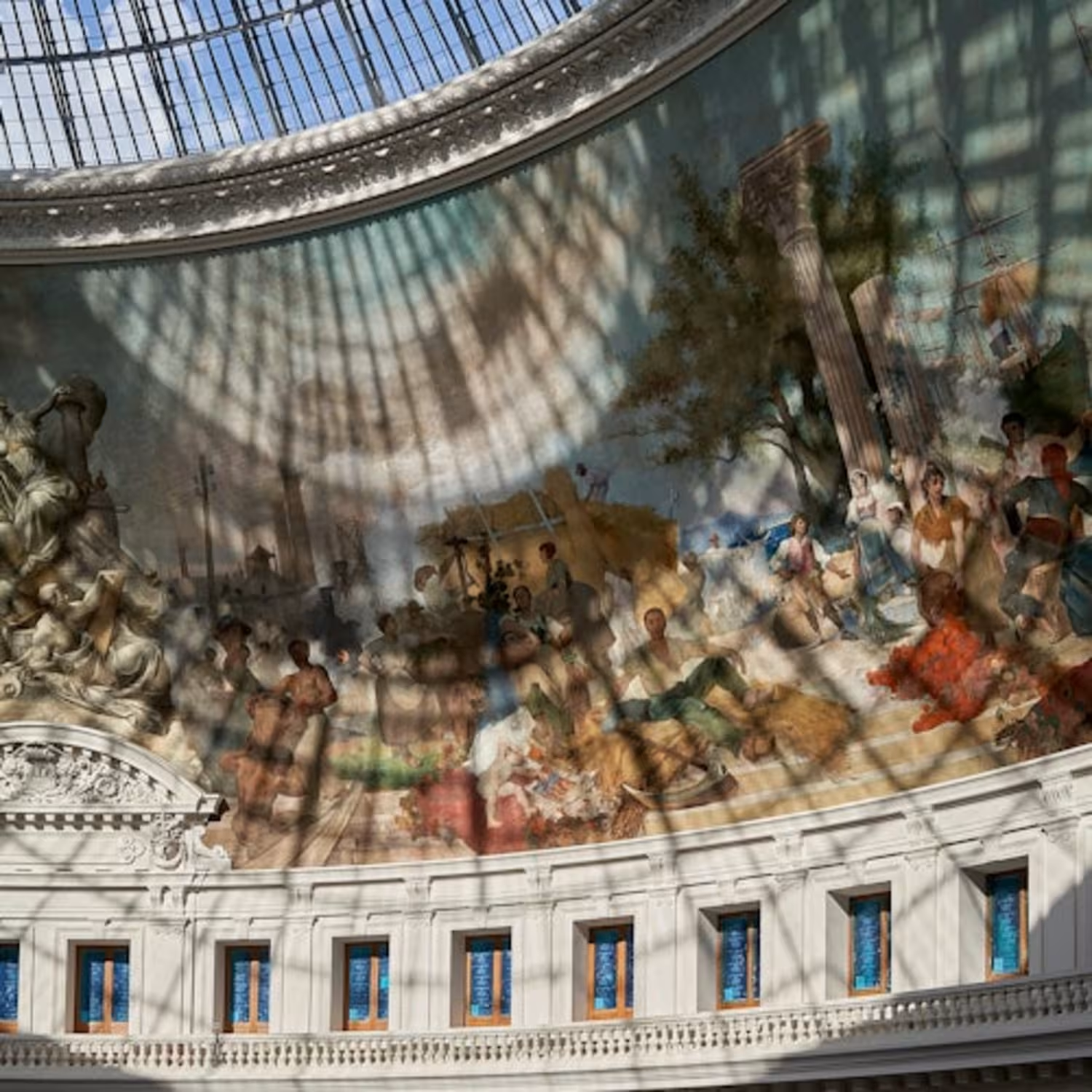
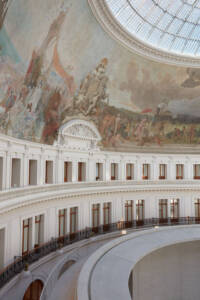
The museum is crowned by a spectacular 18th-century dome made of iron and glass—one of the earliest major metal-and-glass roofs in Paris, predating many iconic structures of the era.
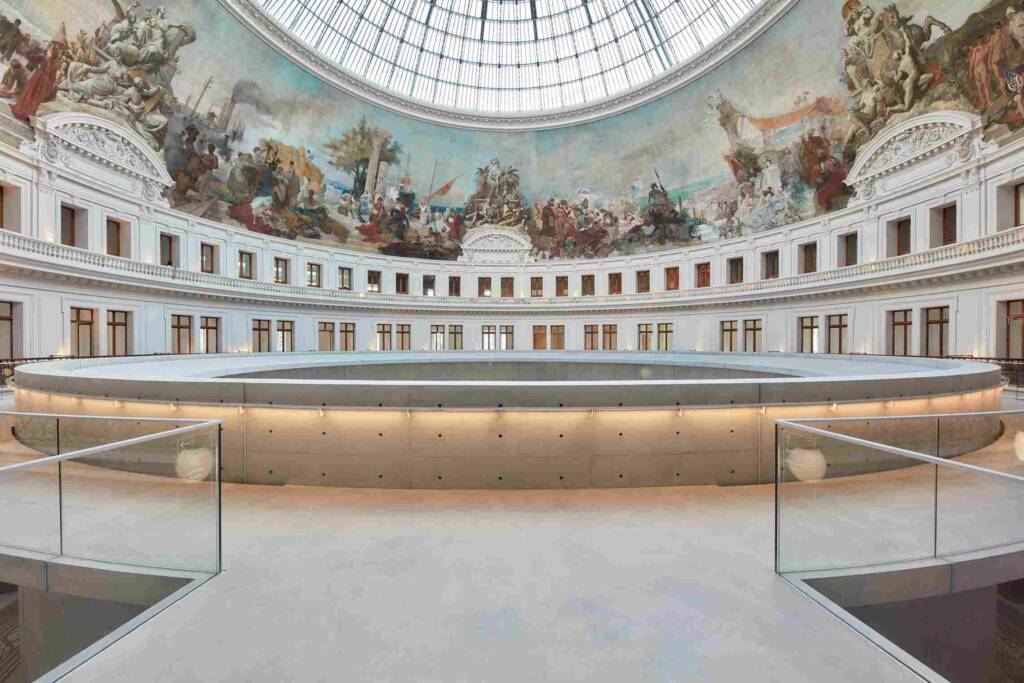
A Rare 360° Panoramic Mural Circles the Interior
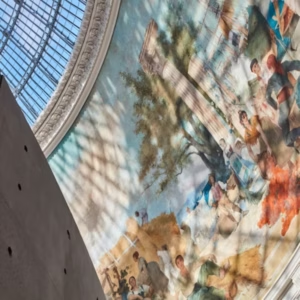
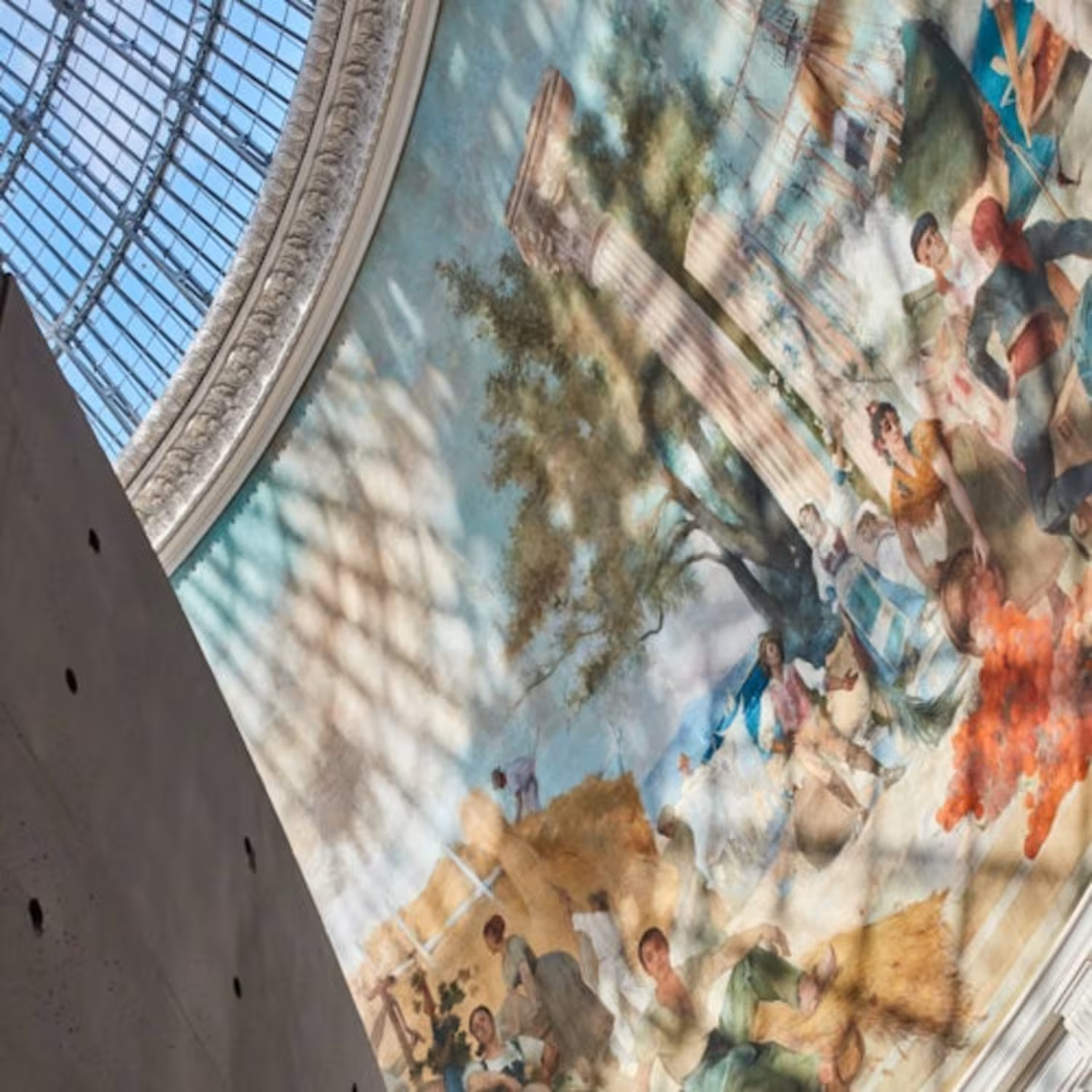
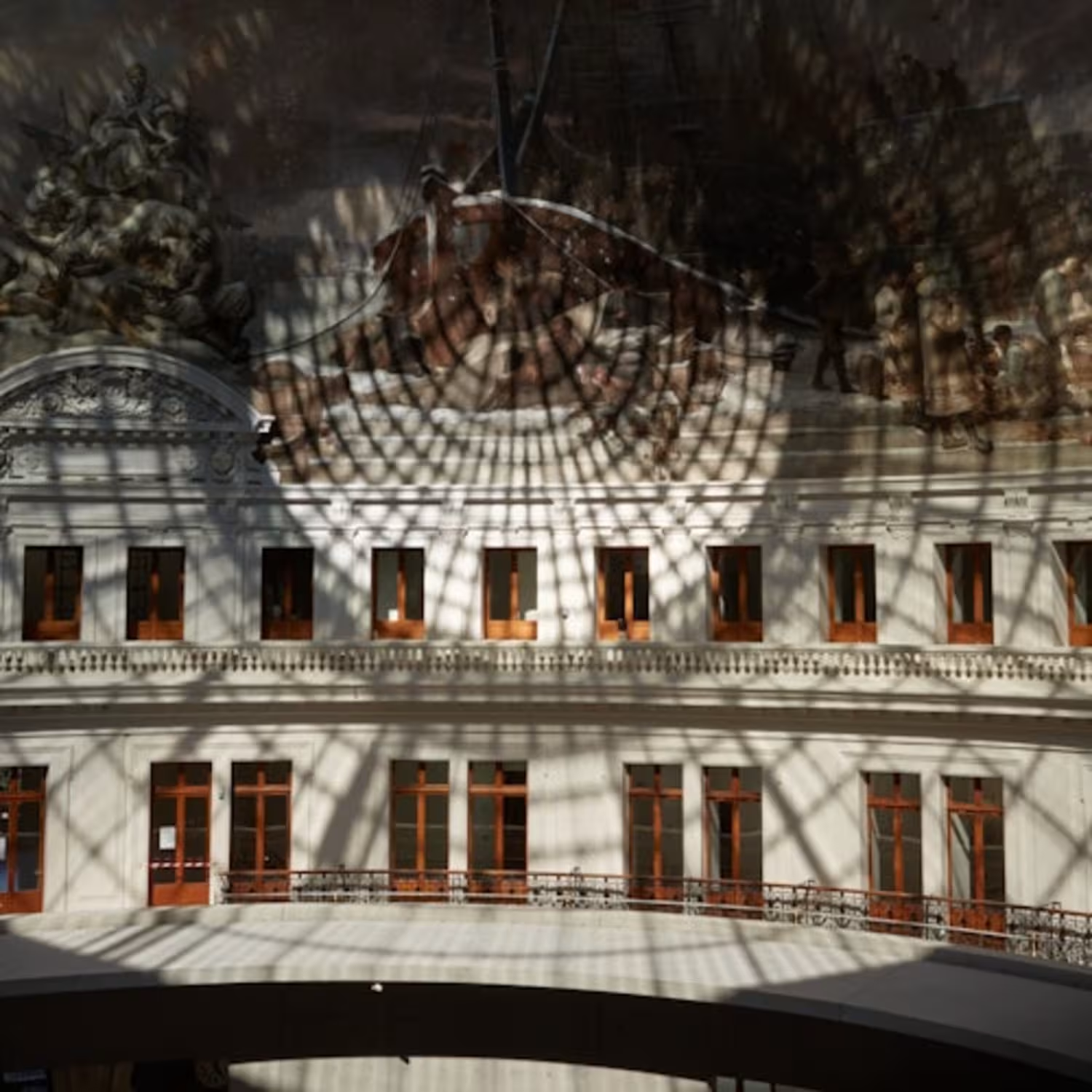
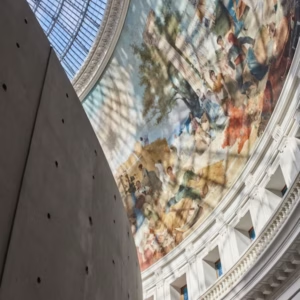
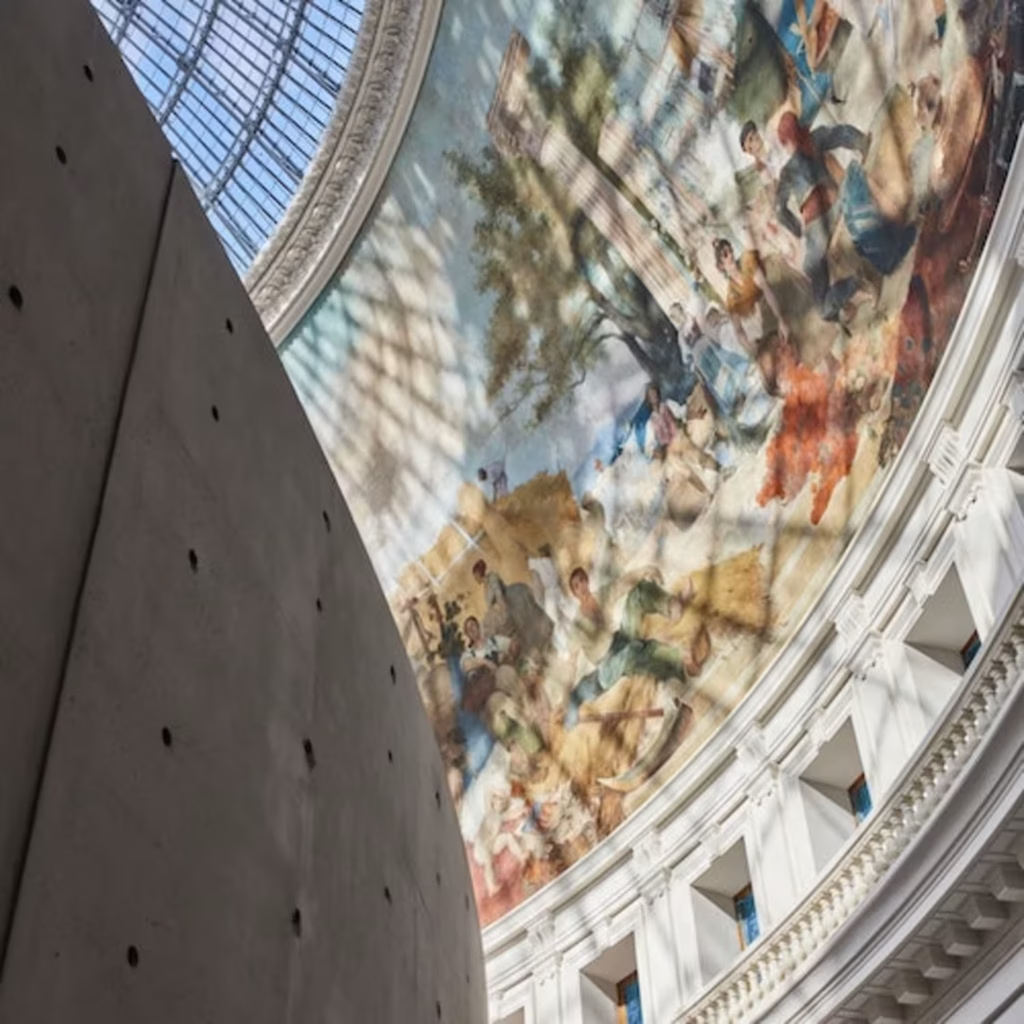
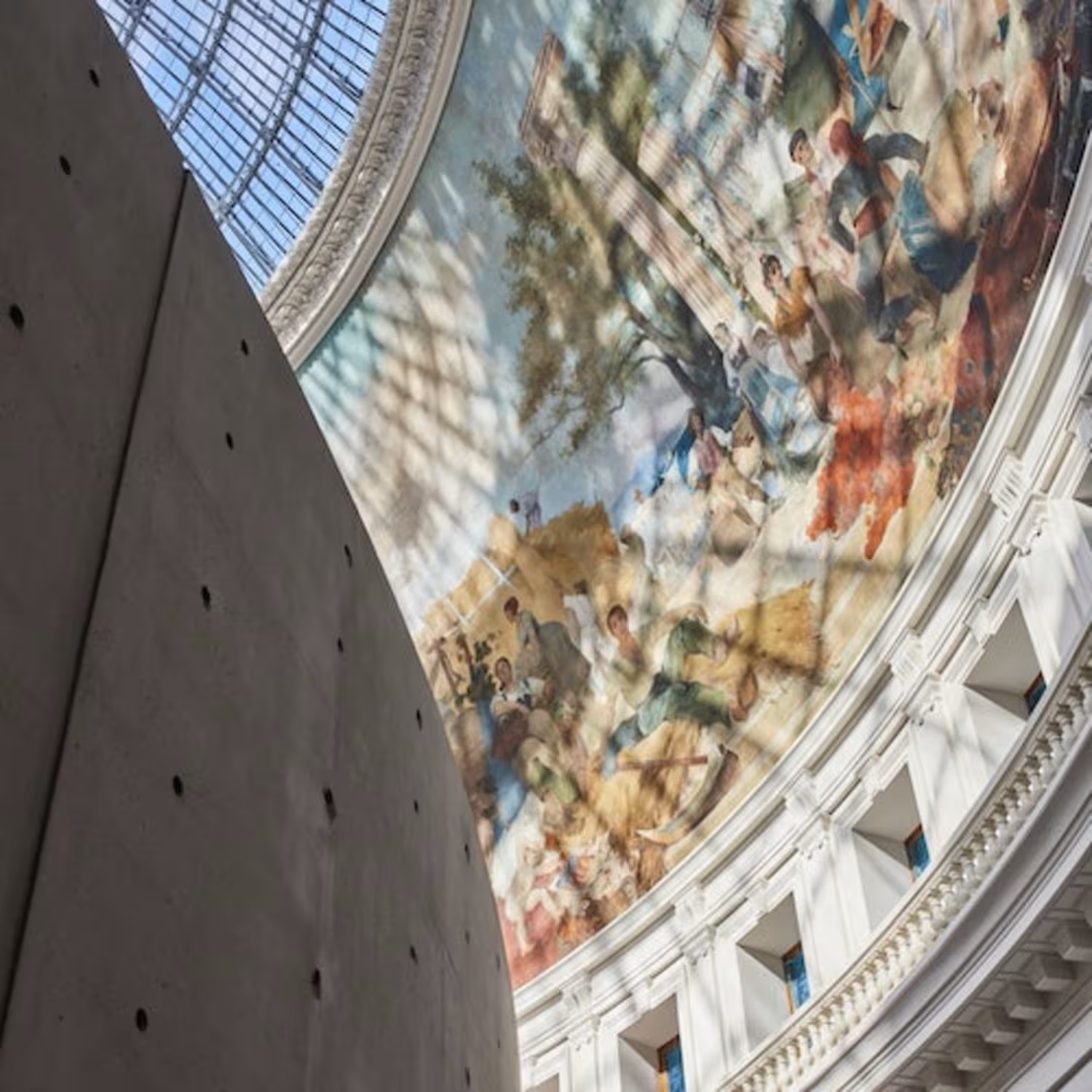
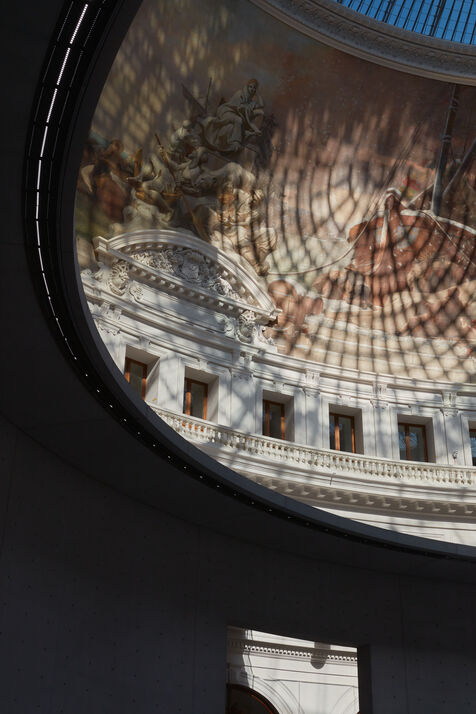
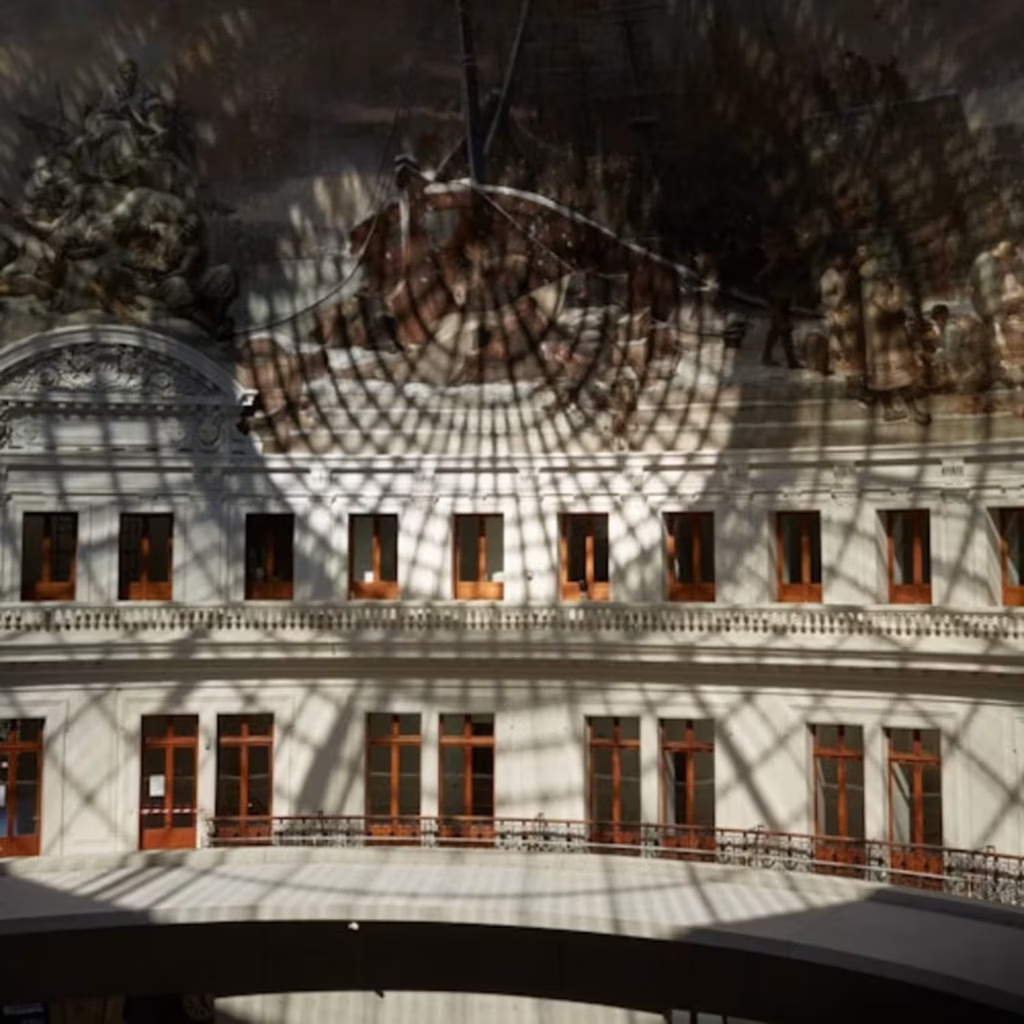
Inside the rotunda is a monumental 19th-century fresco depicting global commerce across five continents—a remarkable example of historic panoramic painting rarely seen in Paris today.
Redesigned by Renowned Architect Tadao Ando
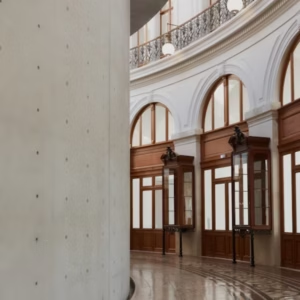
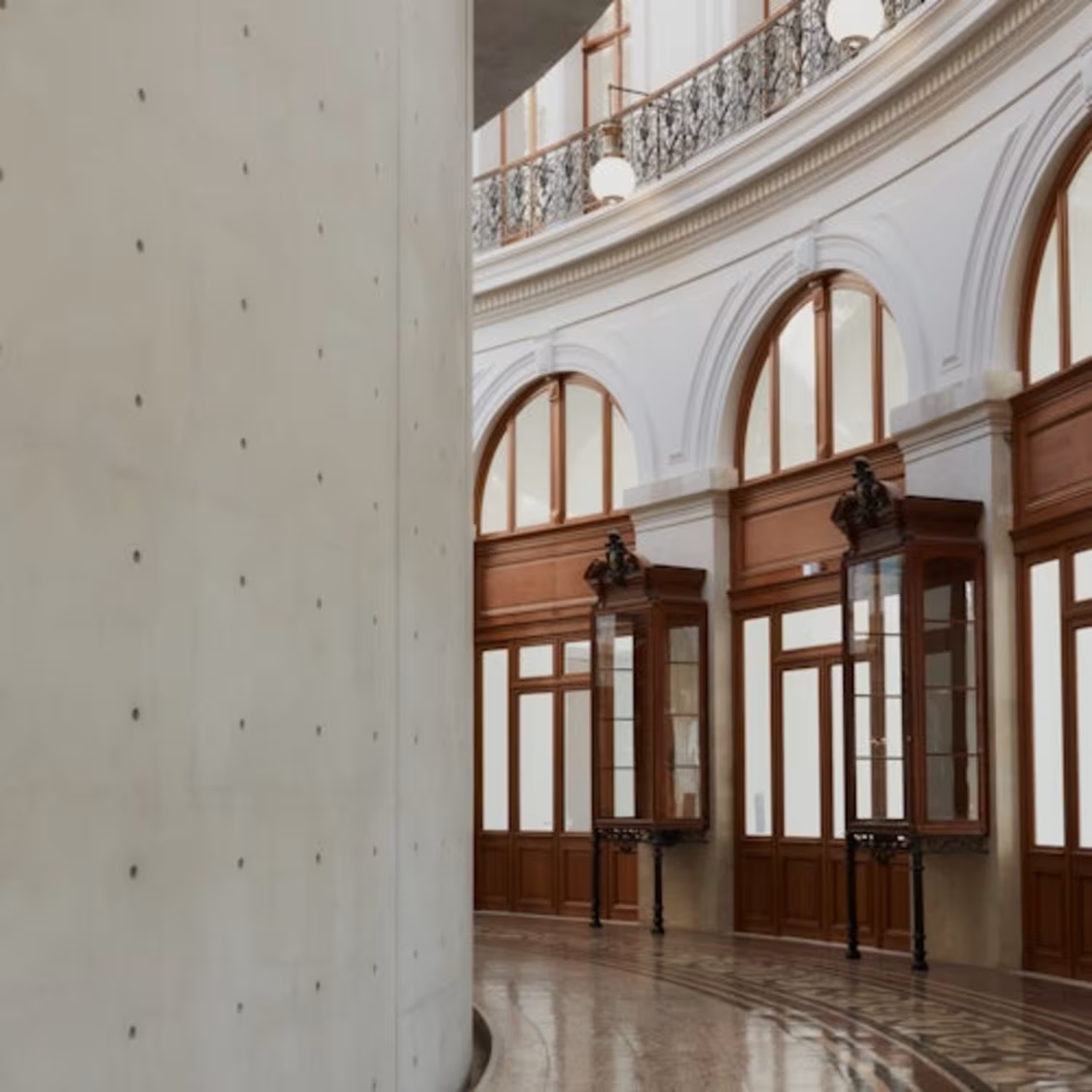
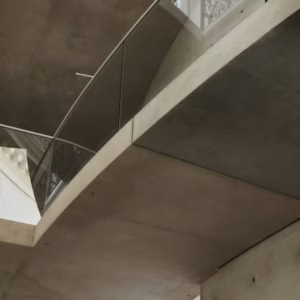
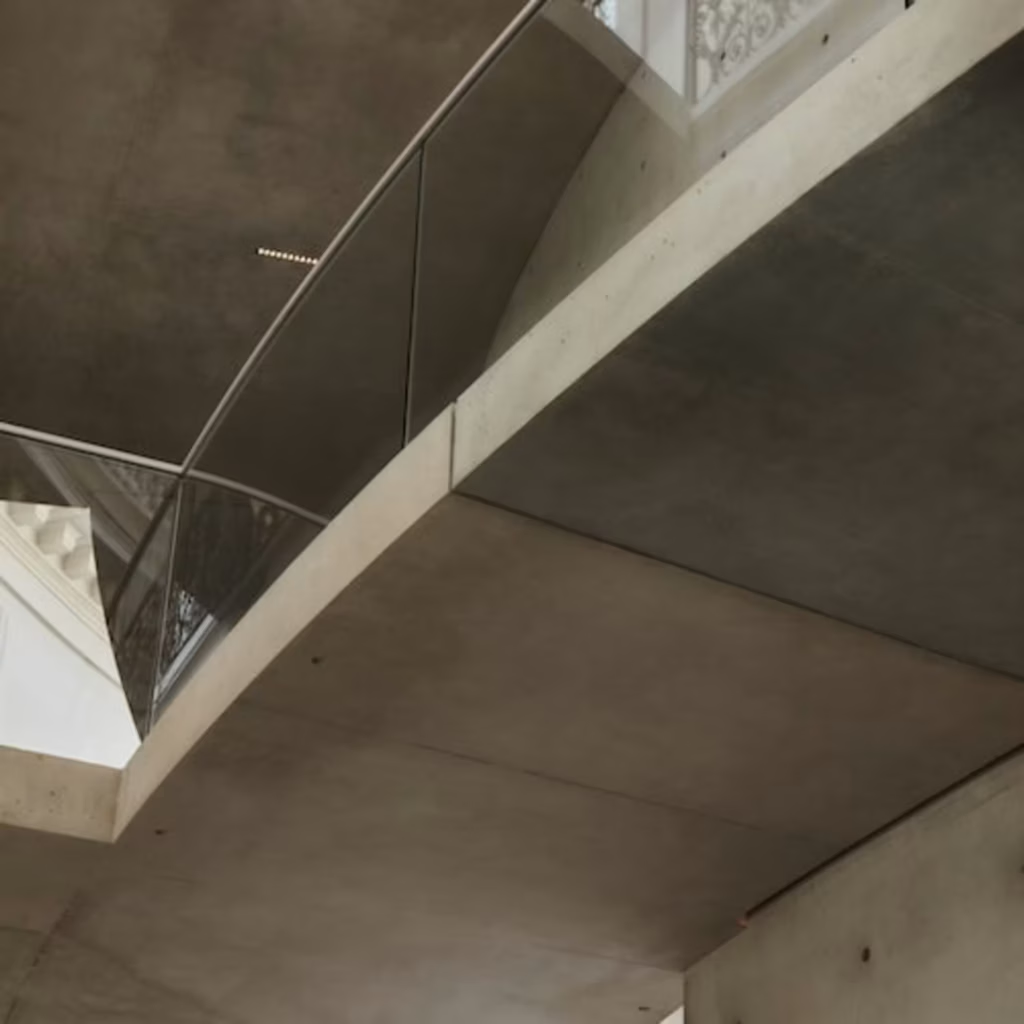
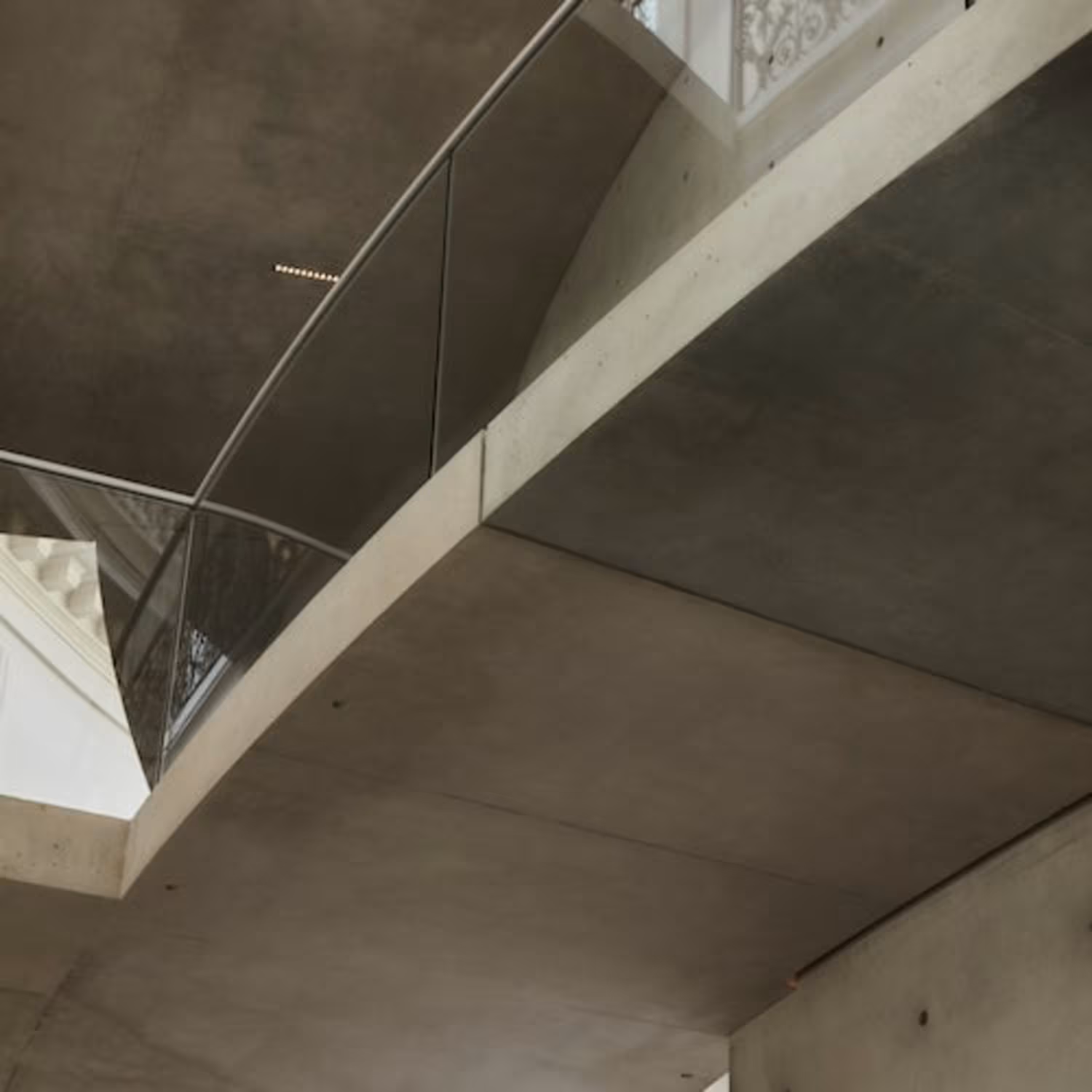
The transformation into the Pinault Collection site was led by Pritzker Prize–winning Japanese architect Tadao Ando, who added a striking minimalist concrete cylinder inside the historic rotunda.
The Circular Shape Has Been Preserved for Over 400 Years
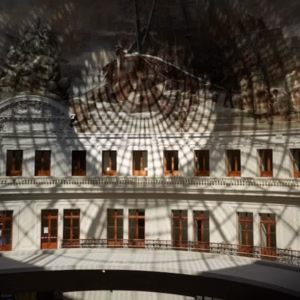
The site has maintained a circular layout since the 16th century, when it housed Catherine de’ Medici’s palace. The iconic circular footprint has survived every reconstruction since.
François Pinault’s Collection Is One of the Largest Contemporary Art Collections in the World
The museum showcases rotating selections from François Pinault’s collection of over 10,000 artworks, featuring major contemporary artists from around the globe.
The Museum Changes Exhibitions Several Times a Year
Instead of a fixed permanent exhibition, the museum hosts multiple temporary shows annually—meaning visitors often experience an entirely new presentation each time they return.
A Hidden Underground Passage Connects the Museum Spaces
During restoration, architects preserved underground sections of the former grain exchange infrastructure, which now serve as part of the museum’s technical and service pathways.
The Building Has Survived Fires, Renovations, and Centuries of Urban Change
Over its long life, the structure has been rebuilt after fires and reshaped by major architectural movements—from Renaissance palace to commercial exchange to modern museum.
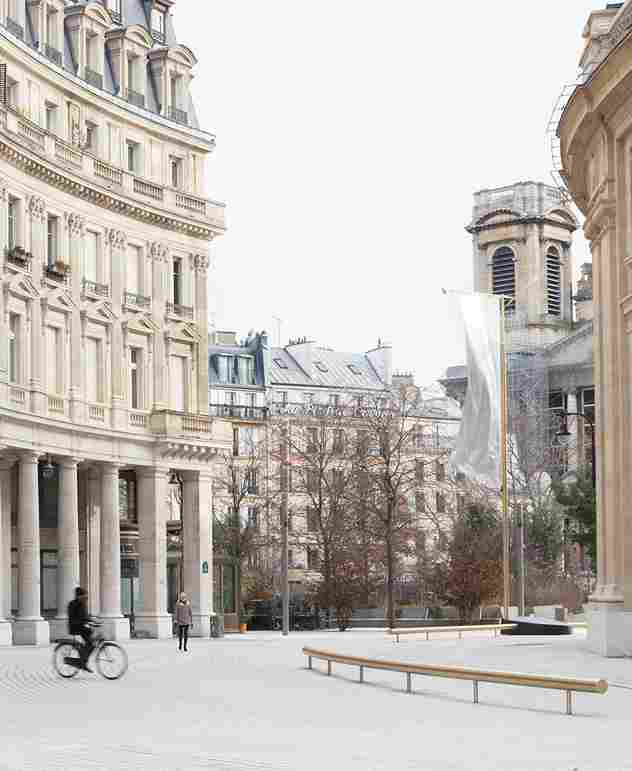
It Sits at the Heart of the Historic Les Halles District
The Bourse de Commerce is located just steps from the former central market of Paris—once called “the belly of Paris”—connecting the museum’s past in commerce to its present in contemporary art.