We are processing your request.
Please, don't close or refresh the page.

Musée d’Orsay: Tickets and Info

This website offers official tickets for this venue. Please note, however, that it is not the official website of the venue.
Smartphone tickets

Smartphone tickets

Why wait?

Priority Access Available

Instant confirmation

Instant confirmation

Flexible cancellation

Flexible cancellation

Smartphone tickets

Smartphone tickets

Everything you need, right in your pocket!
Why wait?

Why wait?

Skip the line and get priority access
Instant confirmation

Instant confirmation

Receive your tickets seconds after your purchase
Flexible cancellation

Flexible cancellation

Free cancellation up to 24 hours before the event available on selected experiences

Tickets for the Musée d'Orsay

Highlights

Gain admission to the famed Musée d’Orsay located in a historic railway station.

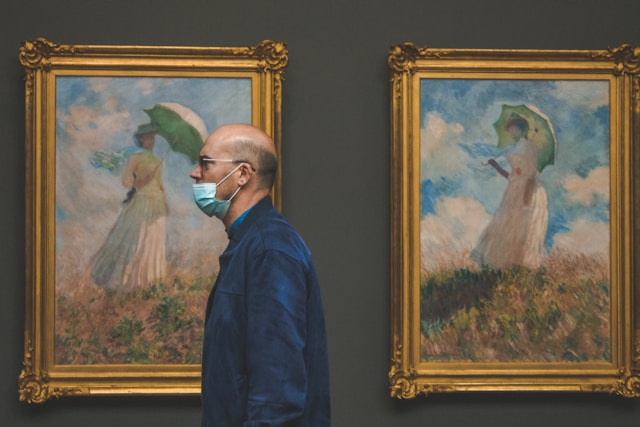
View a remarkable collection of Impressionist, Post-Impressionist, and Art Nouveau masterpieces.

Enjoy exclusive access to select temporary exhibitions depending on availability.

Avoid long queues with a predetermined entry time slot.

Explore one of the world’s most distinguished art museums with ease.

Musée d’Orsay, Paris

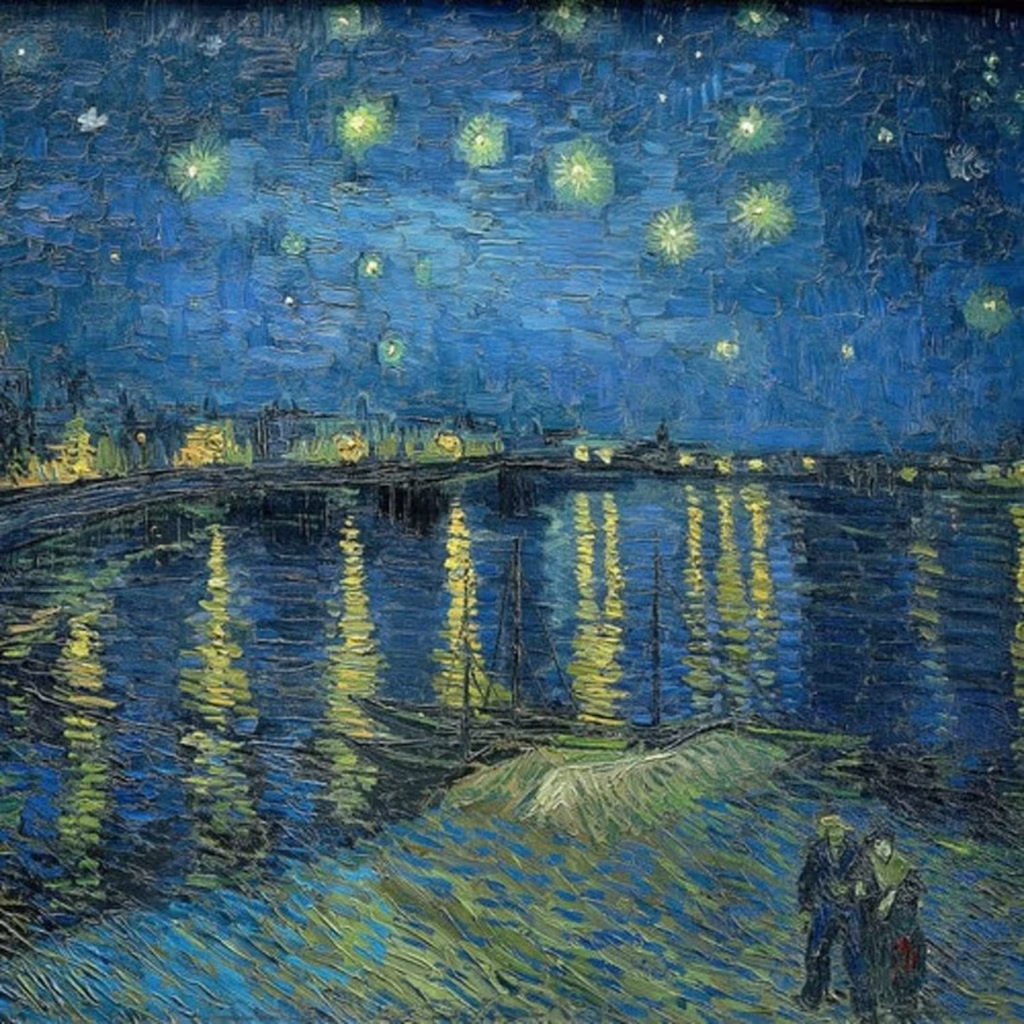
The Musée d’Orsay in Paris is a masterpiece in itself, housed in a stunning Beaux-Arts railway station that dates back to 1900. Renowned for its unparalleled collection of Impressionist and Post-Impressionist art, including works by Monet, Van Gogh, and Degas, the museum offers an immersive journey through the evolution of 19th and early 20th-century art. Secure your tickets now to explore this iconic cultural treasure in the heart of Paris.

About the Musée d'Orsay

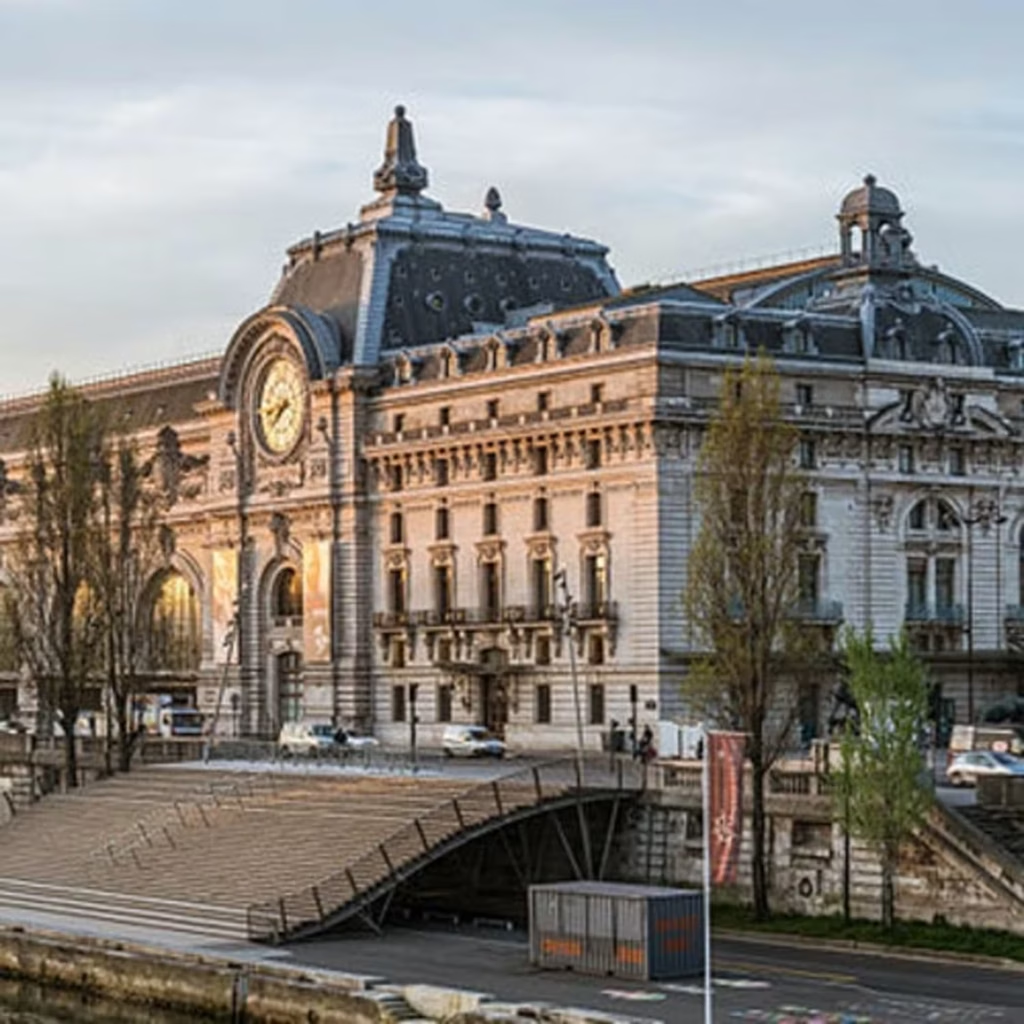
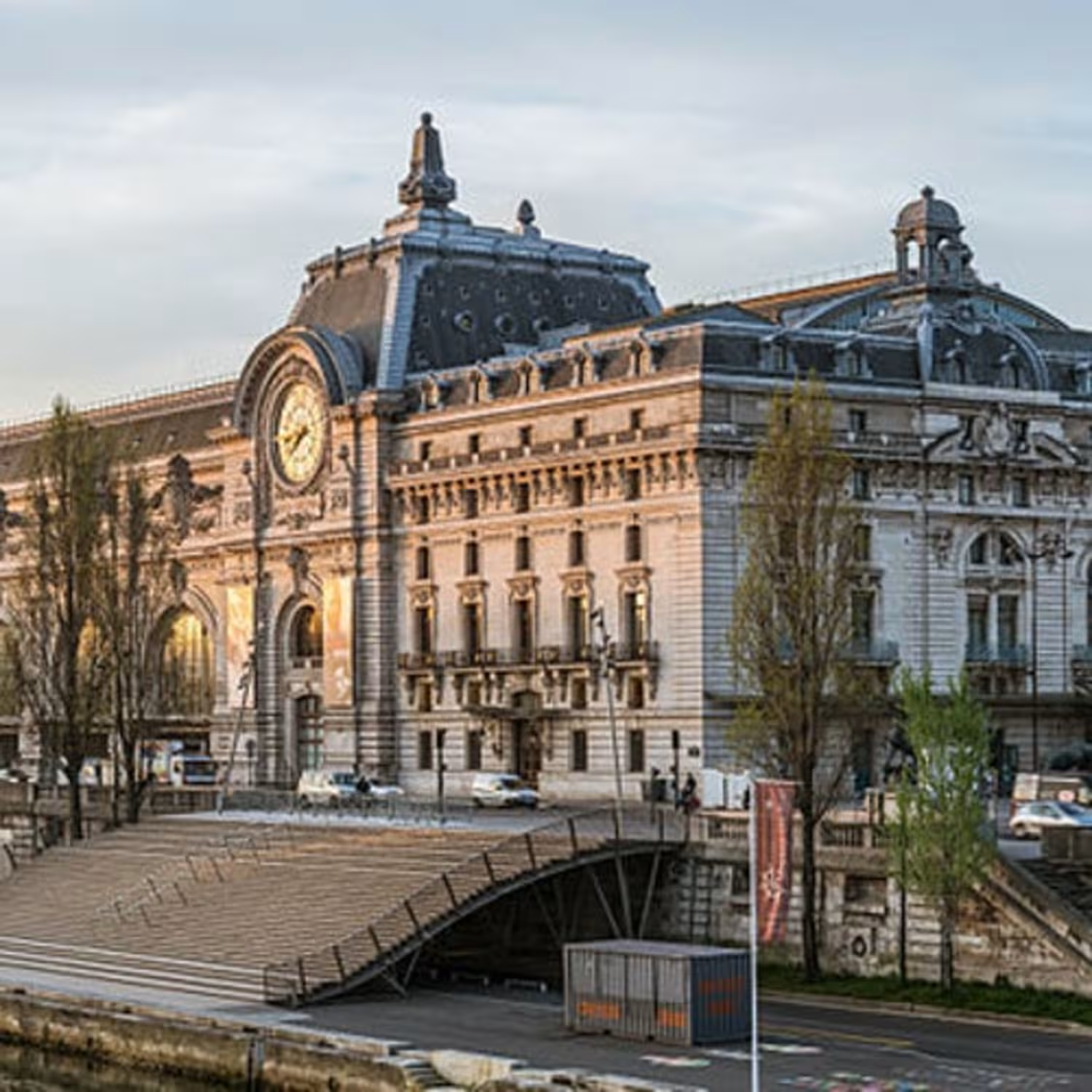
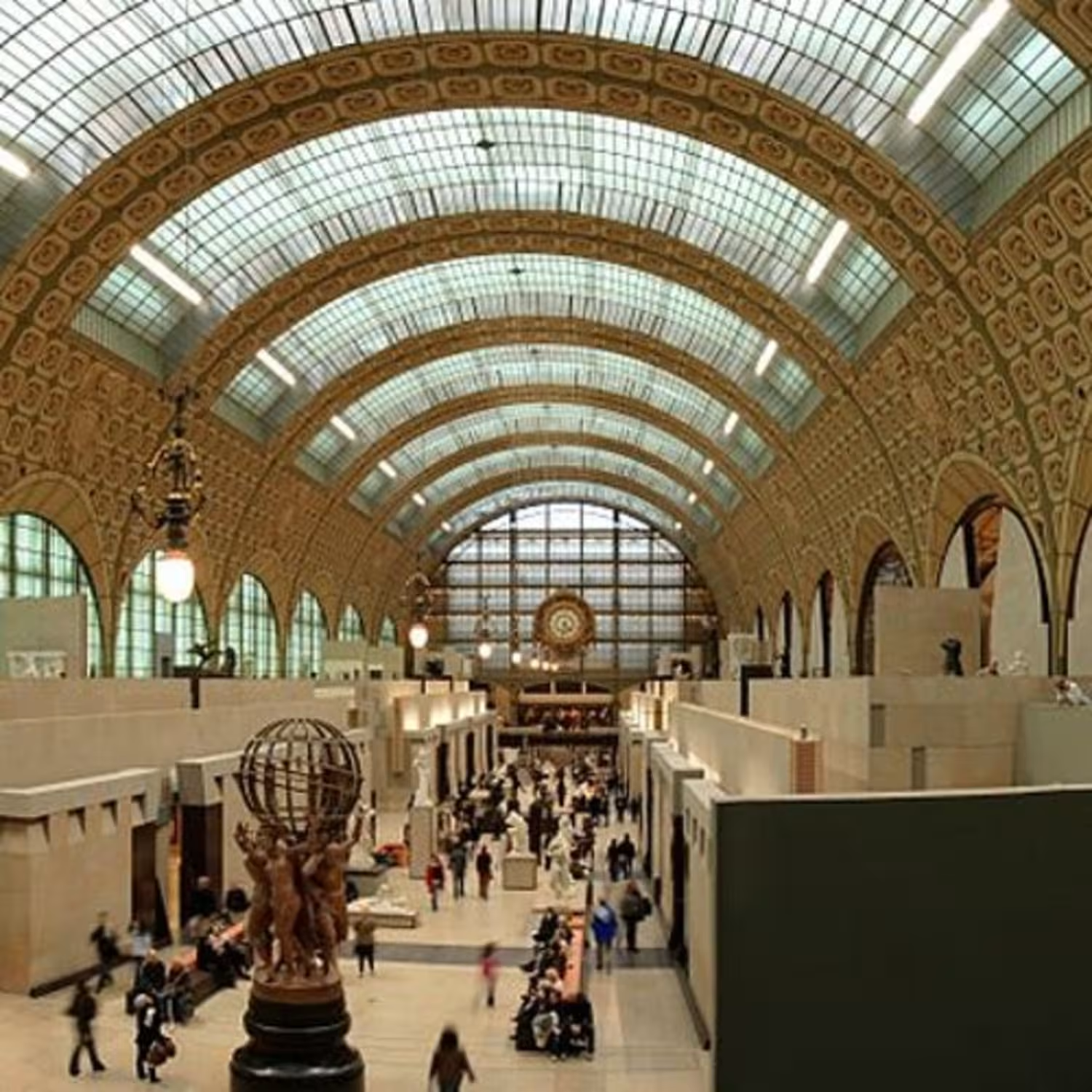
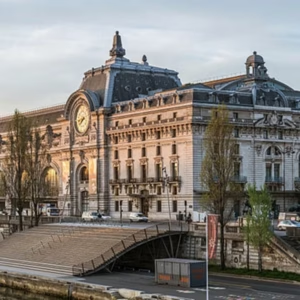
The Musée d'Orsay, housed in a beautifully restored Beaux-Arts railway station, is one of Paris's most beloved cultural institutions. Located along the Seine at 1 Rue de la Légion d'Honneur, the museum opened its doors in 1986 and quickly became renowned for its exceptional collection of Impressionist and Post-Impressionist masterpieces. From the iconic works of Monet and Van Gogh to the architectural splendor of the building itself, the Musée d'Orsay offers visitors a unique journey through 19th and early 20th-century art in an extraordinary setting.

Number of Annual Visitors: Over 3 million (estimated)
Founded in: Established in 1986
Building Style: Beaux-Arts Architecture
Original Use: Gare d'Orsay Railway Station (Opened in 1900)

Why Visit the Musée d'Orsay?

Unmatched Collection of Impressionist and Post-Impressionist Art

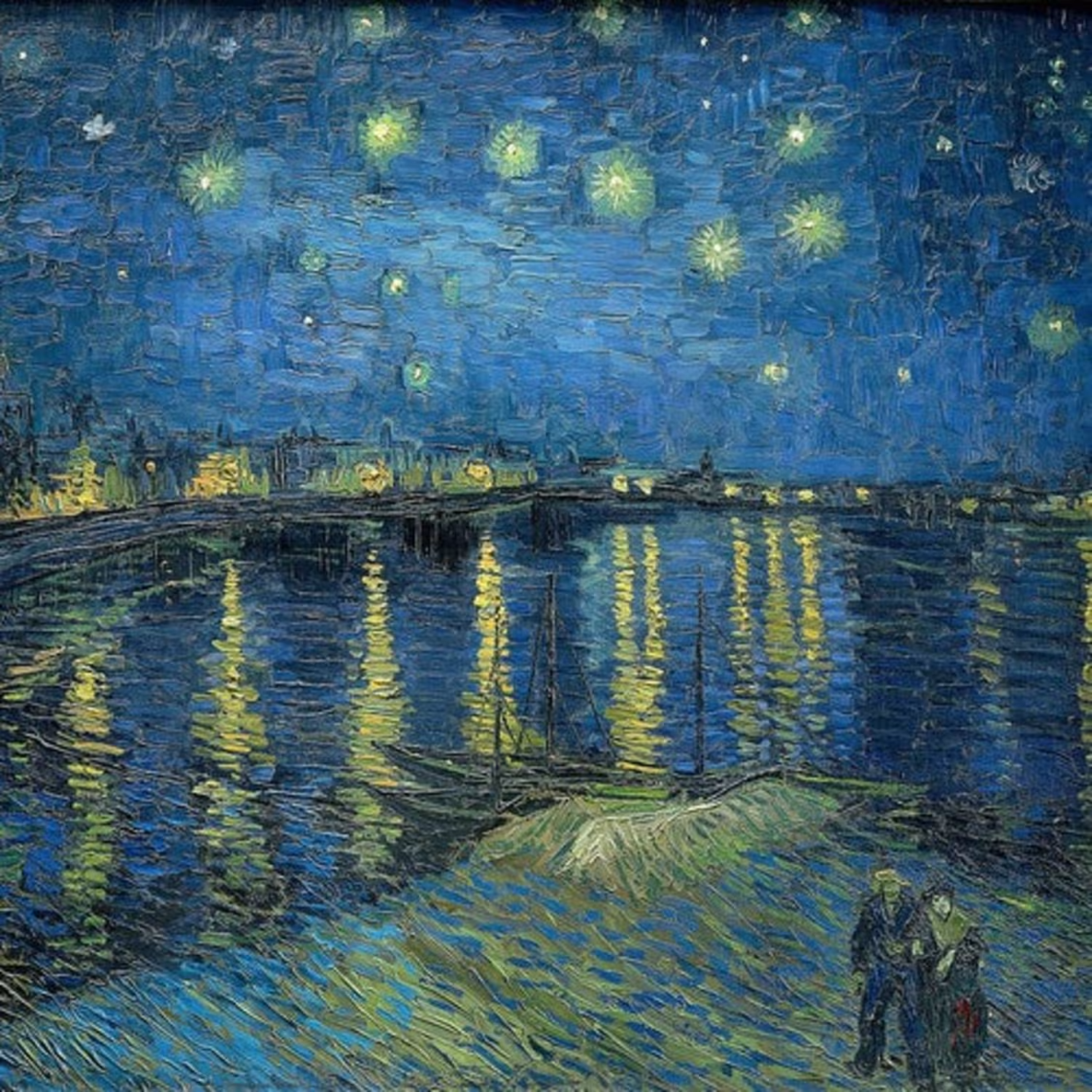
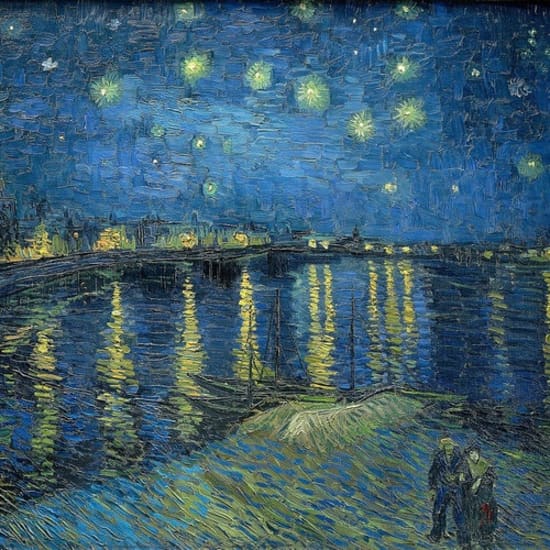
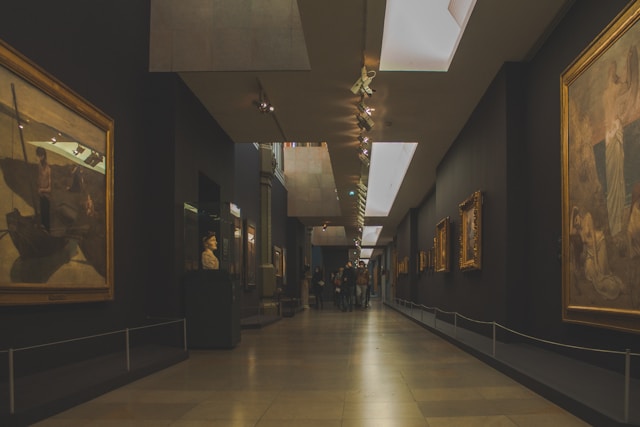
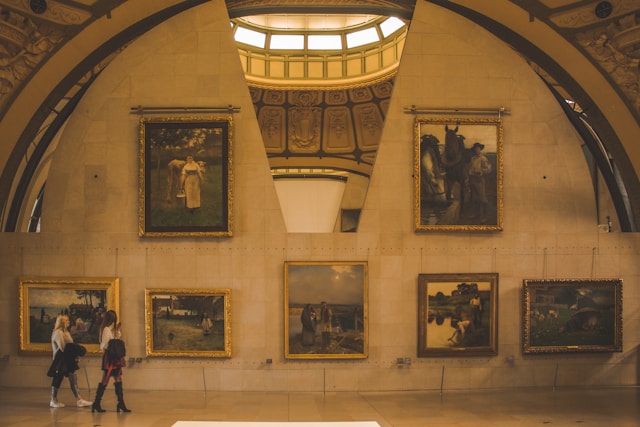
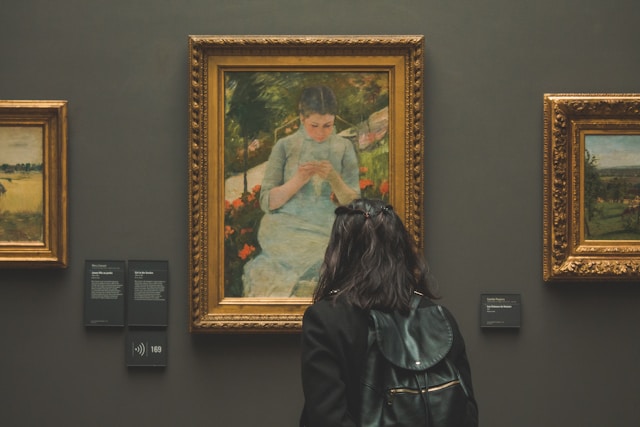
The Musée d'Orsay houses the world's most extensive collection of Impressionist and Post-Impressionist masterpieces. With iconic works by artists like Claude Monet, Edgar Degas, and Vincent van Gogh, the museum offers an unparalleled opportunity to explore the revolutionary art movements that defined the late 19th and early 20th centuries. Whether you're an art enthusiast or a casual visitor, the vibrant colors and innovative techniques on display are sure to captivate and inspire.

Stunning Beaux-Arts Architecture

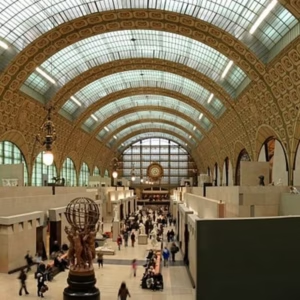
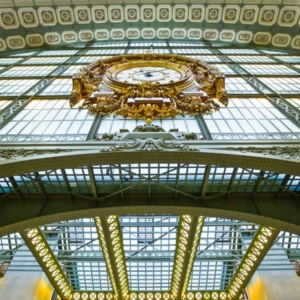
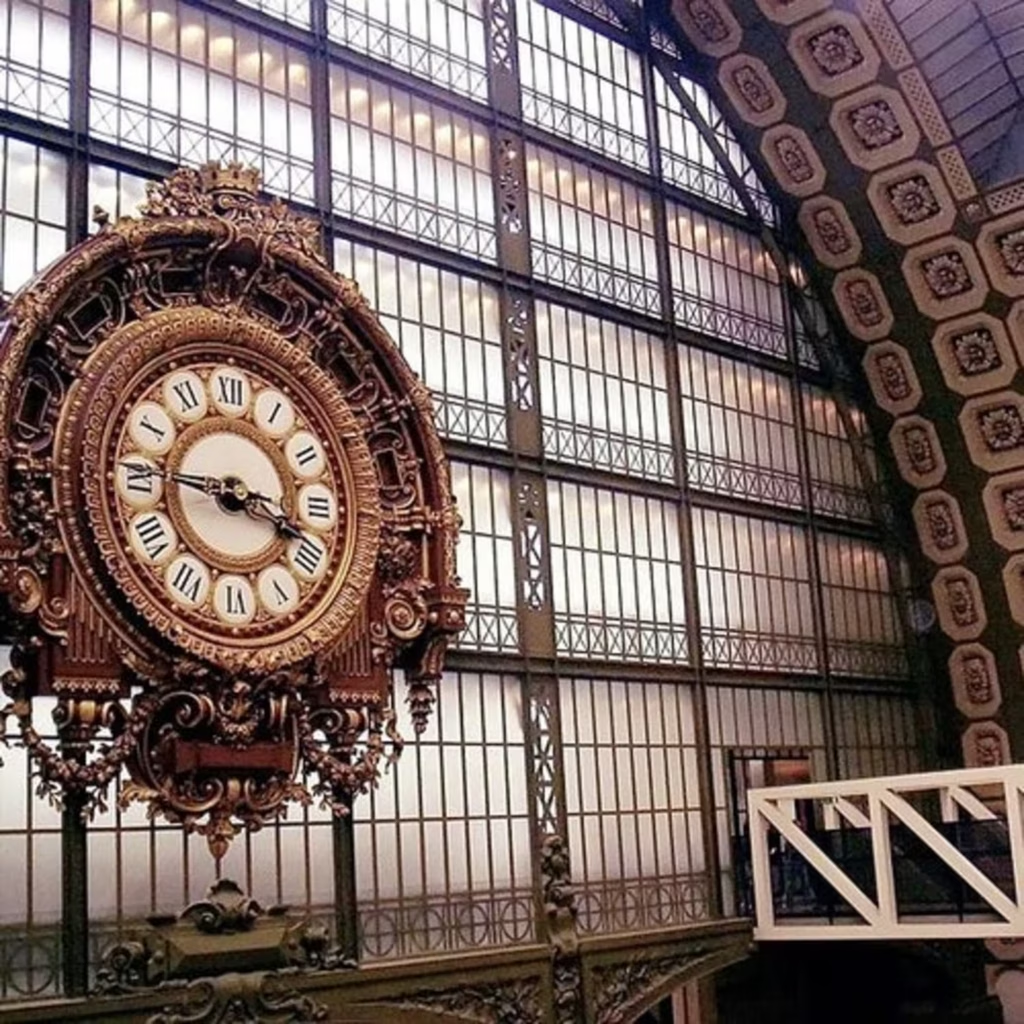
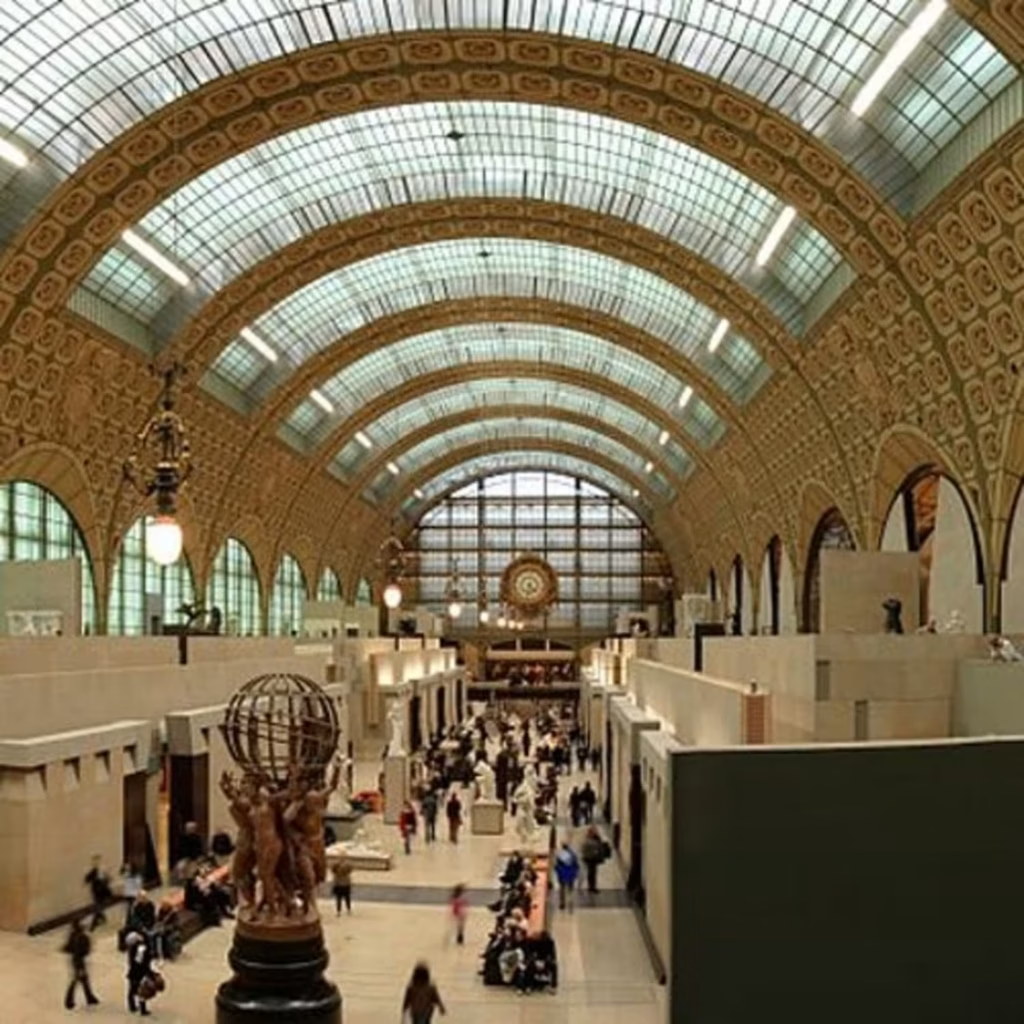
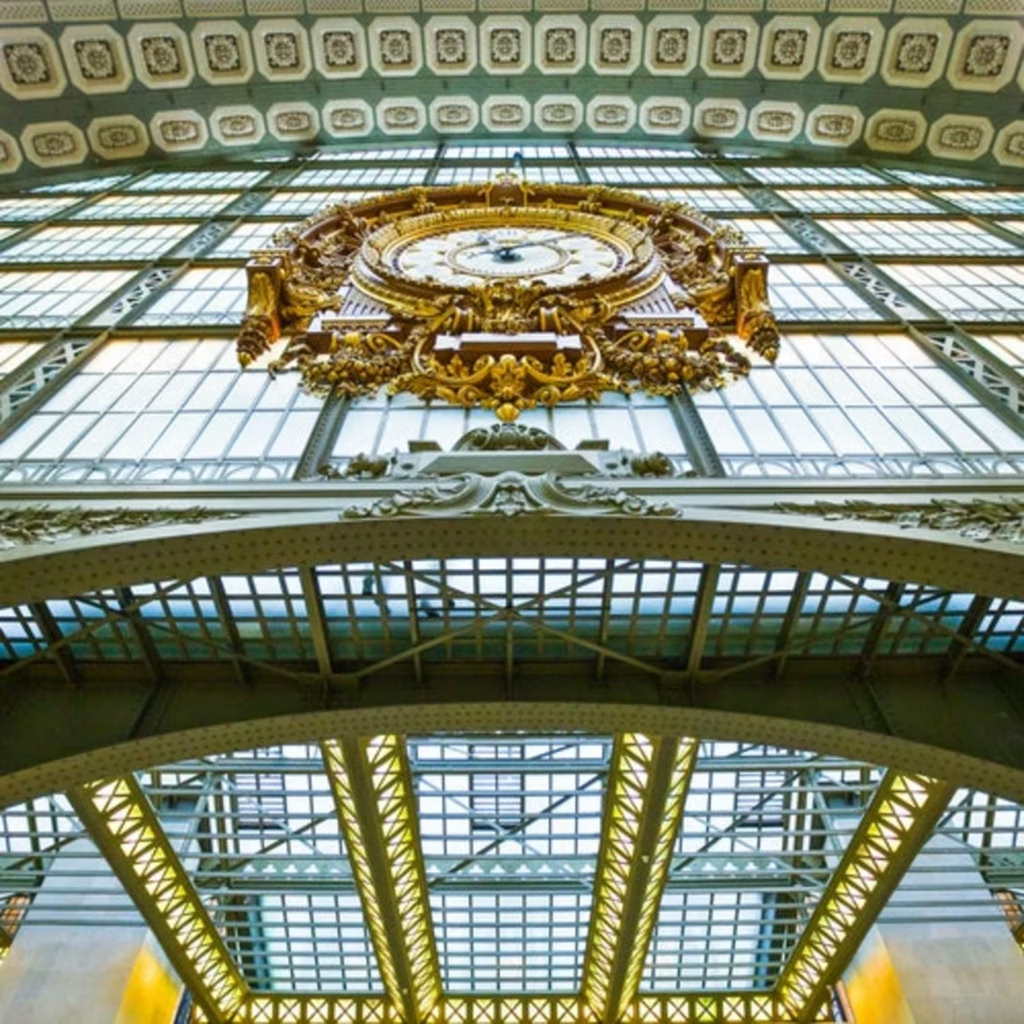
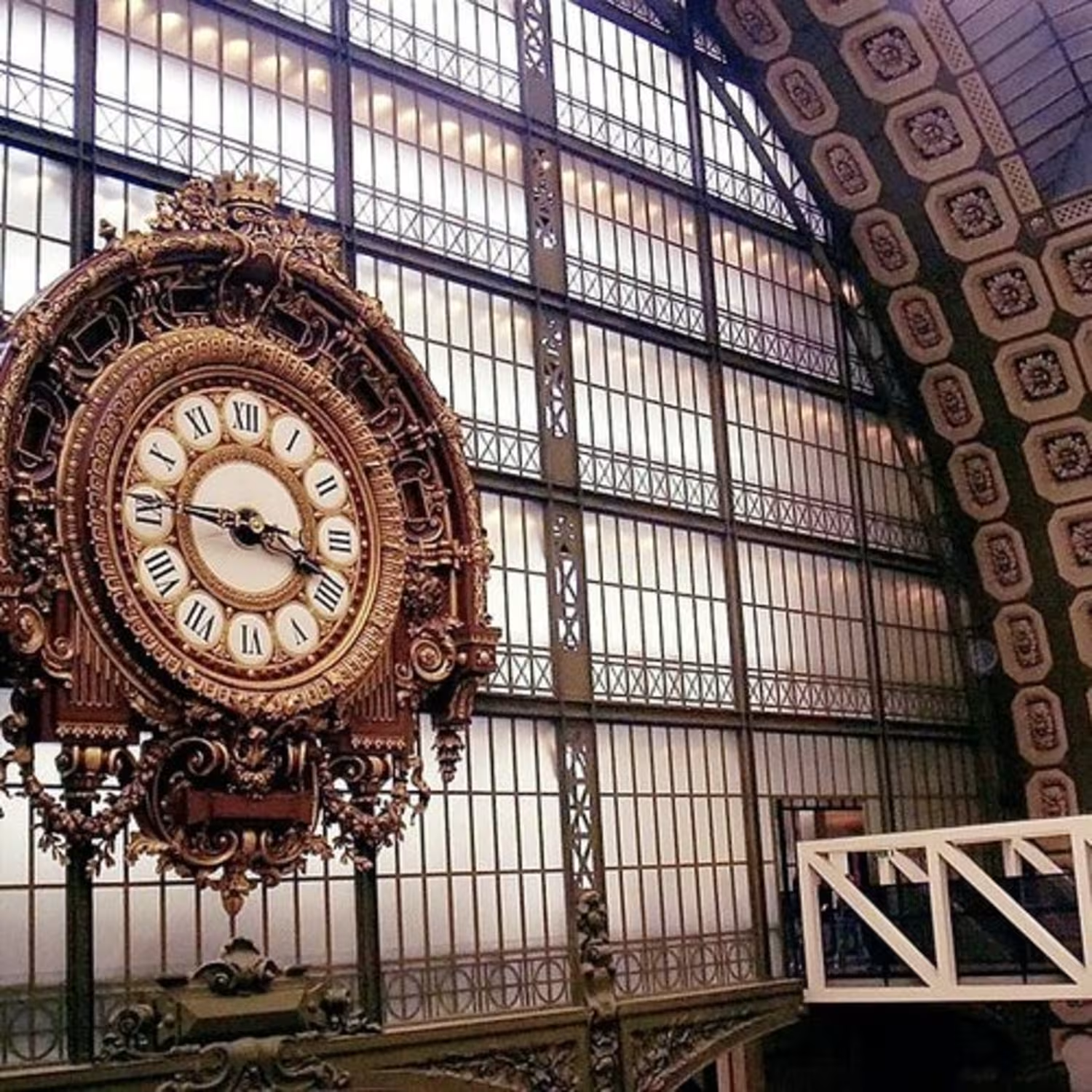
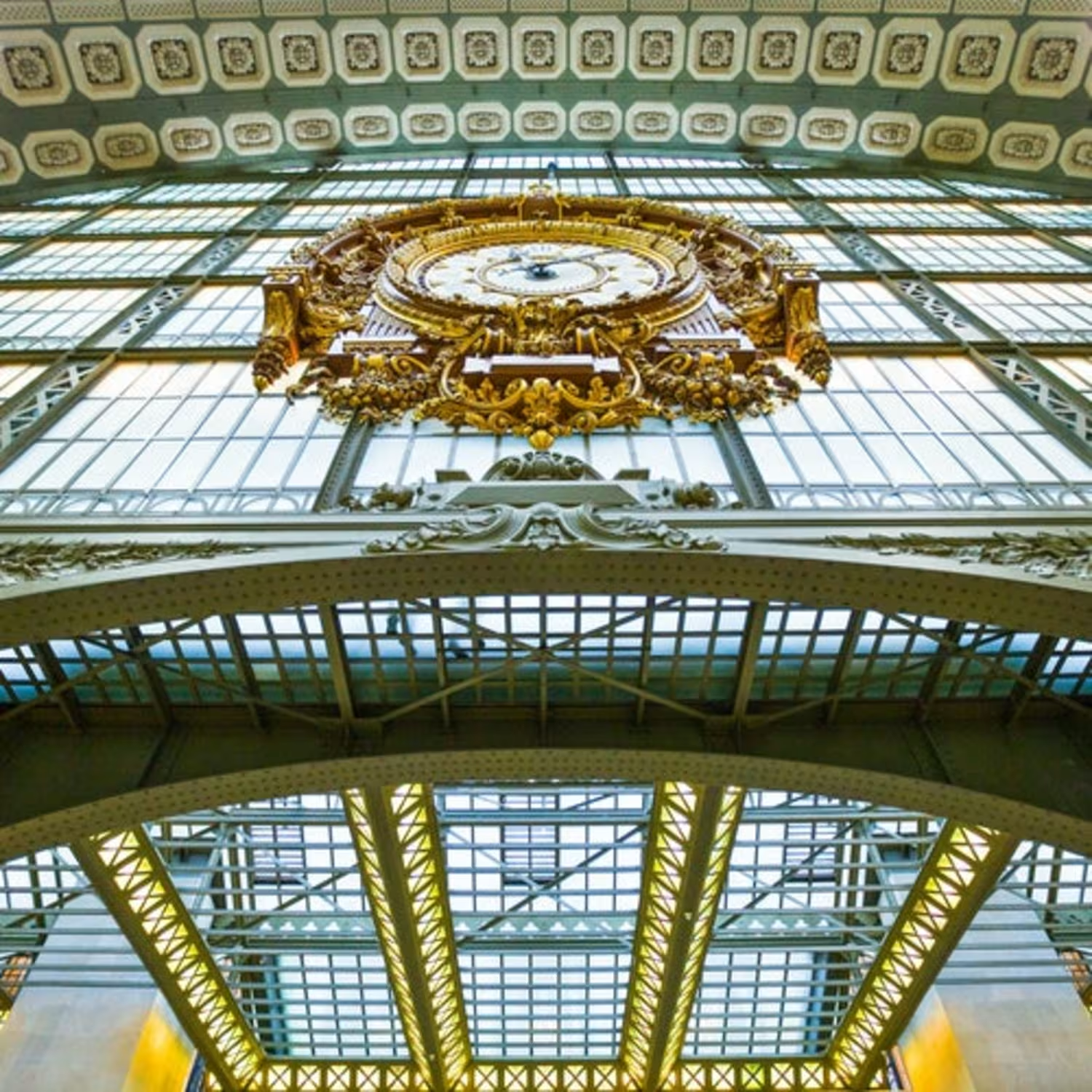
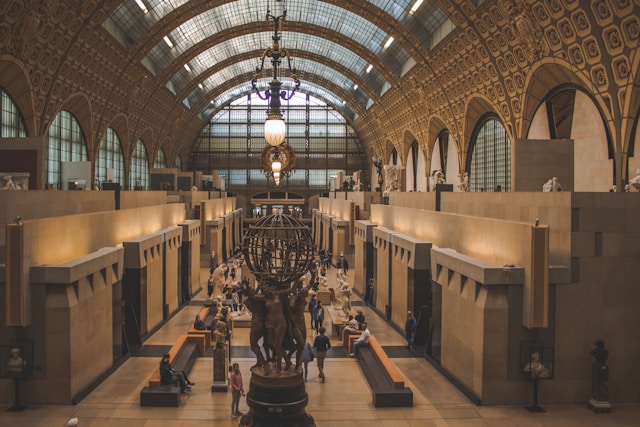
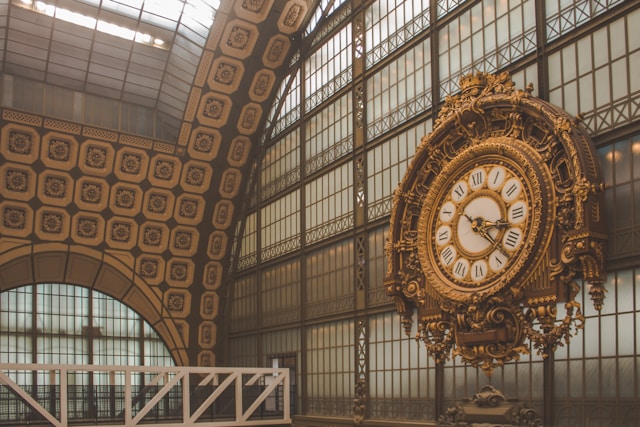
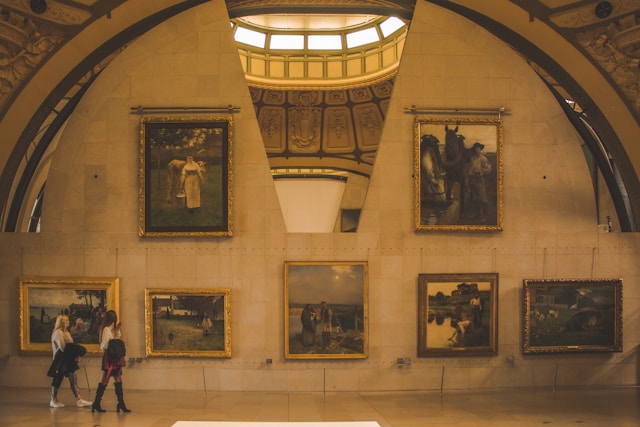
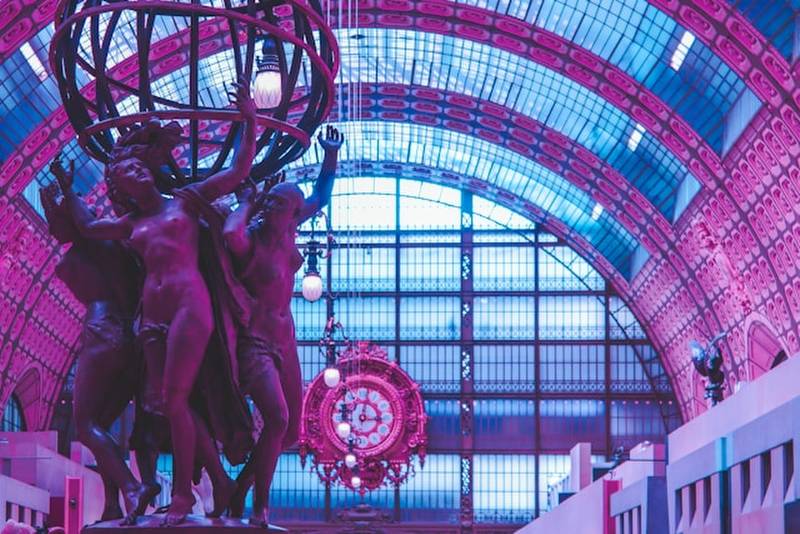
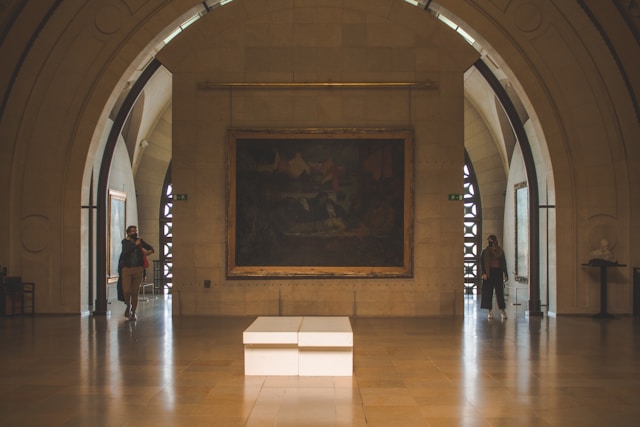
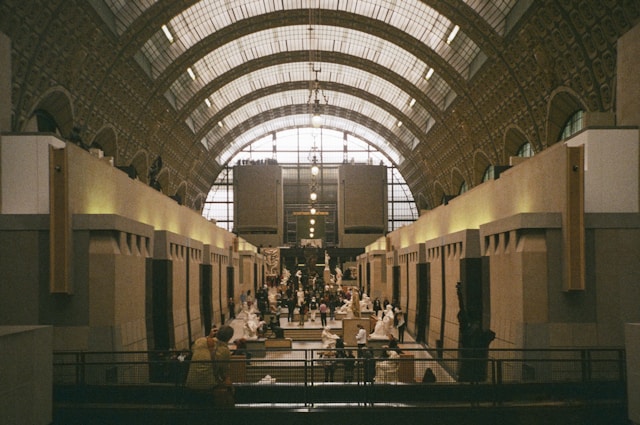
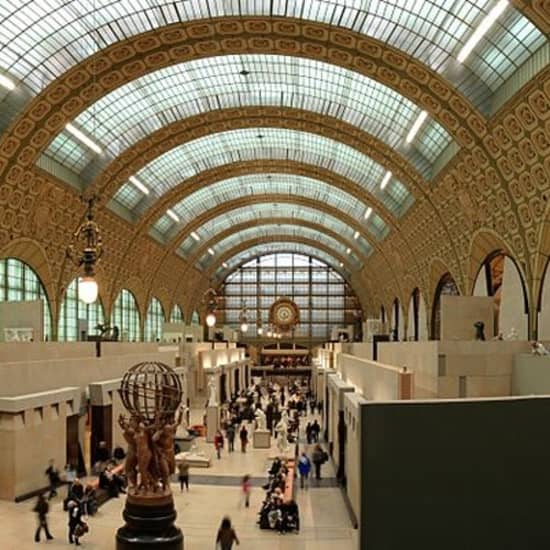
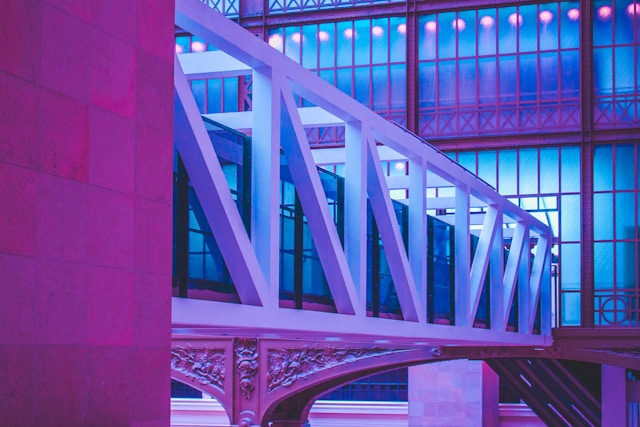
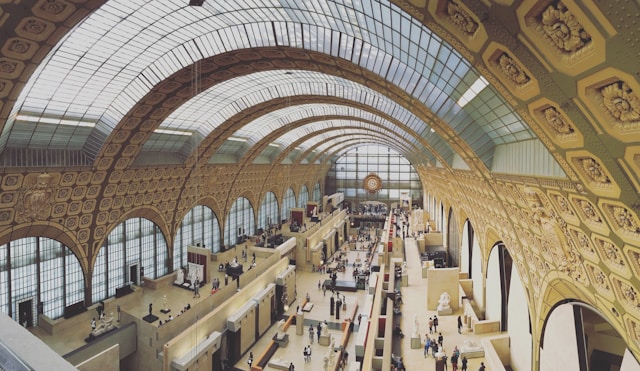
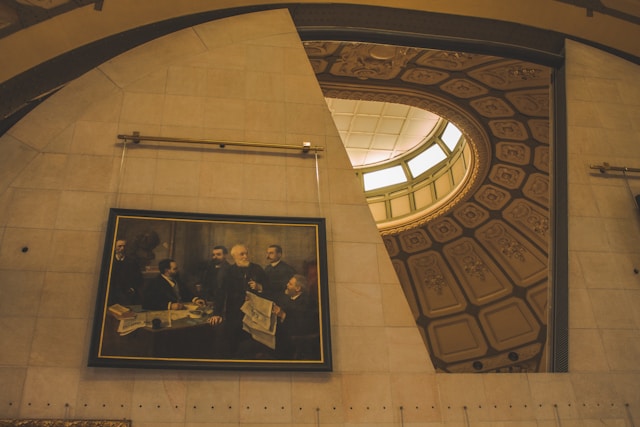
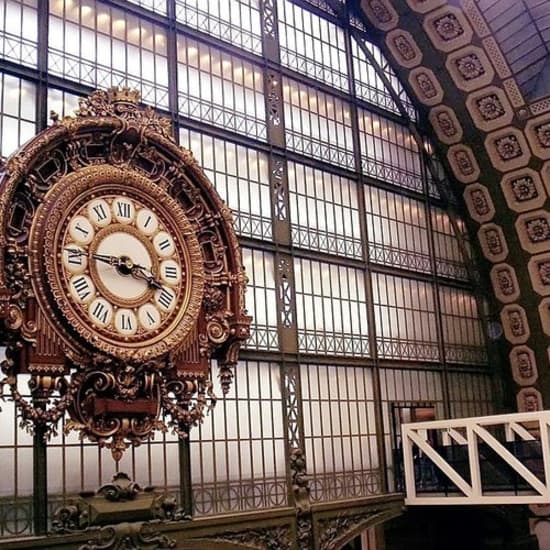
Originally built as a railway station for the 1900 World’s Fair, the Musée d'Orsay is a marvel of Beaux-Arts architecture. The building itself is a work of art, with its soaring glass ceilings, intricate ironwork, and grand clock that has become a symbol of the museum. The transformation from a bustling train station to a world-class art museum adds an extra layer of historical and architectural interest to your visit.

Unique Location Along the Seine

Situated on the banks of the Seine River, the Musée d'Orsay offers a picturesque setting that enhances the overall experience. The museum’s location in the heart of Paris allows for easy access to other major attractions, including the Louvre and Notre-Dame. After exploring the museum’s vast collection, visitors can enjoy a leisurely stroll along the Seine, taking in the beauty of Paris’s iconic riverside.

Diverse Range of Artistic Disciplines

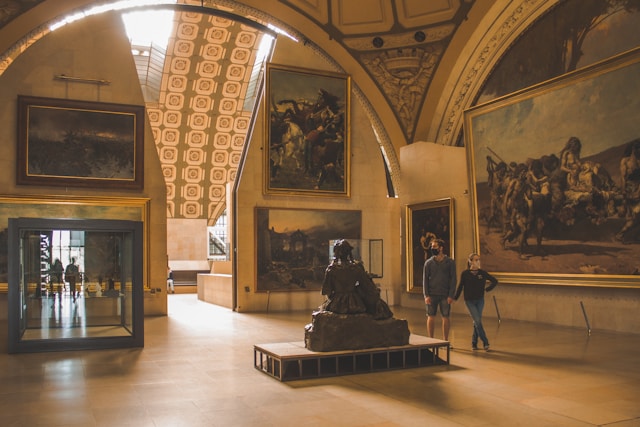
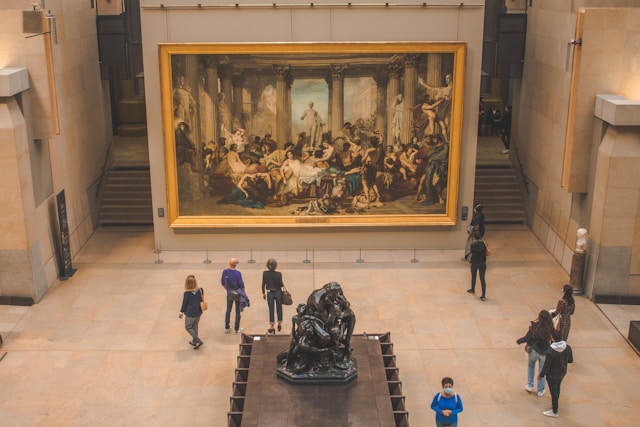
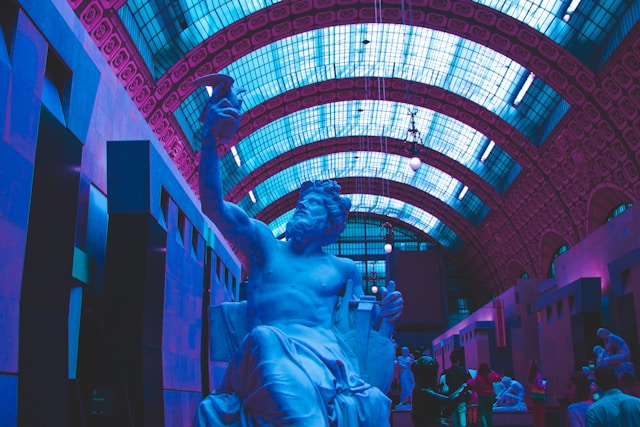
While the Musée d'Orsay is best known for its Impressionist and Post-Impressionist collections, it also features a wide array of other artistic disciplines. From sculpture and photography to decorative arts and architecture, the museum presents a comprehensive overview of the creative expressions that flourished between 1848 and 1914. This diversity makes the Orsay a must-visit for those interested in exploring the broader context of the period’s artistic achievements.

Exhibitions and Special Programs

The Musée d'Orsay regularly hosts temporary exhibitions and special programs that provide fresh perspectives on its permanent collection and explore new themes in art history. These exhibitions often feature works from other prestigious institutions around the world, offering visitors a chance to see rare and unique pieces. Additionally, the museum offers educational programs, workshops, and guided tours that enhance the visitor experience and deepen your understanding of the art on display.

Panoramic Views of Paris

One of the lesser-known highlights of the Musée d'Orsay is the breathtaking panoramic view of Paris from the museum’s upper levels. Visitors can enjoy stunning vistas of the city’s most famous landmarks, including the Louvre, the Seine, and the Eiffel Tower. This hidden gem provides a perfect photo opportunity and a moment of reflection amidst your art-filled journey.

Timings

Opening Times:

Tuesday to Sunday: 9:30 AM - 6:00 PM

Last access to the museum: 5:00 PM
Last access to exhibitions: 5:15 PM
Closing of rooms begins at 5:30 PM

Late Opening on Thursday: 9:30 AM - 9:45 PM
Last access to the museum and exhibitions: 9:00 PM
Closing of rooms begins at 9:15 PM

Closed:

Every Monday
May 1 (Labor Day)
December 25 (Christmas Day)

How Do I Get There?

The Orsay Museum is located at 1 Rue de la Légion d'Honneur, 75007 Paris, France. Situated along the Seine River, directly across from the Tuileries Gardens, the museum is easily accessible by various modes of transportation.


Here’s a comprehensive guide on how to get there.

Line 12: Take the Metro Line 12 to Solférino Station. The museum is just a short walk from the station.

RER Line C: Take the RER C train to Musée d'Orsay Station, which is directly adjacent to the museum.

Bus Lines:

Several bus lines service the area around the Orsay Museum, including lines 63, 68, 69, 73, 83, 84, and 94. These buses stop within a few minutes’ walk of the museum.

Parking Options:

Parking in the immediate vicinity of the Orsay Museum is limited. However, there are nearby parking facilities, such as the Bac Montalembert car park. Due to the museum's central location, it’s advisable to use public transport whenever possible.

Ride-Sharing Services:

Uber, Lyft, and other ride-sharing services can drop you off directly at the museum’s entrance.

Vélib’:

Paris’s bike-sharing program, Vélib’, has several stations near the Orsay Museum. You can find docking stations at various points around the museum, including near Solférino Station.

Bike Parking:

Secure bike racks are available near the museum’s entrance.

Gare Saint-Lazare: From Gare Saint-Lazare, take Metro Line 12 to Solférino Station.

Gare Montparnasse: From Gare Montparnasse, take Metro Line 12 directly to Solférino Station for easy access to the museum.

Gare du Nord: From Gare du Nord, take RER Line B to Saint-Michel-Notre-Dame and transfer to RER Line C to reach the Musée d'Orsay Station.

Street Access:

The museum is easily accessible on foot from various central Paris locations, including a scenic walk across the Seine from the Louvre.

Things to Know Before Visiting Musée d'Orsay

Advance booking is strongly recommended for your ticket to bypass the long lines and ensure quick entry, especially during high season.

The museum is closed every Monday, so plan your visit for any day between Tuesday and Sunday.

Take advantage of the Thursday late opening until 9:45 PM for a less crowded viewing experience, particularly after 6:00 PM.

Admission is free for all visitors on the first Sunday of every month, but reserving a ticket for that day is mandatory.

All visitors aged 18 to 25 who are EU/EEA residents are eligible for free entry upon showing valid identification.

For security, bags larger than 56 x 45 x 25 cm are prohibited from the galleries and must be stored in the free cloakroom.

While personal photography is permitted, you must remember to deactivate your flash and leave selfie sticks or tripods in the cloakroom.

Tickets are valid for single admission only, meaning once you exit the building, re-entry is not permitted.

The museum begins clearing the exhibition rooms 30 minutes before the official 6:00 PM closing time (5:30 PM) and 9:15 PM on Thursdays.

Wear comfortable shoes, as the Musée d'Orsay's collection is spread across three main levels of the former train station, requiring substantial walking.

Facilities

Cloakroom: A free cloakroom service is available near the entrance for visitors to store coats and personal items. Items exceeding the size limit of 56 x 45 x 25 cm (standard cabin luggage size) must be deposited here.

Restrooms: Restrooms are located throughout the museum's levels, including adapted facilities for visitors with disabilities.

Wi-Fi: Free, accessible Wi-Fi is available in certain areas of the museum to help visitors connect and utilize digital resources.

Accessibility: You can borrow useful equipment like wheelchairs, folding seats, and walking sticks free of charge at the cloakroom/reception area.

Accessibility

Entrances: The entire museum circuit, including temporary exhibitions and public areas, is accessible via elevators and ramps.

Priority Access: Visitors with disabilities, along with one accompanying person, are granted free admission and priority access upon presentation of valid proof.

Mobility Aids: Wheelchairs and folding seats are available on loan at the cloakroom. Note that prams and large strollers are not permitted in the galleries and must be checked.

Adapted Services: The museum offers various resources, including accessible restrooms and trained staff, to assist visitors with diverse needs.

Dining

Restaurant: Located on the first floor of the museum, this formal establishment offers a traditional dining experience within a beautifully preserved historic hall.

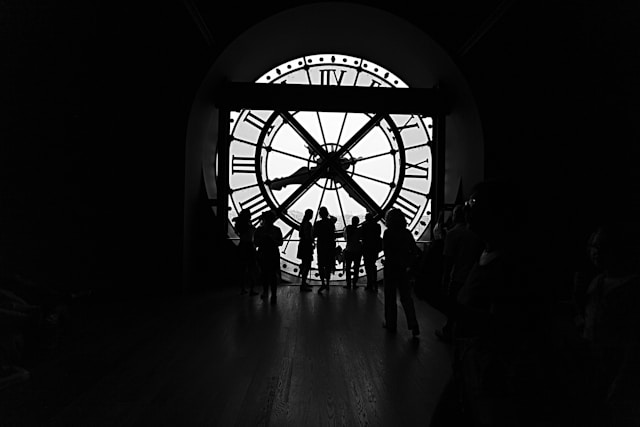
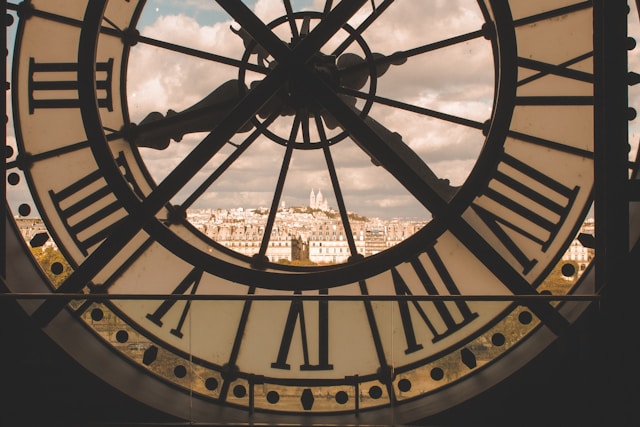
Café des Hauteurs (Café Campana): Situated near the large clock on the top floor, this café is known for its spectacular views of the Seine and the Tuileries Garden, offering light meals and refreshments.

Café de l’Ours: A quick-service café on the ground floor provides fast options for sandwiches, snacks, and drinks. Eating is only permitted in these designated areas.

Interesting Facts about the Musée d'Orsay

The Musée d'Orsay is housed in a former railway station, the Gare d'Orsay, which was built for the 1900 World’s Fair in Paris.

The museum opened in 1986, transforming the historical Beaux-Arts railway station into a cultural landmark that now houses the world's largest collection of Impressionist and Post-Impressionist art.

The museum's iconic clock, which offers a view of Paris through its face, has become a favorite photo spot for visitors.

The Musée d'Orsay's collection includes over 4,000 works by artists such as Monet, Degas, Renoir, and Van Gogh, making it an essential destination for art lovers.

Besides paintings, the museum also features an impressive array of sculptures, including masterpieces by Rodin and Camille Claudel.

The museum's collection also includes lesser-known treasures, such as decorative arts from the Art Nouveau period, including furniture, ceramics, and jewelry.

The Musée d'Orsay received the European Museum of the Year Award in 1986, recognizing its successful transformation from a railway station into a world-class museum.

The museum offers a panoramic view of Paris, including landmarks like the Louvre and the Seine River, from its upper levels.

In addition to its permanent collection, the Musée d'Orsay hosts numerous temporary exhibitions that explore various artists, movements, and themes in art history.

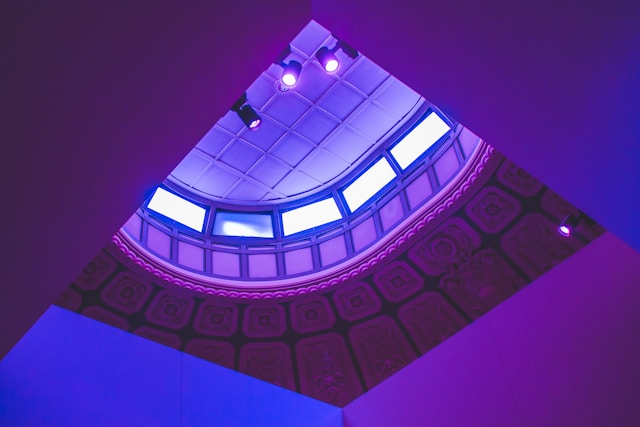
The museum's architecture cleverly combines the original railway station’s features with modern design, creating a unique and atmospheric space that enhances the art-viewing experience.

FAQs about the Musée d'Orsay

What architectural style defines the Musée d'Orsay building?

The Musée d'Orsay is housed in a stunning example of Beaux-Arts Architecture, showcasing soaring glass ceilings and intricate ironwork.

What was the building's original function?

The structure was originally built for the 1900 World’s Fair in Paris as the Gare d'Orsay Railway Station.

When was the Musée d'Orsay established as a museum?

The historic railway station was transformed and opened its doors as the Musée d'Orsay in 1986.

What is the museum's specialty collection period?

The museum is renowned for its world's most extensive collection of Impressionist and Post-Impressionist art from 1848 to 1914.

Where is the Musée d'Orsay located in Paris?

The museum is situated in the heart of Paris on the Seine River's banks, at 1 Rue de la Légion d'Honneur.

What is the annual visitor estimate for the Musée d'Orsay?

The museum receives a high volume of guests, with an estimated over 3 million annual visitors.

Are there other types of art besides paintings in the collection?

Yes, the museum features a diverse range of artistic disciplines, including sculpture, photography, and decorative arts.

How long does a typical visit to the Musée d'Orsay last?

A typical visit to explore the extensive collections generally ranges from two to four hours.

What are the regular opening hours for the Musée d'Orsay?

Standard operating hours are from 9:30 AM to 6:00 PM on Tuesday, Wednesday, Friday, Saturday, and Sunday.

Does the museum offer extended evening hours?

Yes, the museum features extended hours on Thursdays until 9:45 PM to allow visitors a later, more relaxed experience.

What is the official policy for carrying bags inside the museum?

Baggage exceeding 56 x 45 x 25 cm is not permitted in the galleries and must be deposited in the complimentary cloakroom.

Is it possible to take photographs of the artworks?

Photography for strictly private purposes is permitted, provided the flash is deactivated and accessories like tripods or selfie sticks are left in the cloakroom.

Can visitors with disabilities enter the museum easily?

Yes, the museum is fully accessible via ramps and elevators, and visitors with disabilities plus one companion receive free, priority entry.

Are there dining options available within the museum?

Yes, guests have multiple dining options, including the formal Le Restaurant and the quick-service Café Campana (formerly Café des Hauteurs).

Is pre-booking tickets necessary for Musée d'Orsay?

To maximize your experience and ensure entry, it is highly advisable to book tickets online in advance due to the museum’s popularity.

This website sells official tickets for this venue. Please note, however, that it is not the official website of the venue.
The images and videos on this website may contain visual elements that have been created or enhanced using AI technology. They are provided for illustrative purposes only.