Musée de l’Homme Paris – Book Tickets Online and Explore Human History & Cultures
This website offers official tickets for this venue. Please note, however, that it is not the official website of the venue.
Smartphone tickets
Why wait?
Instant confirmation
Flexible cancellation


Musée de L'Homme: Skip the line ticket
Highlights
Skip the queue and enter the museum without delay.
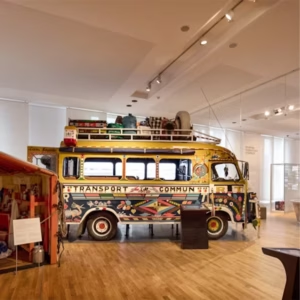
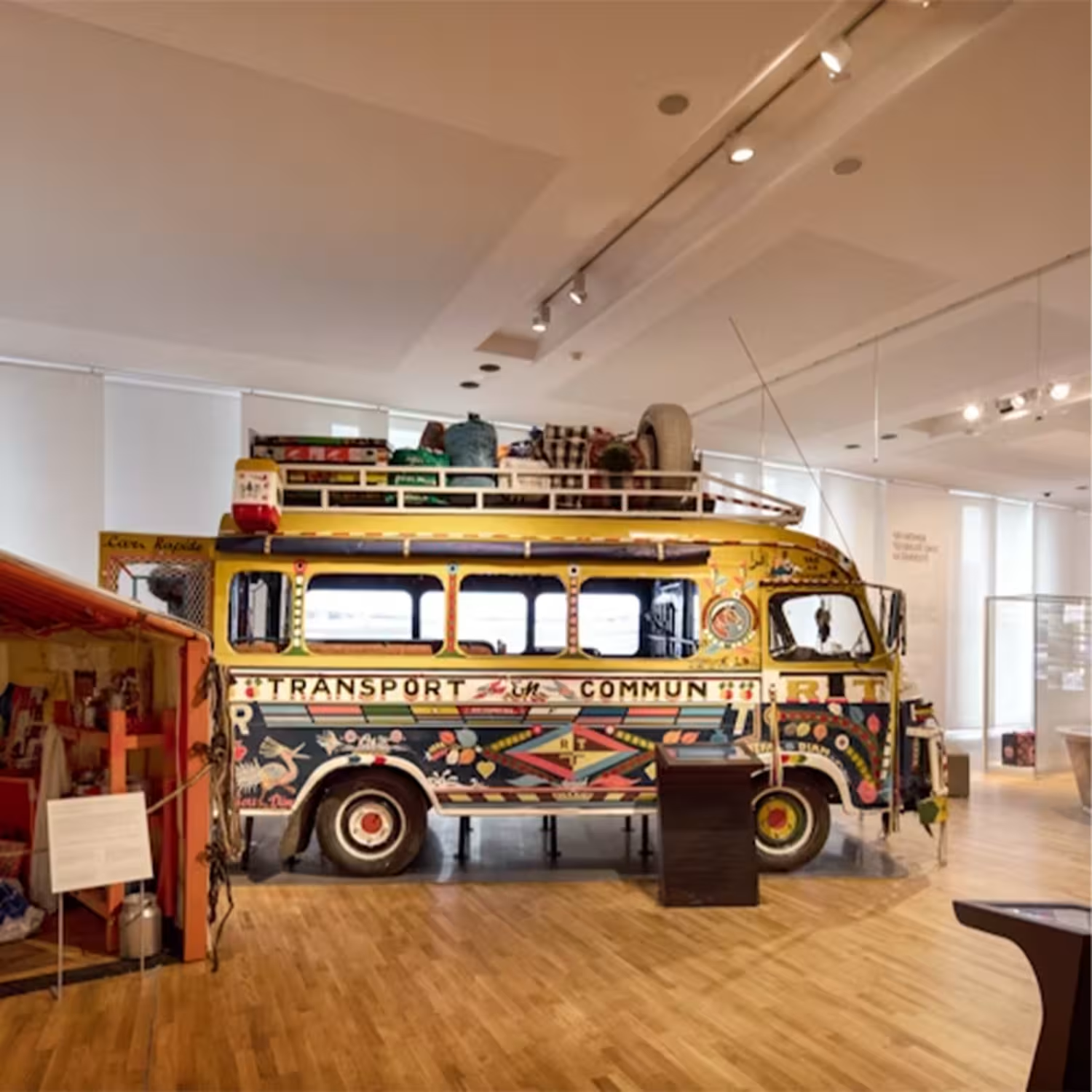
Explore both permanent collections and rotating temporary exhibits.
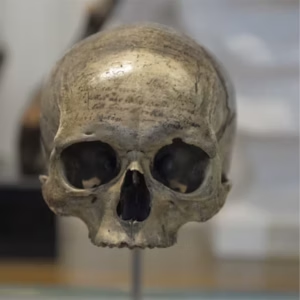
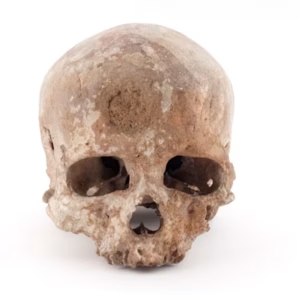
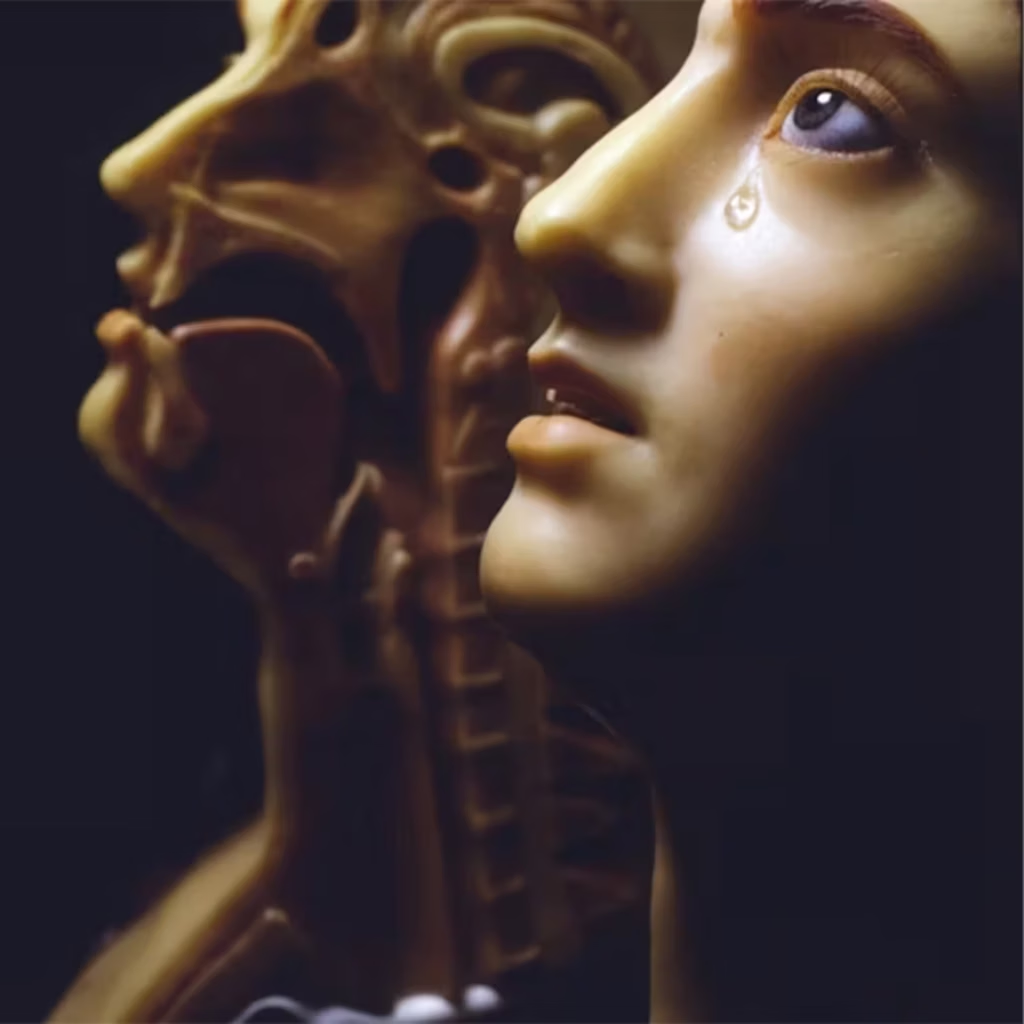
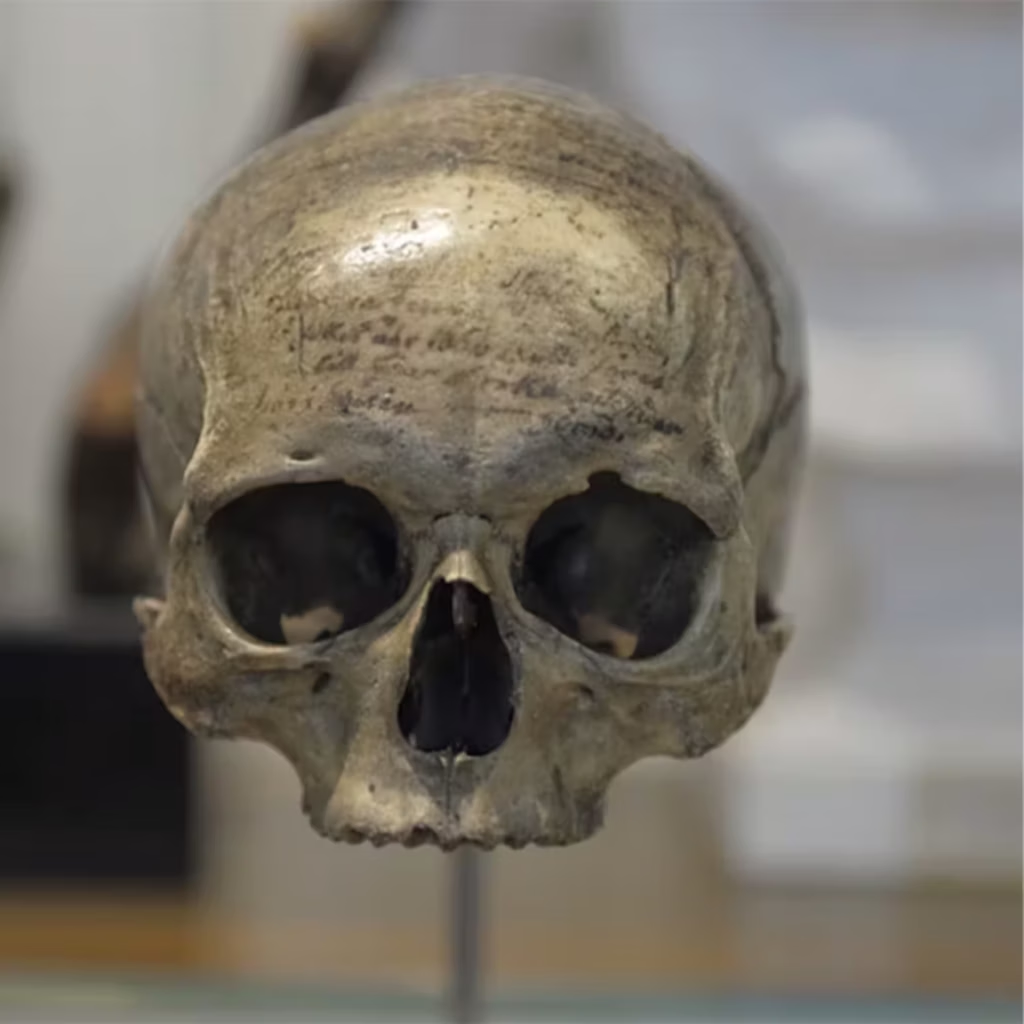
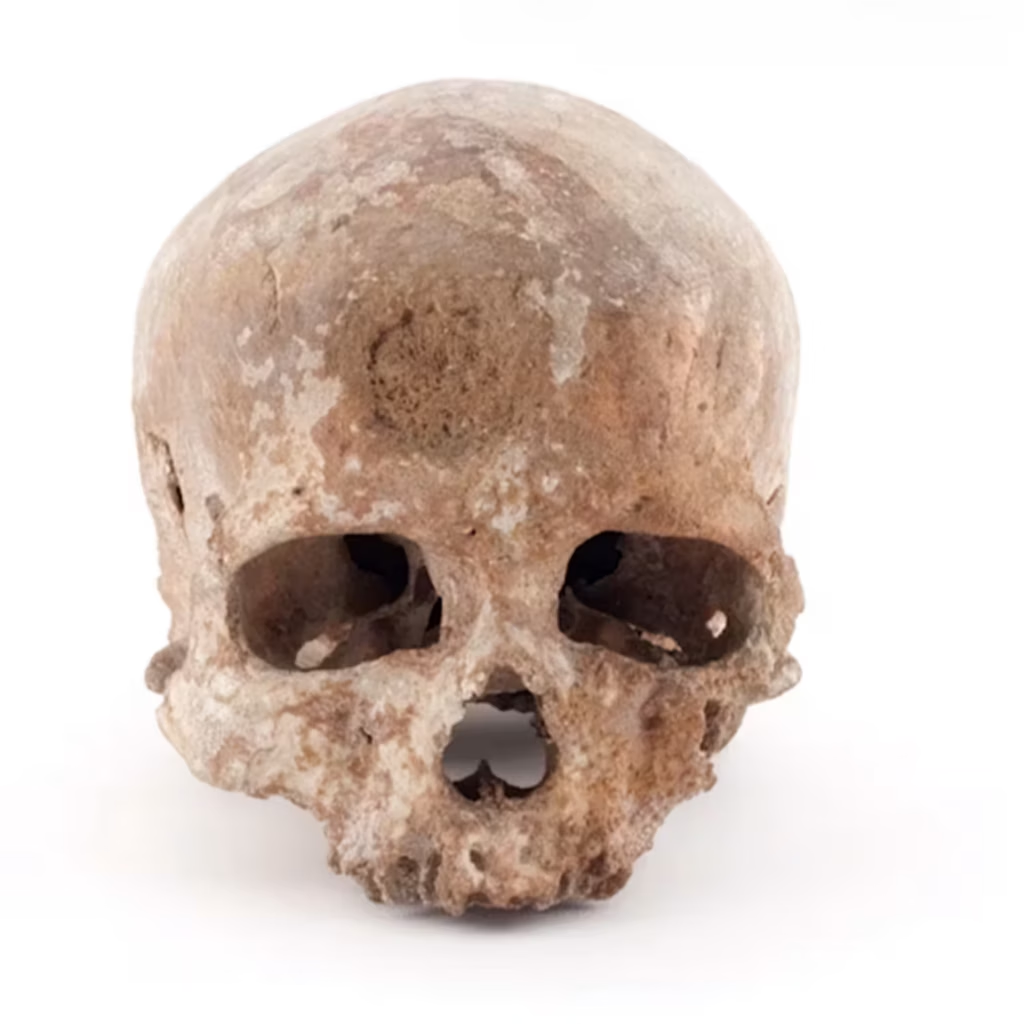
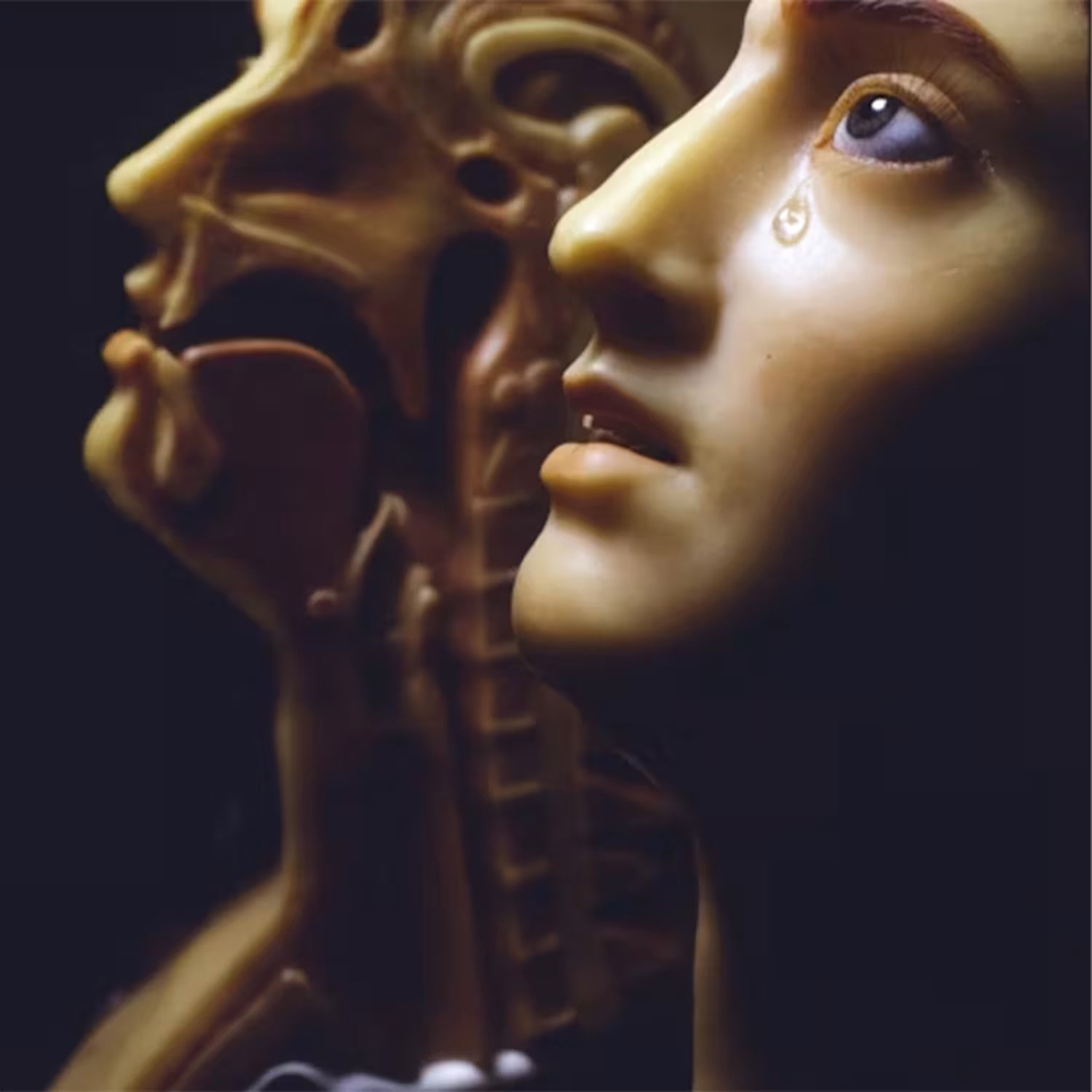
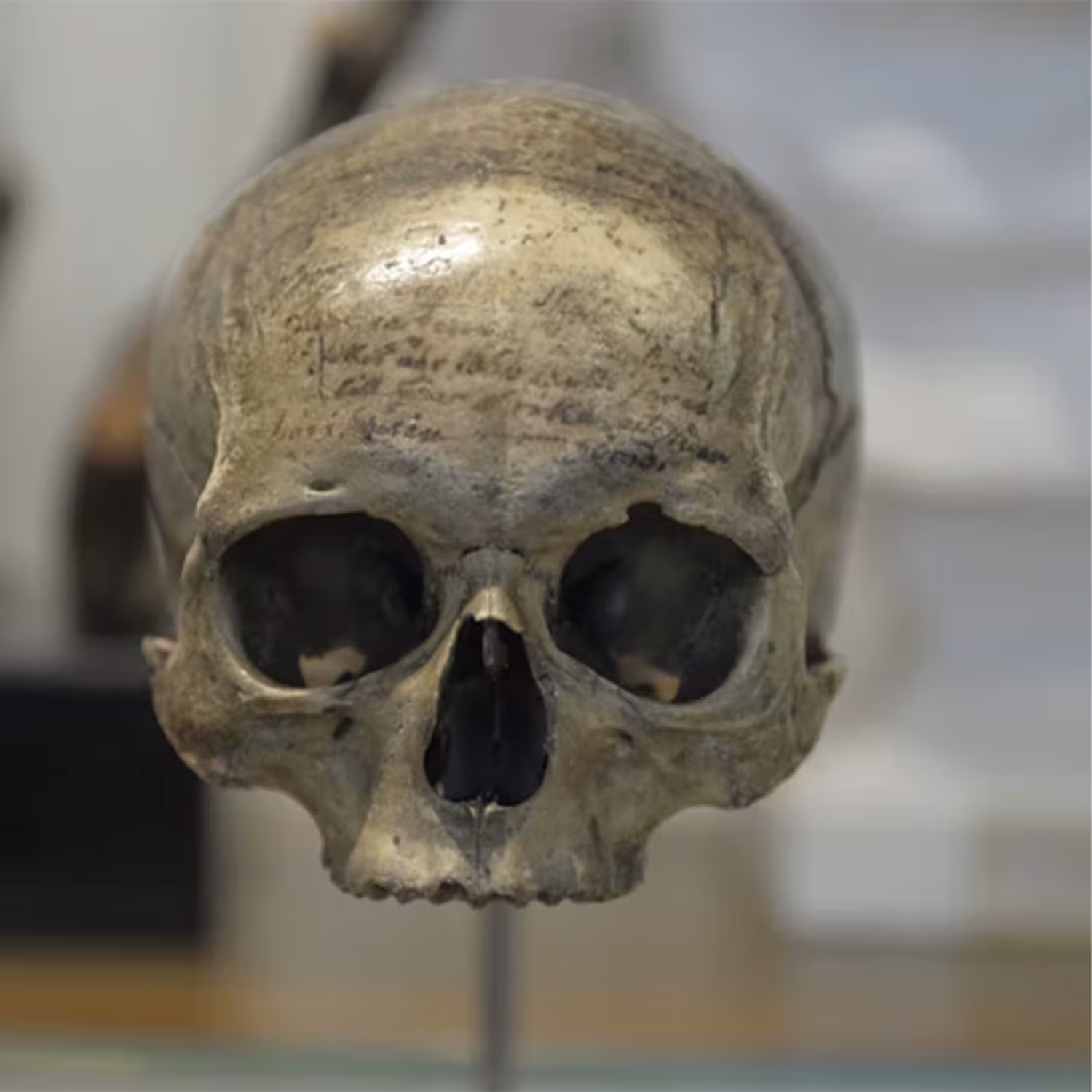
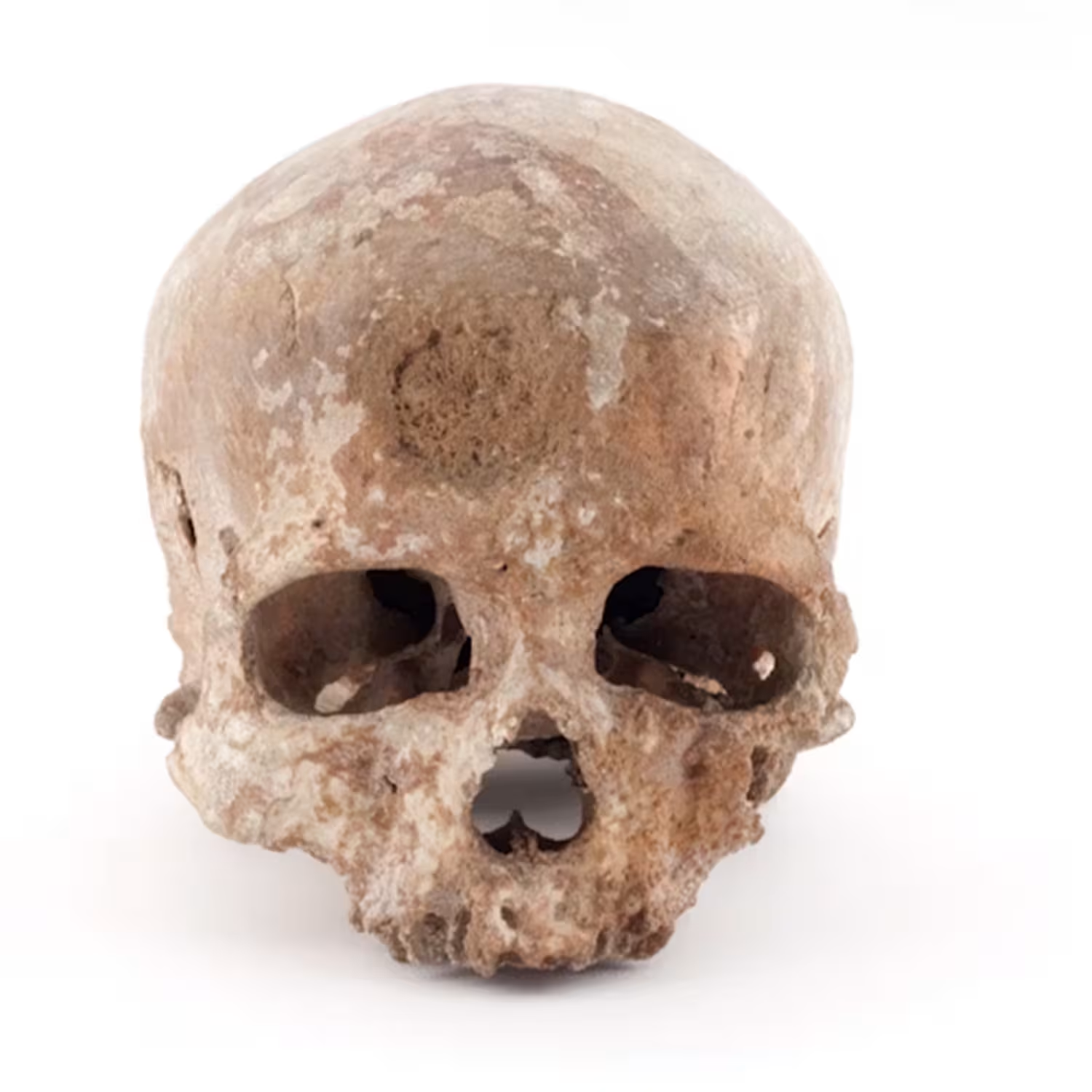
View an array of genuine human skulls and brains from various species.
Experience a modern, science-driven look at humanity’s origins.
Relax at the museum café with striking Eiffel Tower views.
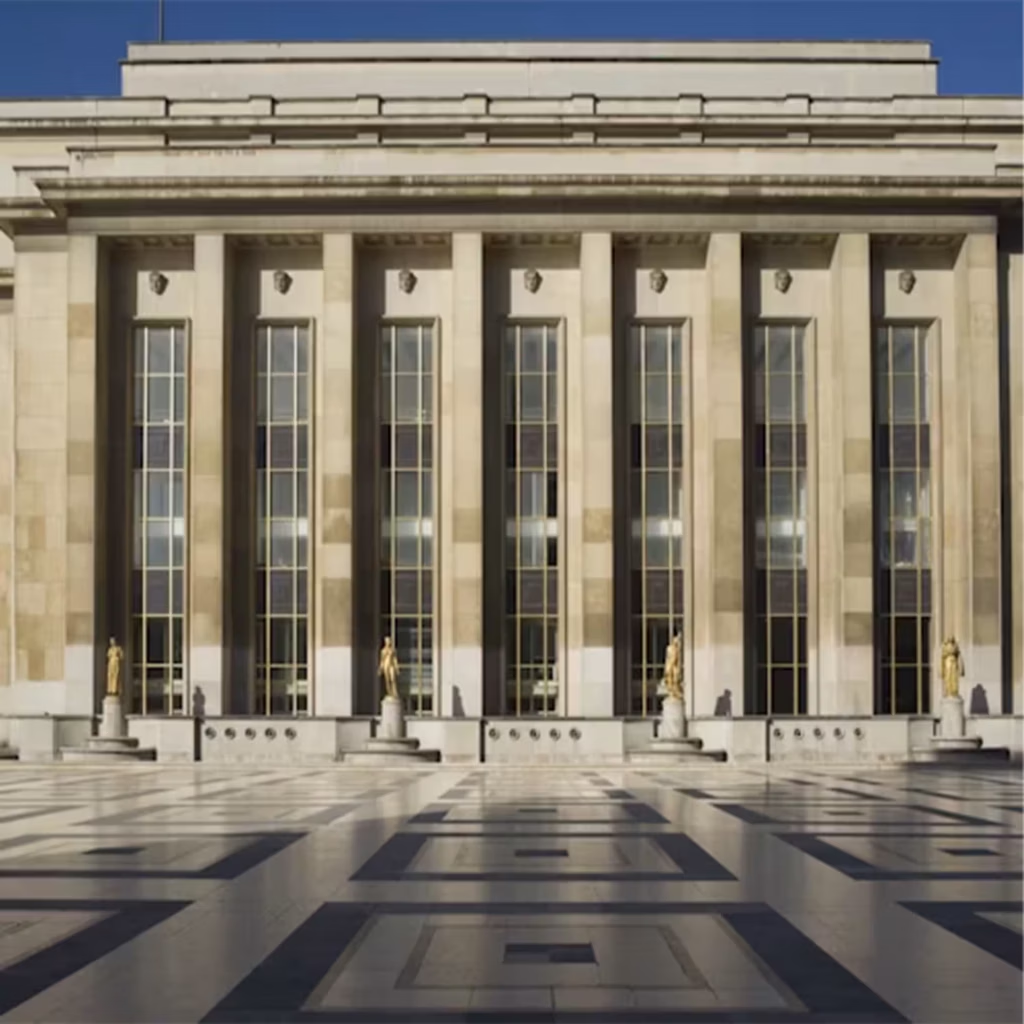
Welcome to the Musée de l’Homme in Paris
Secure your tickets online to explore one of Paris’s most captivating museums, where humanity’s story comes to life through cutting-edge exhibits and immersive experiences. Discover the origins, cultures, and future of humankind at this iconic cultural destination.
About Musée de l’Homme in Paris
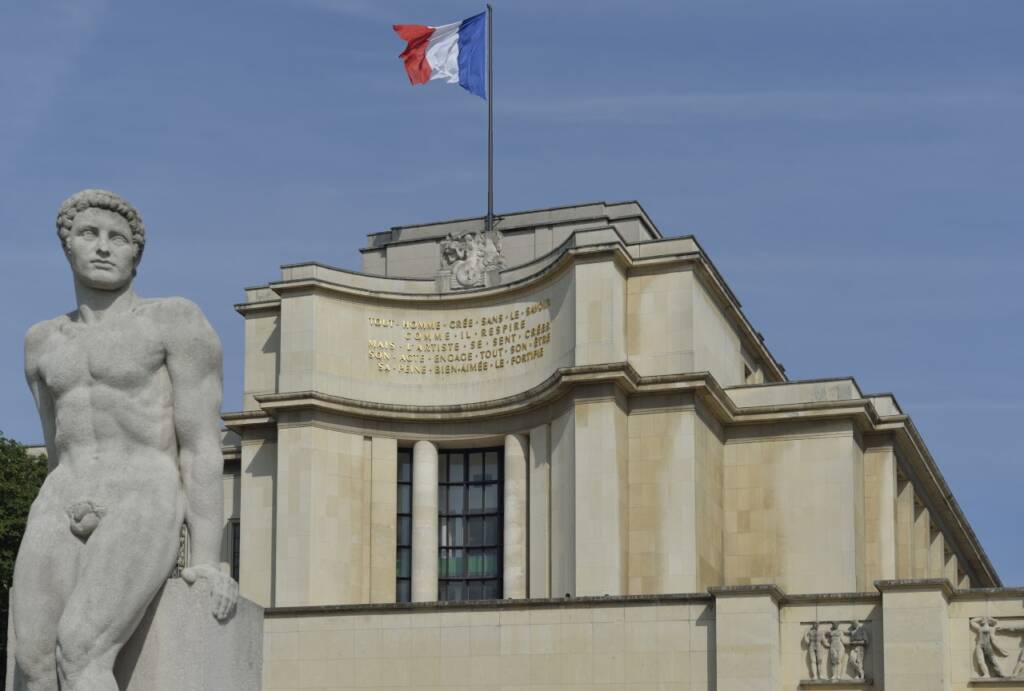
Why Visit Musée de l’Homme?
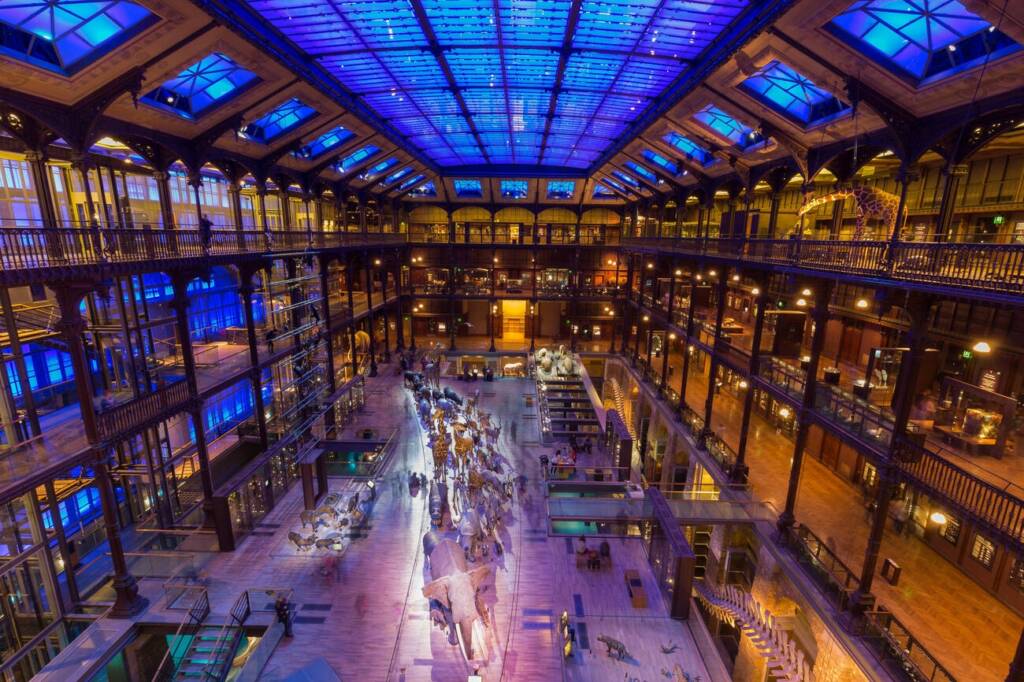
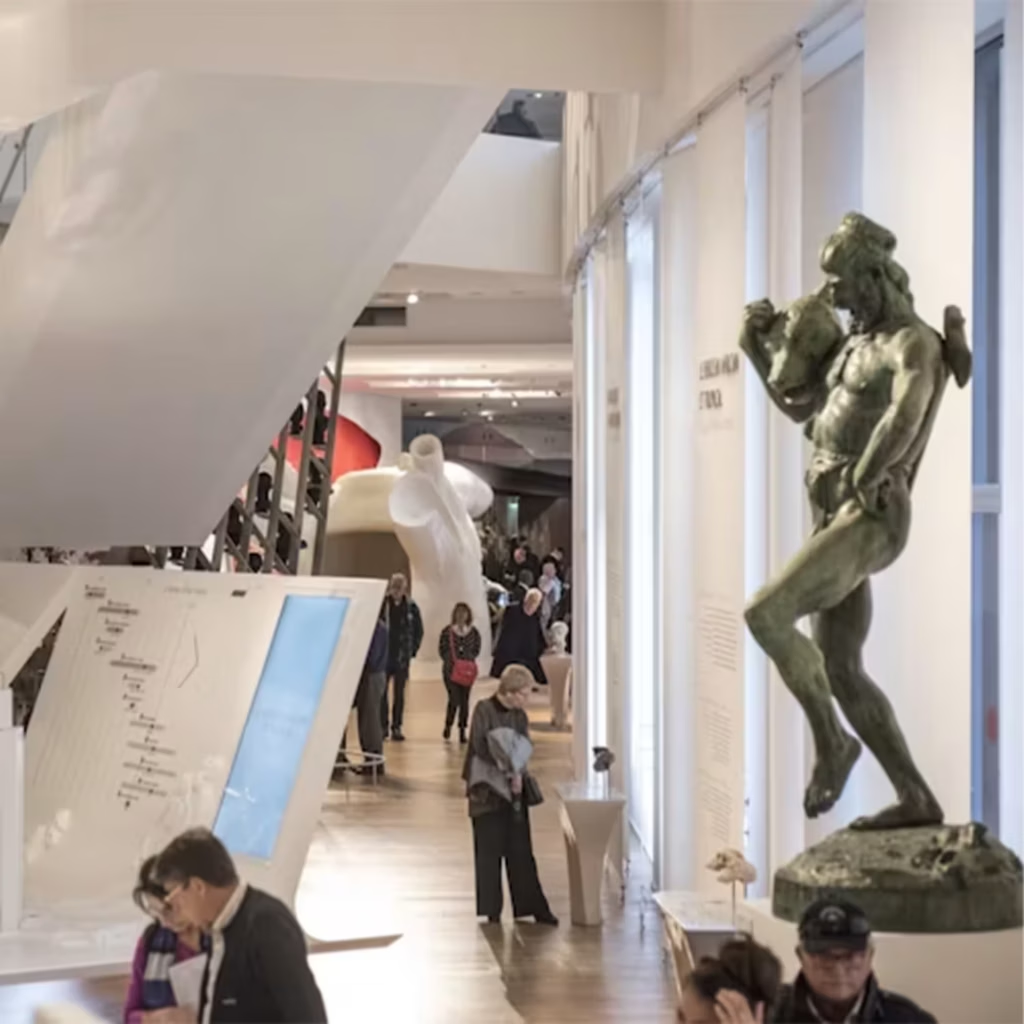
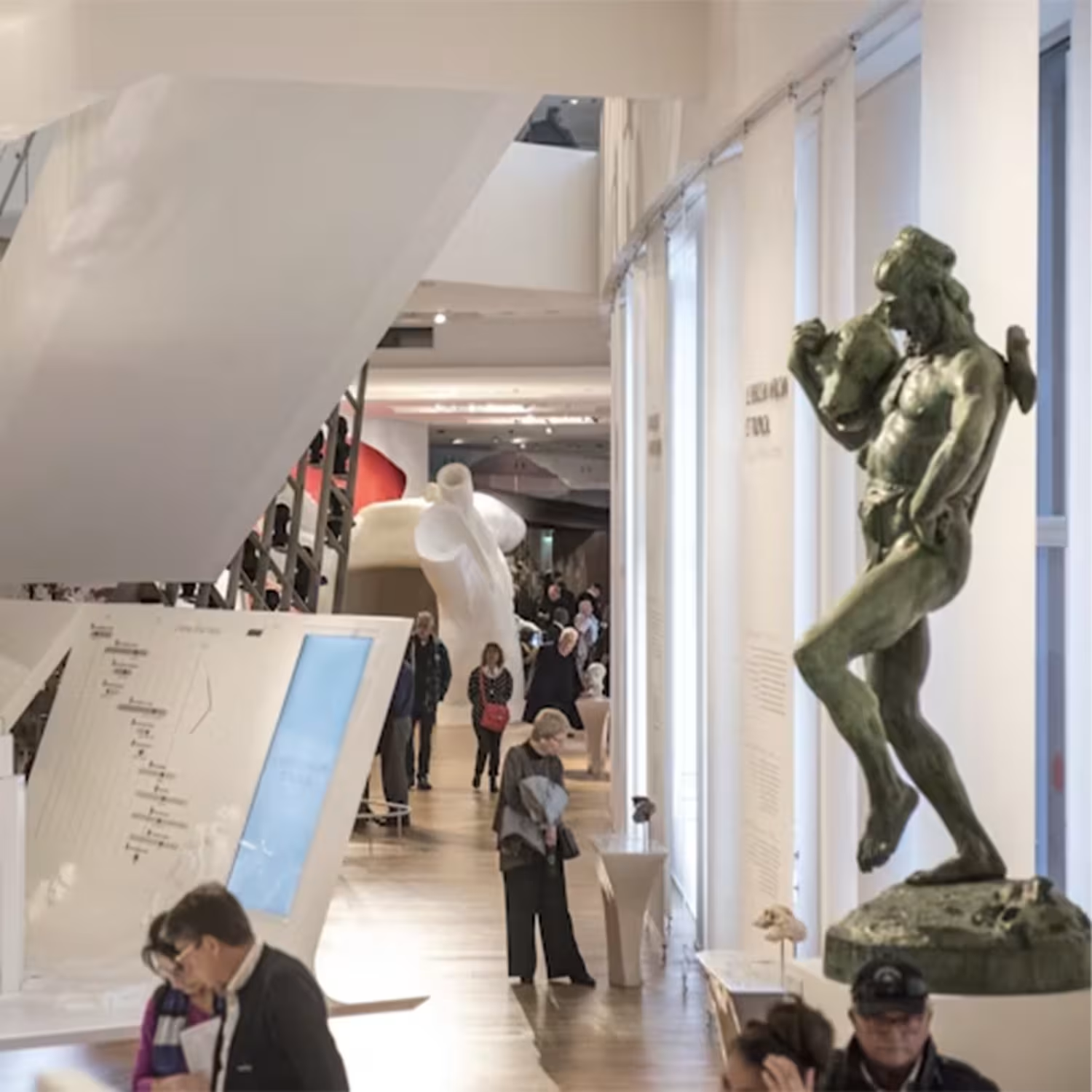
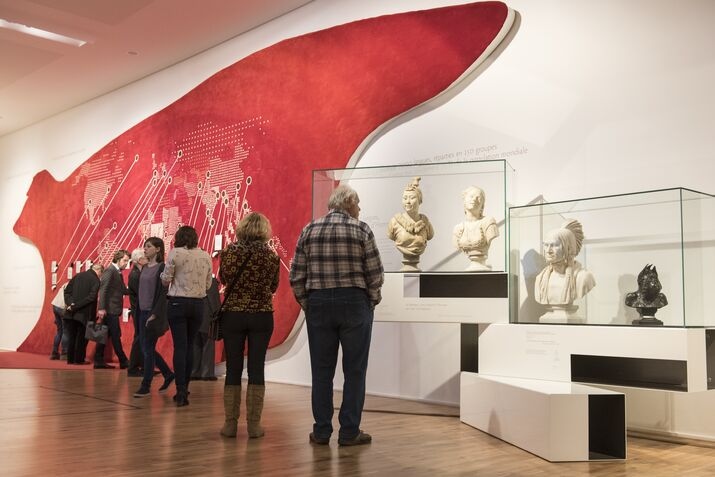
Galerie de l'Homme
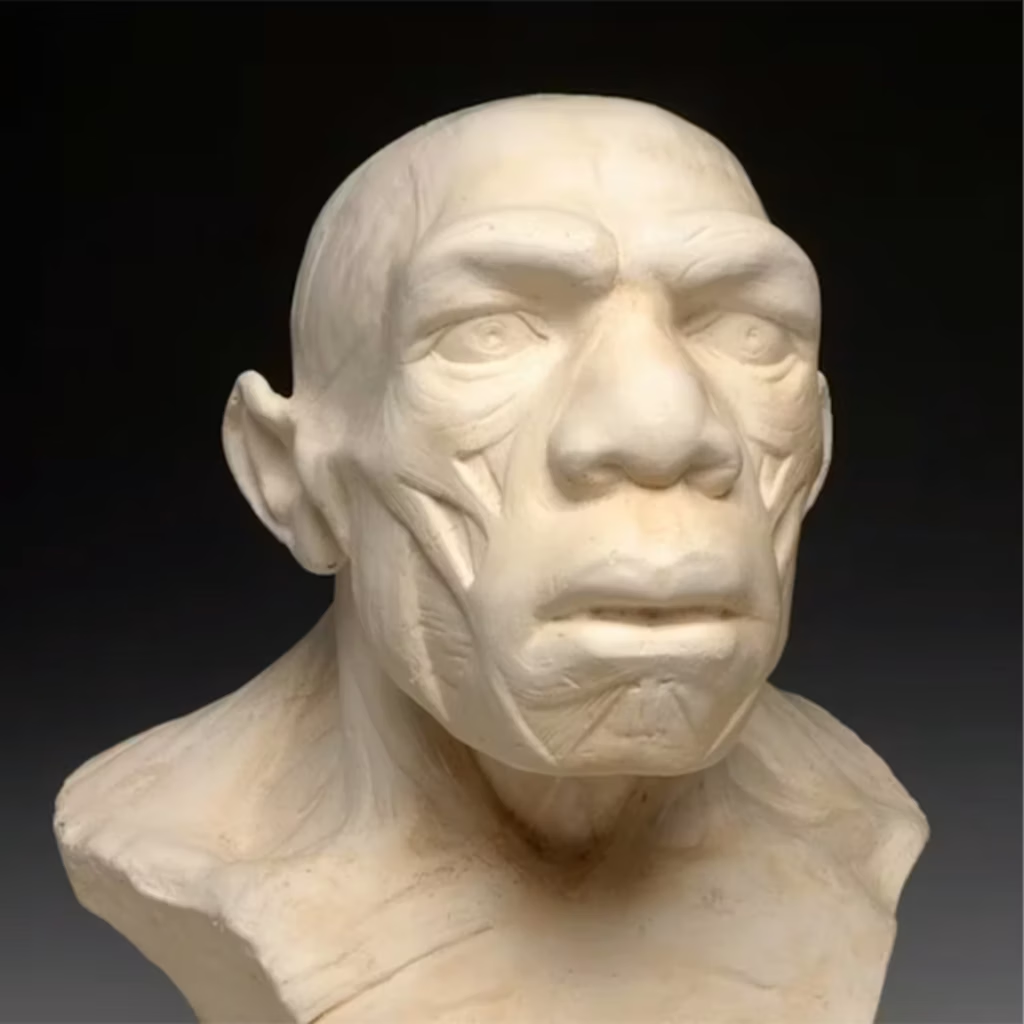
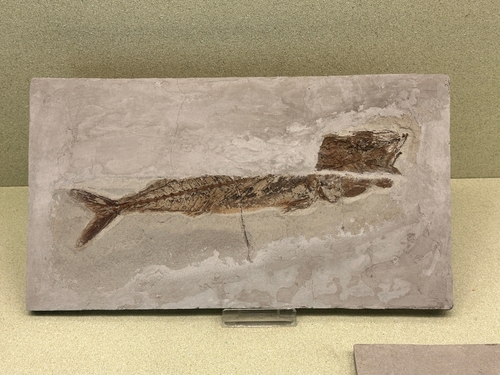
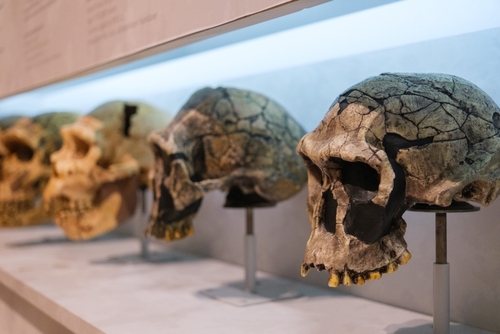
Remarkable Fossil Collections
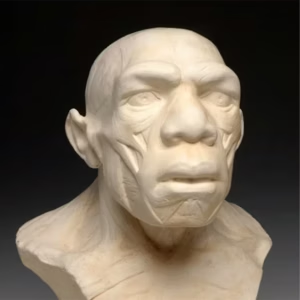
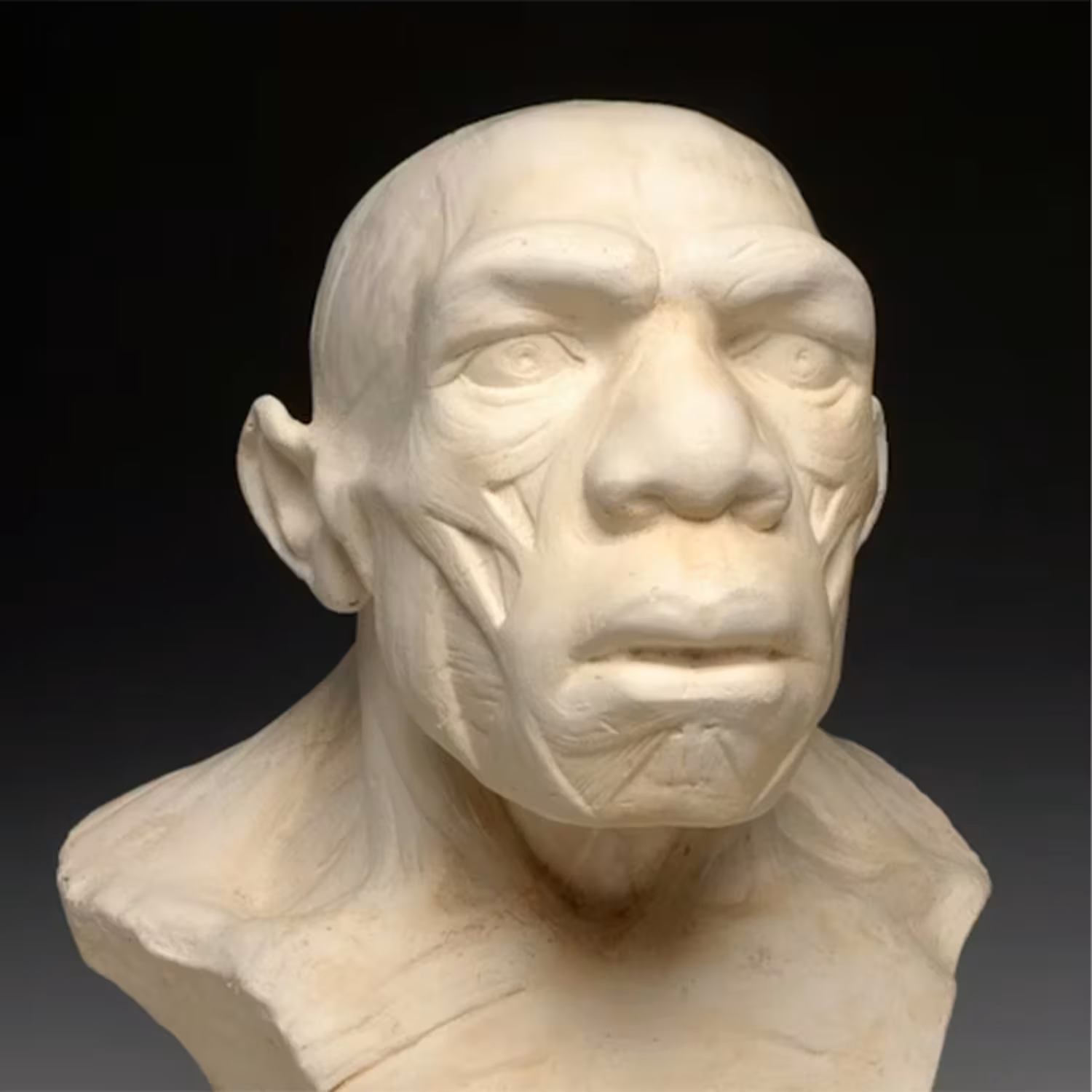
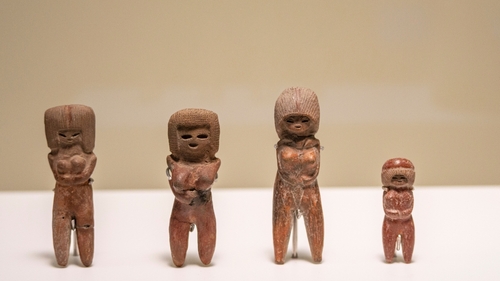
Envolée des Bustes Installation
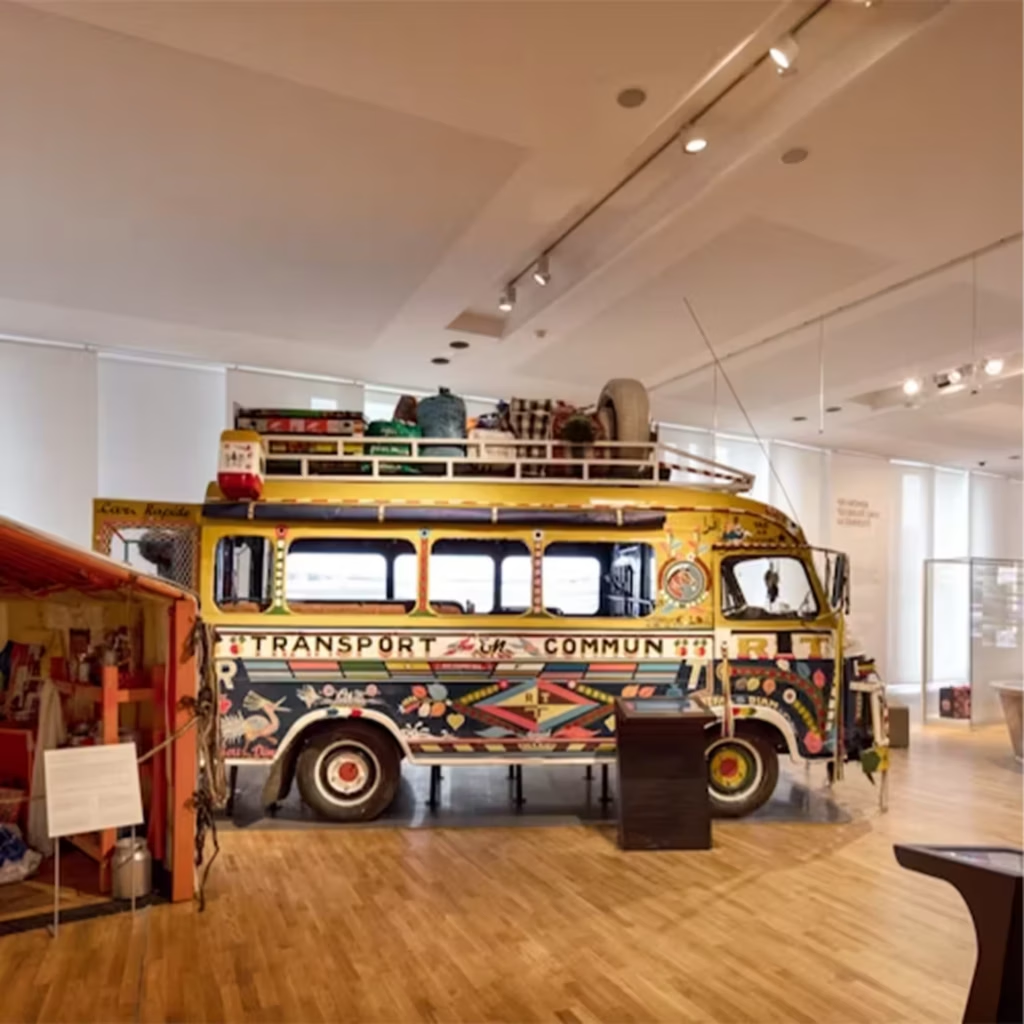
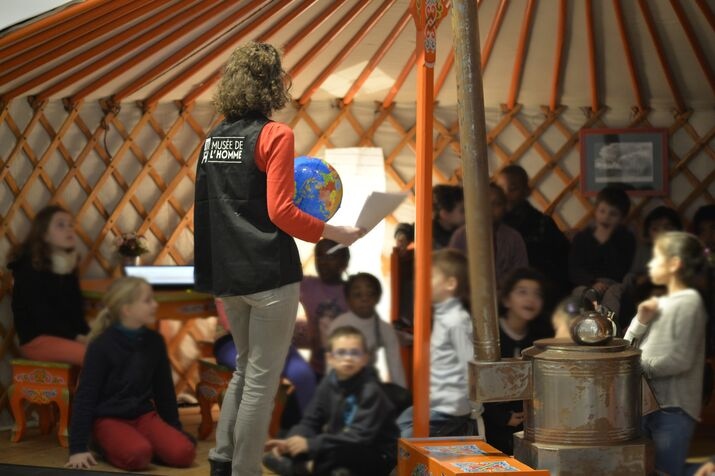
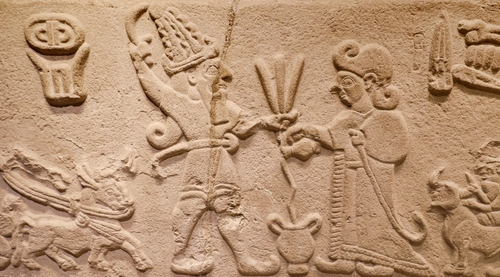
Ethnographic and Anthropological Exhibits
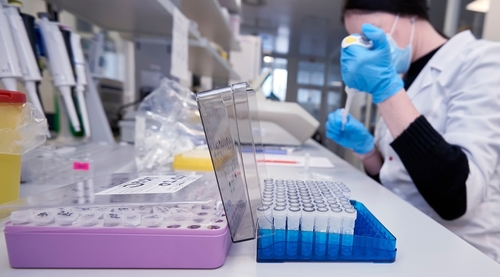
Interdisciplinary Scientific Research Center
Musée de l’Homme Timings
Best Times to Visit Musée de l’Homme in Paris
Late Morning, Right After Opening (11:00 AM – 12:00 PM)
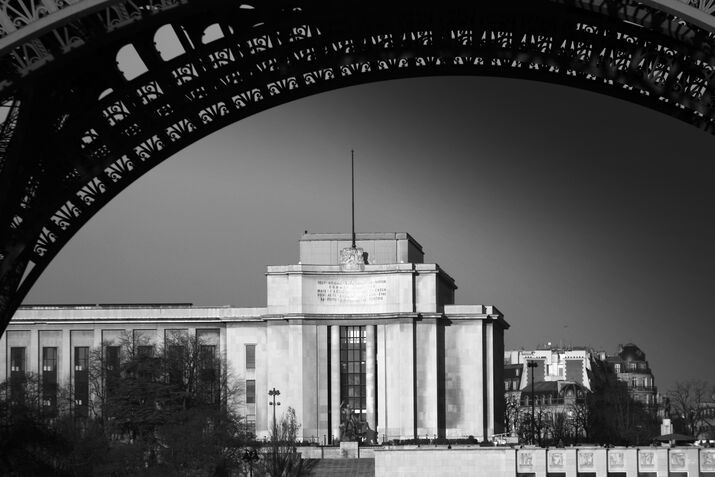
Arriving soon after the museum opens is the ideal way to enjoy the galleries before foot traffic increases. The early hours offer a quieter atmosphere, making it easier to appreciate the museum’s rich anthropological exhibits, read through detailed displays, and take in panoramic views over the Eiffel Tower from the Trocadéro.
Weekday Afternoons (Monday, Wednesday, Thursday, Friday)
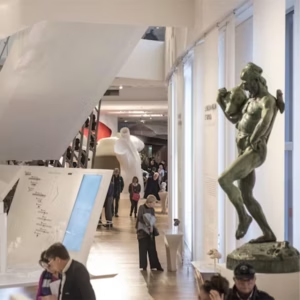
Midweek days—excluding Tuesday when the museum is closed—generally see fewer visitors compared to weekends. Visiting in the afternoon allows you to explore at a relaxed pace, move freely between permanent and temporary exhibitions, and enjoy a more spacious experience in popular sections like the Galerie de l’Homme.
Avoiding Weekend Peaks (Especially 2:00 PM – 5:00 PM)
Weekends draw both locals and tourists, leading to higher visitor numbers in the mid-afternoon. If you must visit on a Saturday or Sunday, consider arriving right at opening time or later in the evening when crowds naturally thin out.
Outside Major Tourist Seasons
Paris’s busiest travel months—June through August, Easter holidays, and Christmas/New Year—tend to bring larger crowds to all museums, including the Musée de l’Homme. For a more serene visit, plan your trip during late winter (January–March) or early fall (September–October), when the museum is generally calmer and the surrounding Trocadéro area is easier to navigate.
– During Special Exhibitions & Cultural Programs
The museum regularly hosts thought-provoking temporary exhibitions, lectures, workshops, and cultural events that enhance the visitor experience. Planning your visit around one of these programs can offer deeper insight into human evolution, cultures, and societies—making your trip even more meaningful and enriching.
Where to Find Musée de l’Homme in Paris
How to Get to Musée de l’Homme, Paris
By Metro
The metro is the fastest and most convenient way to reach the museum.
Trocadéro Station (Lines 6 and 9) is just a short walk from the entrance, making it the closest and most recommended stop.
From the station, it’s a quick stroll through the Trocadéro plaza with stunning views of the Eiffel Tower along the way.
Metro service runs frequently, offering easy access from central Paris and major neighborhoods across the city.
By Bus
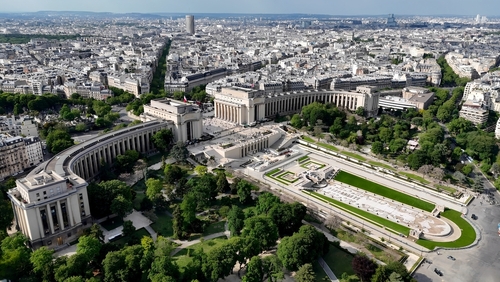
Several Paris bus routes stop near the Palais de Chaillot, where the museum is located.
Routes 22, 30, 32, and 63 all serve the Trocadéro area.
Buses are a scenic, budget-friendly option—especially if you're traveling from areas not directly connected by metro.
Checking live RATP schedules helps ensure smooth connections during busy hours.
By Car
The museum is accessible by car, though driving in central Paris can be busy, especially during peak tourist seasons.
Limited street parking is available around Place du Trocadéro, but spots tend to fill quickly.
Several paid parking garages are located within a 5–10 minute walk, offering a more reliable option for visitors arriving by car.
Arriving early in the day increases your chances of securing convenient parking.
By Taxi or Rideshare
Taxis, Uber, and other rideshare services provide a direct and comfortable way to reach the museum.
Drivers can drop you off right at Place du Trocadéro, just steps from the entrance.
This is a great option if you’re traveling with family, carrying luggage, or coming from train stations or airports.
By Bicycle
Paris’s Vélib’ bike-share stations are located near Trocadéro, making cycling a fun and eco-friendly way to arrive.
Dedicated bike lanes around the 16th arrondissement and the Seine riverbank make the ride scenic and smooth.
Secure bike racks can be found nearby, though they may fill up during peak season.
On Foot
If you’re staying near the Eiffel Tower, Passy, or the Seine riverbank, the museum is easily reachable on foot.
Walking through the gardens of the Trocadéro offers beautiful photo opportunities and views across to the Eiffel Tower.
It’s an enjoyable way to approach the museum while taking in some of Paris’s most iconic scenery.
From Major Train Stations
Visitors arriving at Gare du Nord, Gare de Lyon, Gare Saint-Lazare, or Montparnasse can quickly reach the museum via metro connections.
Most stations offer direct routes or single transfers to Line 6 or Line 9.
This makes the Musée de l’Homme especially accessible for day-trippers and travelers coming from other French cities.
Things to Know Before Visiting Musée de l’Homme — Paris
- Facilities
- Accessibility
- Guidelines
- Rules
Onsite Facilities
Accessibility Information
Visitor Guidelines
Rules and Regulations
Interesting Facts About Musée de l’Homme in Paris
Part of the Eiffel Tower Visio
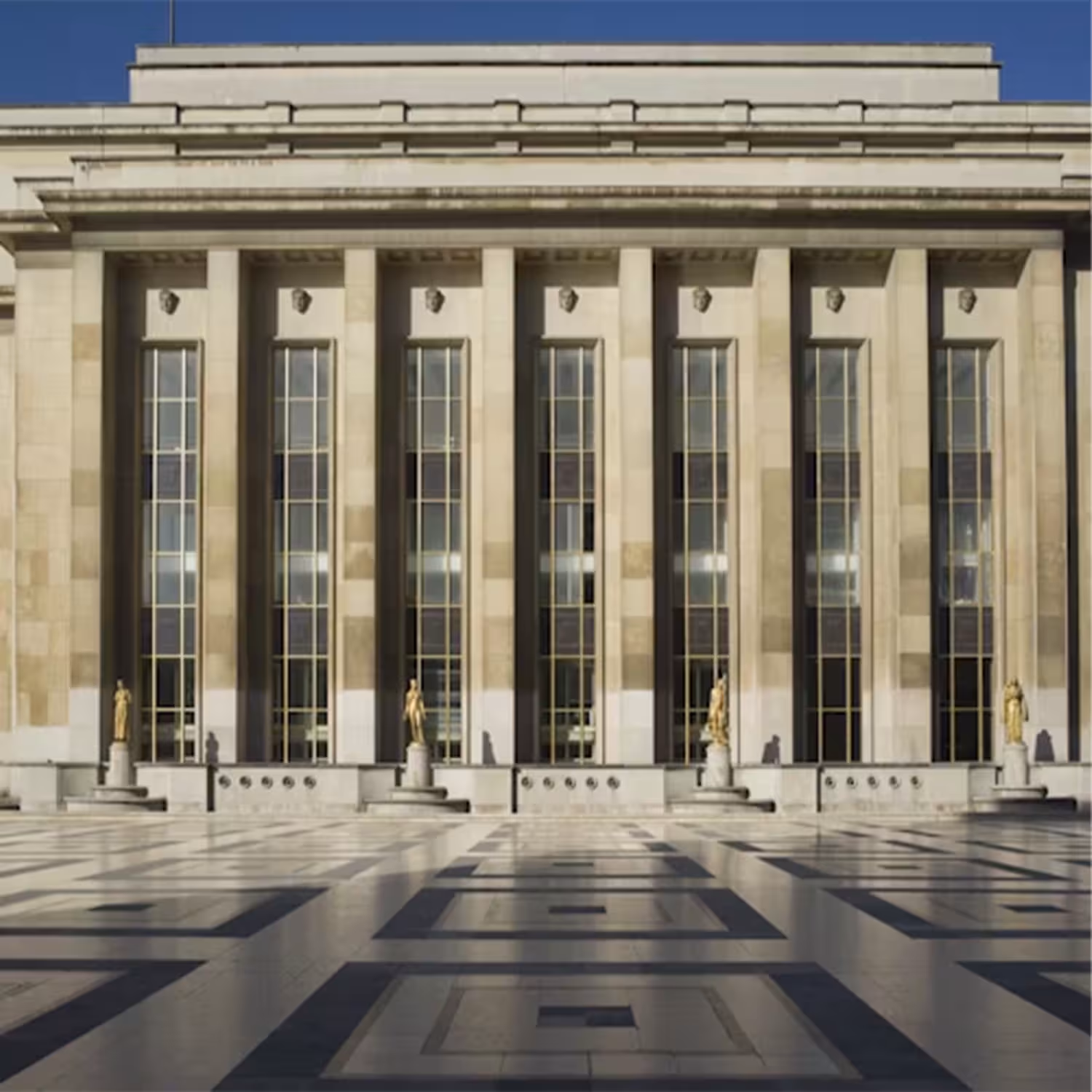
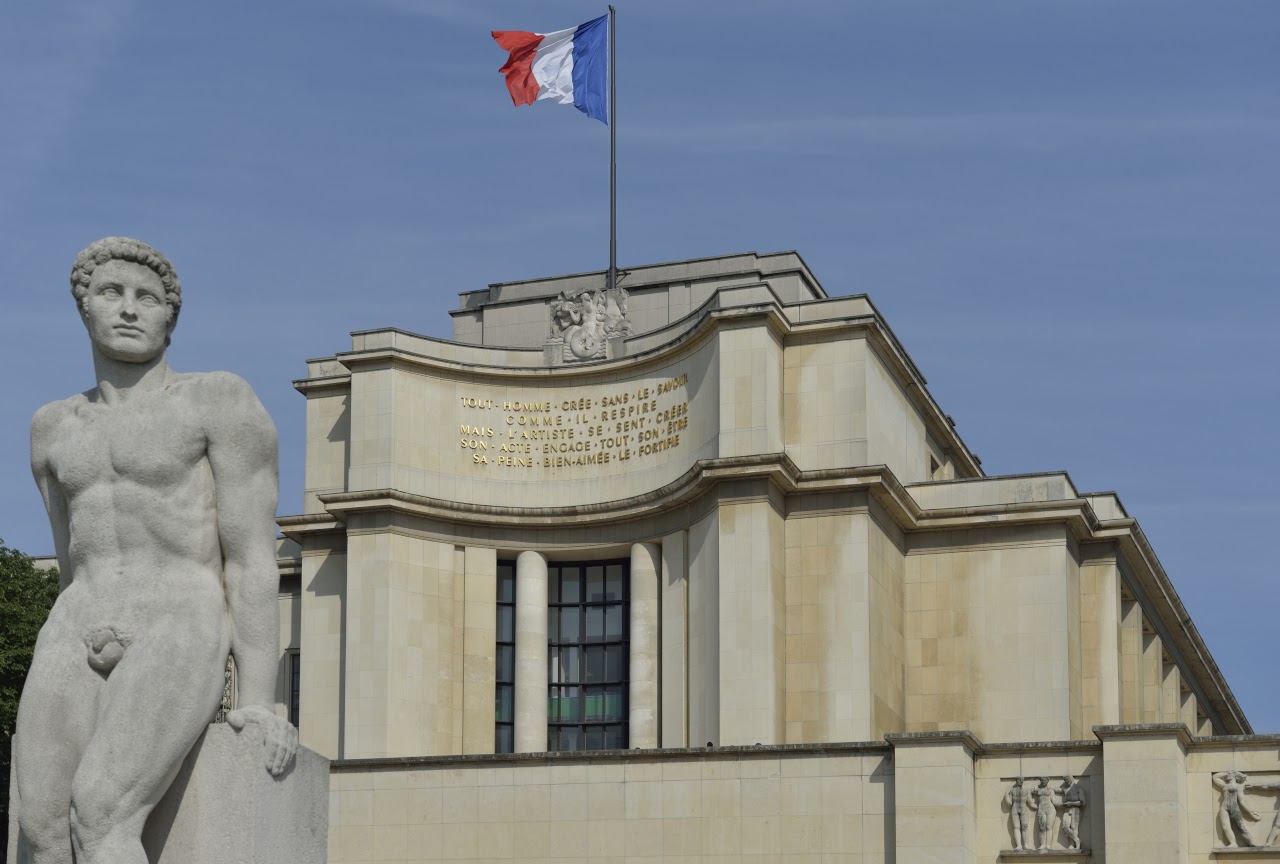
The Musée de l’Homme was originally envisioned as part of the grand redevelopment of the Trocadéro area during the 1937 International Exposition.
A Pioneer in Anthropology
The museum is one of the earliest institutions dedicated entirely to studying humans, combining anthropology, ethnology, prehistory, and biology under one roof.
Home to Ancient Fossils
It houses rare prehistoric human remains, including the original remains of Cro-Magnon humans discovered in France.
Birthplace of French Structuralism
Some of France’s most influential thinkers, including Claude Lévi-Strauss, worked here—shaping modern anthropology and structuralist philosophy.
A Hidden Refuge During World War II
During the German occupation, members of the museum staff secretly participated in the French Resistance, using the museum as a safe meeting point.
Stunning Eiffel Tower Views
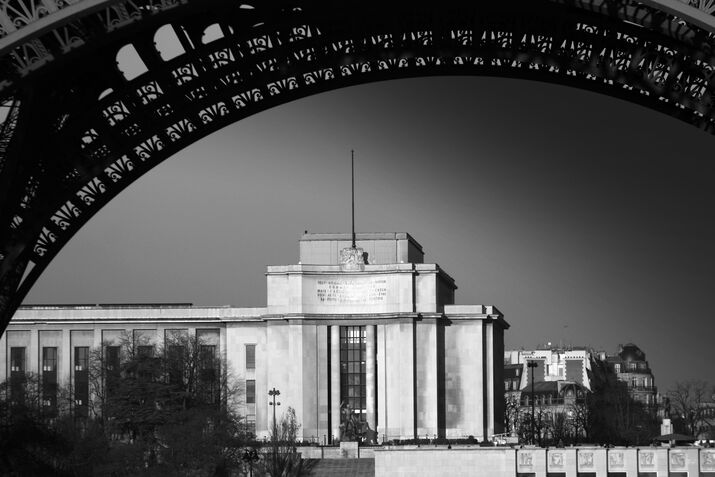
Its windows frame one of the most iconic views of Paris—the Eiffel Tower—making it a popular spot for photography.
A Masterpiece of Modernist Architecture
The building blends 1930s modernist lines with classic French monumental design, featuring sculptures and reliefs by leading artists of the era.
A Huge Ethnographic Collection
It once held nearly 300,000 ethnographic objects, making it one of the largest such collections in the world before part of it was transferred to other French museums.
Focus on What It Means to Be Human
Its exhibitions explore human evolution, cultures, societies, psychology, and environmental adaptation—making it one of the most multidisciplinary museums in Europe.
Revamped for the 21st Century
After a major renovation lasting six years, the museum reopened in 2015 with redesigned galleries, interactive storytelling, and an expanded scientific mission.