We are processing your request.
Please, don't close or refresh the page.

Step Into Centuries of Royal History at Fontainebleau

This website offers official tickets for this venue. Please note, however, that it is not the official website of the venue.

Smartphone tickets

Smartphone tickets

Why wait?

Priority Access Available

Instant confirmation

Instant confirmation

Flexible cancellation

Flexible cancellation

Smartphone tickets

Smartphone tickets

Everything you need, right in your pocket!
Why wait?

Why wait?

Skip the line and get priority access
Instant confirmation

Instant confirmation

Receive your tickets seconds after your purchase
Flexible cancellation

Flexible cancellation

Free cancellation up to 24 hours before the event available on selected experiences

Visit the Château de Fontainebleau

Highlights

Save time with fast-track entry.

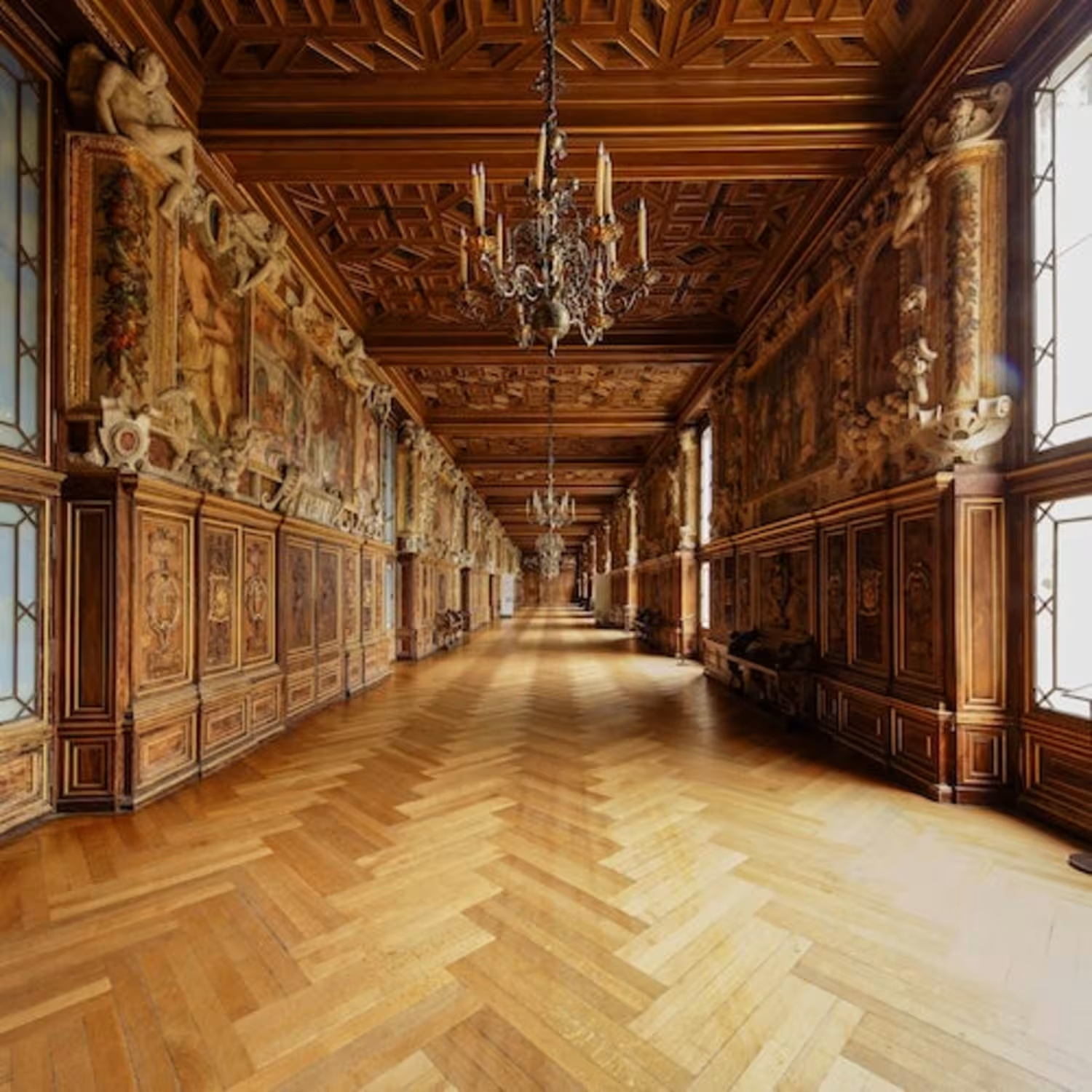
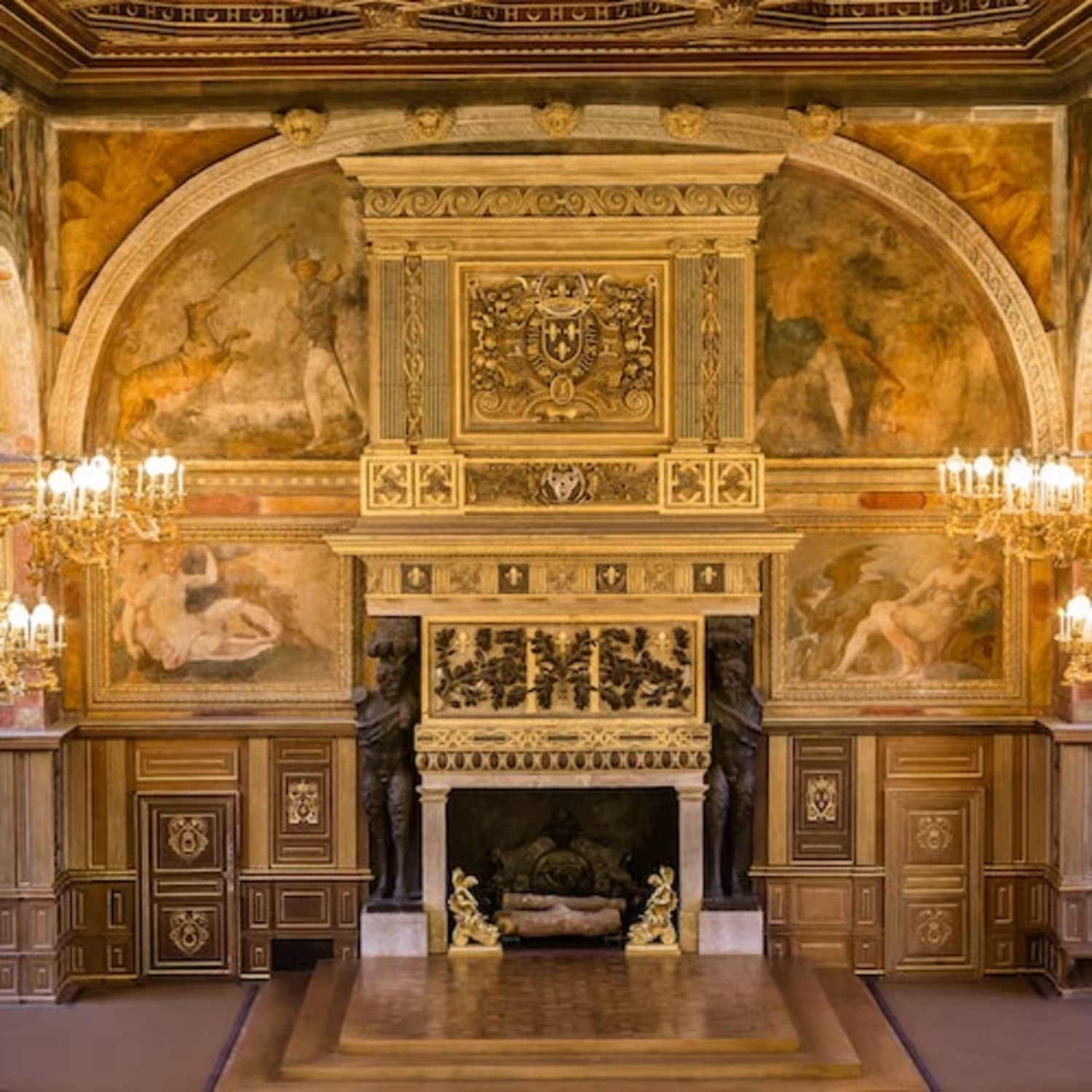
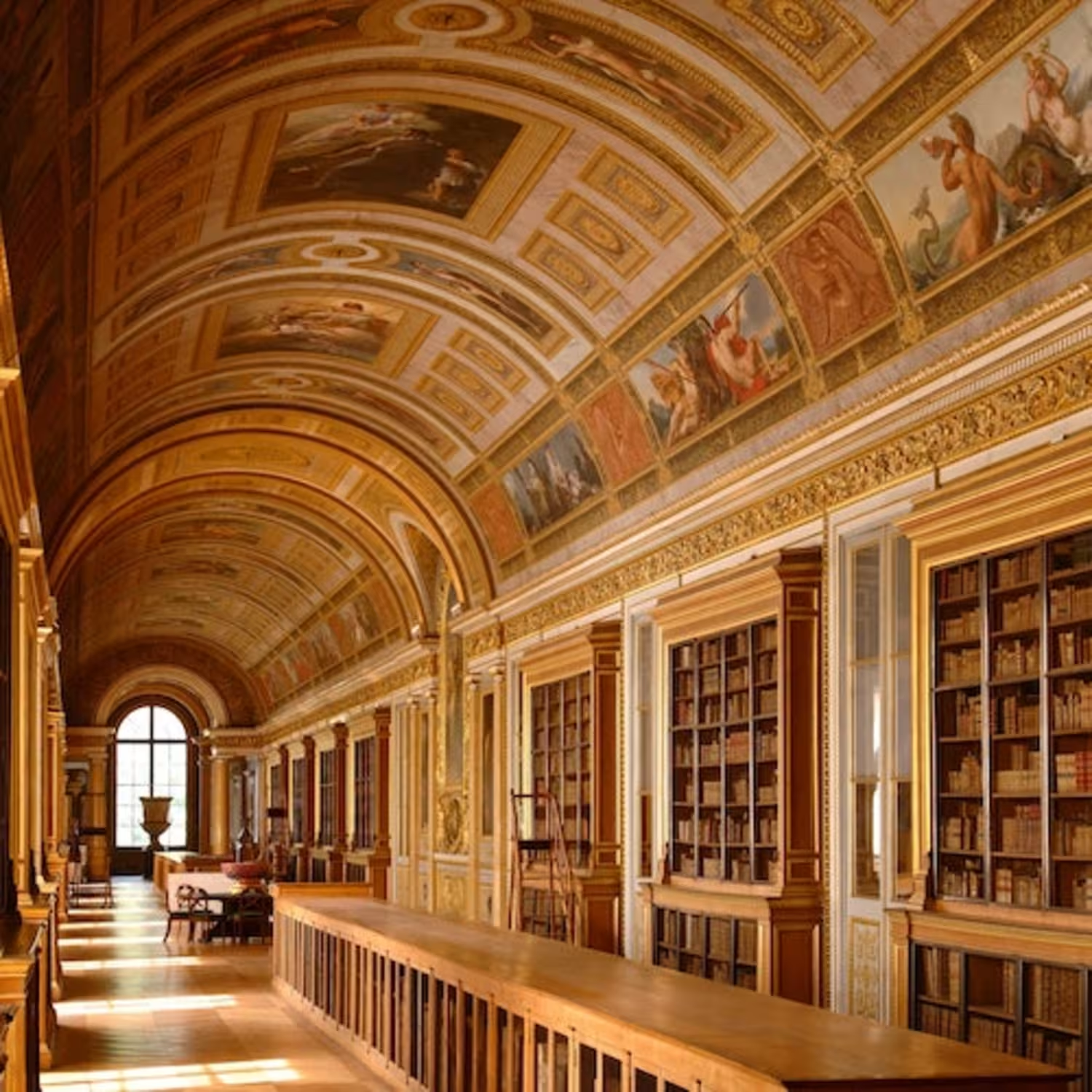
Discover opulent royal apartments and rich architectural styles.

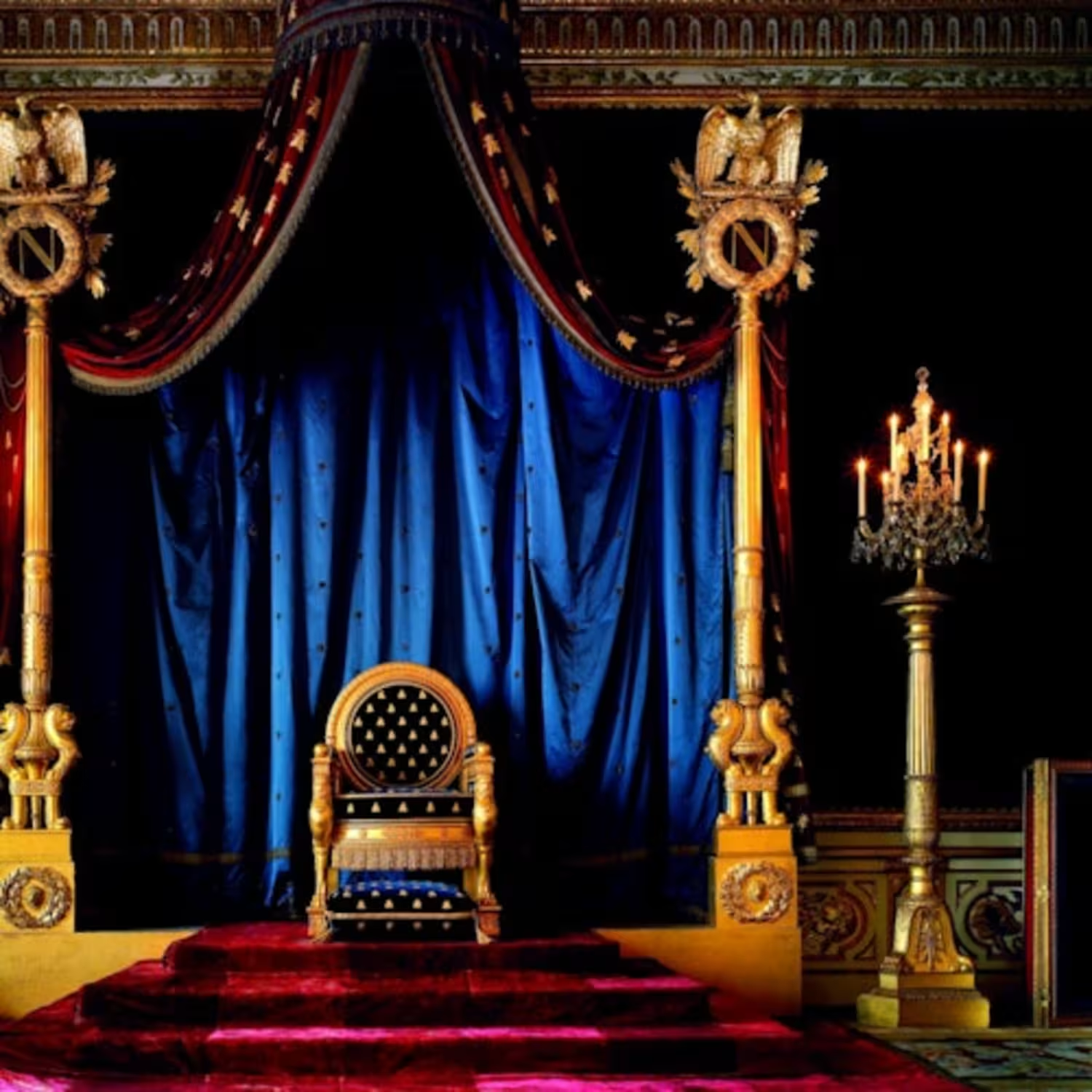
Visit the museum dedicated to Napoleon I.

Enjoy access to special temporary exhibitions.

Explore expansive gardens and parklands surrounding the château.

Discover Château de Fontainebleau

Just outside Paris, Château de Fontainebleau offers a rare glimpse into over 800 years of French royal history. Home to kings, emperors, and notably Napoleon Bonaparte, the palace blends grand architecture with richly decorated interiors and expansive gardens. From the Renaissance galleries to the famous horseshoe staircase, every space reflects its evolving legacy. Book your tickets to explore one of France’s most complete royal residences at your own pace.

About Château de Fontainebleau

  • Château de Fontainebleau stands as one of France’s most historically significant royal residences, located just southeast of Paris. Unlike many palaces that reflect a single era, Fontainebleau evolved continuously from the medieval period through the Renaissance and into the reign of modern rulers, creating a unique blend of architectural styles.

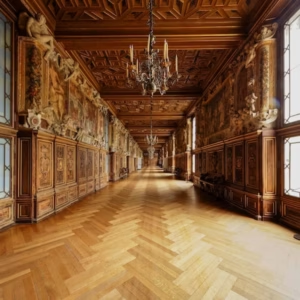
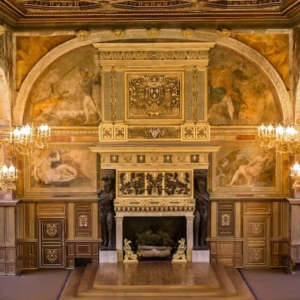
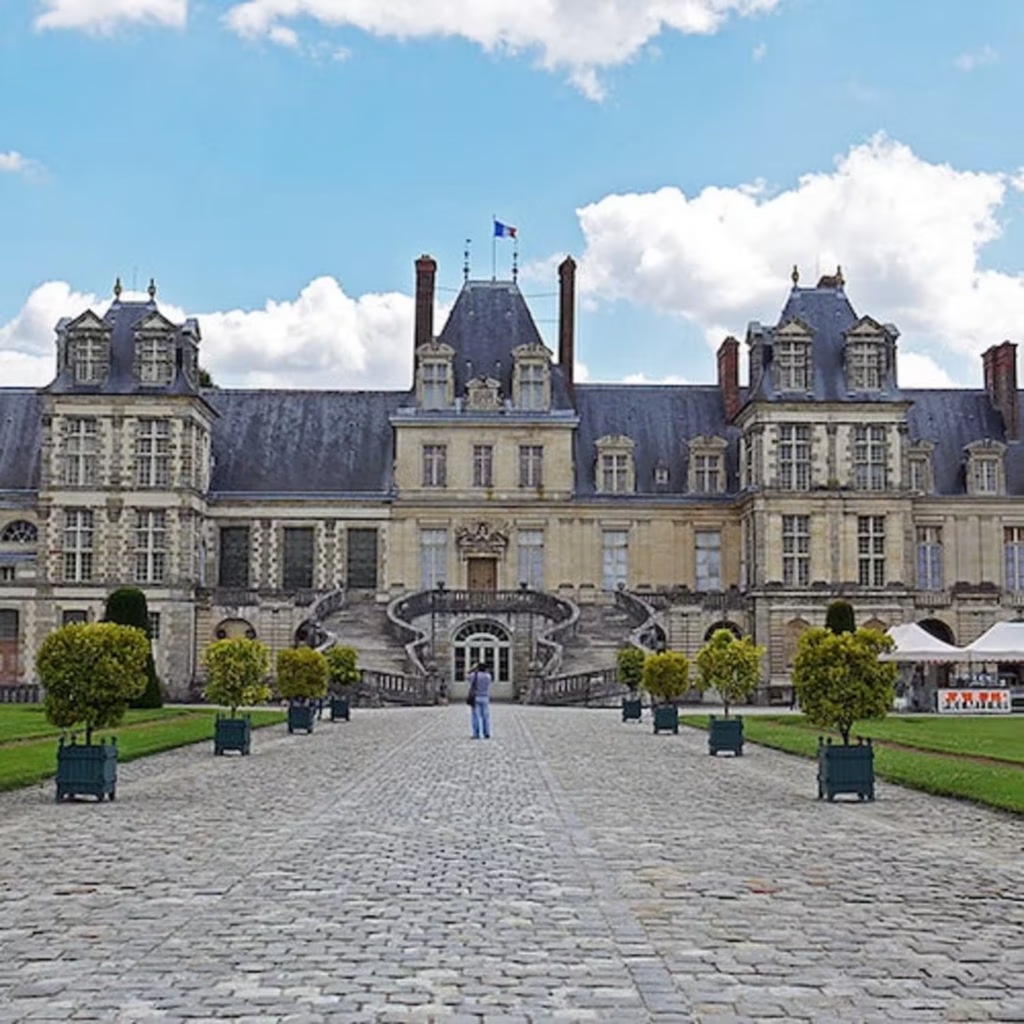
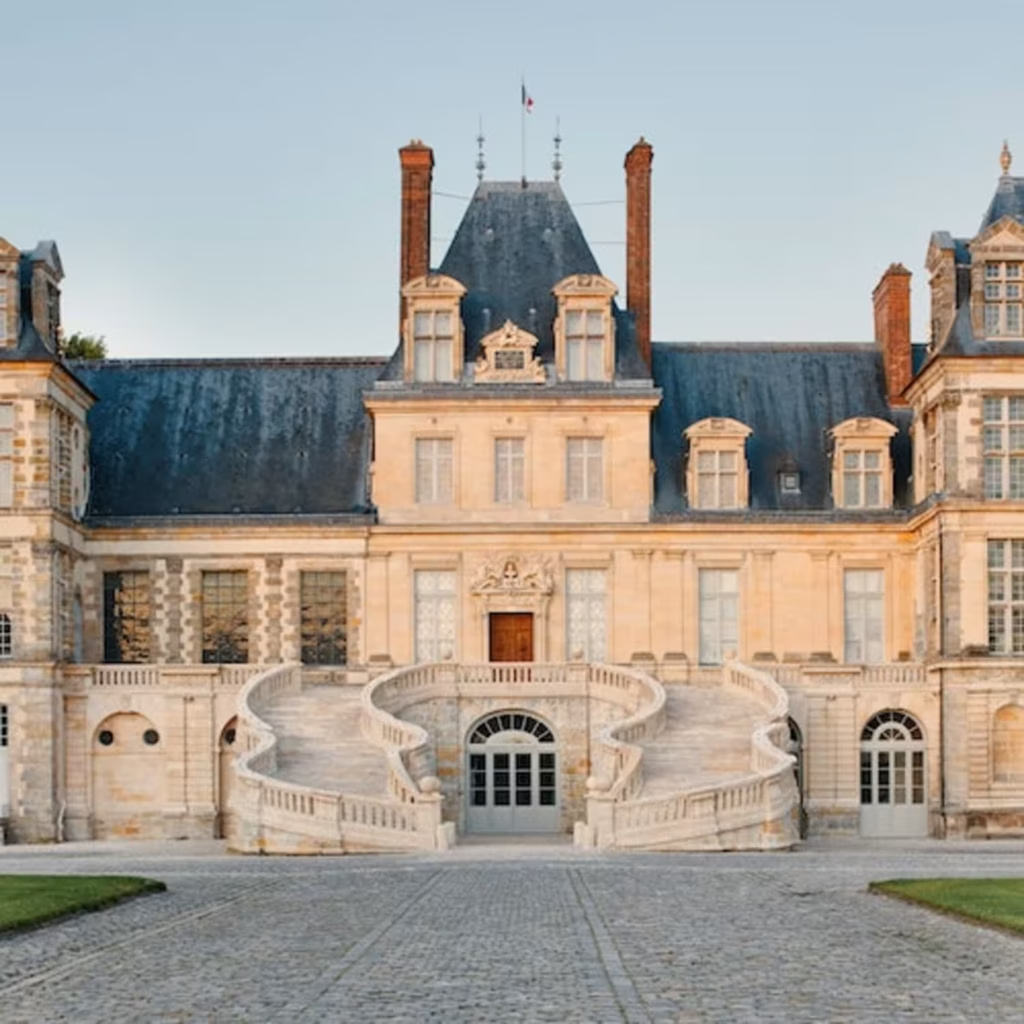
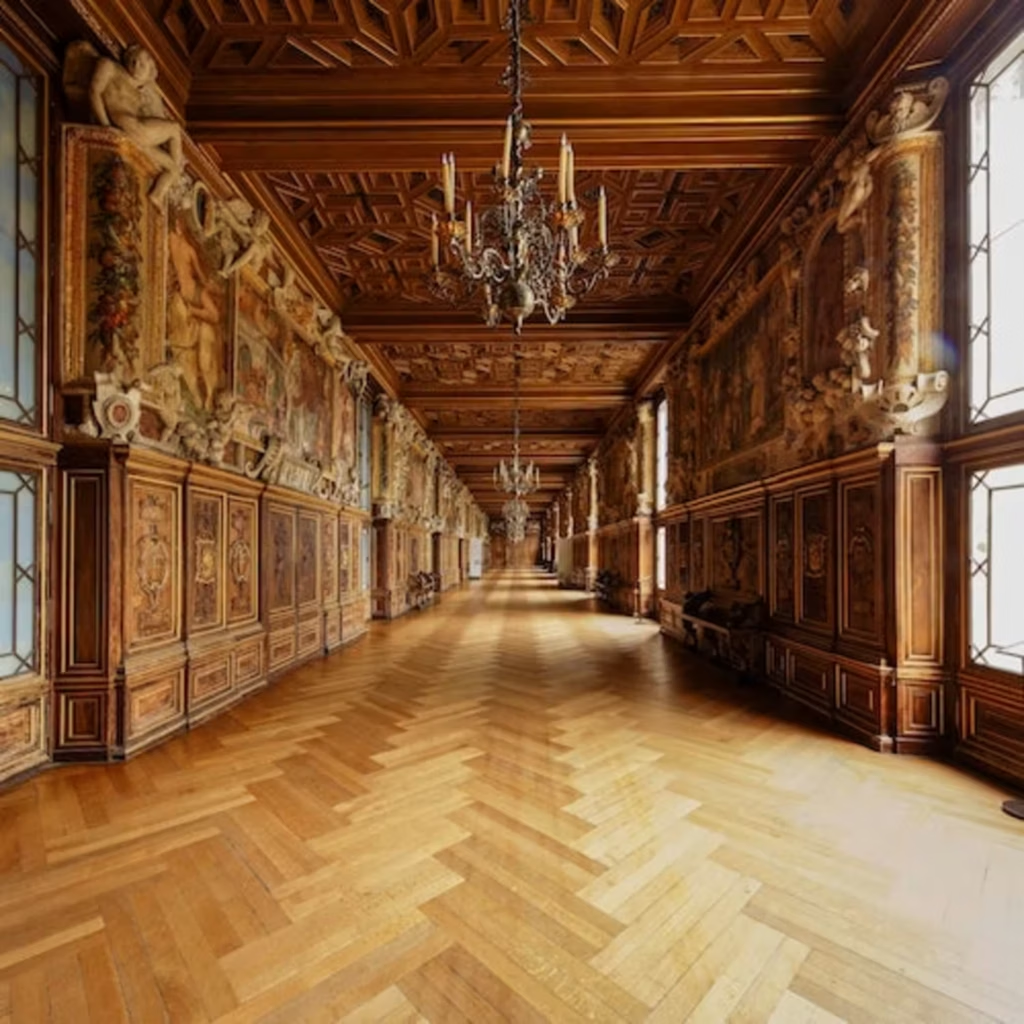
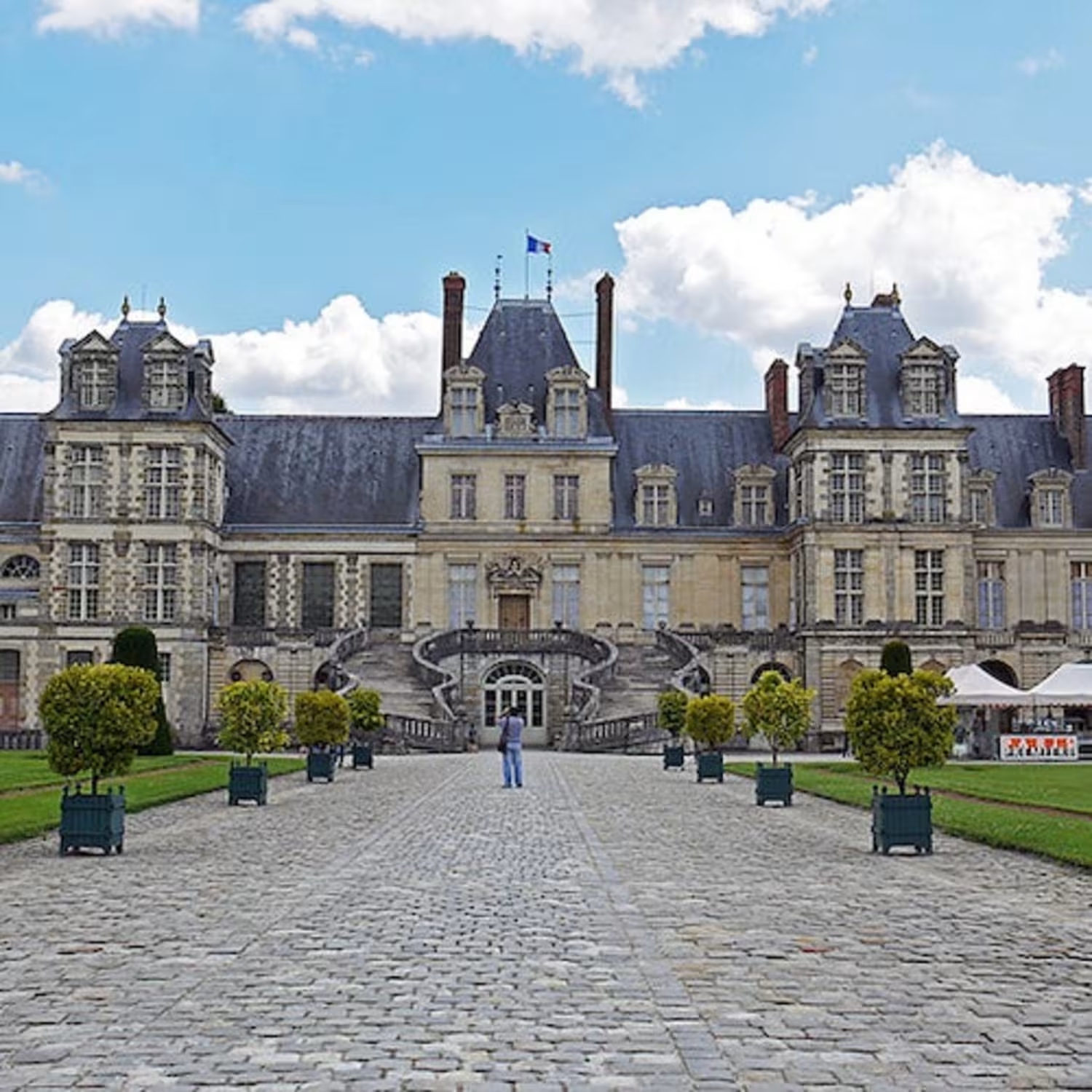
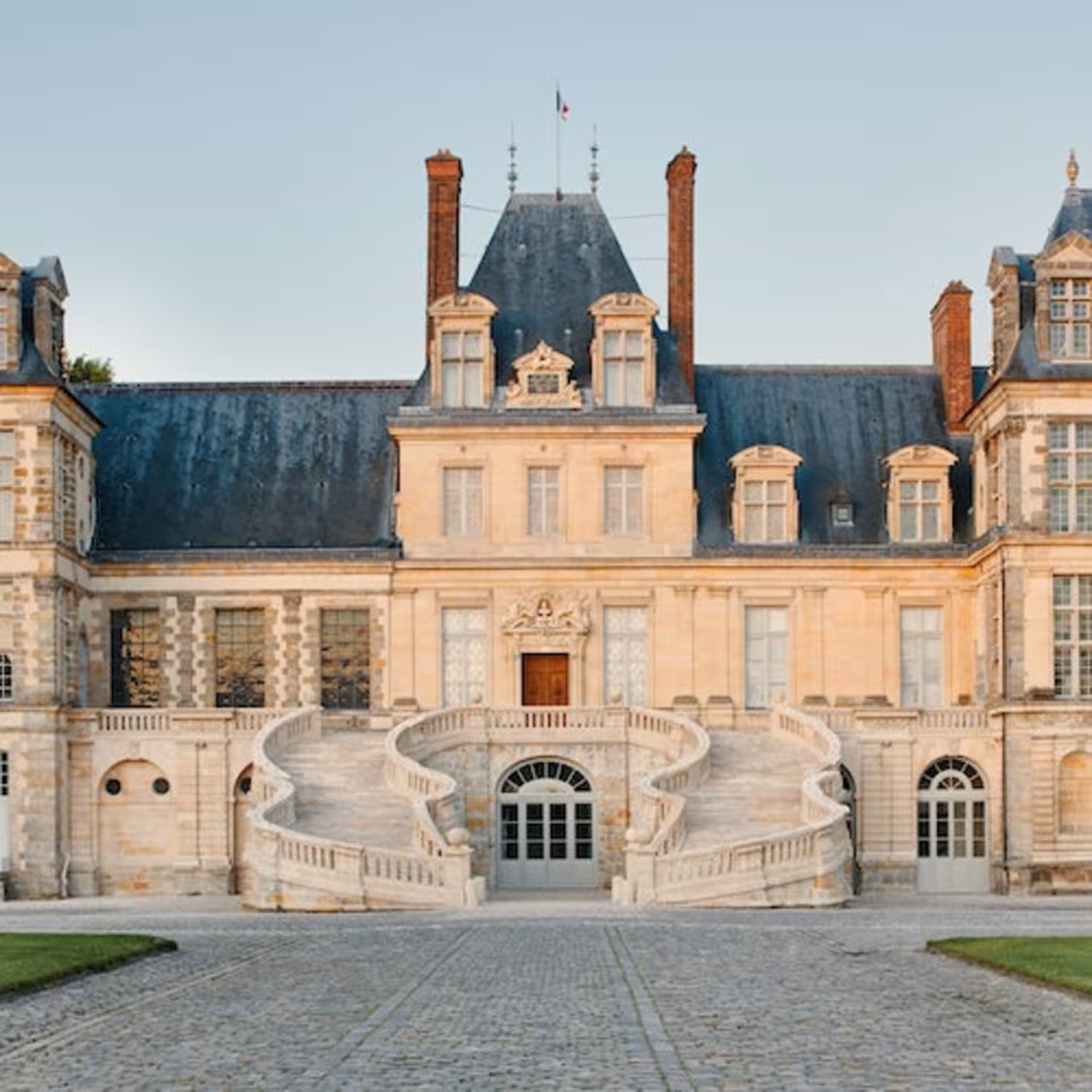
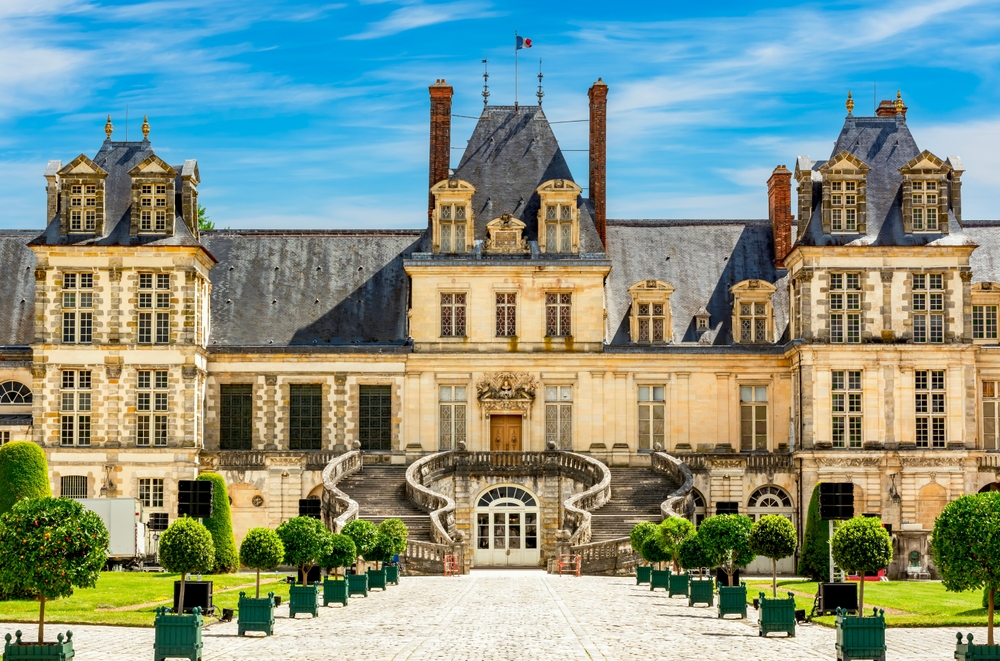
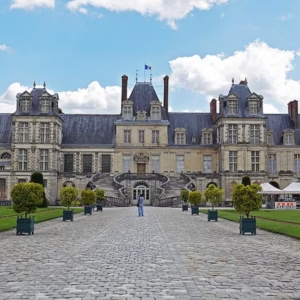
    For centuries, it served as a preferred residence for French monarchs, including Francis I of France, who transformed the château into a Renaissance masterpiece inspired by Italian art and design. Later rulers expanded and refined the palace, leaving behind richly decorated apartments, ceremonial halls, and one of the most iconic features—the grand horseshoe staircase.

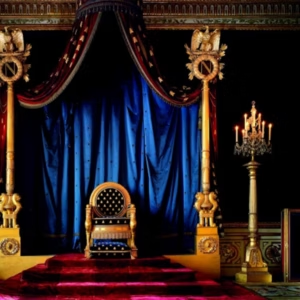
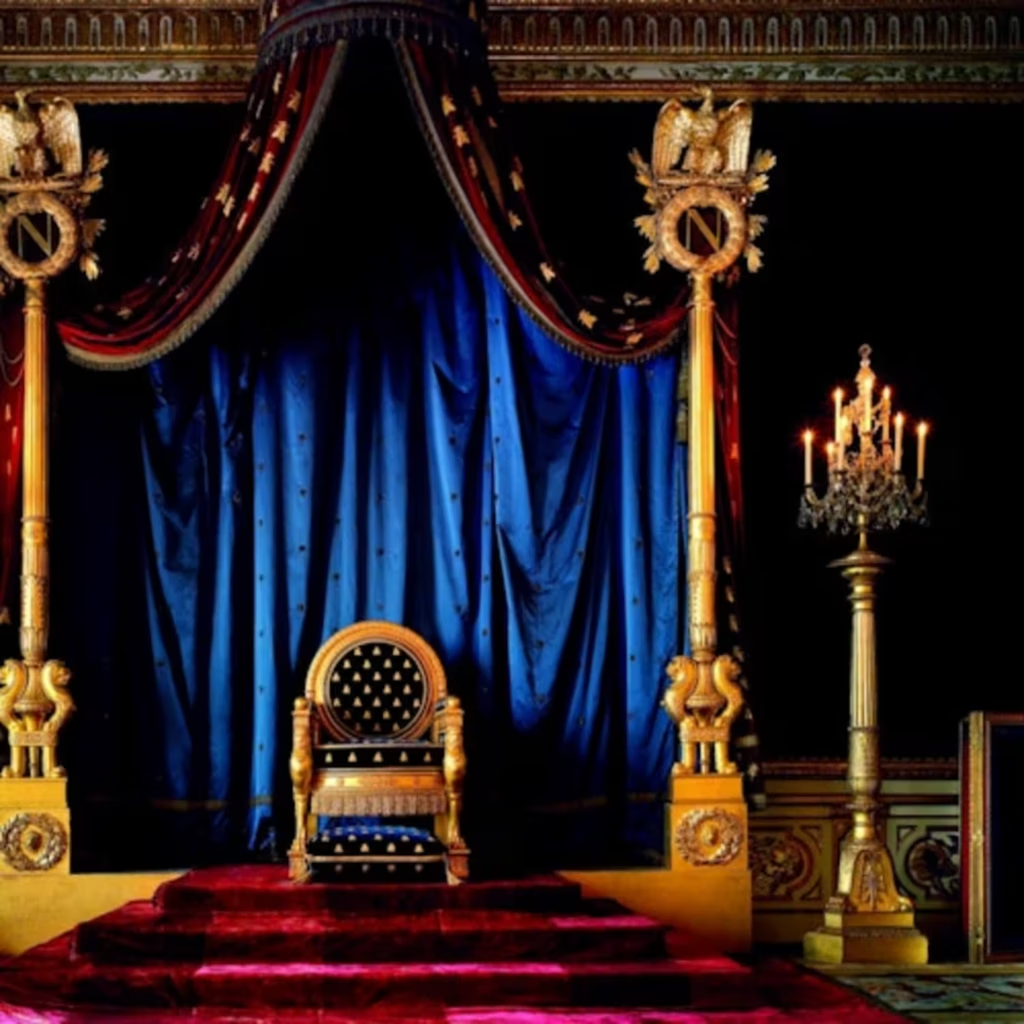
    The château also played a pivotal role during the reign of Napoleon Bonaparte, who made it his imperial residence. It was here that he famously abdicated in 1814, marking a key moment in European history.

    Today, Château de Fontainebleau is recognized as a UNESCO World Heritage Site, celebrated for its well-preserved interiors, extensive art collections, and vast landscaped gardens. Visitors can explore everything from royal apartments to galleries filled with centuries of decorative arts, offering a complete picture of France’s royal heritage in one place.

Why Visit Château de Fontainebleau

Shaped by centuries of rulers: Explore a residence continuously inhabited from the Middle Ages to the 19th century, offering a richer historical timeline than most royal sites.

A true Renaissance landmark: Discover the artistic vision of Francis I of France, who introduced Italian-inspired design and transformed the château into a cultural centre.

Walk through Napoleon’s legacy: Visit the rooms of Napoleon Bonaparte and stand where he delivered his famous farewell.

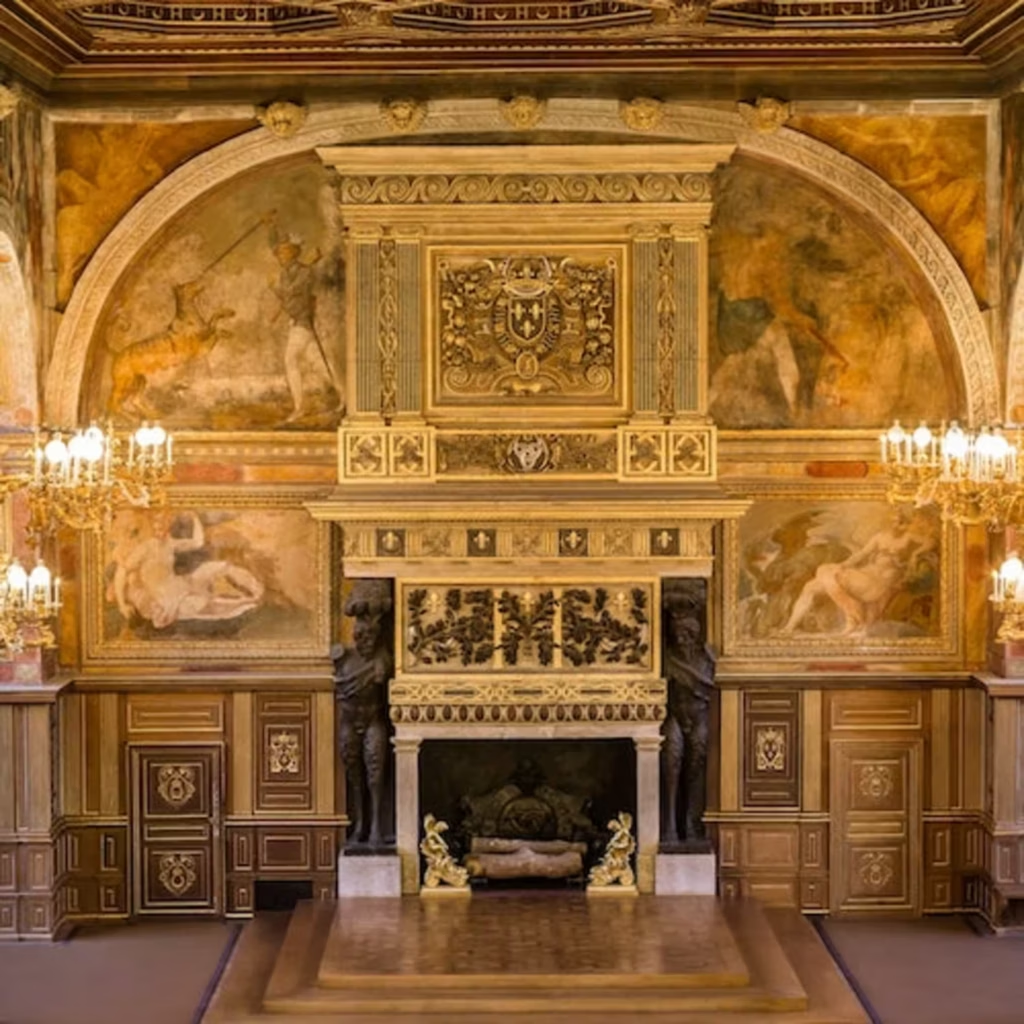
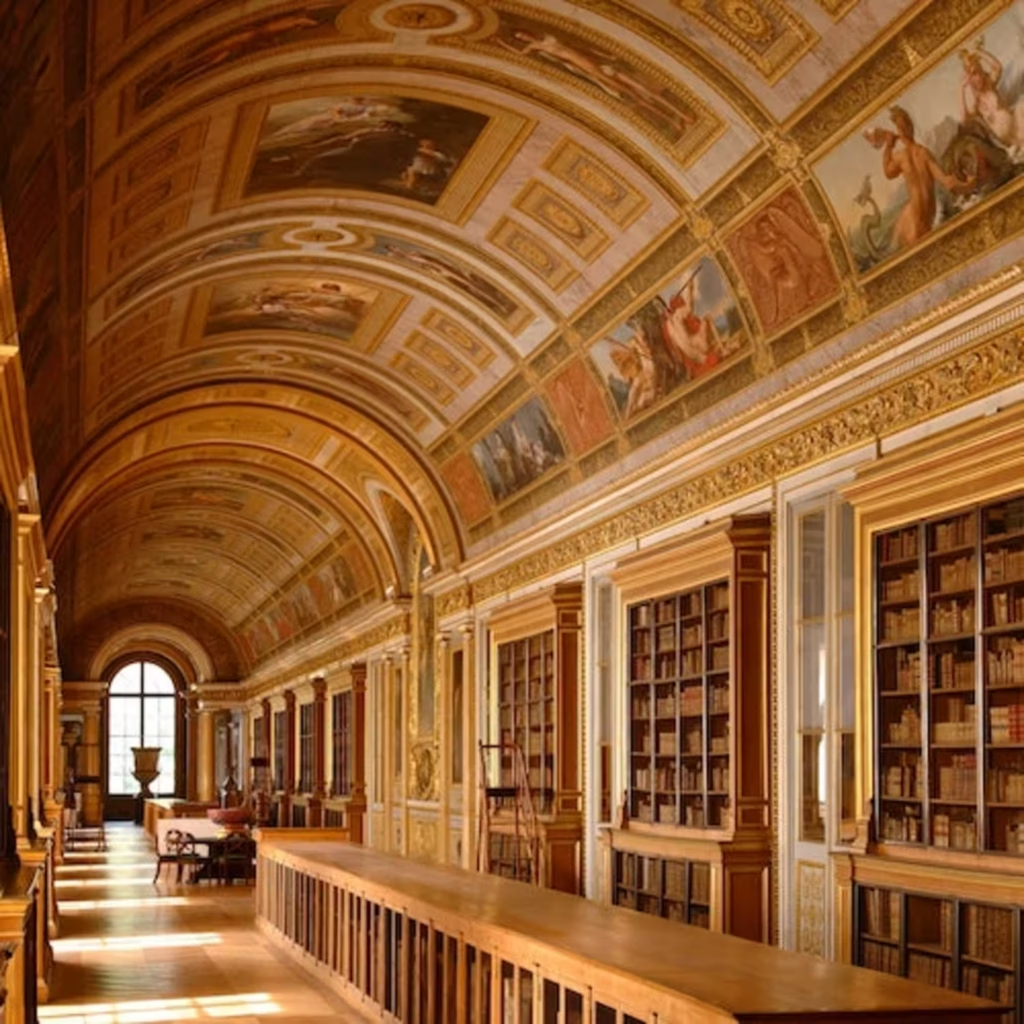
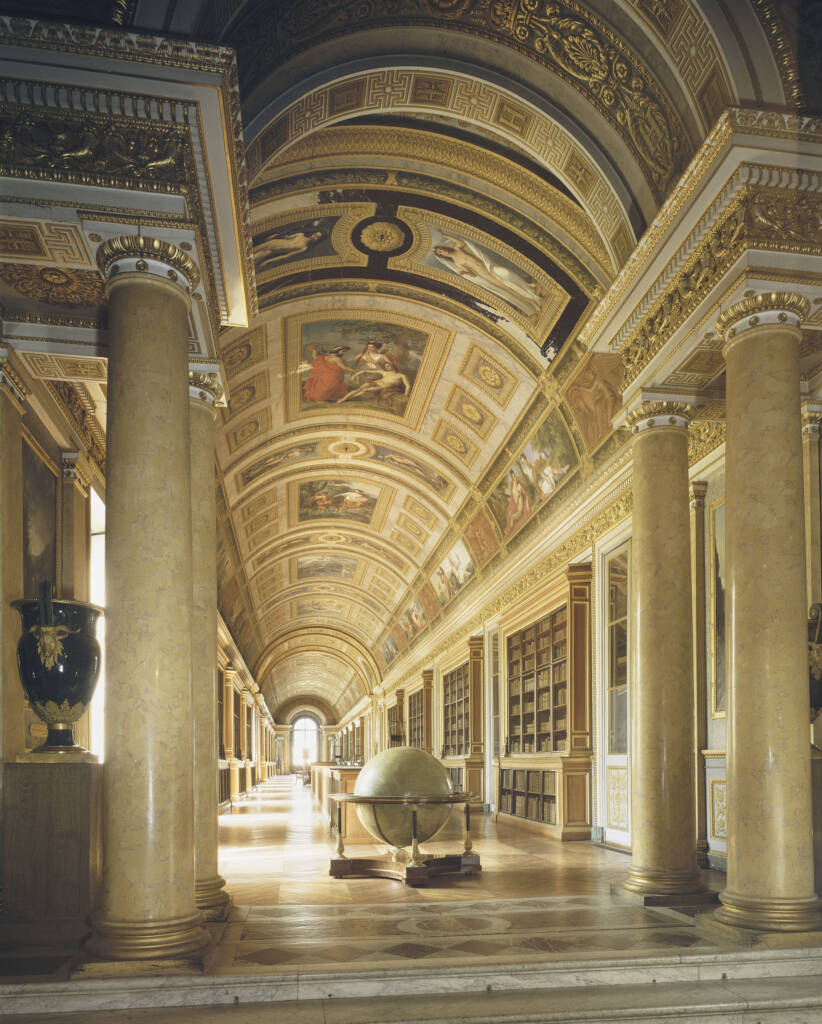
See remarkably preserved interiors: From royal apartments to ceremonial halls, the château retains its original layout and décor across multiple eras.

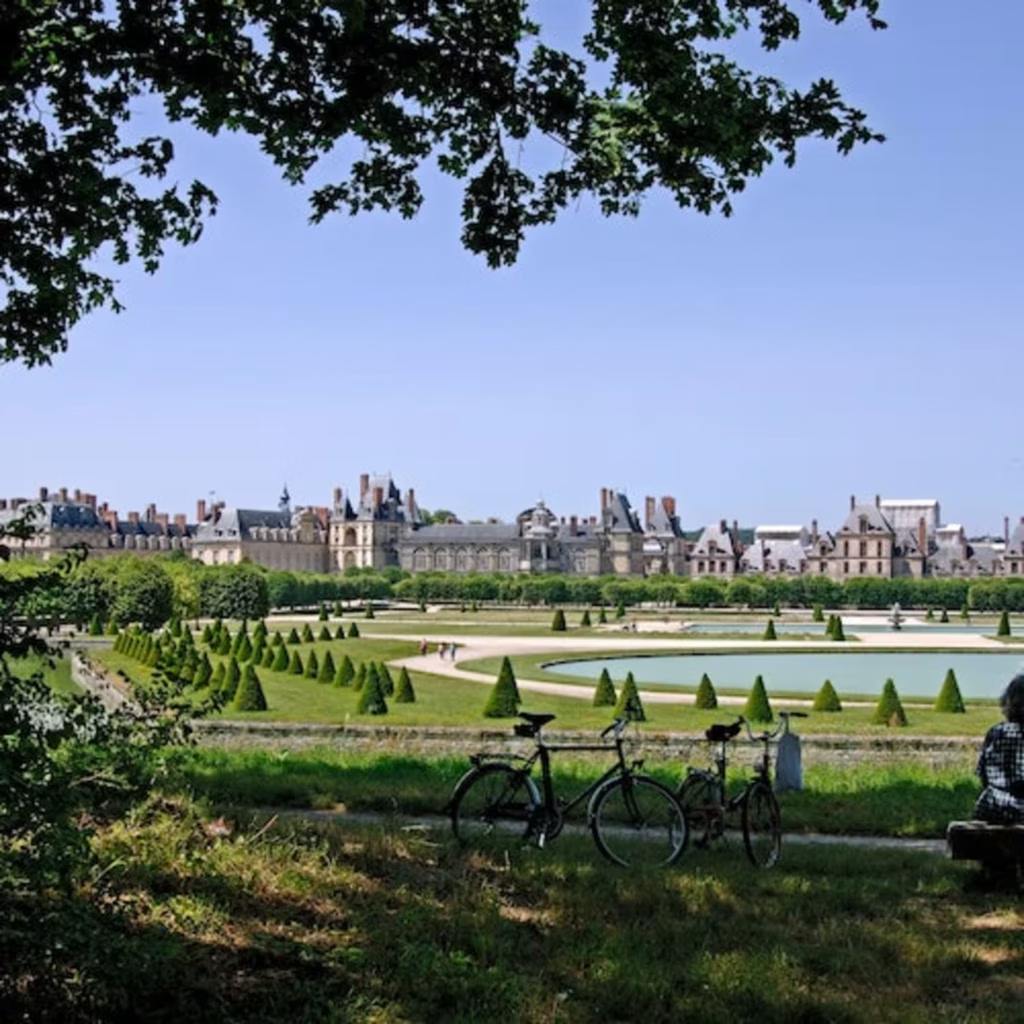
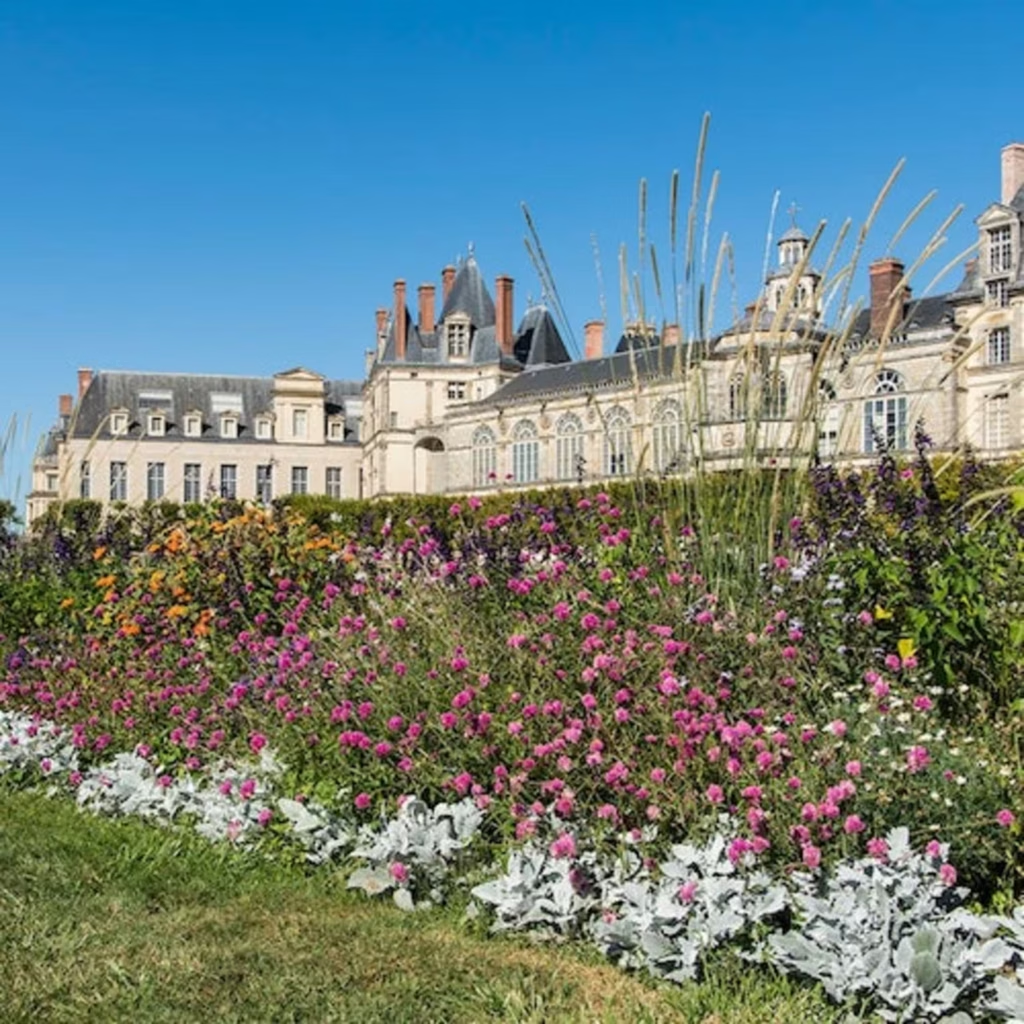
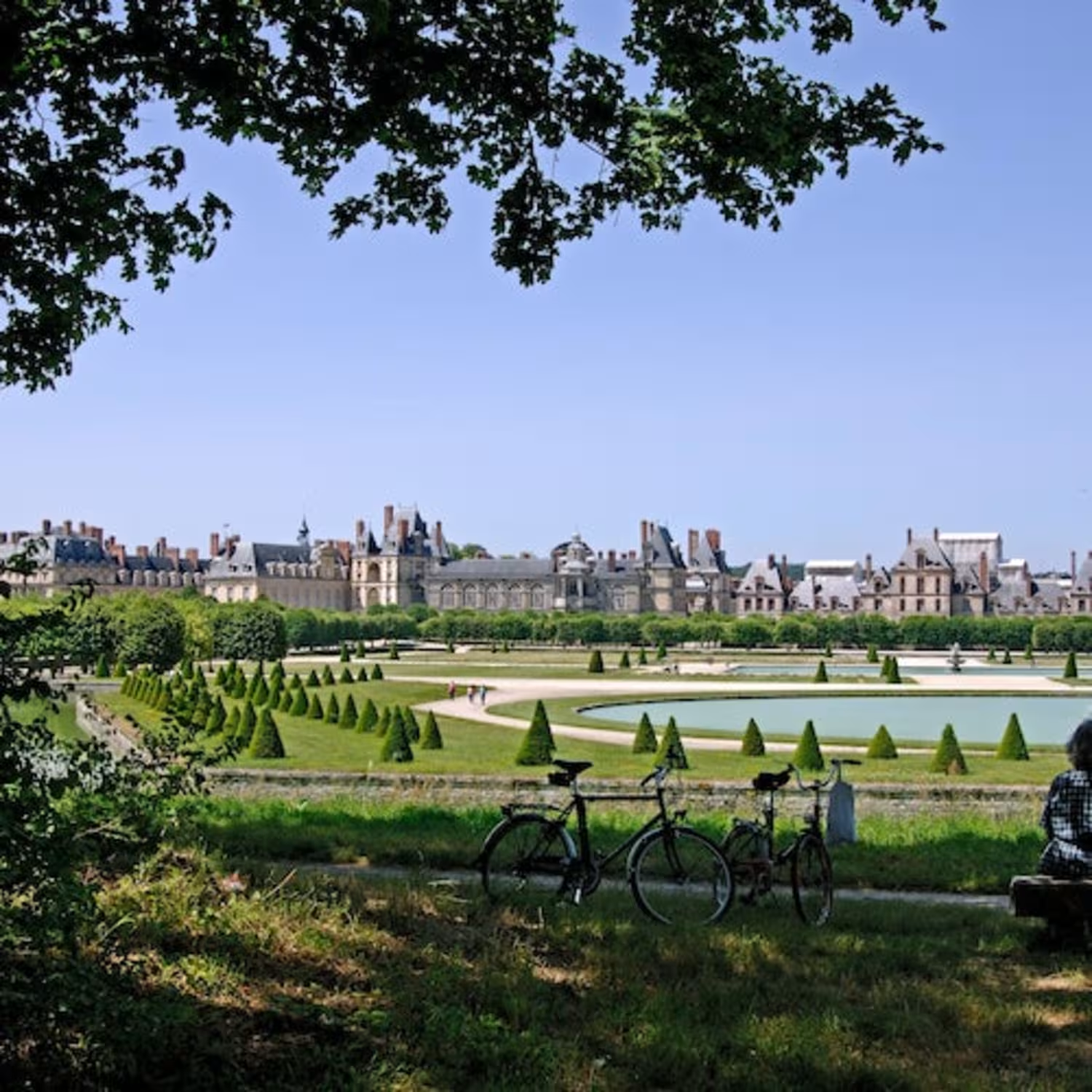
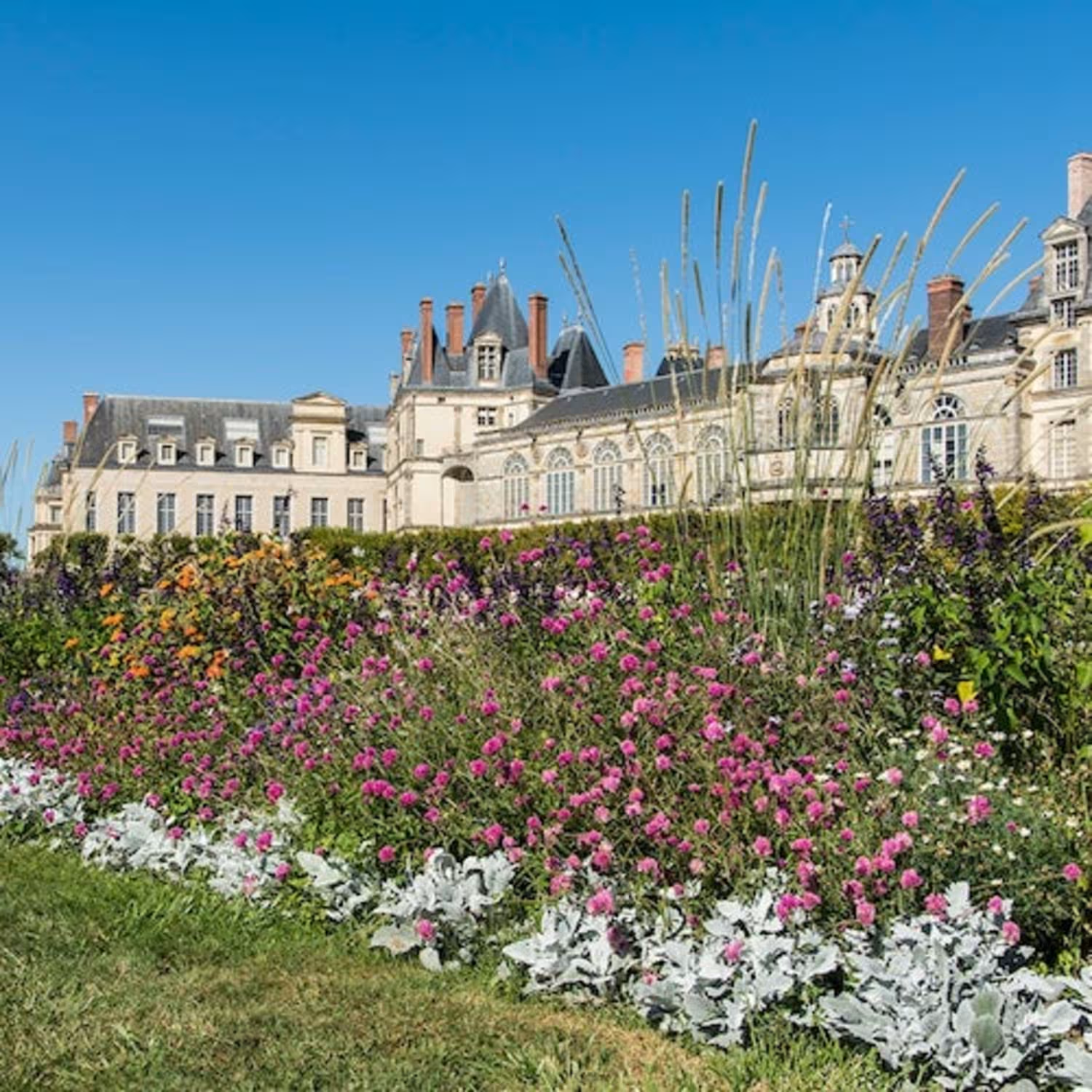
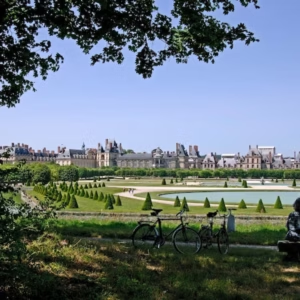
Explore vast gardens and grounds: Wander through formal gardens, landscaped parks, and the Grand Parterre—one of the largest in Europe.

Easy access from Paris: A convenient day trip that combines culture, architecture, and nature in one destination.

Plan the Perfect Time for Your Visit

Image Credits: Château de Fontainebleau
  • Opening Schedule -Open Wednesday to Monday: Typically from 9:30 AM to 6:00 PM (last entry around 5:15 PM)
    -Closed on Tuesdays

    Gardens and park:
    -Open daily
    -Generally accessible from 9:00 AM to 6:00 PM or later in warmer months

    Opening times may vary slightly depending on the season or special events, so it’s best to plan your visit in advance to make the most of your time.
  • Best times to visit -Arrive early in the day: Mornings tend to be quieter, allowing you to explore the interiors with fewer crowds
    -Weekdays over weekends: Midweek visits are usually less busy than Saturdays and Sundays
    -Spring and autumn: Comfortable weather and fewer peak-season visitors make these ideal months to explore both the château and its gardens
    -Late afternoon for the gardens: Softer light and a calmer atmosphere make it a great time for a walk outdoors

Getting There

Château de Fontainebleau is located in the town of Fontainebleau, around 55 km southeast of Paris. Its setting makes it an ideal day trip from the capital, with several convenient transport options available.

Address

Place du Général de Gaulle, 77300 Fontainebleau, France

Plan Your Route

This is the most efficient and widely used route from Paris. Trains depart regularly from Paris Gare de Lyon to Fontainebleau-Avon station, with a journey time of around 40 minutes. From the station, bus line 1 connects directly to the château in approximately 15 minutes, stopping just a short walk from the entrance.

Trains run frequently throughout the day, making it easy to plan both your arrival and return. This option is ideal if you want a straightforward and cost-effective journey without navigating city traffic.

Driving gives you the freedom to explore at your own pace. The château can be reached in about 1 hour from central Paris via the A6 motorway. The route is direct and well signposted, making it a comfortable drive even for visitors unfamiliar with the area.

Several paid parking areas are available near the château and within walking distance of the entrance. This option is particularly convenient if you plan to visit nearby attractions, explore the forest, or travel with family or a group.

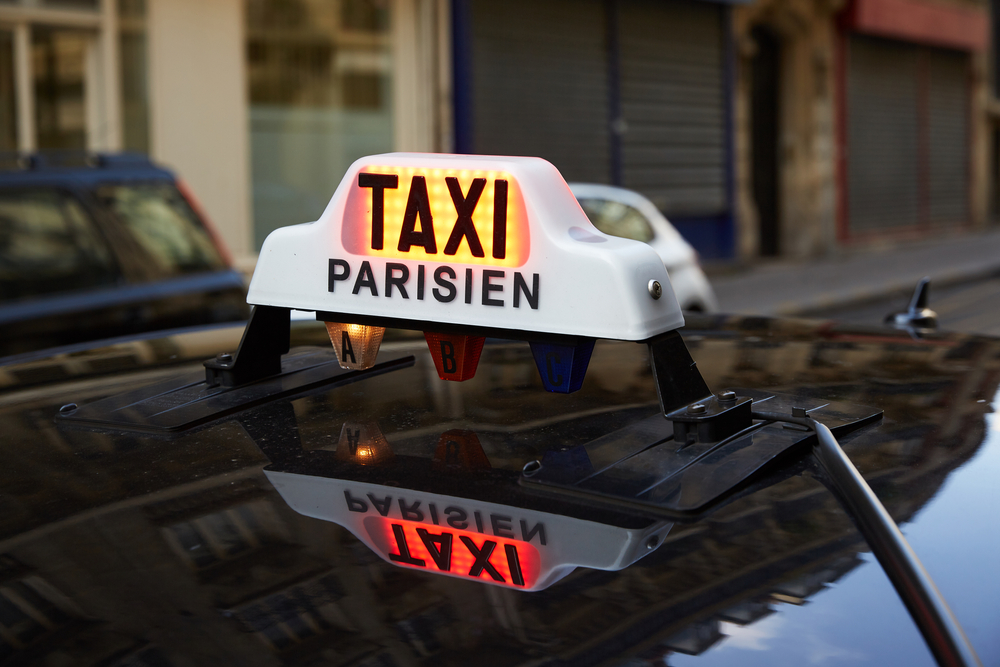
Taxis and rideshare services such as Uber operate between Paris and Fontainebleau. Travel time is usually around 1 hour, depending on traffic conditions.

While this is one of the more expensive options, it offers door-to-door convenience and is a good choice if you are short on time or travelling in a small group where costs can be shared.

Dining Options at Château de Fontainebleau

  • Visitors will find several casual dining options in and around Château de Fontainebleau, ideal for a relaxed break during your visit. Nearby cafés and eateries offer a range of light meals, snacks, and refreshments, with options that suit both quick stops and longer lunches.

    Within walking distance of the château, the town of Fontainebleau features a variety of restaurants serving French and international cuisine. This makes it easy to plan a meal before or after your visit without straying far from the site.

    For a more flexible experience, the surrounding park and gardens provide open spaces where you can pause and enjoy a snack outdoors. Planning your dining around quieter hours can help you avoid peak times and make the most of your visit.

Accessibility Information

  • Château de Fontainebleau has taken steps to improve accessibility, though some limitations remain due to the historic nature of the site.

    Step-free access is available in several areas of the palace, and adapted routes allow visitors with reduced mobility to explore key sections of the château. Lifts are installed in certain parts of the building to facilitate movement between floors.

    Accessible restrooms are available on-site, and assistance dogs are permitted. Informational materials and staff support can help guide visitors through accessible routes during their visit.

    As some historic rooms and upper levels may have restricted access, it is recommended to plan ahead and allow extra time to navigate the available areas comfortably.

Know Before You Go

Book tickets in advance: Entry slots can fill up quickly, especially during weekends and holidays

Closed on Tuesdays: Plan your visit accordingly, as the château is not open that day

Allow at least 2–3 hours: The palace and gardens are extensive and worth exploring at a comfortable pace

Wear comfortable footwear: You’ll be walking through large interiors, courtyards, and outdoor grounds

Security checks on entry: Bags may be inspected before access to the château

Photography is allowed: Non-flash photography is generally permitted inside most areas

Limited access in some areas: Certain rooms or sections may be temporarily closed for conservation

Respect preservation rules: Avoid touching artworks and follow signage throughout the visit

FAQs

Where is Château de Fontainebleau located?

Château de Fontainebleau is located in the town of Fontainebleau, about 55 km southeast of Paris, making it an easy day trip from the city.

Do I need to book tickets in advance?

Booking tickets in advance is recommended, especially during weekends and peak travel seasons, to secure your preferred entry time.

How long does a visit to the château take?

Most visitors spend around 2 to 3 hours exploring the palace and gardens, though you can easily stay longer if you want to explore in depth.

Is Château de Fontainebleau worth visiting compared to Versailles?

Yes, Château de Fontainebleau offers a different experience, with fewer crowds and a wider range of architectural styles reflecting multiple historical periods.

What are the main highlights inside the château?

Key highlights include the royal apartments, the Renaissance galleries, the famous horseshoe staircase, and rooms associated with Napoleon Bonaparte.

Are the gardens included with the ticket?

Access to the gardens is generally free, while entry to the palace interiors requires a ticket.

Is the château suitable for families with children?

Yes, the château and its large outdoor spaces make it suitable for families, though younger children may enjoy the gardens more than the interiors.

How do I get to Château de Fontainebleau from Paris?

The easiest way is by train from Paris Gare de Lyon to Fontainebleau-Avon, followed by a short bus ride to the château.

Is the château accessible for visitors with reduced mobility?

Partial accessibility is available, with adapted routes and facilities, though some historic areas may have limited access.

Is this the venue’s official website?

No. This website offers official tickets to Château de Fontainebleau, but is not the venue’s official website.

This website sells official tickets for this venue. Please note, however, that it is not the official website of the venue.
The images and videos on this website may contain visual elements that have been created or enhanced using AI technology. They are provided for illustrative purposes only.