Musée Jacquemart-André Paris – Art, History & Museum Tickets Online
This website offers official tickets for this venue. Please note, however, that it is not the official website of the venue.
Smartphone tickets
Why wait?
Instant confirmation
Flexible cancellation


Musée Jacquemart-André: Ticket for All Visitors
Highlights
Avoid waiting in queues with skip-the-line access.
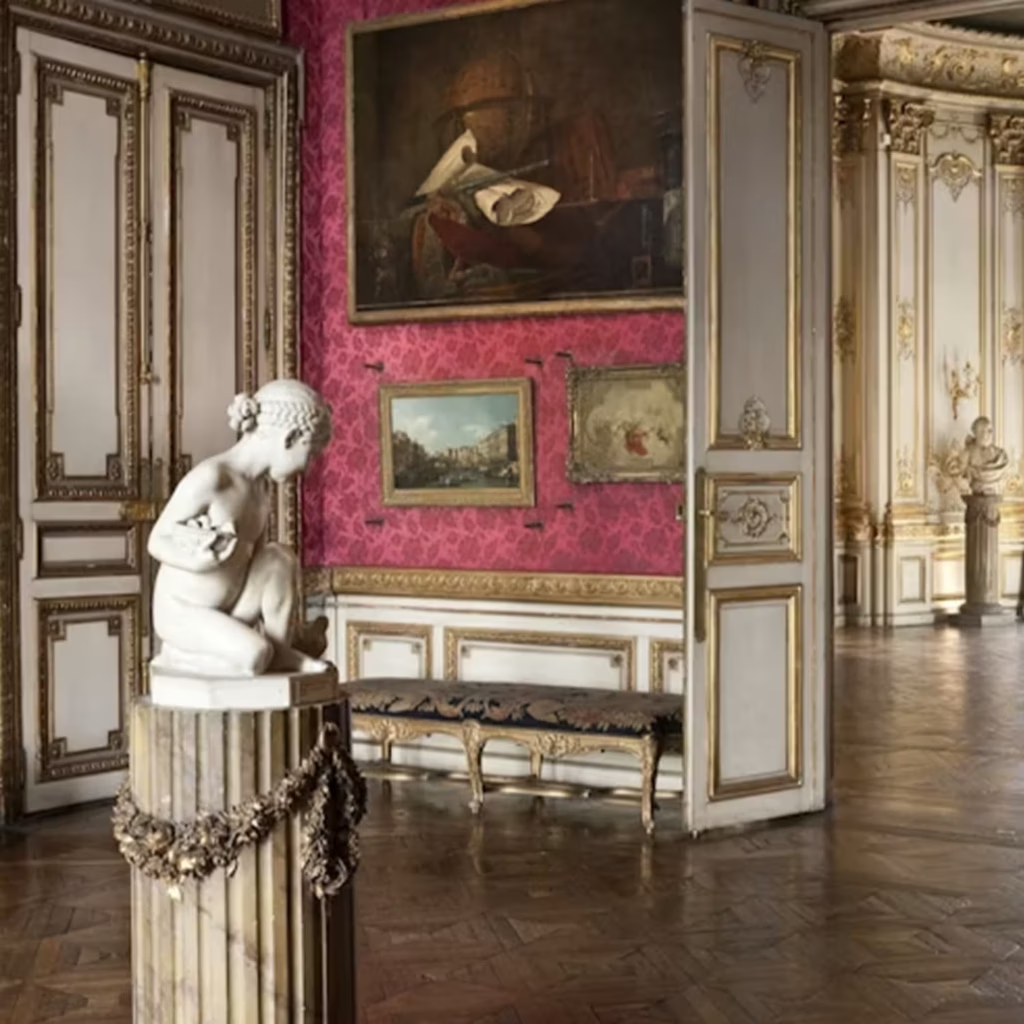
Explore a major Parisian private art estate collected by a distinguished couple.
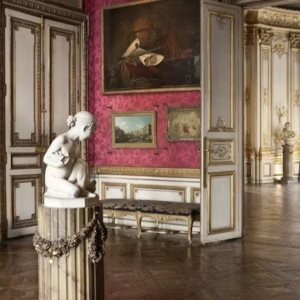
View magnificent 15th and 16th-century Italian sculptures and galleries.
Discover the Venetian-inspired section and Florentine Gallery with religious artworks.
Enjoy an audioguide available in English and French to enrich your visit.
Musée Jacquemart-André in Paris
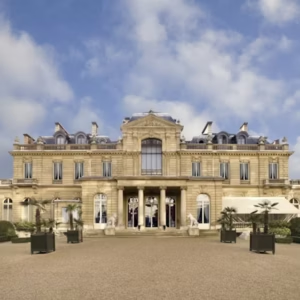
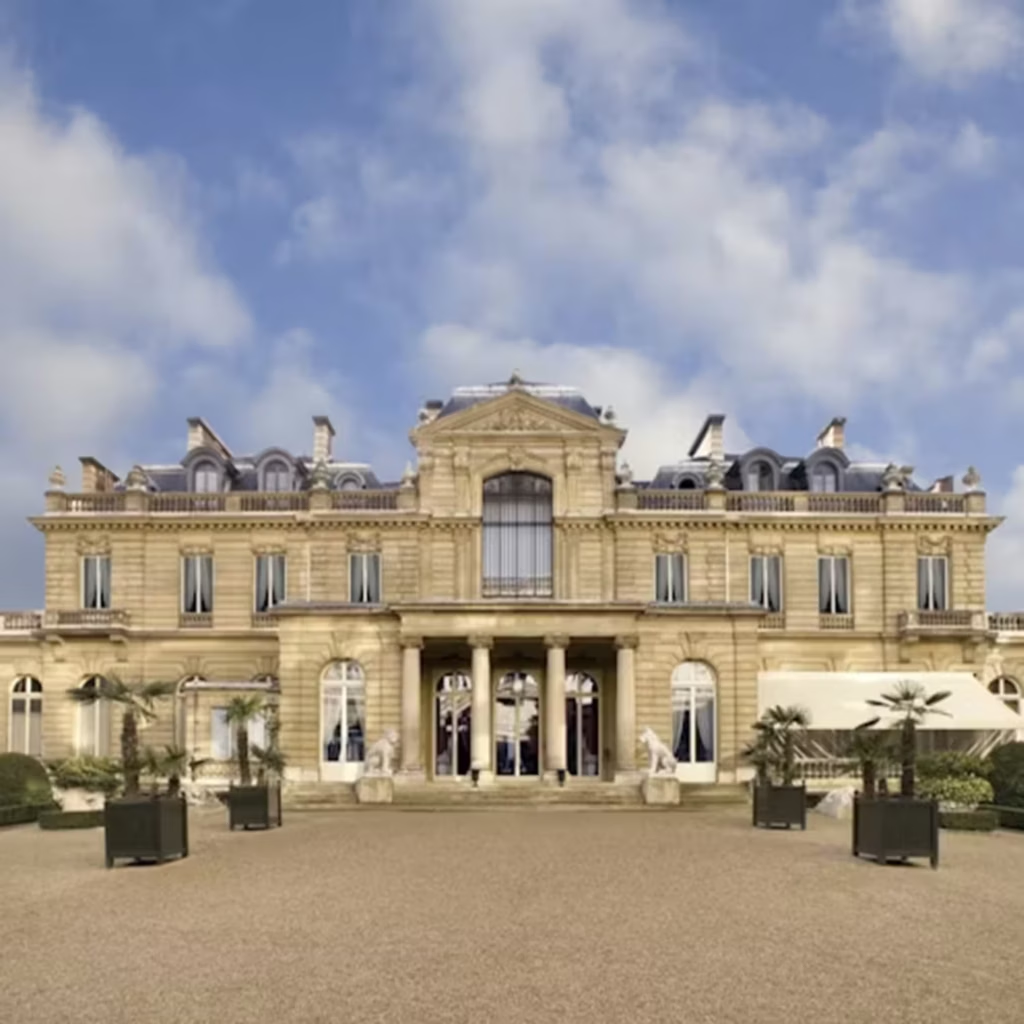
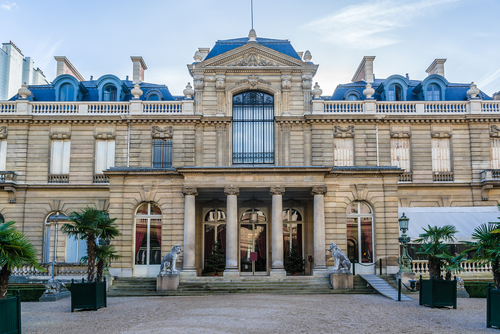
Step into a Parisian masterpiece—where grand 19th-century elegance, world-class art, and timeless charm come together under one unforgettable roof at Musée Jacquemart-André.
About Musée Jacquemart-André in Paris
Why Visit Musée Jacquemart-André?
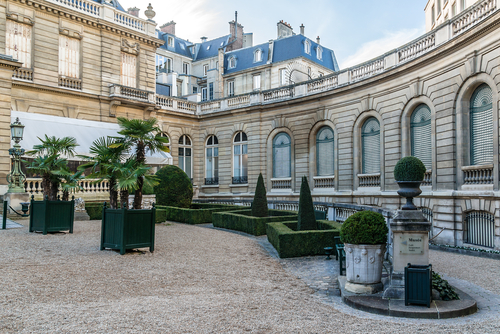
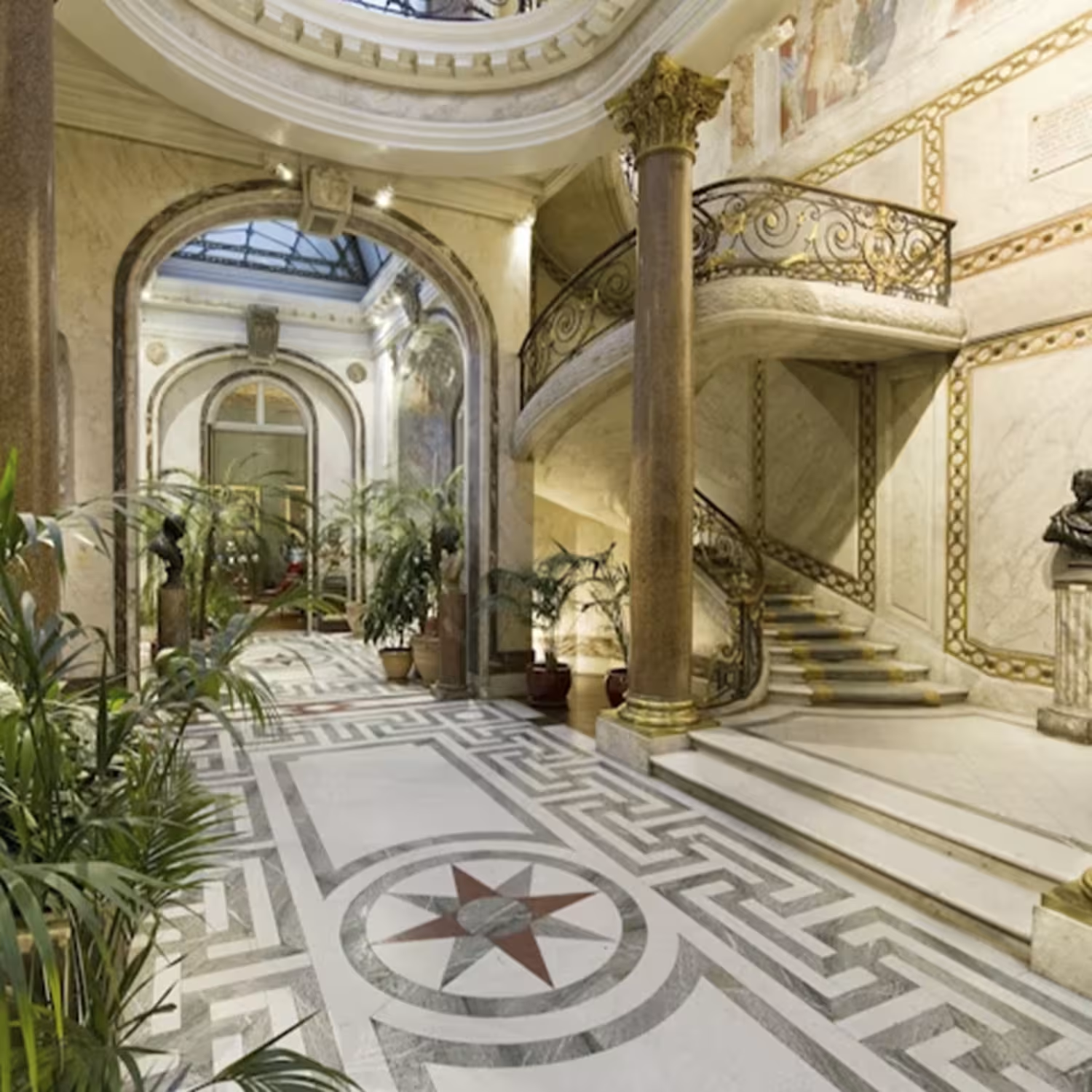
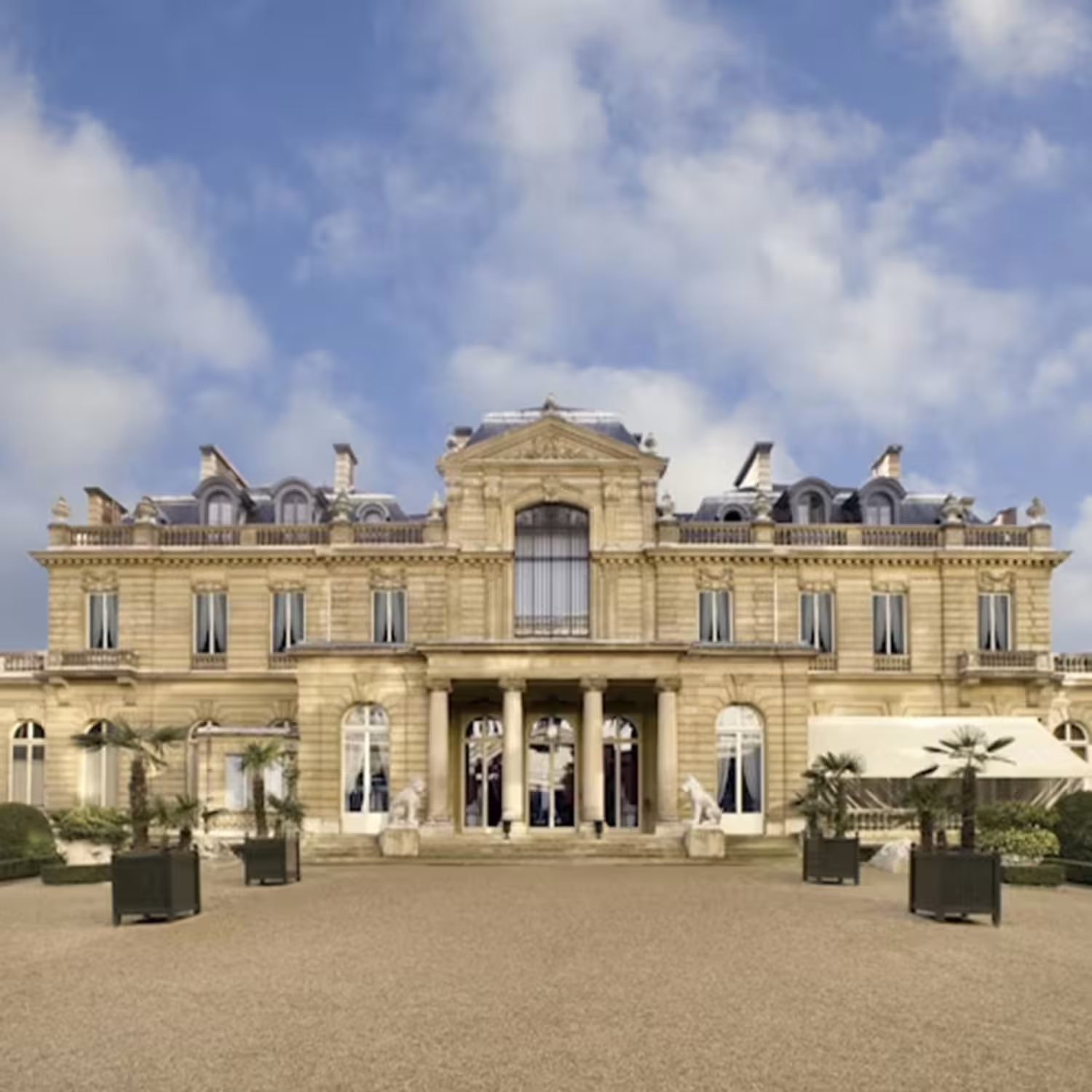
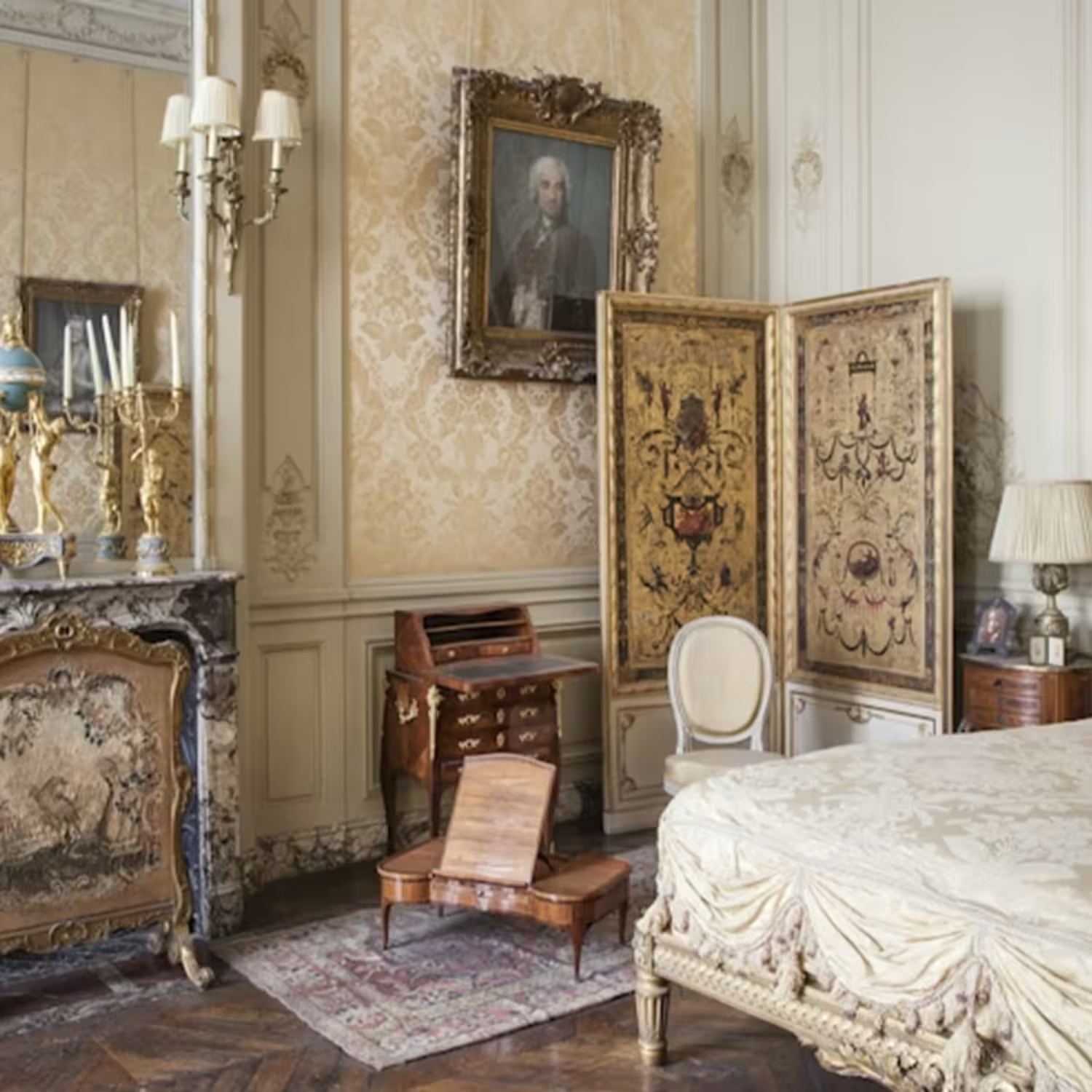
The Elegant 19th-Century Mansion
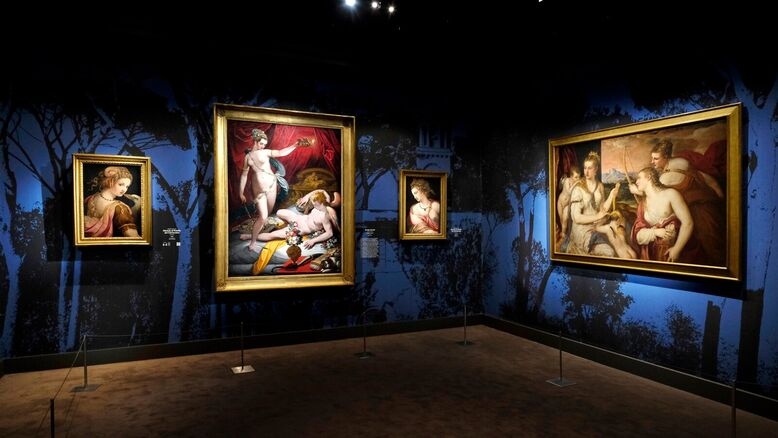
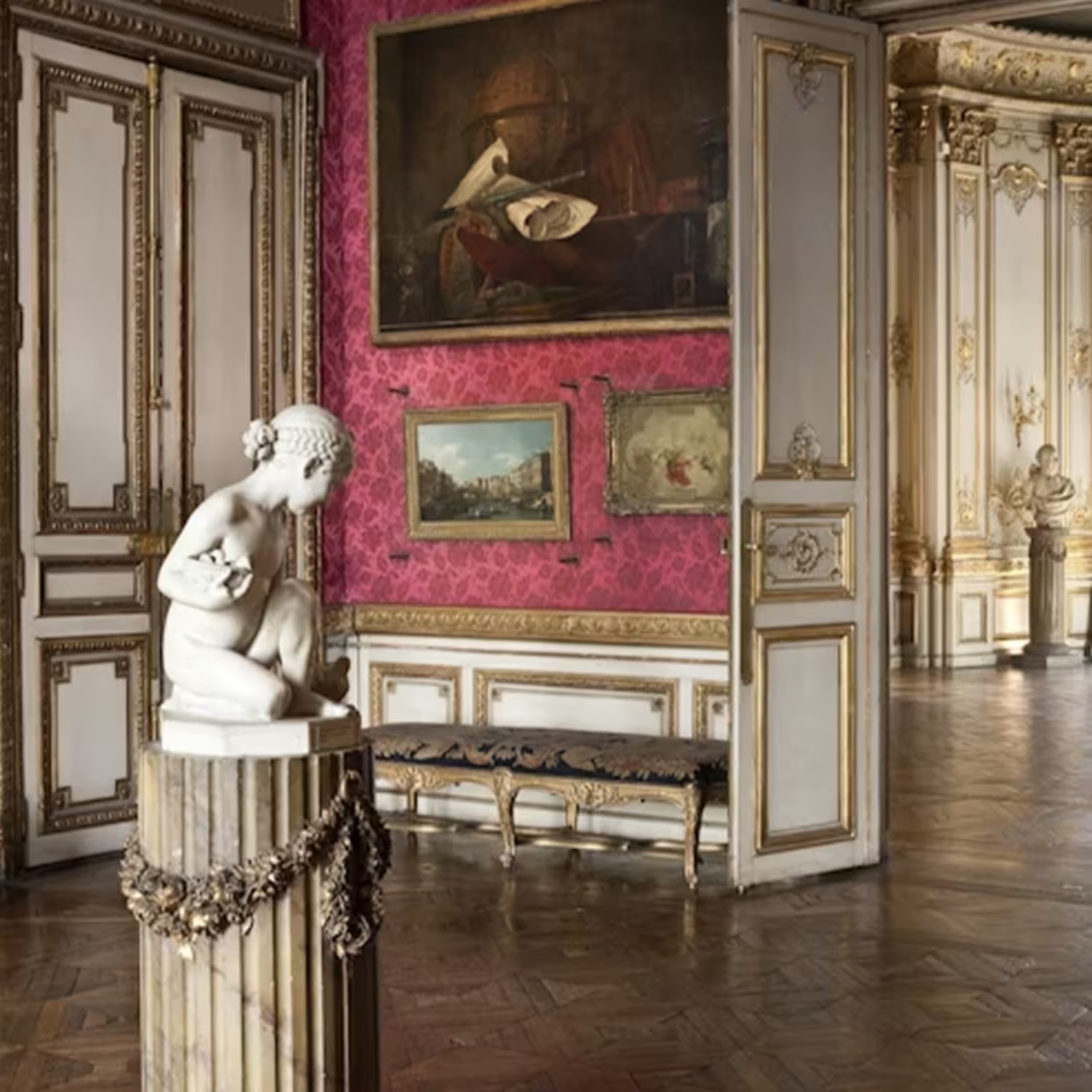
Exceptional Art Collections
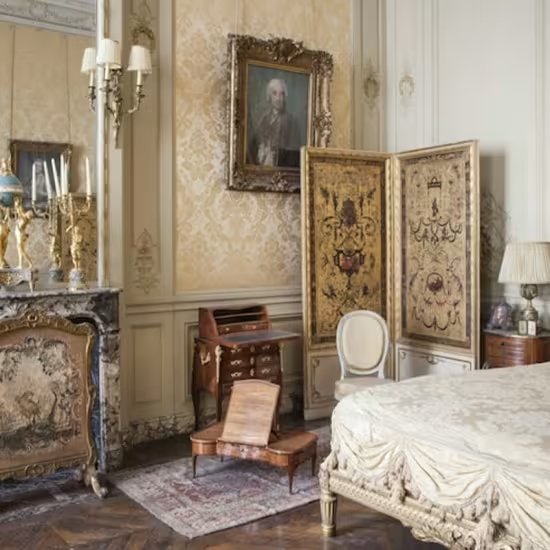
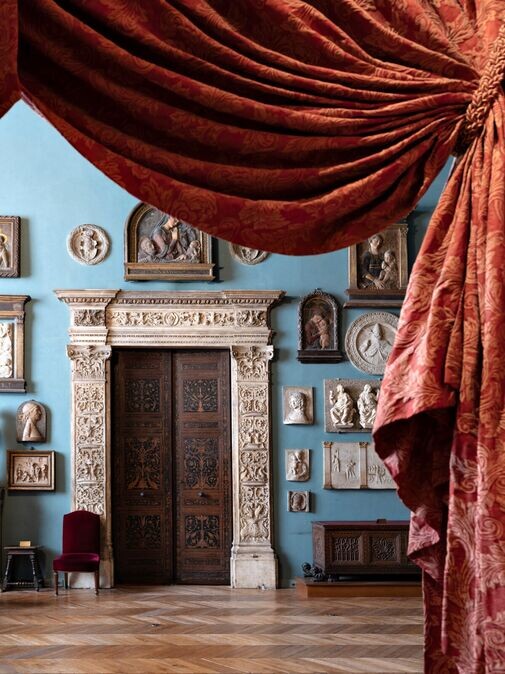
The Italian Museum Rooms
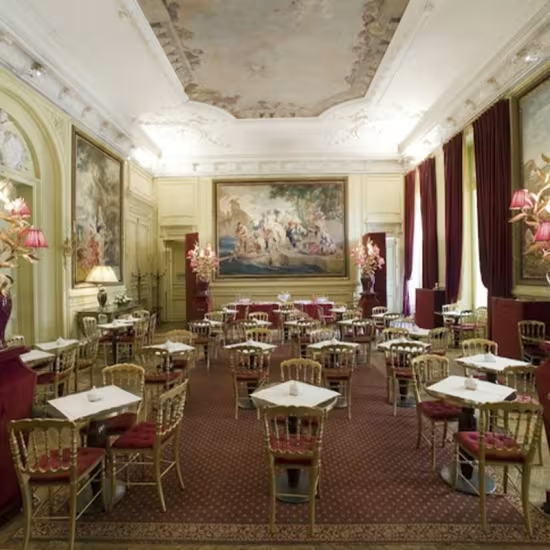
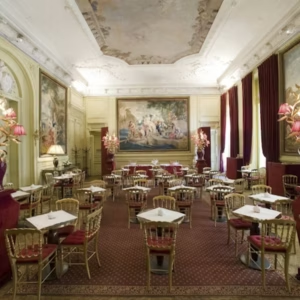
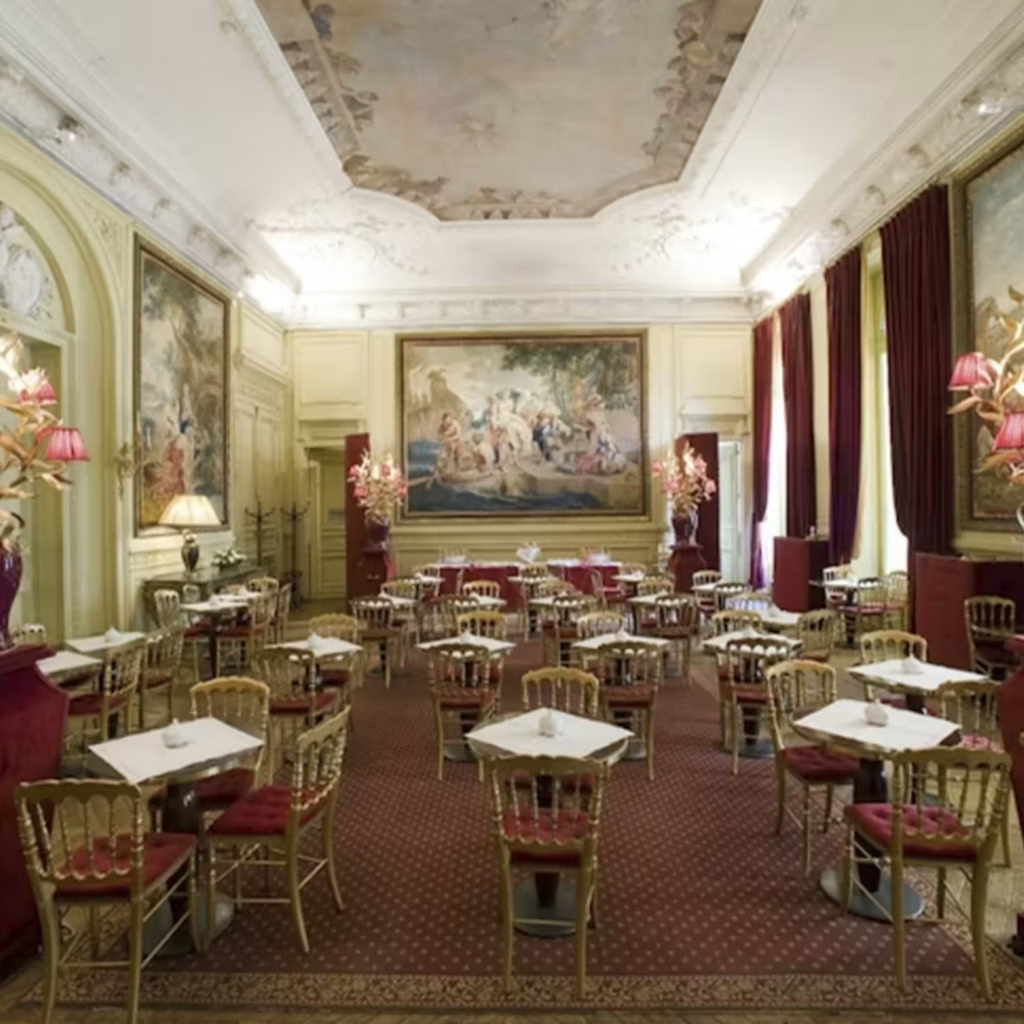
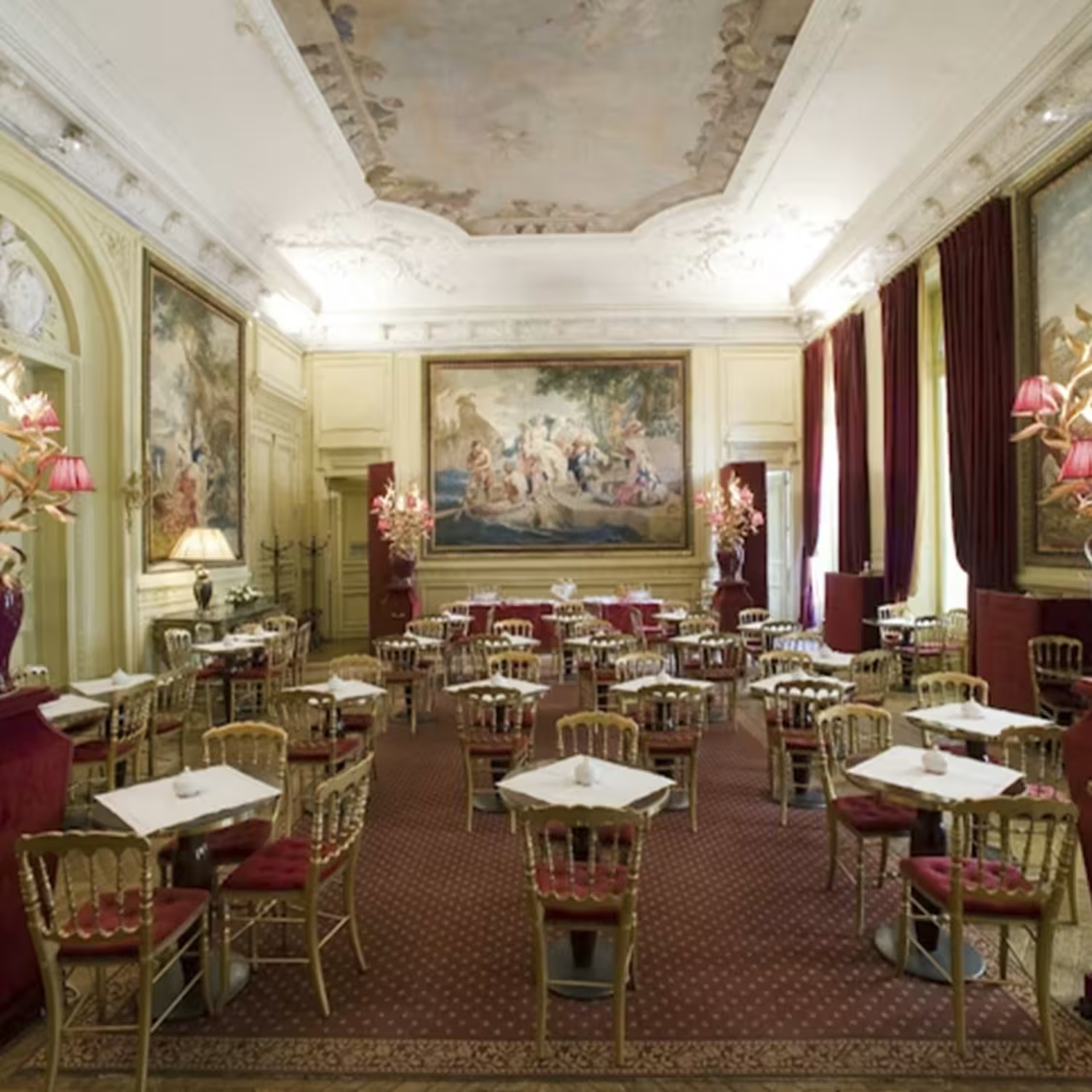
Le Nélie Tea Salon and Restaurant
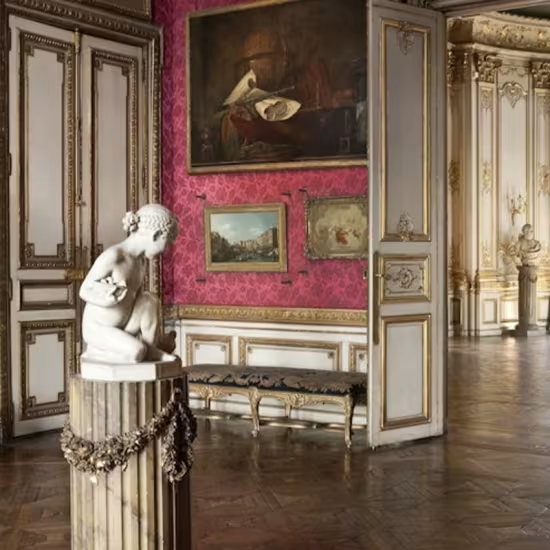
Historic Ambiance with Modern Accessibility
Operating Hours of Musée Jacquemart-André in Paris
Best Times to Visit Musée Jacquemart-André in Paris
Mornings Right After Opening (10:00 a.m. – 12:00 p.m.)
Arriving early gives you the calmest experience inside this elegant 19th-century mansion. The galleries are quieter, allowing you to take in the Italian masterpieces, decorative arts, and private apartments without large crowds. Morning visits are ideal if you enjoy moving at your own pace or want unobstructed photo opportunities.
Outside Peak Tourist Seasons
Paris sees its highest visitor numbers in summer and during major holidays. For a smoother experience, consider planning your visit in late fall, winter (excluding holidays), or early spring. You’ll enjoy shorter lines, quieter rooms, and a more immersive look at one of the city’s most refined cultural gems.
Weekdays, Especially Monday to Thursday
These midweek days typically see fewer visitors compared to weekends. If you prefer a relaxed and intimate atmosphere, weekday visits let you wander freely through the mansion’s salons, winter garden, and the famous Italian Gallery. You’ll also find shorter waiting times for on-site amenities like the museum café.
Late Afternoons for a Softer, More Atmospheric Visit
Late afternoons often bring a natural drop in foot traffic, giving the museum an even more serene charm. This is a lovely time to enjoy the mansion’s warm lighting, appreciate architectural details, or unwind with a pastry at the Café Jacquemart-André before closing.
Friday Evenings (Open Until 10:00 p.m.)
If you want something special, plan your visit on a Friday. The extended hours create a sophisticated, almost cinematic ambiance—perfect for art lovers or couples seeking a cultural night out. Galleries feel quieter, giving you extra space to explore.
During Temporary Exhibitions or Cultural Highlights
Musée Jacquemart-André hosts renowned temporary exhibitions throughout the year, featuring works by major European artists and private collections rarely seen by the public. Visiting during one of these exhibitions adds extra value to your ticket and deepens your overall experience.
Where to Find Musée Jacquemart-André in Paris
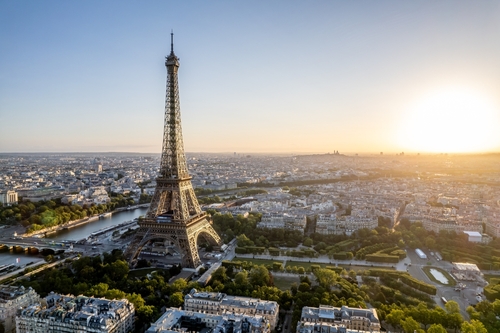
How to Get to Musée Jacquemart-André in Paris
By Metro
The museum is easily accessible via the Paris Metro, with several stations just a short walk away.
Miromesnil (Lines 9 & 13) and Saint-Philippe du Roule (Line 9) are the closest and most convenient stops.
The metro is the fastest option during peak traffic hours, making it ideal for visitors staying anywhere in central Paris.
Simply follow the exits toward Boulevard Haussmann for a quick, straightforward route to the museum.
By Bus
Multiple bus lines stop near the museum, providing a smooth and scenic way to travel across the city.
Lines 22, 43, 52, 28, and 80 have stops just steps away from the entrance on Boulevard Haussmann.
Buses offer a great budget-friendly option and allow you to enjoy views of Paris’s elegant streets and Haussmann-style architecture along the way.
Check real-time schedules to make your trip even more efficient.
By Car or Taxi
You can reach the museum easily by car or taxi, especially if you're coming from neighborhoods outside the city center.
While there is no dedicated museum parking, several paid parking garages are located nearby on Boulevard Haussmann and adjacent streets.
Traffic in the 8th arrondissement can be busy during rush hours, so planning your visit outside peak times is recommended.
Taxis and rideshares can drop you directly at the museum entrance for maximum convenience.
By RER (Suburban Train)
The nearest RER station is Charles de Gaulle–Étoile (RER A), located near the Arc de Triomphe.
From the station, it’s about a 15–20-minute walk or a short metro ride to Miromesnil or Saint-Philippe du Roule.
This option is especially convenient for travelers arriving from the suburbs or Disneyland Paris.
On Foot
If you're staying near the Champs-Élysées, Parc Monceau, or in the 8th arrondissement, the museum is easily reachable on foot.
A stroll through this district takes you past chic boutiques, stately boulevards, and classic Parisian cafés.
Walking is a great way to soak in the area’s refined atmosphere before entering the museum’s opulent mansion.
By Bike or Scooter
Paris’s bike-sharing service, Vélib’, has stations close to the museum, offering a quick and eco-friendly way to get around.
Dedicated bike lanes run along nearby streets, making it a safe option even for visitors unfamiliar with the city.
Electric scooters available through various apps offer another convenient, flexible way to reach Boulevard Haussmann.
Things to Know Before Visiting Musée Jacquemart-André
- Facilities
- Accessibility
- Guidelines
- Rules
Onsite Facilities
Accessibility Information

Visitor Guidelines
Rules and Regulations
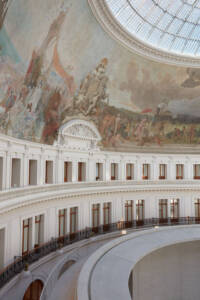
Interesting Facts About Musée Jacquemart-André in Paris
A Love Story Built the Museum
The museum was created by Édouard André and Nélie Jacquemart, a wealthy Parisian couple whose shared passion for art collecting led them to travel across Europe and the Middle East in search of rare works.
It Was Originally Their Private Mansion
Before it became a museum, the building was the couple’s lavish 19th-century residence. Every room was designed to display artworks they personally acquired.
Nélie Jacquemart Continued the Collection After Édouard’s Death
After Édouard André passed away in 1894, Nélie expanded the collection even further—making solo art-collecting trips that added some of the museum’s most iconic pieces.
Bequeathed Directly to the Institut de France
Upon her death in 1912, Nélie donated the mansion and the entire art collection to the Institut de France, requesting that it be turned into a public museum. It opened in 1913.
Home to One of the Finest Italian Renaissance Collections in Paris
The museum is famous for its exceptional Italian masterpieces, including works by Botticelli, Bellini, Mantegna, and Donatello—rare outside Italy.
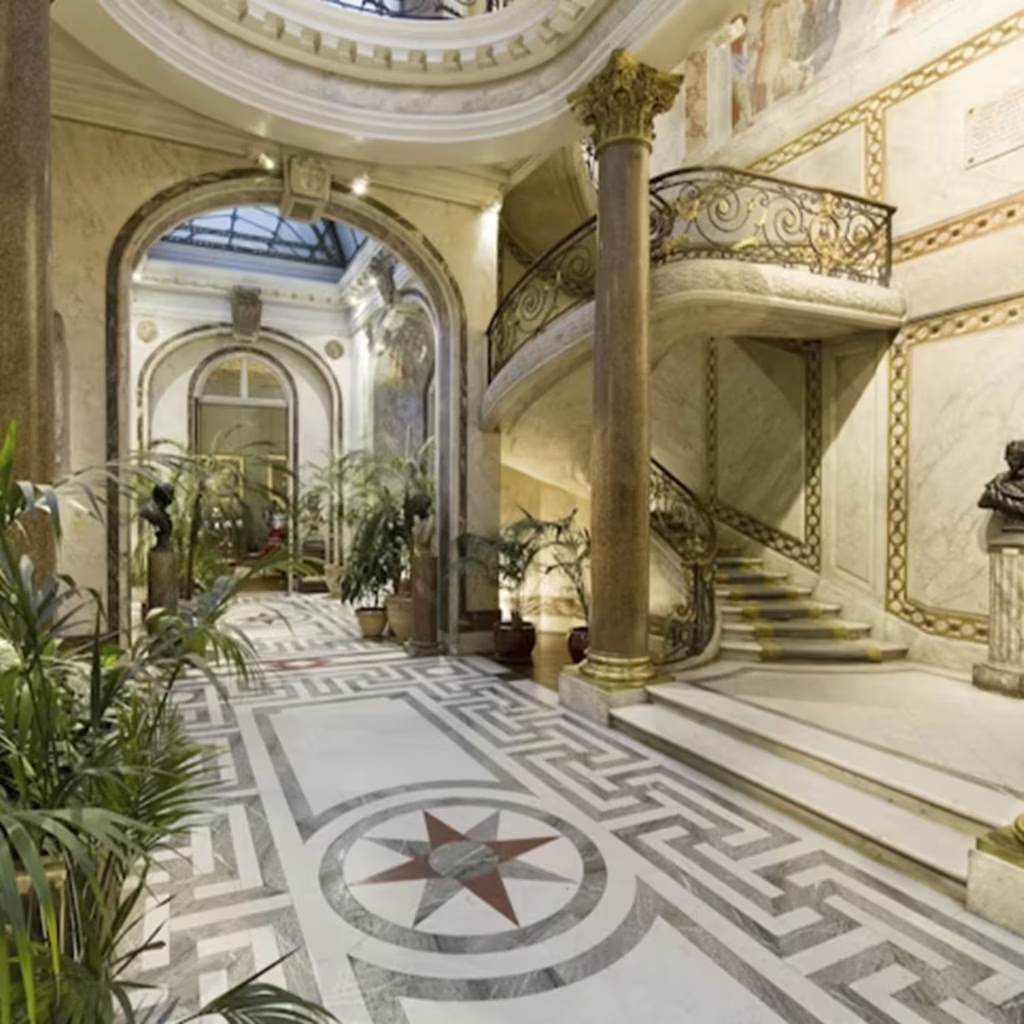
The Grand Staircase Was a Technical Marvel for Its Time
The breathtaking central staircase, with its sweeping marble curves and ornate décor, was considered a major architectural achievement in the late 1800s due to its scale and engineering.
The Winter Garden Was an Indoor Luxury
The “Winter Garden” room, featuring an iron-and-glass dome, allowed the couple to enjoy plants and natural light all year round—an extravagant innovation in Parisian homes at the time.
A Hidden Door in the Smoking Room
One of the mansion’s salons features a cleverly concealed door built seamlessly into the wall paneling—a charming detail of the home’s aristocratic design.
The Café Is Located in the Former Dining Room
The elegant Café Jacquemart-André still uses the original dining room décor, including 18th-century tapestries, making it one of the most beautiful museum cafés in Paris.
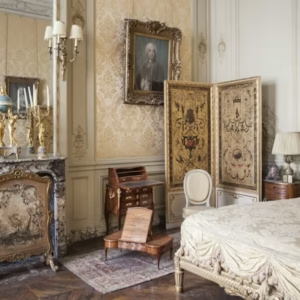
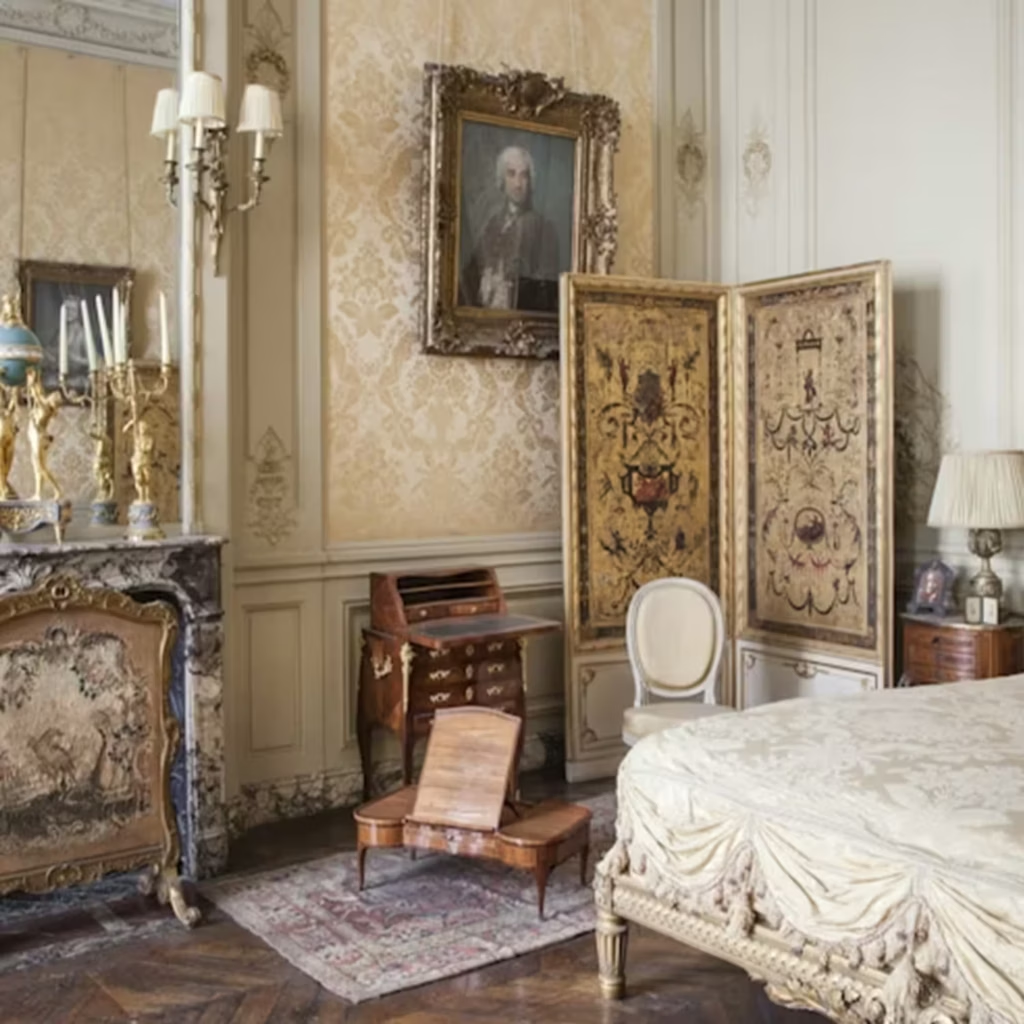
Many Rooms Are Preserved Exactly as They Were in the 19th Century
Unlike traditional museums, several spaces—such as the State Apartments and Private Apartments—remain furnished just as the couple left them, offering a rare look at upper-class Parisian life during the Belle Époque.