
Château de Vincennes: Tickets and Info
This website offers official tickets for this venue. Please note, however, that it is not the official website of the venue.
Visit the Château de Vincennes
Highlights
Skip the regular lines with priority entry.
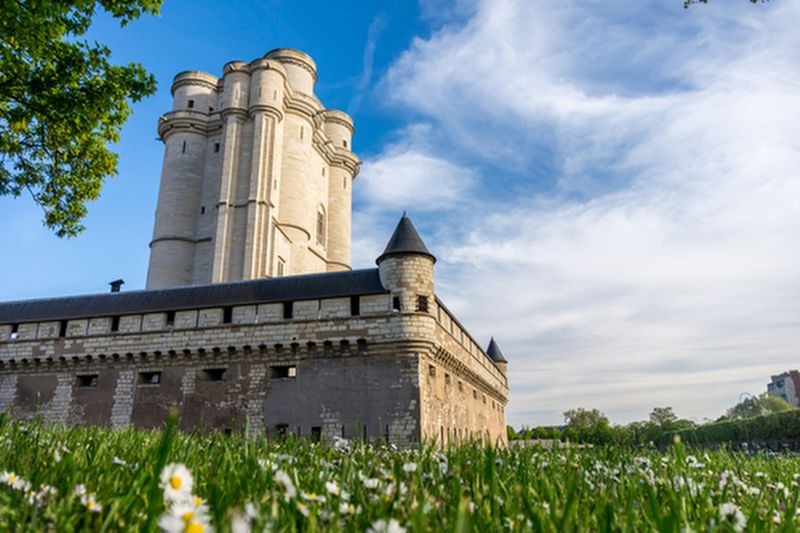
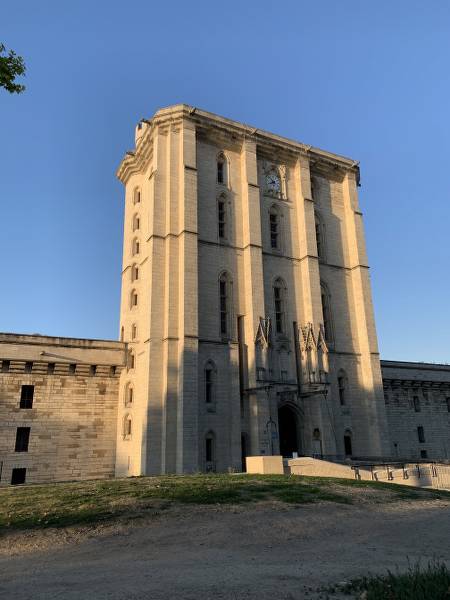
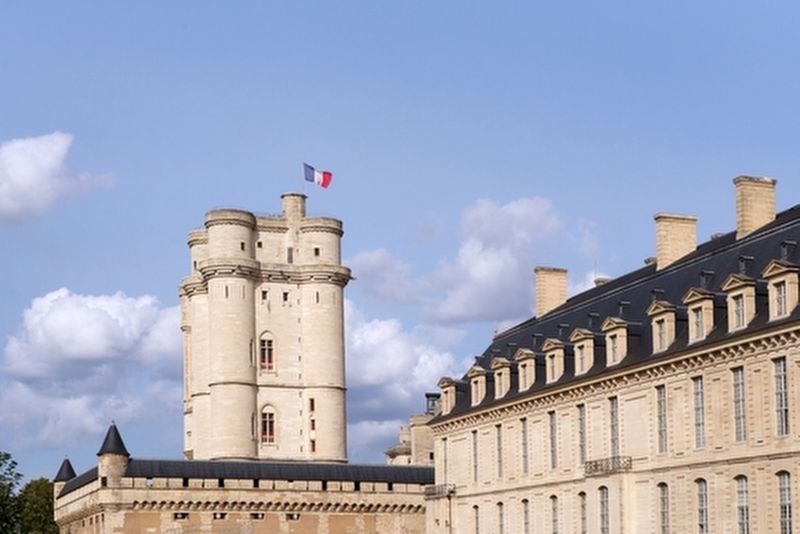
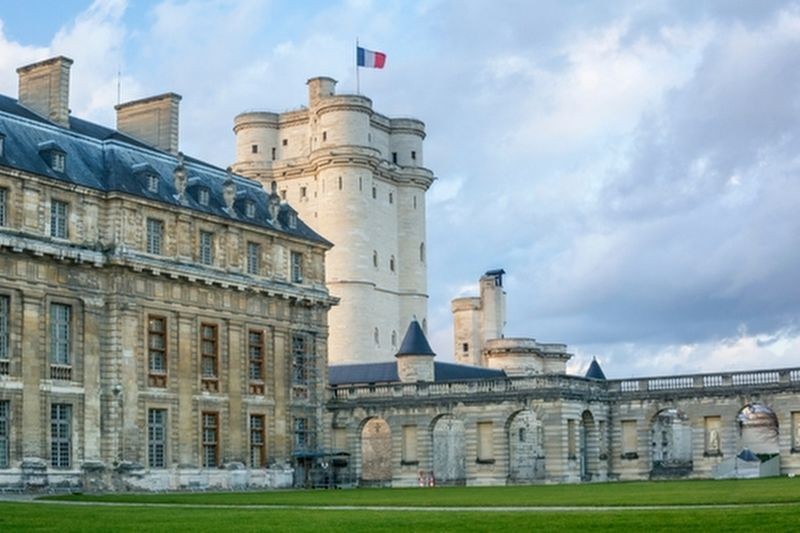
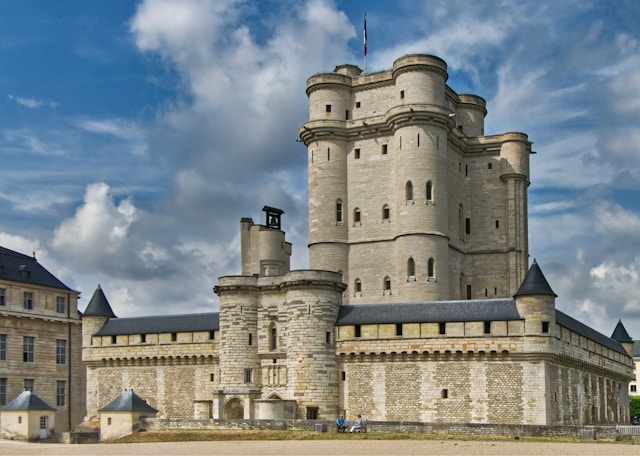
Discover the tallest medieval keep in Europe.
Experience a guided tour available in French with limited spots.
Use an interactive tablet offering multilingual information.
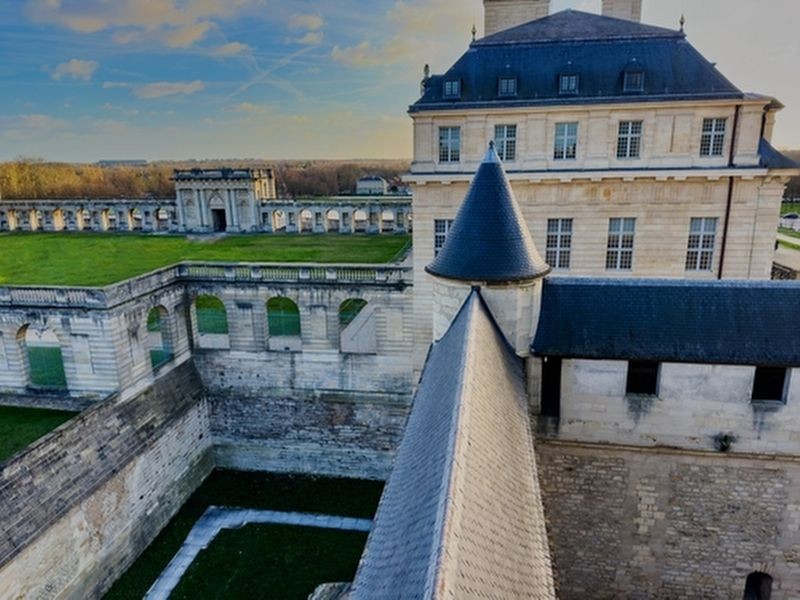
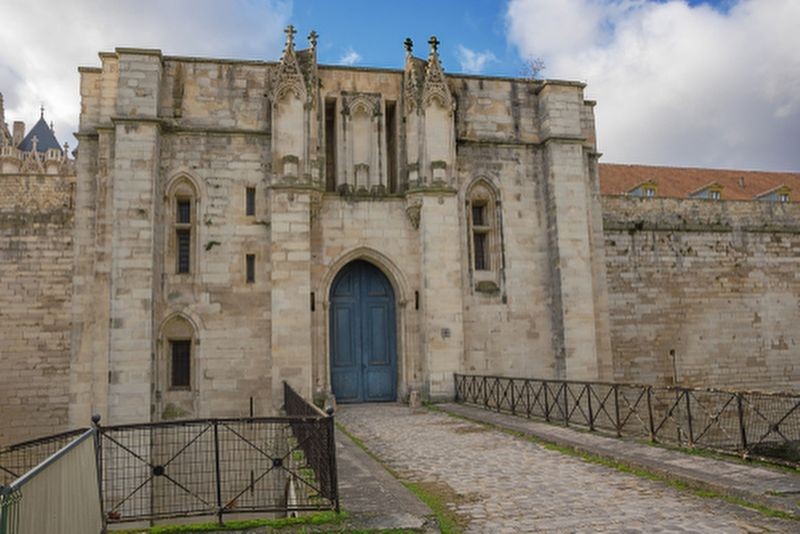
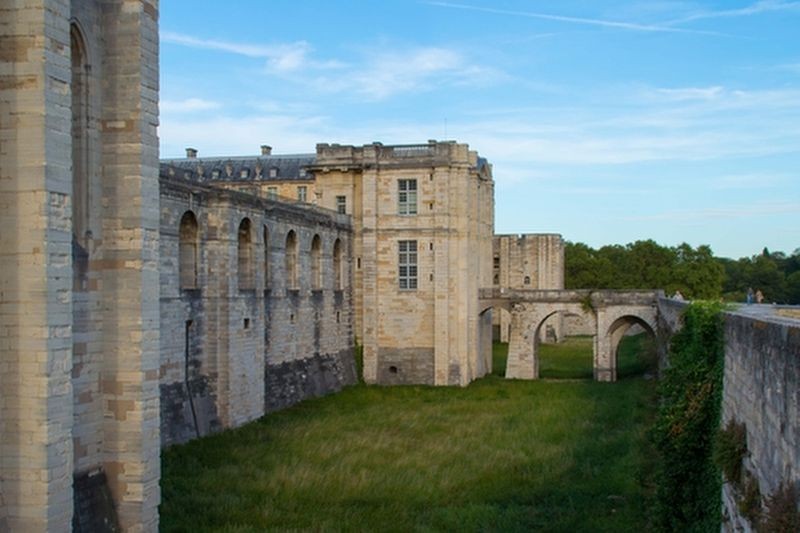
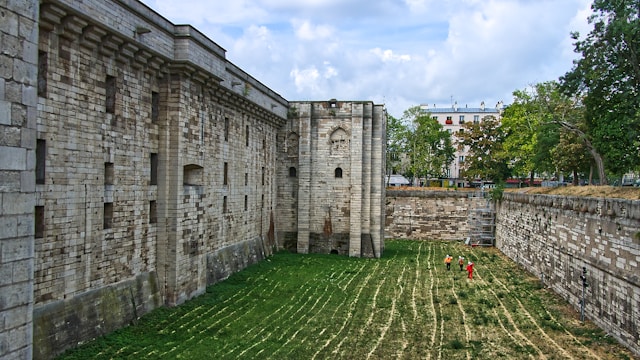
Visit a historic castle featuring six towers, a moat, and three gates.
Château de Vincennes
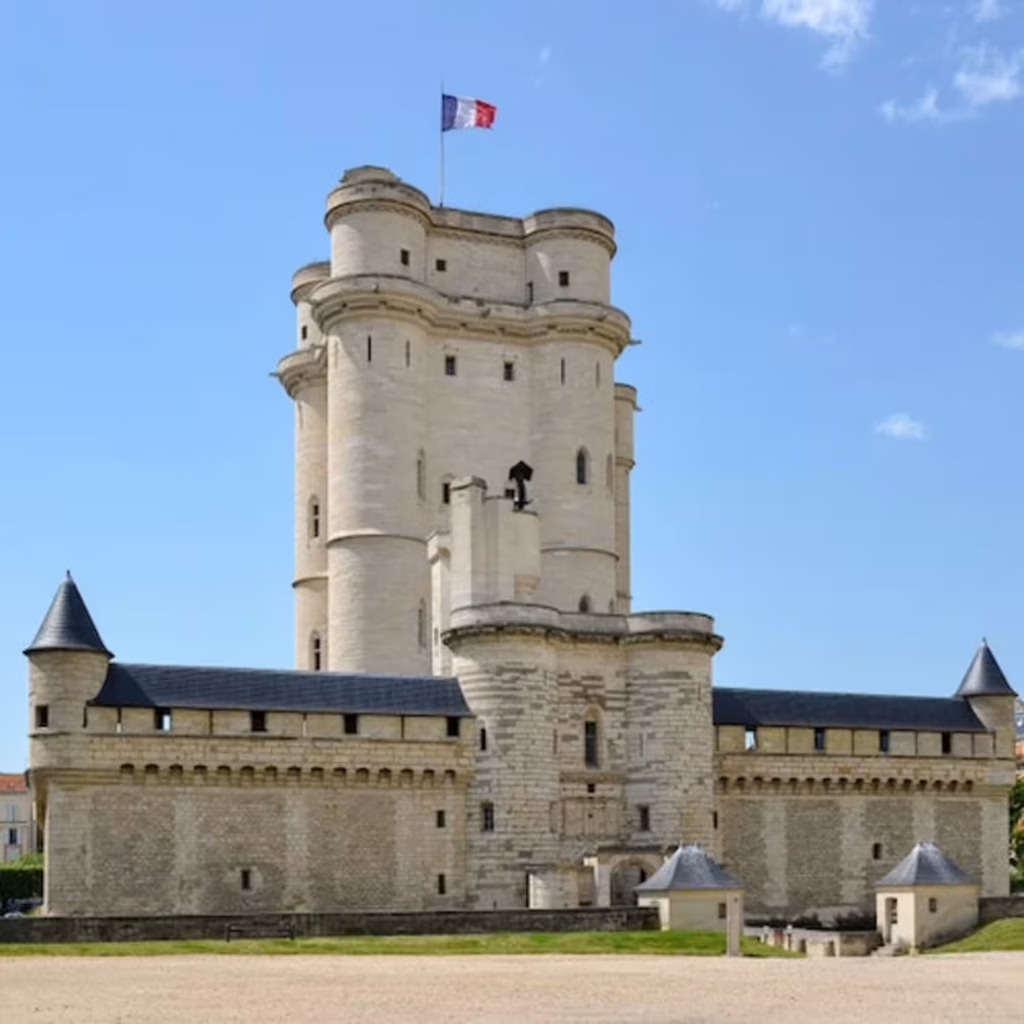
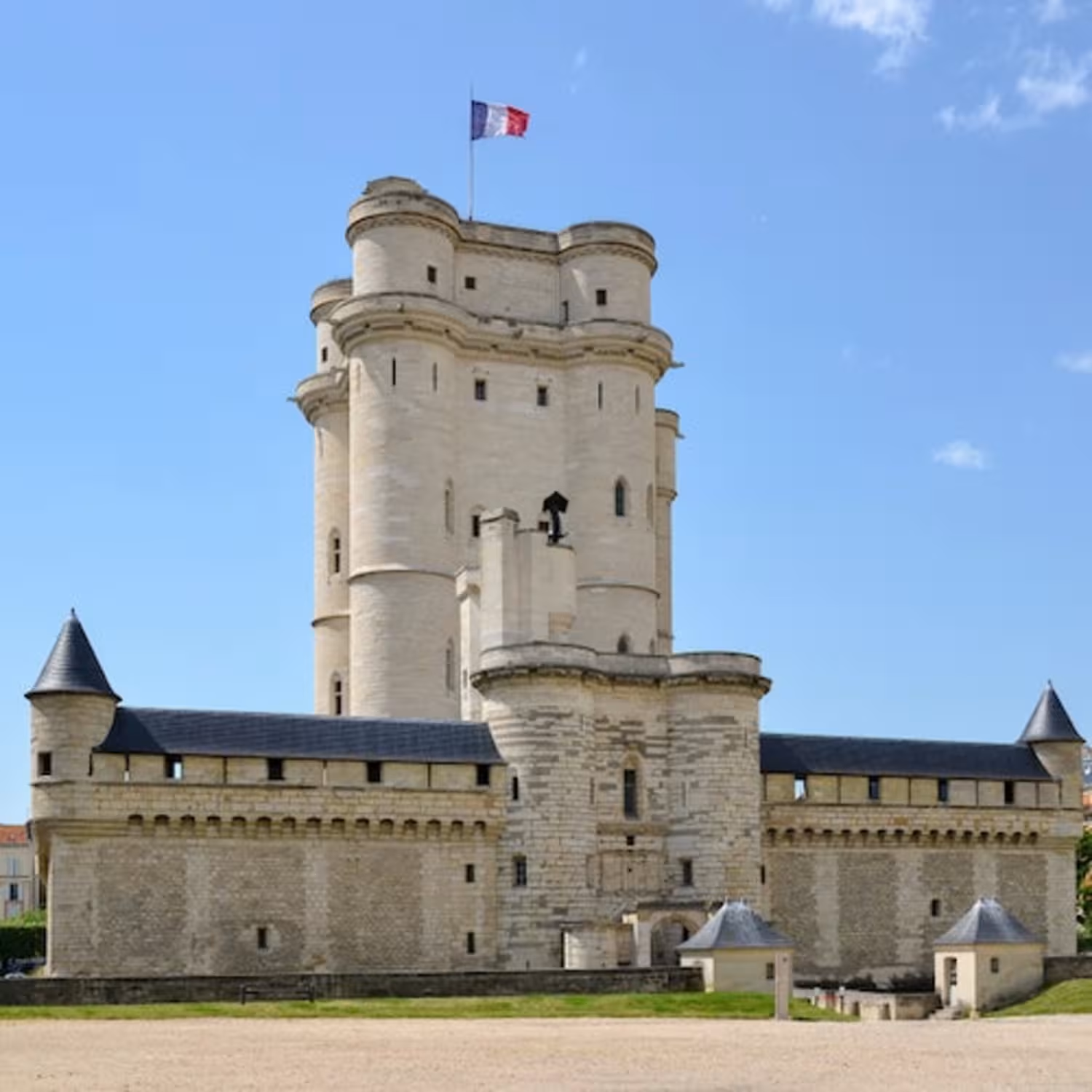
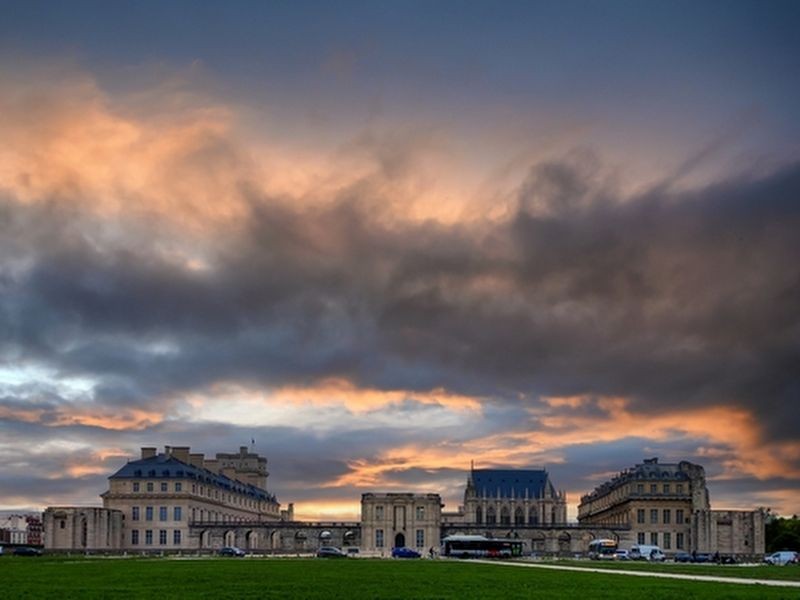
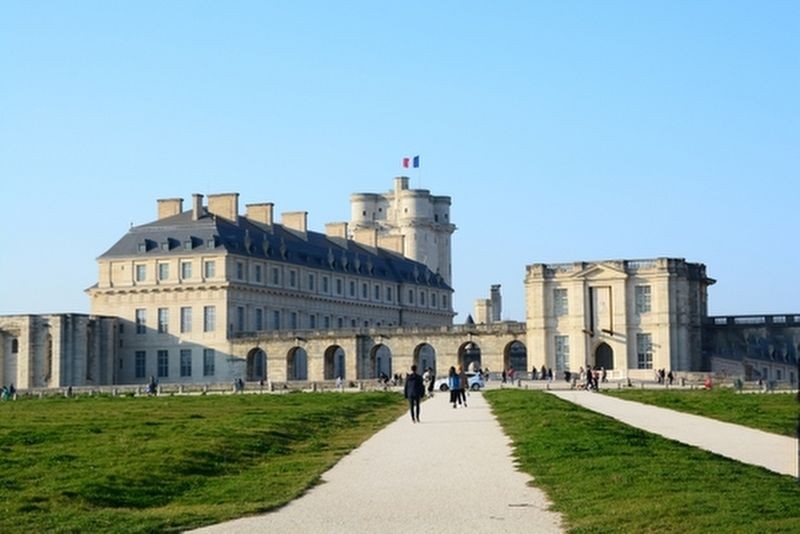
Discover the historic Château de Vincennes, a remarkable medieval fortress and royal residence located on the eastern edge of Paris. Featuring Europe’s tallest fortified keep and the stunning Flamboyant Gothic Sainte-Chapelle de Vincennes, this monument offers an exceptional glimpse into France’s royal past. Explore its impressive architecture, rich history, and captivating exhibitions by securing your tickets today. Plan your visit now to experience this unique cultural treasure firsthand.
About the Château de Vincennes
Why Visit the Château de Vincennes?
Ascend the Tallest Medieval Keep in Europe
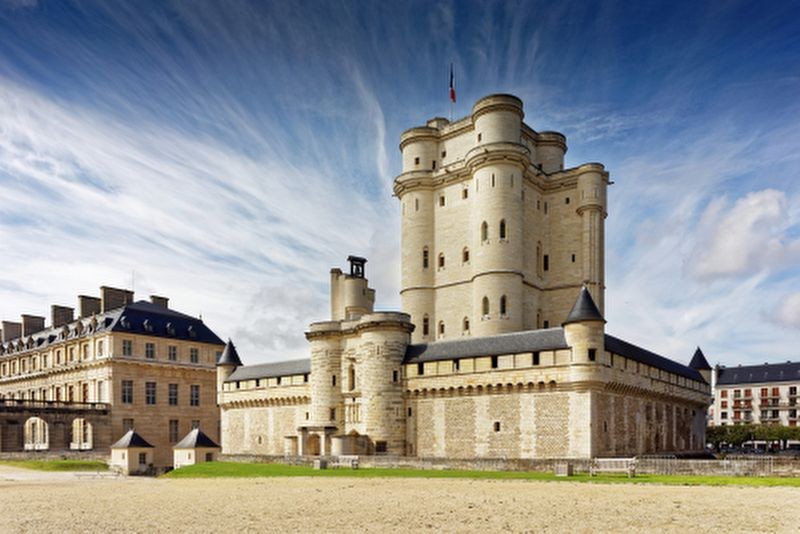
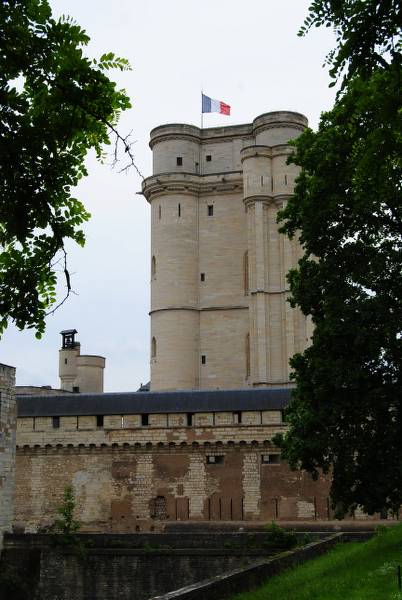
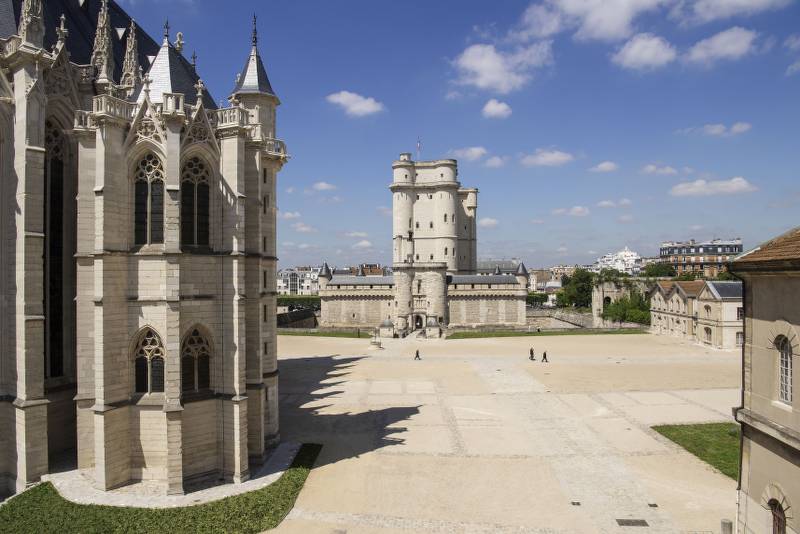
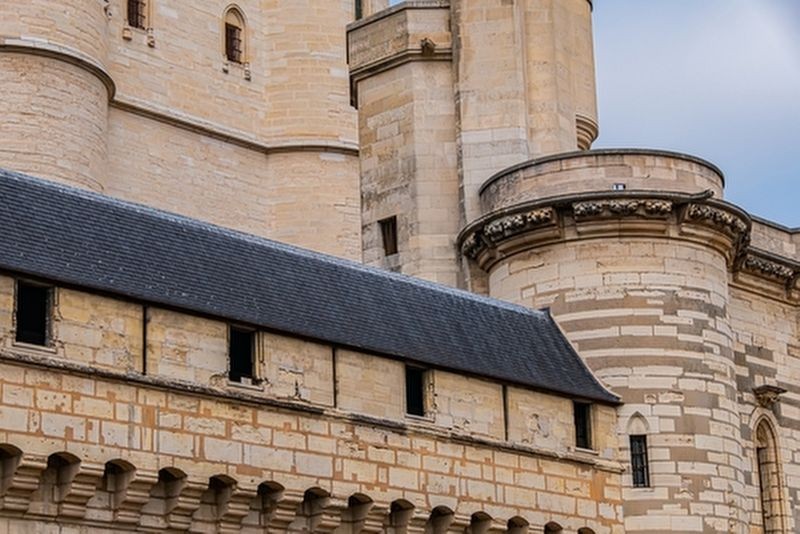
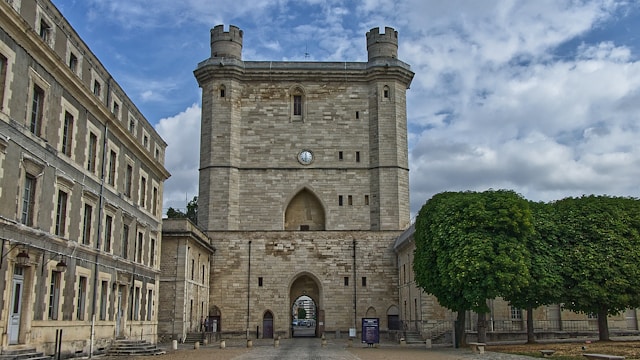
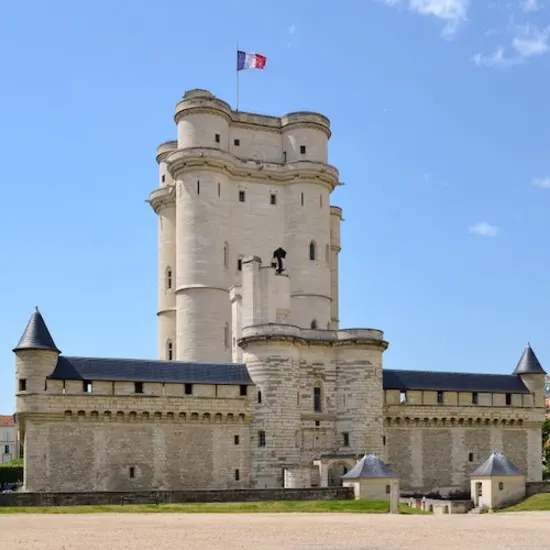
The magnificent 14th-century donjon, or keep, stands at 52 meters, making it the highest medieval fortified structure on the continent. Climbing this imposing square tower offers a palpable sense of royal power and a comprehensive view of the entire fortress complex and its surroundings.
Walk the Footsteps of Kings and Notorious Prisoners
From its origins as a 12th-century royal hunting lodge, the Château de Vincennes became the seat of French monarchy before Versailles. It was later transformed into a state prison, housing historical figures like Nicolas Fouquet, Denis Diderot, and the Marquis de Sade. Exploring the keep's interior allows you to trace this dramatic journey from royal residence to fortress to infamous jail.
Marvel at the Sainte-Chapelle
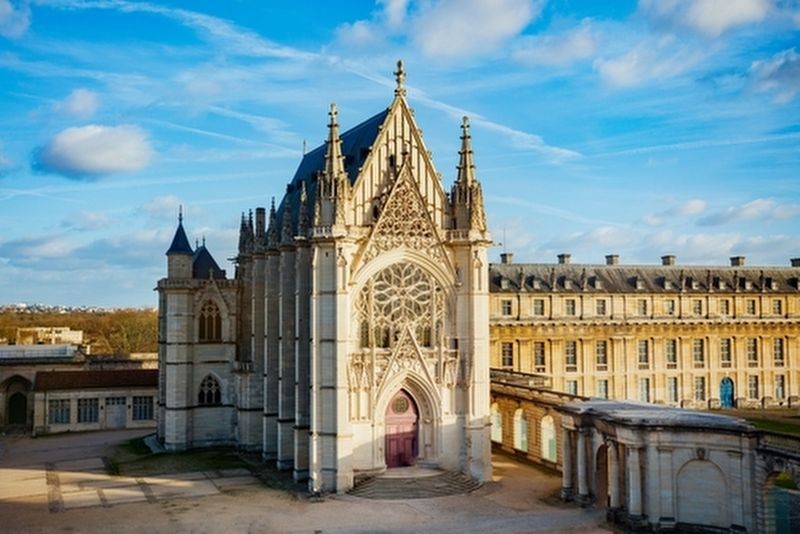
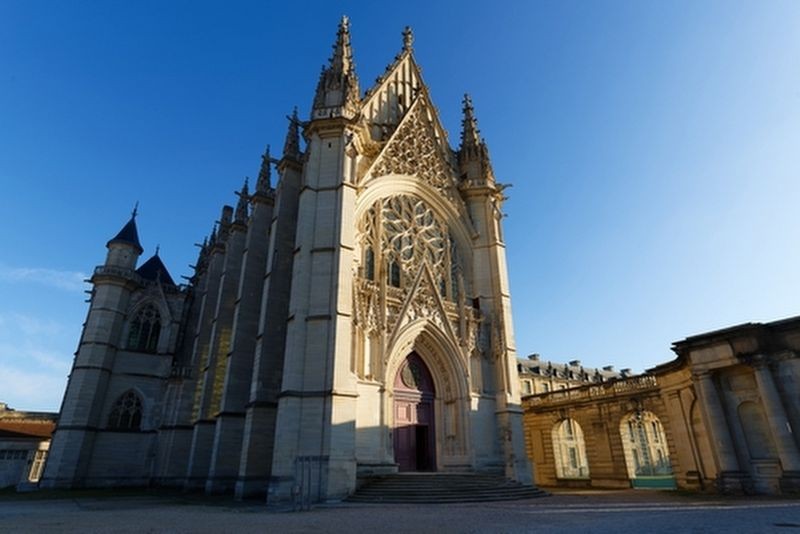
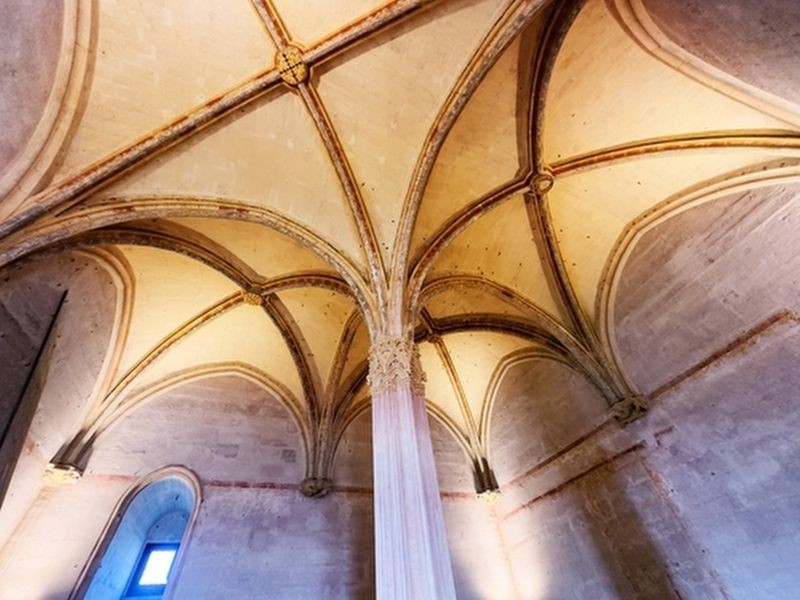
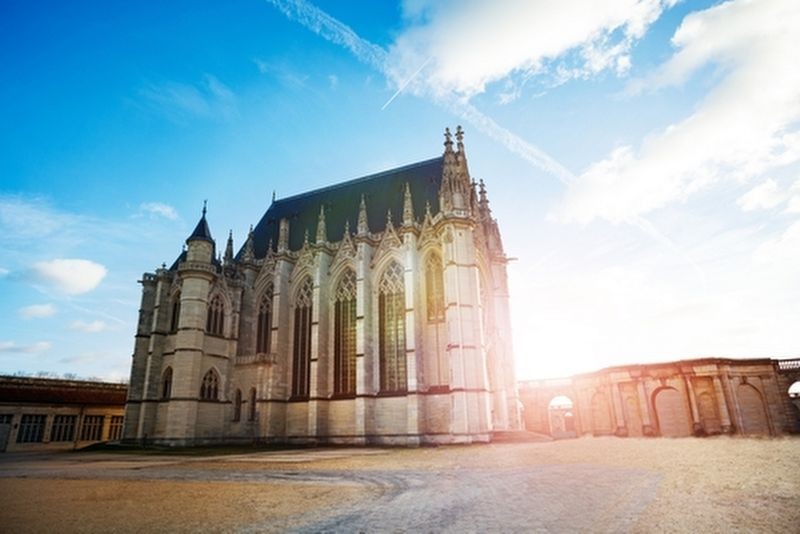
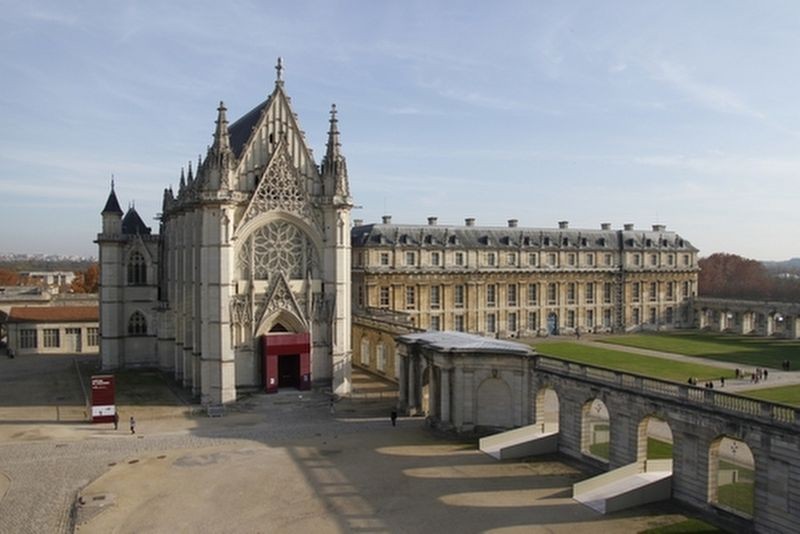
This dedicated royal chapel, built in the Flamboyant Gothic style, is a breathtaking architectural jewel modeled after its more famous counterpart in central Paris. The chapel's soaring ceilings and delicate stained-glass windows, some of which depict the Apocalypse, provide a quiet, reflective space within the formidable fortress walls.
Explore a Complete Medieval Fortification
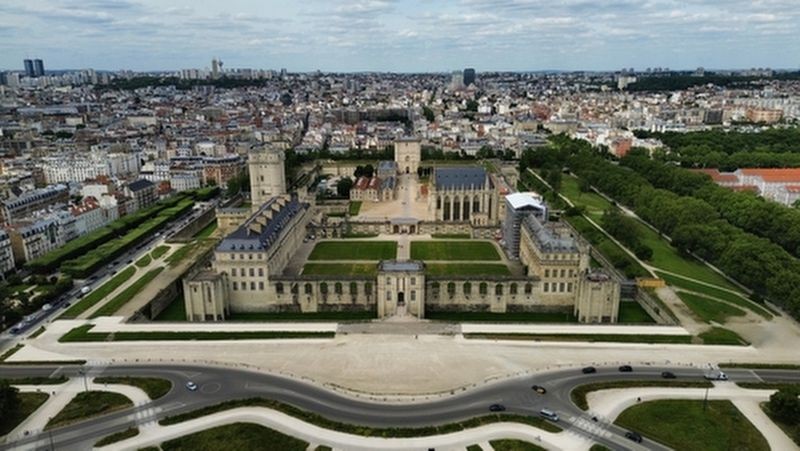
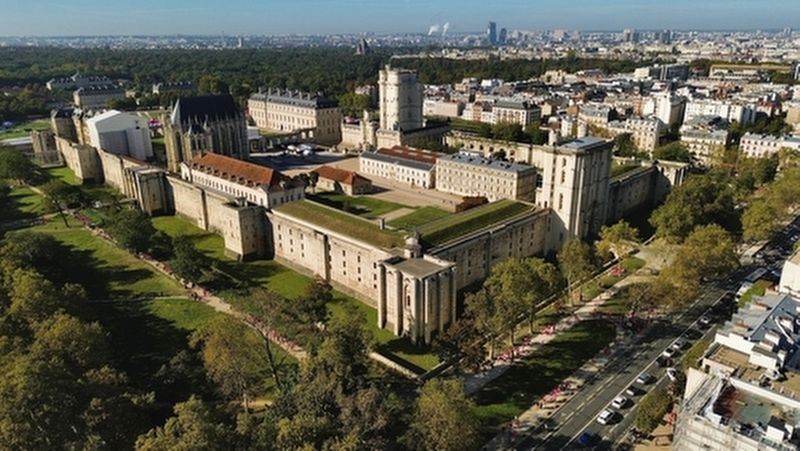
Unlike many other renovated châteaux, Vincennes preserves its military function with a vast, intact rectangular enclosure that stretches for over a kilometer. Walking along the fortified walls and observing the dry moat gives visitors a clear understanding of its strategic importance and formidable defensive design during the Hundred Years' War.
A Unique Day Trip Accessible from Paris
Situated just outside the city center and easily reachable by Metro Line 1, the château provides a refreshing historical excursion away from the more crowded central landmarks. Its rich military and royal history, combined with its impressive scale and unique atmosphere, offers a distinct and rewarding experience for history enthusiasts.
Timings
How to Get There?
The Château de Vincennes is conveniently located just outside the eastern edge of Paris, making it easily accessible via the city's extensive public transportation network.
The main ticket office and entrance is officially located at:
1 Avenue de Paris, 94300 Vincennes, France
- By Metro (Underground)
- By RER (Regional Express Train)
- By Bus
- By Car
Things to Know Before Visiting the Château de Vincennes
The Keep (Donjon) requires climbing many steep, original medieval steps and is not accessible to visitors with reduced mobility.
The last admission is generally 45 minutes before the stated closing time, so plan to arrive in advance of that window.
The monument is easily reached via the Paris Metro Line 1, which terminates at the Château de Vincennes station.
The Sainte-Chapelle often closes for a short lunch break, typically between 1 PM and 2 PM.
For security reasons, large bags, heavy luggage, and bulky items are strictly prohibited inside the historical buildings.
There is no full-service restaurant or café located within the château walls, only limited vending machines.
Photography is usually permitted throughout the site, but flash photography may be restricted in certain sensitive areas like the chapel.
The site is closed on certain public holidays, including January 1st, May 1st, and December 25th, so confirm closures before your visit.
Allow at least 90 minutes for a complete self-guided tour that includes the Keep, the chapel, and the ramparts.
Additional Information
- Facilities
- Souvenir Stores
- Dining
Accessibility
Interesting Facts about the Château de Vincennes
The Keep, or Donjon, is the tallest surviving medieval fortified structure in Europe, towering at 52 meters.
The château originated in the 12th century as a simple hunting lodge favored by the early Capetian kings, located near the expansive Bois de Vincennes.
King Charles V, known as the Builder, commissioned the massive fortress in the 14th century following civil unrest in Paris to serve as a secure royal residence.
The entire defensive enclosure measures over one kilometer in circumference, making it one of the largest preserved medieval fortresses in France.
Four French kings of the 14th century died within the walls of the château: Louis X, Philip V, Charles IV, and Charles IX.
Henry V of England, who fought in the Hundred Years' War, also died in the Keep in 1422 after the Siege of Meaux.
The Keep transitioned from a royal home to a notorious state prison in the 15th century, symbolizing absolute royal authority.
Famous prisoners held here included the finance minister Nicolas Fouquet, philosopher Denis Diderot, and the Marquis de Sade.
The Sainte-Chapelle de Vincennes was modeled after the more famous chapel in Paris and was intended to house fragments of the relics of the Passion of Christ.
The stained-glass windows in the chapel’s choir are notable for depicting scenes from the Apocalypse of Saint John.
After the royal court moved to Versailles in the 17th century, the château was abandoned as a residence but continued to serve as a prison.
Napoleon Bonaparte later converted the site into a military arsenal and barracks to protect the eastern approach to Paris.
The Keep still displays extensive graffiti carved into its walls by prisoners held there during the 17th and 18th centuries.
The fortress served as the French General Staff's command center at the beginning of World War II.
Today, the château is overseen by two entities: the Centre des Monuments Nationaux and the French Ministry of Defence.
Château de Vincennes - Highlights in Pictures
 English
  Français
  Deutsch
  Italiano
  Español
  Português