
Discover the Musée de l’Orangerie Paris – Book Your Visit Today!
This website offers official tickets for this venue. Please note, however, that it is not the official website of the venue.
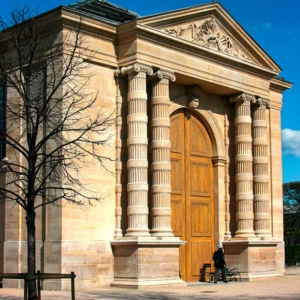
Tickets for the Musée de l'Orangerie
Highlights
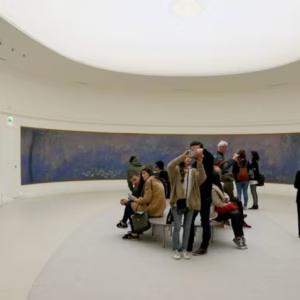
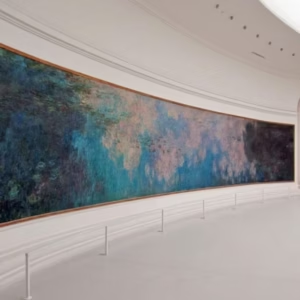
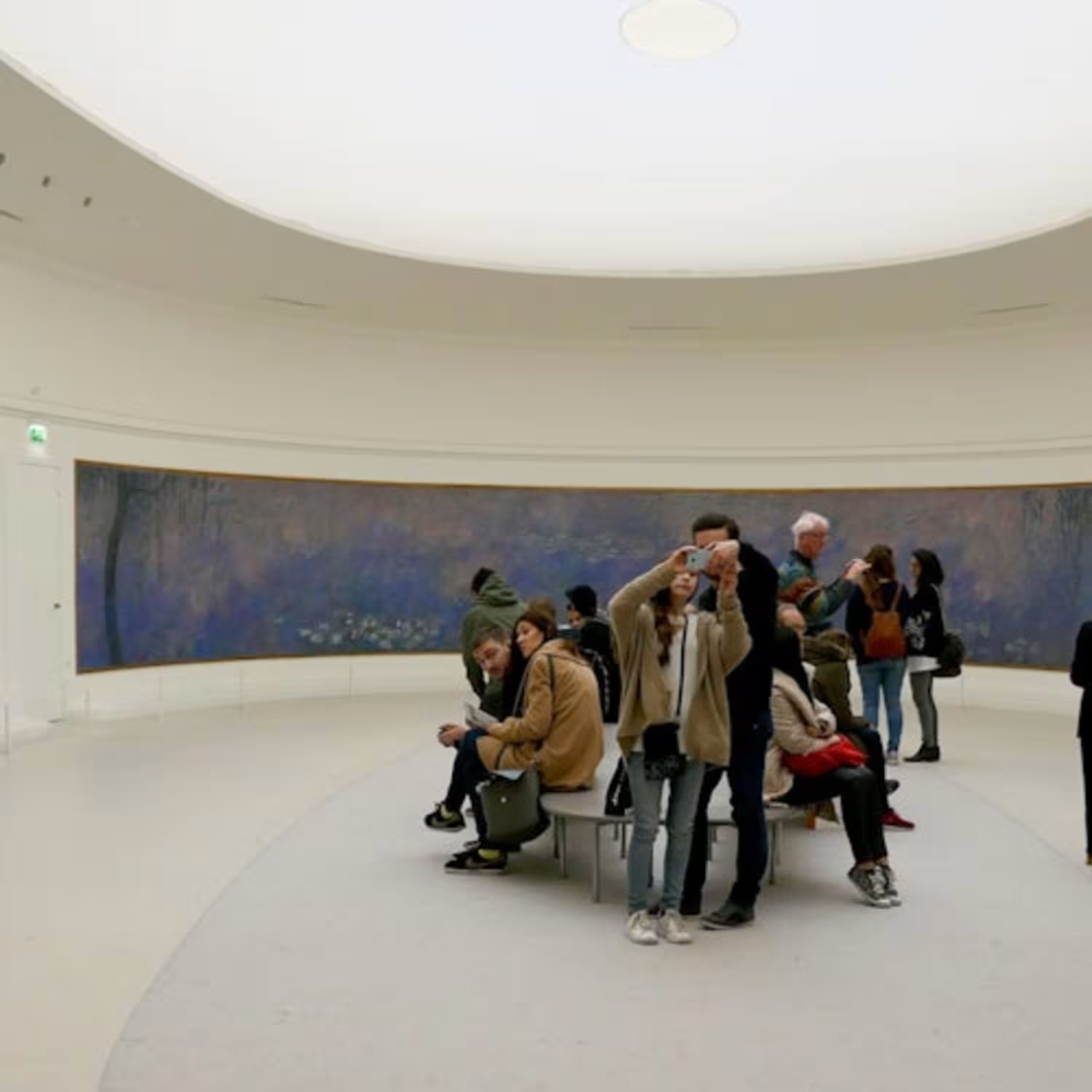
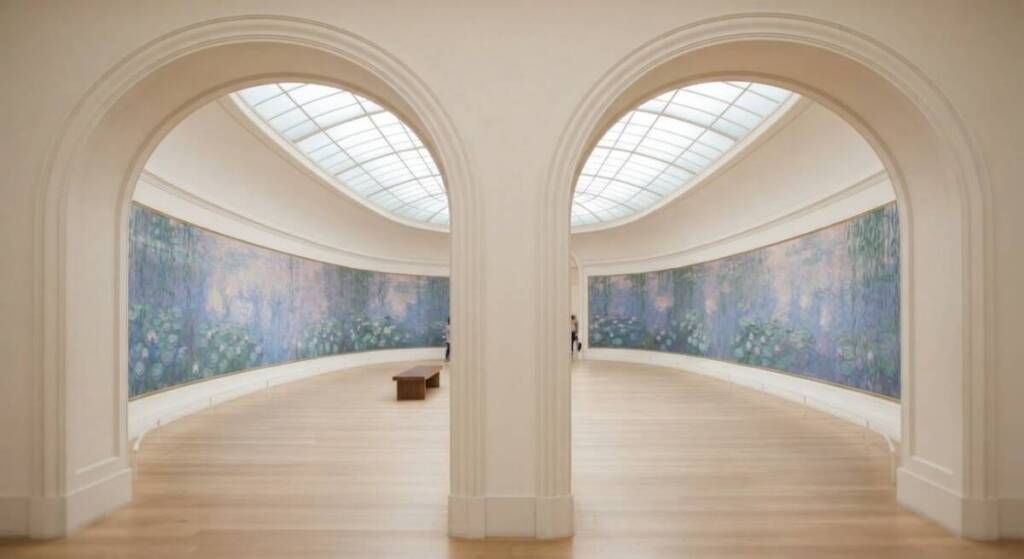
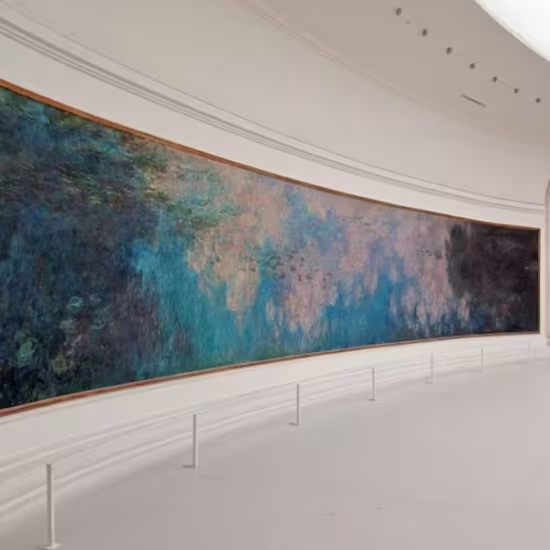
Encounter the iconic Water Lilies series by Monet in unique oval rooms designed specifically for these masterpieces.
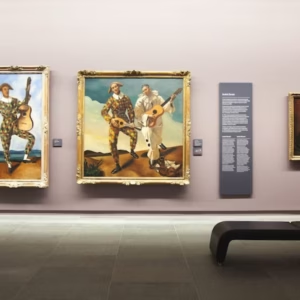
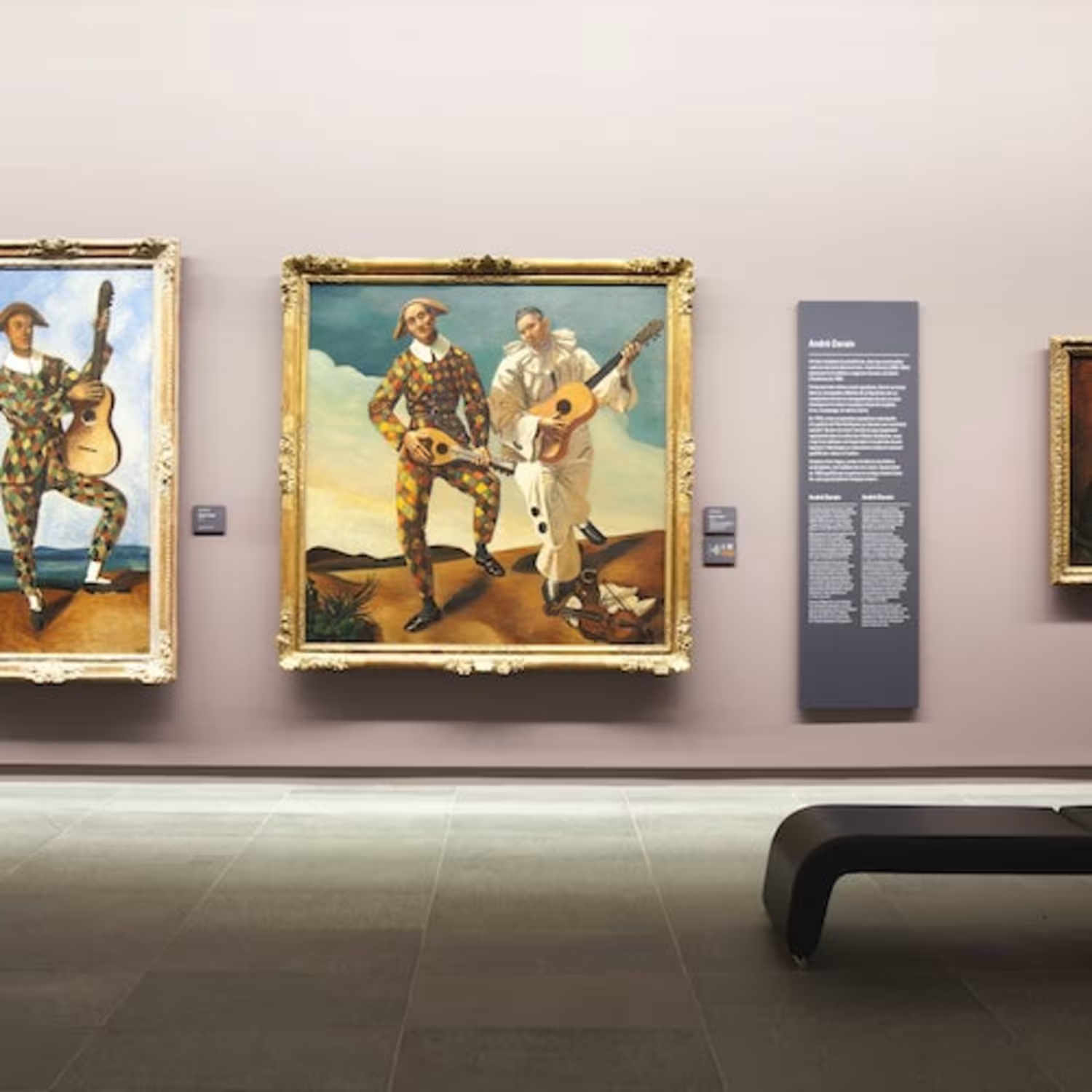
Explore permanent collections featuring artists like Cézanne, Matisse, Picasso, Renoir, and Rousseau.
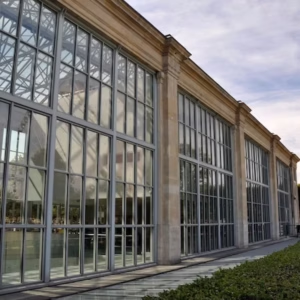
Experience the museum’s peaceful and luminous atmosphere situated in the historic Tuileries Garden.
Enjoy current temporary exhibitions, such as Henri Rousseau’s show and Alexandre Lenoir’s presentation.
Benefit from skip-the-line entry with your ticket, ensuring a smoother visit.
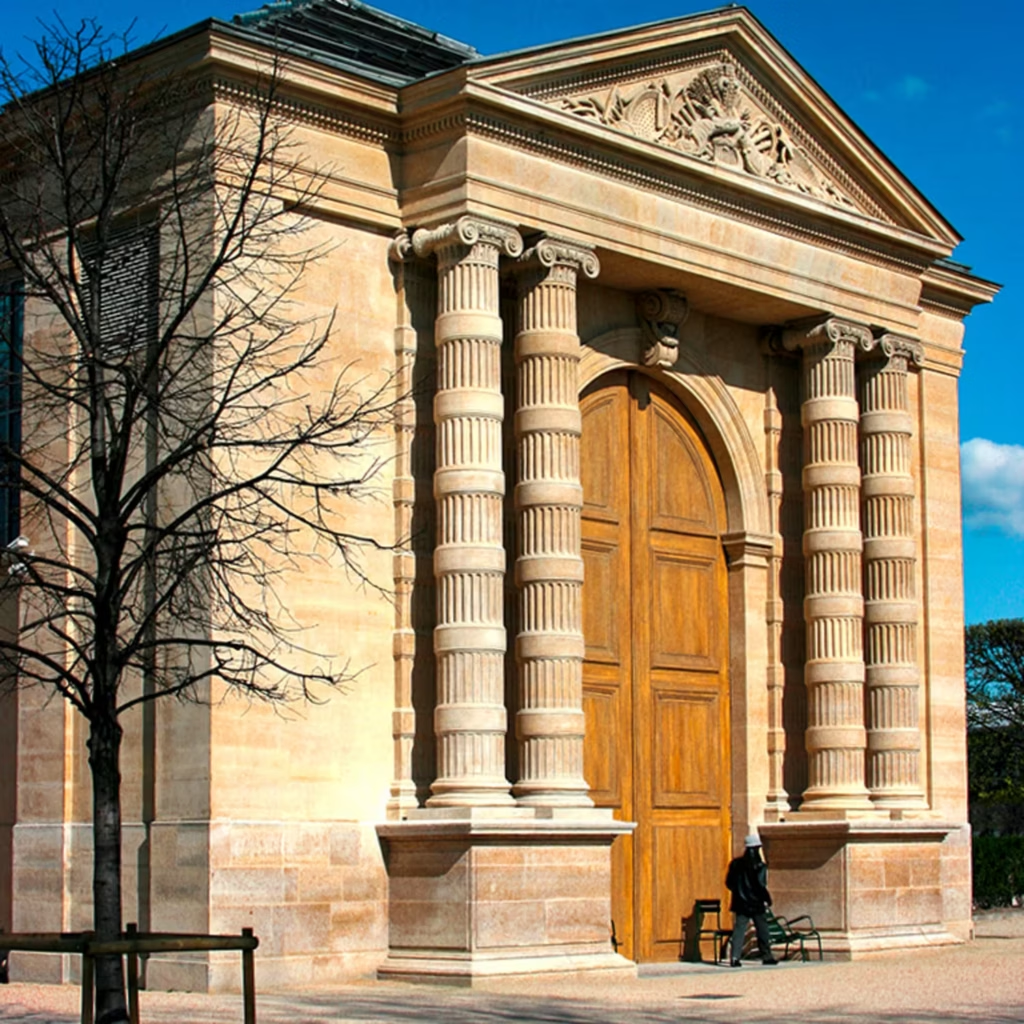
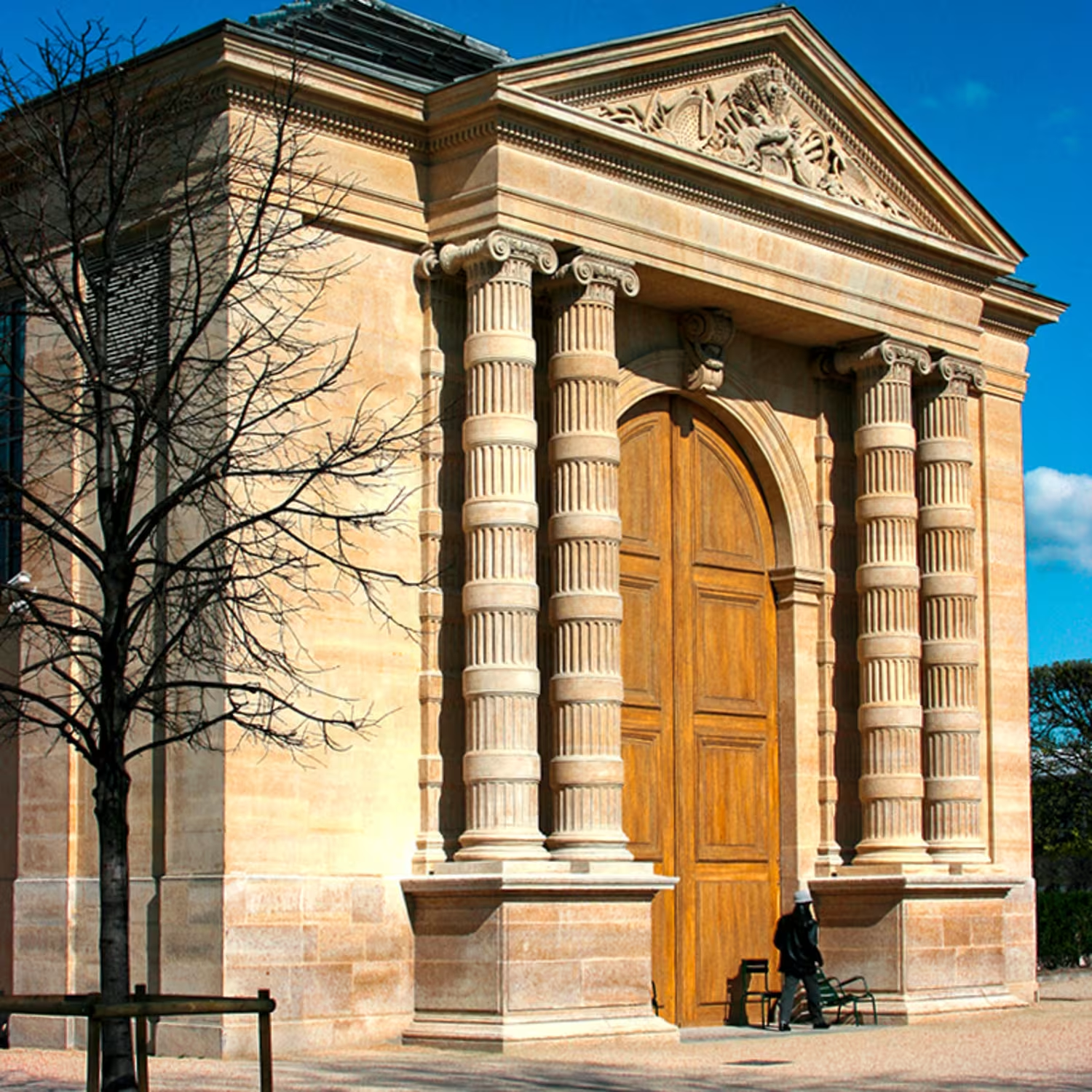


Visit the Musée de l'Orangerie : Semi-private guided tour in English
Highlights
Experience skip-the-line admission to the Musée de l’Orangerie.
Enjoy a tour led by a skilled English-speaking guide.
Participate in an intimate small group visit.
Gain access to all entry fees included in the ticket price.

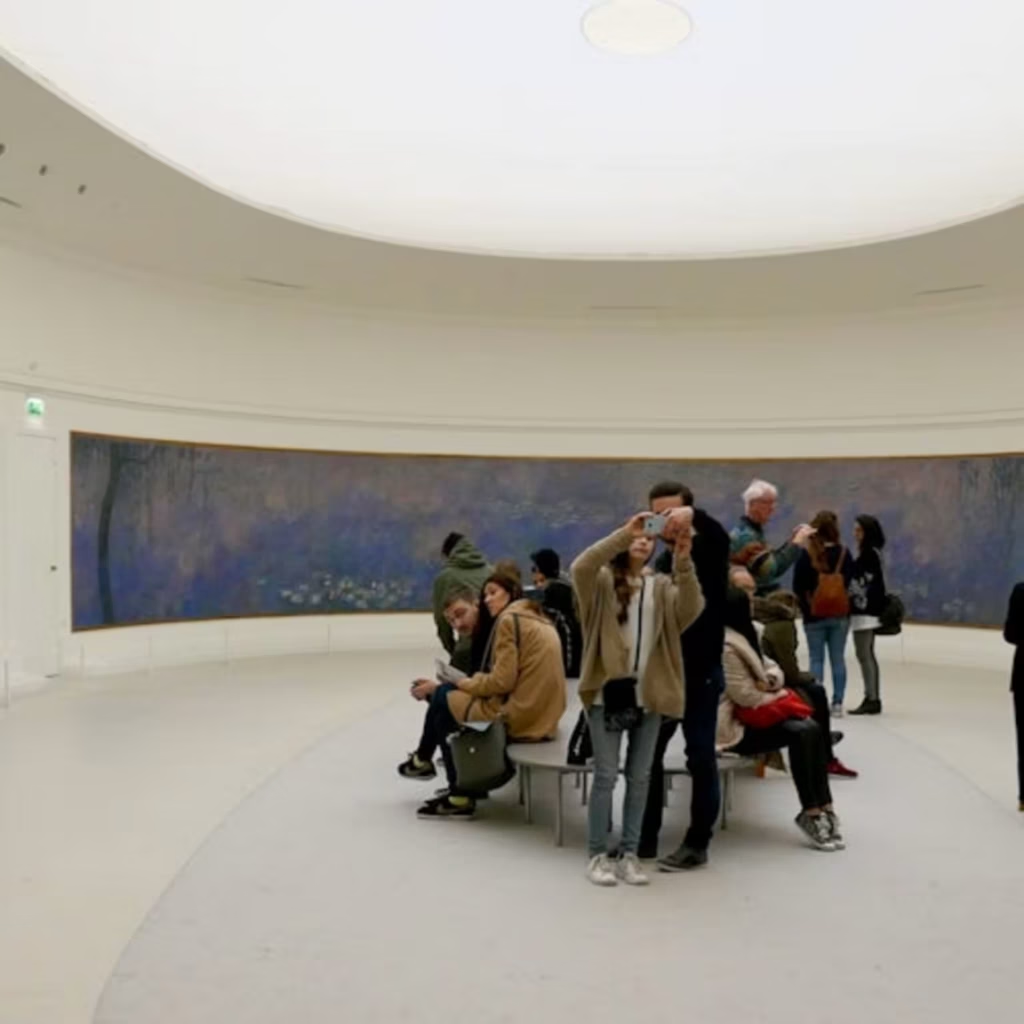
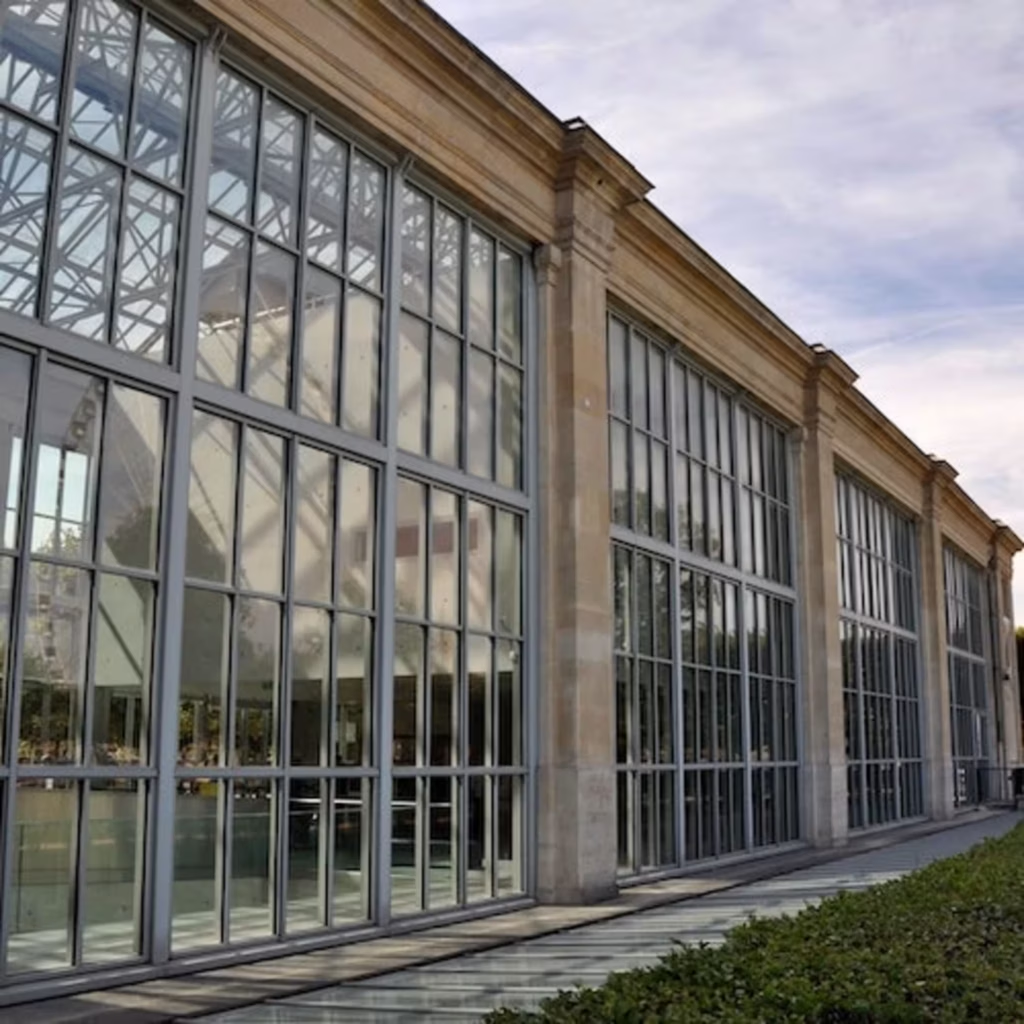
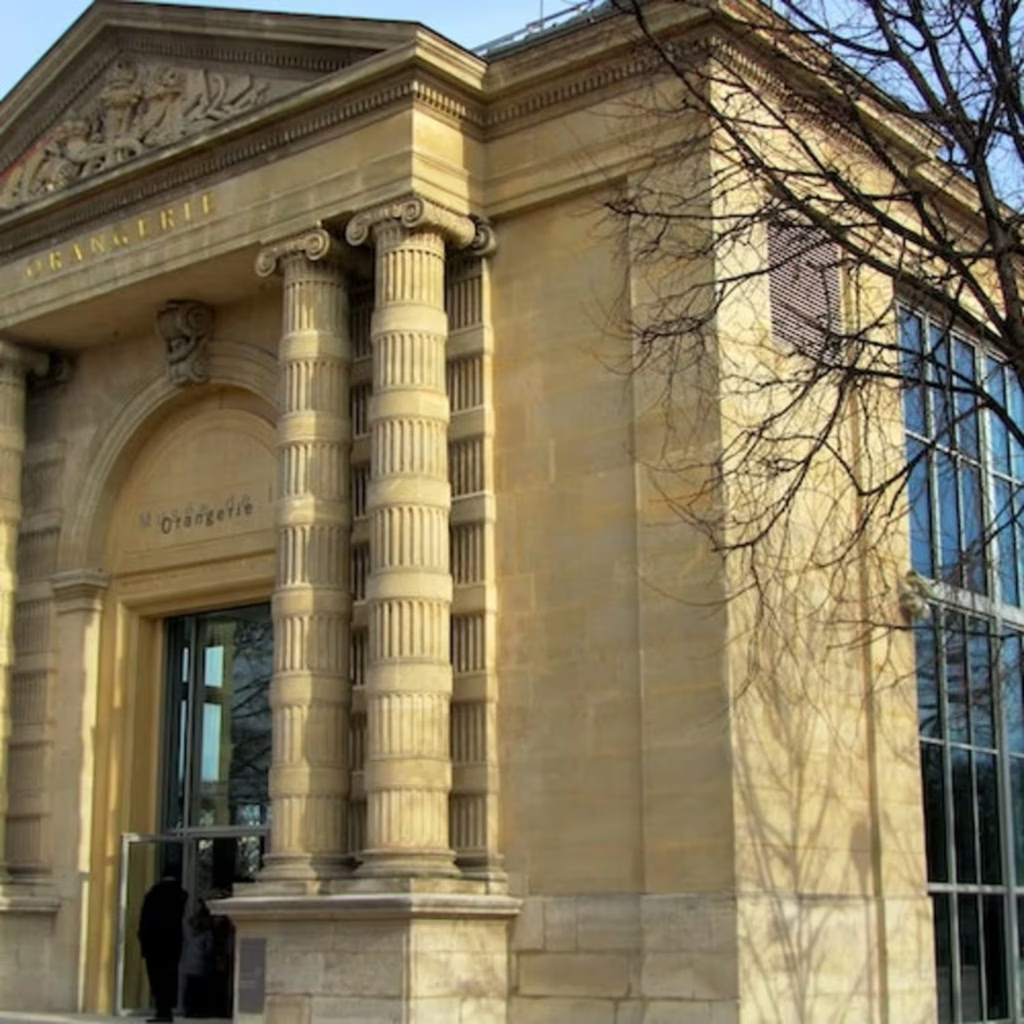
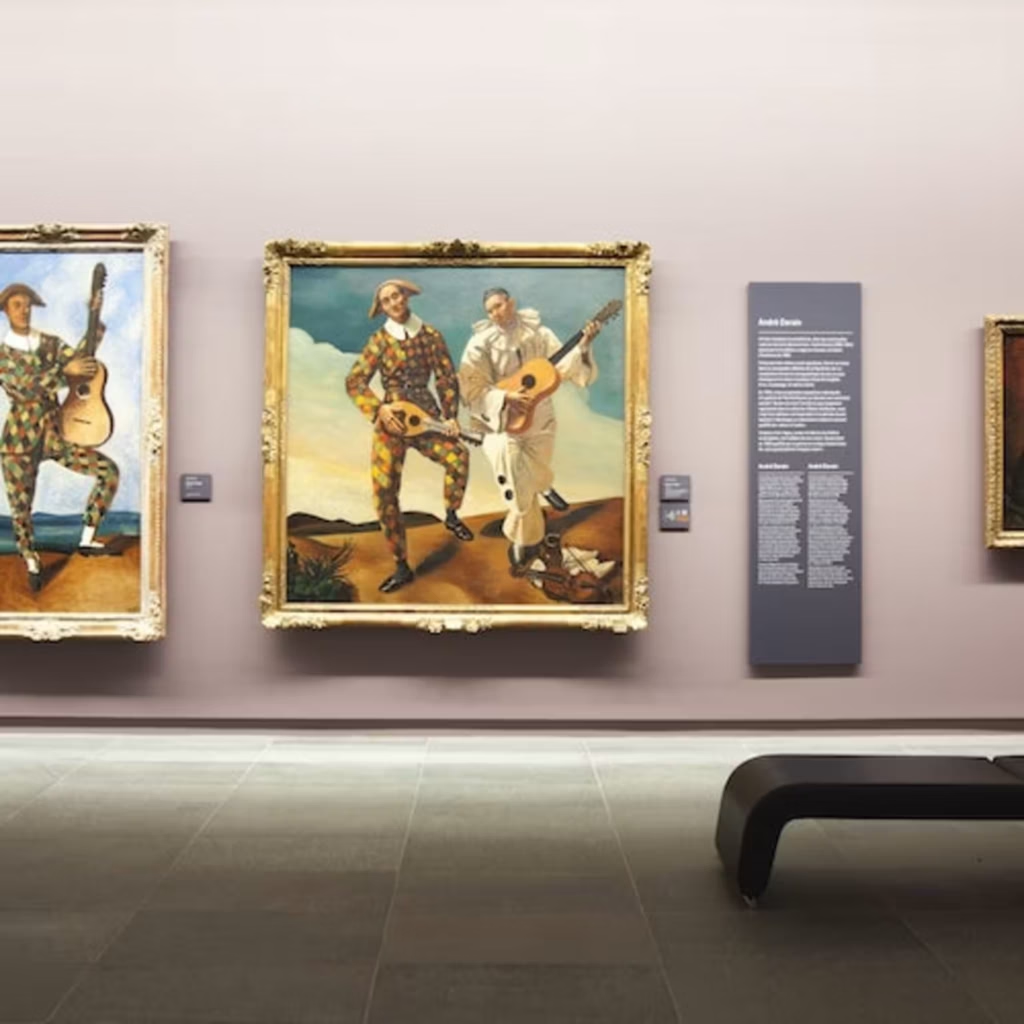
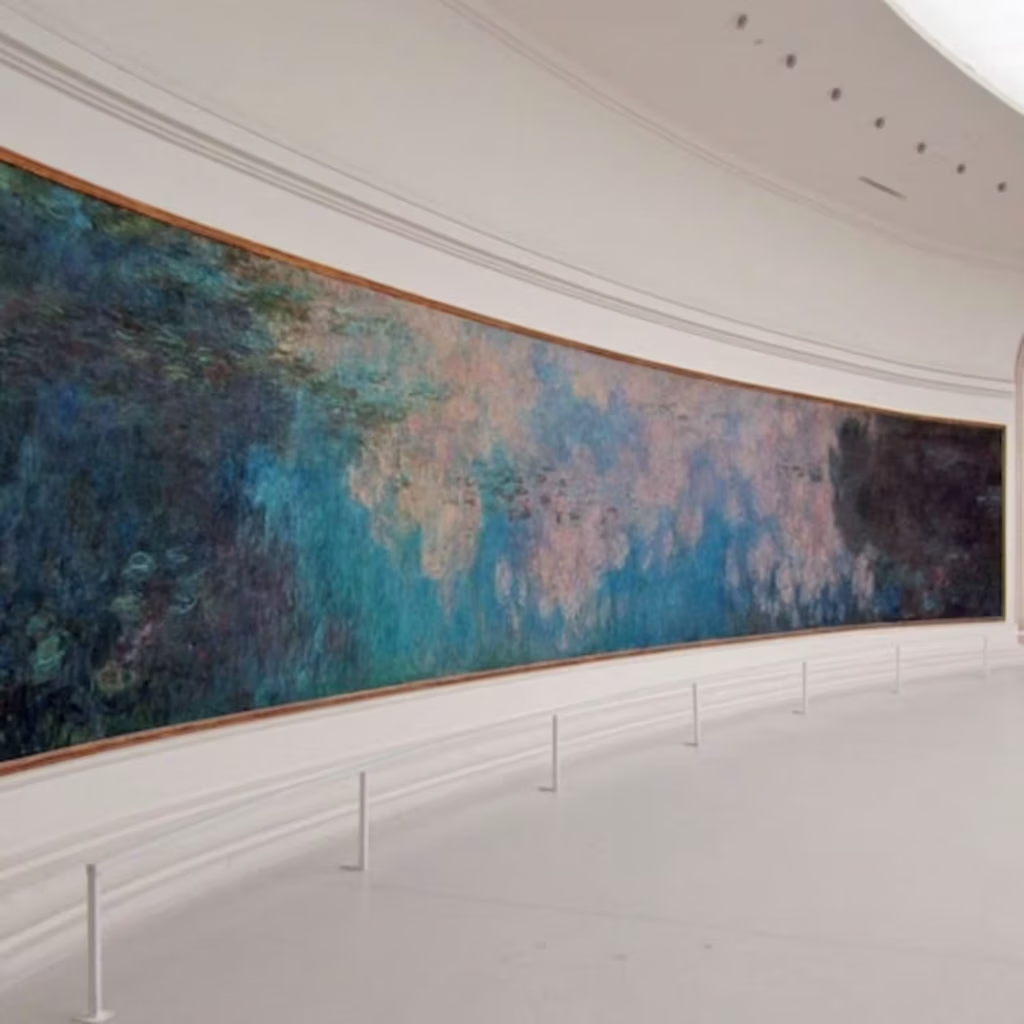

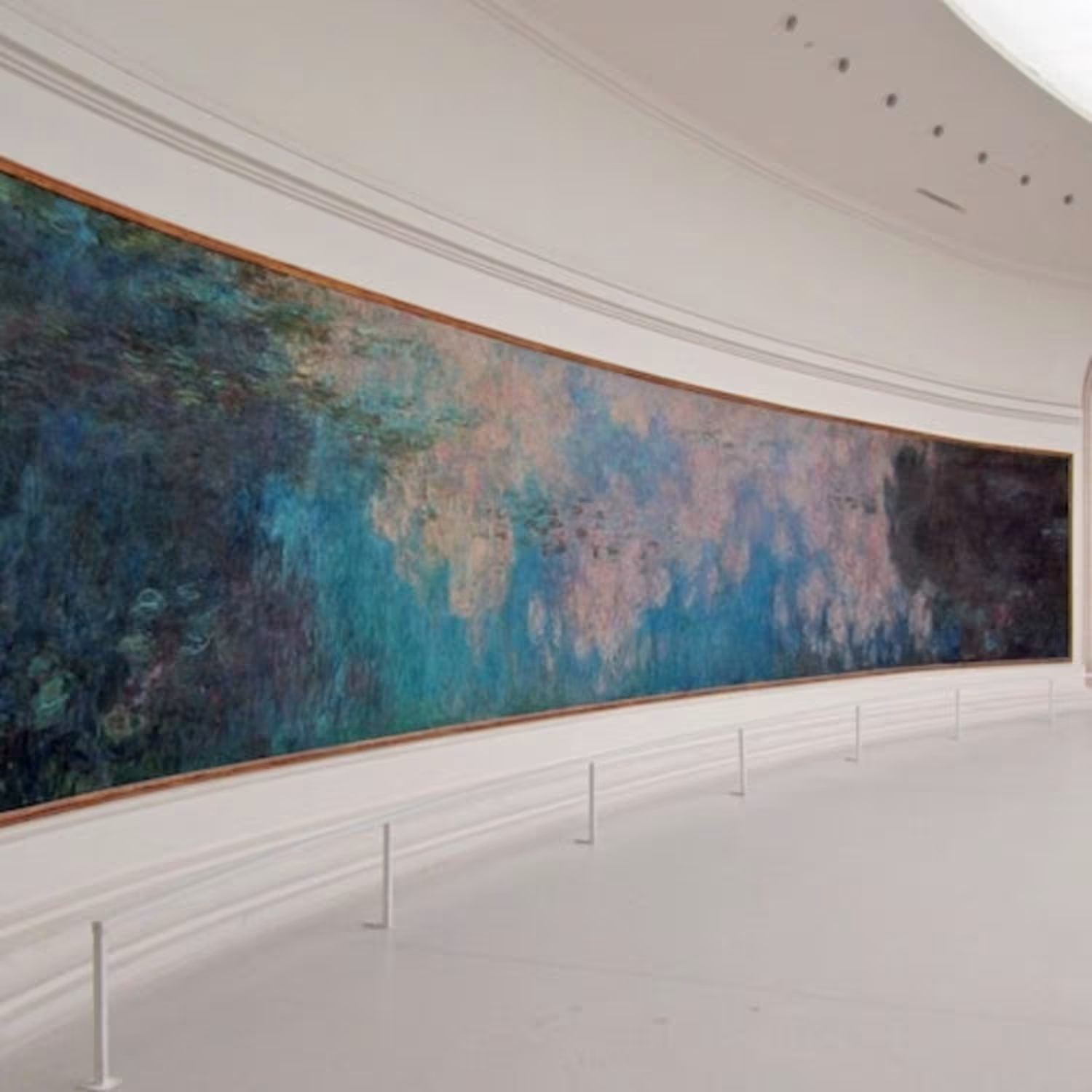
Discover the beauty and tranquility of the Orangery Museum (Musée de l’Orangerie), a Parisian gem nestled within the Tuileries Gardens. Home to Monet’s iconic Water Lilies and an exquisite collection of Impressionist and Post-Impressionist masterpieces, the Orangery Museum offers an unforgettable journey through art and nature.
About Musée de l'Orangerie
Why Visit Musée de l'Orangerie?
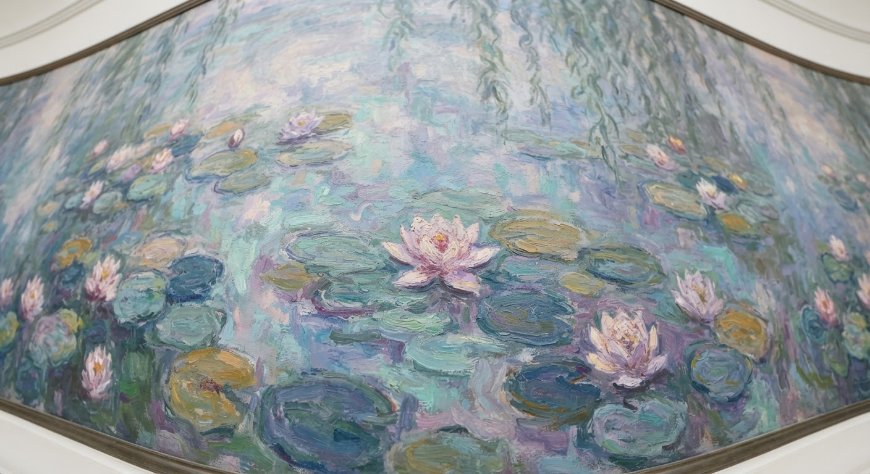
Monet's Water Lilies
Paul Guillaume Collection
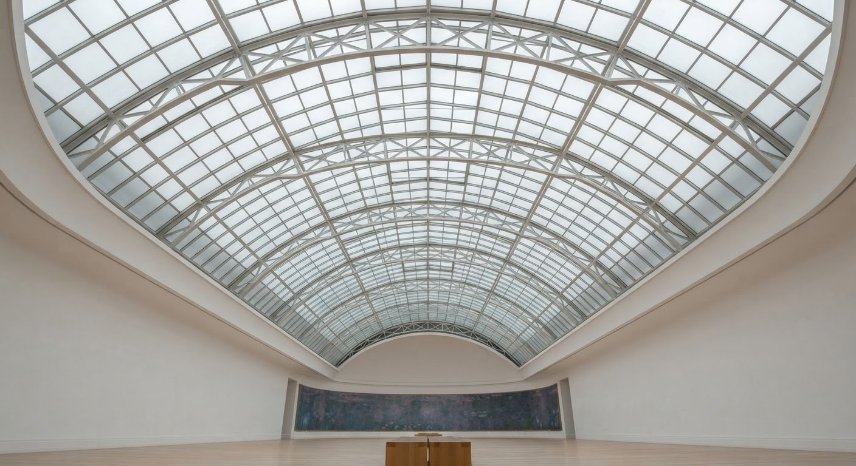
The South Wall Gallery
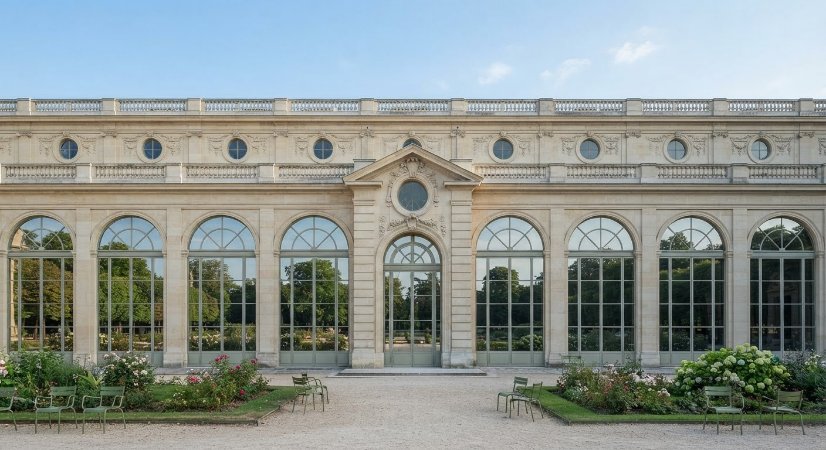
Sculptures of Aristide Maillol
Temporary Exhibitions
Musée de l'Orangerie: Opening Hours
The Musée de l'Orangerie welcomes visitors throughout the week with carefully set opening hours to provide ample opportunity to explore its renowned collections and exhibitions. Please note the museum's closure day and any special hours below.
- Monday - Sunday: 9:00 am - 6:00 pm
Closures:
- Every Tuesday.
- May 1, July 14 morning and December 25.
Visitors are encouraged to check for special evening openings on Fridays, known as Friday Night events, when the museum extends its closing time to 9:00 pm.
Musée de l'Orangerie: Address and Getting There
- Address
- Getting There

Transport Options To Reach Musée de l'Orangerie
Things To Know Before Visiting Musée de l'Orangerie
Musée de l'Orangerie: Additional Info
- Facilities
- Souvenir Store
- Special Events

Facilities at Musée de l'Orangerie

Souvenir Store at Musée de l'Orangerie
Events at Musée de l'Orangerie
Accessibility Facilities at Musée de l'Orangerie
For Visually Impaired Visitors:
For visually impaired visitors, the Musée de l'Orangerie provides tailored assistance to enhance the museum experience. Specialized tactile tours and descriptive guides help convey the intricate details of the Impressionist and Post-Impressionist masterpieces on display. Visitors interested in these offerings can arrange them in advance through the museum’s accessibility services to ensure personalized support during their visit.
For Specially Abled Visitors:
The museum is committed to accommodating specially abled visitors with features designed to facilitate comfortable and independent access. Step-free routes, adapted restrooms, and elevators are available throughout the venue, allowing easy movement for wheelchair users. To access these facilities seamlessly, visitors are encouraged to notify the museum ahead of their visit to receive any necessary assistance or arrangements.
For Hearing Impaired Visitors:
For guests with hearing impairments, the Musée de l'Orangerie provides various aids such as induction loops and subtitled audiovisual materials in guided tours and exhibitions. Communication support, including sign language interpretation, can be organized on request. Visitors wishing to benefit from these services should contact the museum in advance to schedule and confirm availability.
Which Ticket Should I Buy To Visit The Musée de l'Orangerie?
For a Quick, Self-Guided Visit to the Orangery Museum
For a More In-Depth, Guided Experience of the Musée de l'Orangerie
Interesting Facts About Musée de l'Orangerie
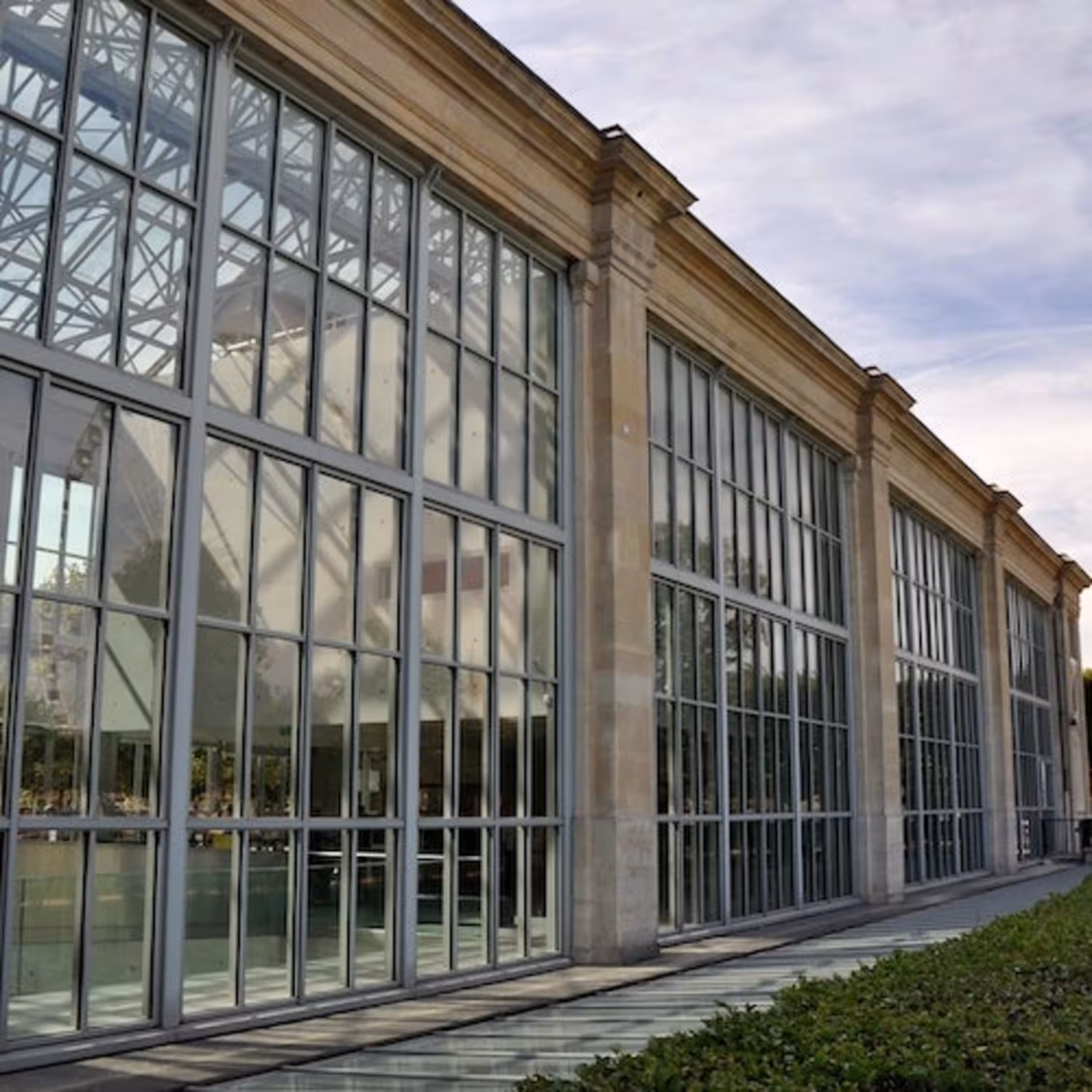
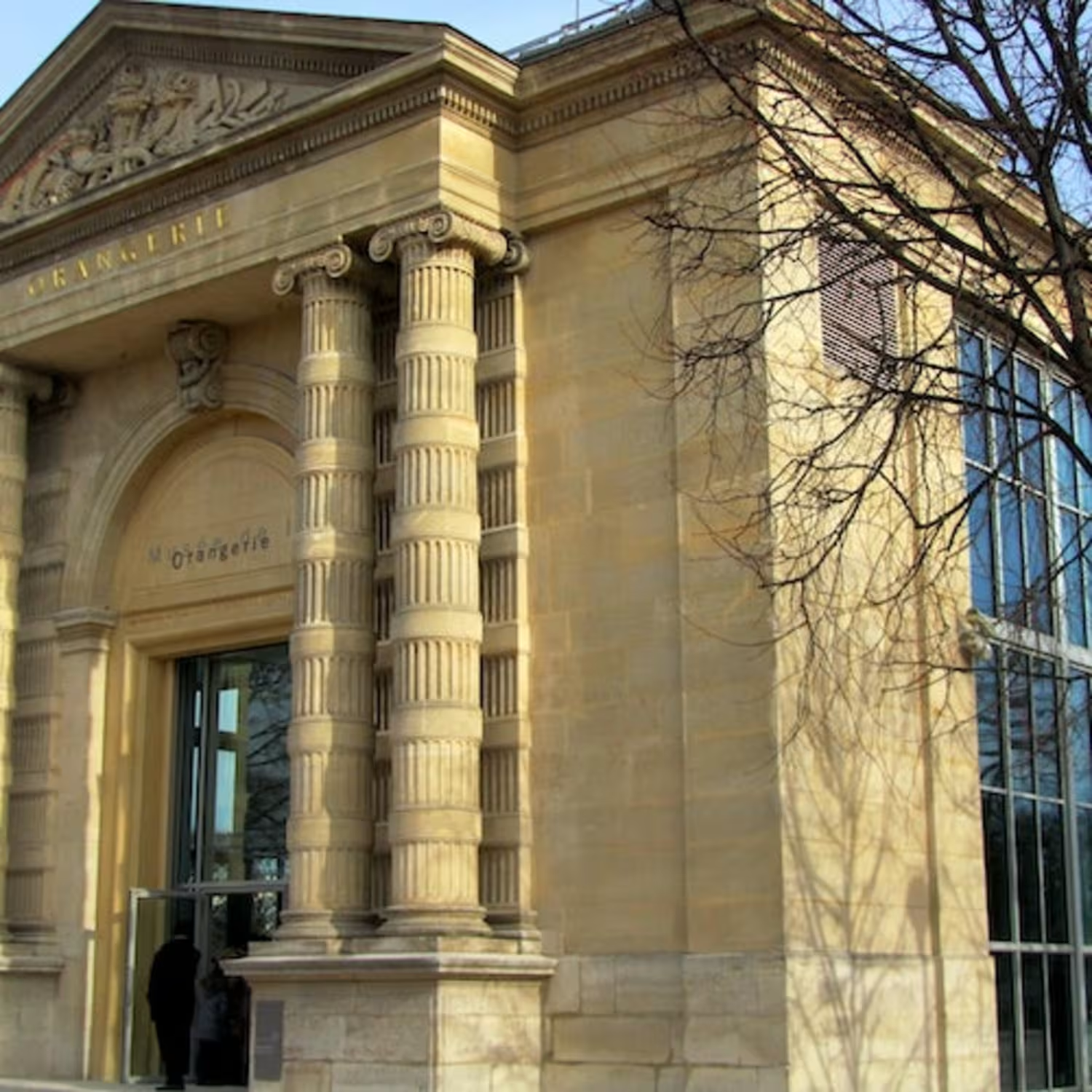
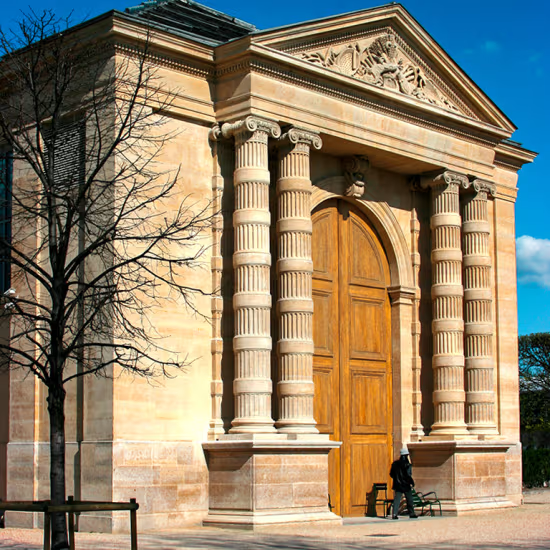
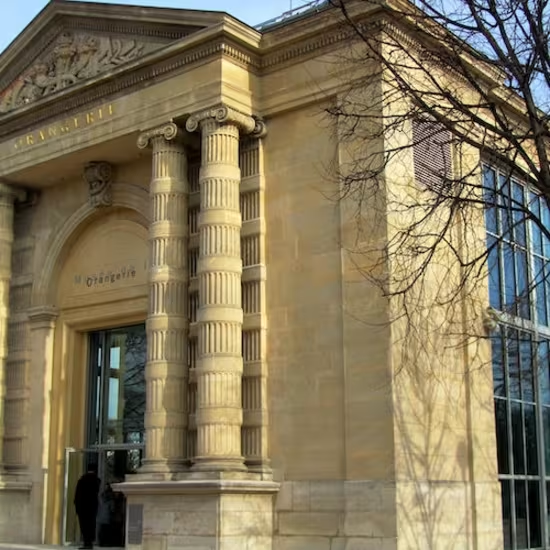
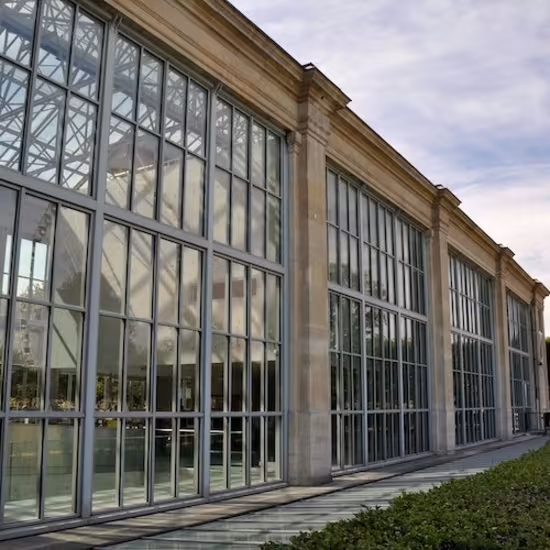
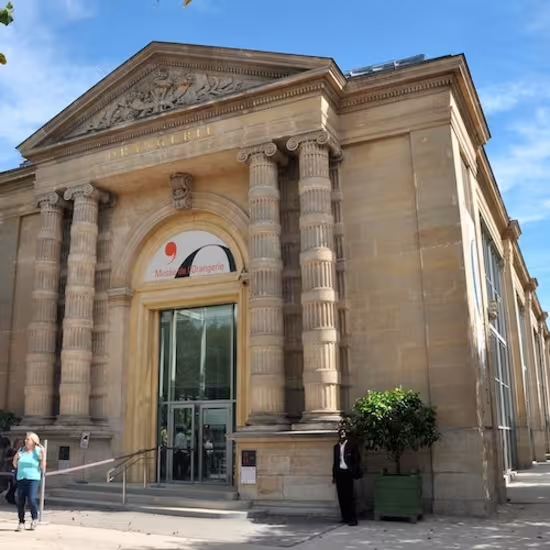
The Musée de l'Orangerie was originally built in 1852 as an orangery for the Tuileries Garden to protect orange trees during winter.
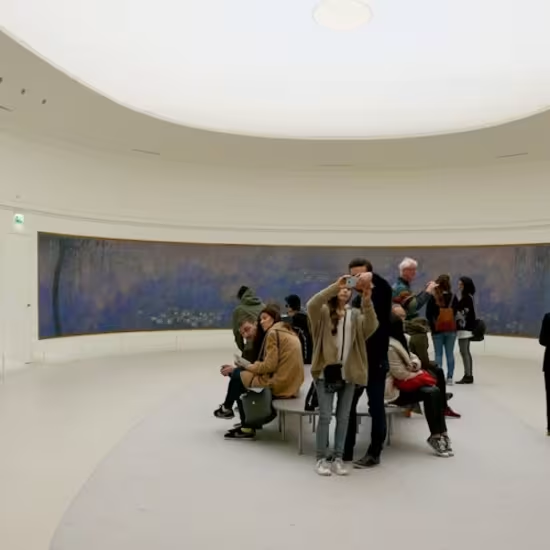
Claude Monet’s famous "Nymphéas" paintings are displayed in two oval rooms designed specifically to provide natural lighting that enhances the artwork.
Since 2010, the Musée de l'Orangerie has been administratively attached to the Musée d'Orsay, forming a joint public establishment.
The two oval rooms displaying Monet's water lilies are shaped to resemble the infinity symbol, creating an immersive visual experience.
The museum houses the Walter-Guillaume collection, which includes over 150 Impressionist and Post-Impressionist paintings by artists like Renoir, Picasso, and Matisse.
Outdoor sculptures by renowned artists such as Auguste Rodin and Henry Moore surround the museum building.
Renovations from 2000 to 2006 restored Monet's paintings to their original lighting conditions by removing modern flooring and reintroducing natural light.
The building was designed by architect Firmin Bourgeois and completed by Louis Visconti in the mid-19th century.
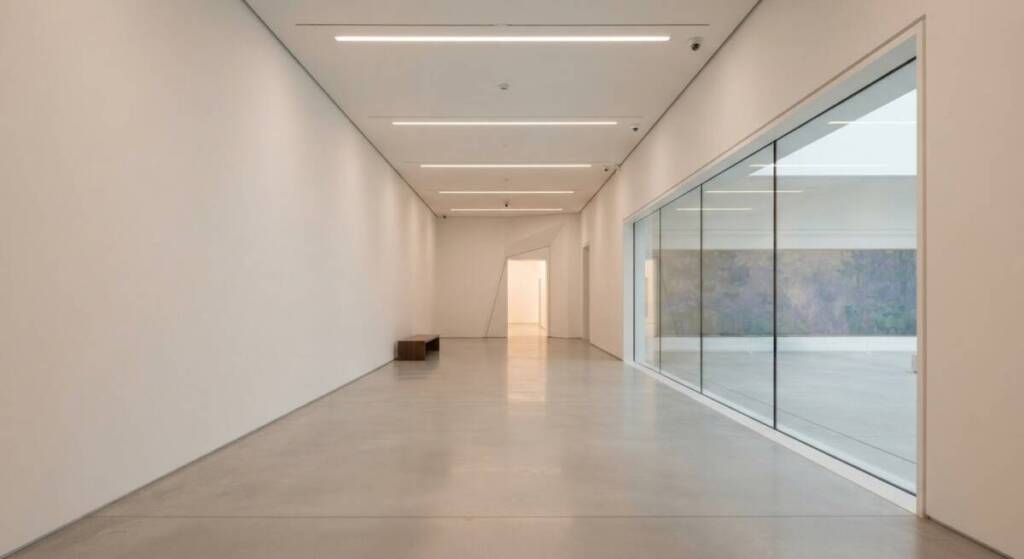
Hidden beneath the Tuileries terrace, new underground galleries were created to display additional parts of the collection.
Musée de l'Orangerie - Highlights in Pictures

 English
  Français
  Deutsch
  Italiano
  Español
  Português