We are processing your request.
Please, don’t close or refresh the page.
Paris Tickets Musee De Lorangerie Plan Your Visit

Plan Your Visit to the Musée de l'Orangerie

Time needed
1 to 2 hours
Opens
9:00 AM, closed Tuesday
Cloakroom
Bags up to cabin size
Re-entry
Not permitted

Your visit in three lines

When: 9:00 AM to 6:00 PM, every day except Tuesday. Where: the Tuileries Garden, by Place de la Concorde. How long: one to two hours.

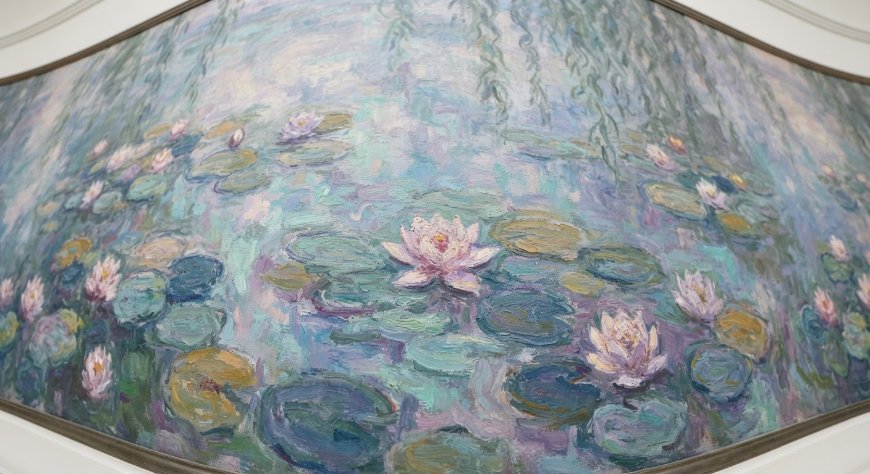
The museum is famous for Monet's Water Lilies, eight huge panels displayed in two oval rooms, and also holds a fine collection of paintings from Renoir to Picasso.

How the museum is organised

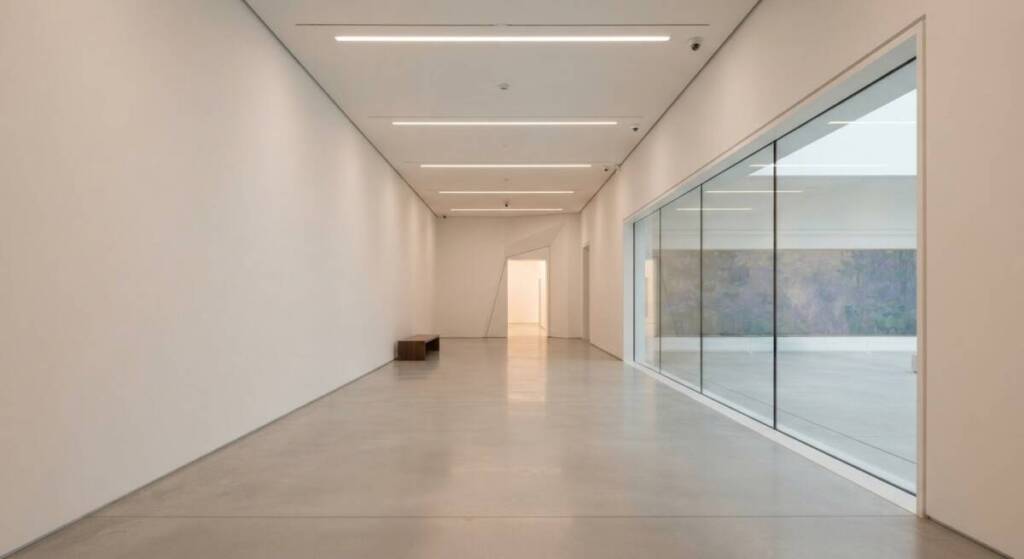
The two oval Water Lilies rooms are on the main level, lit by natural light from above, just as Monet intended.

Downstairs, the Walter-Guillaume collection presents works by Renoir, Cézanne, Matisse, Picasso, Modigliani, Soutine and other painters of the late 19th and early 20th centuries. Temporary exhibitions are shown on the lower level.

Routes for one hour and a longer visit

1

One hour: the Water Lilies

Spend half an hour in the two oval rooms, then see the highlights of the Walter-Guillaume collection.

2

Ninety minutes: the full collection

Add the whole lower level, from Renoir and Cézanne to Soutine.

3

Two hours: with the exhibition

Include the temporary exhibition, then finish with a walk in the Tuileries.

Which ticket to choose

A standard ticket gives access to the permanent collections and the temporary exhibitions, subject to availability. A time-stamped ticket is recommended, with priority access within half an hour of your slot.

The ticket option below lets you choose your date and time.

Before you go

✓
Check the day The museum is closed on Tuesdays.
✓
Book a time slot Time-stamped tickets get priority access.
✓
Arrive before 5:15 PM That is the last admission.
✓
Pack light The cloakroom takes bags up to cabin size.
✓
Plan your break Re-entry is not permitted.
✓
Start with Monet The oval rooms are quietest early.

Cloakroom and bags
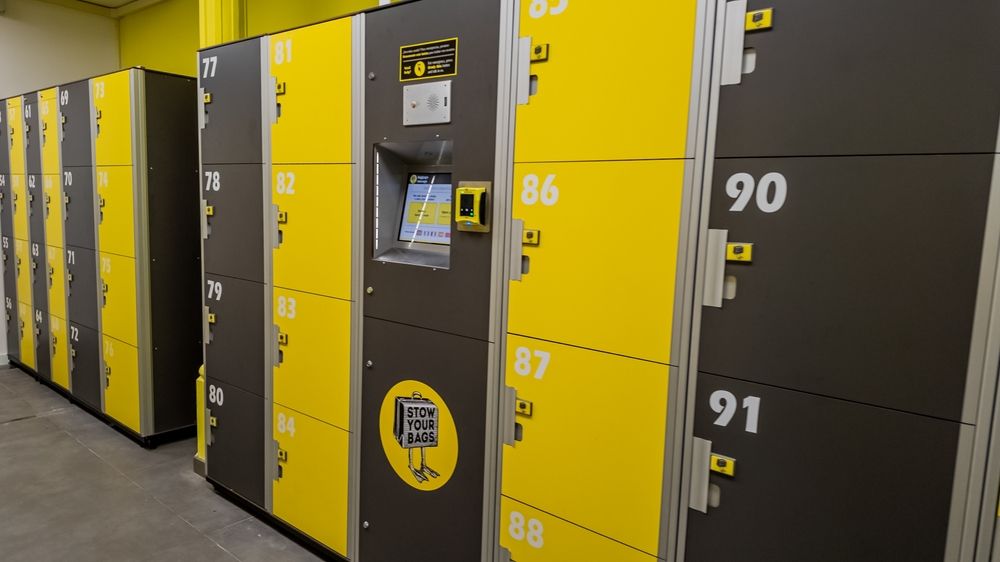
The cloakroom is free and accepts bags up to cabin size, as well as bulky items that cannot be taken into the galleries.

Security checks are carried out at the entrance. Avoid bringing large luggage, as it cannot be stored.

Services

The museum has an audioguide counter, a café and a bookshop. The audioguide covers both the permanent collections and the temporary exhibitions.

Induction loops for hearing aid users are installed at the information desk, the cloakroom, the ticket desks, the audioguide counter, the café and the bookshop.

Accessibility

The museum is fully accessible to visitors with reduced mobility, with a lift that connects the levels.

Wheelchairs, folding seats and walking sticks are lent free of charge, and the entrance for visitors with reduced mobility is to the left of the main entrance. Parking near the museum can be requested at least one week in advance.

Visiting with families

Children can follow a young visitors' trail with short stories about works in the collection, and families can try an investigation game on the audioguide.

The vast Water Lilies panels often captivate children, who enjoy finding the willows, clouds and reflections. Finish with time in the Tuileries playgrounds and around the fountains.

Understanding the Water Lilies

Monet painted the Water Lilies in his garden at Giverny, and offered them to the French state after the First World War as a symbol of peace. The panels were installed in the Orangerie in 1927, shortly after his death, in the two oval rooms designed with him.

Monet wanted visitors to feel immersed in a landscape without horizon. Sit on the benches in the centre of each room and let your eye travel around the panels as the light changes. Many visitors find that the longer they stay, the more details appear, from flowers floating on the surface to the sky reflected in the water.

How to look at the Water Lilies

Start by standing in the centre of the first oval room, then walk slowly around its walls, letting the panels unfold like a continuous landscape.

Look closely to see the brushwork, then step back to see the reflections of clouds and willows emerge. Each room has its own mood, and the second adds the dark trunks of the willows framing the water.

A short history of the building

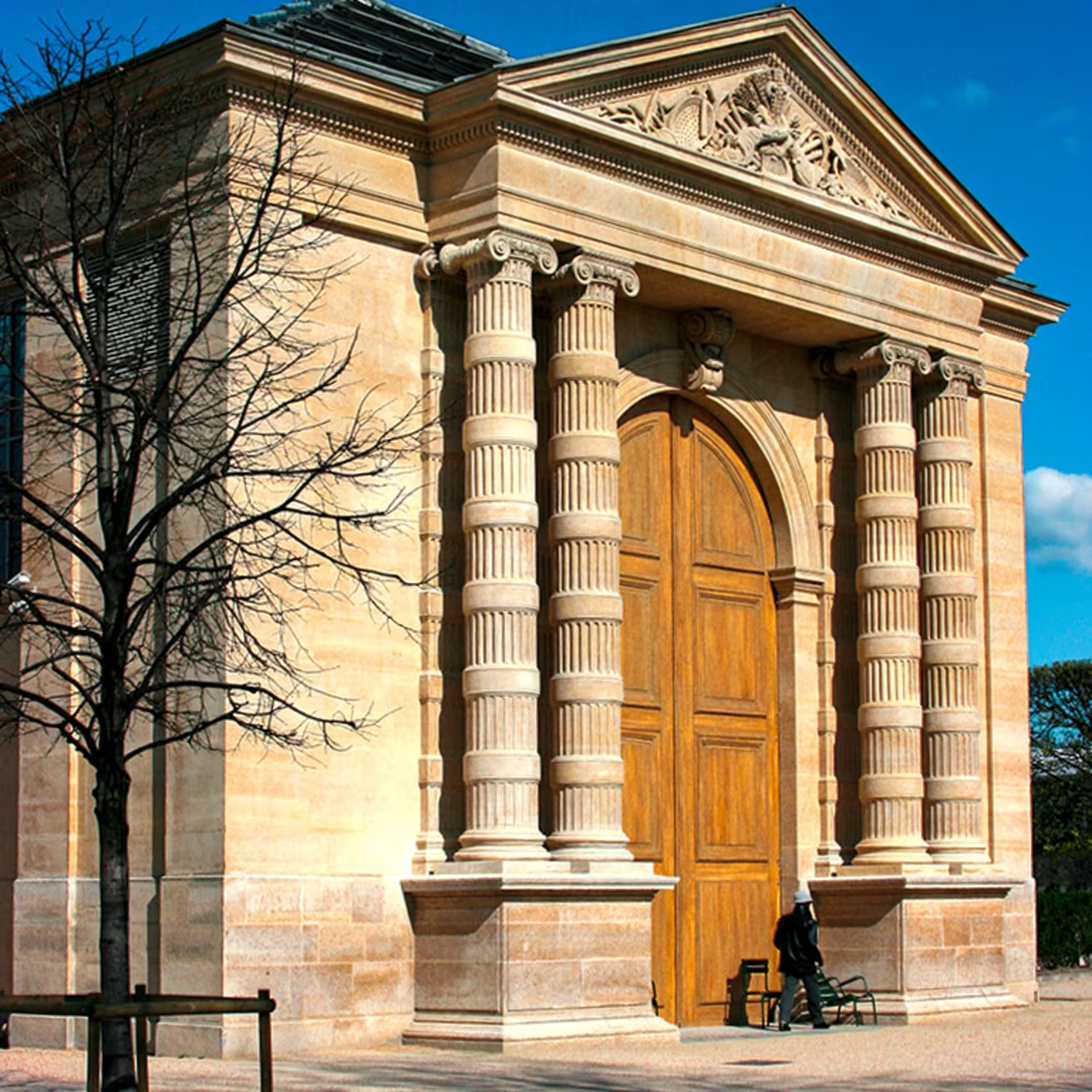
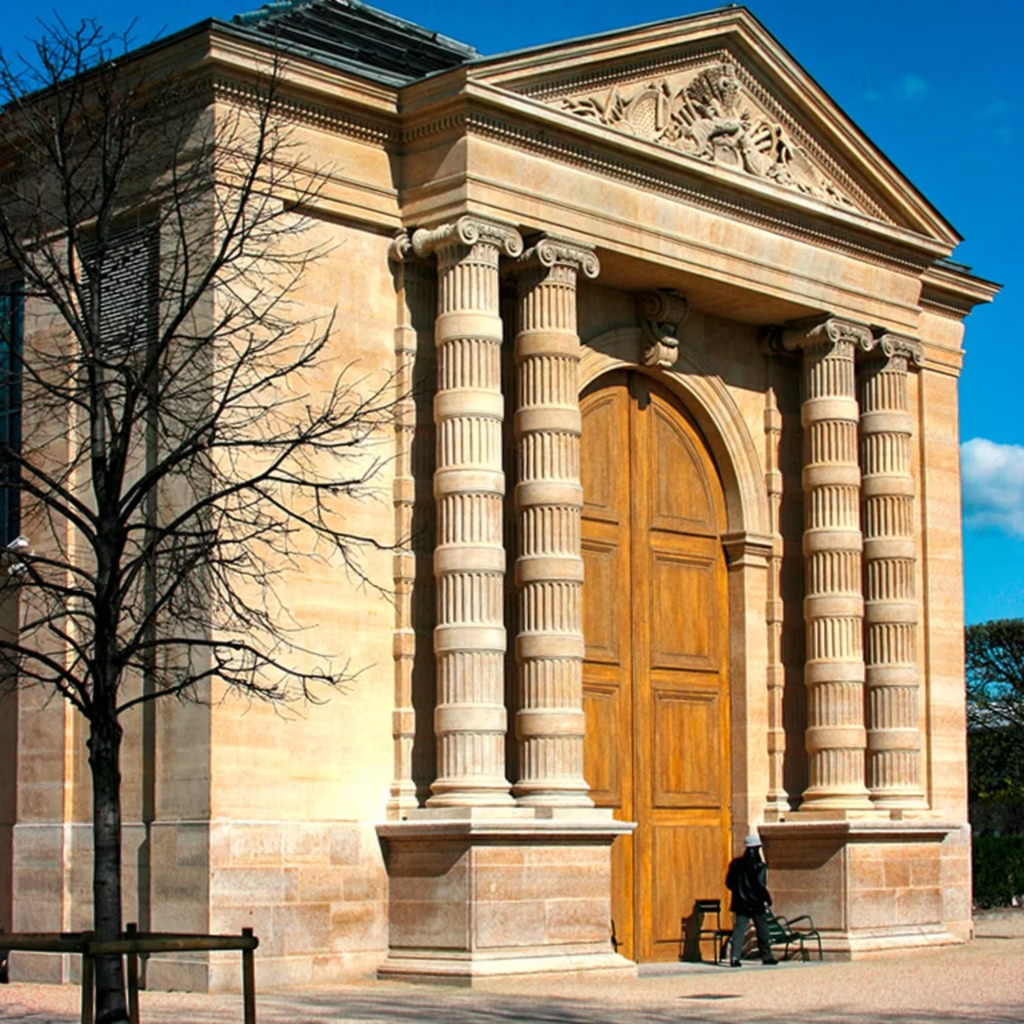
The Orangerie was built in the 19th century to shelter the orange trees of the Tuileries Garden during the winter. It became a museum in the 1920s to receive Monet's Water Lilies.

The building was later extended to house the Walter-Guillaume collection, and a major renovation in the early 2000s restored the natural light Monet wanted for his panels.

Photos and etiquette

The oval rooms are made for quiet contemplation, and many visitors sit on the central benches for a long time. Keep your voice low and give others space to enjoy the panels, especially at busy times. A few quiet minutes on the benches are often the most memorable part of the visit.

If you take photos where allowed, step back from the benches so you do not block the view for people who are sitting.

Highlights not to miss

The eight Water Lilies panels are the heart of the museum, four in each oval room, showing the pond at different times of day.

Downstairs, look for Renoir's young girls at the piano, Cézanne's still lifes, Modigliani's portraits and the intense landscapes of Soutine, all part of the collection assembled by the dealer Paul Guillaume.

Local tips

Go early

The oval rooms are calmest at 9:00 AM.

Avoid Mondays

Many visitors come when other museums are closed.

Sit and look

The central benches are made for slow viewing.

Walk the Tuileries

The garden is the perfect setting before or after.

Add Marmottan

See more Monet at the Musée Marmottan Monet.

Check the exhibition

The temporary exhibition on the lower level is included in a standard ticket, subject to availability.

What to combine on the same day

The Musée d'Orsay is across the Seine, with more Impressionist masterpieces, though note that both close on Tuesdays. For a complete Monet day, the Musée Marmottan Monet shows his early and late works.

For more about the museum, see the Musée de l'Orangerie overview.

Ready to plan your visit

Check the opening hours and the Tuesday closure, see how to get to the Musée de l'Orangerie by Metro or bus, and return to the museum overview for the full picture. Then book the ticket option below.

With an early slot and time to sit with the Water Lilies, you are ready for one of the most peaceful visits in Paris.

4.7
(22)

Tickets for the Musée de l'Orangerie

Highlights

Encounter the iconic Water Lilies series by Monet in unique oval rooms designed specifically for these masterpieces.

Explore permanent collections featuring artists like Cézanne, Matisse, Picasso, Renoir, and Rousseau.

Experience the museum’s peaceful and luminous atmosphere situated in the historic Tuileries Garden.

Enjoy current temporary exhibitions, such as Henri Rousseau’s show and Alexandre Lenoir’s presentation.

Benefit from skip-the-line entry with your ticket, ensuring a smoother visit.
Musée de l'Orangerie visitor FAQ

How long should I spend at the Musée de l'Orangerie?

One to two hours.

Where are the Water Lilies?

In the two oval rooms on the main level.

What else is in the collection?

Works by Renoir, Cézanne, Matisse, Picasso, Modigliani and Soutine.

Is there a cloakroom?

Yes, free, for bags up to cabin size.

Can I leave and come back?

No, re-entry is not permitted.

Is there an audioguide?

Yes, at the audioguide counter.

Is there a café?

Yes, along with a bookshop.

Is the museum accessible?

Yes, with a lift between the levels.

Is it good for children?

Yes, with a young visitors' trail and a family audioguide game.

Do I need to book?

A time-stamped ticket is recommended.