We are processing your request.
Please, don’t close or refresh the page.
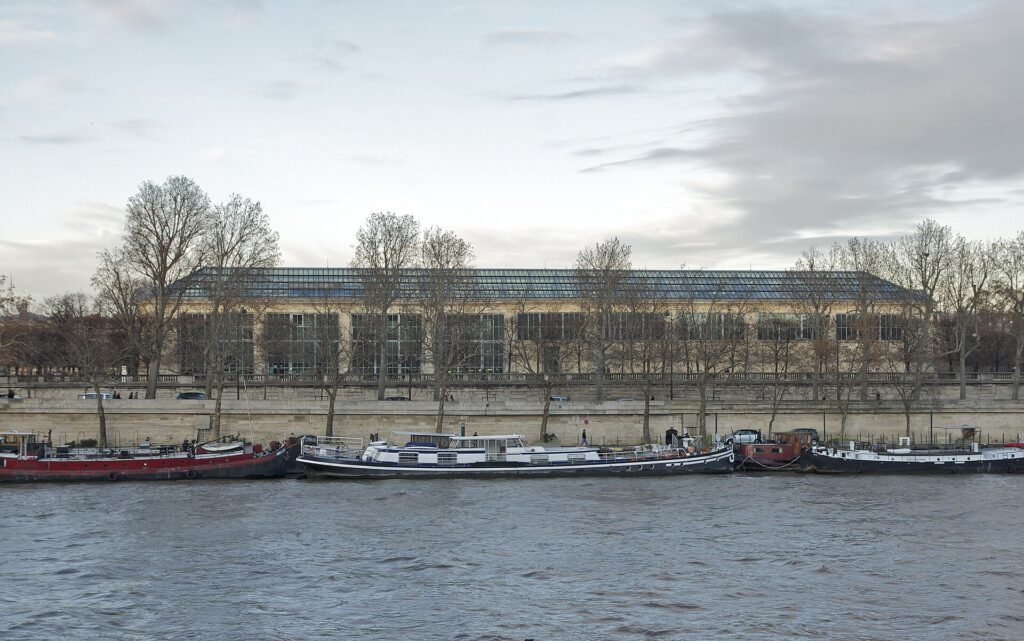
The Musee de l'Orangerie seen across the Seine

Musée de l’Orangerie: Monet’s Water Lilies and the Walter-Guillaume Collection

A winter shelter for the orange trees of the Tuileries, turned into the home of Monet’s great Water Lilies cycle and of a dealer’s collection of modern painting, from Renoir and Cézanne to Marie Laurencin.

An Orangery That Became a Museum

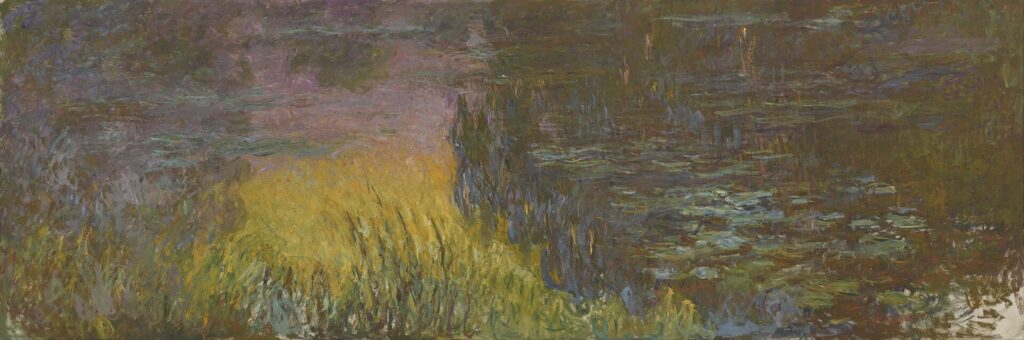
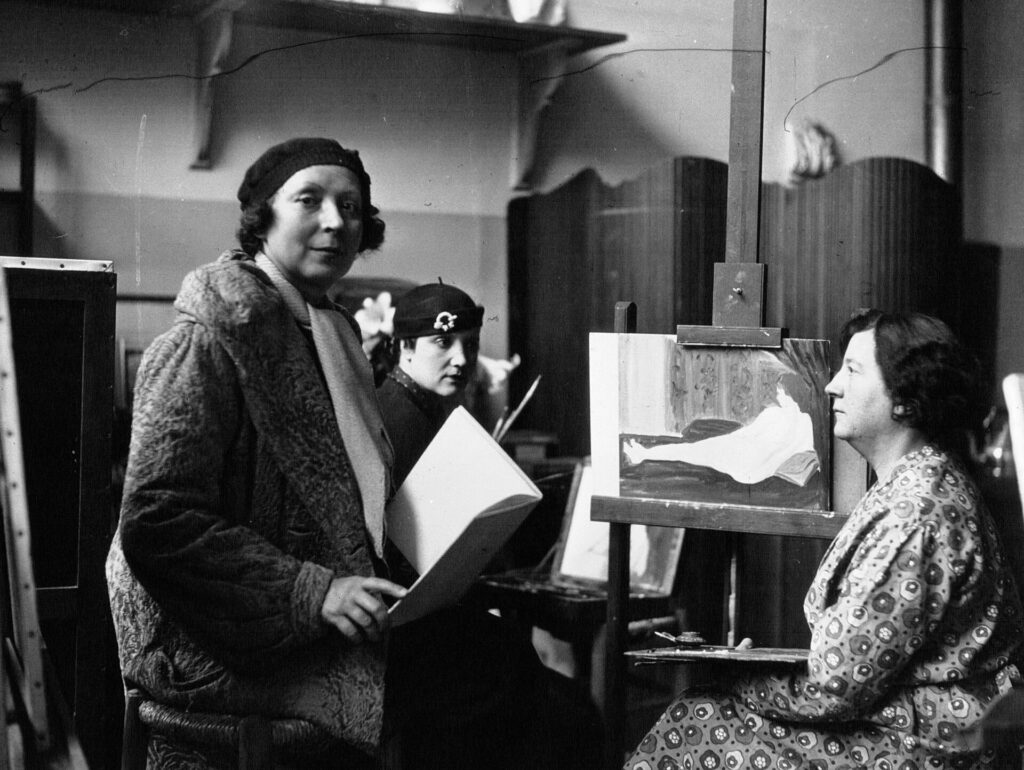
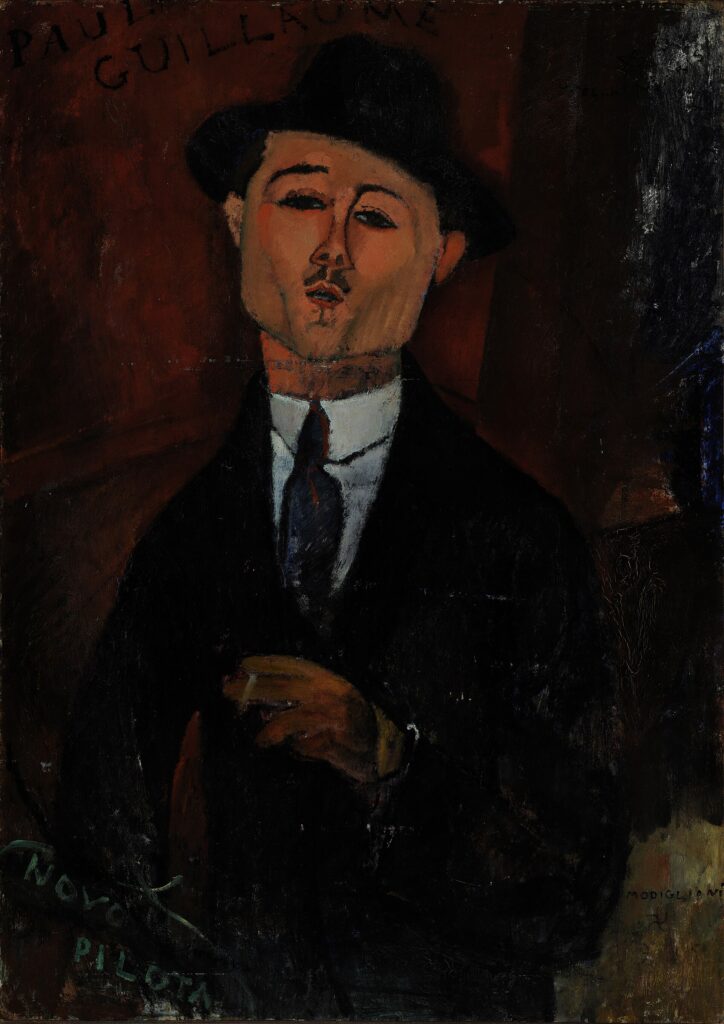
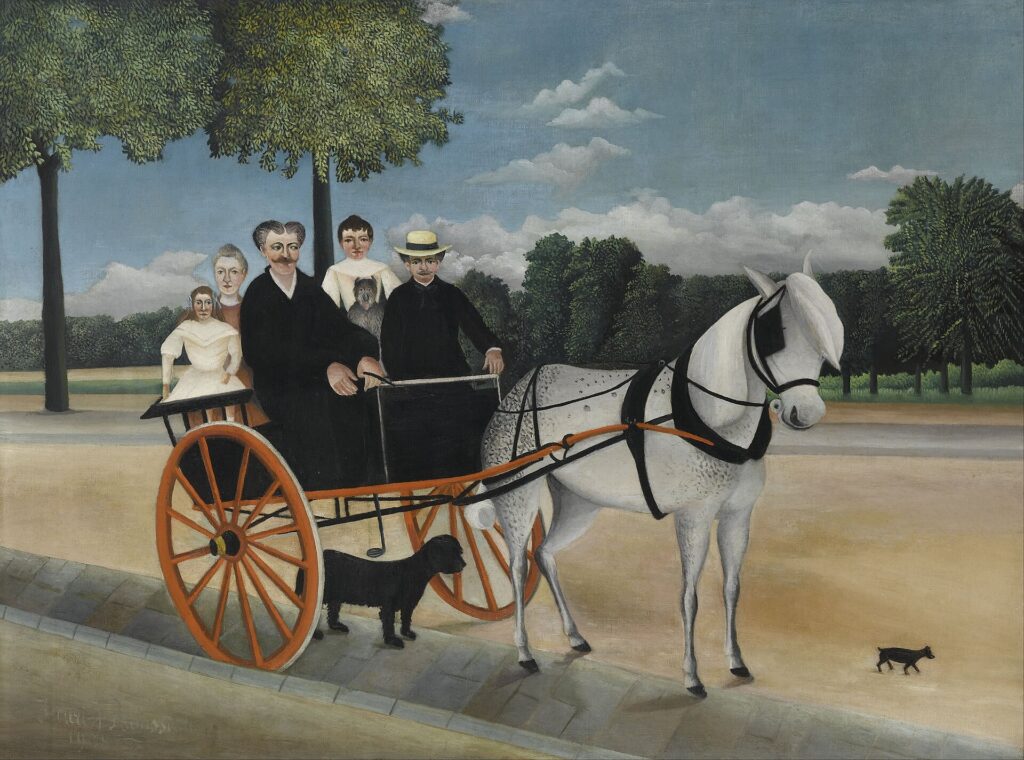
The Musée de l’Orangerie was built to keep orange trees warm, not to show paintings. Today it holds two things you will not find together anywhere else: the eight Water Lilies panels Monet gave to the State, set in two oval rooms he helped design, and the Walter-Guillaume collection, 148 paintings from the 1860s to the 1930s. The second was shaped as much by a woman, Domenica Walter, as by the dealer whose name it carries.

The Musée de l’Orangerie in Numbers

The building went up in a record four months in 1852.

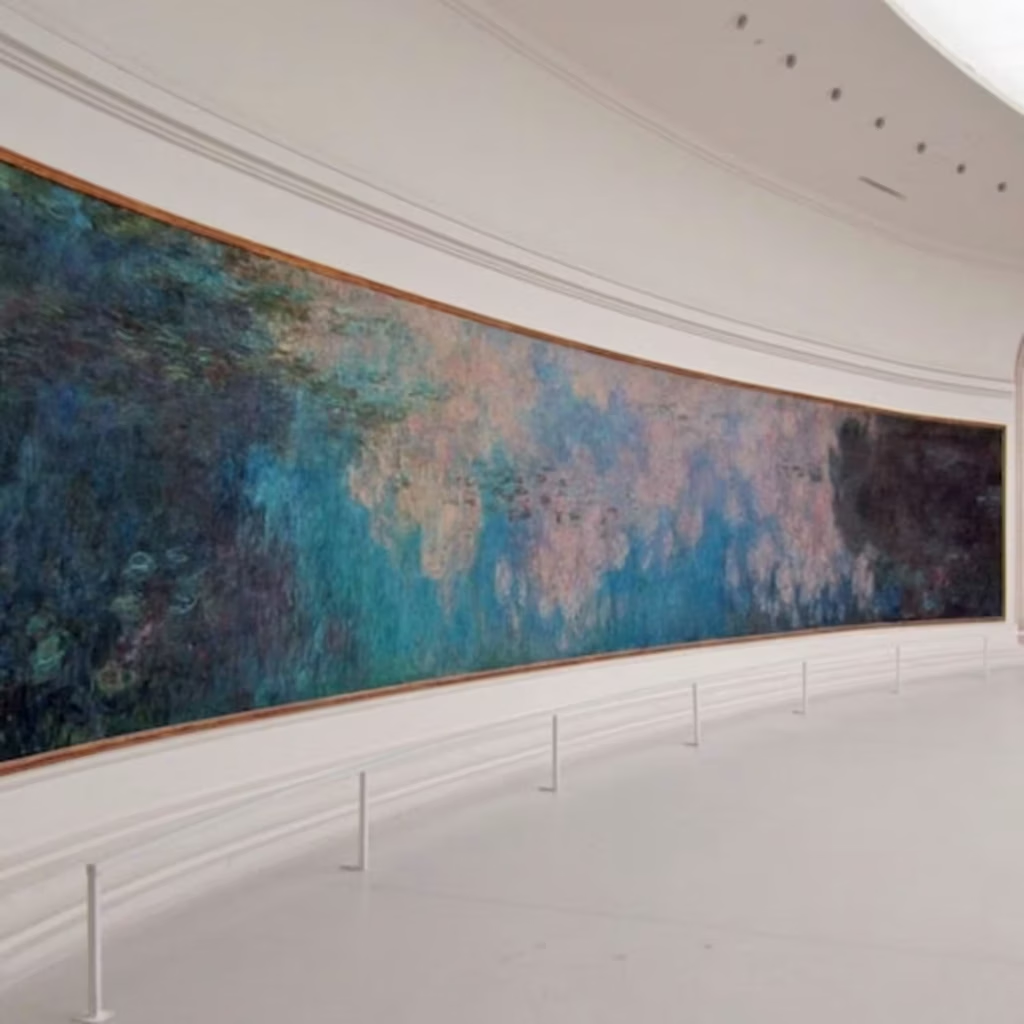
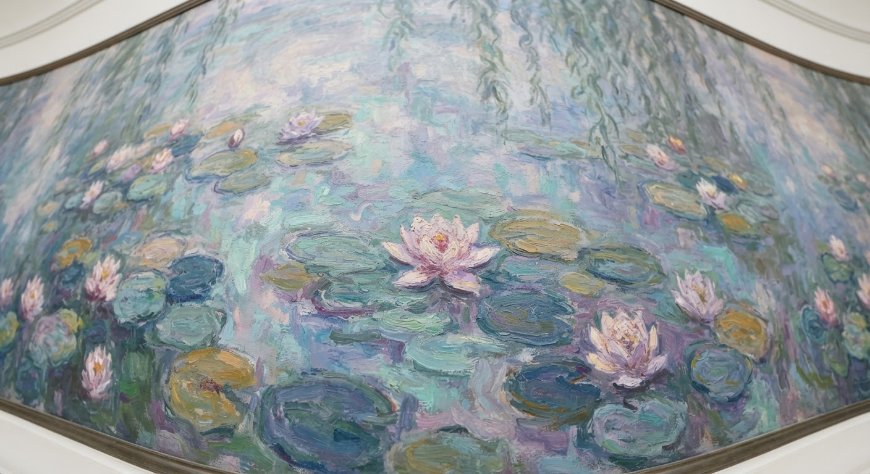
Monet’s eight Water Lilies panels are each two metres high and run to 91 metres in total.

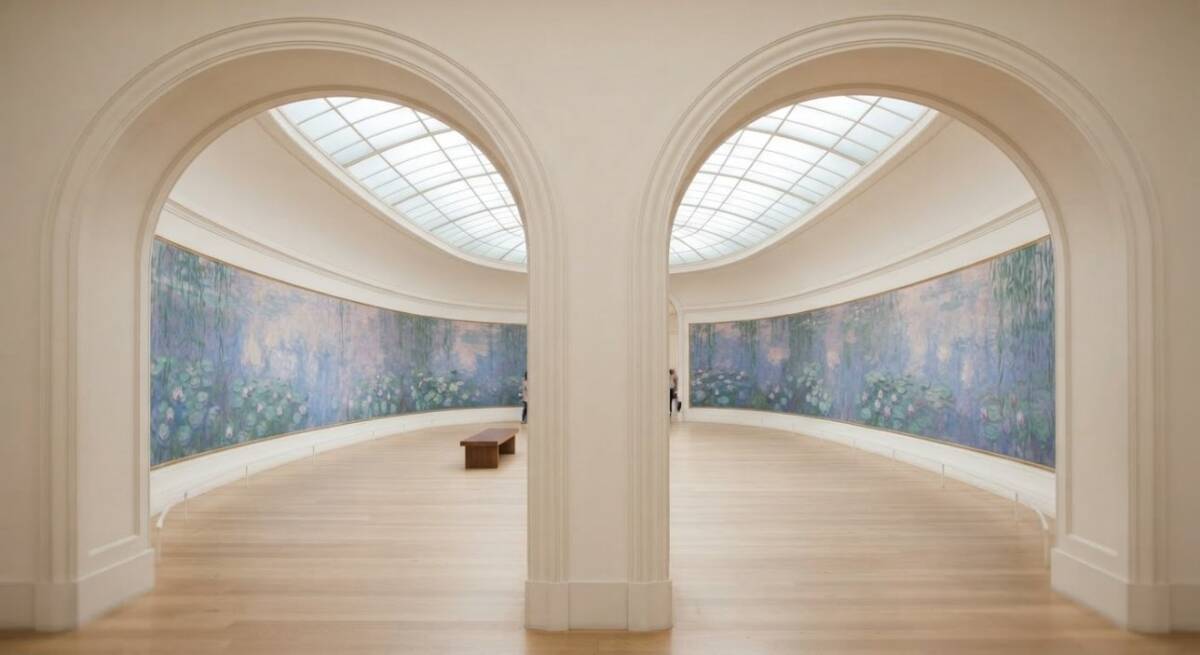
The two oval rooms together trace the symbol of infinity, on an east-west line with the sun.

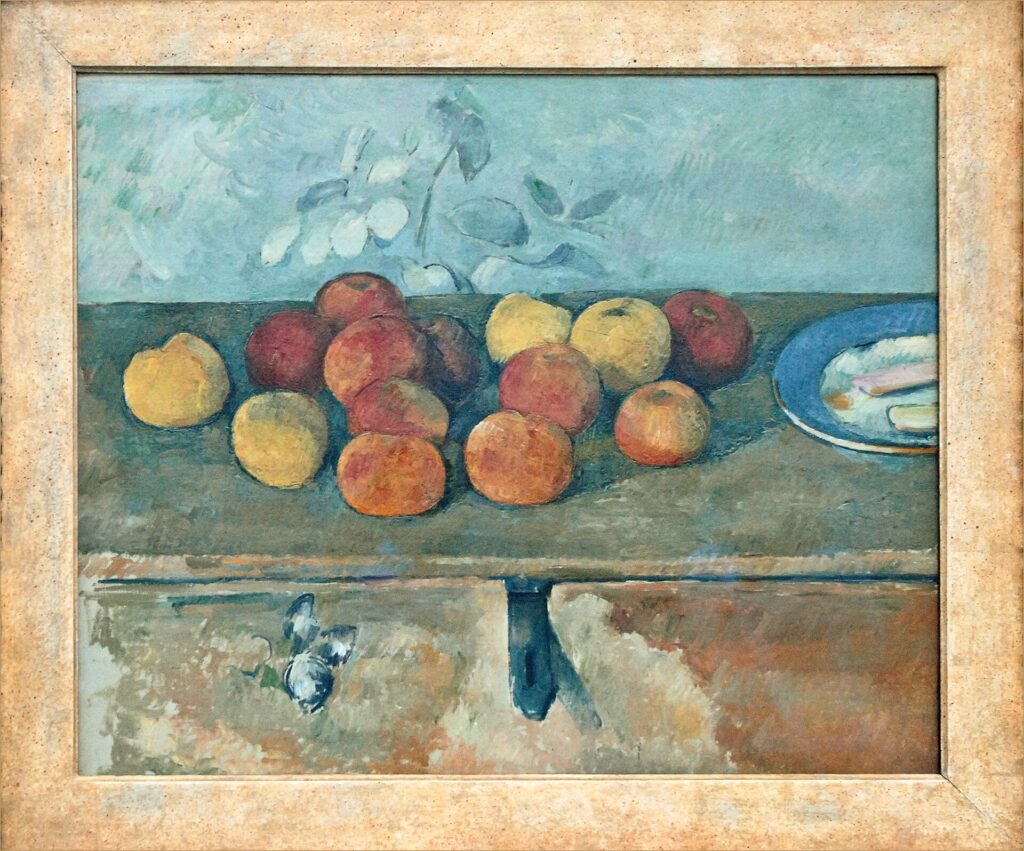
The Walter-Guillaume collection counts 148 works, among them 25 by Renoir and 15 by Cézanne.

It also holds 12 works by Picasso, 10 by Matisse, 22 by Soutine and 31 by Derain.

Building work in the 2000s uncovered part of the Fossés Jaunes, a defensive wall built in 1566.

Built for Napoleon III’s Orange Trees
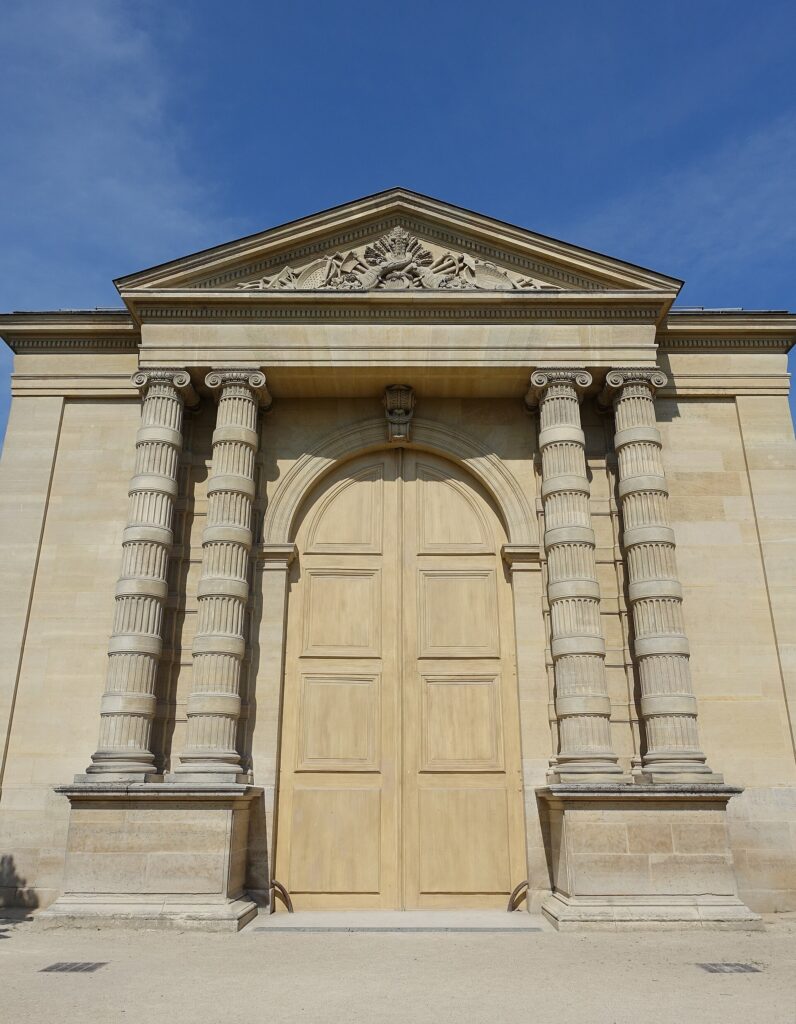
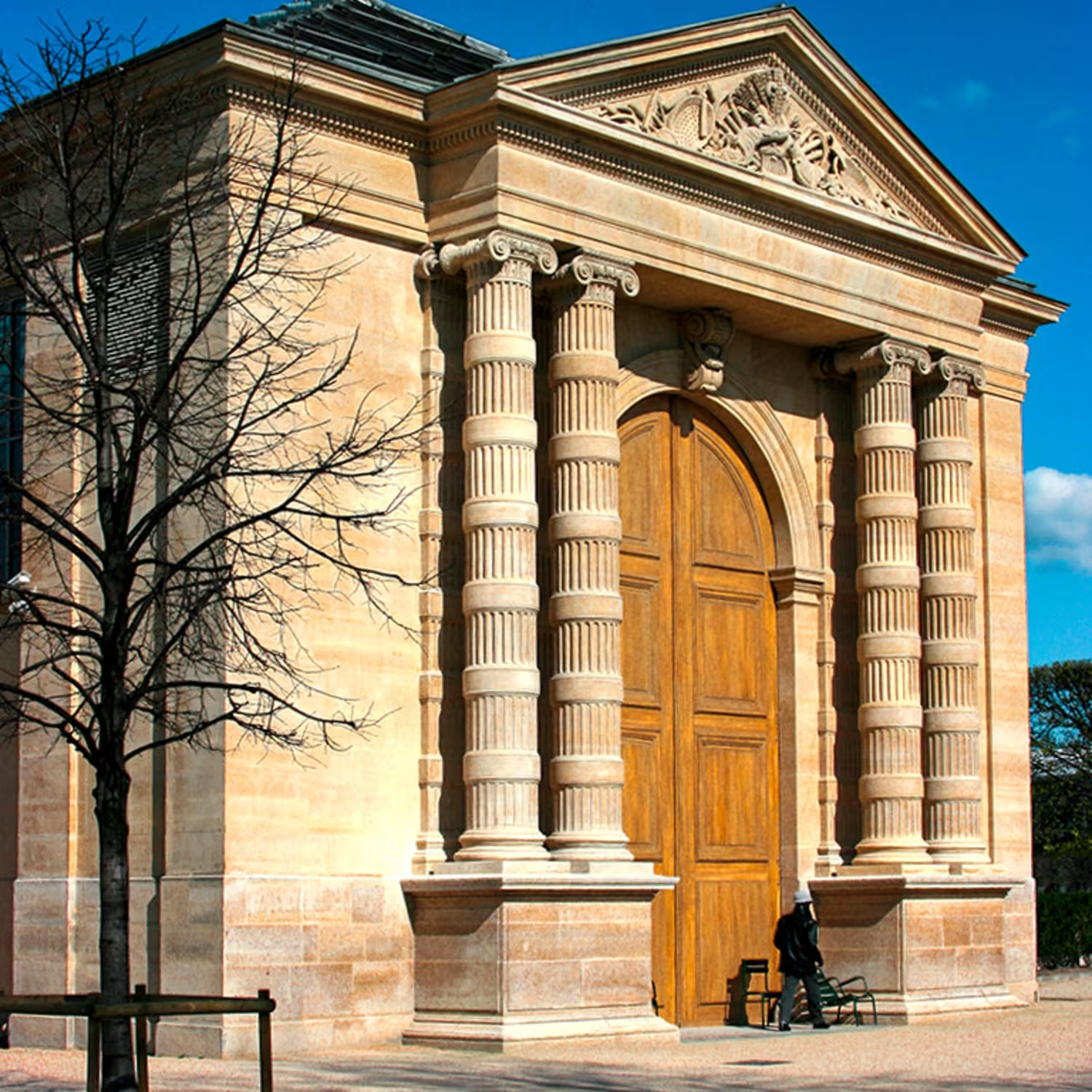
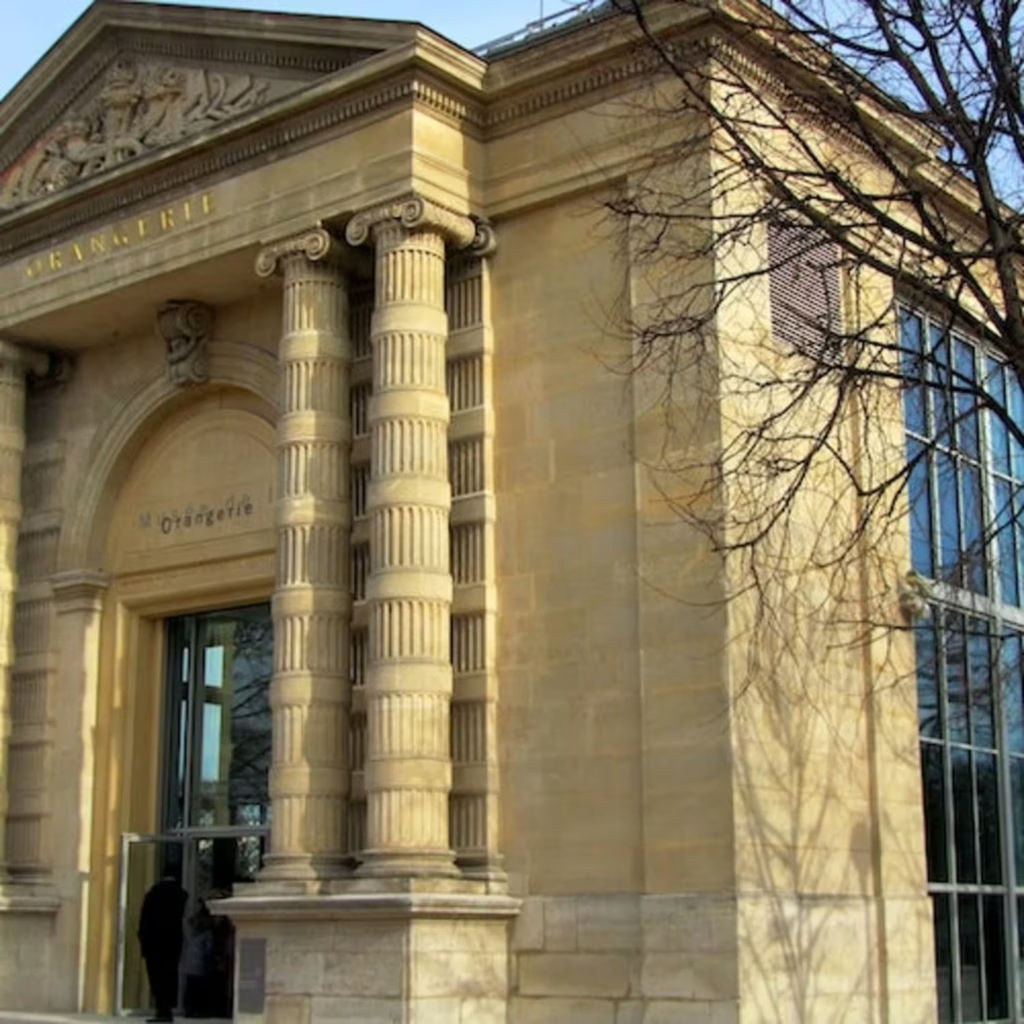
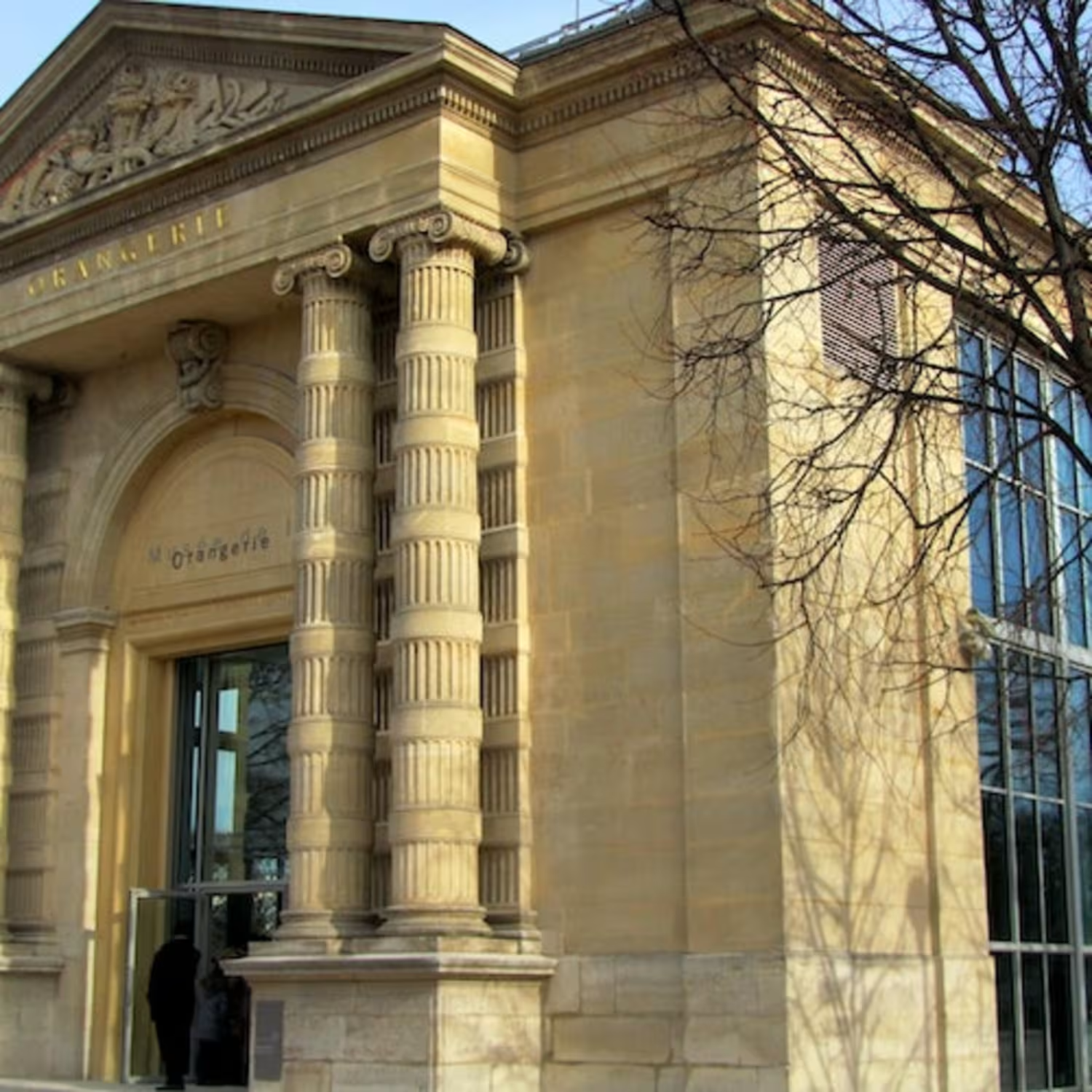
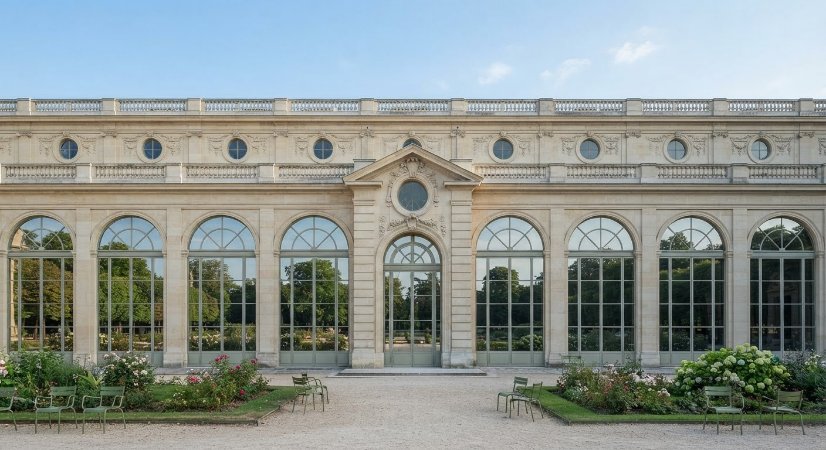
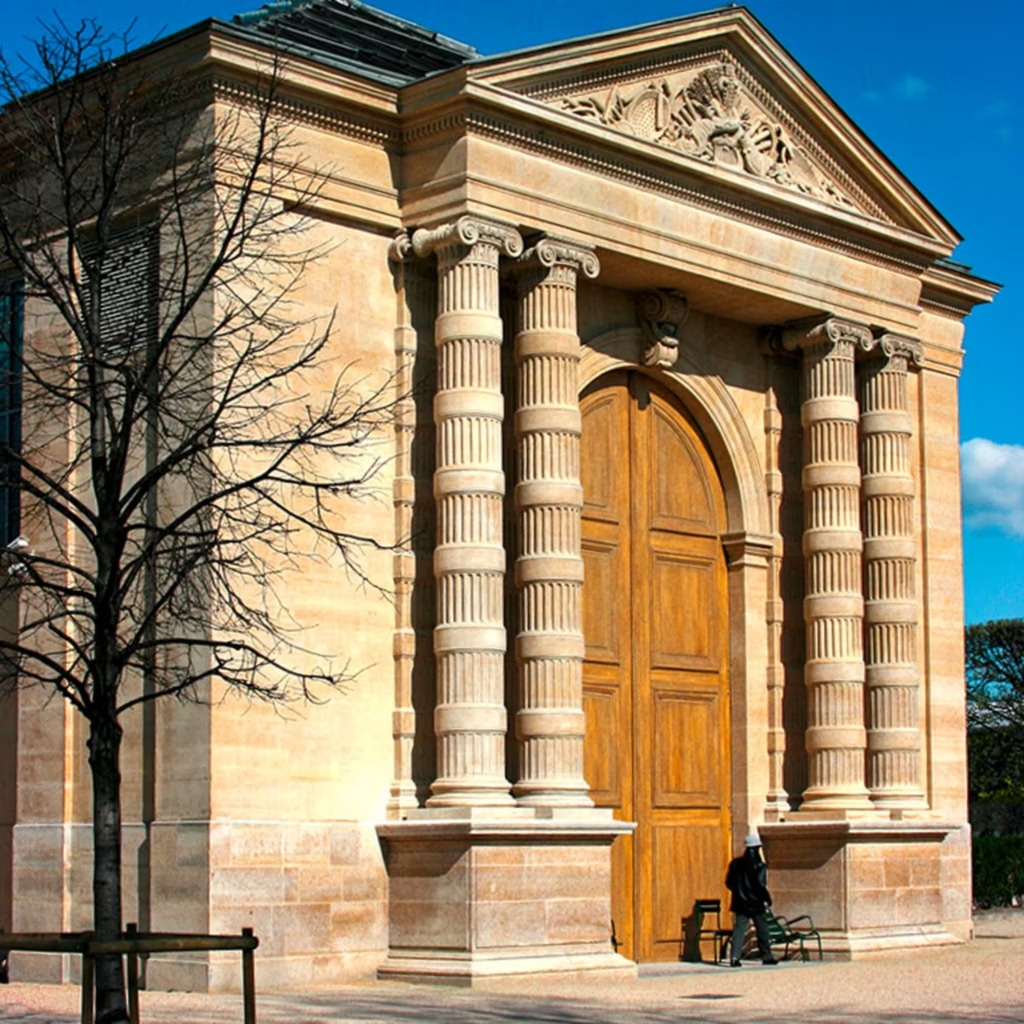
Entrance doorway of the Musée de l’Orangerie
Photo: Guilhem Vellut, CC BY 2.0, via Wikimedia Commons

Until 1852 the orange trees of the Tuileries Palace spent the winter in the Grande Galerie of the Louvre. At Napoleon III’s request, the architect Auguste Bourgeois gave them a building of their own on the terrace along the Seine, and it was finished in four months.

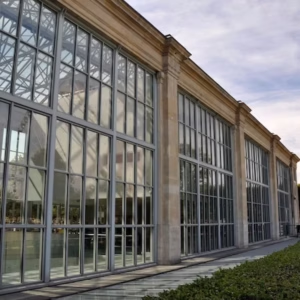
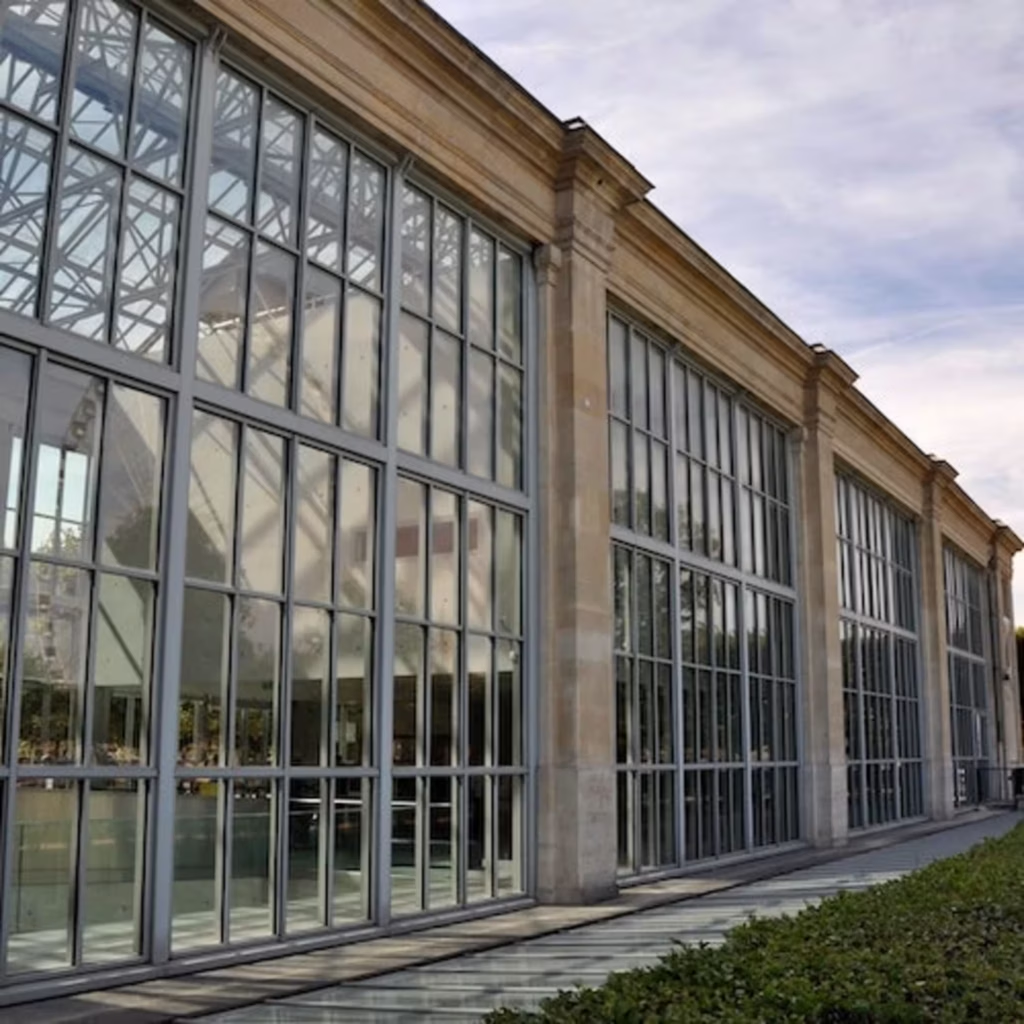
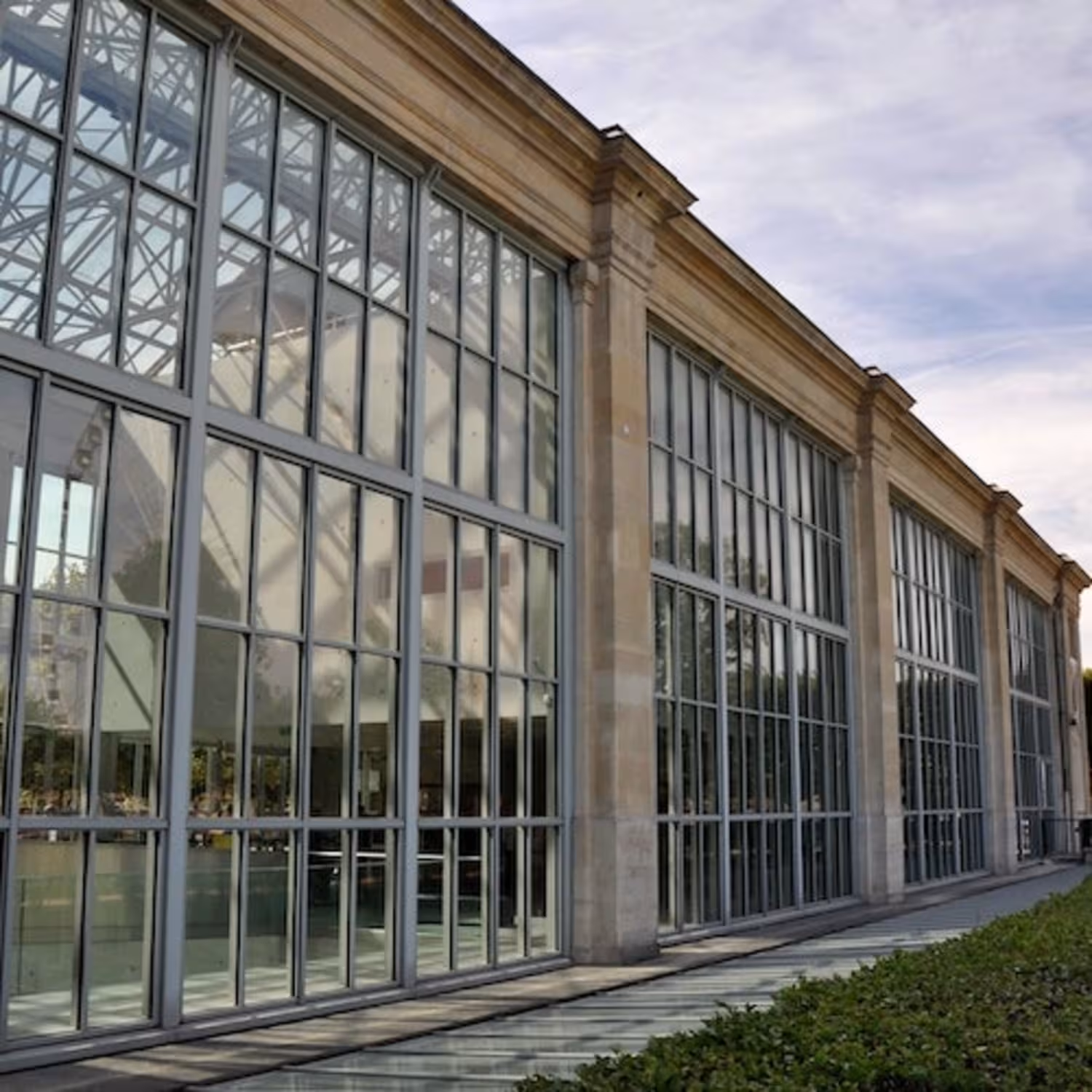
It works like a greenhouse. The south front, facing the river, is glazed to catch the sun, while the north side on the rue de Rivoli is almost blind against the wind. Louis Visconti, architect of the Louvre works, decorated the doorways at each end, and their pediments carry sculpted cornucopias and ears of corn.

After the fall of the Empire the State took it over, and until 1922 it hosted flower shows, concerts, banquets and even dog shows.

Clemenceau, Monet and the Water Lilies Rooms
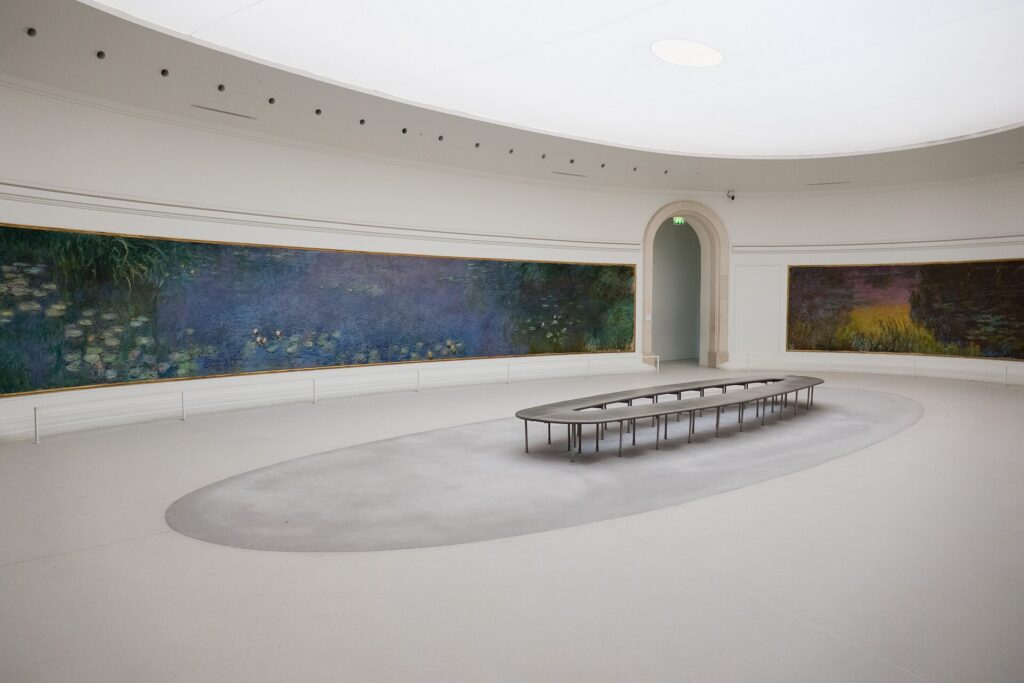
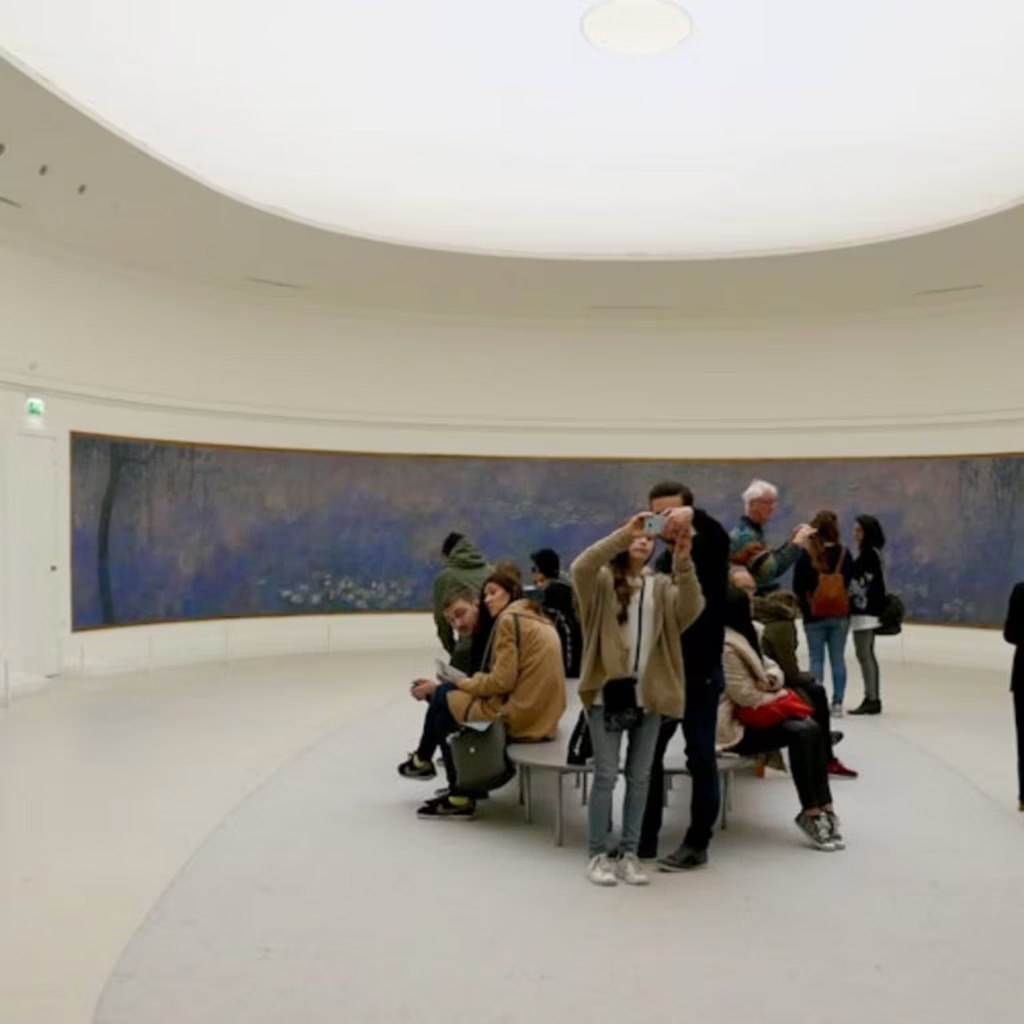
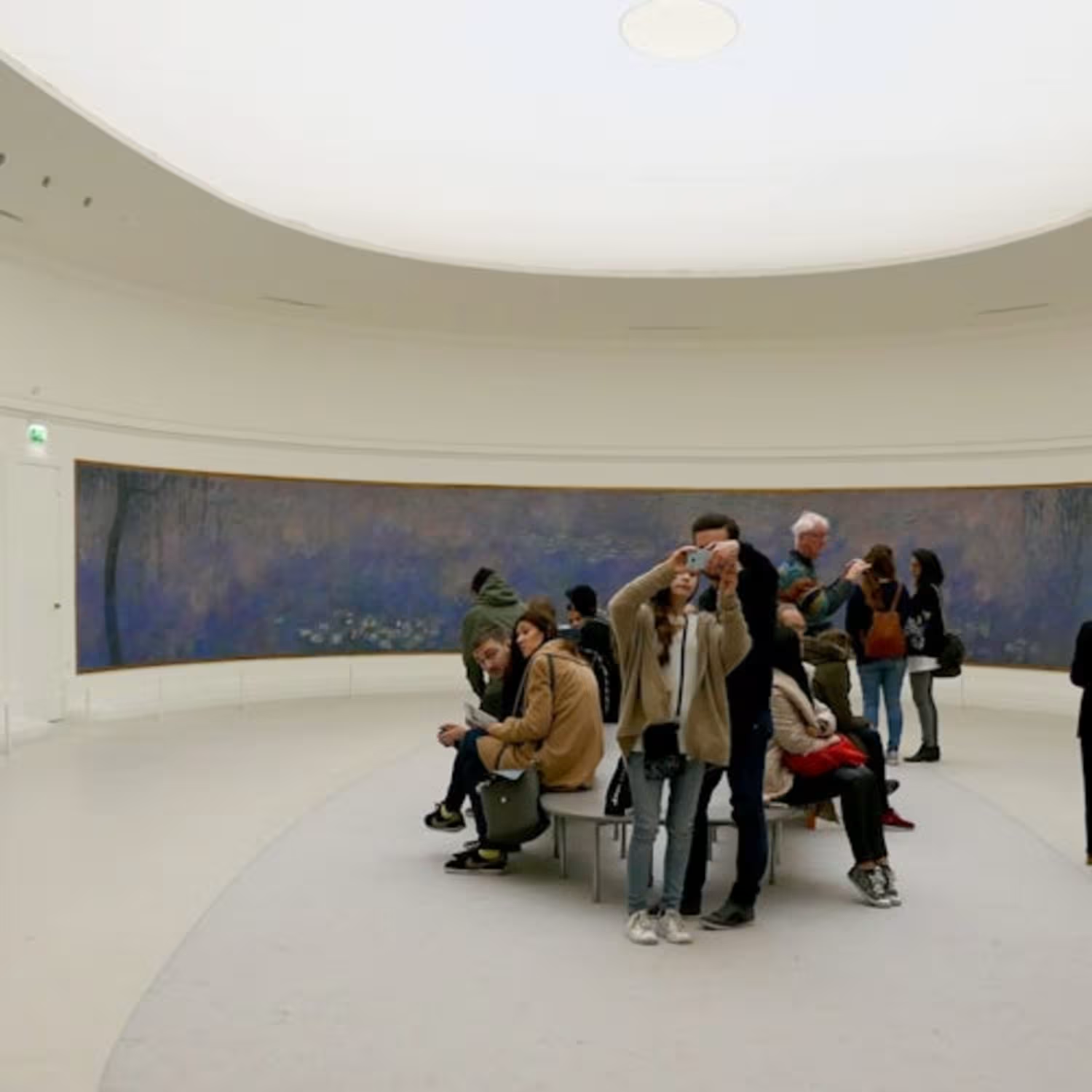
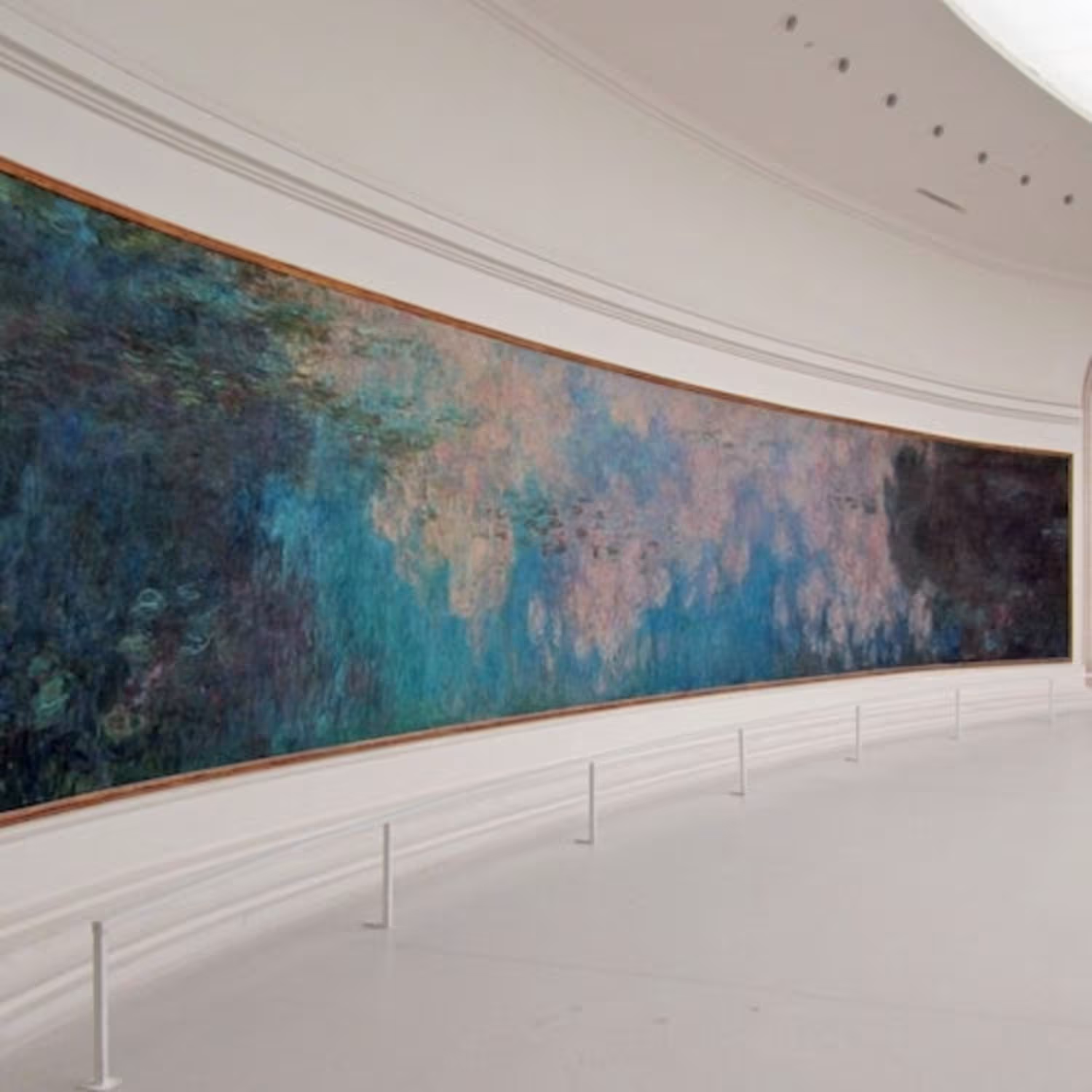
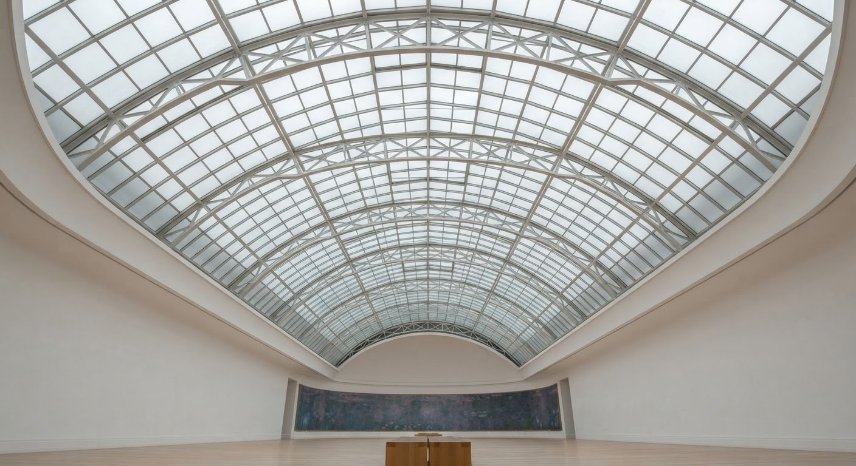
One of the oval Water Lilies rooms
Photo: Brady Brenot, CC BY-SA 4.0, via Wikimedia Commons

In 1921 the building was handed to the Fine Arts administration. Georges Clemenceau suggested that the great Water Lilies set, which Monet had offered to the State and was still painting, should go here rather than to the new Musée Rodin. The gift was made official in 1922.

Monet worked on the design with the architect Camille Lefèvre. The eight panels hang in two oval rooms lit from the ceiling, reached through a vestibule that marks the passage from the street. The Musée Claude Monet opened on 17 May 1927, a few months after the painter’s death.

From the 1930s the other half of the building held major exhibitions. Rubens drew a million visitors in 1936, and in 1946 the masterpieces recovered from Germany were shown here.

Domenica Walter and the Collection She Shaped
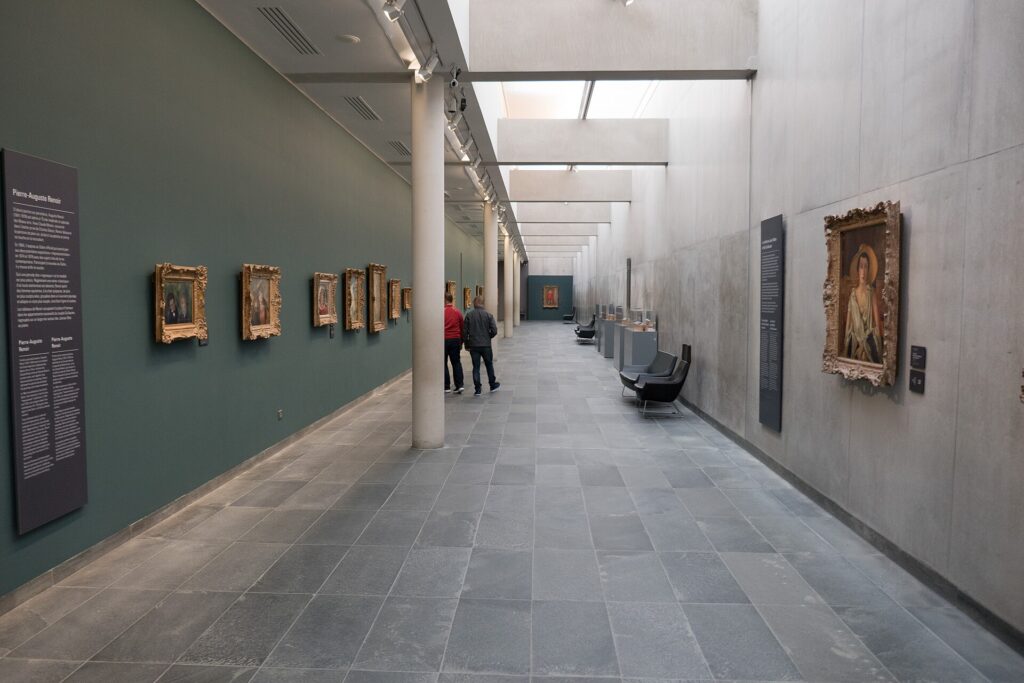
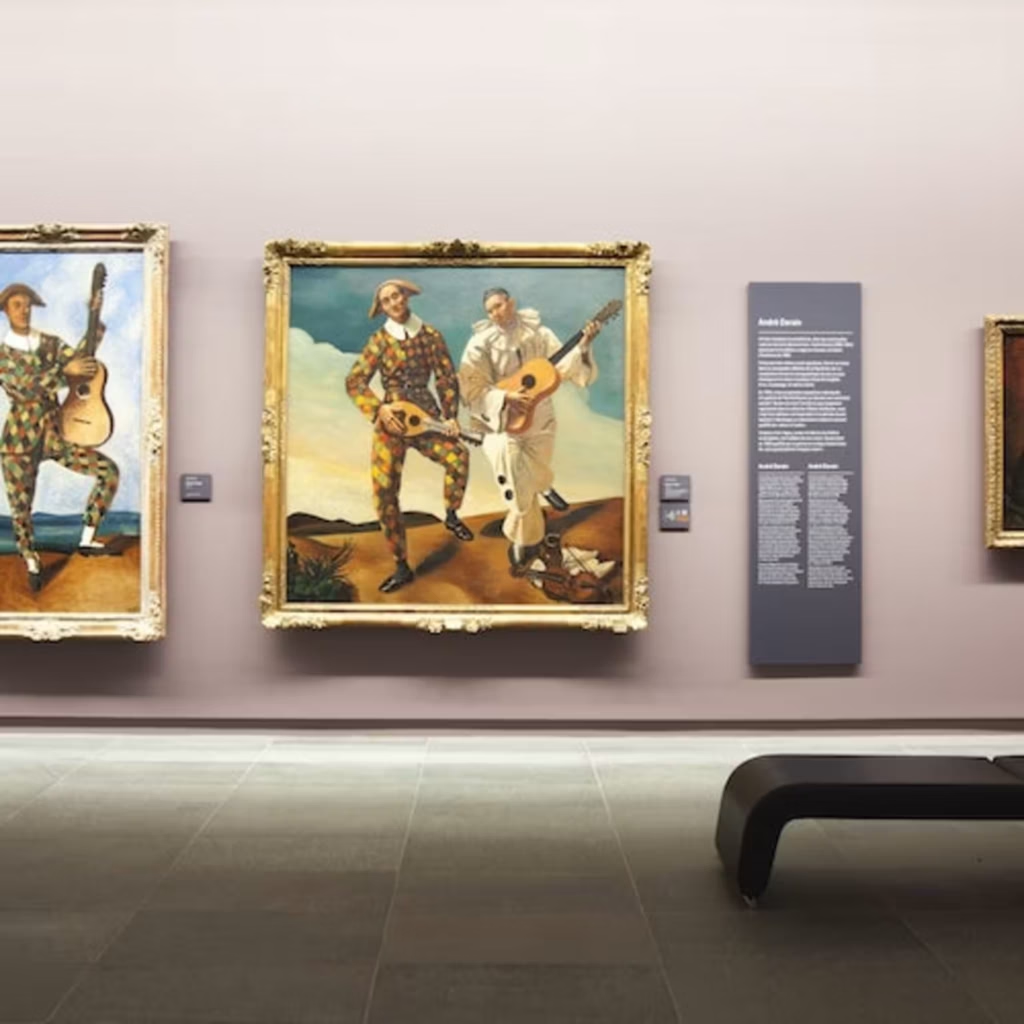
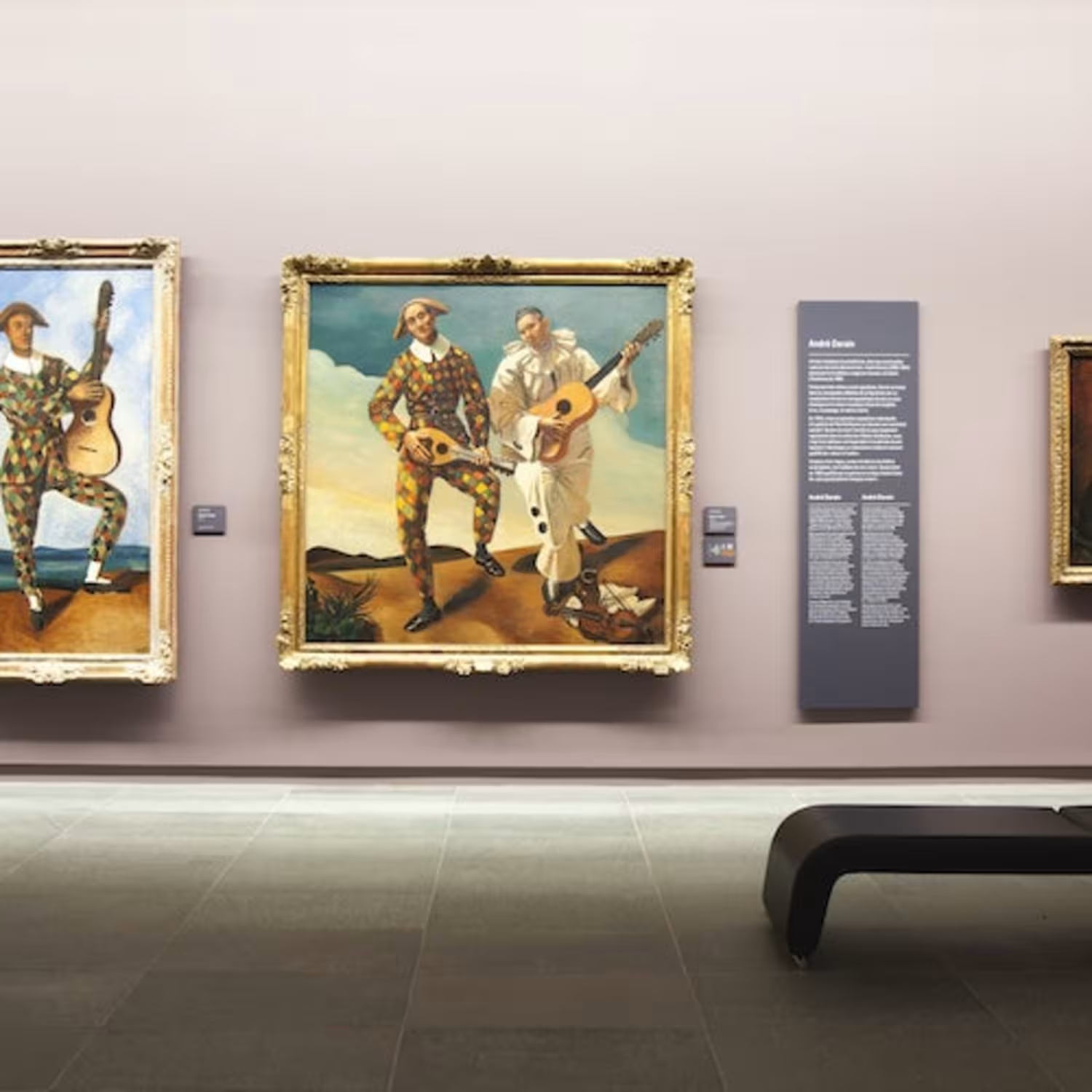
The lower-level galleries of the Musée de l’Orangerie
Photo: Brady Brenot, CC BY-SA 4.0, via Wikimedia Commons

The paintings downstairs were gathered by the dealer Paul Guillaume, who died in 1934. His widow, Domenica, married the architect Jean Walter, then reshaped the collection herself, selling some works and buying others. When the State acquired it in 1959 and 1963, she asked that it carry the names of both her husbands, and she kept the paintings until her death in 1977.

The building was altered twice to house it, and the Minister of Culture André Malraux inaugurated the first display in 1966.

The last transformation, from 2000 to 2006, brought natural light back to the Water Lilies and moved the collection into new galleries dug beneath the building. The museum reopened on 17 May 2006 and has been linked to the Musée d’Orsay since 2010.

Before You Step Into the Water Lilies Rooms

Start upstairs with Monet. The vestibule is there to slow you down before you enter, and the rooms are lit by daylight from the ceiling, as the painter wanted. Then take the stairs down to the Walter-Guillaume collection, laid out on the lower level, and allow one to two hours for both.
Tickets for the Musée de l'Orangerie

Highlights

Encounter the iconic Water Lilies series by Monet in unique oval rooms designed specifically for these masterpieces.

Explore permanent collections featuring artists like Cézanne, Matisse, Picasso, Renoir, and Rousseau.

Experience the museum’s peaceful and luminous atmosphere situated in the historic Tuileries Garden.

Enjoy current temporary exhibitions, such as Henri Rousseau’s show and Alexandre Lenoir’s presentation.

Benefit from skip-the-line entry with your ticket, ensuring a smoother visit.
Visit the Musée de l'Orangerie : Semi-private guided tour in English

Highlights

Experience skip-the-line admission to the Musée de l’Orangerie.

Enjoy a tour led by a skilled English-speaking guide.

Participate in an intimate small group visit.

Gain access to all entry fees included in the ticket price.
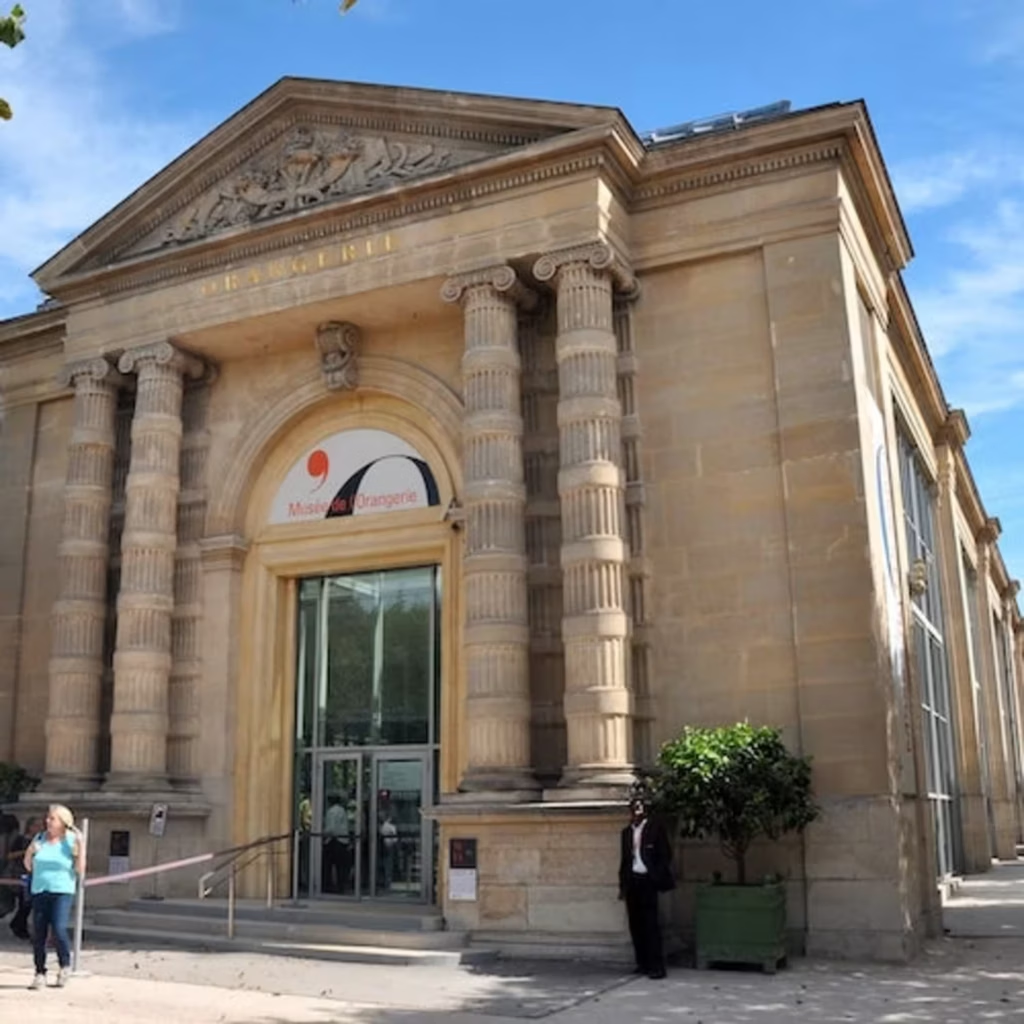
Questions About the Musée de l’Orangerie

Where is the Musée de l’Orangerie?

In the Tuileries Garden in Paris, on the terrace beside the Seine at the Place de la Concorde end.

Why is it called the Orangerie?

It was built in 1852 as a winter shelter for the orange trees of the Tuileries Palace garden.

How many Water Lilies panels are there?

Eight, each two metres high and 91 metres long in total, arranged in two oval rooms.

Why are the Water Lilies rooms oval?

Monet designed the setting with the architect Camille Lefèvre. The two ovals form the symbol of infinity and are lit from above.

When did the Water Lilies go on display?

The Musée Claude Monet opened at the Orangerie on 17 May 1927, a few months after Monet’s death.

What else is in the Musée de l’Orangerie?

The Walter-Guillaume collection: 148 paintings by artists including Renoir, Cézanne, Matisse, Picasso, Modigliani, Rousseau and Marie Laurencin.

Who was Domenica Walter?

The widow of the dealer Paul Guillaume and then of Jean Walter. She reshaped the collection and saw it pass to the State.

Is the Orangerie part of the Musée d’Orsay?

Since 2010 the two museums have been run by the same public institution, but they are separate buildings.

How long do you need at the Musée de l’Orangerie?

Most visitors spend one to two hours for the Water Lilies and the collection.

This website sells official tickets for this venue. Please note, however, that it is not the official website of the venue.

The images and videos on this website may contain visual elements that have been created or enhanced using AI technology. They are provided for illustrative purposes only.