We are processing your request.
Please, don’t close or refresh the page.
Paris Tickets Musee De Lorangerie Marie Laurencin
Marie Laurencin in her studio in 1932

Marie Laurencin: The Paris Painter Who Built a World of Women

Porcelain painter, Cubist, Ballets Russes designer and society portraitist, Marie Laurencin created a pastel world of women and animals entirely her own. Here is her story, and the paintings the Orangerie holds.

Who Was Marie Laurencin?

Marie Laurencin was a French painter and printmaker, and one of the few women at the heart of the Cubist circles of pre-war Paris. After the First World War she found a style of her own: pale pinks, greys and blues, slender women, dogs, horses and deer. Paul Guillaume was her dealer for a time in the 1920s and his wife Domenica became her friend, which is why the Musée de l’Orangerie and its Water Lilies now hold a group of her finest paintings.

Marie Laurencin in Brief

She was raised in Paris by her mother, and her father paid for her education.

At 18 she studied porcelain painting in Sèvres, then oil painting at the Académie Humbert.

She held her first solo exhibition in 1907, the same year she met the painters of the Bateau-Lavoir.

She showed with the Cubists at the Salon des Indépendants and the Salon d’Automne, and in the first Cubist exhibition in Spain.

She designed sets and costumes for the Ballets Russes.

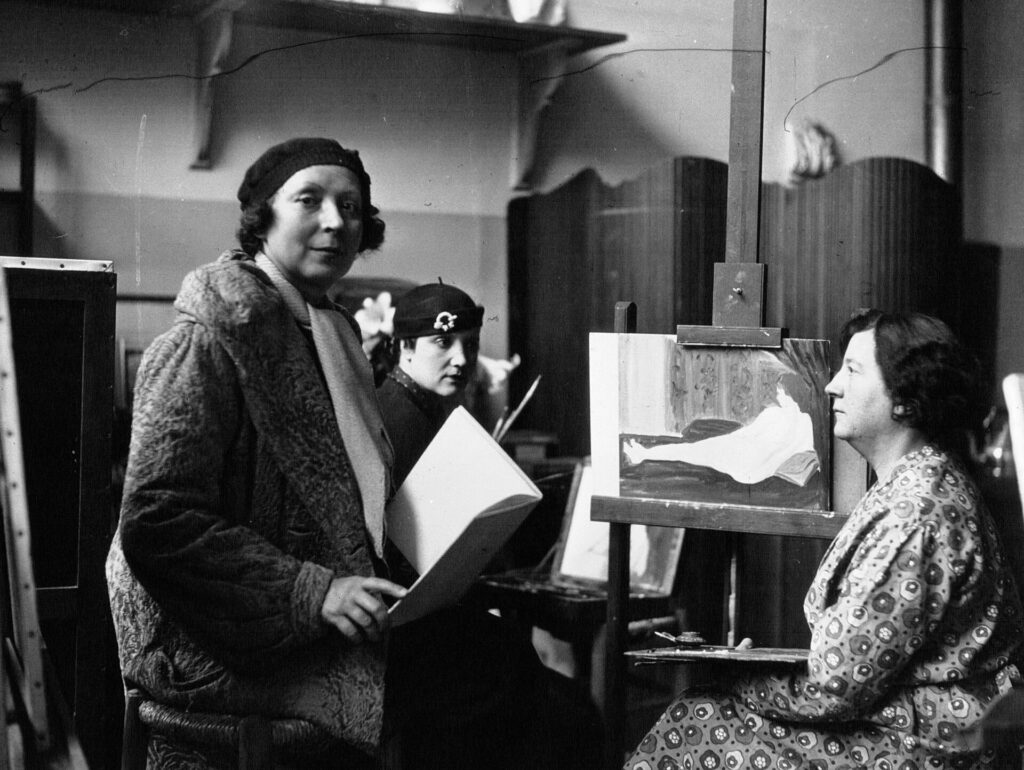
In the 1930s she taught painting at a private school in Paris.

From Porcelain Painting to the Paris Avant-Garde
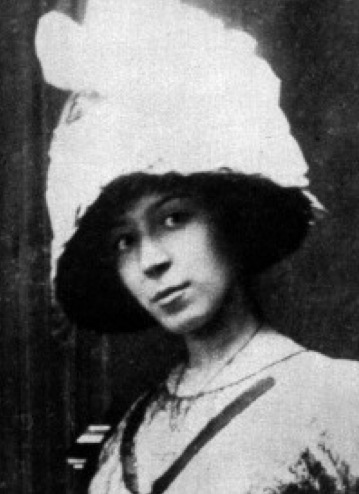
Marie Laurencin in Paris around 1912

Laurencin began by painting porcelain, took drawing classes at a city art school and then enrolled at the Académie Humbert, where she switched to oil. In 1907 she held her first solo show and joined the group around the Bateau-Lavoir in Montmartre.

For a while she was drawn to Fauvism, then simplified her forms under the influence of Cubism. She exhibited alongside Metzinger, Gleizes and Delaunay, and from 1910 her palette settled on grey, pink and soft pastel tones. She was close to Georges Braque, and had a relationship with the poet Guillaume Apollinaire until 1912.

She later distanced herself from the movement. In a 1923 interview she said Cubism had poisoned three years of her life, because the influence of the men around her had kept her from doing her own work.

Exile, Return and Les Biches

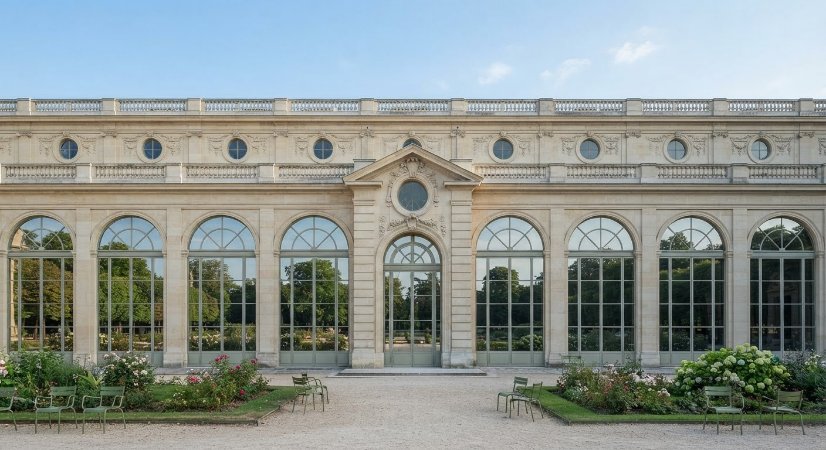
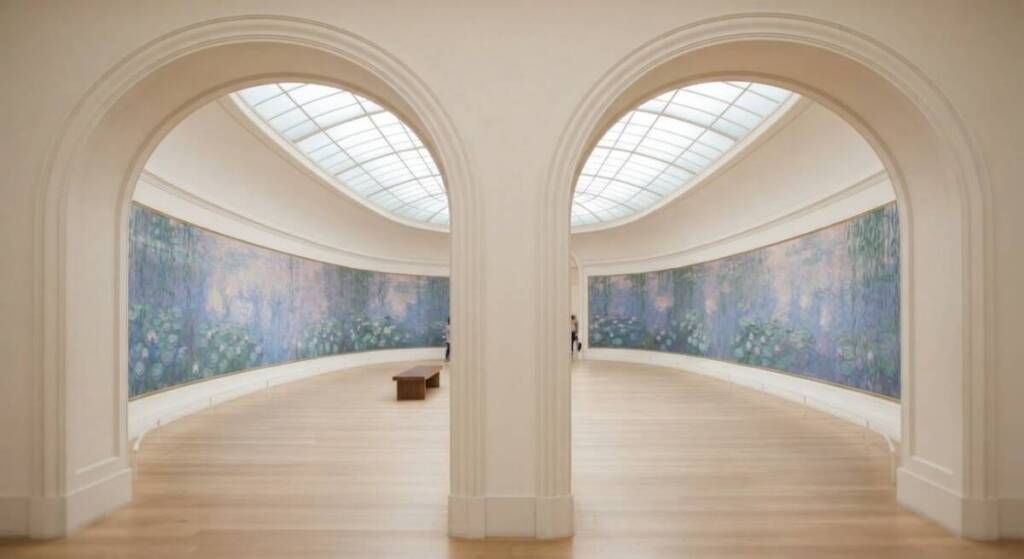
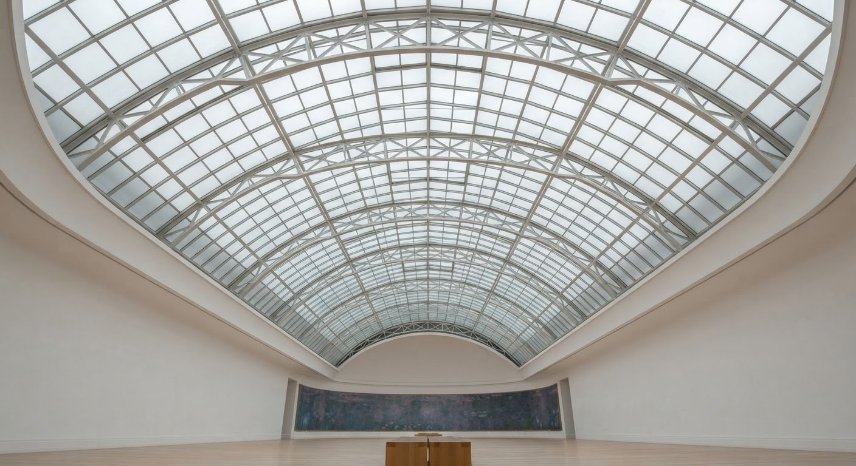
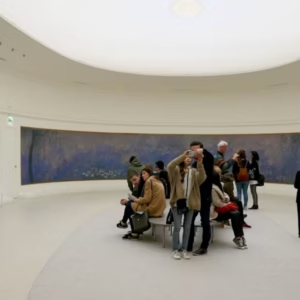
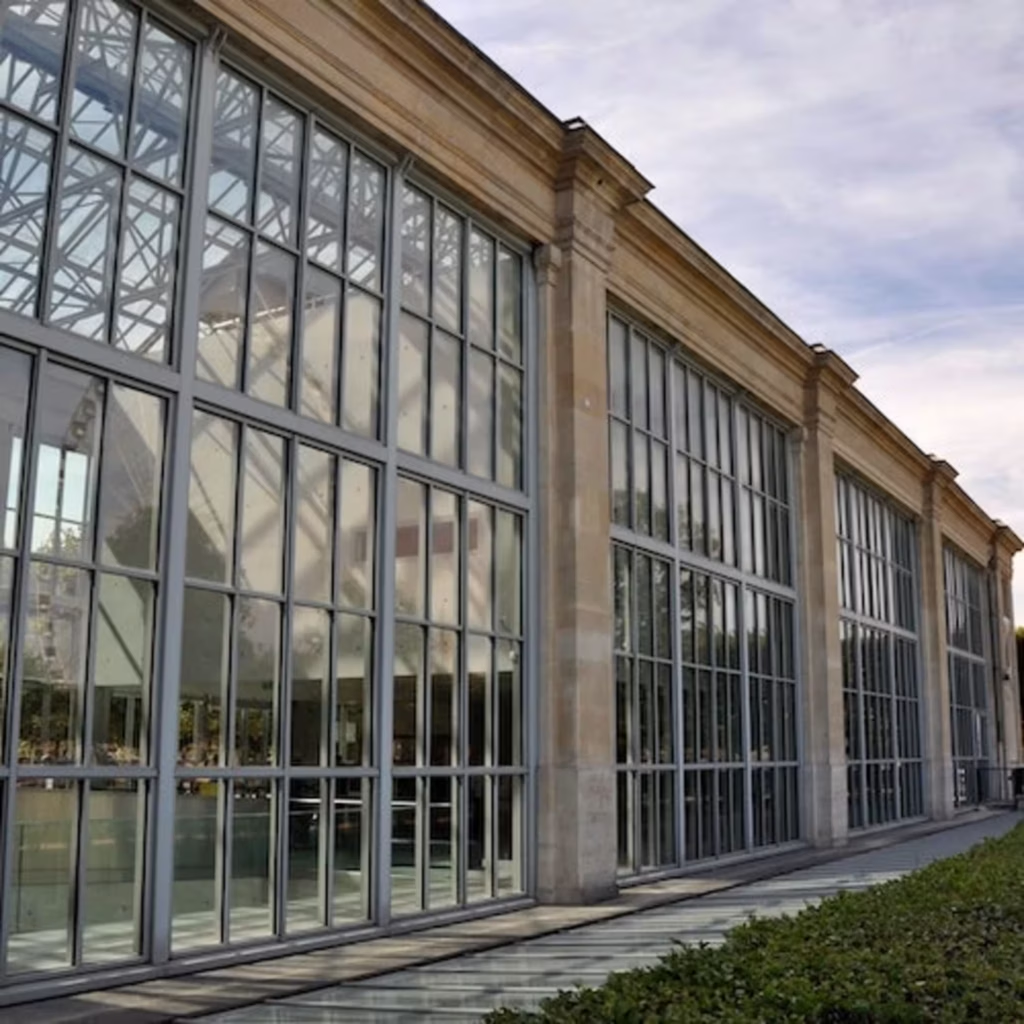
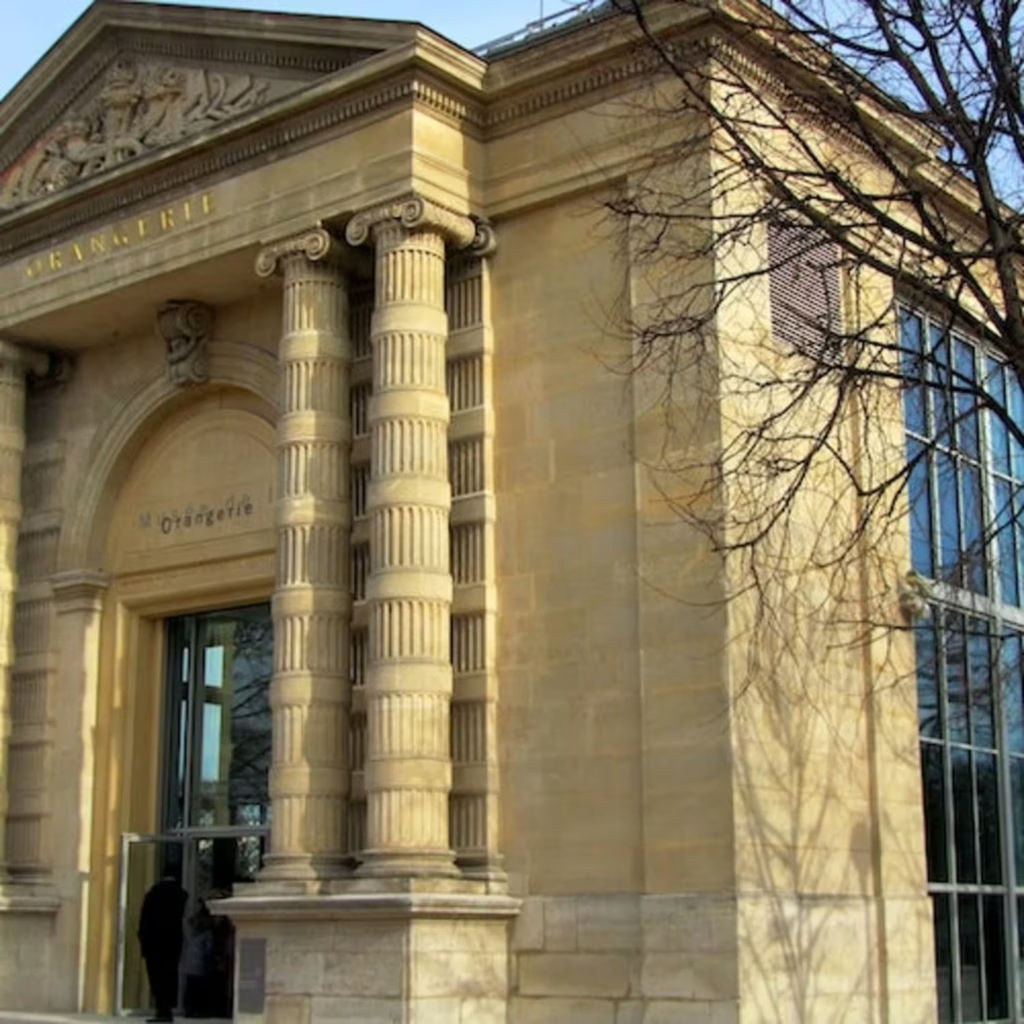
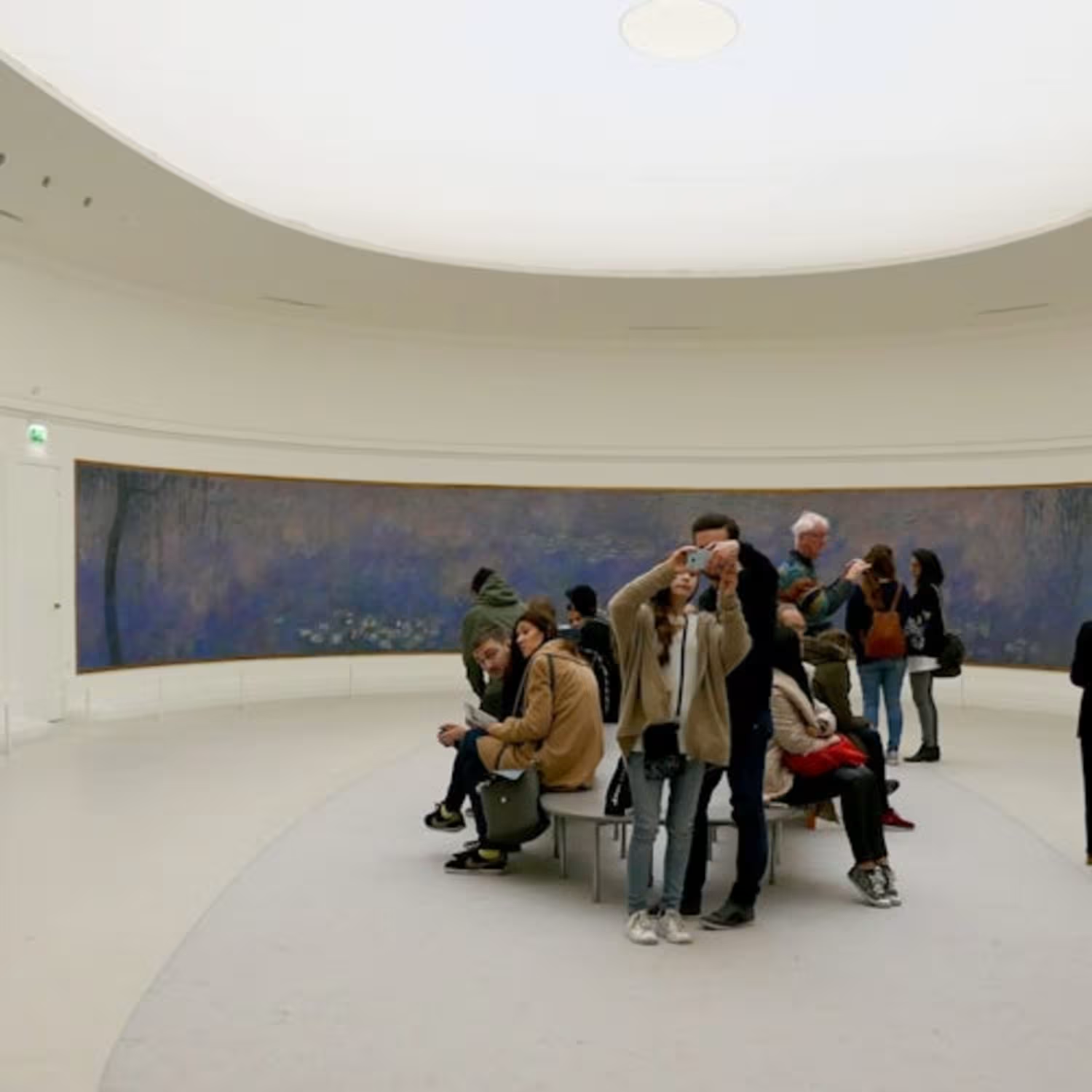
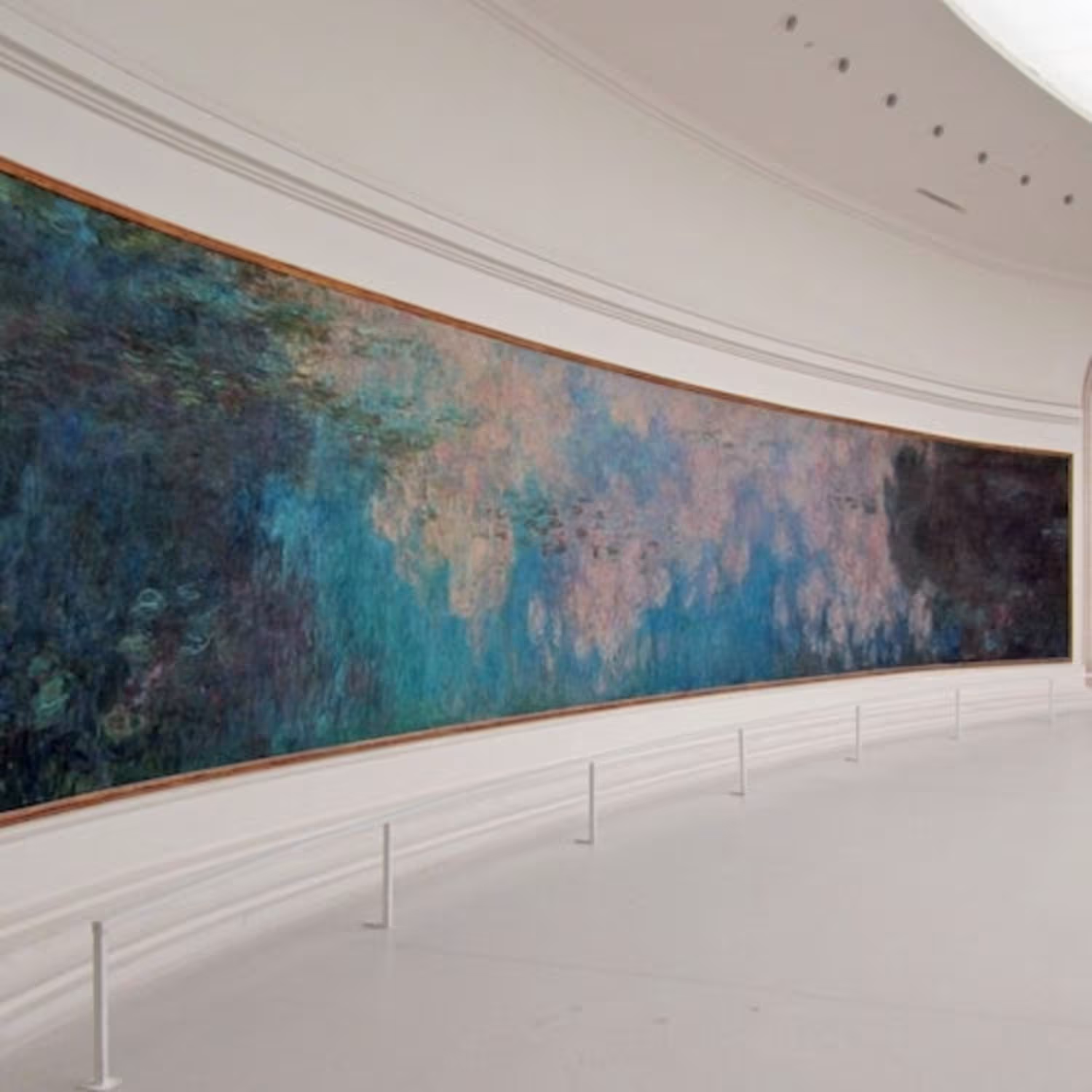
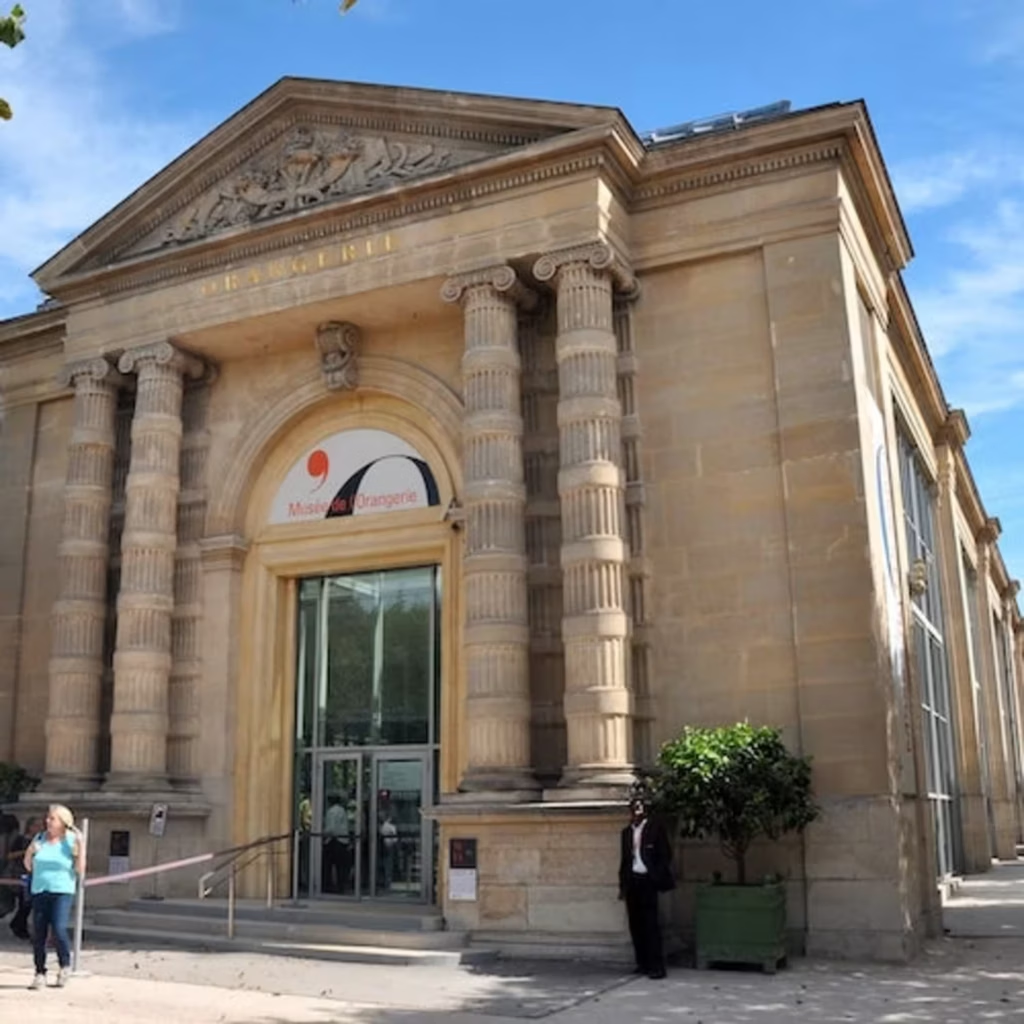
Inside the Musée de l’Orangerie

In the summer of 1914 she married a German baron, Otto von Wätjen, and automatically lost her French nationality. The war forced her into exile, mainly in Spain, then in Switzerland and Germany, and cut her off from her dealers. She did not settle back in France until 1921.

Back in Paris her painting changed. The muted colours and Cubist geometry gave way to light tones and flowing compositions, and women and animals became her favourite theme.

In 1923 Serge de Diaghilev, on the advice of the composer Francis Poulenc, asked her to design the sets and costumes for the ballet Les Biches. It opened in Monte-Carlo on 6 January 1924, and she saw her part in it as an artistic manifesto.

Portraits, Coco Chanel and a World Without Men
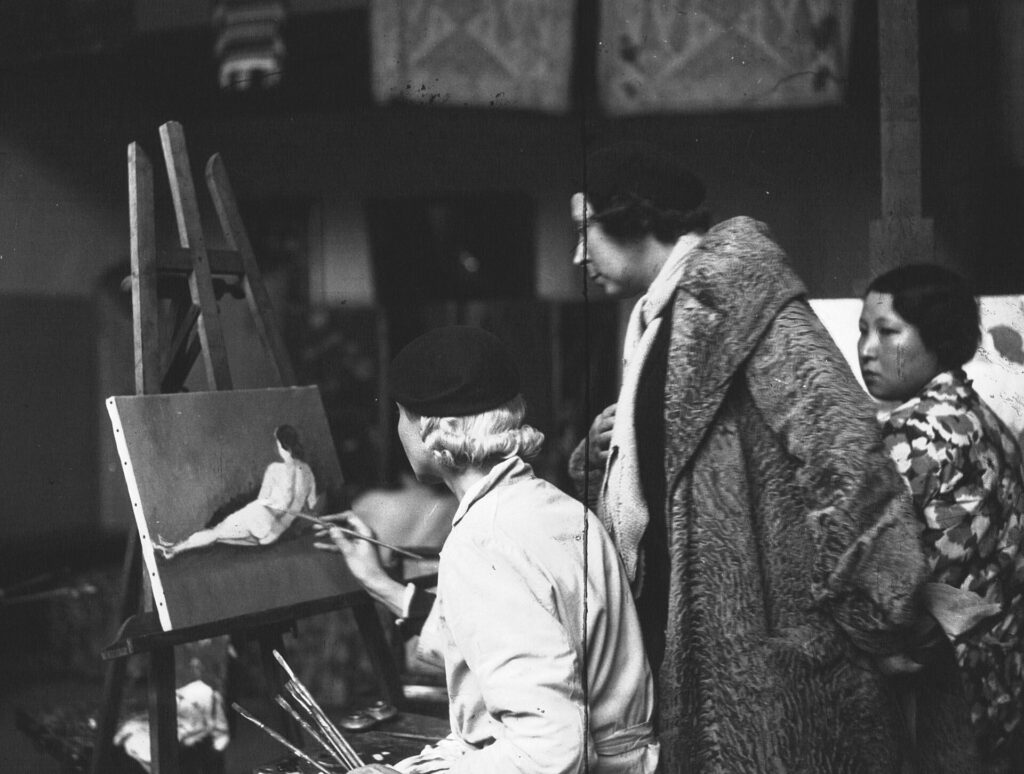
Marie Laurencin with her students in her studio in 1932

In the 1920s Laurencin became a sought-after portraitist of Parisian society. Coco Chanel commissioned a portrait in 1923, then disliked it and refused to pay. Laurencin, furious, would not paint her a second one and kept the first. Domenica Guillaume’s portrait, painted around 1928, is unusual in her work for how closely it captures a real face.

She had relationships with both men and women, including a bond of some forty years with the fashion designer Nicole Groult. The art historian Elizabeth Otto describes her paintings as a world without men, of female harmony.

Her success lasted until the Depression of the 1930s, a decade in which she also taught painting. She lived in Paris for the rest of her life and died there in 1956.

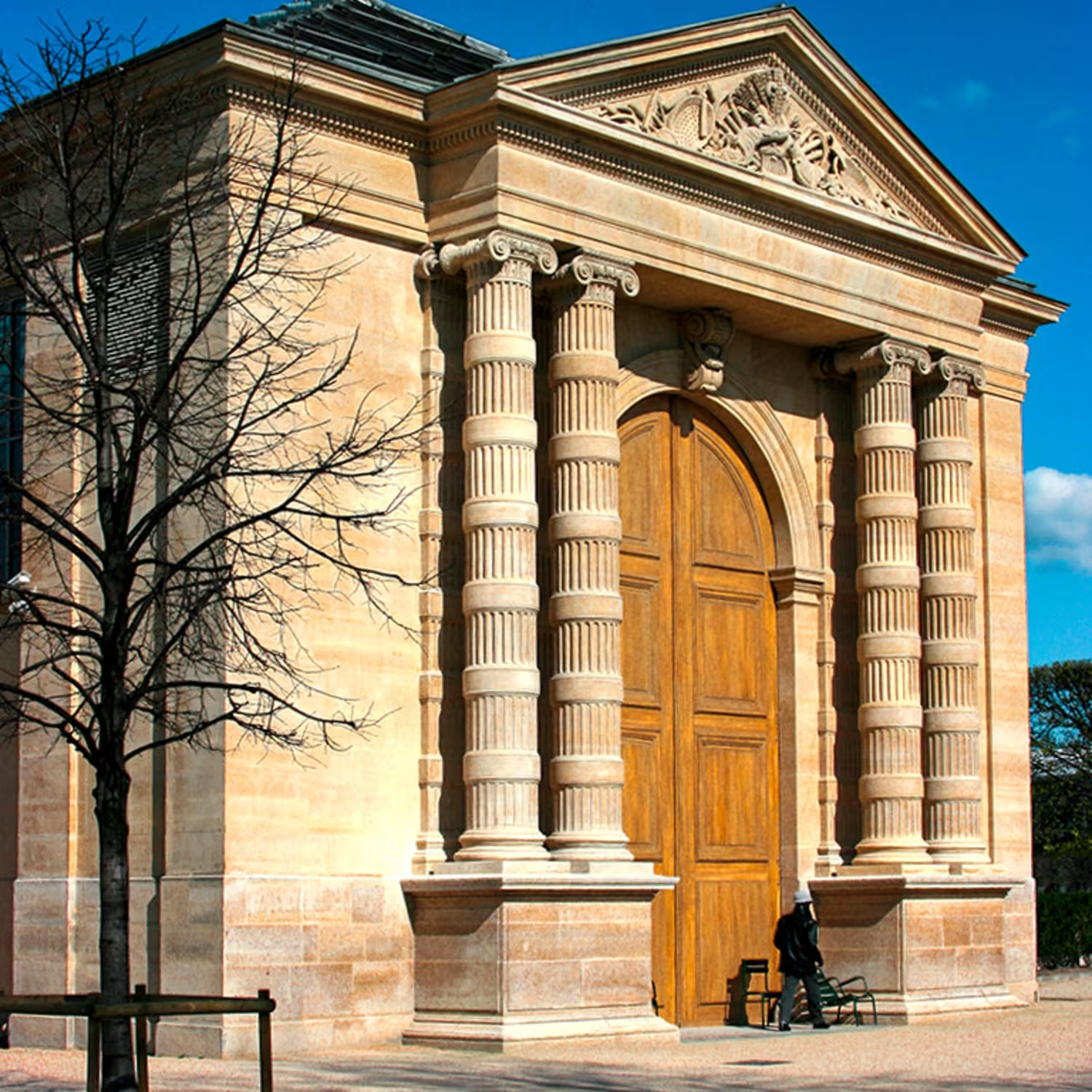
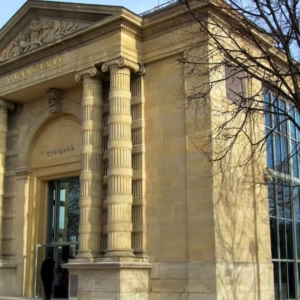
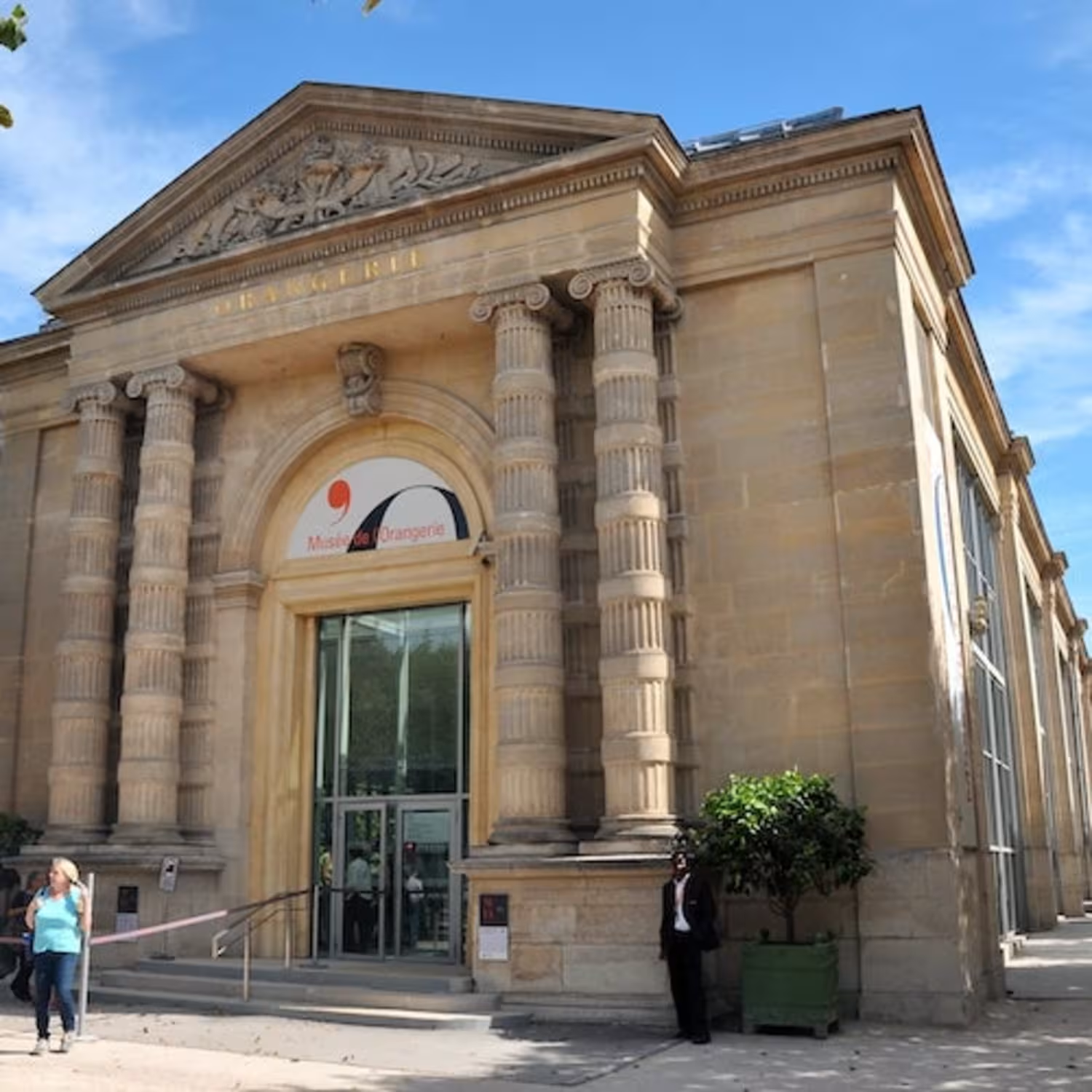
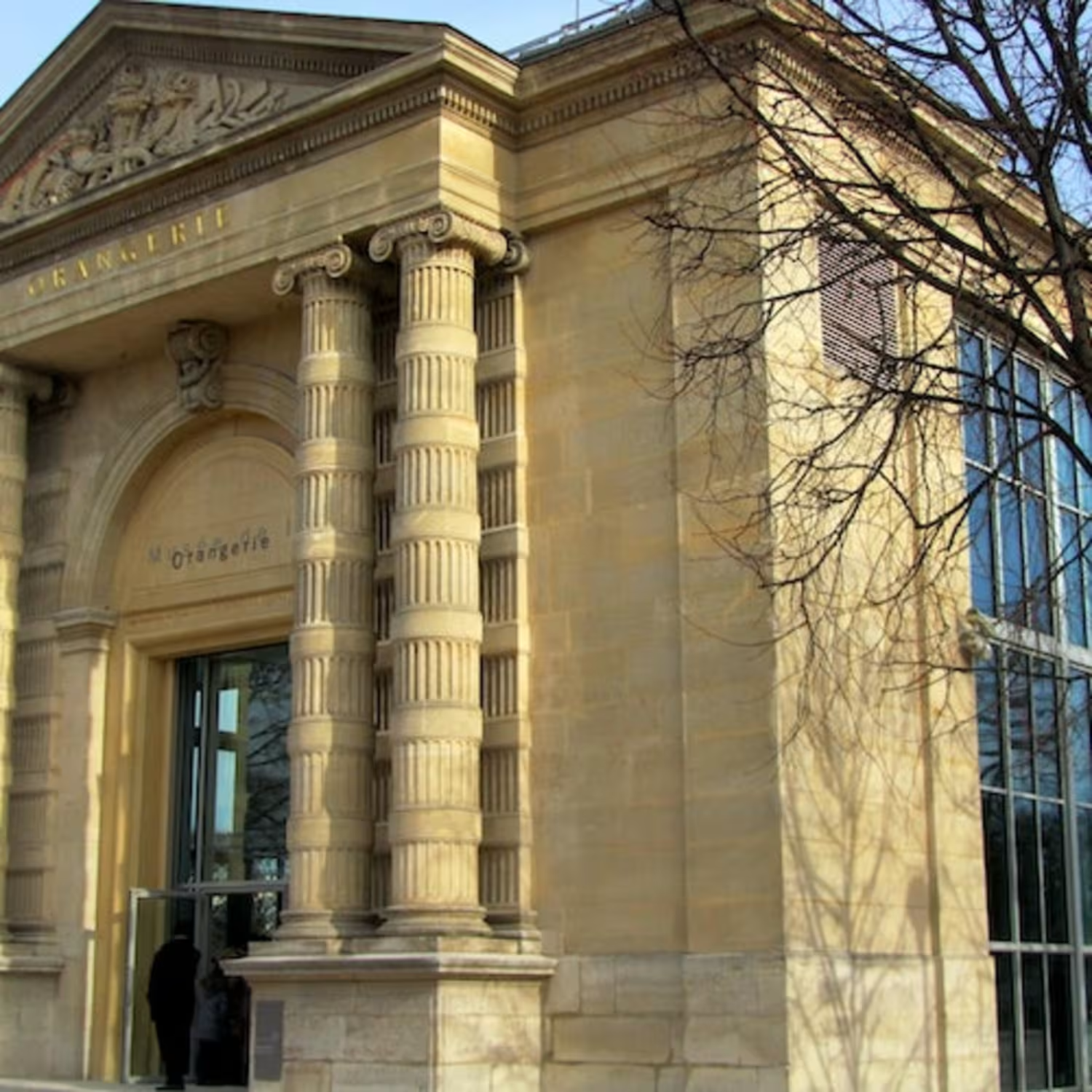
Finding Marie Laurencin at the Musée de l’Orangerie

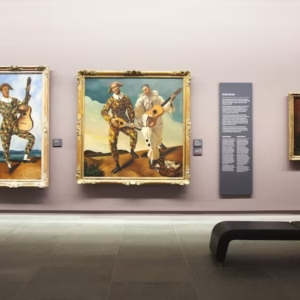
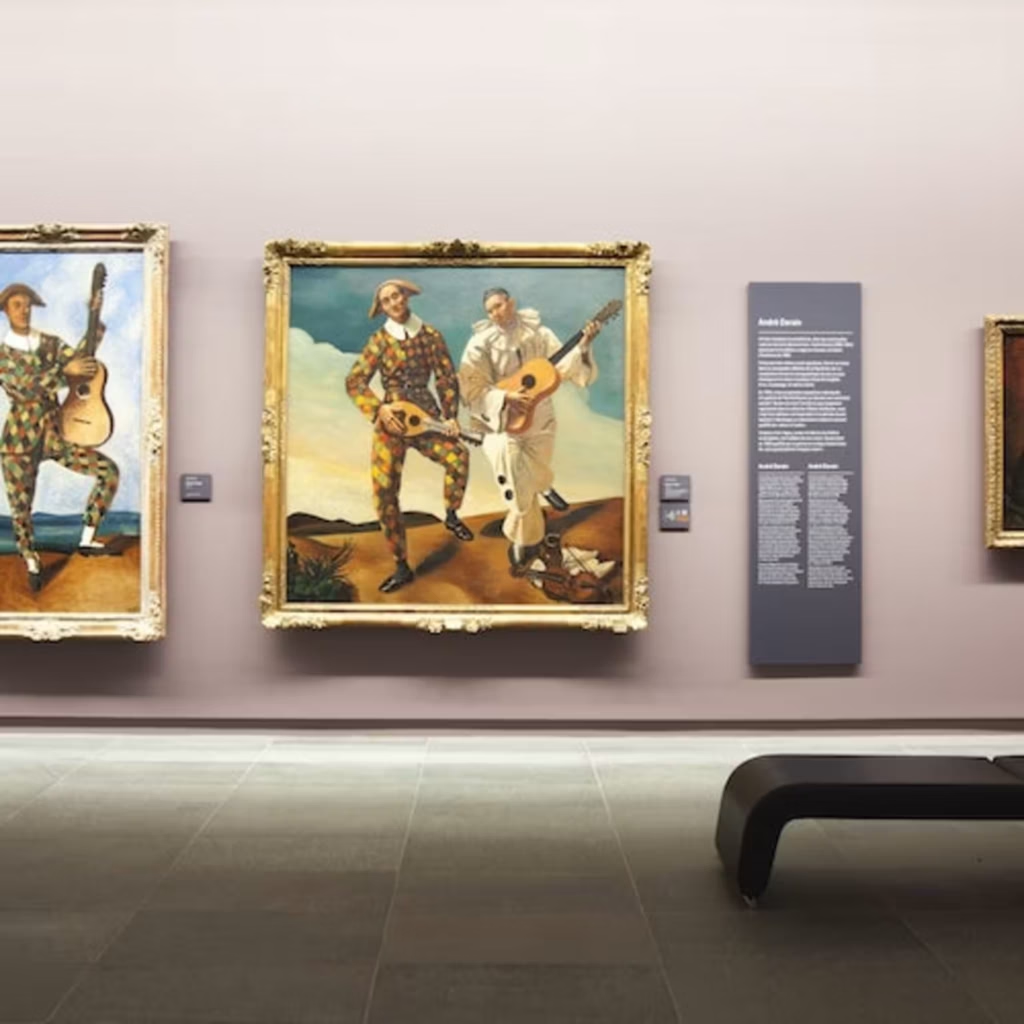
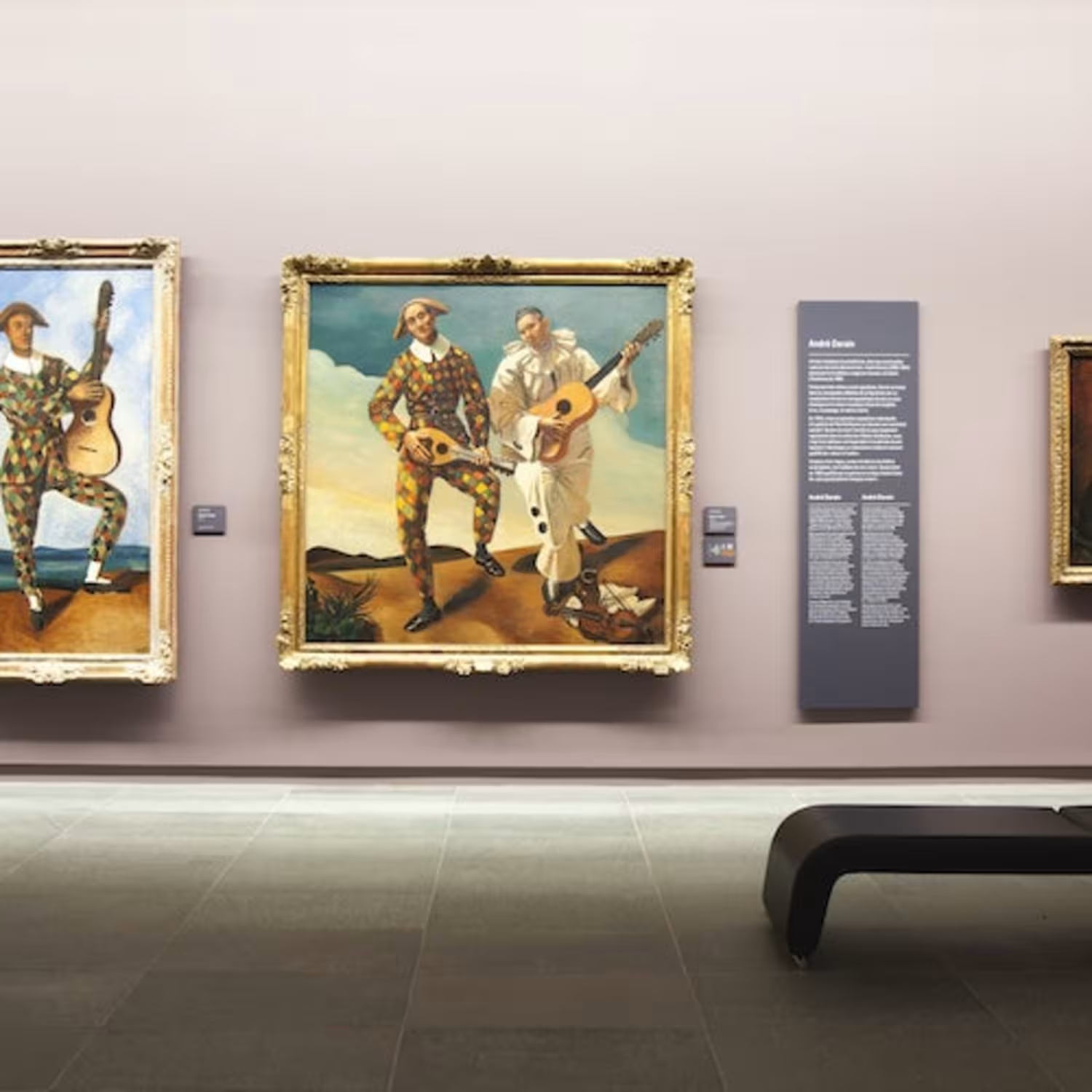
Her paintings belong to the Walter-Guillaume collection on the lower level, below the Water Lilies. Displays change, so check the museum’s current hang before you go. At the last check, the Chanel portrait and Spanish Dancers were not on display, while Les Biches, Femmes au chien and the portrait of Domenica were not marked as off view.
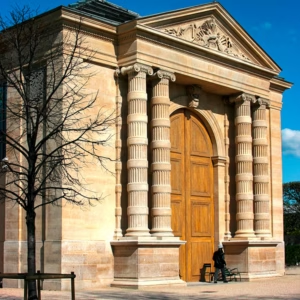
Tickets for the Musée de l'Orangerie

Highlights

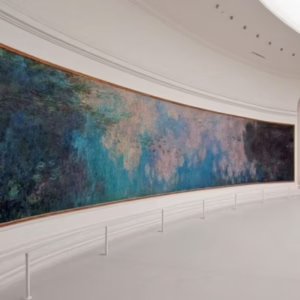
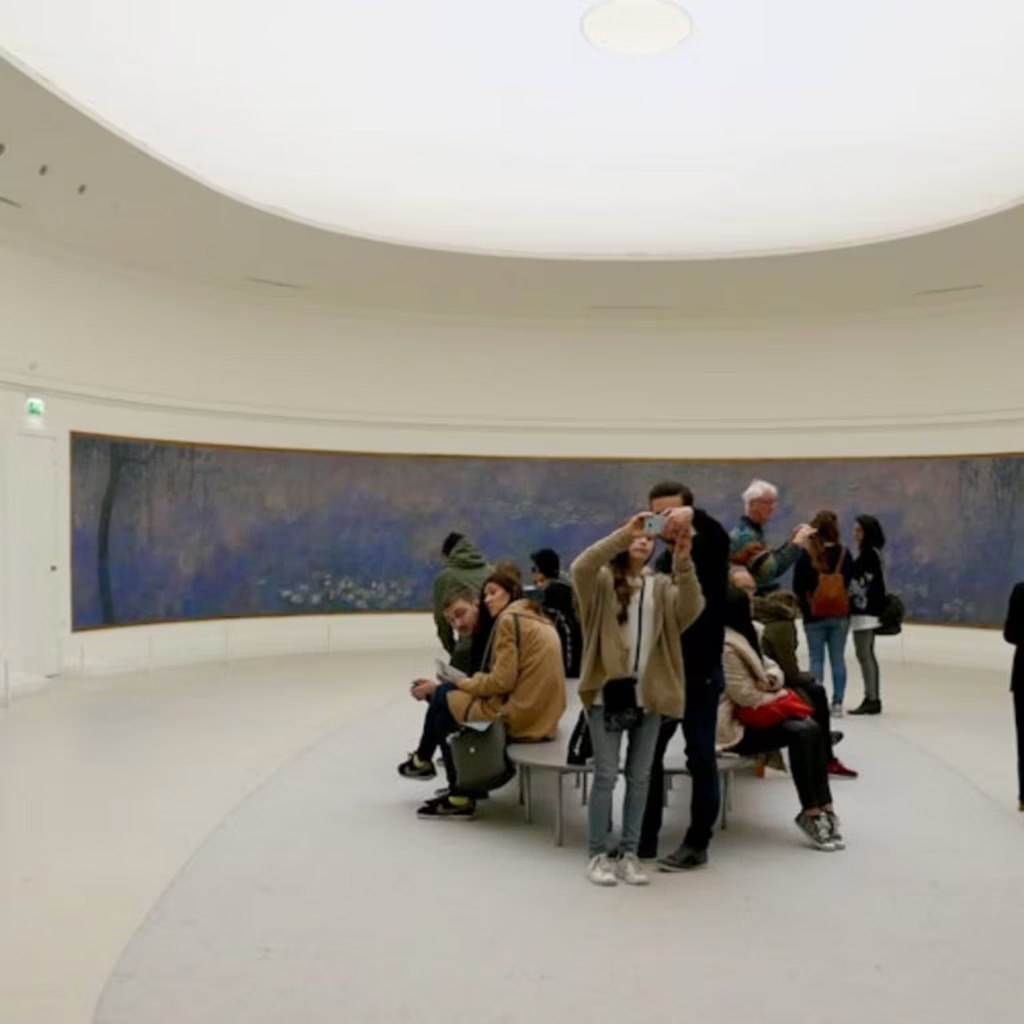
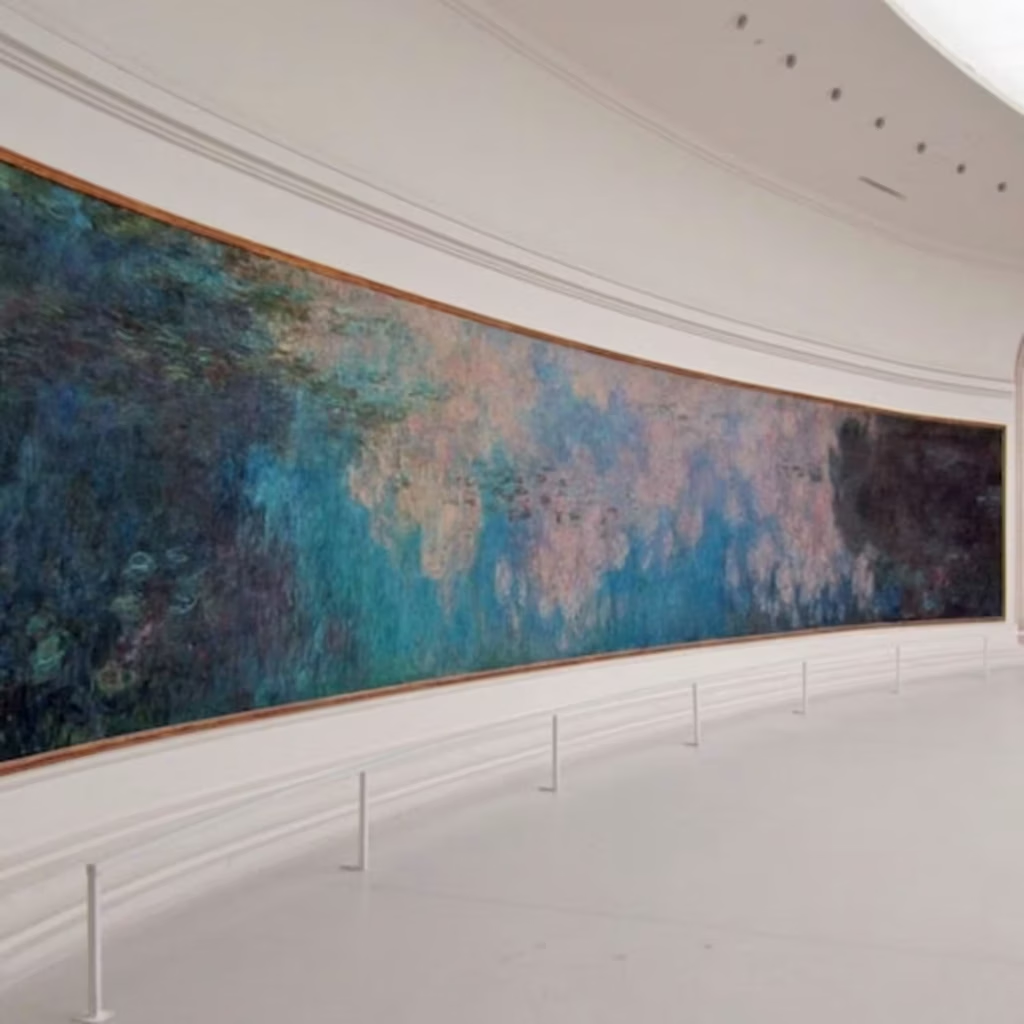
Encounter the iconic Water Lilies series by Monet in unique oval rooms designed specifically for these masterpieces.

Explore permanent collections featuring artists like Cézanne, Matisse, Picasso, Renoir, and Rousseau.

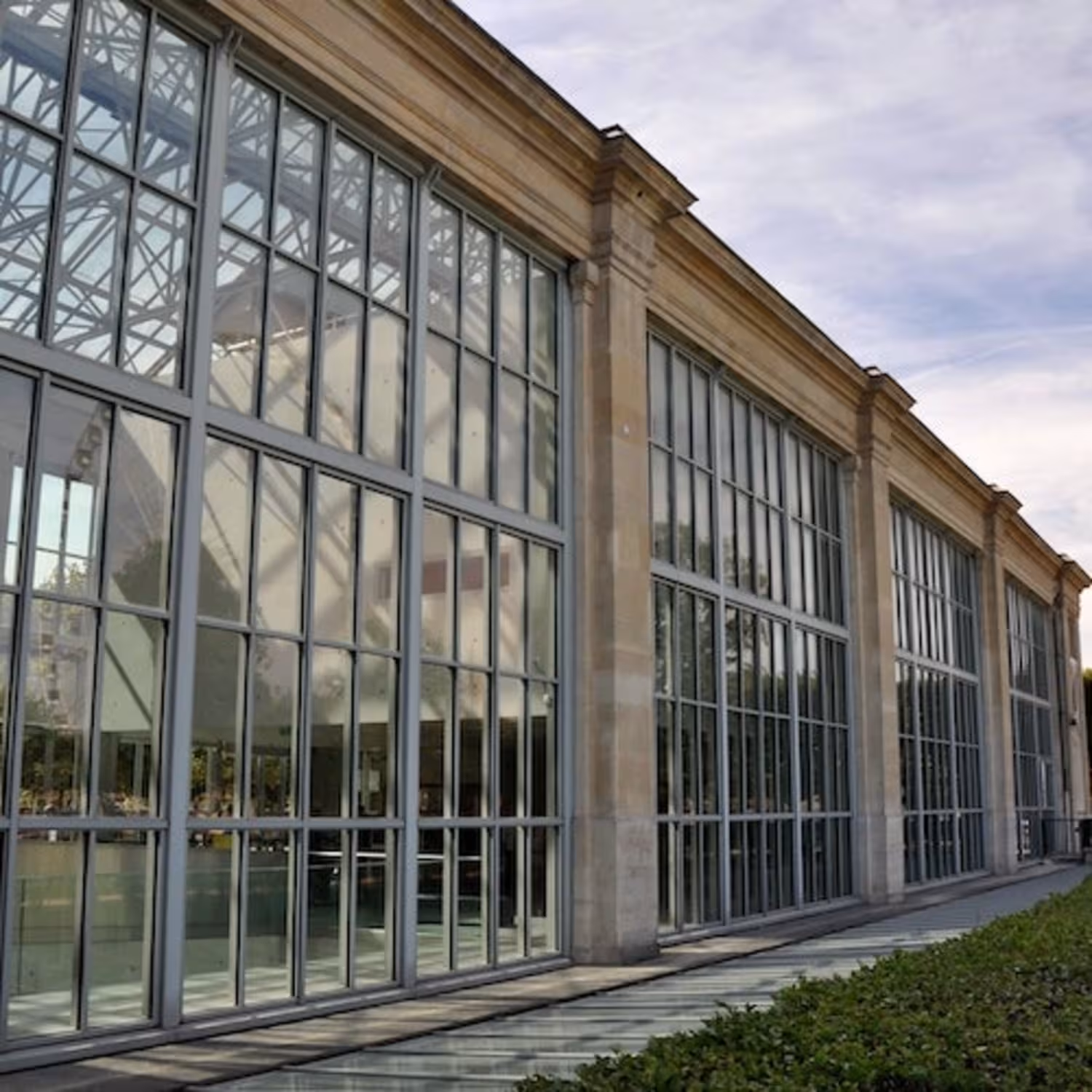
Experience the museum’s peaceful and luminous atmosphere situated in the historic Tuileries Garden.

Enjoy current temporary exhibitions, such as Henri Rousseau’s show and Alexandre Lenoir’s presentation.

Benefit from skip-the-line entry with your ticket, ensuring a smoother visit.
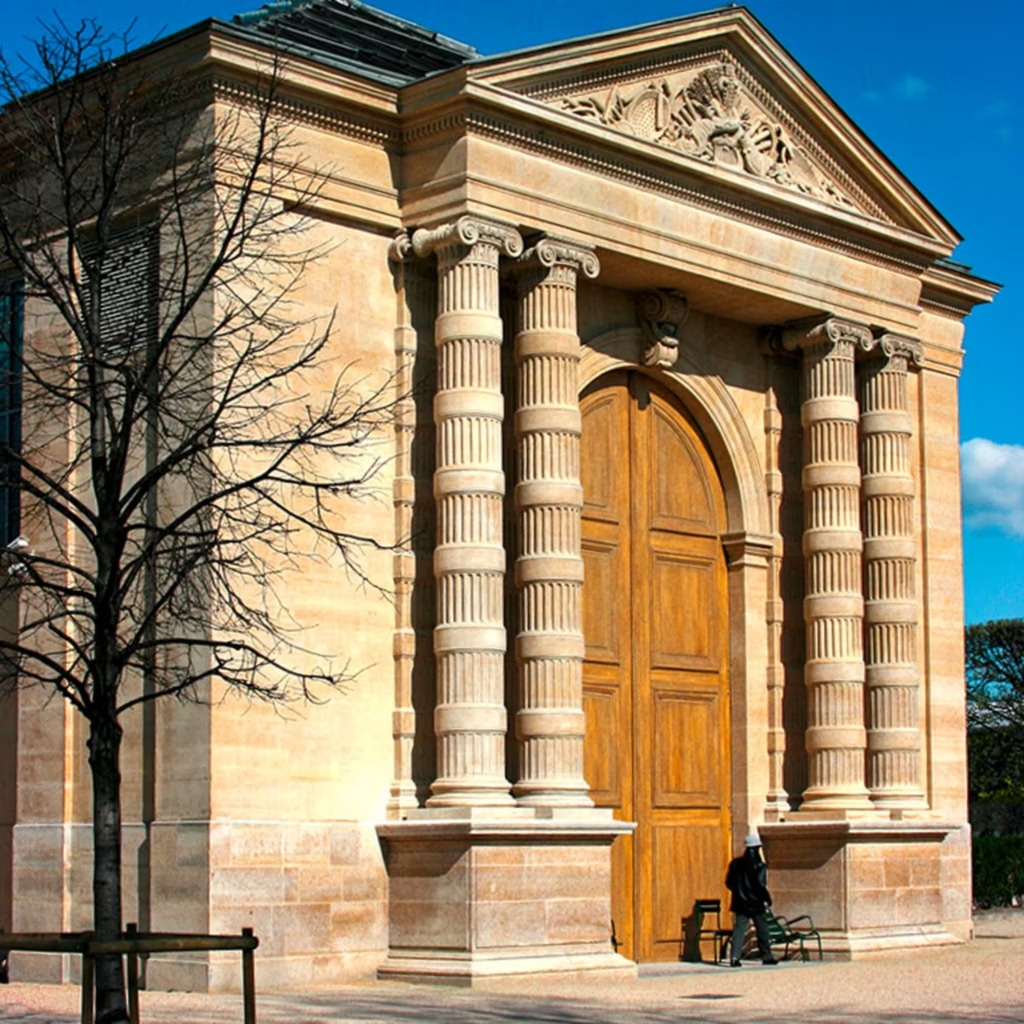
Visit the Musée de l'Orangerie : Semi-private guided tour in English

Highlights

Experience skip-the-line admission to the Musée de l’Orangerie.

Enjoy a tour led by a skilled English-speaking guide.

Participate in an intimate small group visit.

Gain access to all entry fees included in the ticket price.
Questions About Marie Laurencin

Who was Marie Laurencin?

A French painter and printmaker, born in Paris in 1883, known for her pastel paintings of women and animals and her work with the Cubists.

Was Marie Laurencin a Cubist?

She exhibited with the Cubists before the First World War, but later distanced herself and developed her own lighter style.

Where can I see Marie Laurencin’s paintings in Paris?

The Musée de l’Orangerie holds several of her paintings in the Walter-Guillaume collection. Check the current display before visiting.

Did Marie Laurencin paint Coco Chanel?

Yes, in 1923. Chanel disliked the portrait and refused to pay for it, so Laurencin kept it. It now belongs to the Orangerie.

What is Les Biches?

A ballet by Francis Poulenc for the Ballets Russes, first performed in 1924, for which Laurencin designed the sets and costumes.

Why did Marie Laurencin leave France?

Her marriage to a German baron in 1914 cost her French nationality, and the war kept her in exile until 1921.

When did Marie Laurencin die?

On 8 June 1956 in Paris, the city where she lived most of her life.

This website sells official tickets for this venue. Please note, however, that it is not the official website of the venue.

The images and videos on this website may contain visual elements that have been created or enhanced using AI technology. They are provided for illustrative purposes only.