We are processing your request.
Please, don't close or refresh the page.
Home » Dalí Paris Tickets – Book Your Tickets Online » Dalí Paris: Location and How to Get There
dali-1

Dalí Paris: Location and How to Get There

Dalí Paris: Location and How to Get There

Navigating the cobblestone labyrinth of Montmartre to reach Dalí Paris is an essential part of the surrealist experience, as the museum is tucked away on a quiet side street just steps from the vibrant Place du Tertre. Whether you choose the scenic route via the historic funicular or a brisk walk past the neighborhood’s famous artist studios, arriving at this hilltop sanctuary requires a bit of planning to bypass the typical tourist crowds. Understanding the best transit links and pedestrian shortcuts ensures that your journey to 11 Rue Poulbot is as smooth and inspired as the masterpieces waiting within.

How to Get to Dalí Paris

Dalí Paris is situated in the heart of the city, making it easily accessible by various modes of transportation. Visitors have multiple options to reach the museum, ensuring convenience regardless of their preferred travel method.

Driving to Dalí Paris is generally discouraged due to the historic, narrow, and often pedestrian-only streets of the Montmartre "Butte." There is no parking available directly in front of the museum, and navigating the steep incline can be challenging for those unfamiliar with the area. If you must drive, it is best to park in a secure underground lot at the base of the hill, such as the Parking Indigo Paris Montmartre on Rue Caulaincourt, and complete the final leg of your journey on foot or via the funicular.

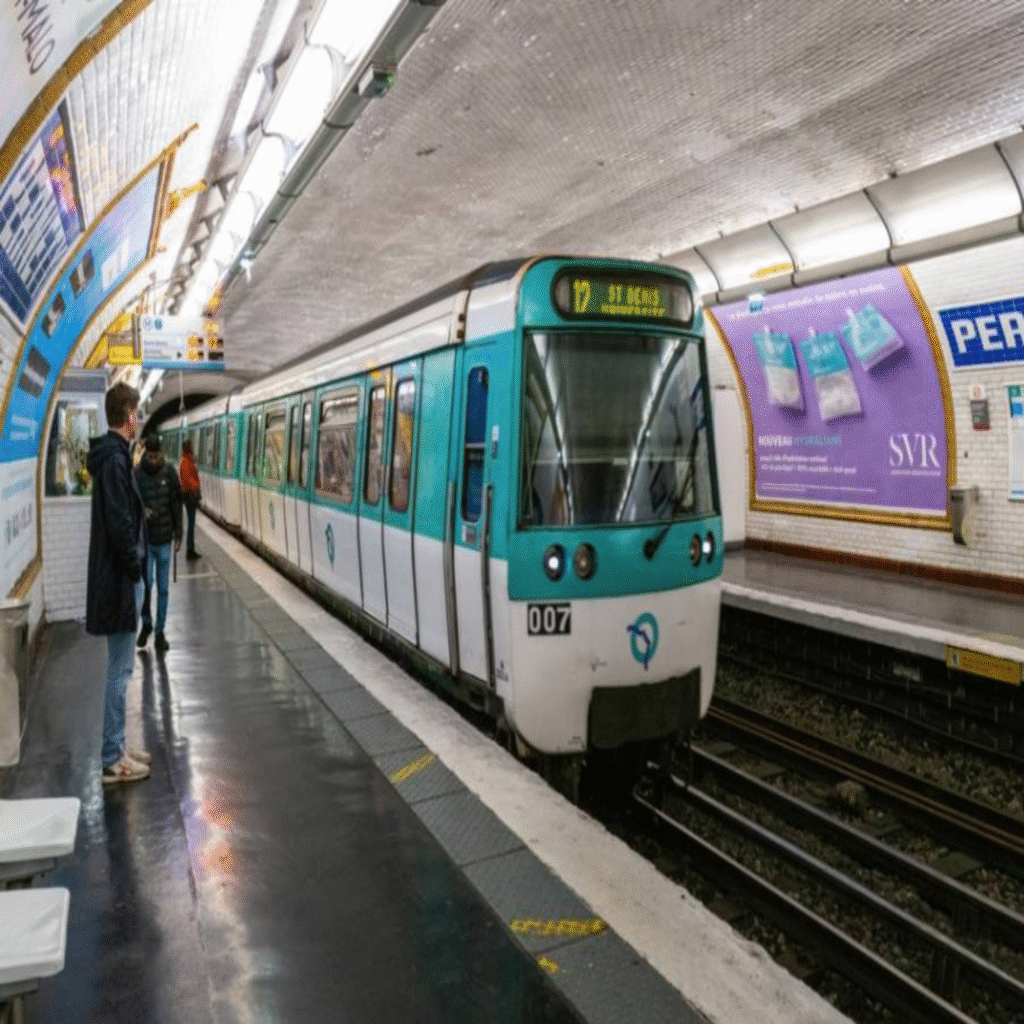
The Paris Metro offers the most reliable access to the museum, with several lines serving the surrounding neighborhood. Visitors can take Line 12 to the Abbesses or Lamarck-Caulaincourt stations, both of which put you within a scenic 5-to-10-minute walk of the gallery. Alternatively, Line 2 stops at Anvers, which is the ideal starting point for those who wish to take the famous Montmartre Funicular up to the Sacré-Cœur before making the short two-minute stroll to Rue Poulbot.

Several bus routes provide convenient access to the 18th Arrondissement, allowing you to avoid the steep stairs of the metro stations. Lines 54 and 80 stop near the base of the hill, but for a more direct route, the "Le Petit Train de Montmartre" or the local Montmartrobus (Line 40) are excellent choices. These smaller shuttles are specifically designed to navigate the winding heights of the district, dropping passengers off just a short distance from the Place du Tertre and the museum entrance.

For travelers arriving from outside the city or via the RER, the Gare du Nord is the closest major rail hub, located approximately 20 minutes away by public transit. From the station, you can easily transfer to Metro Line 2 or catch a quick taxi or rideshare. The proximity to this international gateway makes Dalí Paris an accessible destination for day-trippers coming in from London, Brussels, or other regions of France via the TGV.

Cycling to Montmartre is a great option for those with a bit of stamina, as the climb to the museum is one of the steepest in Paris. There are several Vélib' Métropole docking stations located at the bottom of the hill near the Anvers and Abbesses stations where you can leave your bike before walking up. For those on e-bikes, there are limited racks near the Place du Tertre, but be mindful of the heavy pedestrian traffic in the area, especially during peak afternoon hours.

Walking is arguably the best way to experience the bohemian charm of the area while heading to Dalí Paris. From the Place du Tertre, the museum is a mere 100-foot stroll down a picturesque side street, making it an easy addition to any walking tour of the Sacré-Cœur. This pedestrian approach allows you to soak in the atmosphere of the local artist stalls, hidden vineyards, and historic cafes that inspired Dalí and his contemporaries throughout the 20th century.

Tickets for Dalí Paris

Highlights

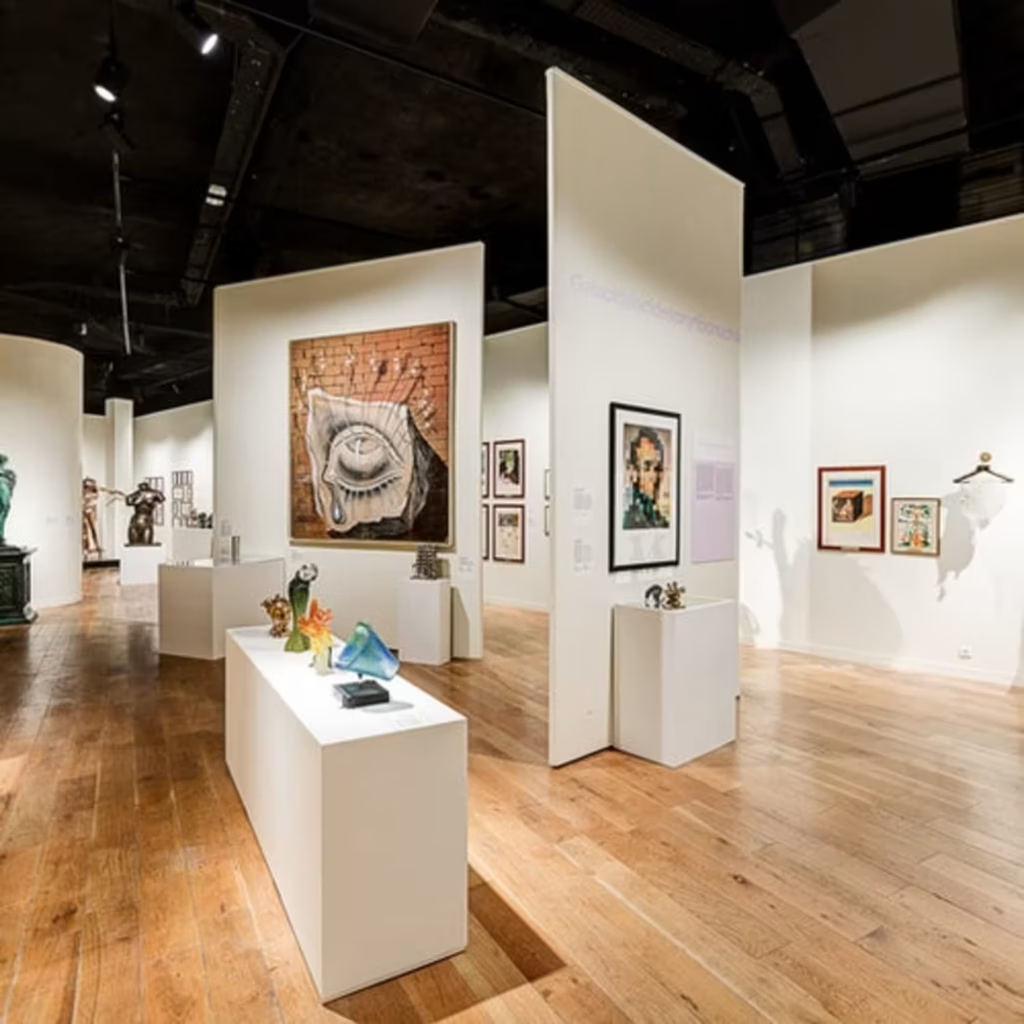
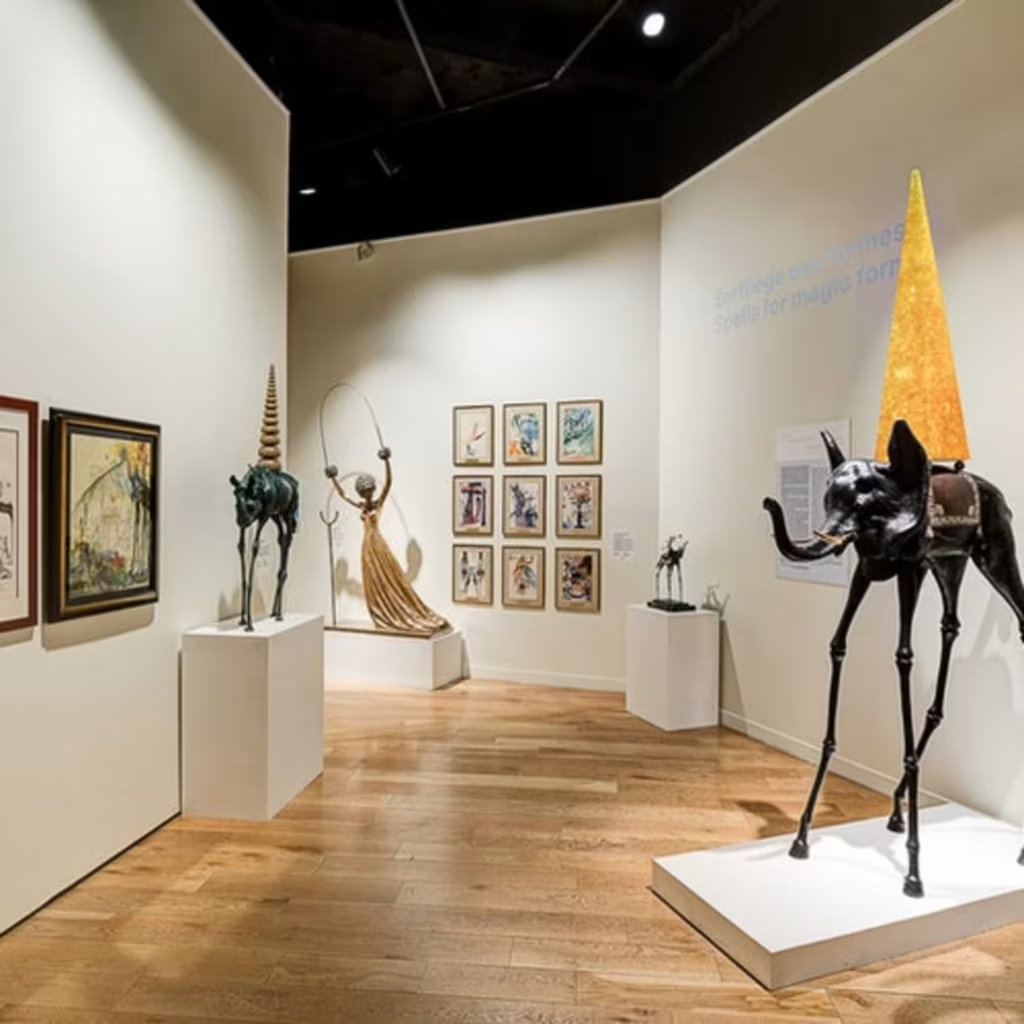
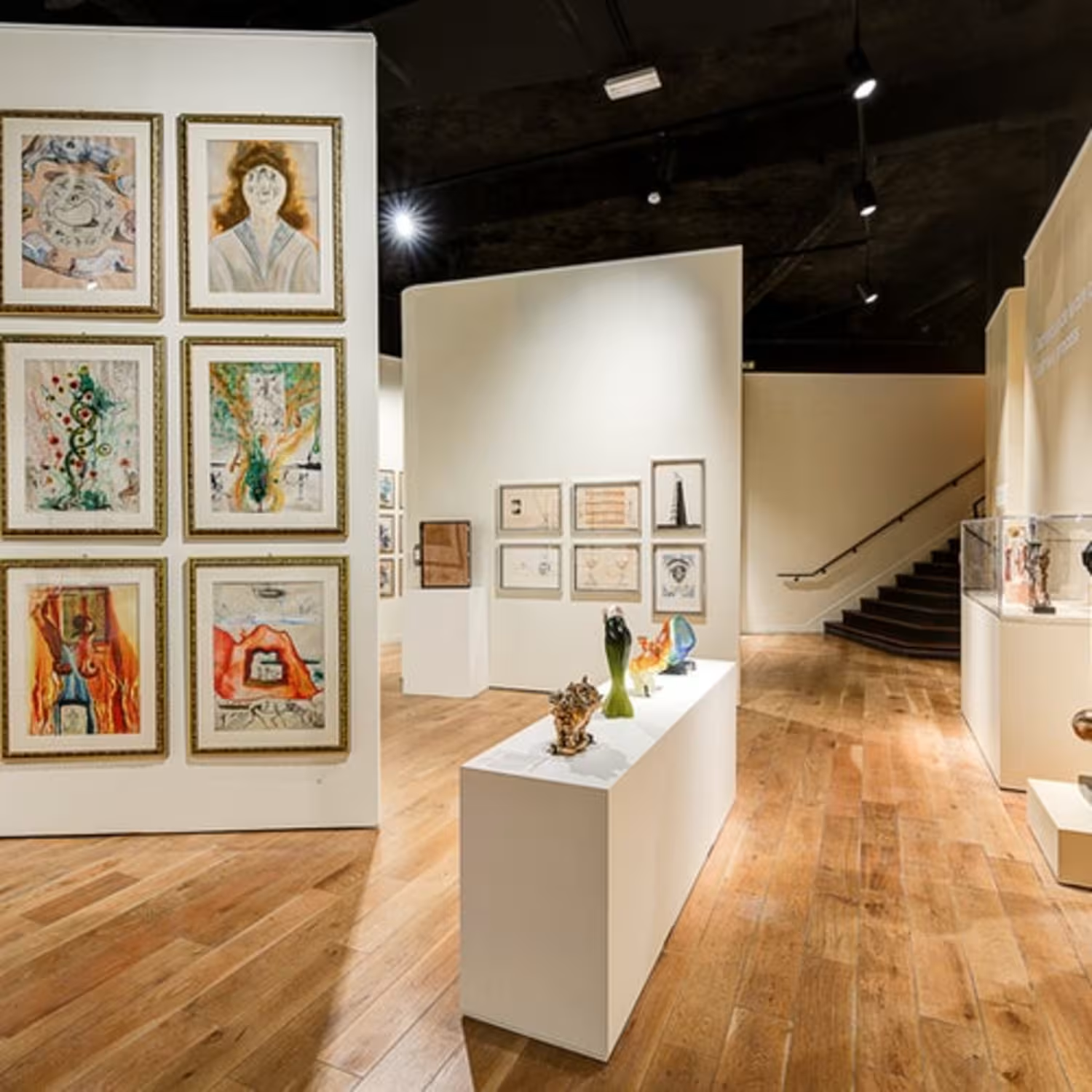
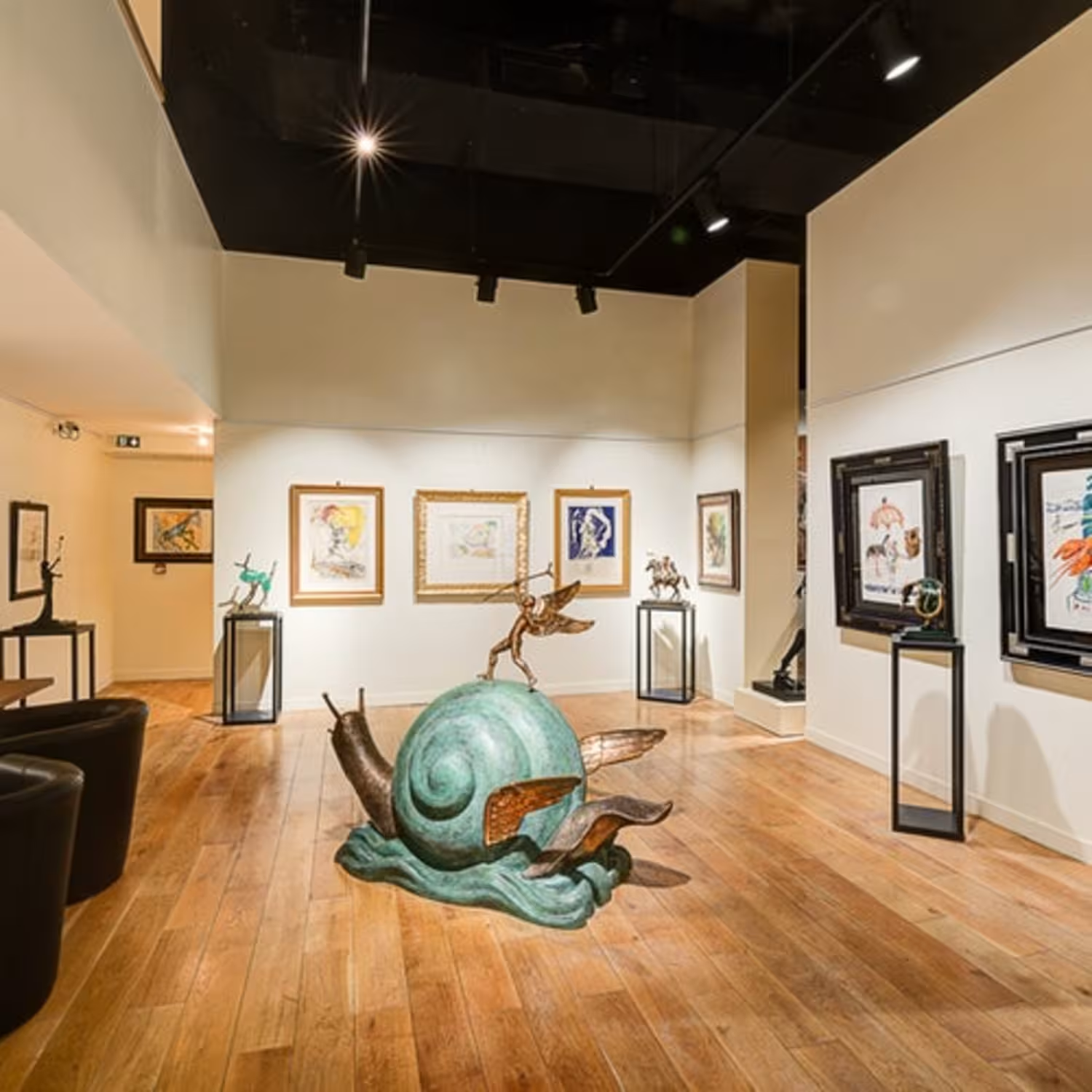
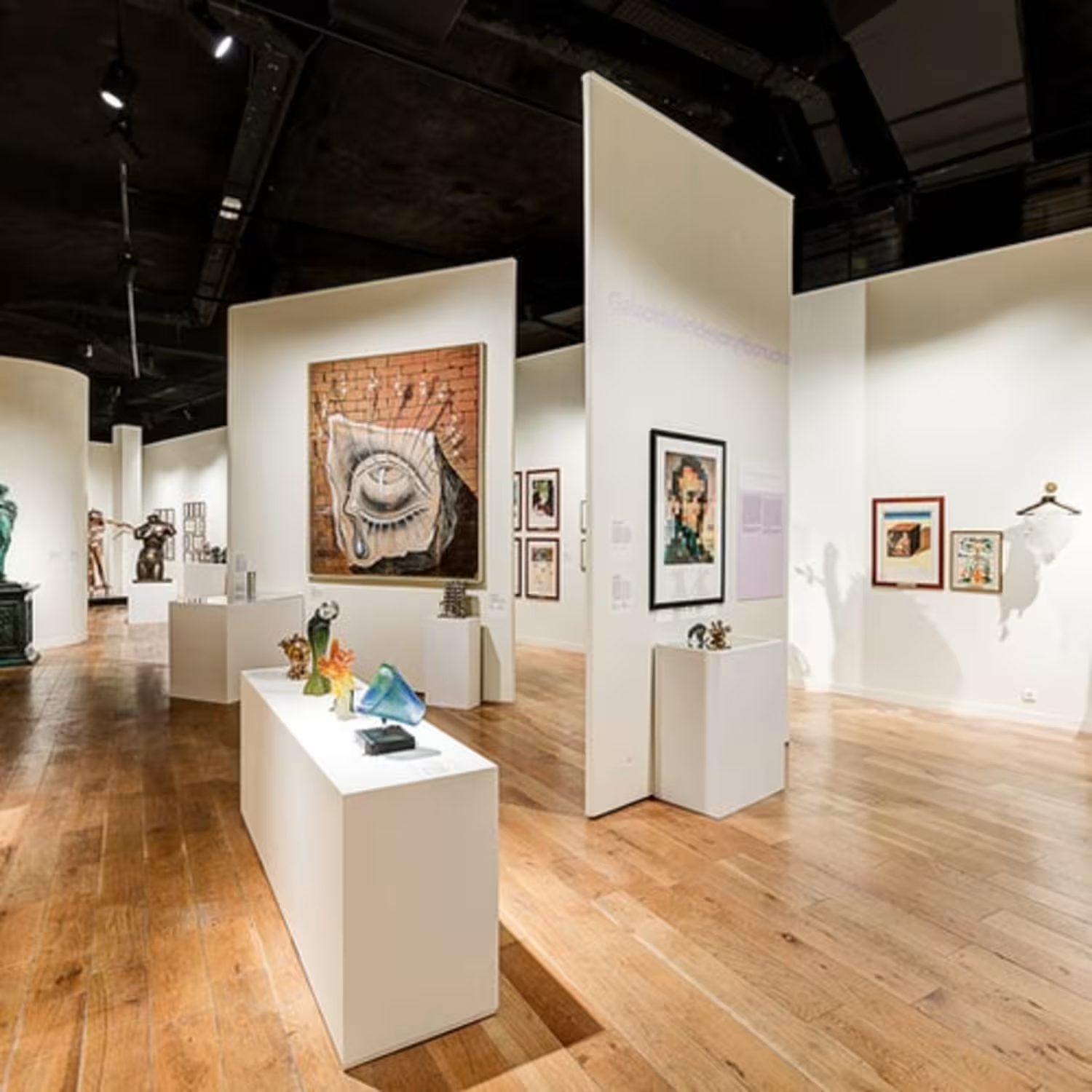
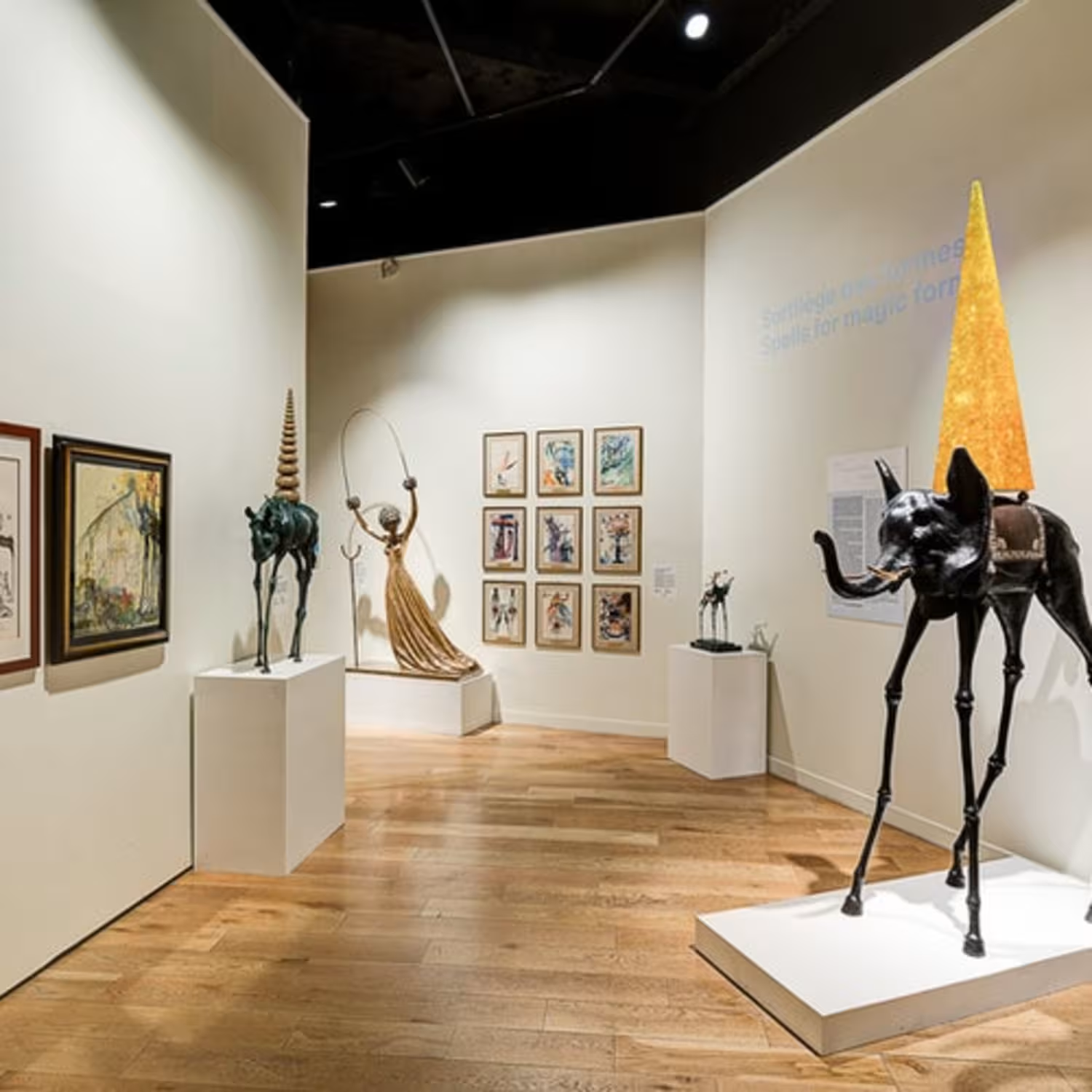
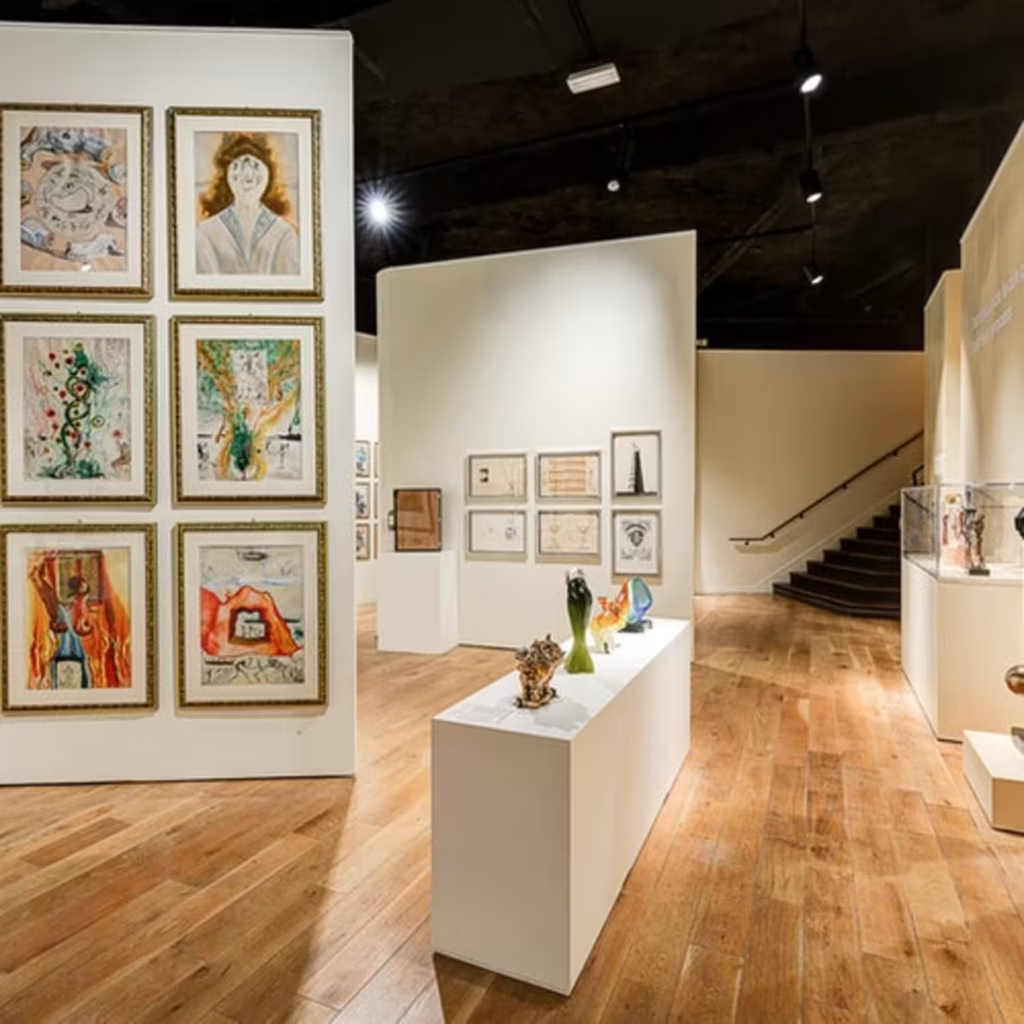
Explore an extensive private collection of Dalí’s artworks.

Discover over 300 pieces including paintings, sculptures, and surreal objects.

Immerse yourself in Dalí’s inspirations from various themes like atomic science and antiquity.

Enjoy an insightful visit into the life and creations of one of the 20th century’s most prominent artists.

Access an audioguide available in multiple languages for a richer experience.
FAQs

Which metro station is closest to Dalí Paris?

The Abbesses and Lamarck-Caulaincourt stations (Line 12) are both within a five-to-ten-minute scenic walk of the museum.

Is there a way to reach the museum without climbing the Montmartre stairs?

Yes, you can take the Montmartre Funicular from the Anvers station area or ride the Bus Line 40 (the Montmartrobus) directly up the hill.

Where can I park my car near the museum?

Parking is not permitted at the museum; the nearest secure lot is the Parking Indigo Paris Montmartre on Rue Caulaincourt at the base of the hill.

How do I find the museum entrance from Place du Tertre?

Simply walk approximately 100 feet down Rue Poulbot from the northwest corner of the square; follow the signs for "Dalí Paris."

Can I reach Dalí Paris by bus?

Yes, Lines 54, 80, and 40 serve the Montmartre area, with Line 40 providing the most direct access to the hilltop.

Is the museum accessible by bicycle?

While reachable by bike, we recommend using the Vélib' stations at the bottom of the hill (near Metro Abbesses) as the final ascent is very steep and pedestrian-heavy.

Is the museum accessible for visitors with limited mobility?

Due to its historic location and internal layout, the museum has no disabled access (staircases only), so please plan accordingly.

Can I bring large luggage or strollers?

The museum has no luggage lockers; while small strollers are permitted, the narrow streets and stairs make light travel highly recommended.

This website sells official tickets for this venue. Please note, however, that it is not the official website of the venue.

The images and videos on this website may contain visual elements that have been created or enhanced using AI technology. They are provided for illustrative purposes only.