
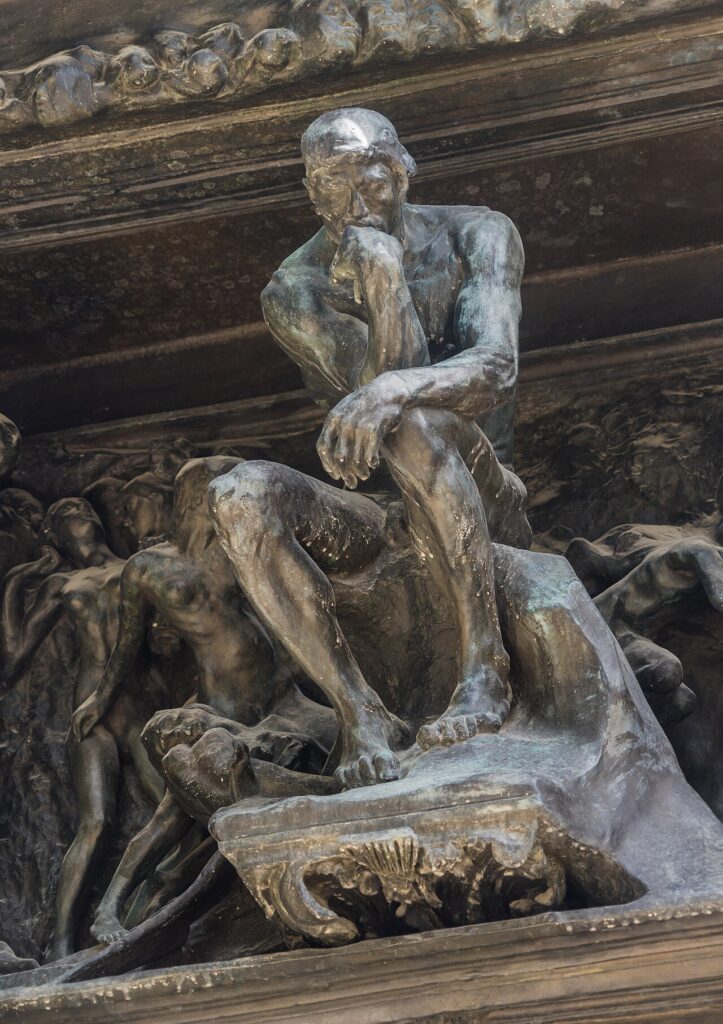
The Gates of Hell by Rodin: The Sculpture He Worked On for 37 Years
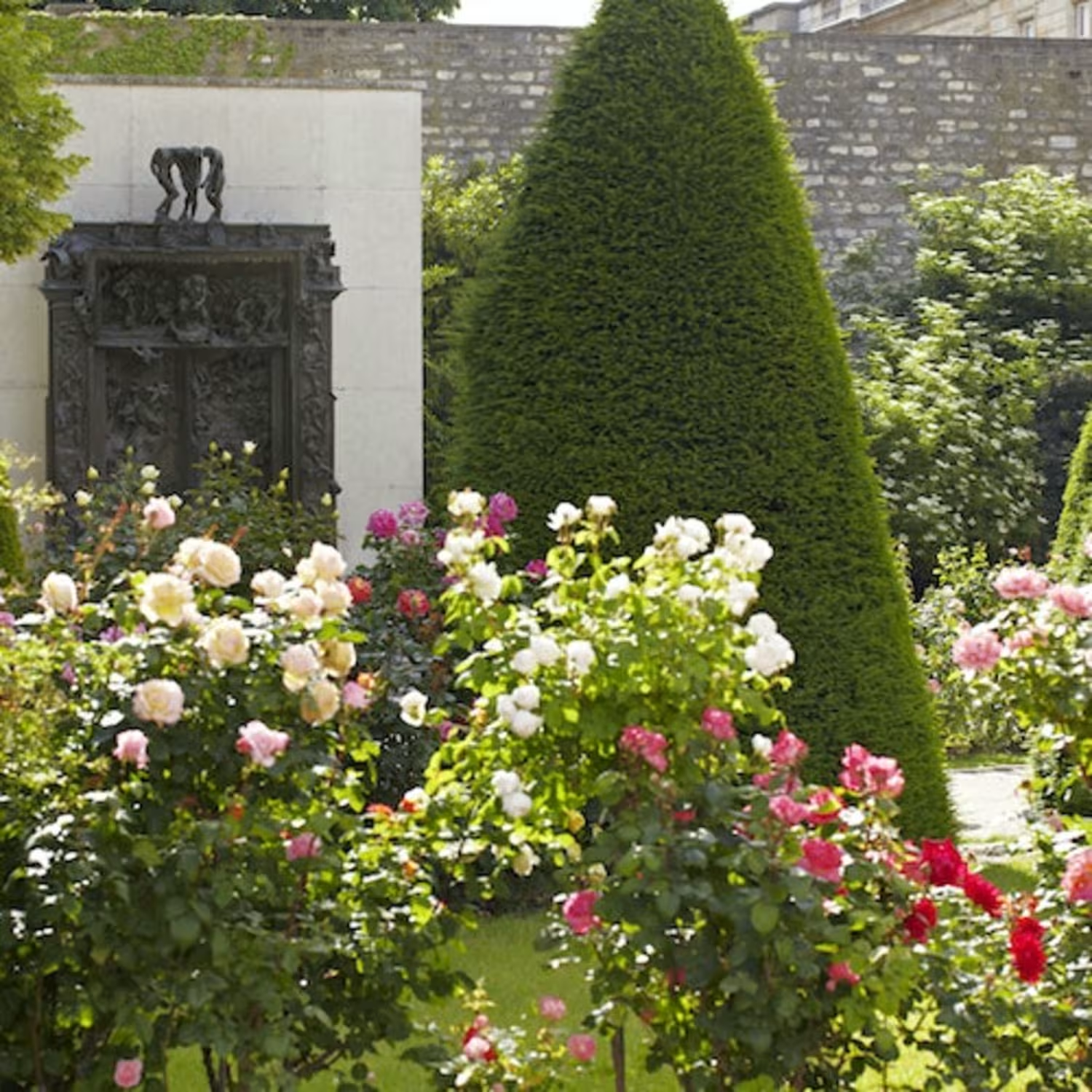
Rodin was commissioned to make a door in 1880 for a museum that was never built. He reworked it until he died, crowded it with over 200 figures, and never saw it cast in bronze.
Rodin’s Gates of Hell, and the Museum That Never Opened
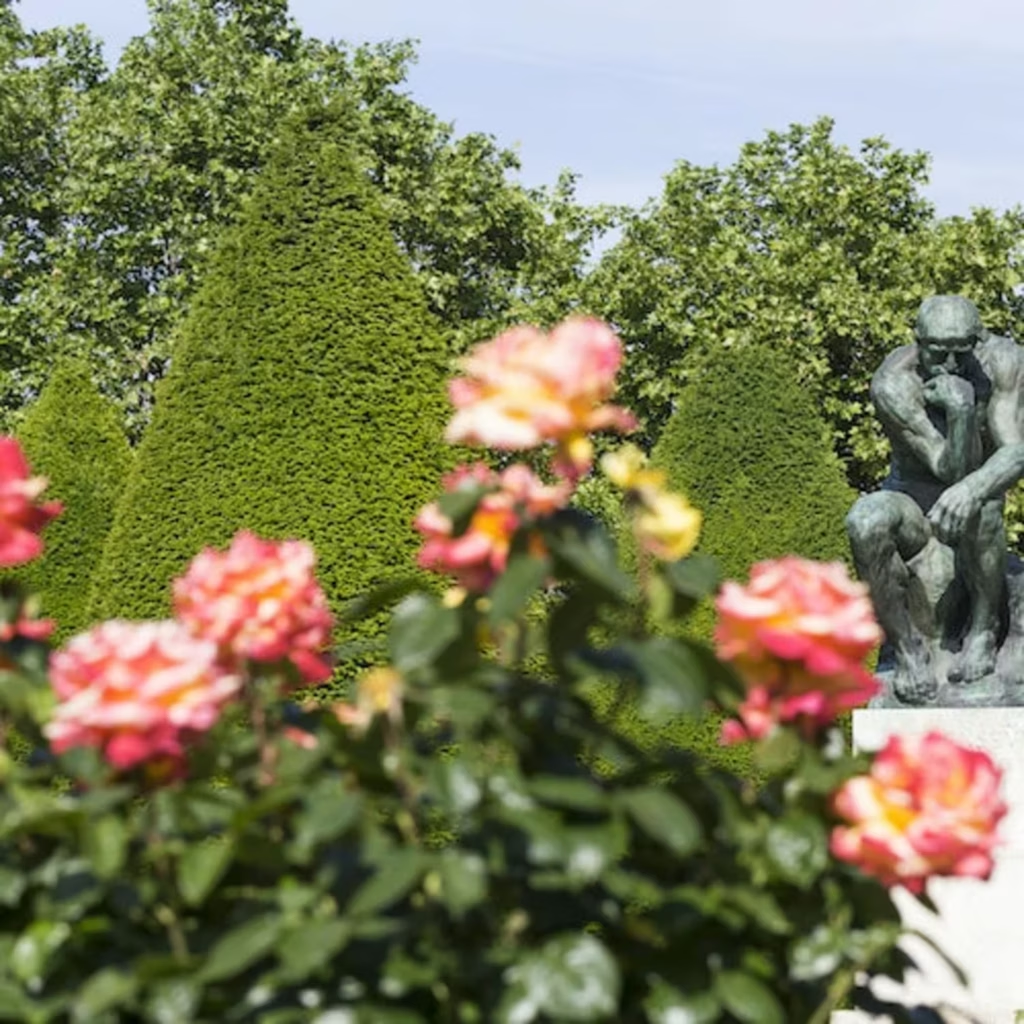
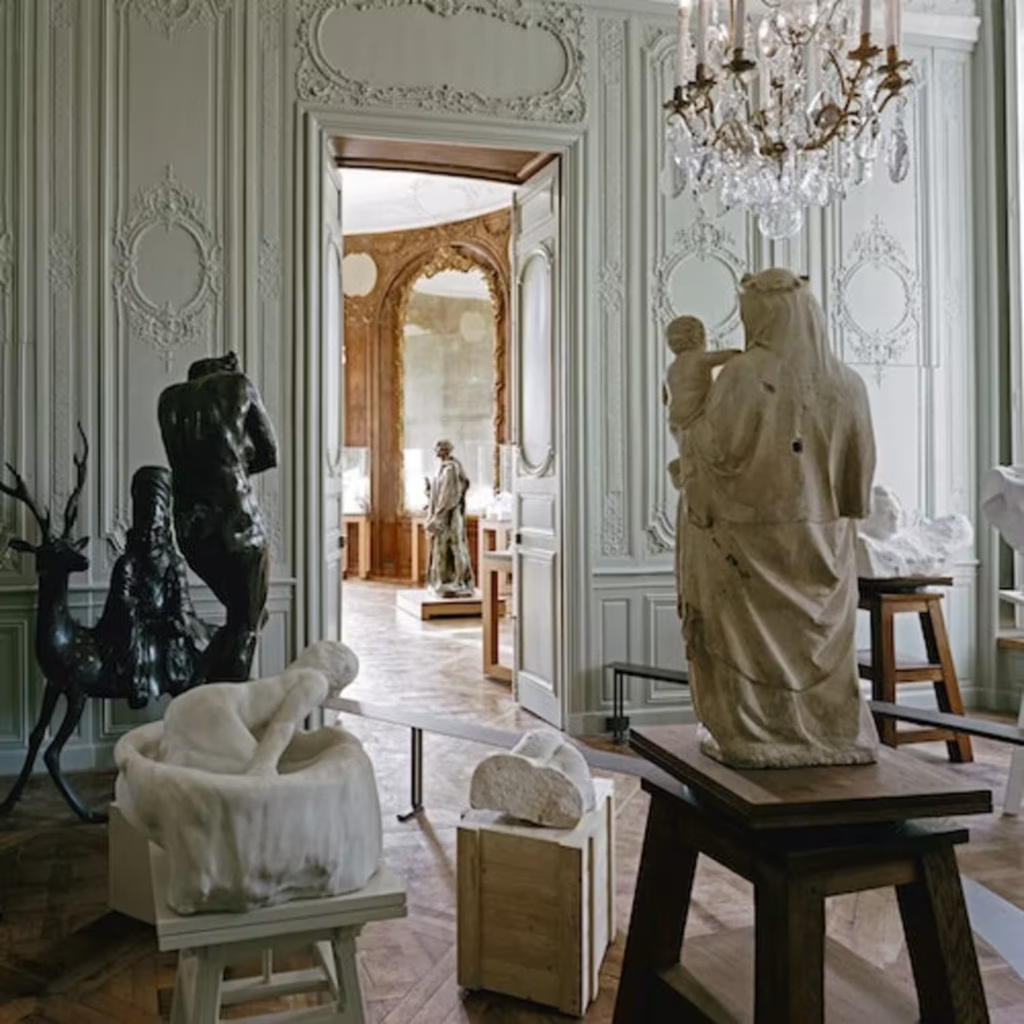
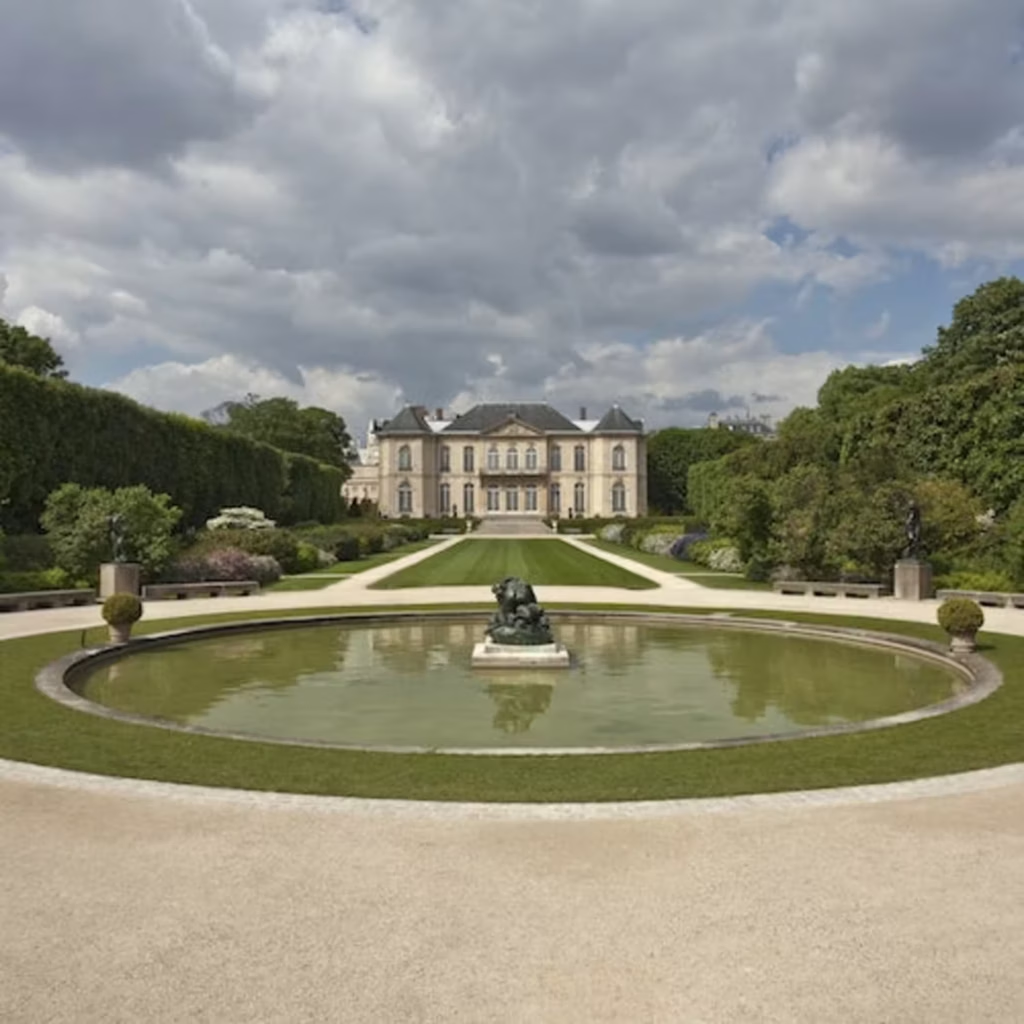
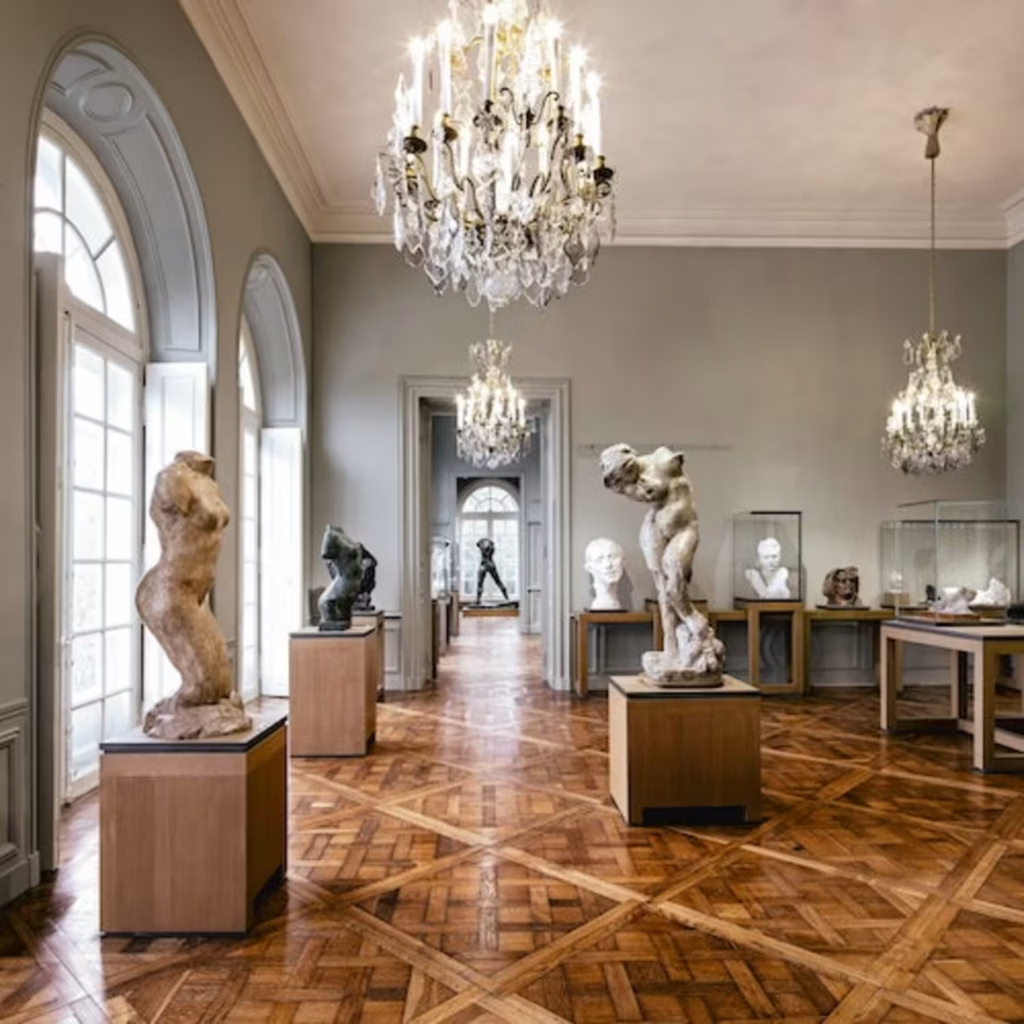
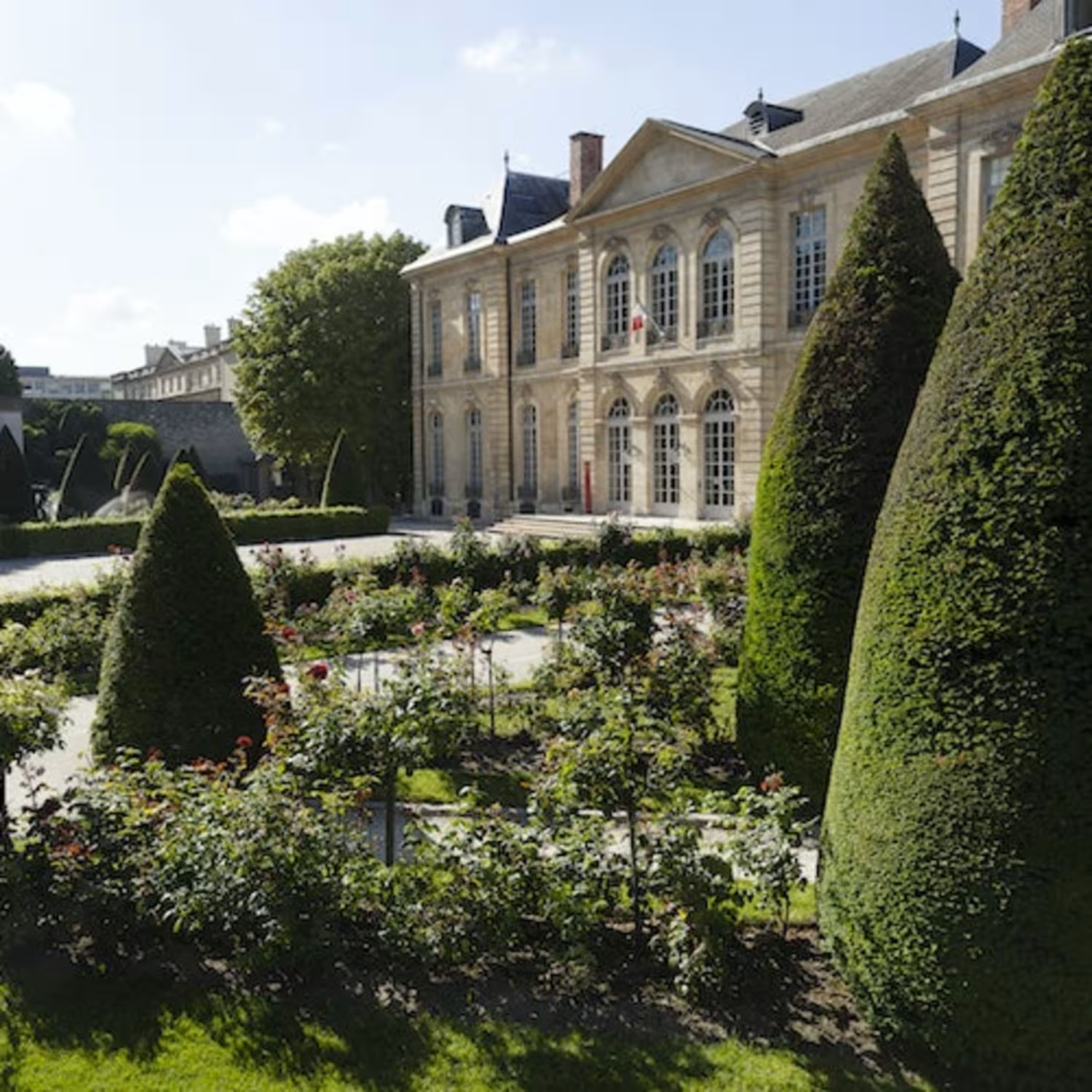
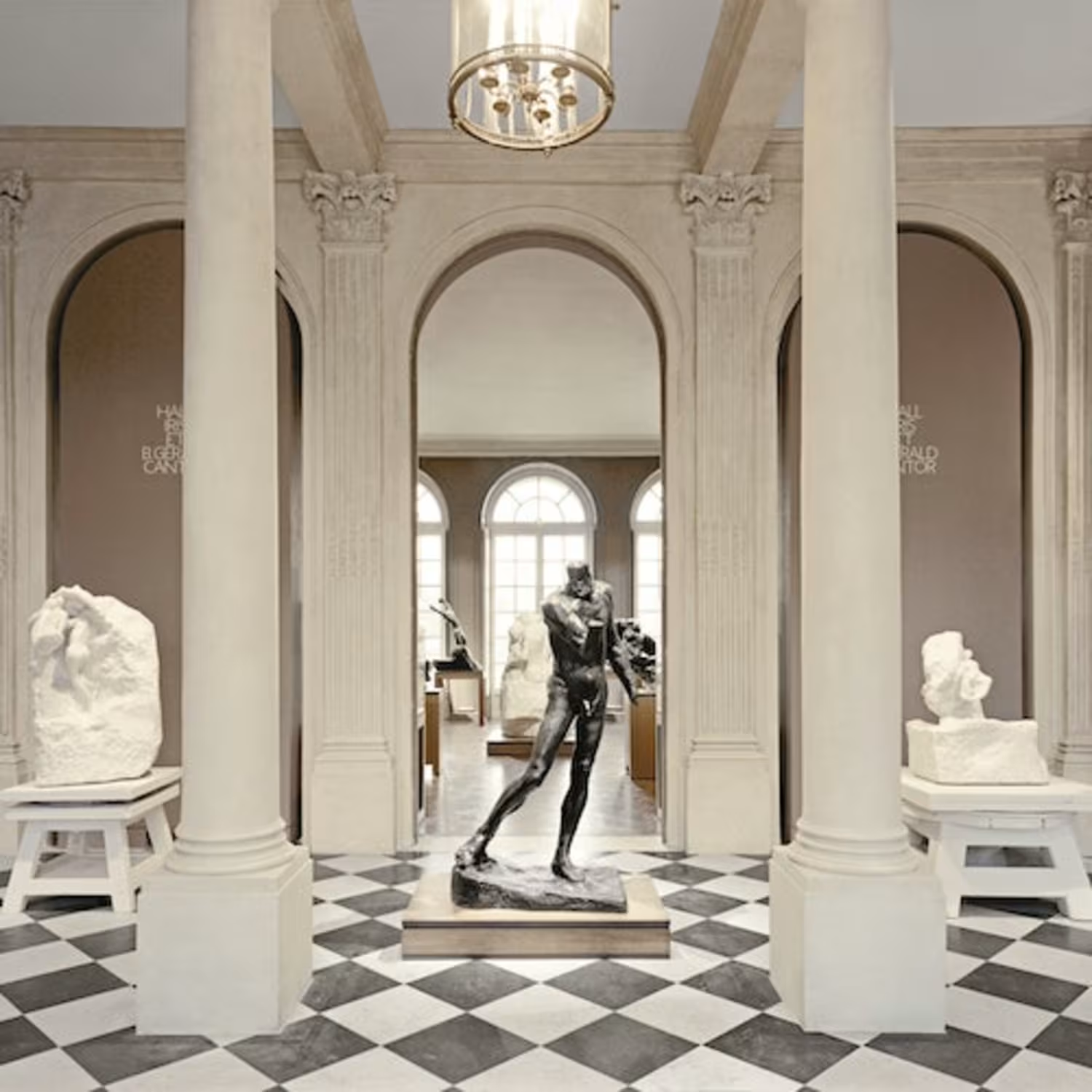
In 1880 the French state asked Auguste Rodin for a decorative door. It was meant for a new museum of decorative arts on the Left Bank, on the ground where the Musée d’Orsay stands today, and the museum was never built. Rodin kept the commission anyway and kept working: he was still moving figures around thirty-seven years later, when he died. He took his subject from Dante’s Inferno, and what he produced is less a door than a wall of bodies falling. To see how the rest of his work fits around it, start with Rodin’s sculptures and the garden at the Musée Rodin.
The Figures on Rodin’s Gates of Hell
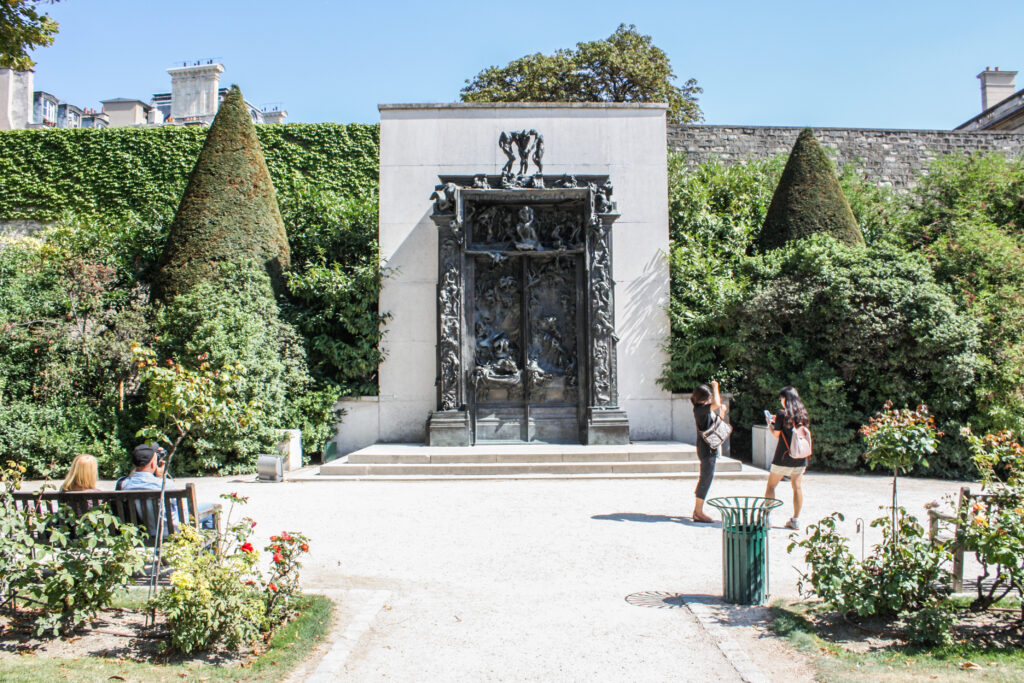
The Bronze Rodin Never Saw
How to Read the Gates of Hell Sculpture
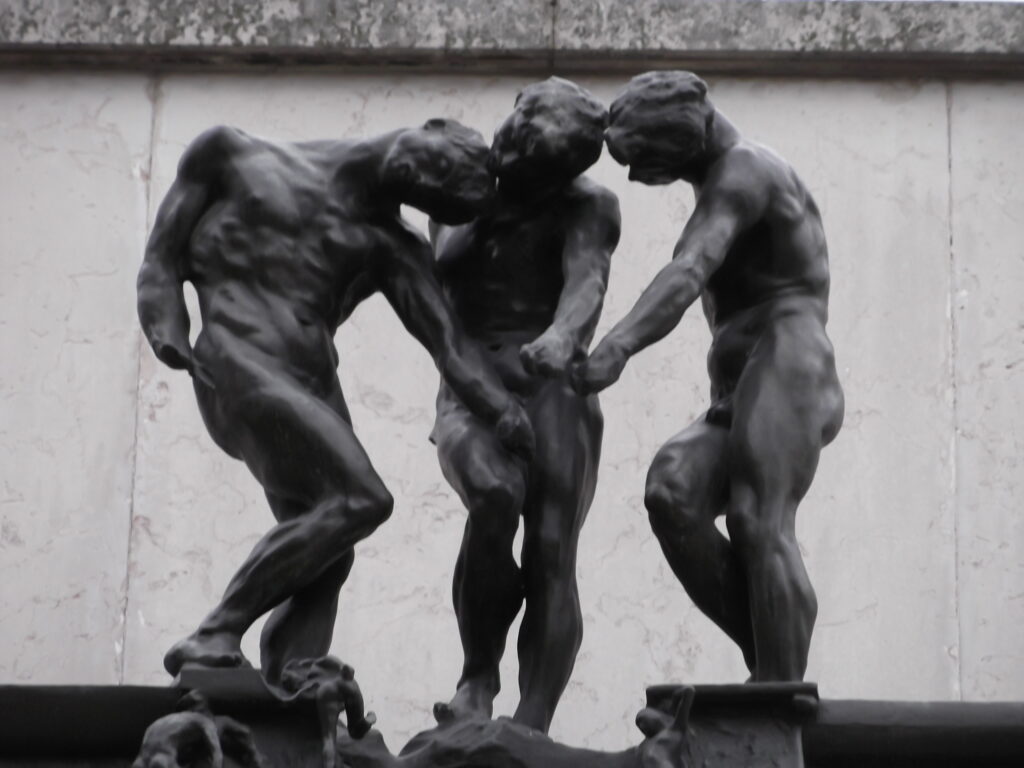
The Three Shades
The Tympanum
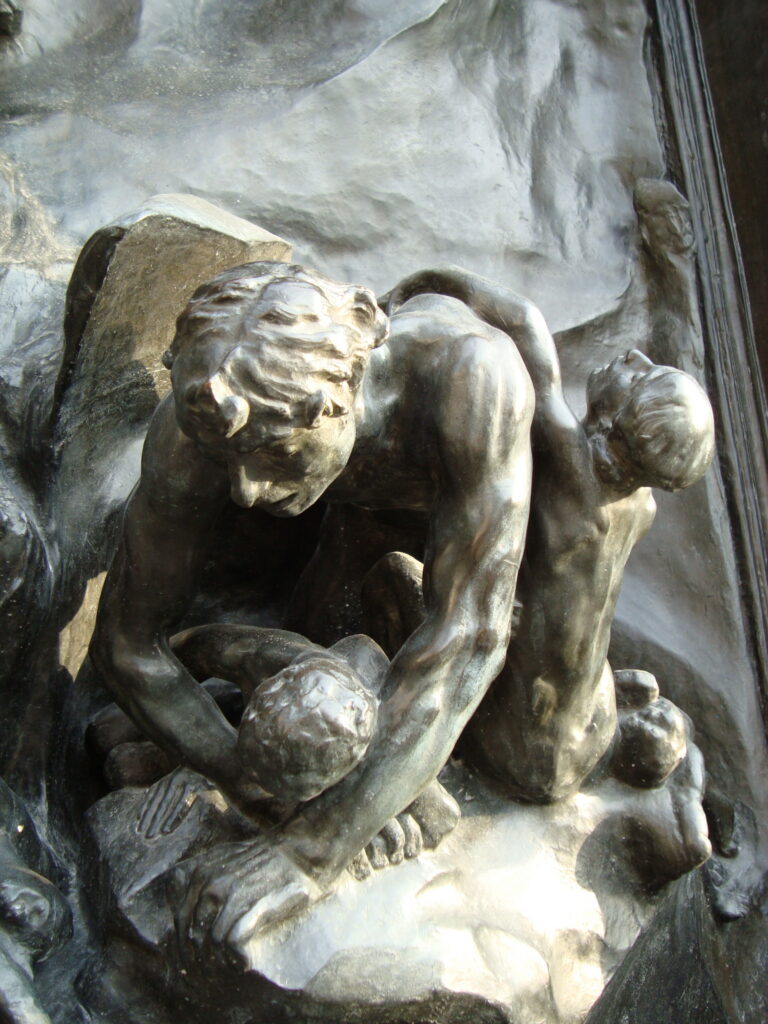
Ugolino and His Sons
The Whole Surface
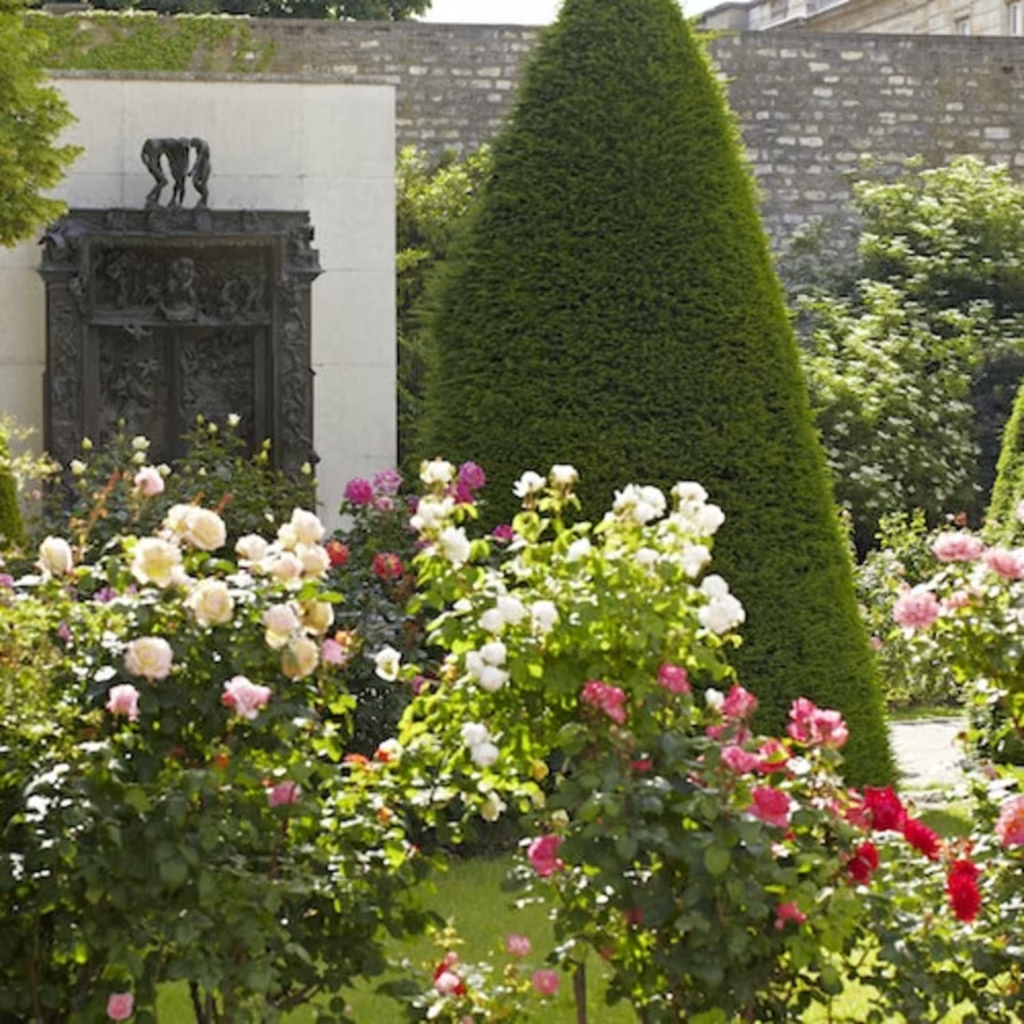
Seeing the Doors in the Garden
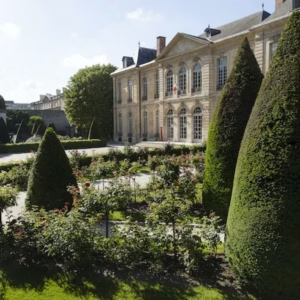
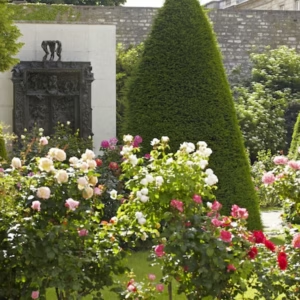
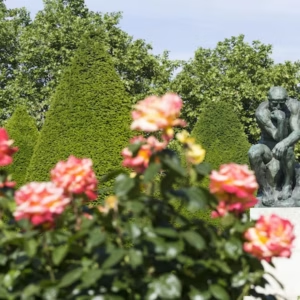
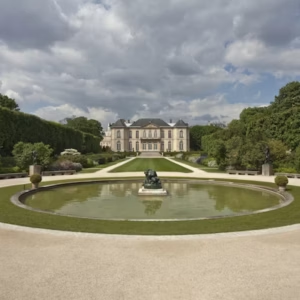
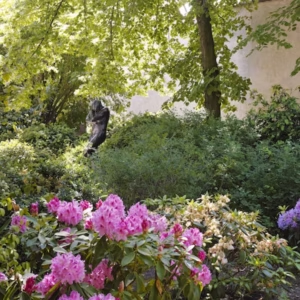
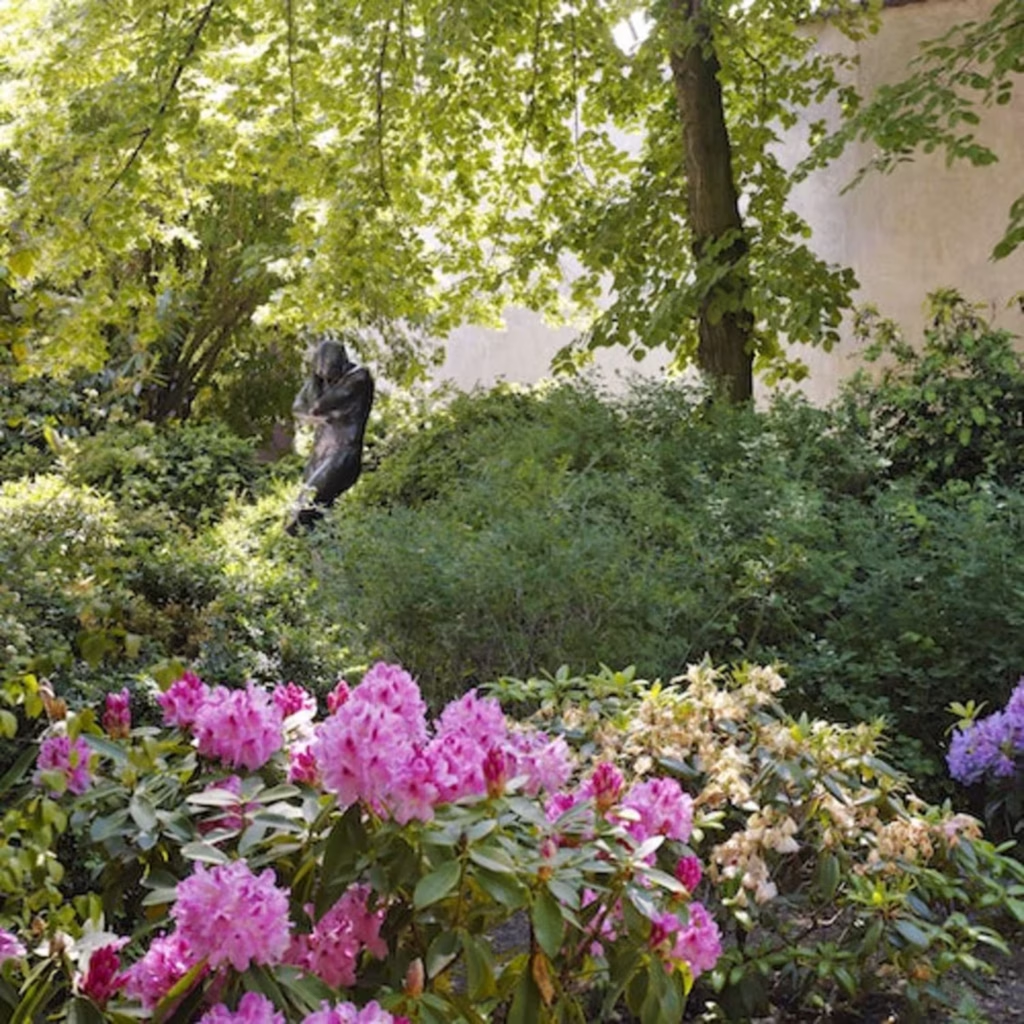
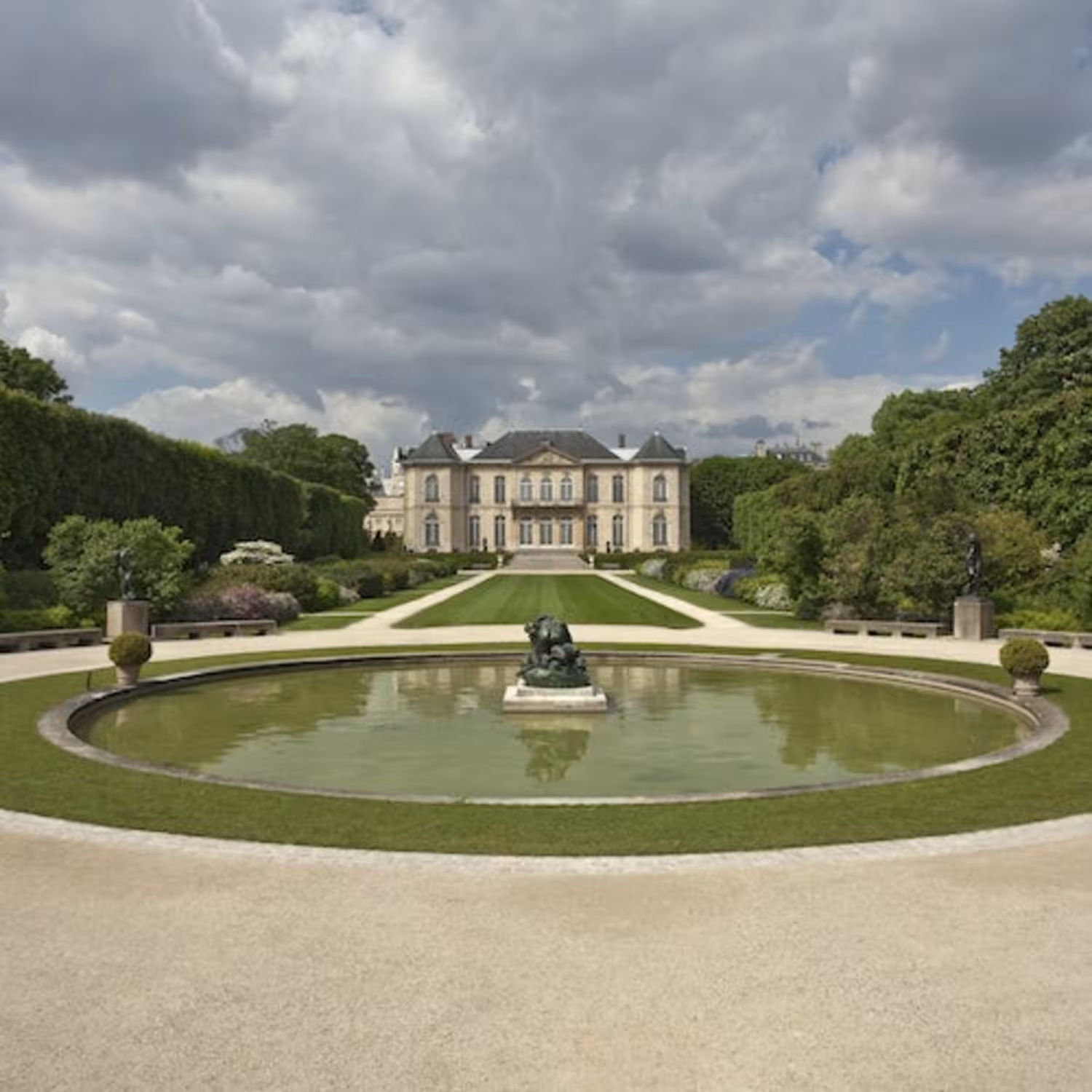
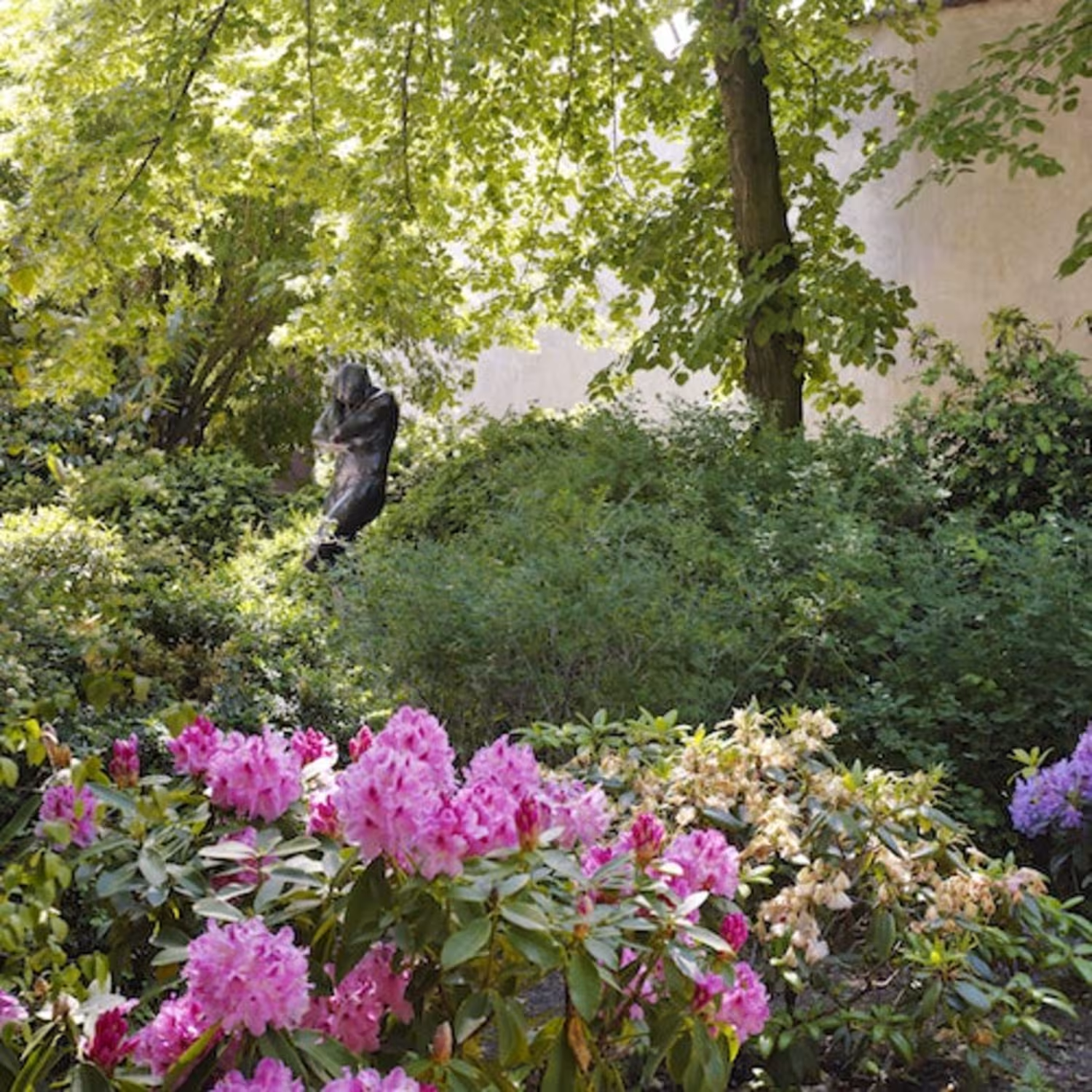
The bronze is outdoors, at the far end of the garden, and it rewards more time than most people give it. Stand close first and pick out single figures, then walk back twenty paces and let the whole surface move. Low side light in the morning or late afternoon brings out far more of the relief than flat midday sun.
Musée Rodin: special tickets
Highlights
Avoid long entry lines for the museum.
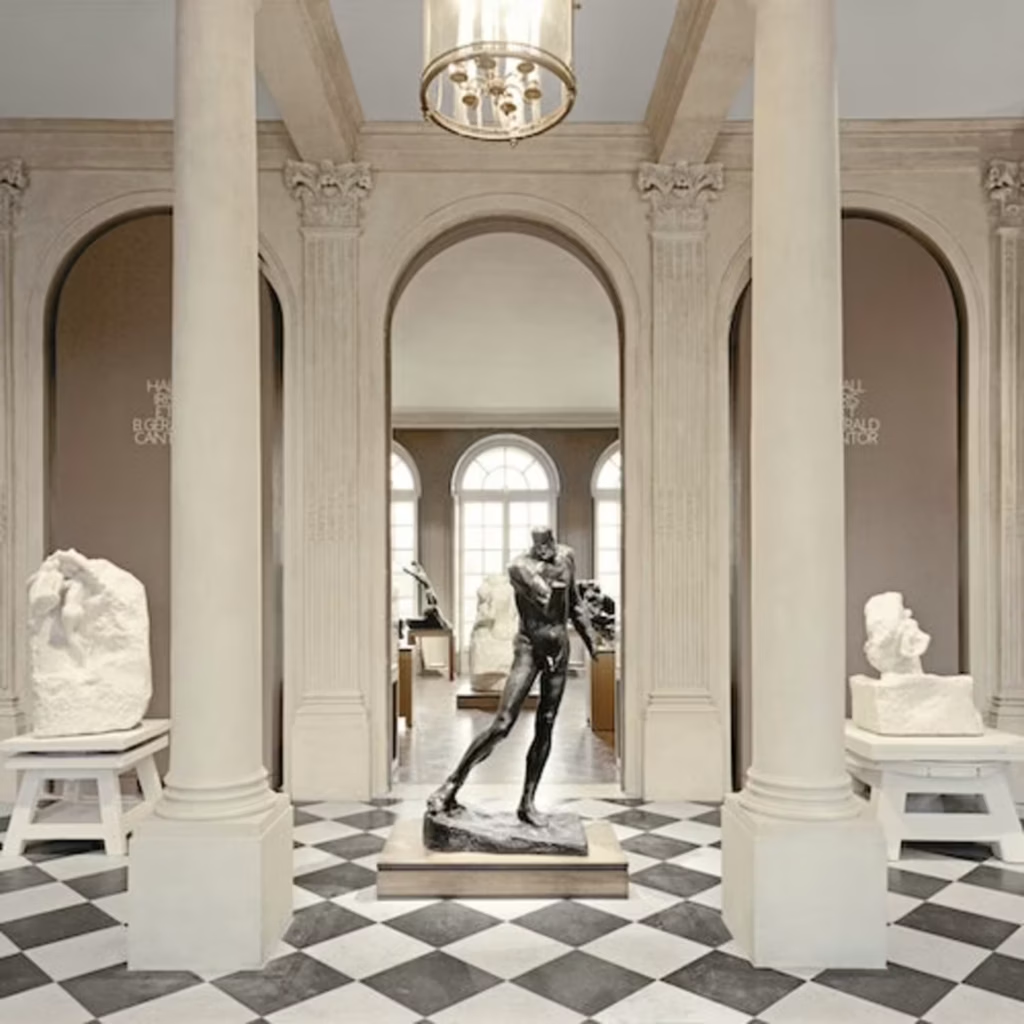
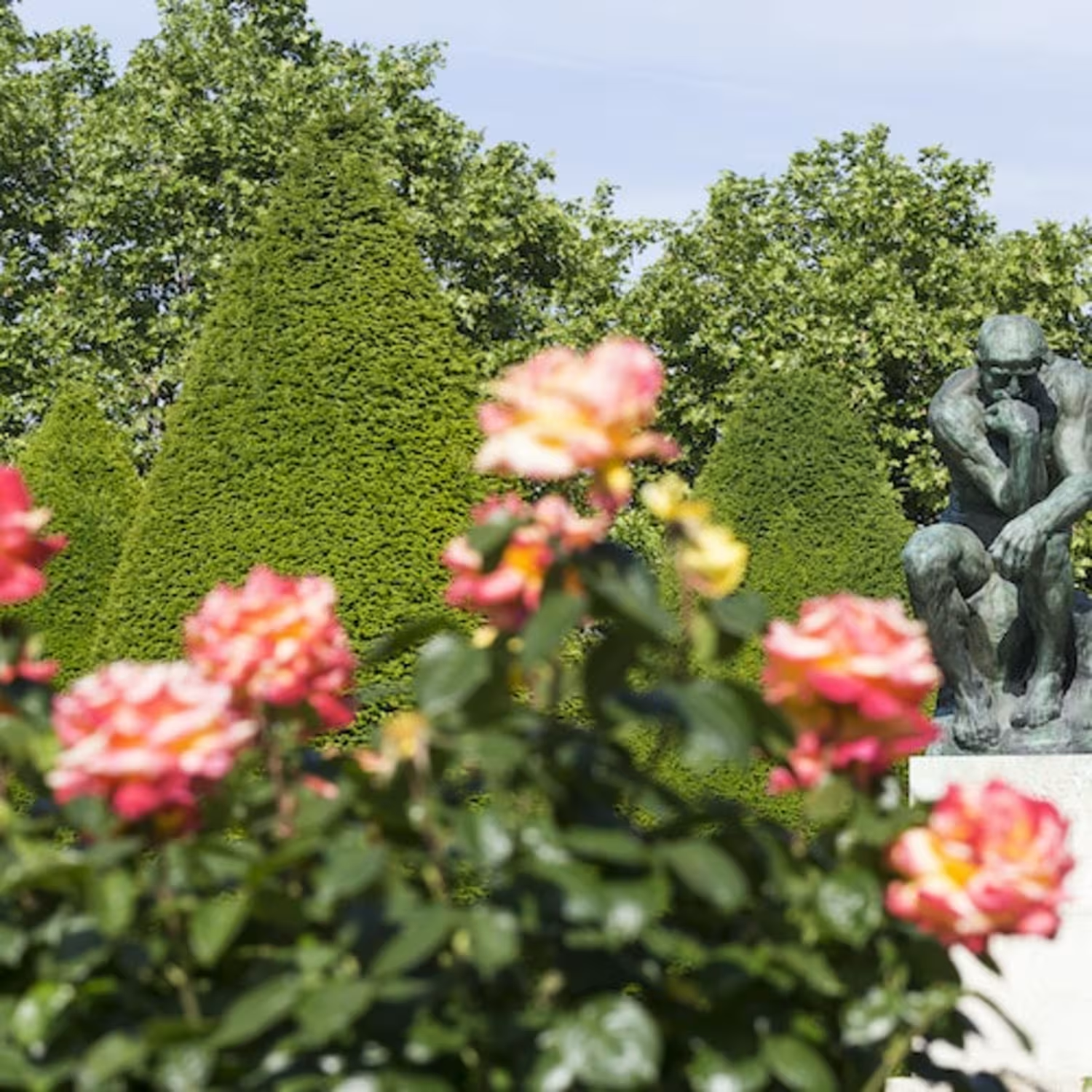
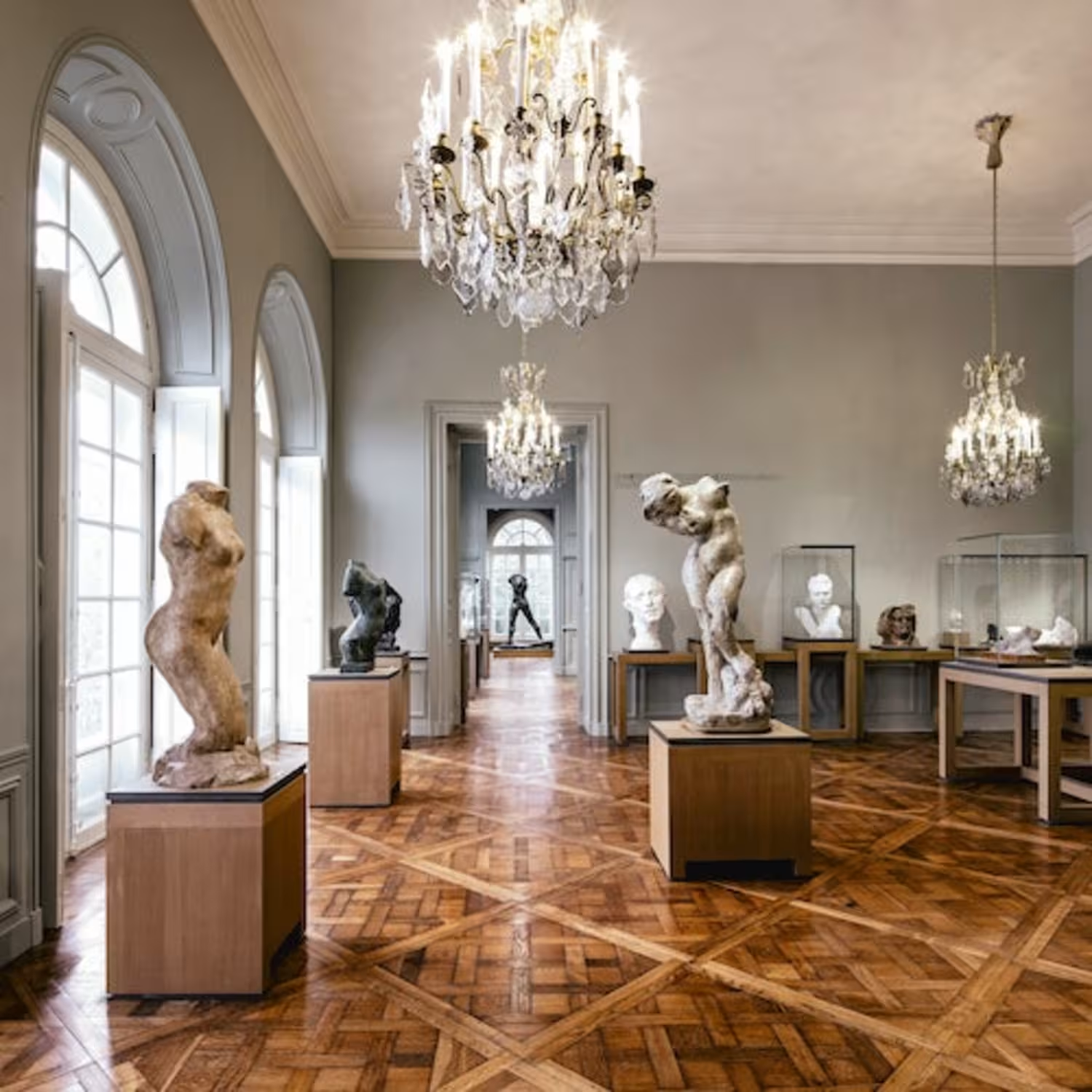
Discover Rodin’s most celebrated creations like The Thinker and The Kiss.
Explore both the permanent displays and special temporary exhibits.
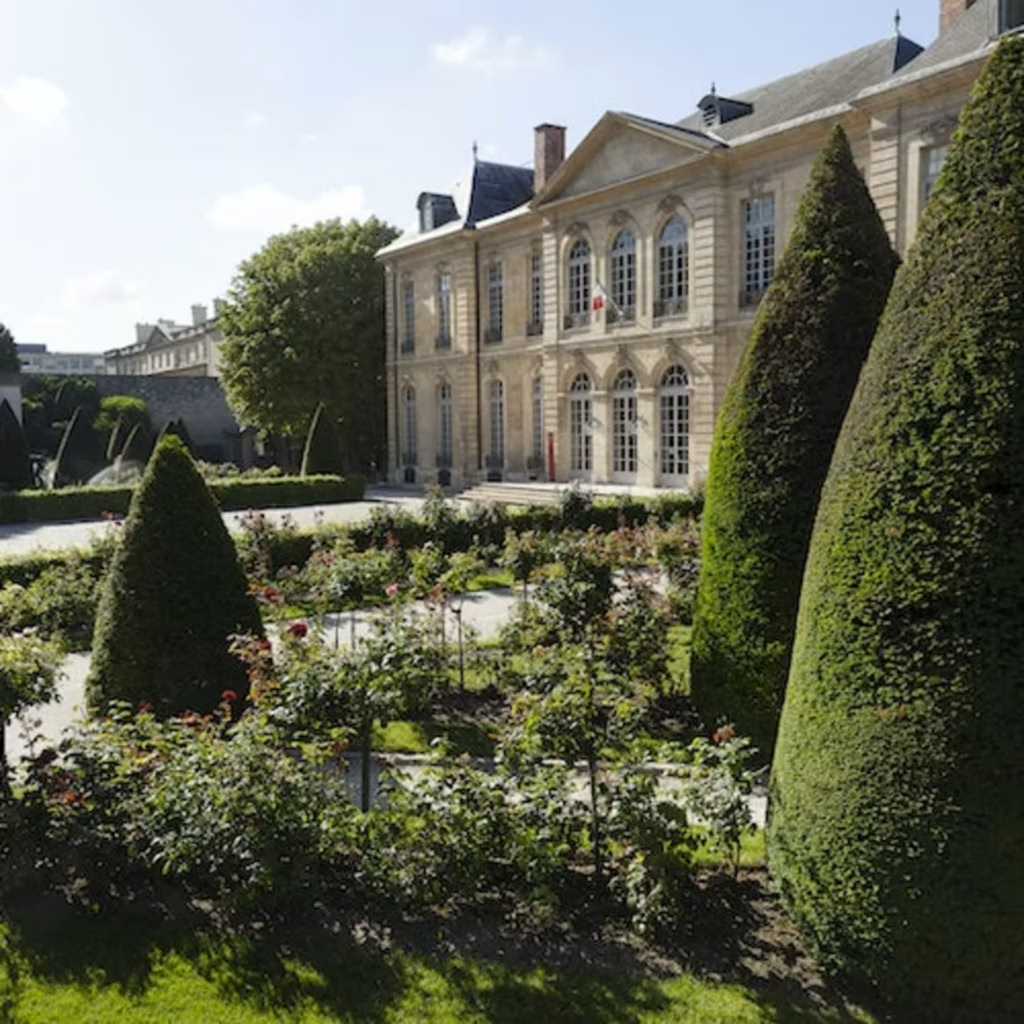
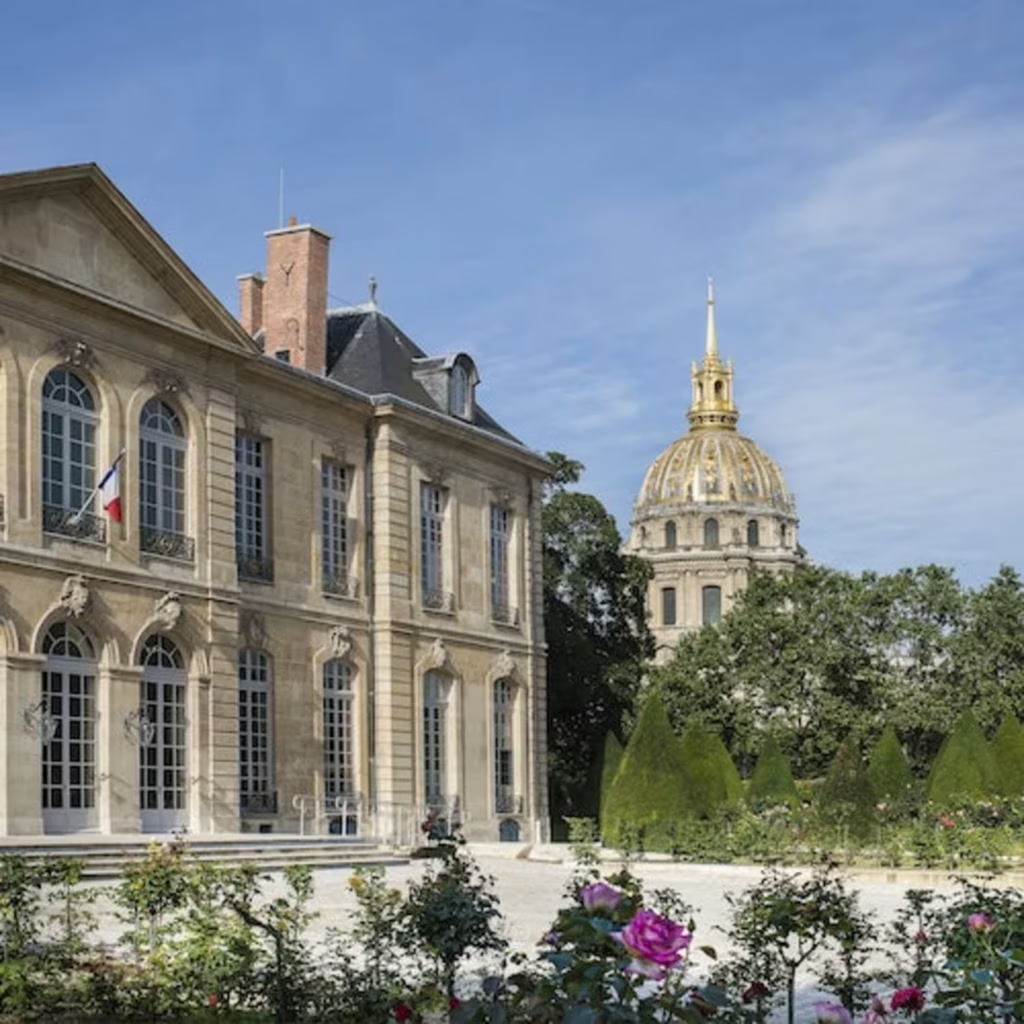
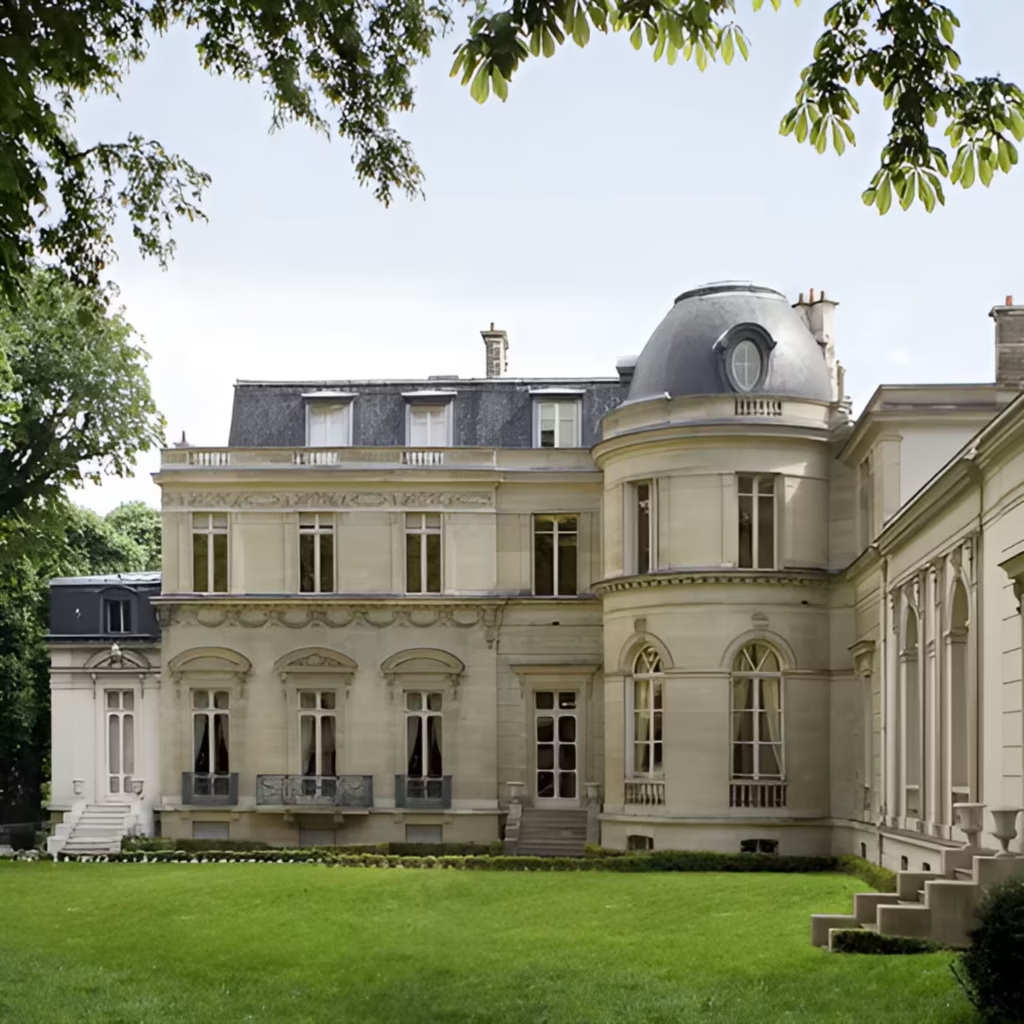
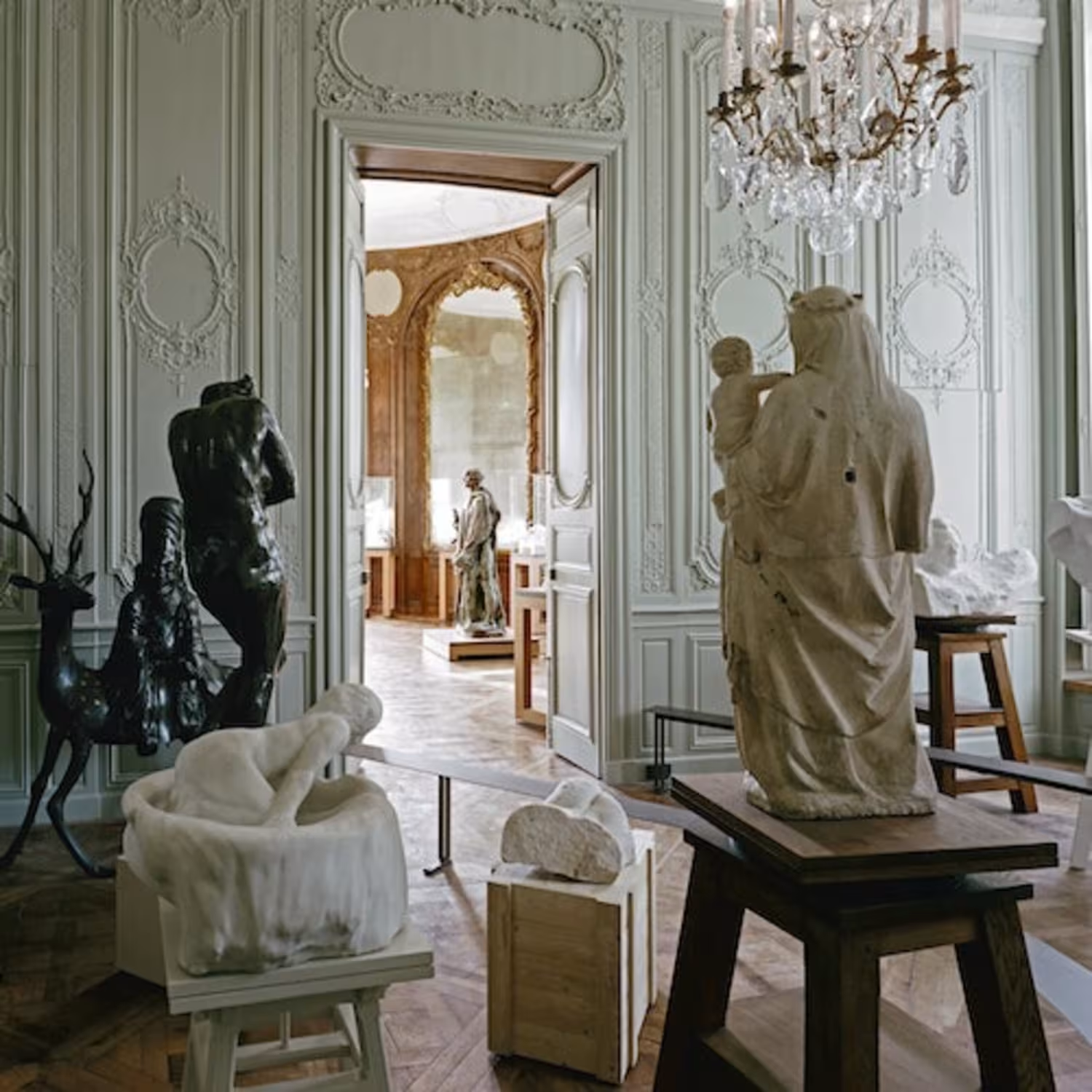
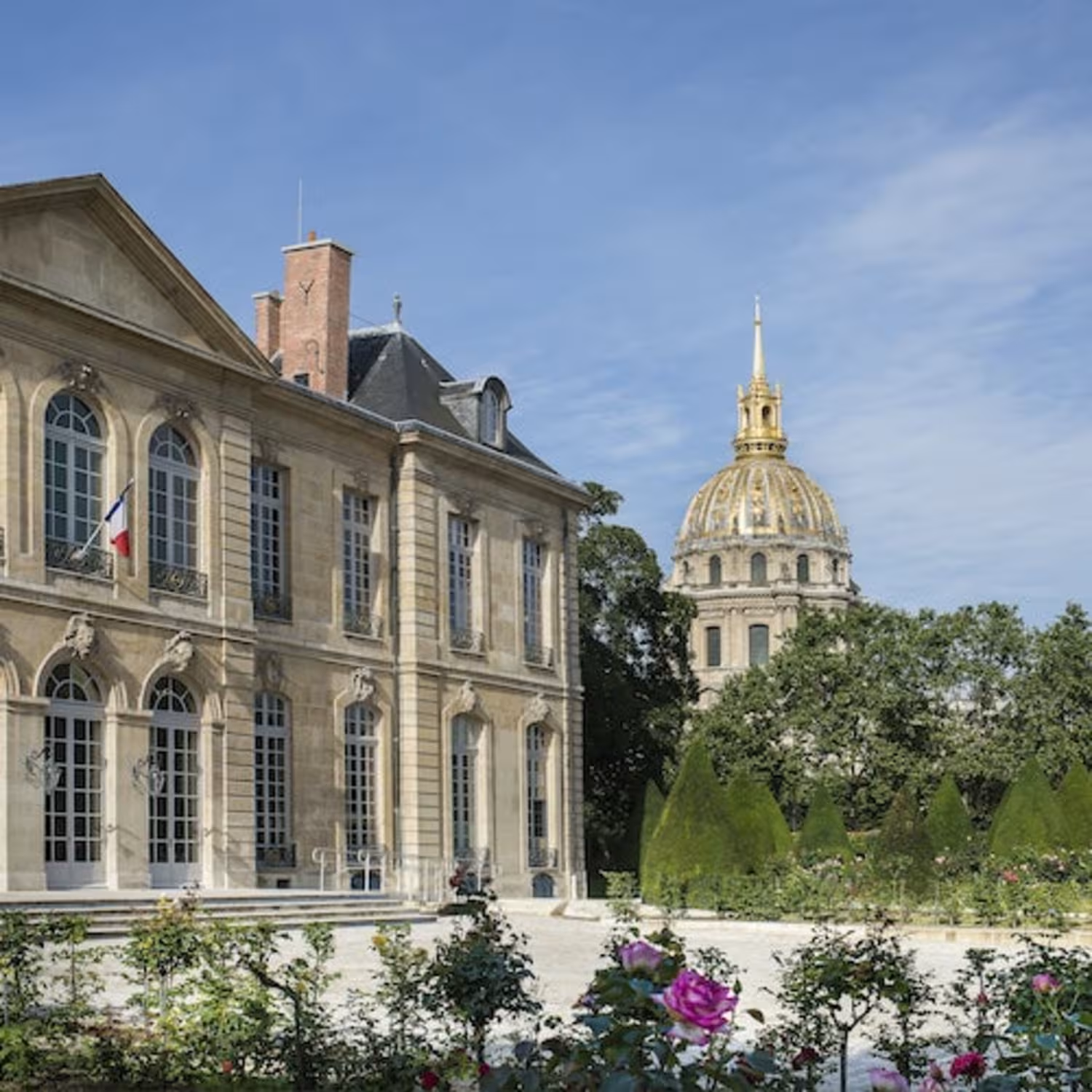
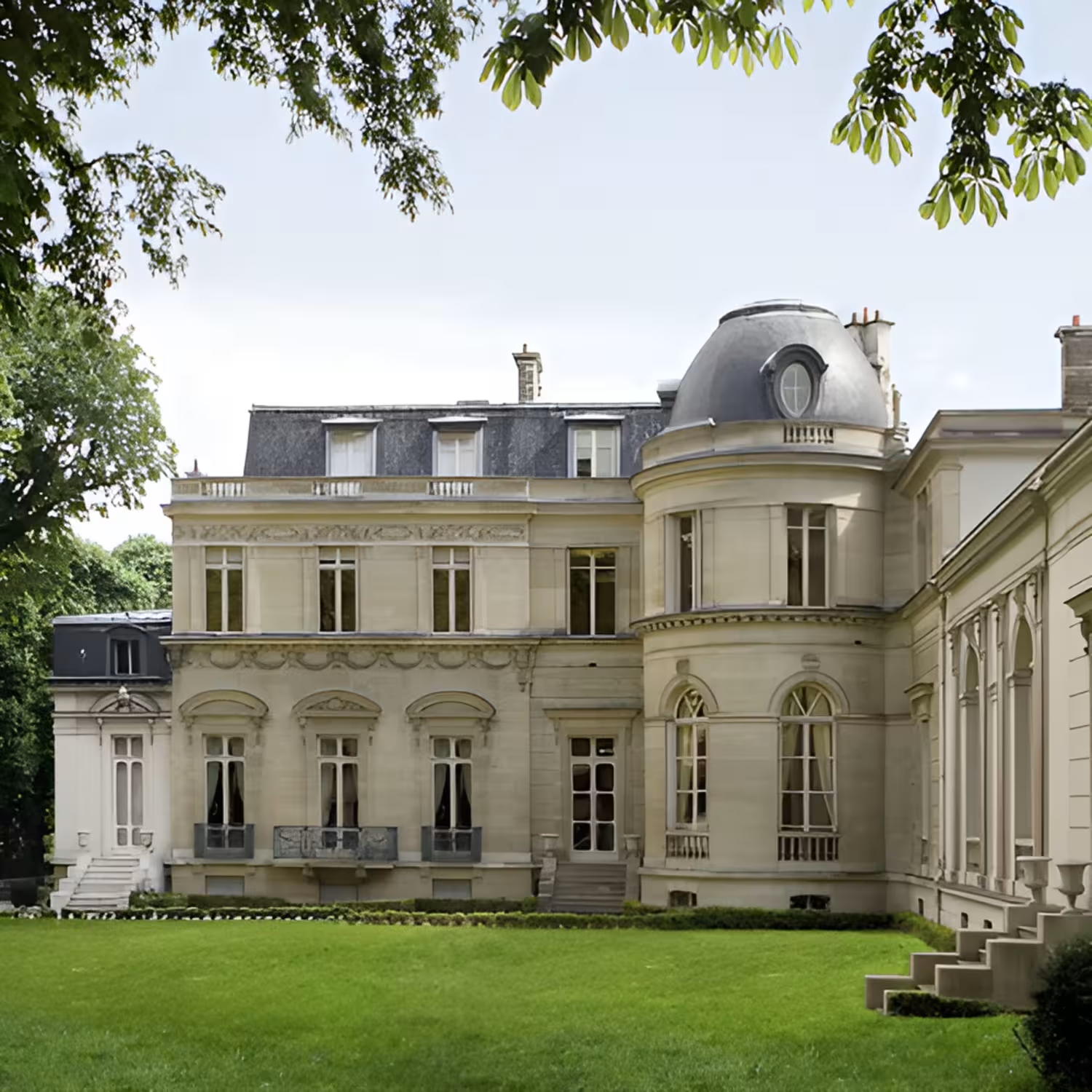
Stroll through the serene Sculpture Garden inside a historic 18th-century mansion.
Benefit from optional add-ons such as audio guides and interactive tablets at checkout.
 English
  Français
  Deutsch
  Italiano
  Español
  Português