We are processing your request.
Please, don’t close or refresh the page.

Musée Rodin, Paris: Rodin’s Famous Sculptures, Garden and the Hôtel Biron

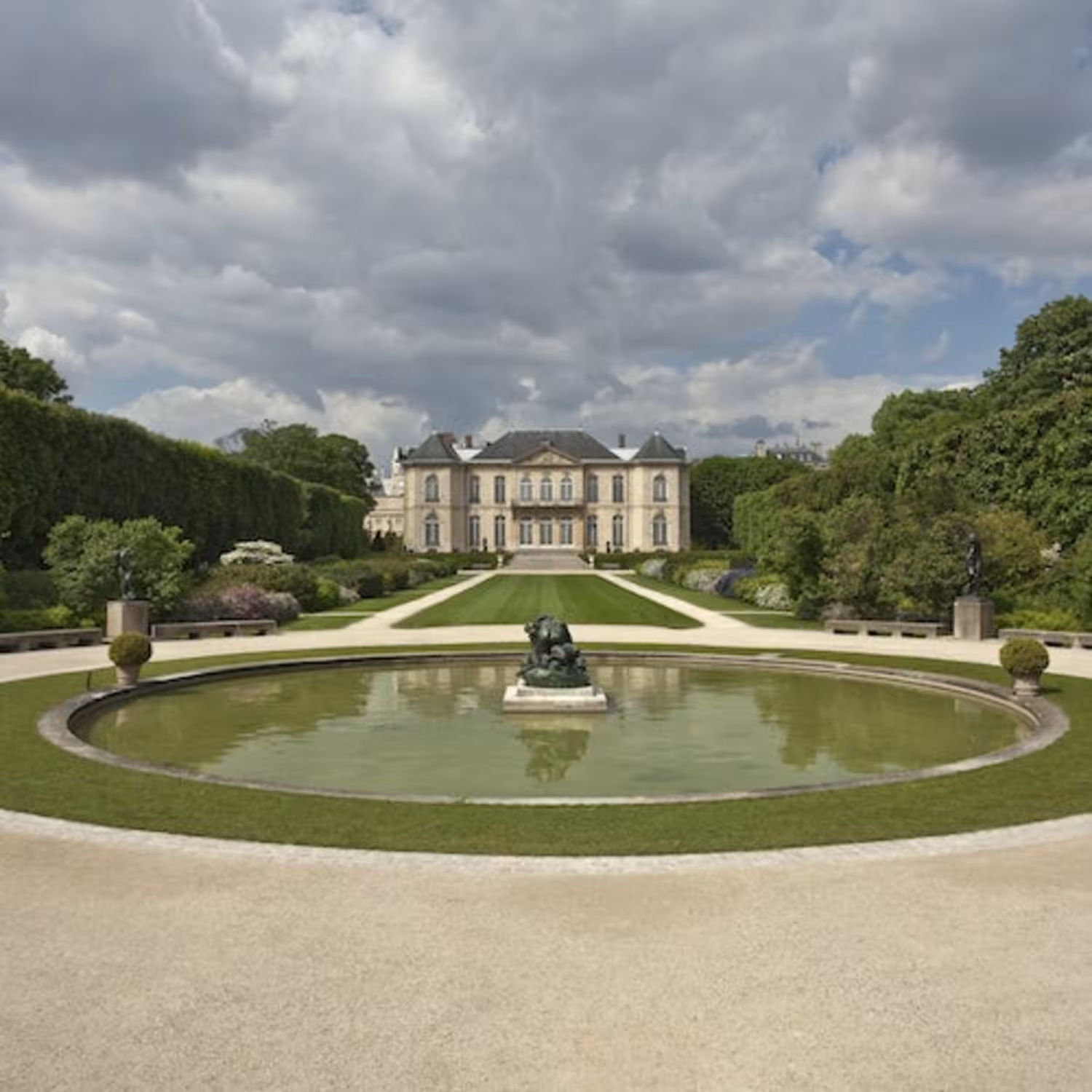
The Musée Rodin holds around 6,600 of Auguste Rodin’s sculptures inside the Hôtel Biron, from The Thinker and The Kiss to The Gates of Hell, with the largest bronzes out in its three-hectare garden.

Rodin’s Sculptures, Indoors and Across the Garden

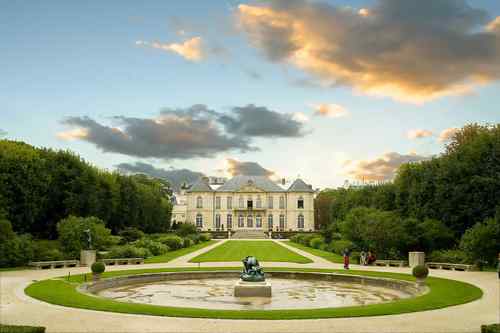
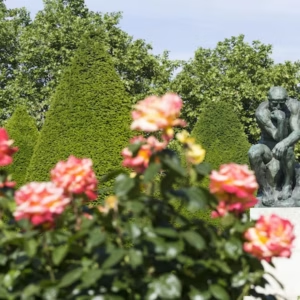
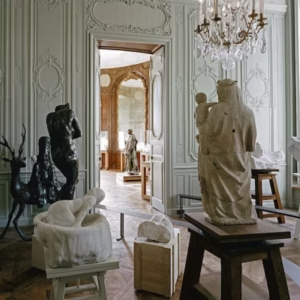
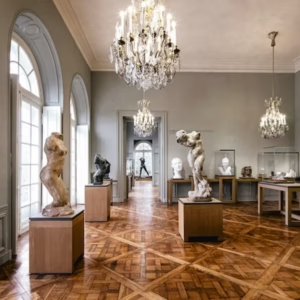
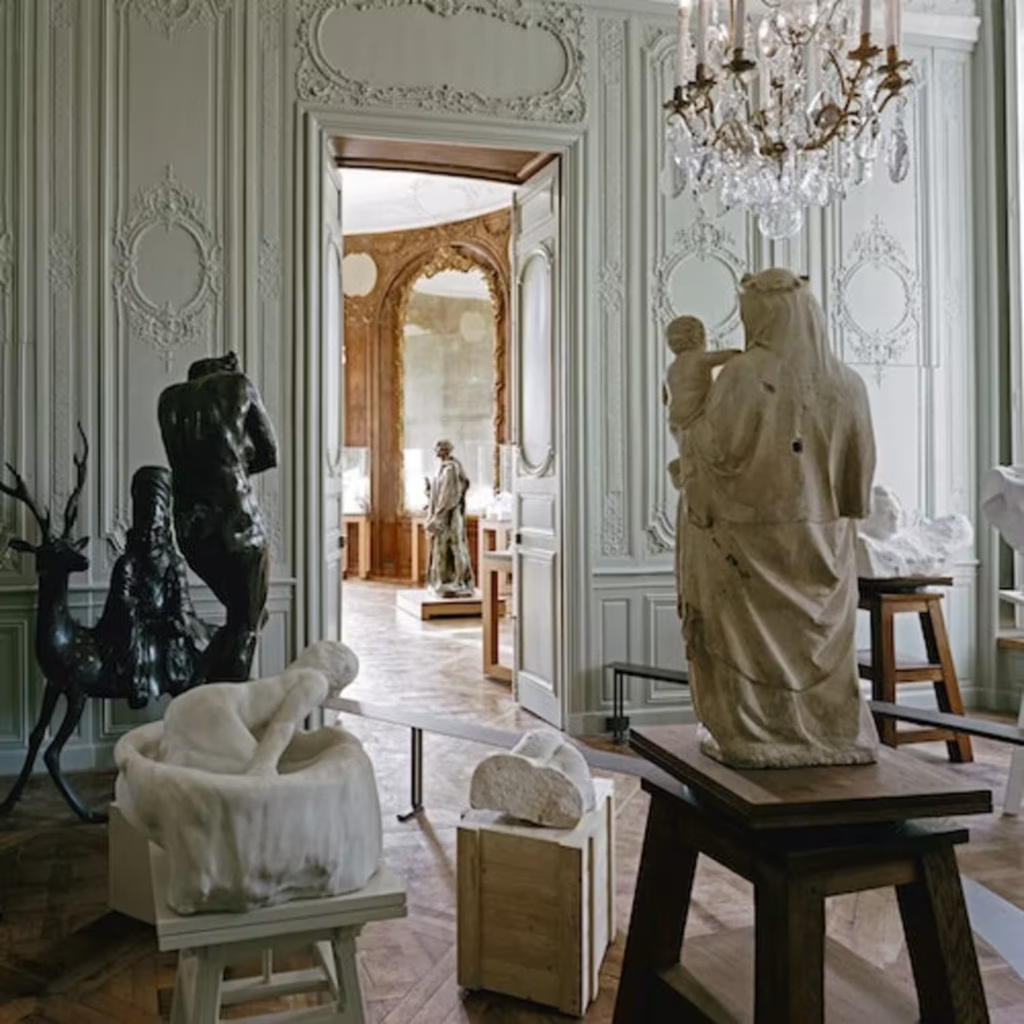
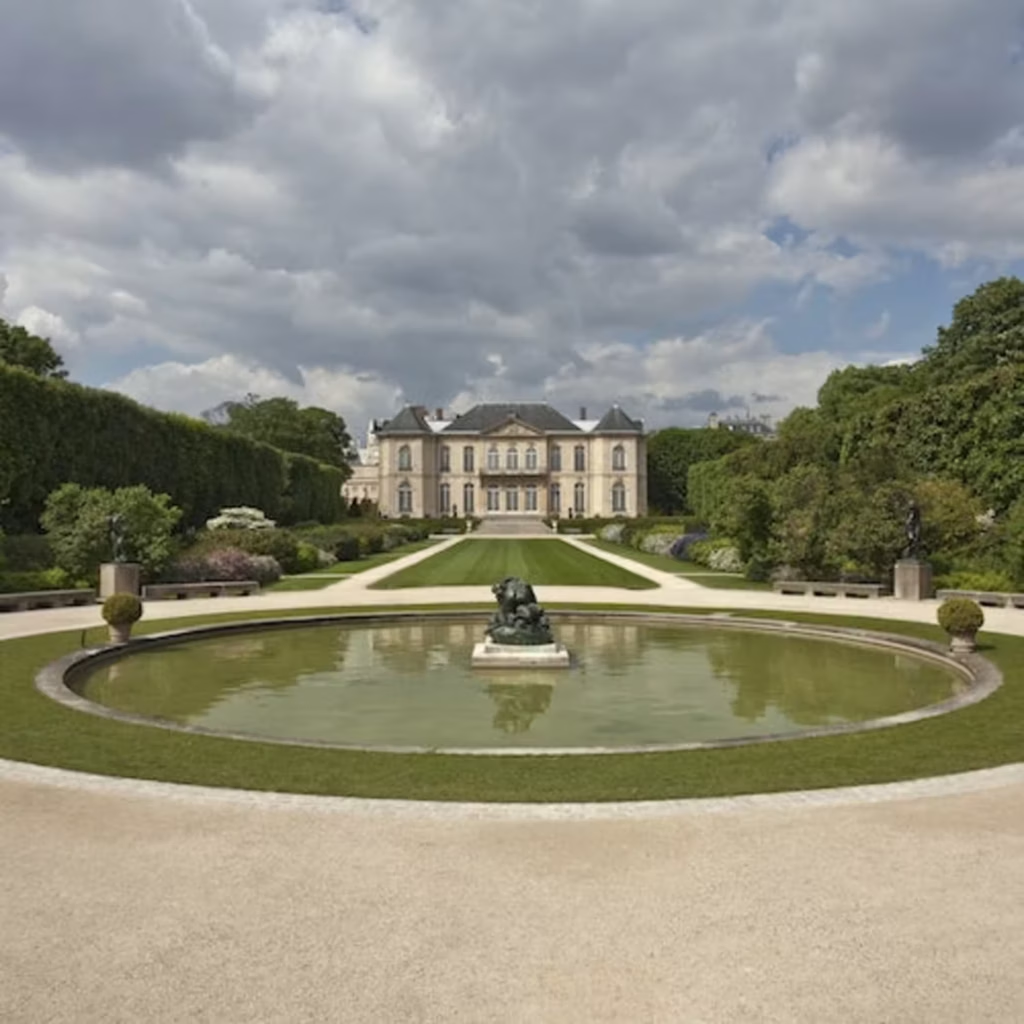
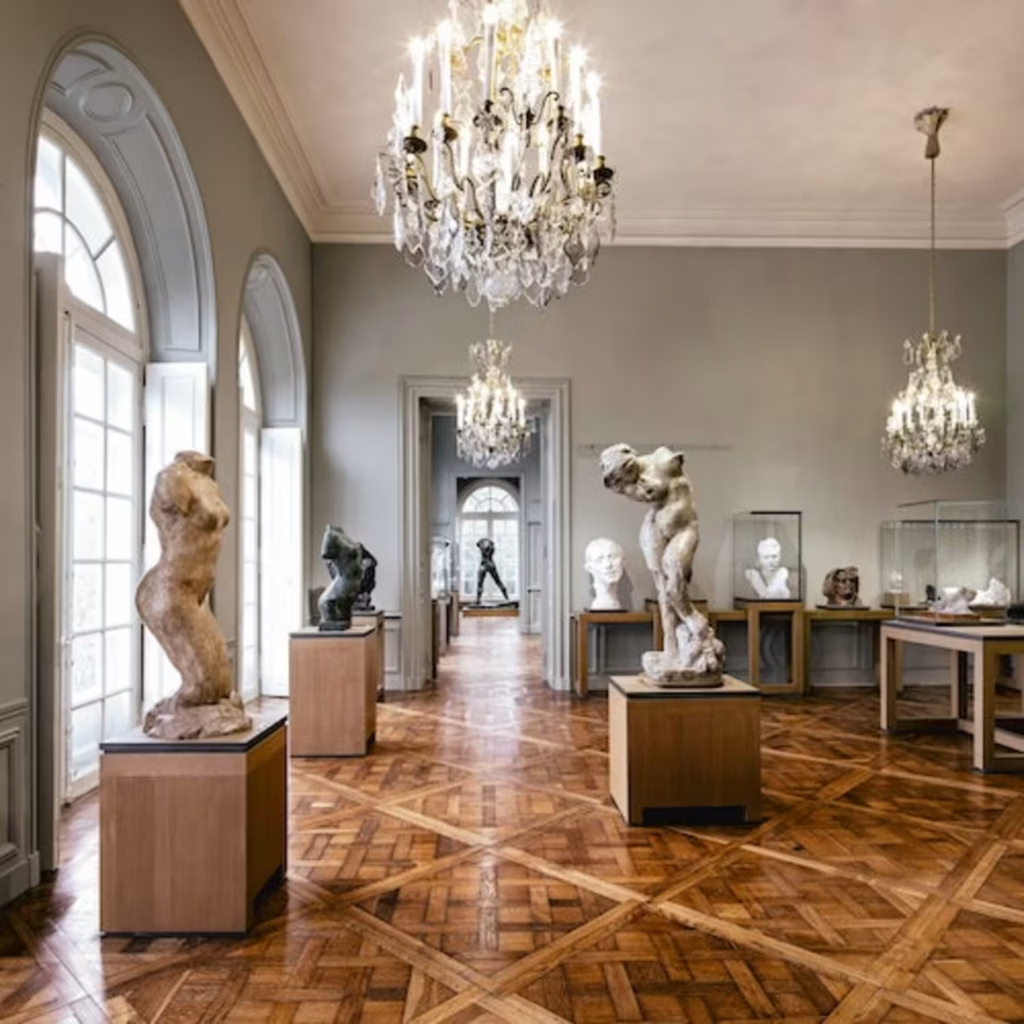
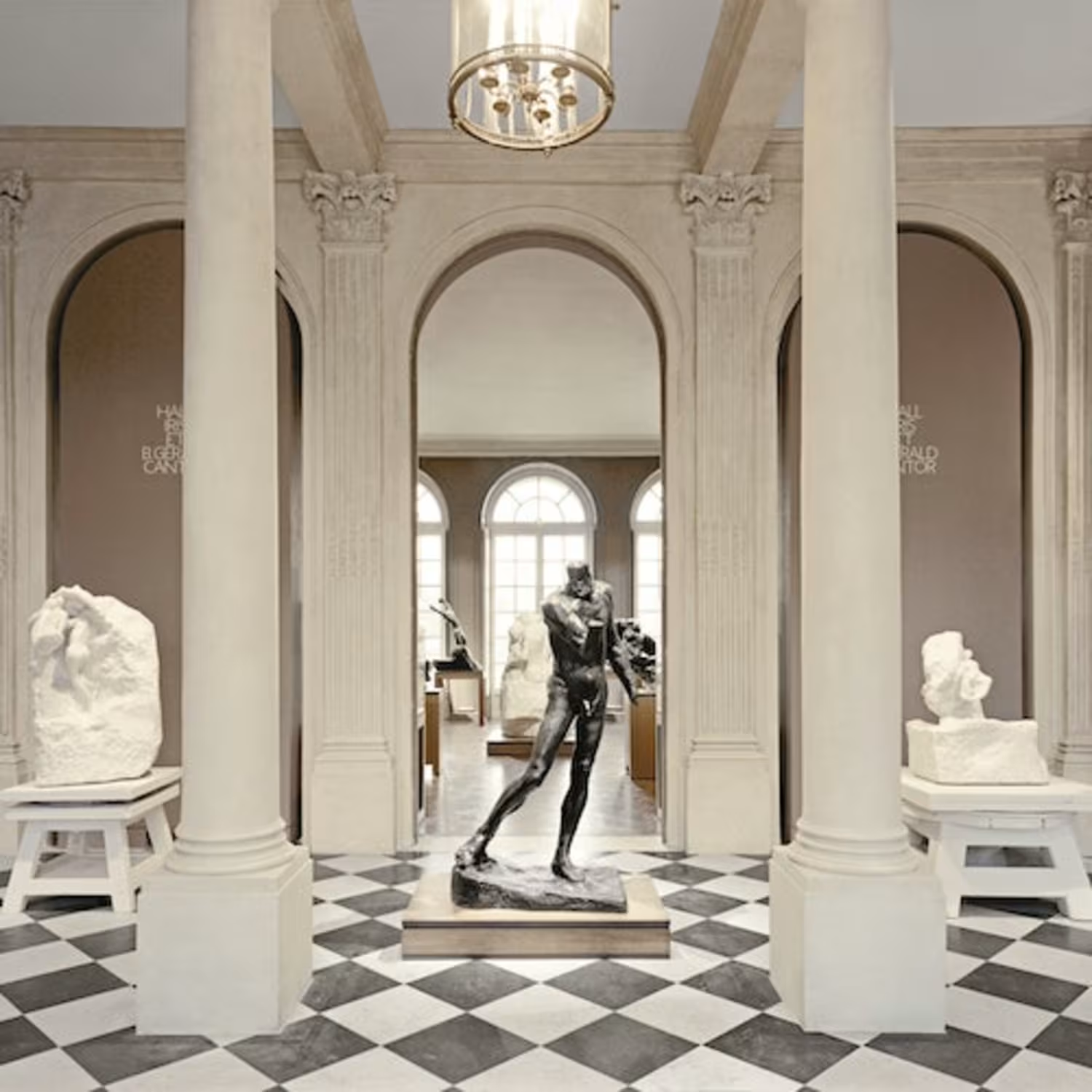
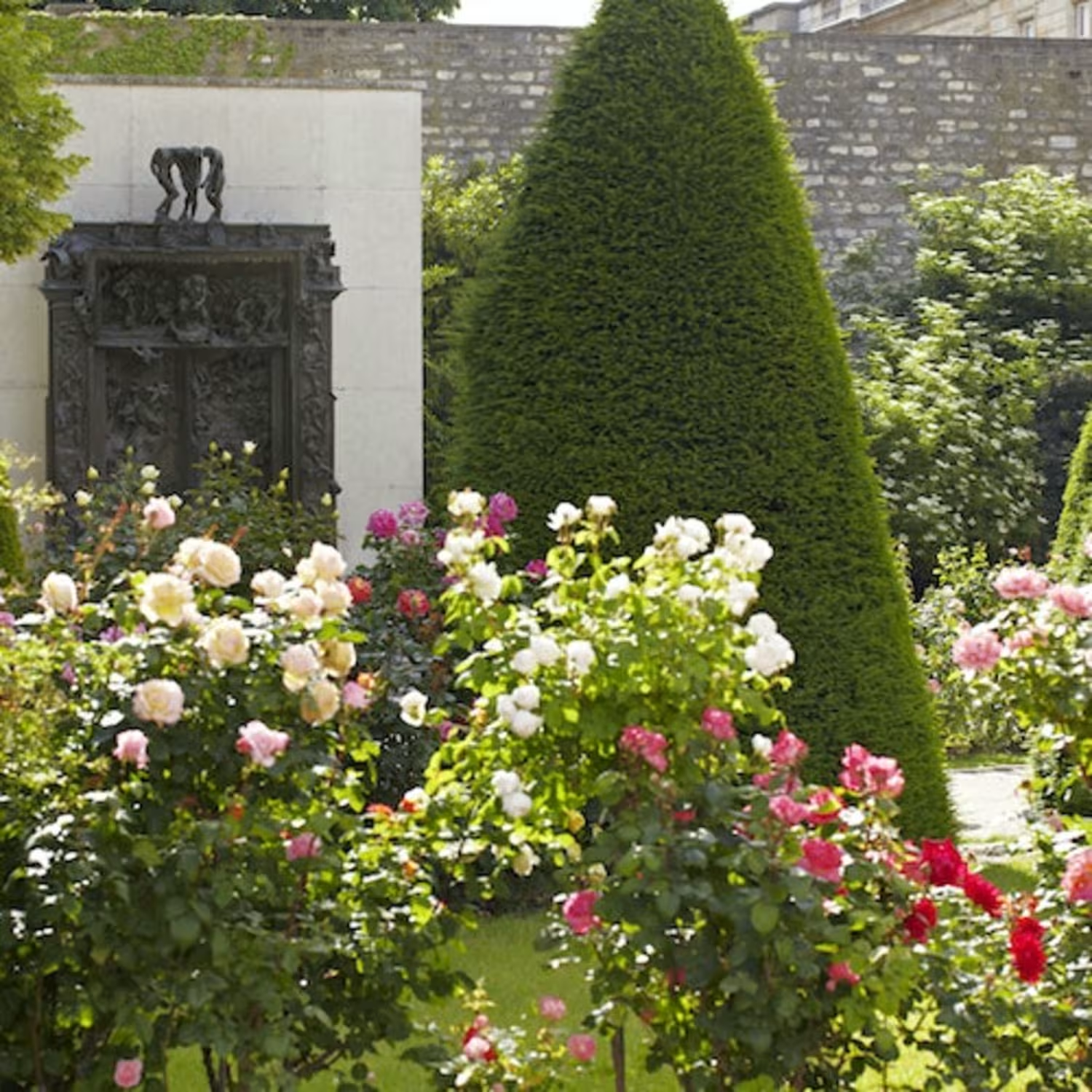
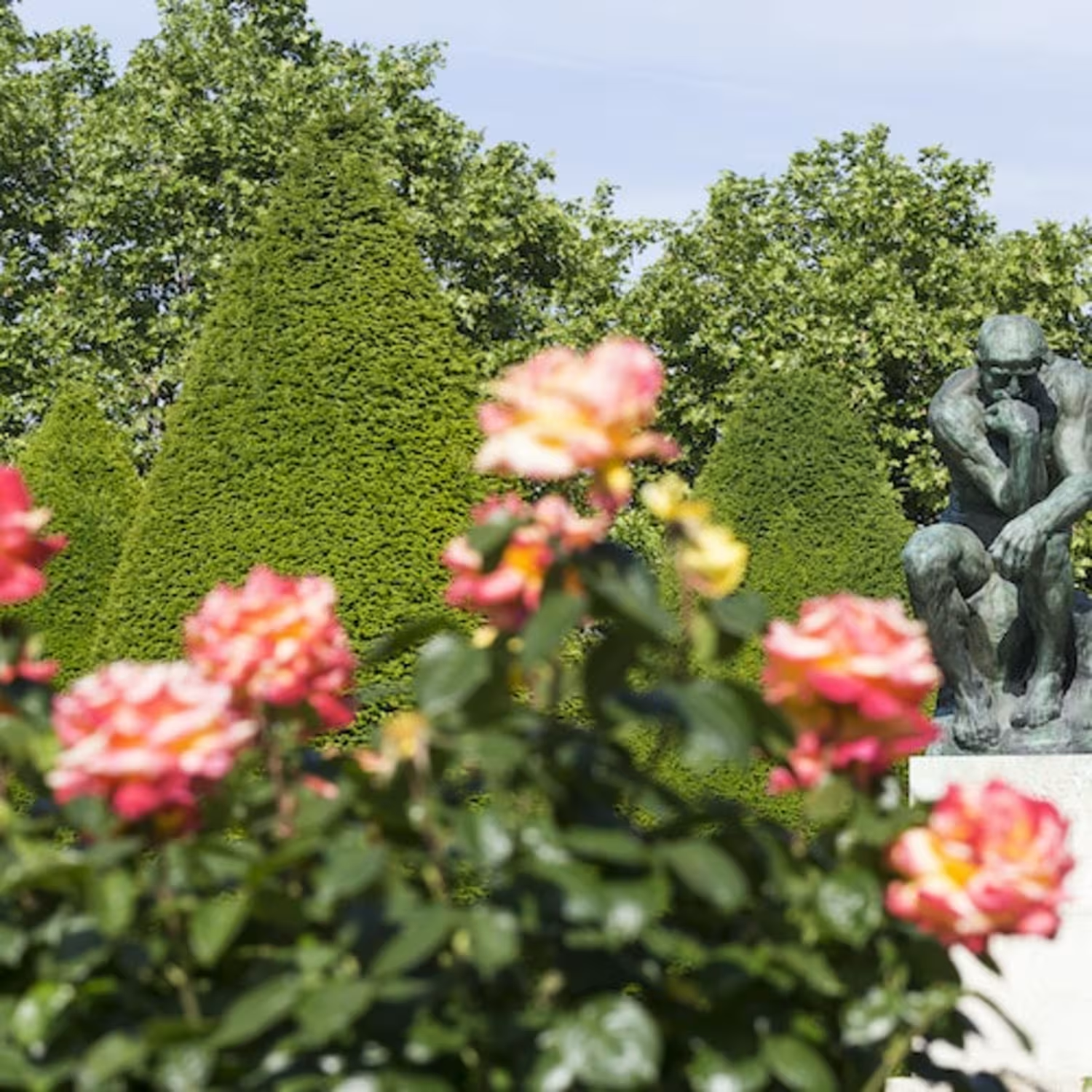
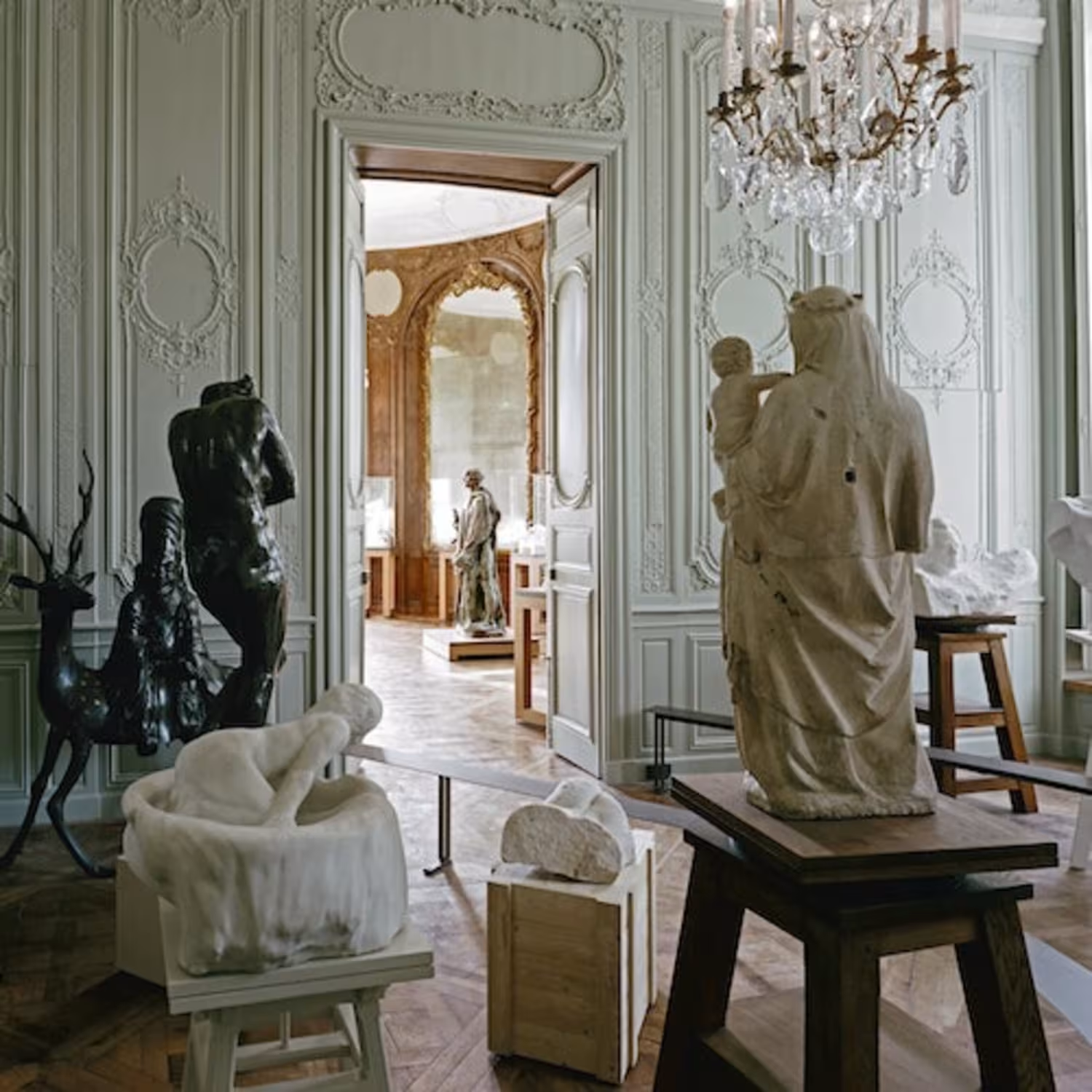
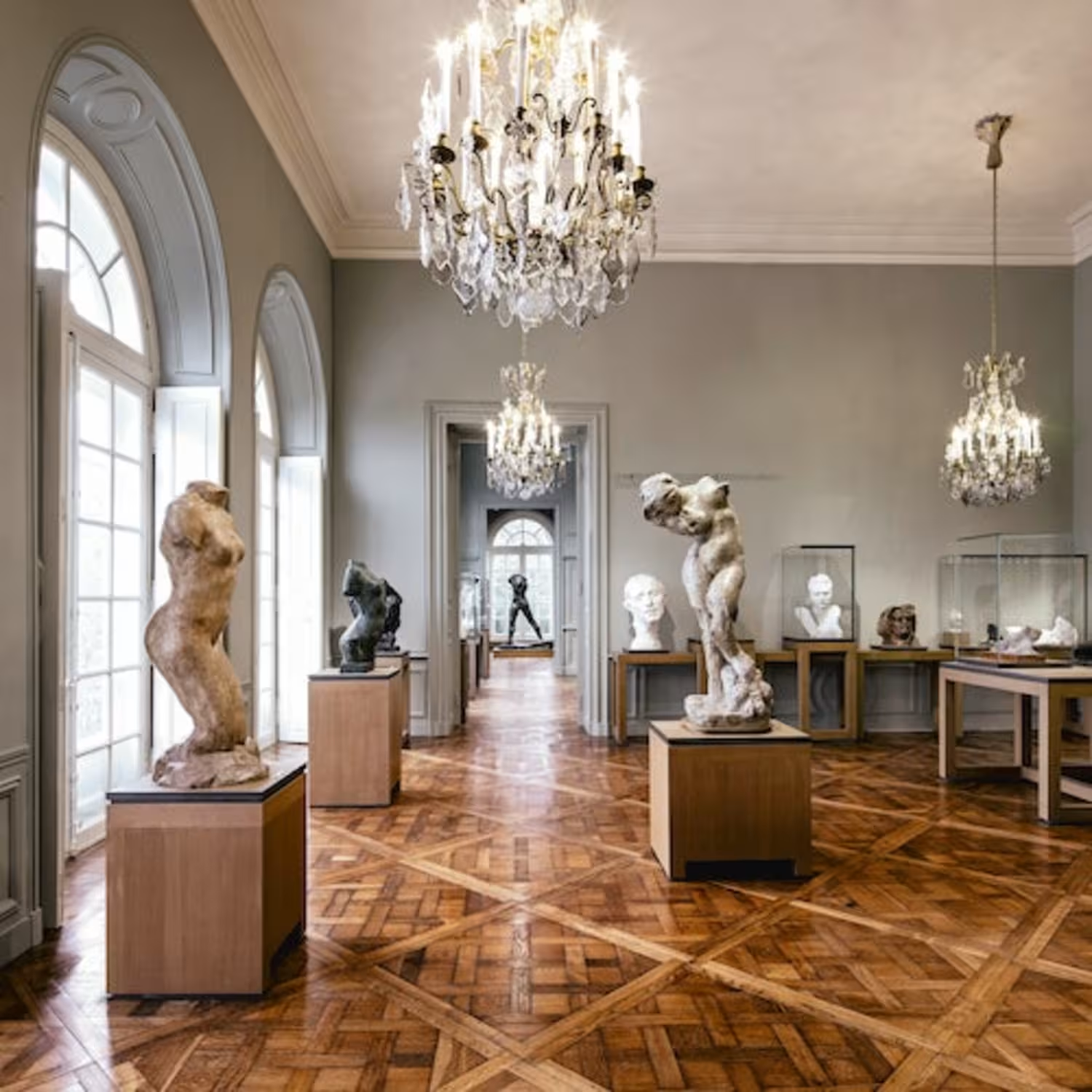
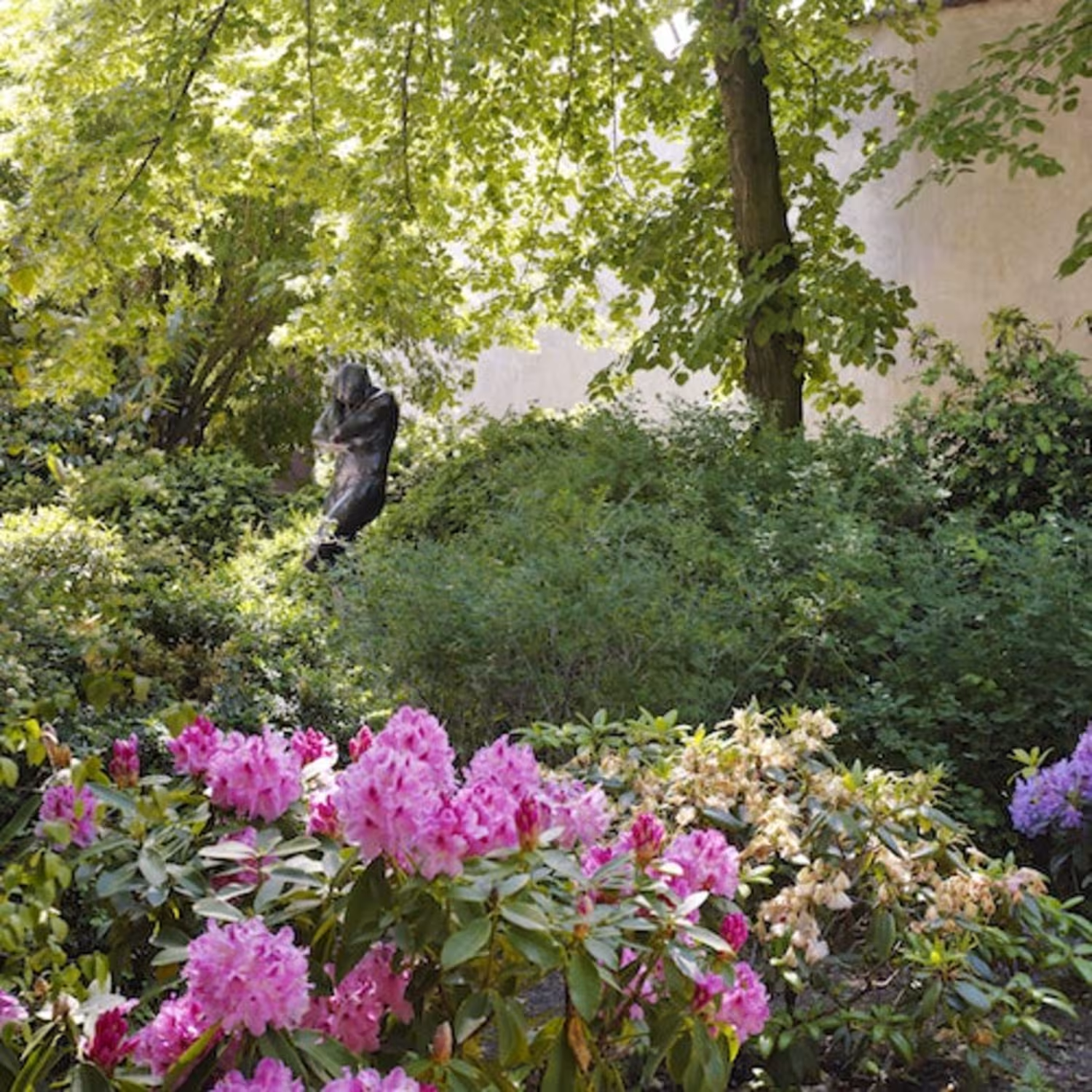
Auguste Rodin spent the last years of his life inside the Hôtel Biron, and today the mansion holds almost everything he made: around 6,600 sculptures in bronze, marble and plaster, some 8,000 drawings, and the personal collection he kept around him while he worked. The rooms indoors hold the marbles and the smaller studies, including The Kiss, while the three-hectare garden outside works as an open-air gallery for the largest bronzes, The Thinker and The Gates of Hell among them. Camille Claudel has a gallery of her own. Inside, the layout still traces the shape of a working studio as much as a museum, right down to the light Rodin chose the rooms for.

What Makes the Musée Rodin Collection Unusual

Housed inside the actual Hôtel Biron, the mansion where Rodin worked until his death in 1917.

Holds 6,600 sculptures, plus 8,000 drawings and thousands of photographs and personal archives.

The Thinker, The Kiss and The Gates of Hell are all here, the three works most people know Rodin by.

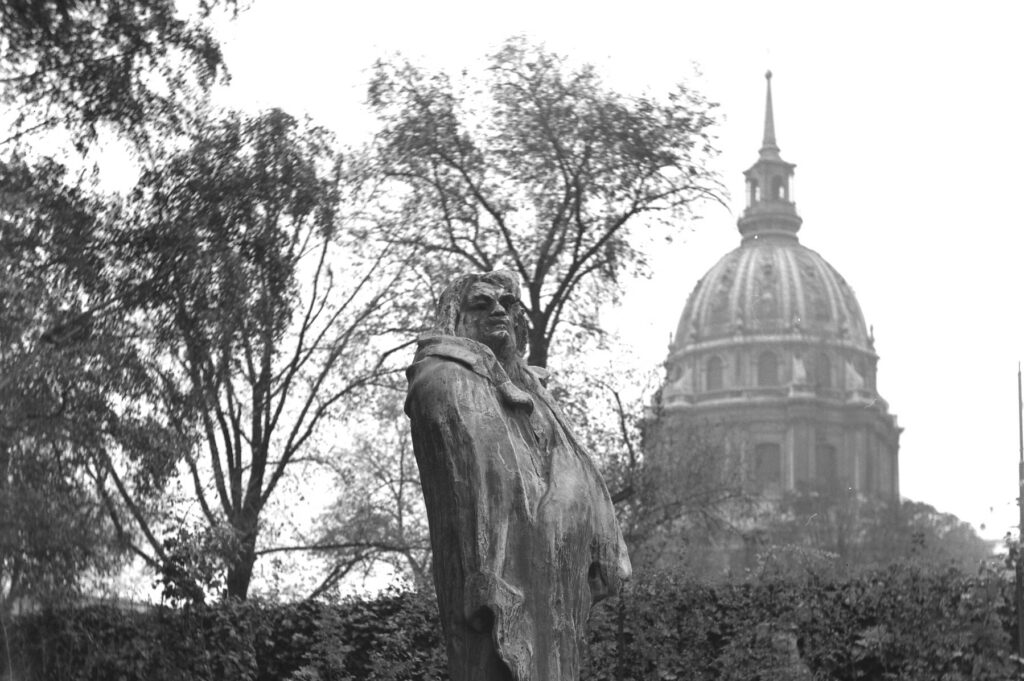
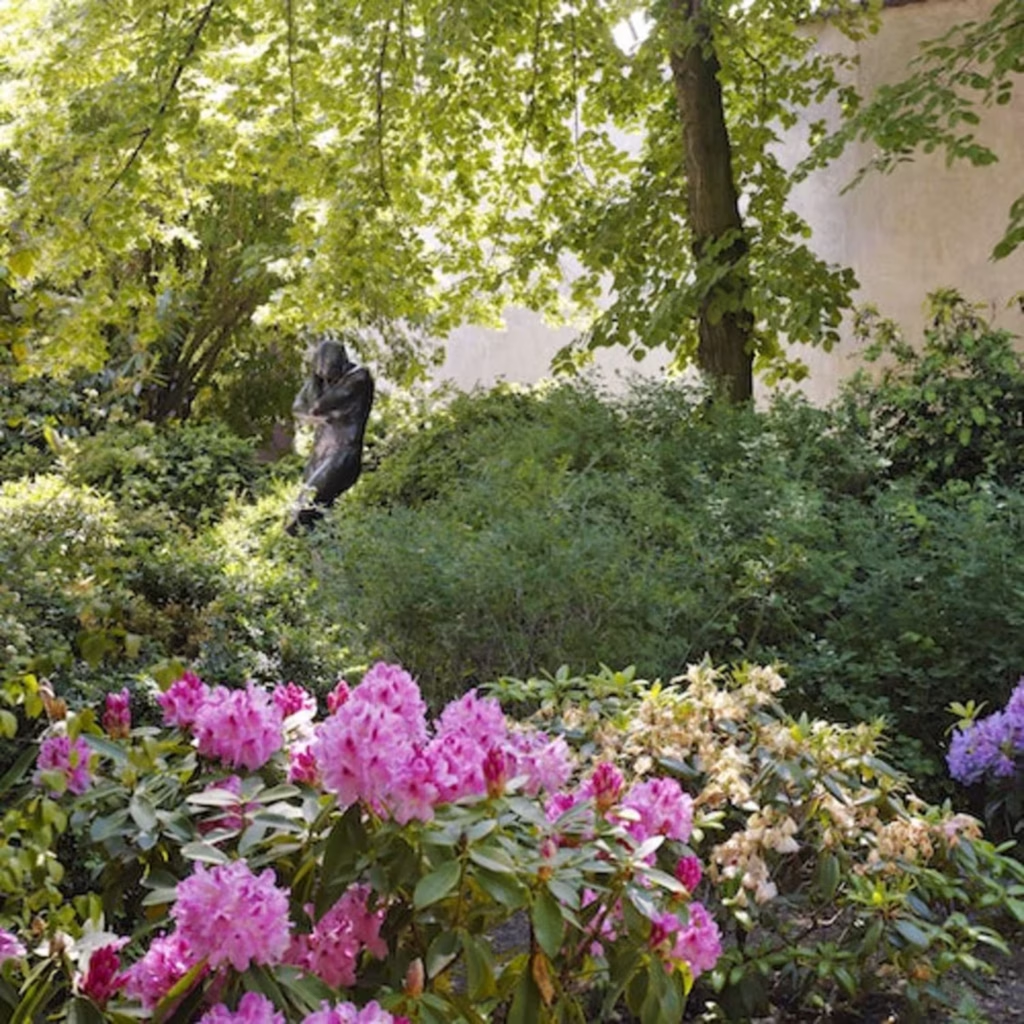
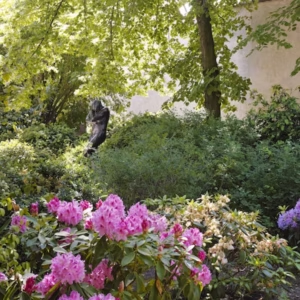
The three-hectare garden turns half the visit into an open-air sculpture park, with The Burghers of Calais and the Monument to Balzac standing outdoors.

Rodin donated his entire collection in 1916, on condition that it always stay together inside this building.

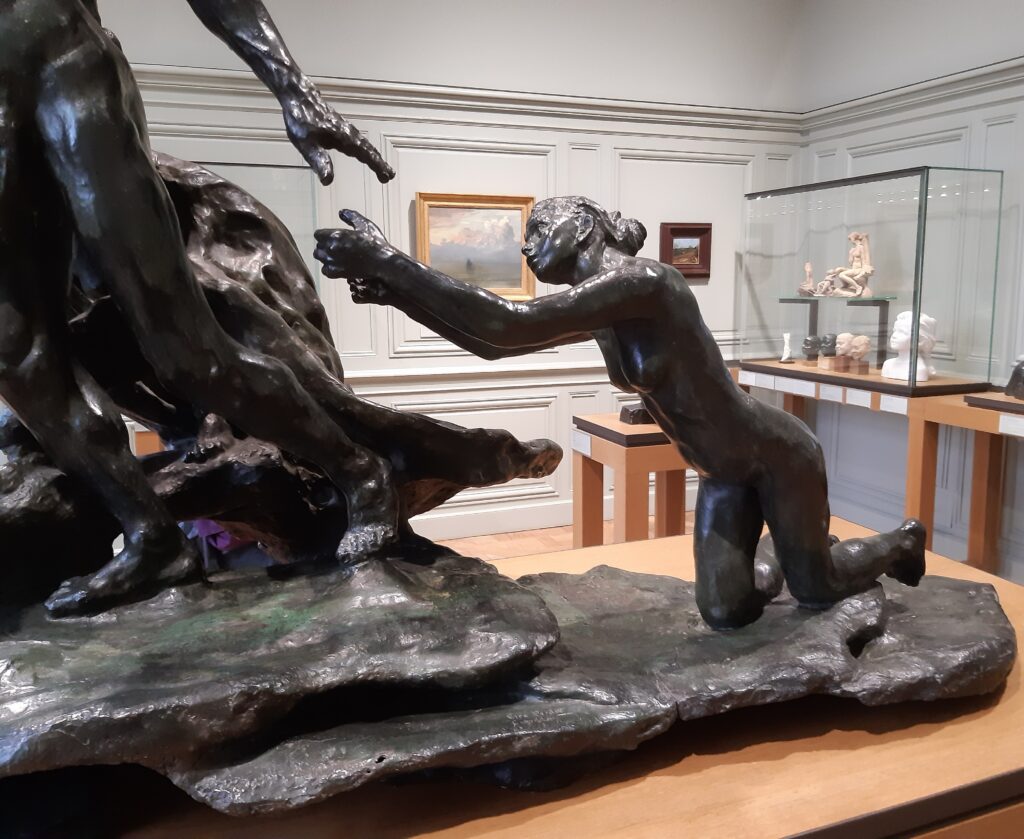
A dedicated gallery honors Camille Claudel’s own sculptures, not just her years working alongside Rodin.

Before Rodin moved in, the same rooms briefly housed a loose colony of future-famous artists, Matisse among them.

Draws around 700,000 visitors a year, a striking number for a museum built around a single artist.

From an Artists’ Commune to Rodin’s Own Studio

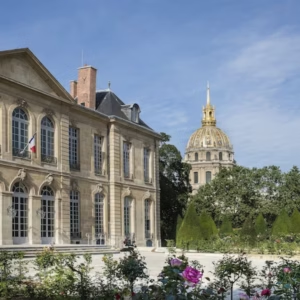
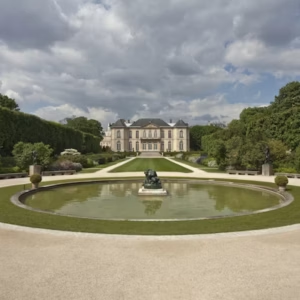
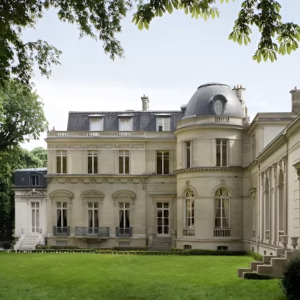
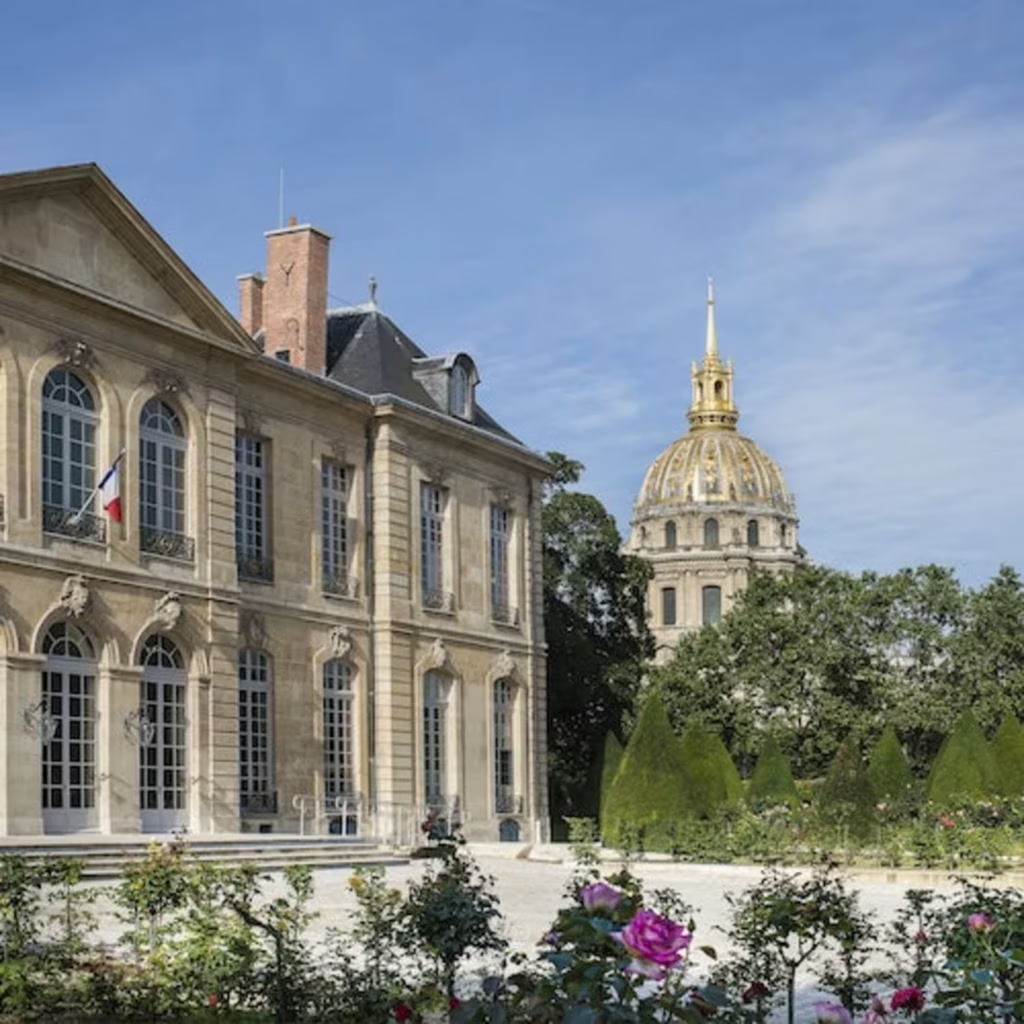
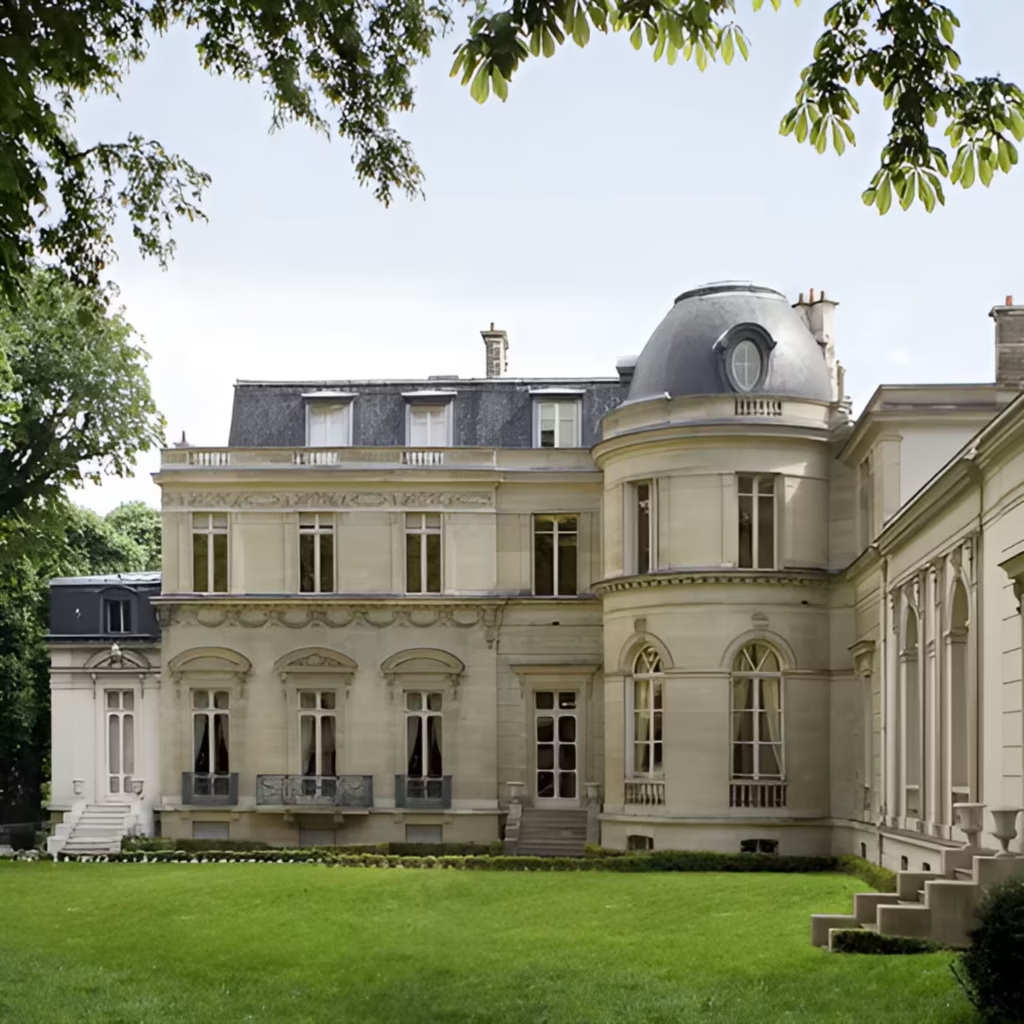
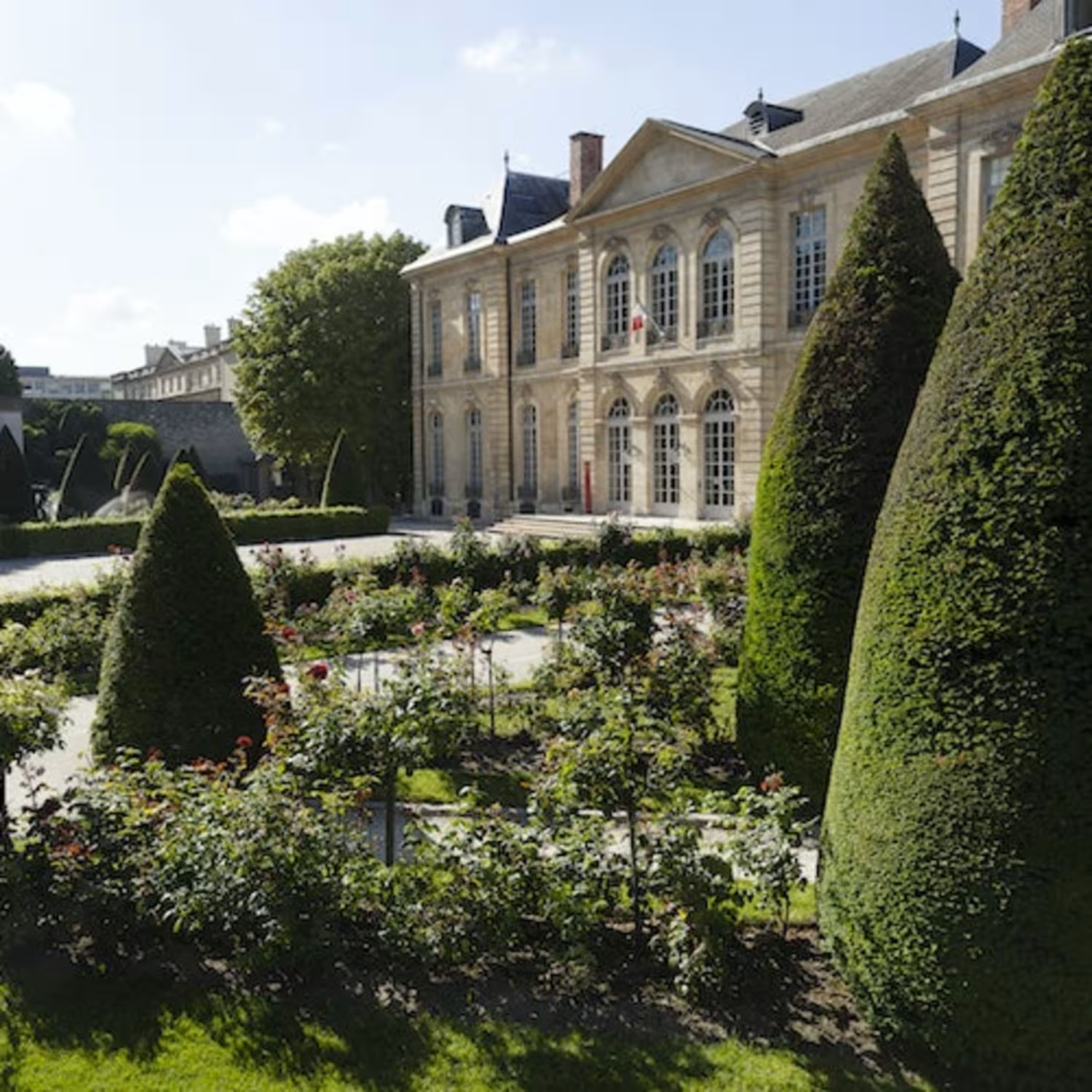
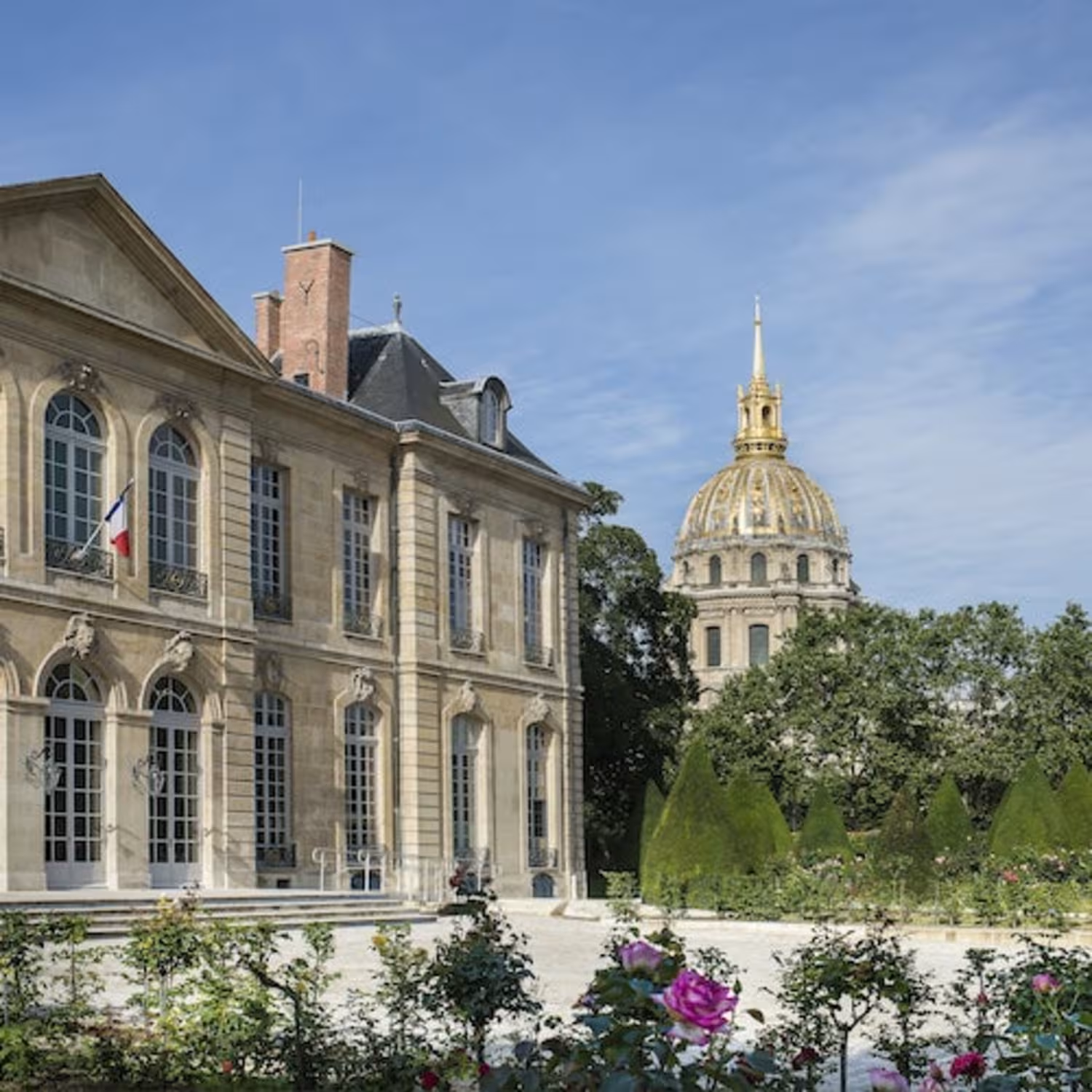
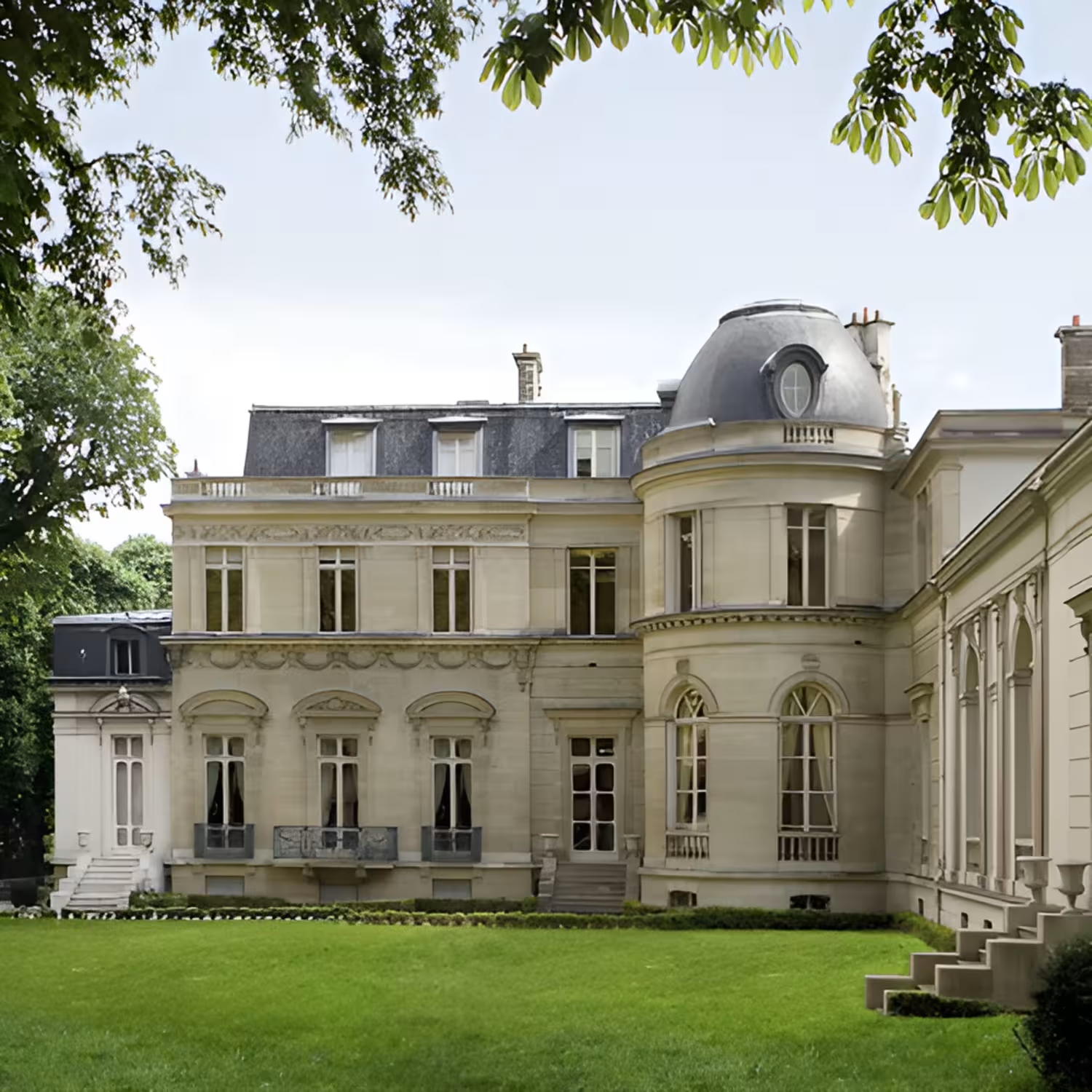
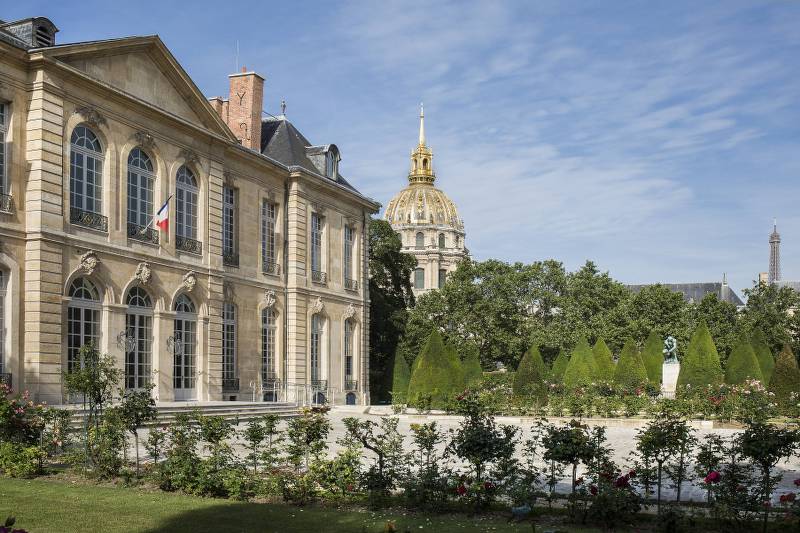
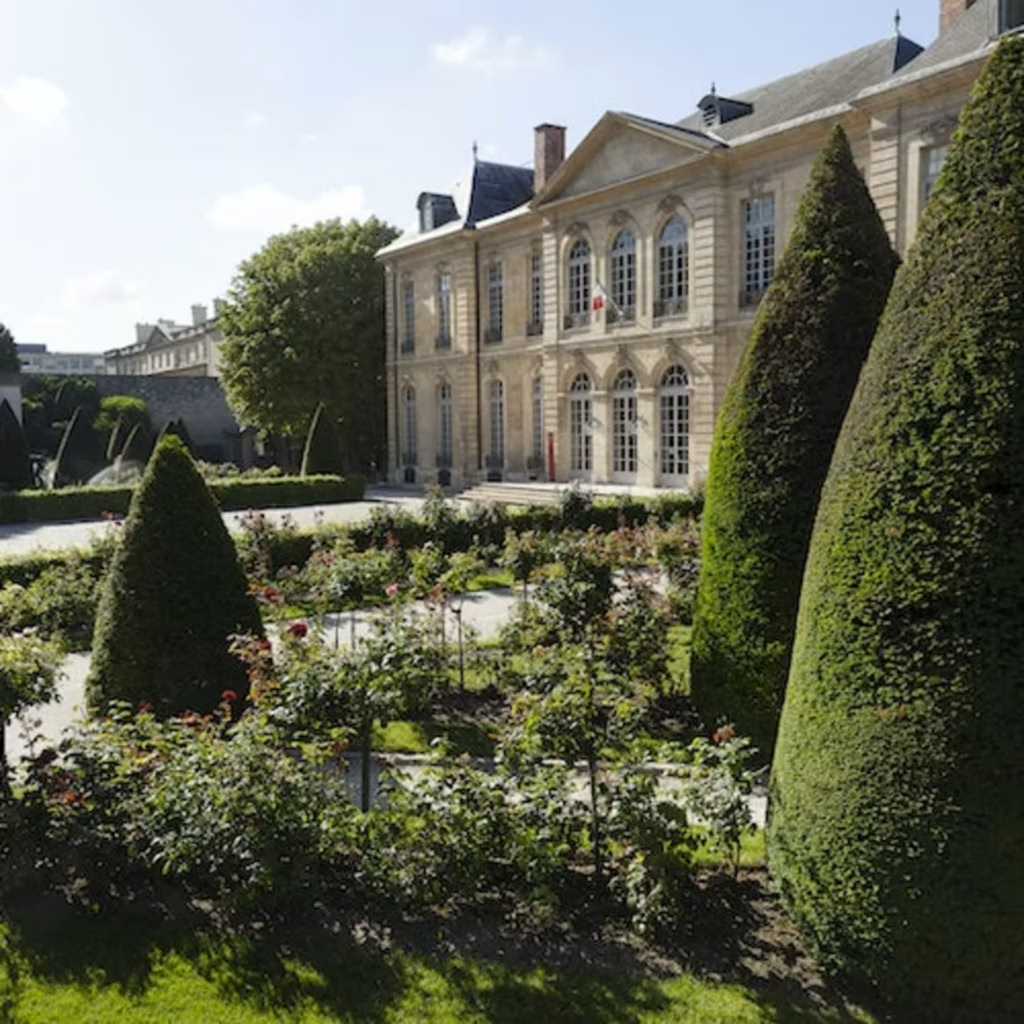
The Hôtel Biron, home to the Musée Rodin

Long before Rodin’s name was on the door, the Hôtel Biron spent the early 1900s as an unlikely artists’ commune, from 1905 to 1911. Its half-empty rooms sheltered a rotating cast of tenants while the mansion sat waiting for a buyer: Henri Matisse ran a small art academy out of the courtyard pavilion, Jean Cocteau moved a piano into a second-floor room and launched a magazine from it, and the dancer Isadora Duncan used the overgrown grounds as her own private stage. The poet Rainer Maria Rilke and his wife, the sculptor Clara Westhoff, lived there too, quieter than their neighbors.

Auguste Rodin joined this crowd in 1908, renting four ground-floor rooms as studio space. He stayed after everyone else left: when the French state bought the building outright in 1911, every other tenant was asked to move out, and Rodin alone kept working there, gradually filling the whole mansion with his own sculptures and plaster casts.

A Museum Built From One Man’s Gift

In 1916, Rodin donated his entire collection to the French state on condition that it remain here permanently. He died the following year, and the Musée Rodin opened to the public on August 4, 1919, turning his own rooms and studio into galleries almost exactly as he left them.

The building stayed in daily use as a museum for nearly a century before a full renovation between 2012 and 2015 updated the galleries, storage and visitor spaces without touching the historic rooms where Rodin actually worked. It reopened on November 12, 2015, Rodin’s 175th birthday.

The Commission Rodin Never Stopped Reworking
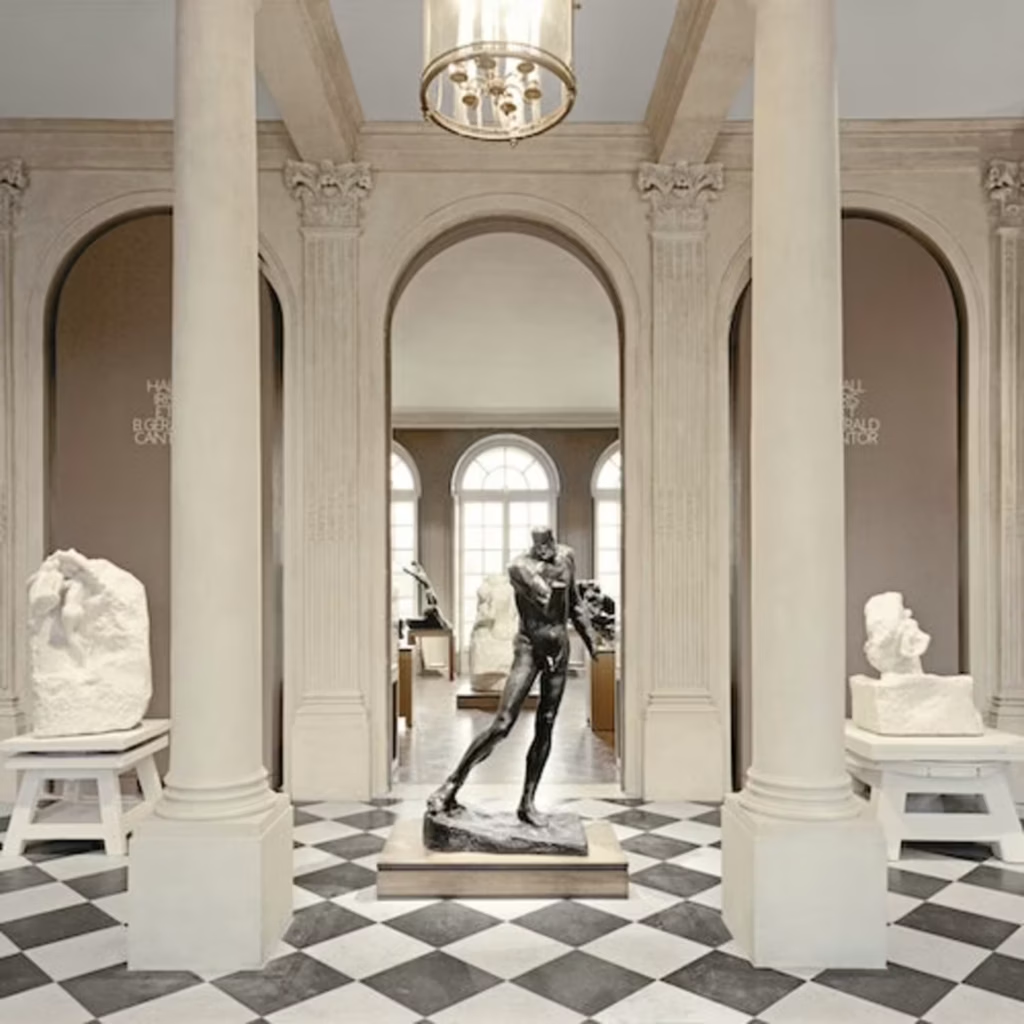
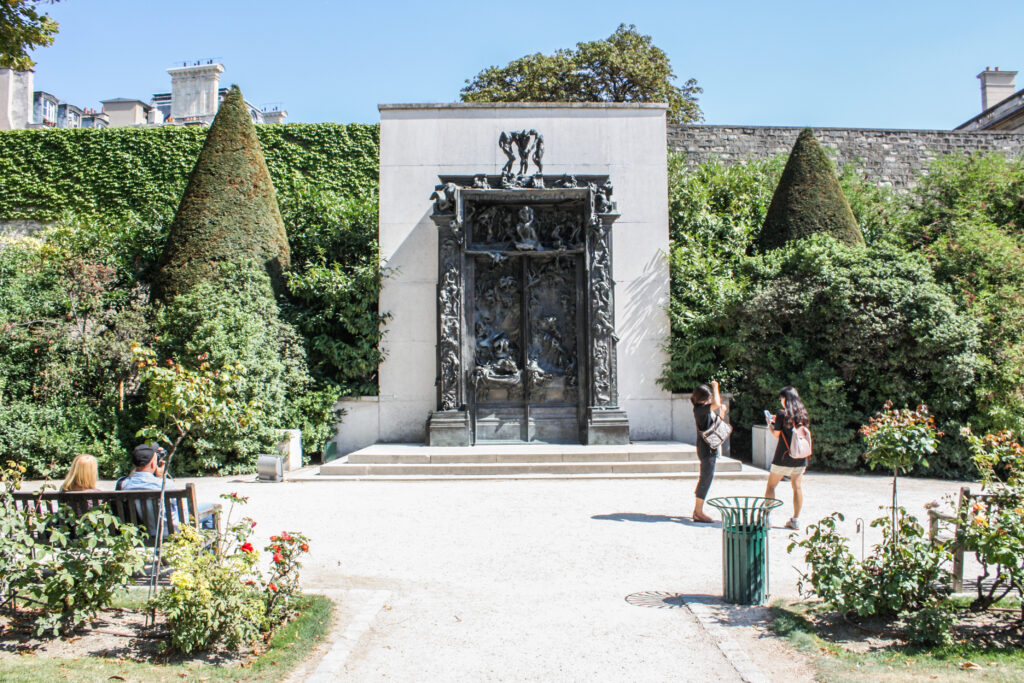
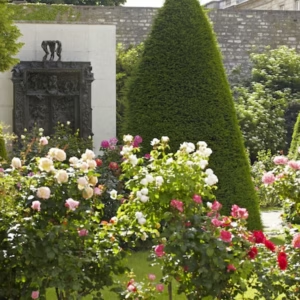
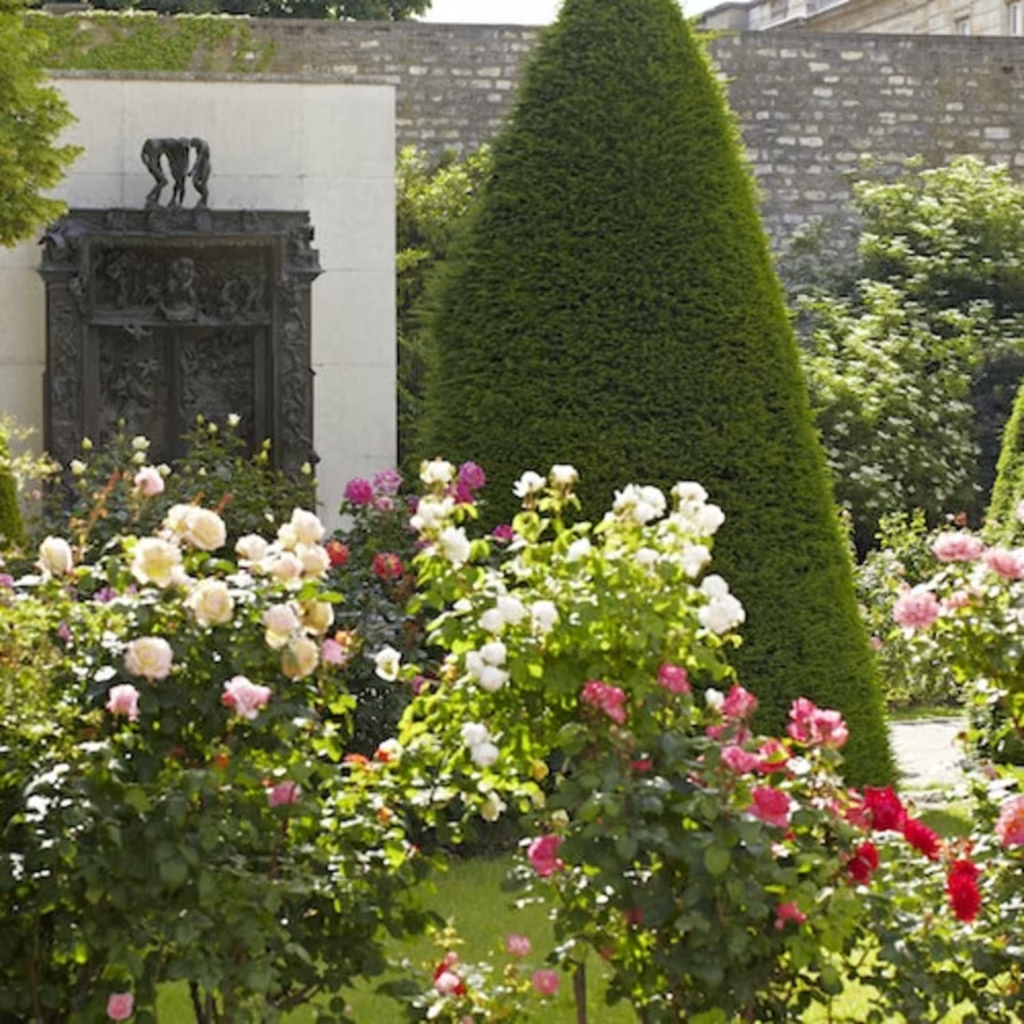
Several of Rodin’s most famous works share a single origin point: a monumental bronze door called The Gates of Hell, commissioned in 1880 for a museum of decorative arts that was never built. Rodin kept reworking it for the rest of his life, and figures he first sculpted for the door eventually grew into famous works of their own, cast and exhibited separately.

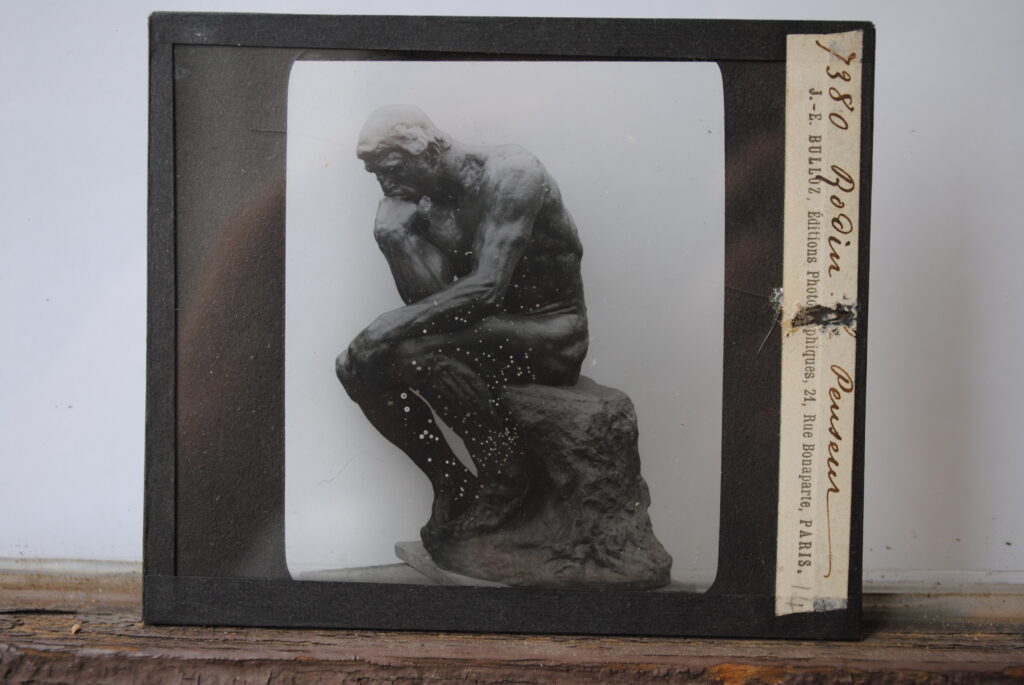
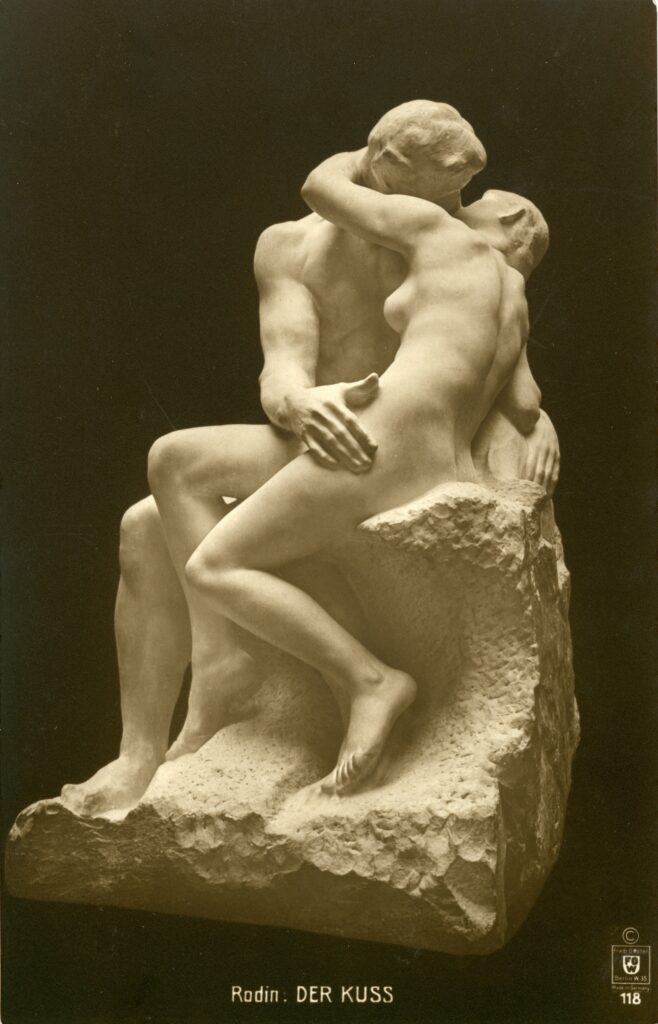
The Thinker began as a single seated figure above the door, representing Dante contemplating his Divine Comedy. The Kiss started the same way, an embracing couple Rodin later removed because its calm didn’t match the door’s torment. Both pieces now stand on their own, inside the museum and in its garden, alongside a dedicated room for Camille Claudel’s own sculptures.

Ready to Meet Rodin’s Paris?

The Hôtel Biron holds nearly everything Rodin made, arranged through the same rooms and garden he worked in himself, from the marbles indoors to the big bronzes standing out among the hedges. Most people give it an hour and a half and end up staying longer, usually because the garden turns out to be half the visit rather than a walk to the exit. Mornings are the quietest stretch of the day, and the light in the ground-floor rooms is at its best then. Sort out your ticket and your timing first, then come see The Thinker in person.
Musée Rodin: special tickets

Highlights

Avoid long entry lines for the museum.

Discover Rodin’s most celebrated creations like The Thinker and The Kiss.

Explore both the permanent displays and special temporary exhibits.

Stroll through the serene Sculpture Garden inside a historic 18th-century mansion.

Benefit from optional add-ons such as audio guides and interactive tablets at checkout.
Frequently Asked Questions About the Musée Rodin

What are Rodin’s most famous sculptures?

The Thinker, The Kiss and The Gates of Hell are the three most people know, followed by The Burghers of Calais and the Monument to Balzac. All five are at the Musée Rodin, either in the galleries or out in the garden.

Which Rodin sculptures are in the garden?

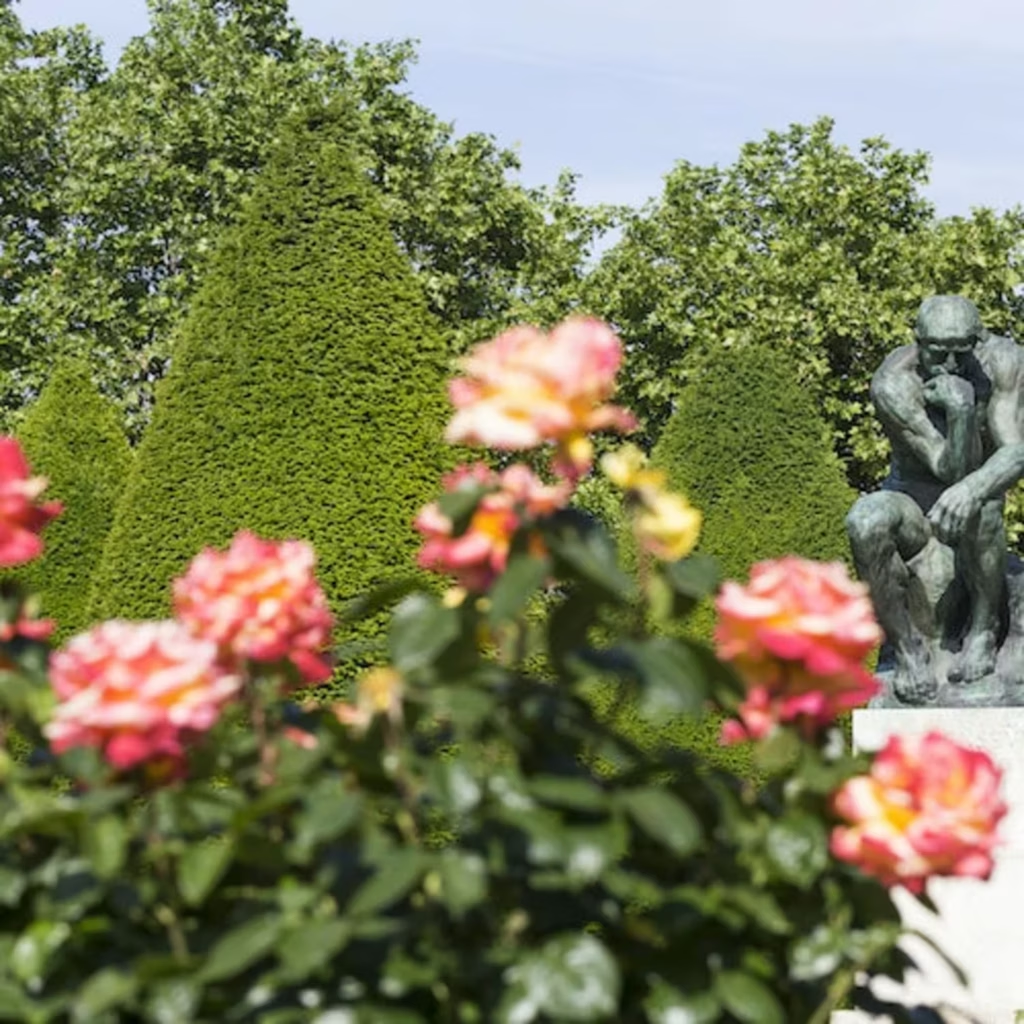
The garden holds the large bronzes, including The Thinker, The Gates of Hell, The Burghers of Calais and the Monument to Balzac, set along gravel walks across three hectares of formal grounds.

Is The Thinker at the Musée Rodin?

Yes. A large bronze cast stands in the museum’s garden. Rodin authorised several casts during his life and more were made afterwards, so versions of The Thinker also stand in other cities, but this one sits on the grounds where he worked.

Can you see The Kiss at the Musée Rodin?

Yes. The museum holds one of the full-size marble versions, shown indoors. Rodin made the work in several versions, so marbles of The Kiss also exist elsewhere, including in London and Copenhagen.

What was The Gates of Hell originally meant for?

A monumental bronze door commissioned in 1880 for a museum of decorative arts that was never built. Rodin kept reworking it for the rest of his life, and figures from it, including The Thinker and The Kiss, grew into famous sculptures of their own.

Is The Kiss really part of The Gates of Hell?

It started that way. Rodin carved an early version of the embracing couple for the door, then decided its calm didn’t fit the door’s torment and gave it a life of its own as a separate work.

Who was Auguste Rodin?

A French sculptor (1840-1917) known for breaking away from the polished, idealized figures of academic sculpture in favor of raw, emotionally charged bronze and marble. The Thinker and The Kiss are his best-known works.

Why is the museum inside the Hôtel Biron?

Rodin rented studio space in the mansion starting in 1908, and when the French state bought the building in 1911, he was the only tenant allowed to stay. He later donated his collection on condition that it remain there.

Who was Camille Claudel?

A sculptor who trained with Rodin, collaborated with him through the 1880s, and became his lover before their relationship ended badly. The museum gives her work its own dedicated room, separate from Rodin’s.

How big is the museum’s collection?

Close to 6,600 sculptures, 8,000 drawings, 8,000 photographs and 7,000 other objects and archival pieces, almost all connected to Rodin.

How big is the garden?

About three hectares, roughly seven acres, landscaped around large bronzes including The Thinker, The Burghers of Calais and the Monument to Balzac.

Did other artists live at the Hôtel Biron before Rodin?

Yes. From 1905, the half-vacant mansion housed a loose colony of tenants, including Henri Matisse, who ran a small art school there, and Jean Cocteau, who moved in with a piano.

Is the Paris museum related to the Rodin Museum in Philadelphia?

They’re separate institutions. The Philadelphia museum opened in 1929, built by collector Jules Mastbaum around works he acquired independently, and is often described as the Paris museum’s American counterpart.

Where is Rodin buried?

At the Villa des Brillants in Meudon, outside Paris, the museum’s second, quieter site. His grave is marked by a bronze cast of The Thinker.

What happened during the museum’s 2012-2015 renovation?

The galleries, storage and visitor spaces were modernized without altering the historic rooms Rodin actually worked in. It reopened on November 12, 2015, Rodin’s 175th birthday.

What should I not miss inside the Musée Rodin?

The Thinker and The Gates of Hell are the obvious ones, but the Camille Claudel gallery and the rooms preserving Rodin’s own studio space are easy to rush past and worth slowing down for.

This website sells official tickets for this venue. Please note, however, that it is not the official website of the venue.

The images and videos on this website may contain visual elements that have been created or enhanced using AI technology. They are provided for illustrative purposes only.