We are processing your request.
Please, don’t close or refresh the page.
Paris Tickets Rodin Museum Paris Monument Balzac
Rodin’s Monument to Balzac at the Musée Rodin, Paris

The Monument to Balzac by Rodin: The Statue That Got Him Fired

A writers’ society commissioned Rodin to sculpt Balzac in 1891, then refused the finished work in 1898. It was cast in bronze only after his death, and he called it the sum of his life.

Rodin’s Balzac, and Why Nobody Wanted It

In 1891 the Société des Gens de Lettres, the French writers’ society, asked Auguste Rodin for a statue of Honoré de Balzac. Balzac had been dead for forty years and was famously short, heavy and nothing like a monument. Rodin spent seven years on him and handed back a figure wrapped in a shapeless robe, with no hands, no pen and no desk. The society refused it. For the story of how everything he made ended up in one mansion, see how the Musée Rodin came to hold nearly everything Rodin made.

Seven Years Chasing a Dead Man’s Face
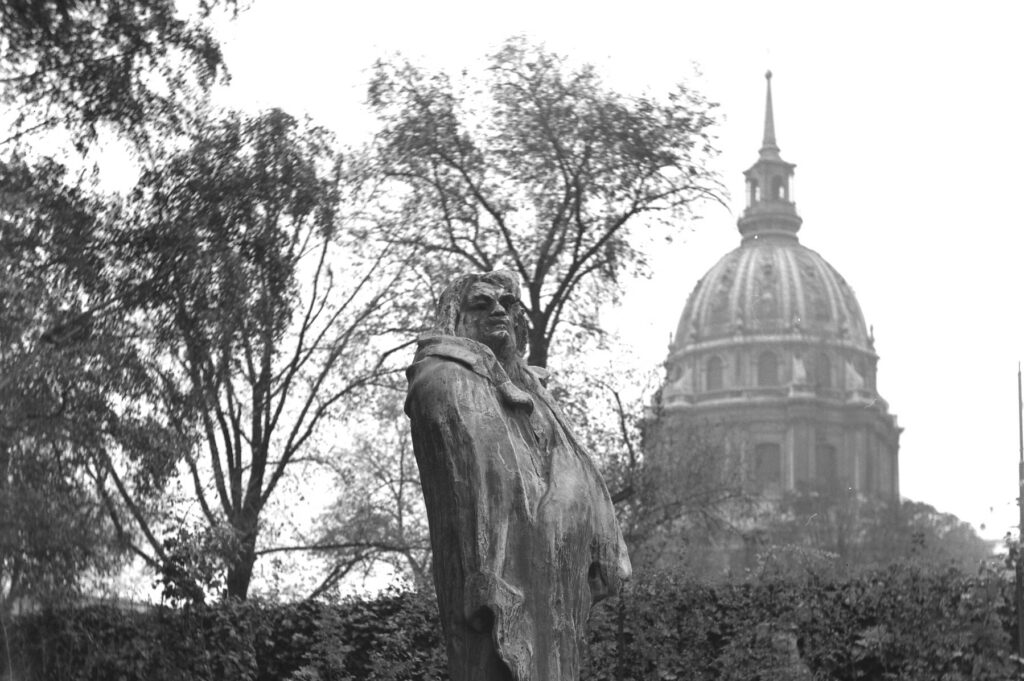
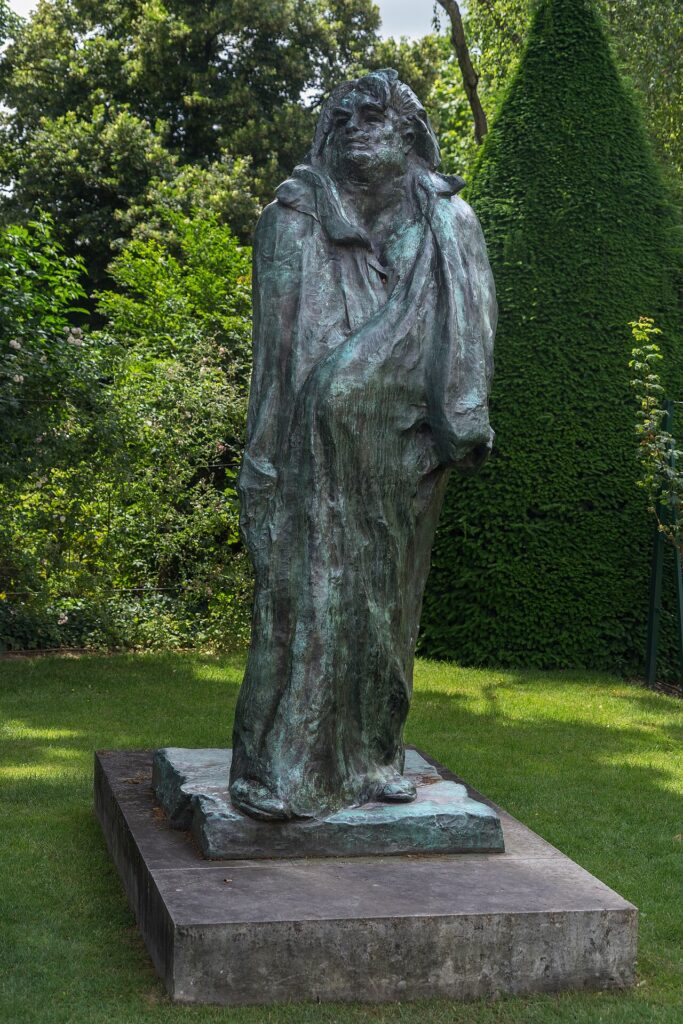
Front view of Rodin’s Monument to Balzac, Musée Rodin, Paris
Photo: couscouschocolat, CC BY 2.0, via Wikimedia Commons

Rodin took the commission seriously to the point of obsession. He read the novels, went to Balzac’s home region in Touraine to find men who resembled him, worked from old portraits and daguerreotypes, and tracked down the measurements Balzac’s own tailor had kept. He modelled him nude first, then heavy, then thin, before covering the whole thing in a robe.

What he arrived at was not a likeness. The body underneath is barely described, the head is thrown back, and the figure reads at a distance as a single upright mass. Rodin was after the presence of the man rather than his appearance, which is exactly what his clients had not asked for.

Rejected in 1898, Cast in 1935

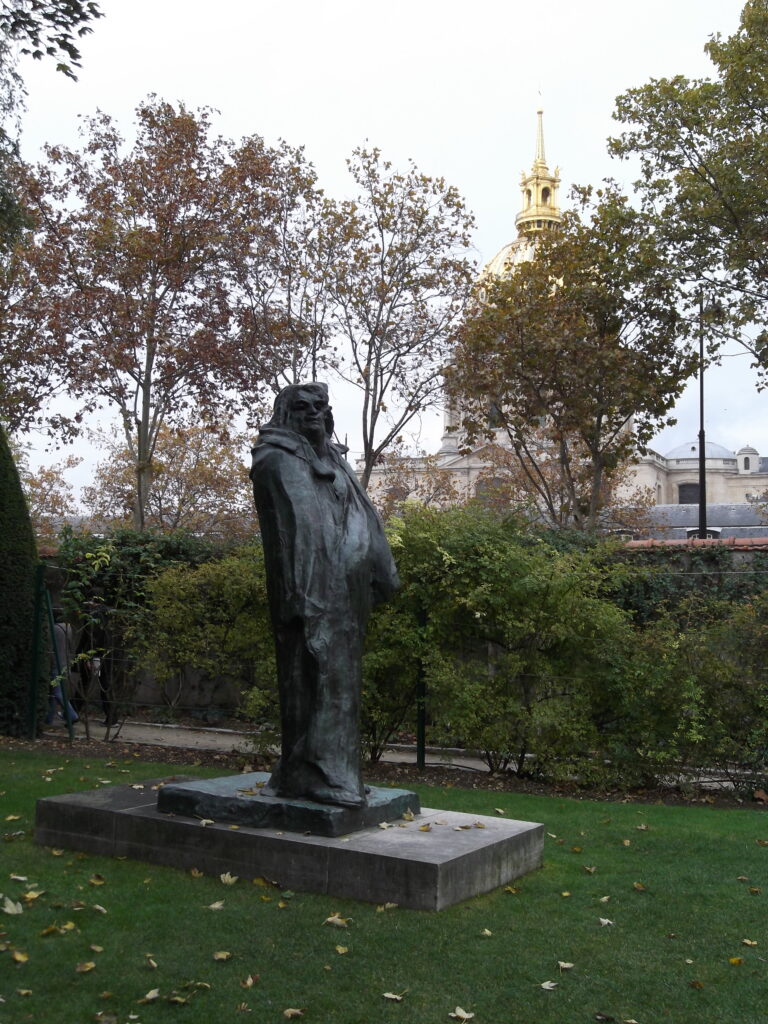
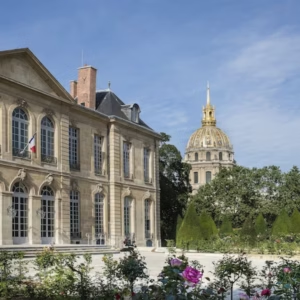
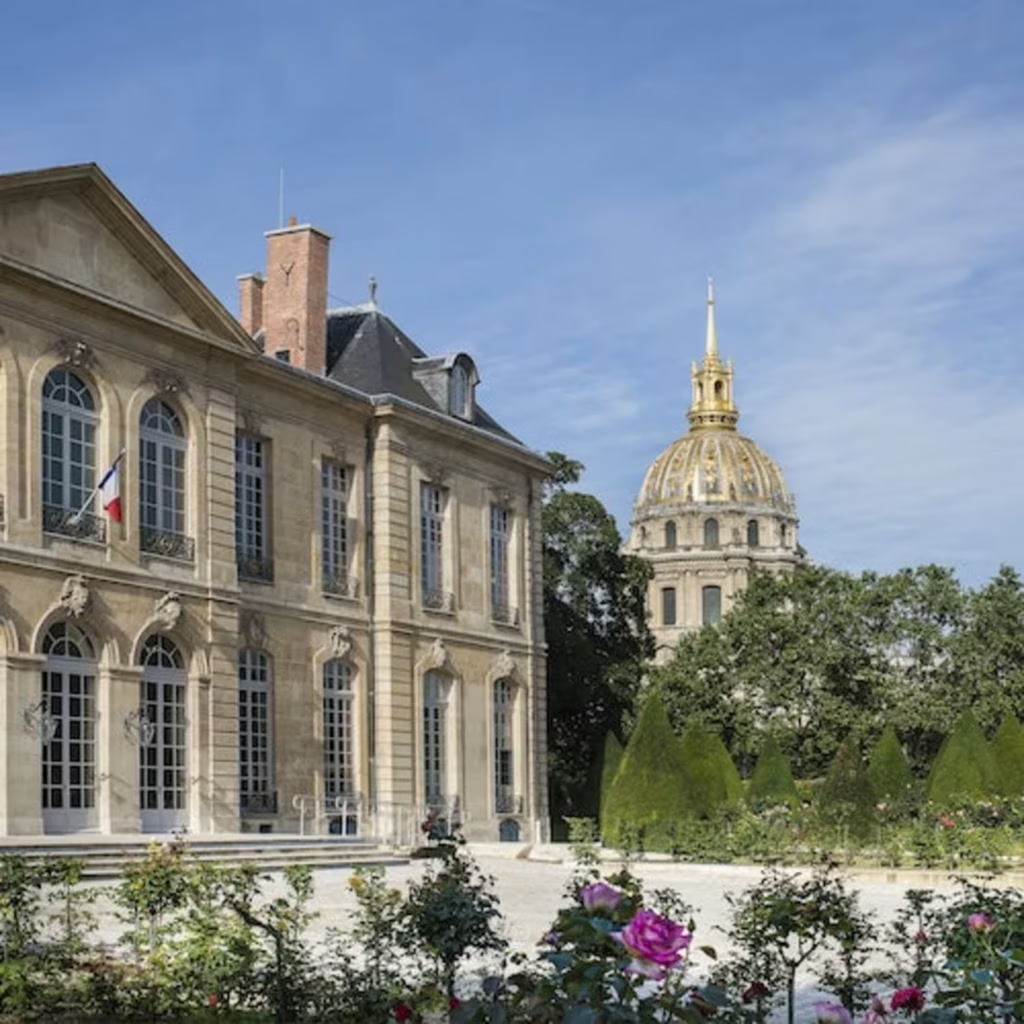
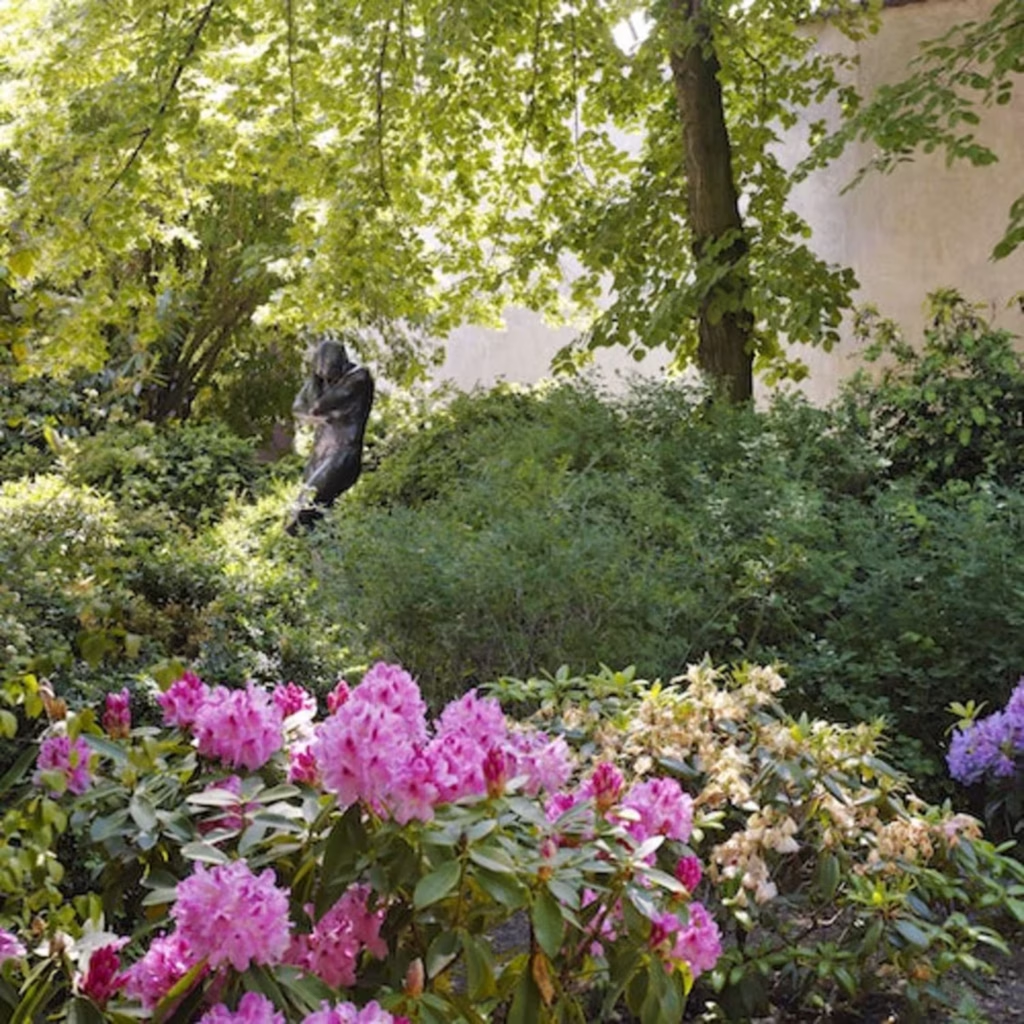
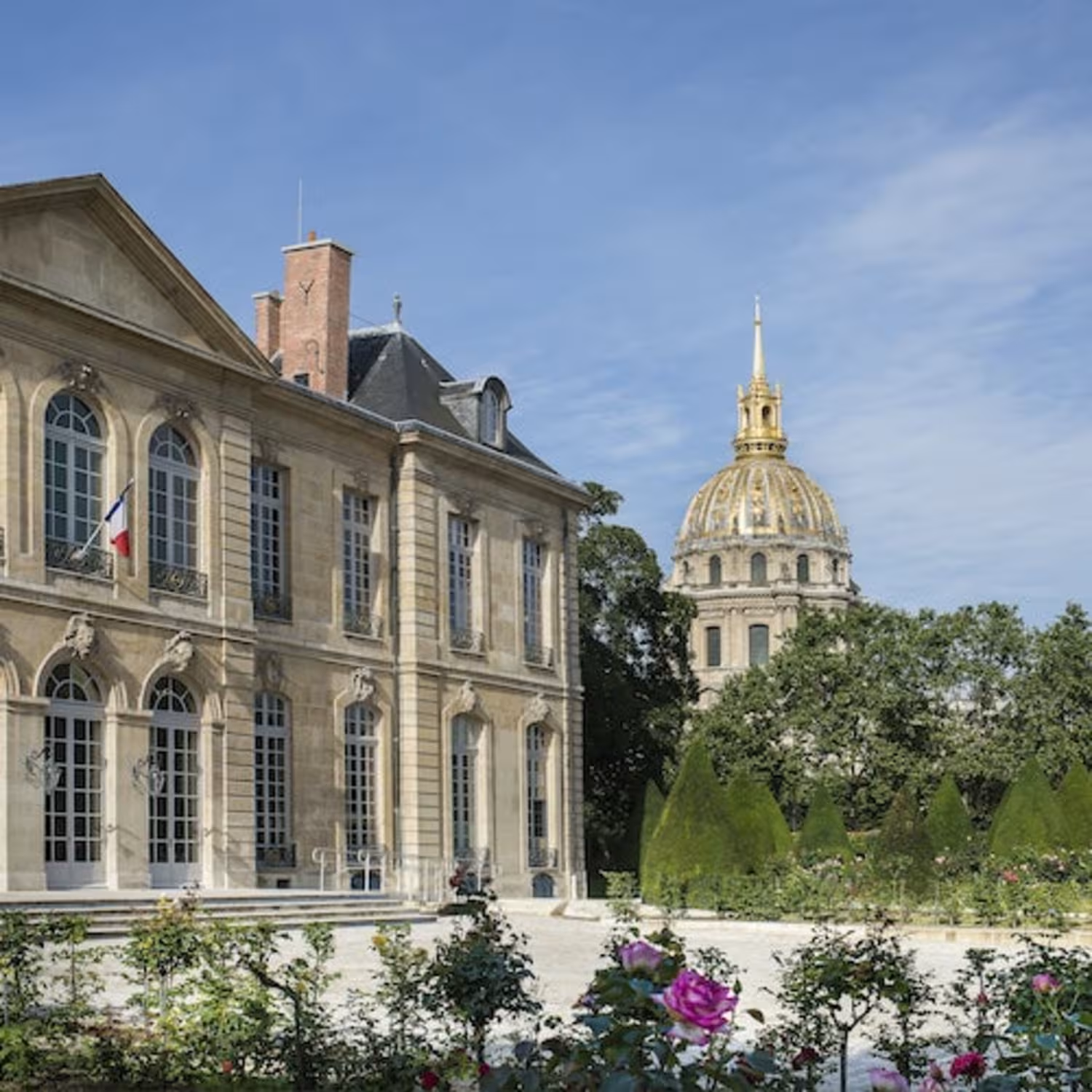
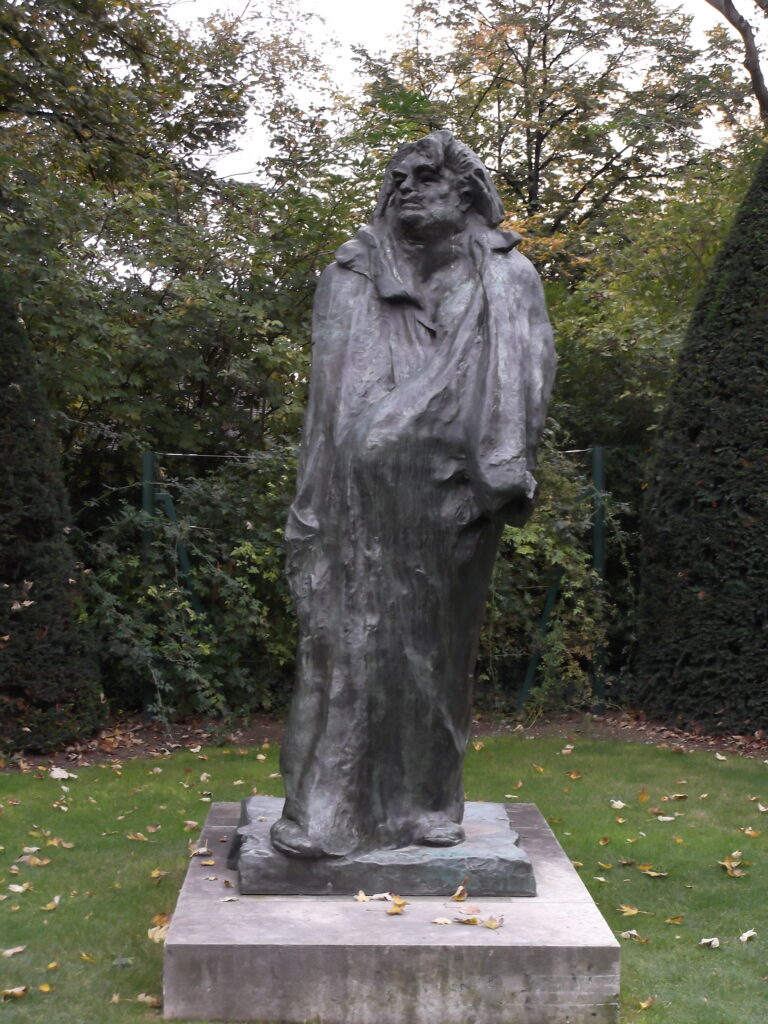
Rodin’s Balzac in the Musée Rodin garden with Les Invalides behind
Photo: Osbornb, CC BY 2.0, via Wikimedia Commons

The plaster went on show at the Salon in 1898, in the same room as The Kiss, and split Paris in two. The writers’ society voted to reject it and gave the commission to another sculptor. Rodin refused to alter the work, returned the fee and took it home to Meudon, where it stood in his garden for the rest of his life.

He never saw it in bronze. The first bronze was cast in 1935, eighteen years after his death, and a version was finally raised on a Paris boulevard in 1939. Today the piece is widely treated as the point where modern sculpture starts, which is a long way from a rejected commission.

Finding It on the Way Round

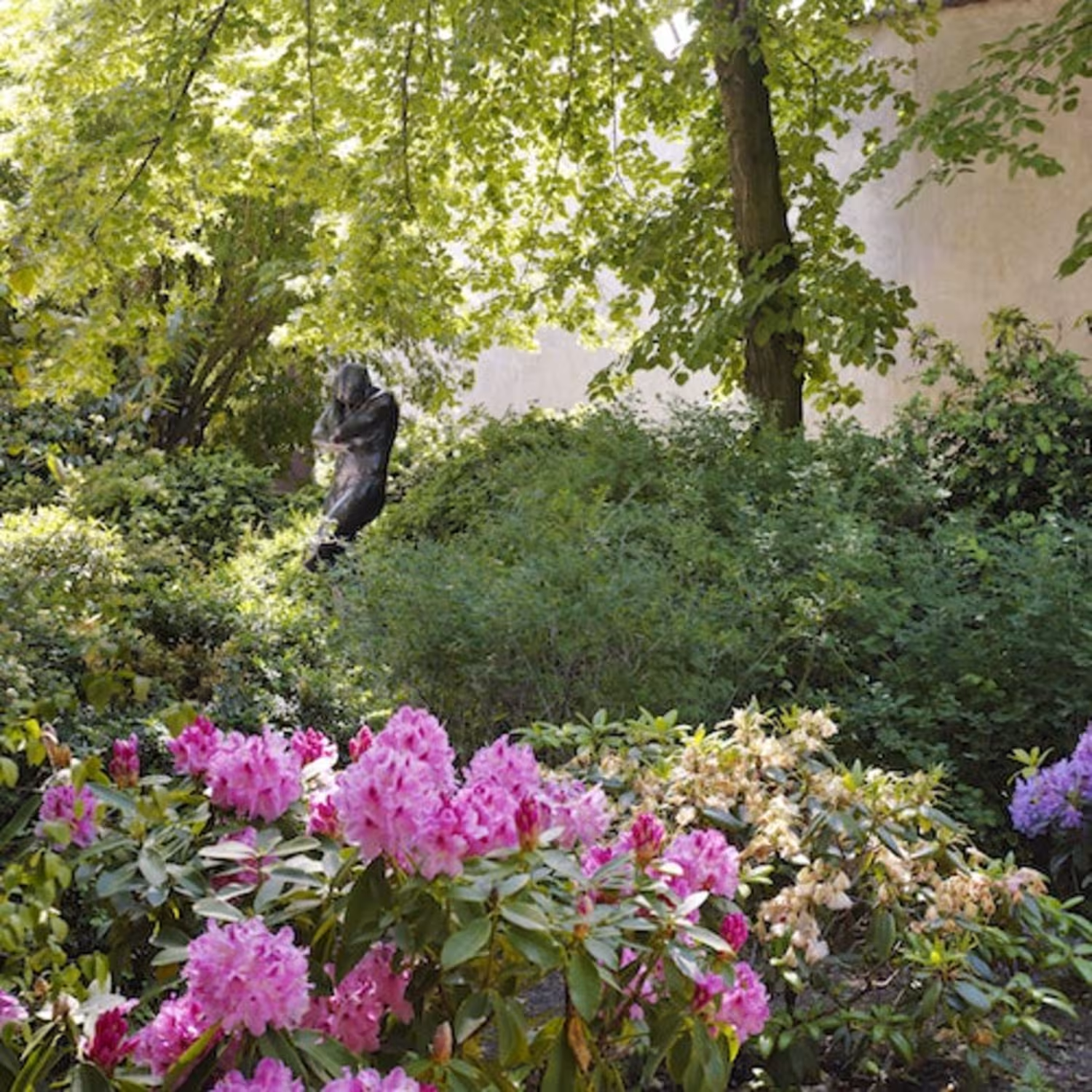
Balzac stands out in the garden, and most people walk past him on the way to something else. Give him one slow lap: front, side, then from below. Late light is kinder to the deep cuts in the face than midday sun, and from the right spot you get Les Invalides in the background.
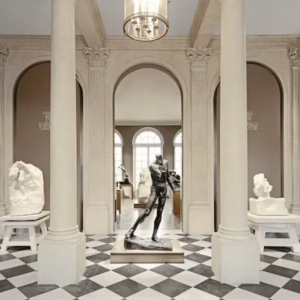
Musée Rodin: special tickets

Highlights

Avoid long entry lines for the museum.

Discover Rodin’s most celebrated creations like The Thinker and The Kiss.

Explore both the permanent displays and special temporary exhibits.

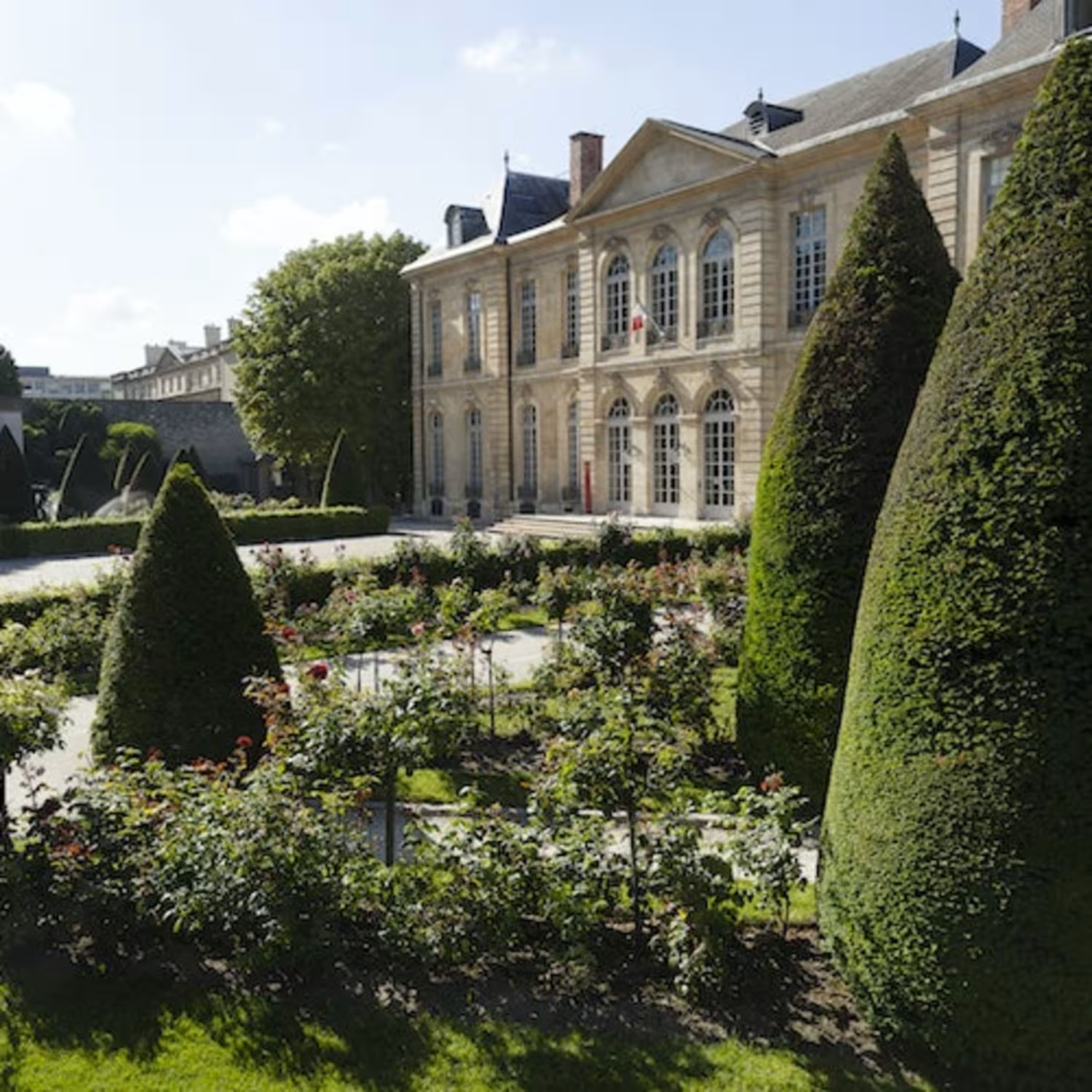
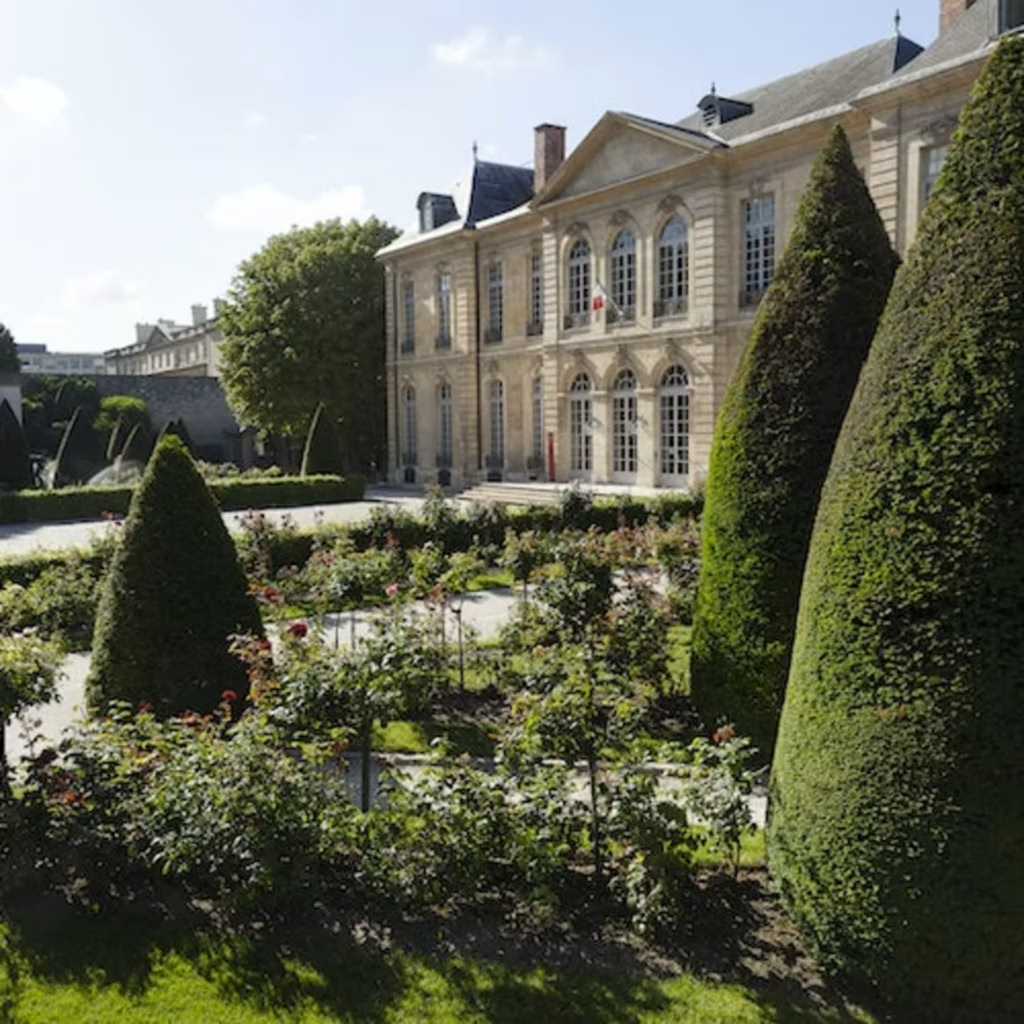
Stroll through the serene Sculpture Garden inside a historic 18th-century mansion.

Benefit from optional add-ons such as audio guides and interactive tablets at checkout.
Frequently Asked Questions About Rodin’s Balzac

Who commissioned the Monument to Balzac?

The Société des Gens de Lettres, the French writers’ society, in 1891. Rodin delivered in 1898, seven years later.

Why was it rejected?

The society expected a recognisable portrait of the novelist and got a robed mass with no hands and no attributes. They voted it down in 1898 and gave the commission elsewhere.

What is Balzac wearing?

A long robe, based on the dressing gown Balzac was said to write in. Rodin draped plaster-soaked cloth over the figure rather than carving folds.

How tall is it?

Roughly 2.7 metres, meant to be seen outdoors and from below rather than in a gallery.

Did Rodin ever see it in bronze?

No. He kept the plaster at his house in Meudon and died in 1917. The first bronze was cast in 1935.

Where can you see it now?

A bronze stands in the garden of the Musée Rodin in Paris. Others are in the city itself, at the corner of Boulevard Raspail, and in museums abroad.

Why is it called the first modern sculpture?

Because Rodin gave up likeness and surface detail in favour of a single mass and a silhouette, an approach sculptors spent the next fifty years building on.

This website sells official tickets for this venue. Please note, however, that it is not the official website of the venue.

The images and videos on this website may contain visual elements that have been created or enhanced using AI technology. They are provided for illustrative purposes only.