We are processing your request.
Please, don’t close or refresh the page.
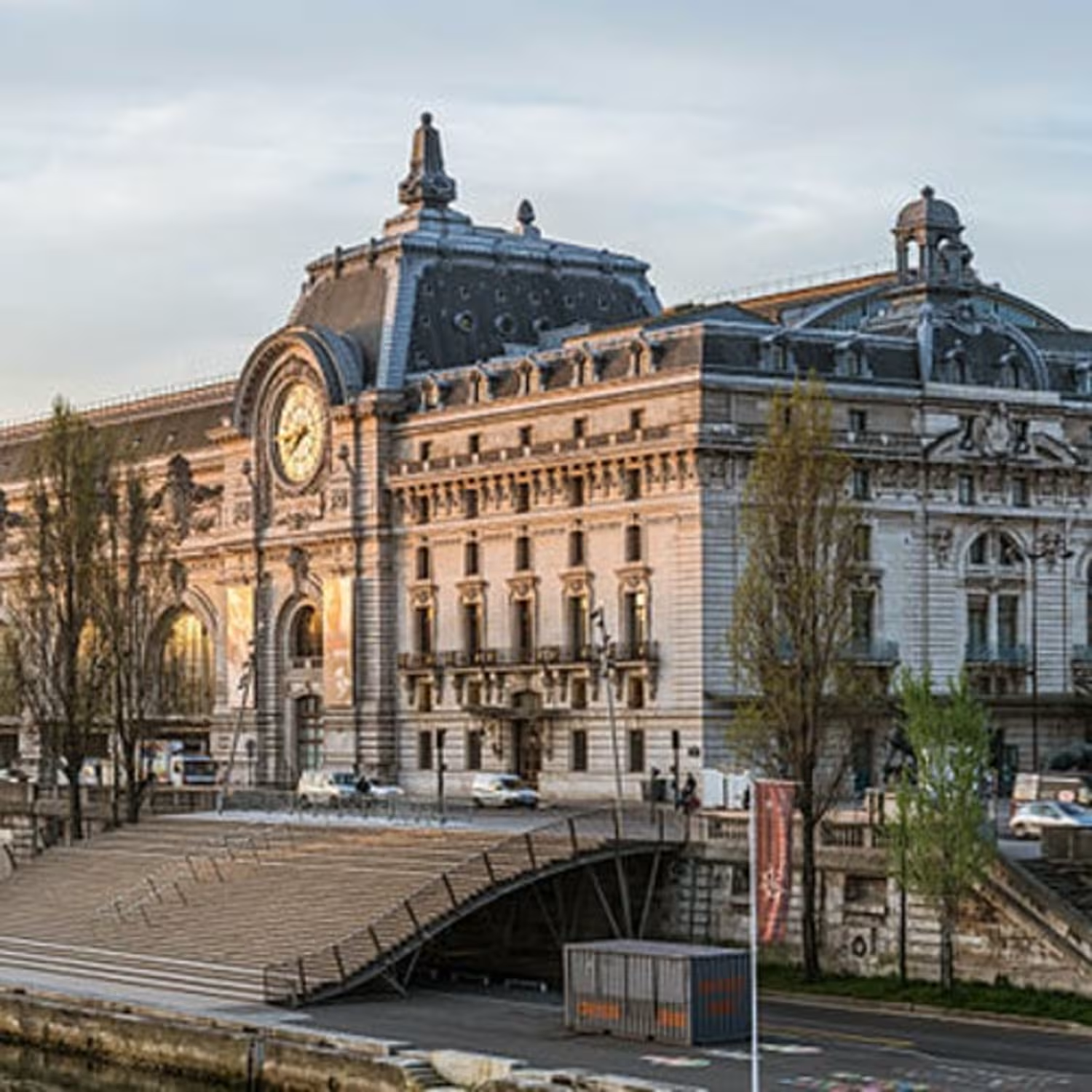
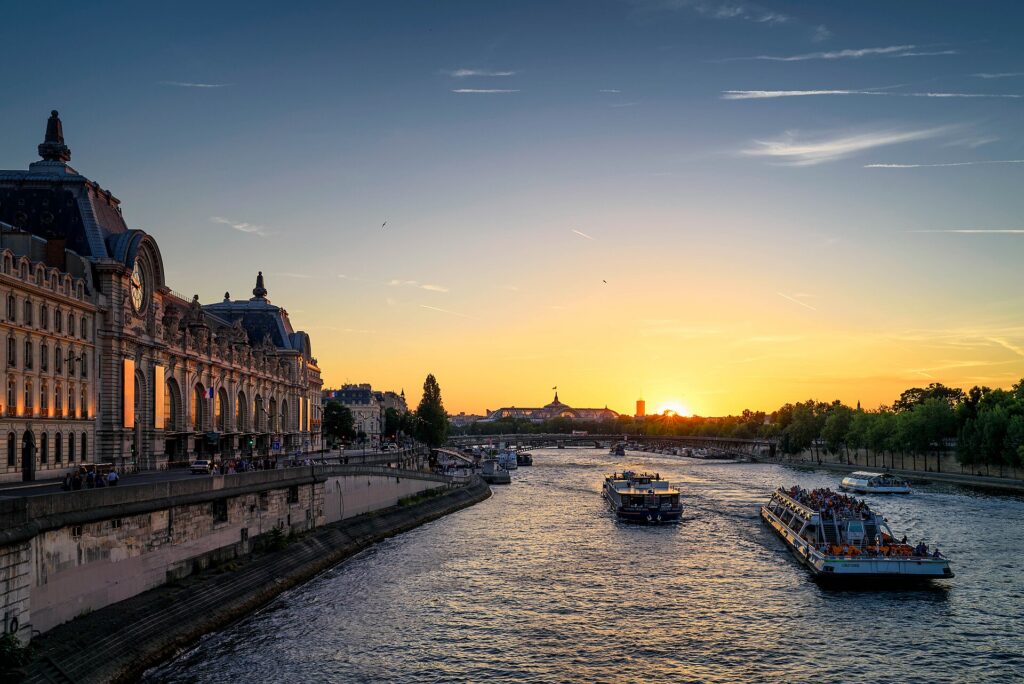
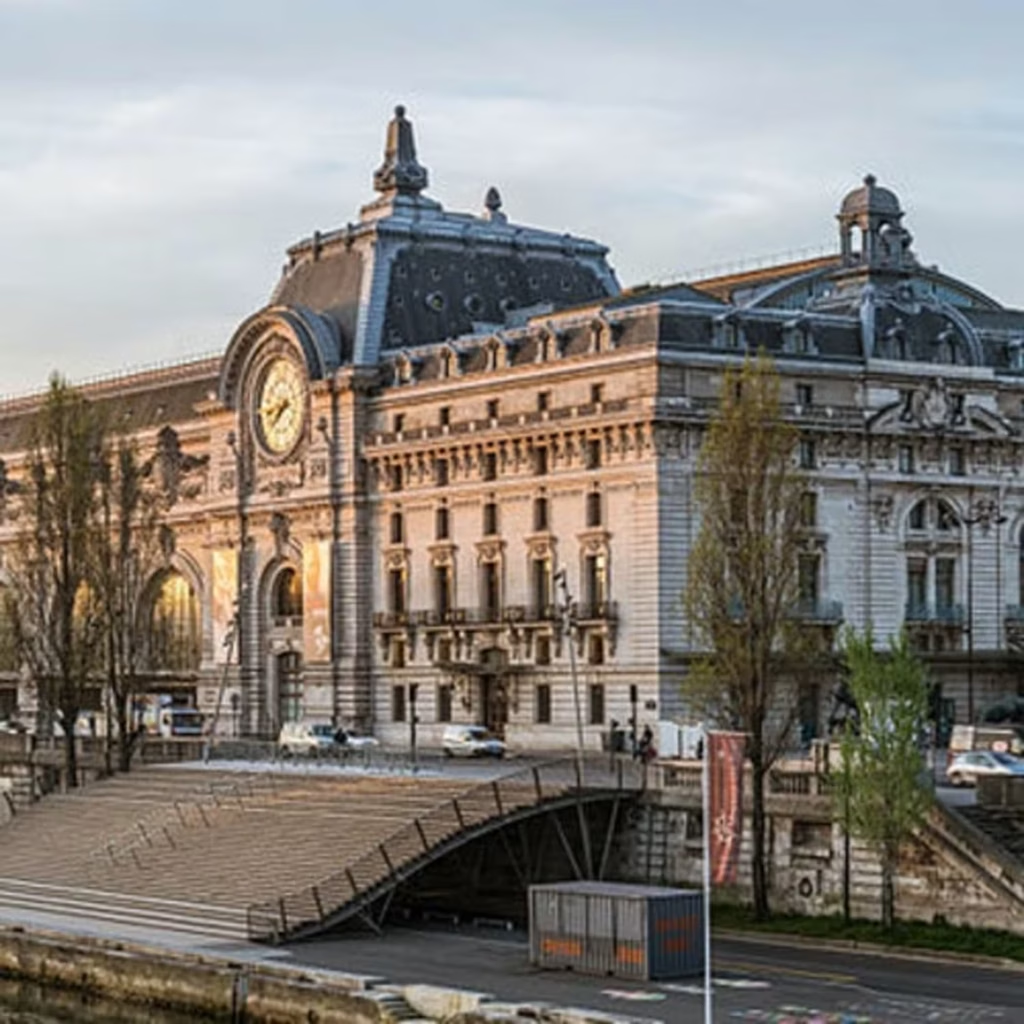
The Musee d'Orsay on the Seine at sunset

Musée d’Orsay: The Gare d’Orsay, Its Clocks and Its Most Famous Paintings

A railway station built for the 1900 World’s Fair, saved from demolition and turned into a museum of French art from 1848 to 1914, from Manet and Morisot to Van Gogh.

A Museum Inside a Railway Station

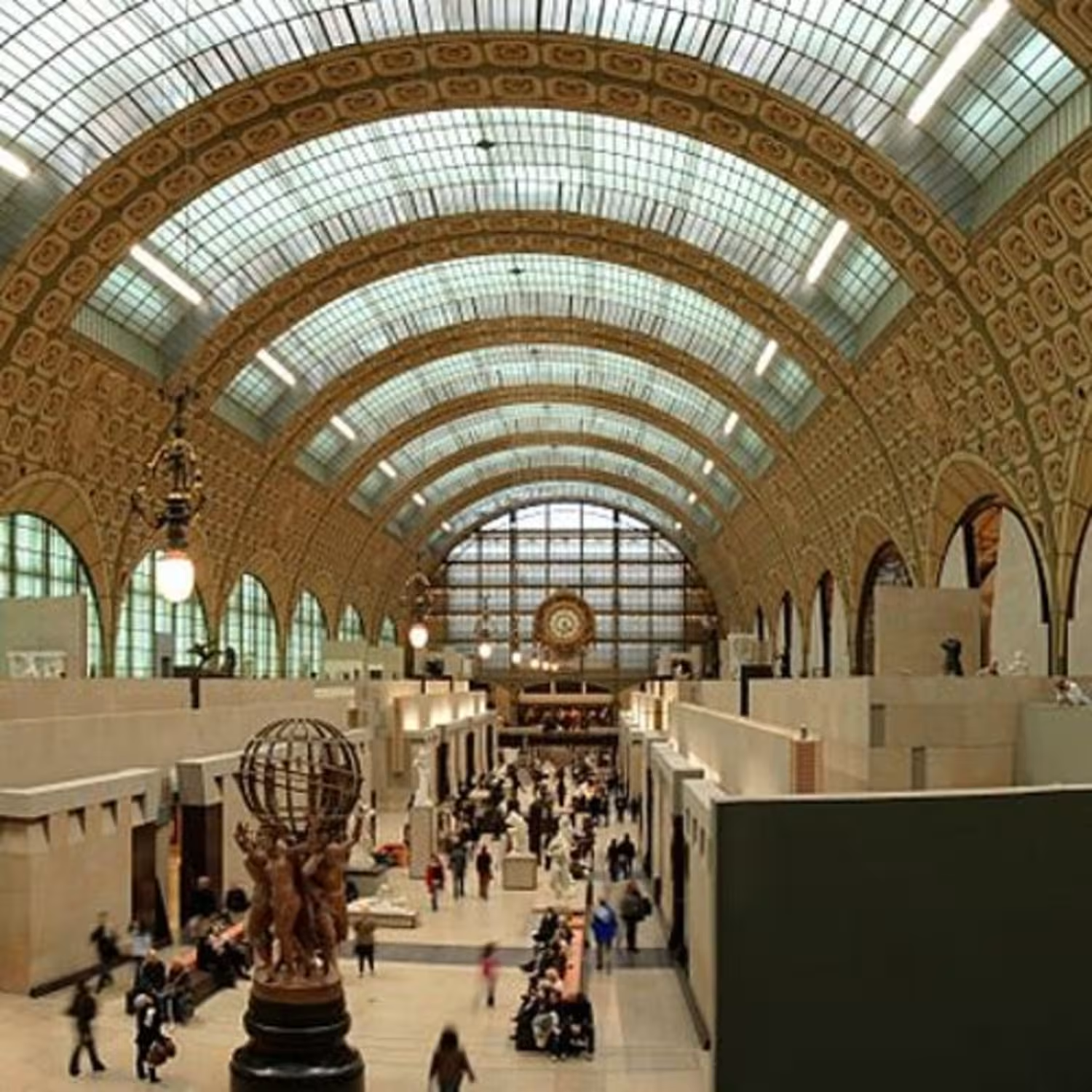
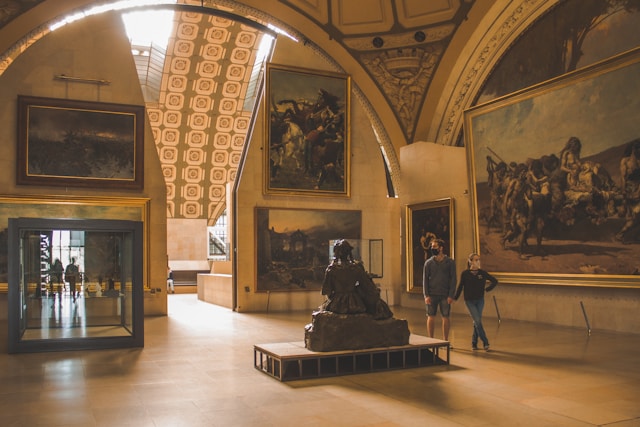
The Musée d’Orsay occupies the former Gare d’Orsay, a terminus built on the banks of the Seine for the World’s Fair of 1900. The museum calls the building the first work in its collection, and it is easy to see why: the old station hall is still the heart of every visit. Its galleries cover French art from 1848 to 1914, painting, sculpture, decorative arts and photography, and it holds what is widely described as the largest collection of Impressionist and Post-Impressionist masterpieces in the world.

The Gare d’Orsay in Numbers

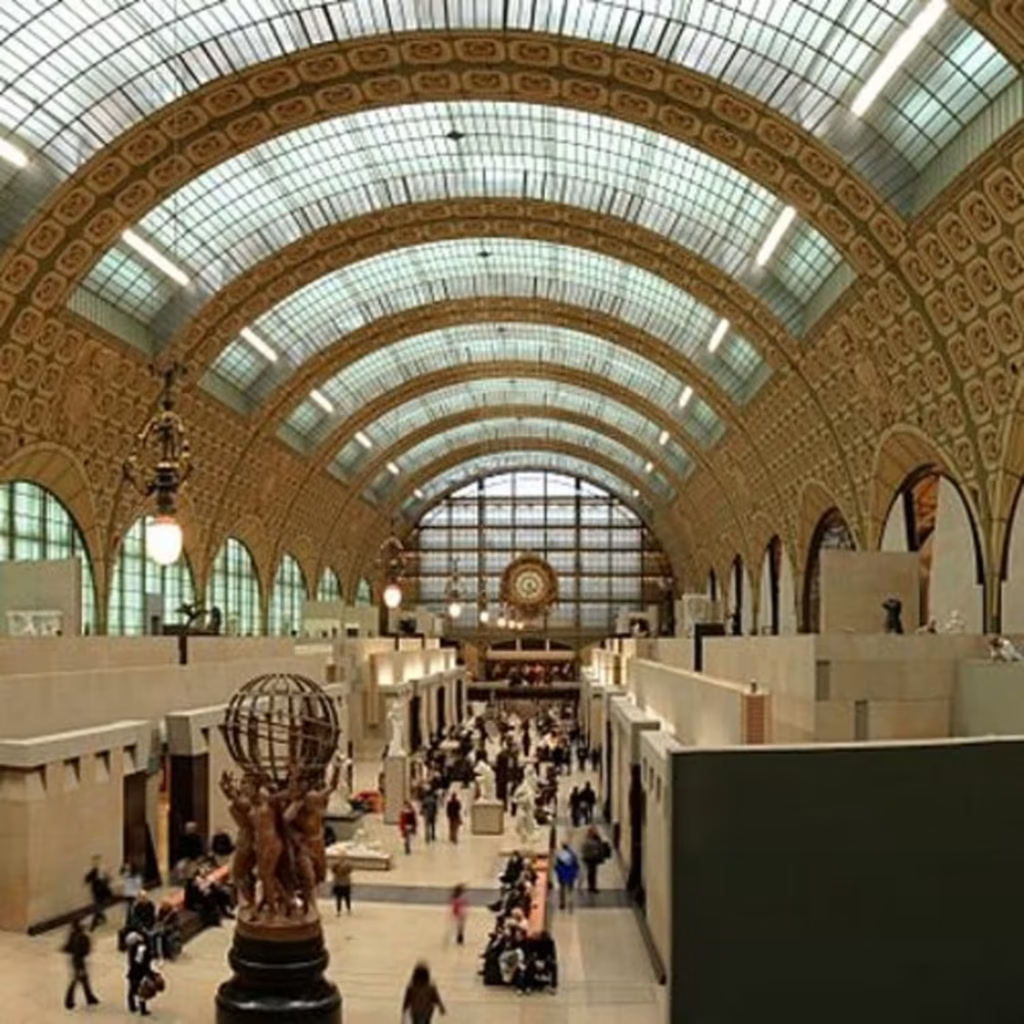
The great hall is 138 metres long, 40 metres wide and 32 metres high.

Some 12,000 tonnes of metal hold up the building, behind 35,000 square metres of glass roofs and glazed walls.

The station had 16 tracks, all laid below street level, with lifts for passengers and ramps and hoists for luggage.

It took two years to build the station and its hotel, which opened on 14 July 1900.

Collections span 1848 to 1914, with some 3,000 works on display at any one time.

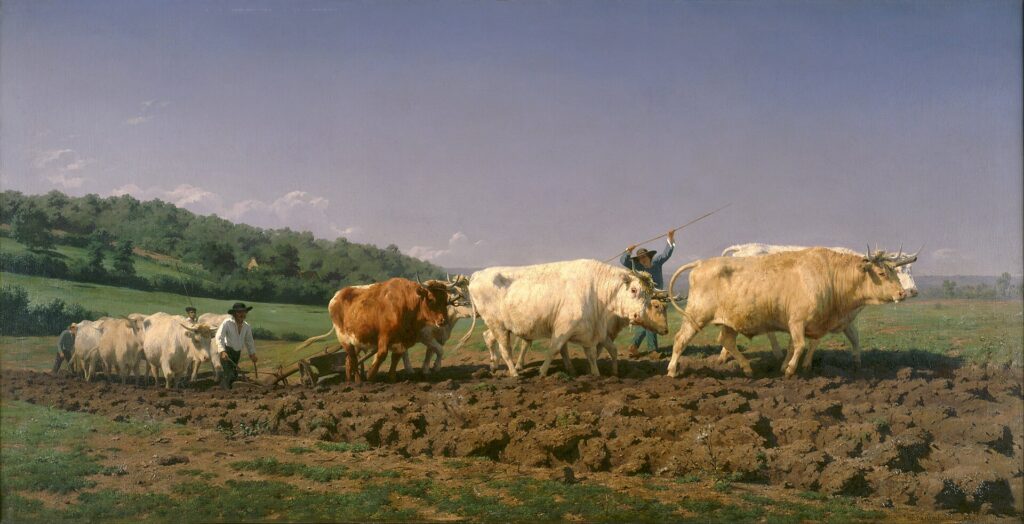
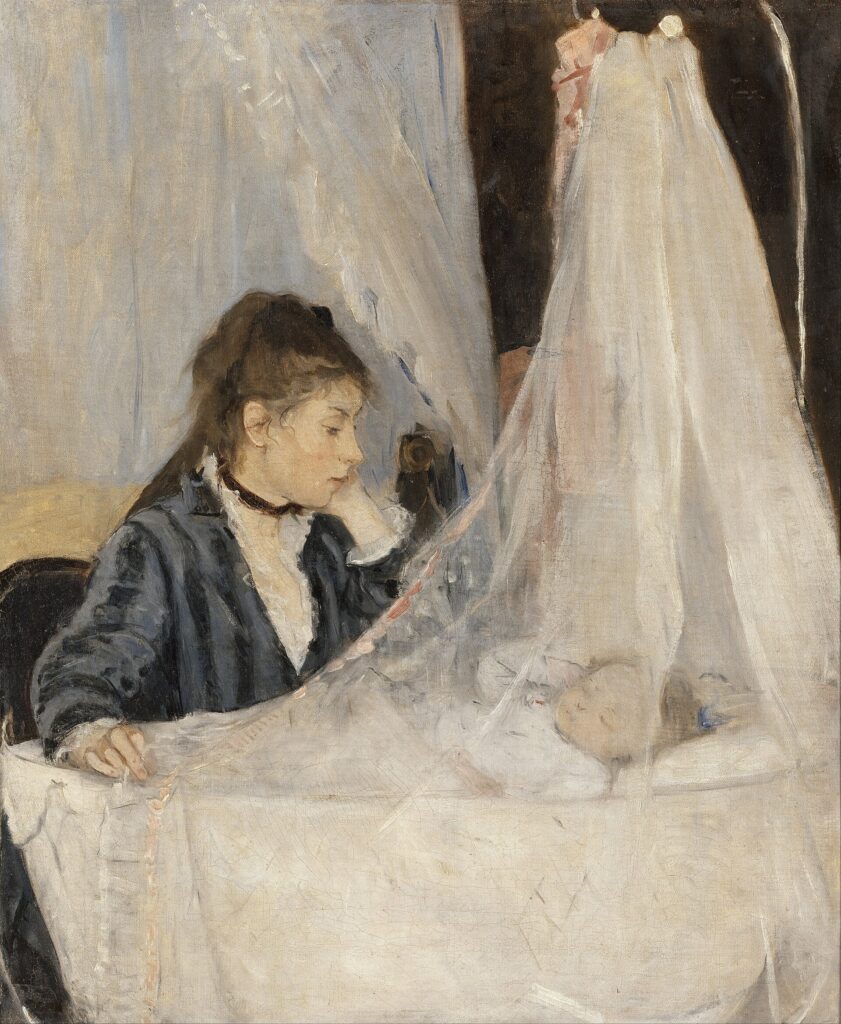
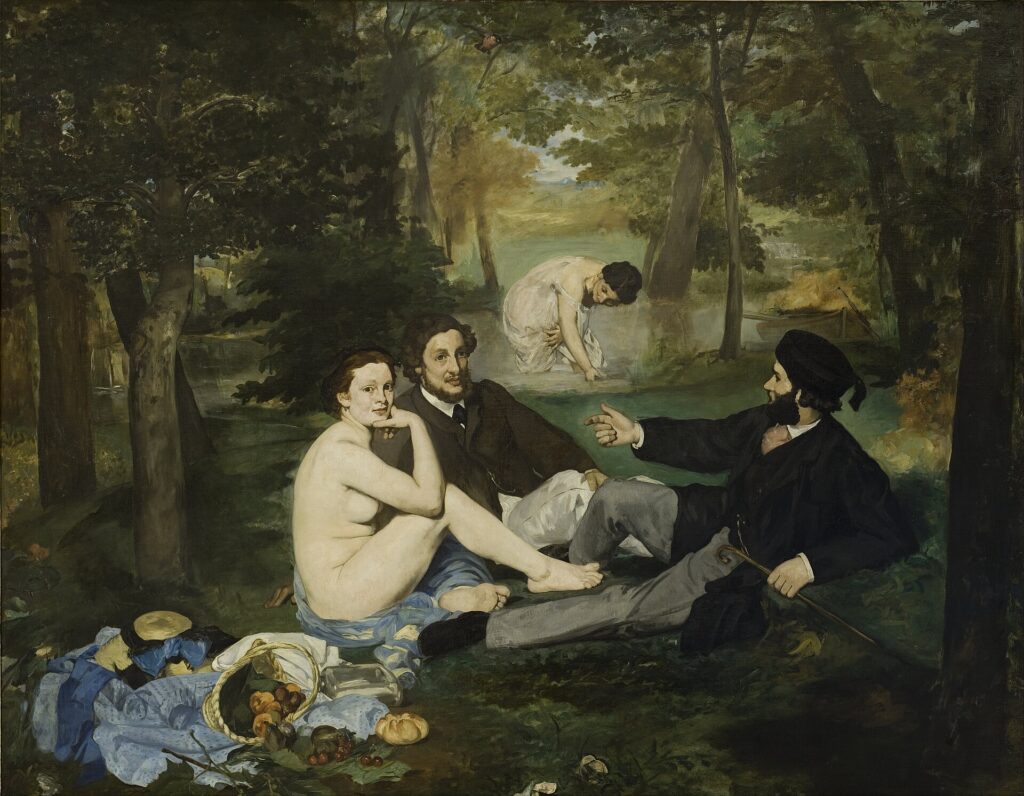
The museum holds 33 paintings by Manet and seven by Berthe Morisot, as well as a pastel by her.

The Gare d’Orsay: Victor Laloux’s Palace for Trains
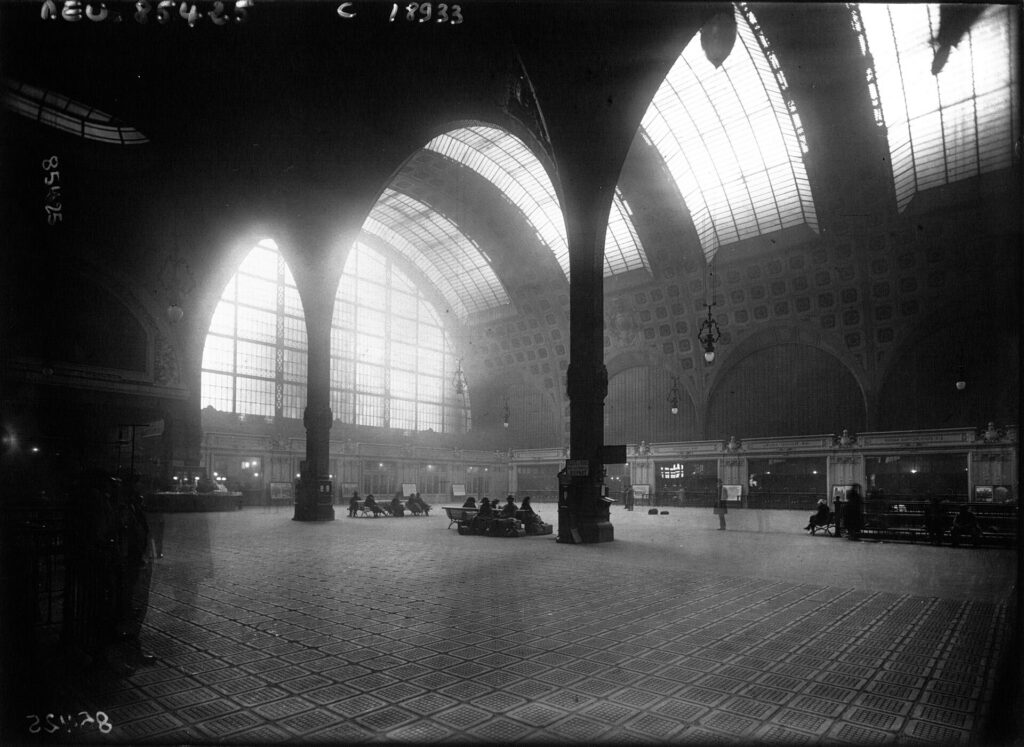
The hall of the Gare d’Orsay in its railway days

The site had been a palace. The Palais d’Orsay, home to the Cour des Comptes and the Conseil d’État, burned with the whole district during the Commune of 1871, and its blackened walls stood for thirty years.

On the eve of the 1900 World’s Fair the State gave the land to the Paris-Orléans railway company, which wanted a more central terminus than Austerlitz. Three architects were consulted in 1897, and Victor Laloux, fresh from the town hall of Tours, won in 1898.

The neighbours were the Louvre and the Palais de la Légion d’Honneur, so Laloux hid the iron frame behind an eclectic stone façade. Inside, everything was modern: electric traction, lifts and tracks underground. The painter Édouard Detaille wrote that the station looked like a Palais des Beaux-Arts.

Parcels, Prisoners, Film Sets and Auctions
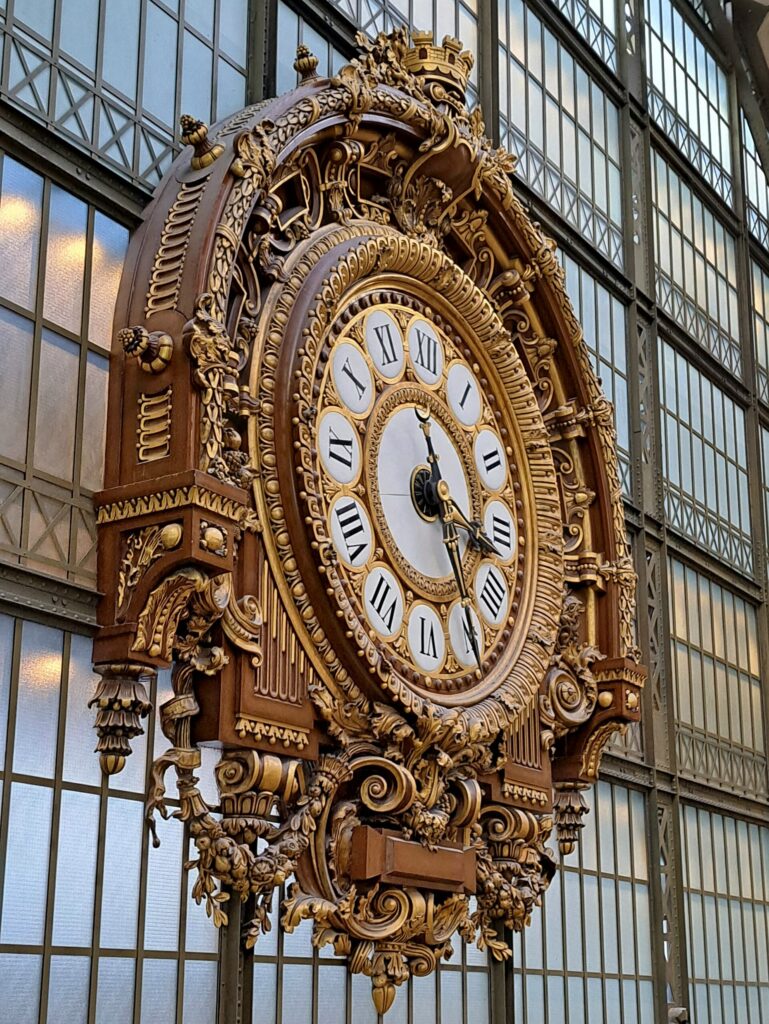
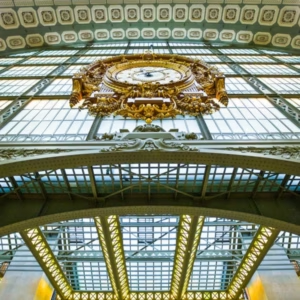
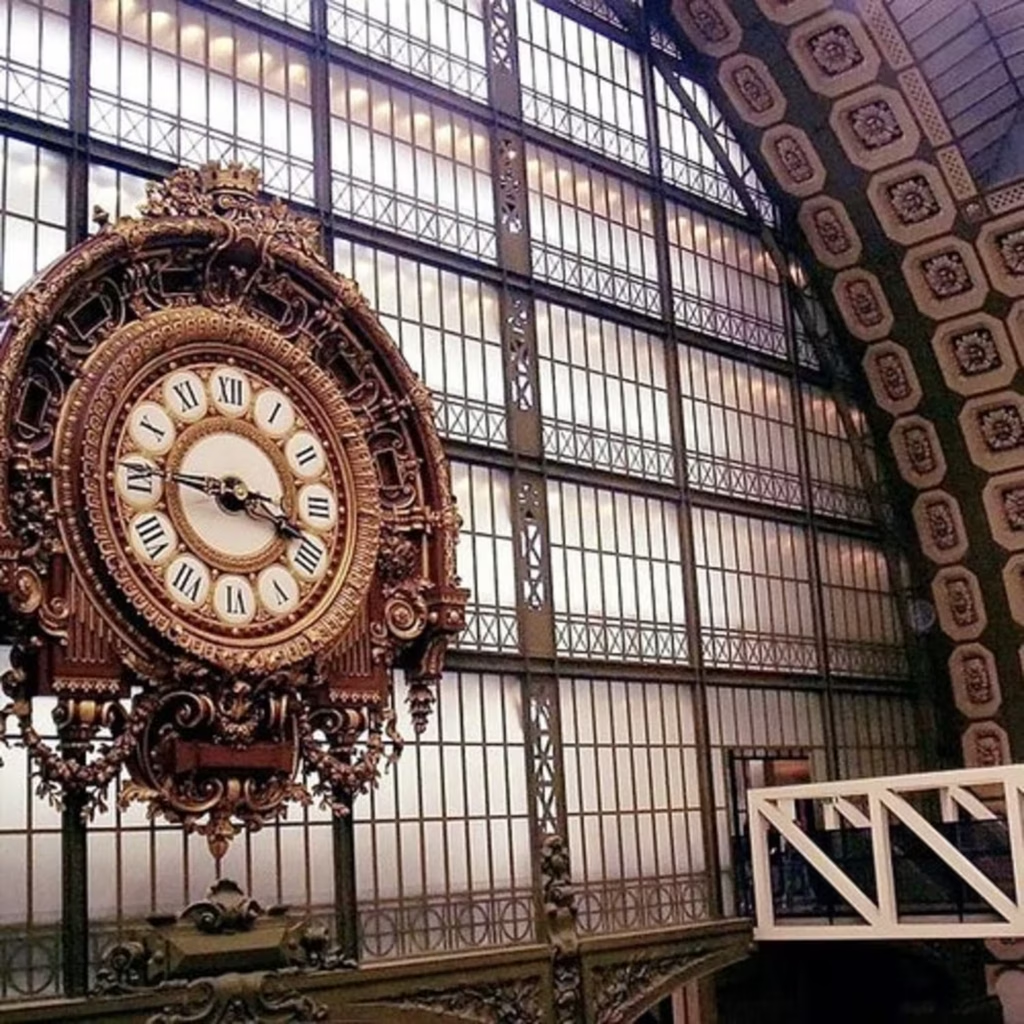
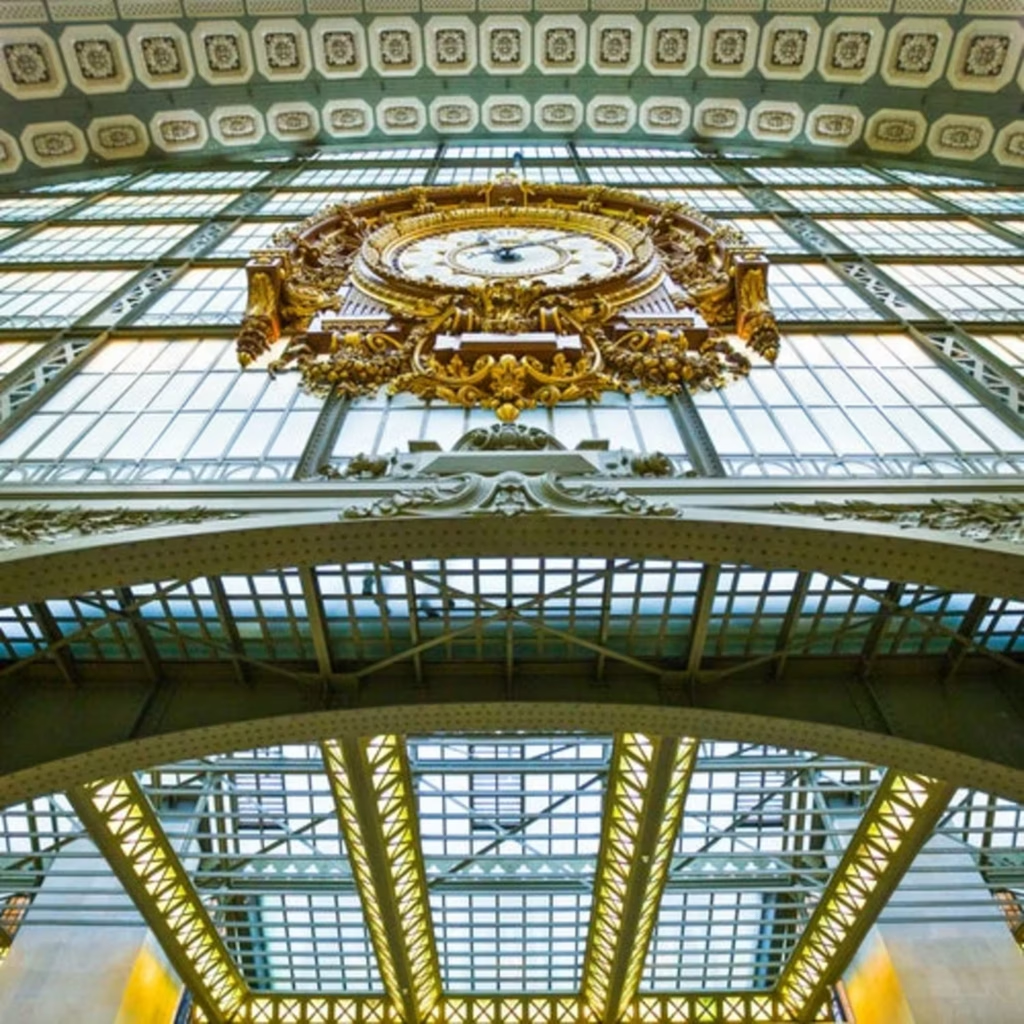
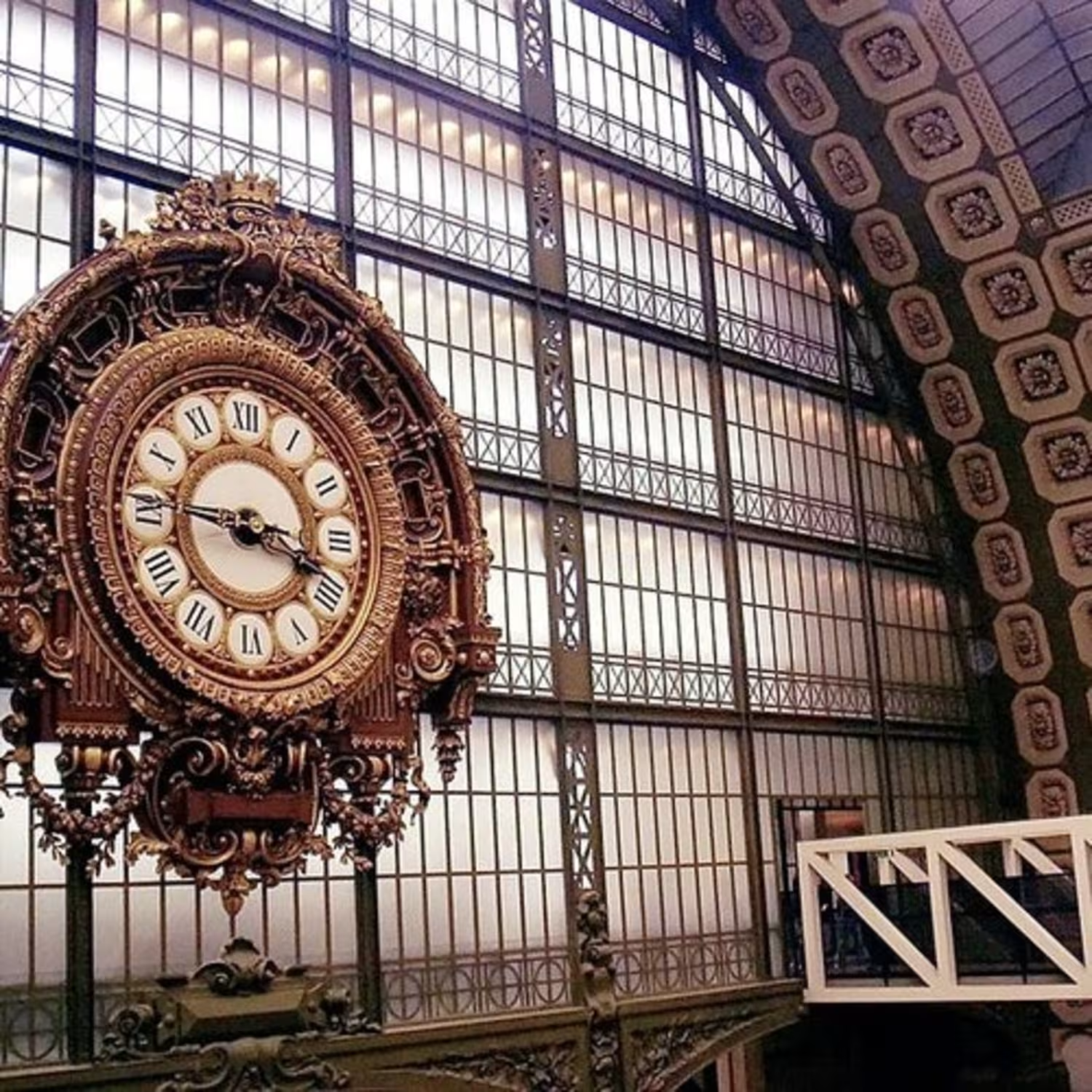
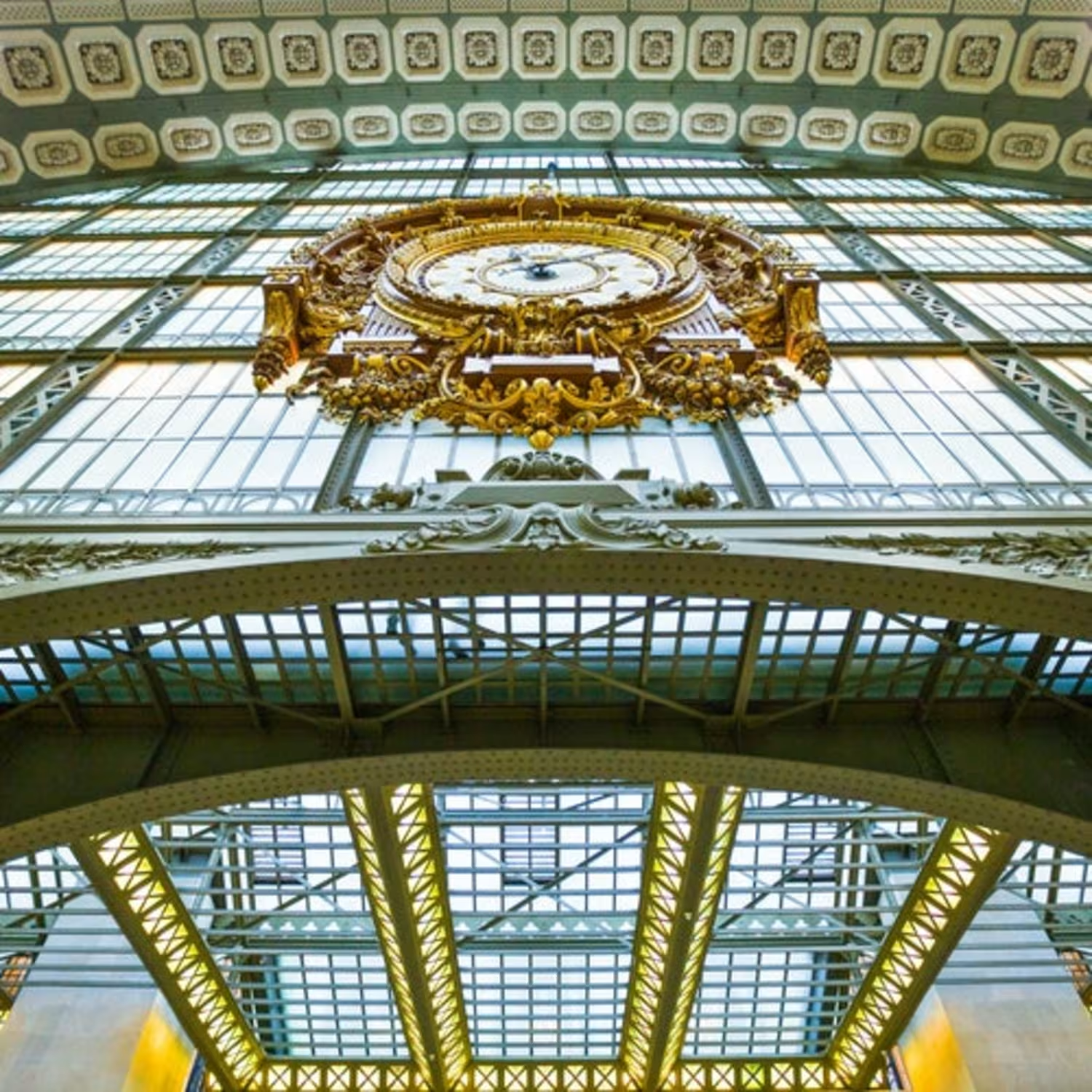
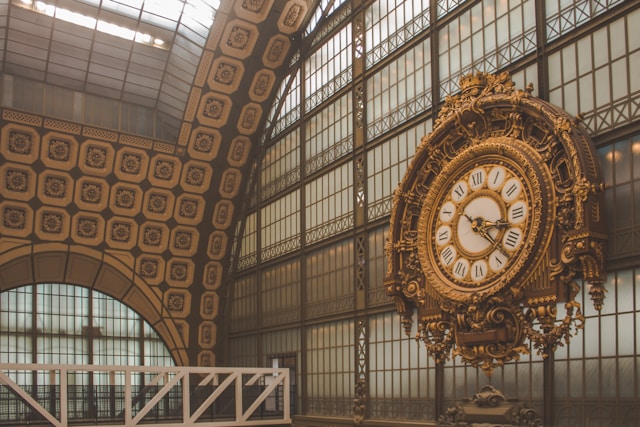
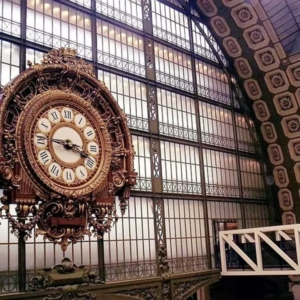
The gilded station clock in the nave of the Musée d’Orsay

From 1900 to 1939 the Gare d’Orsay was the head of the line to south-west France. Then electrification brought longer trains, its platforms became too short, and from 1939 it served only the suburbs.

The building found other uses. During the war it was a centre for sending parcels to prisoners, and at the Liberation it received prisoners coming home. Orson Welles used it as a set for The Trial, the Renaud-Barrault theatre company played there, and auctioneers moved in while the Hôtel Drouot was being rebuilt.

The station hotel stayed open until 1 January 1973. General de Gaulle announced his return to power at a press conference in its ballroom.

Gae Aulenti and the Birth of the Museum
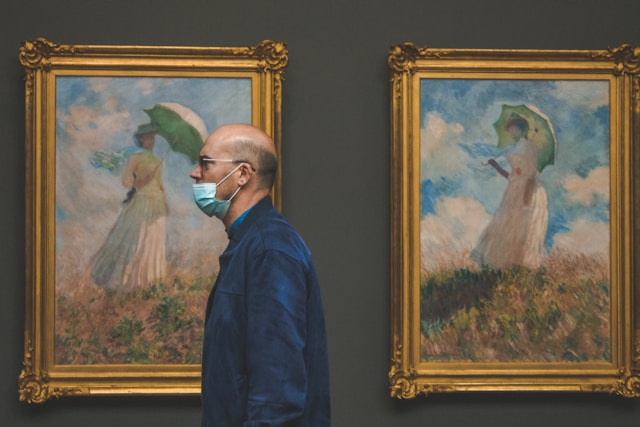
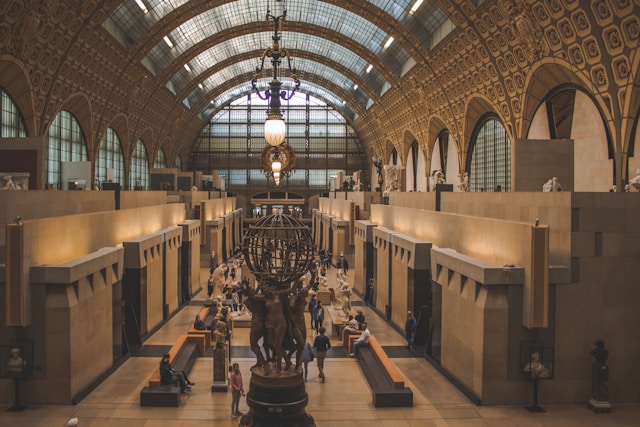
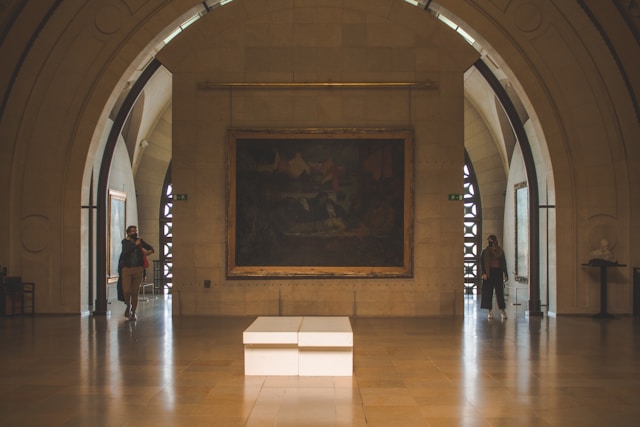
Inside the Musée d’Orsay

By the early 1970s the station was threatened with demolition and replacement by a modern hotel. Renewed interest in the 19th century saved it: it was placed on the supplementary list of historic monuments on 8 March 1973, and in 1977 the government decided to turn it into a museum.

The architects of ACT Architecture, Renaud Bardon, Pierre Colboc and Jean-Paul Philippon, won the competition in 1979 and made the nave the main axis of the visit. The Italian architect Gae Aulenti designed the interior, with Italo Rota, the lighting consultant Piero Castiglioni and Richard Peduzzi, lining floors and walls in the same stone to unify its enormous volumes.

President François Mitterrand inaugurated the museum on 1 December 1986, and it opened to the public on 9 December.

Before You Walk Into the Nave

Start in the nave to take in the old station hall, then decide where to go. The Impressionists are on the fifth floor, so go up early if they are your priority and come back down for sculpture and the rooms on either side of the nave. The restaurant, in the former hotel dining room, keeps its painted ceilings, and the rooftop terrace opens in summer when the weather allows.
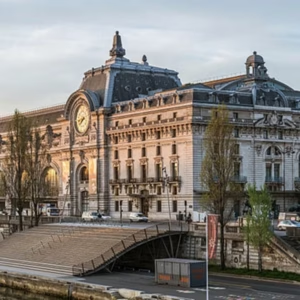
Tickets for the Musée d'Orsay

Highlights

Gain admission to the famed Musée d’Orsay located in a historic railway station.

View a remarkable collection of Impressionist, Post-Impressionist, and Art Nouveau masterpieces.

Enjoy exclusive access to select temporary exhibitions depending on availability.

Avoid long queues with a predetermined entry time slot.

Explore one of the world’s most distinguished art museums with ease.
Questions About the Musée d’Orsay

Why is the Musée d’Orsay in a train station?

The building was the Gare d’Orsay, a terminus opened in 1900. When its platforms became too short it fell out of use, and it was turned into a museum that opened in 1986.

Who designed the Gare d’Orsay?

Victor Laloux, chosen in 1898. ACT Architecture converted it into a museum, and Gae Aulenti designed the interior.

When did the Musée d’Orsay open?

President François Mitterrand inaugurated it on 1 December 1986, and it opened to the public on 9 December.

What are the most famous paintings in the Musée d’Orsay?

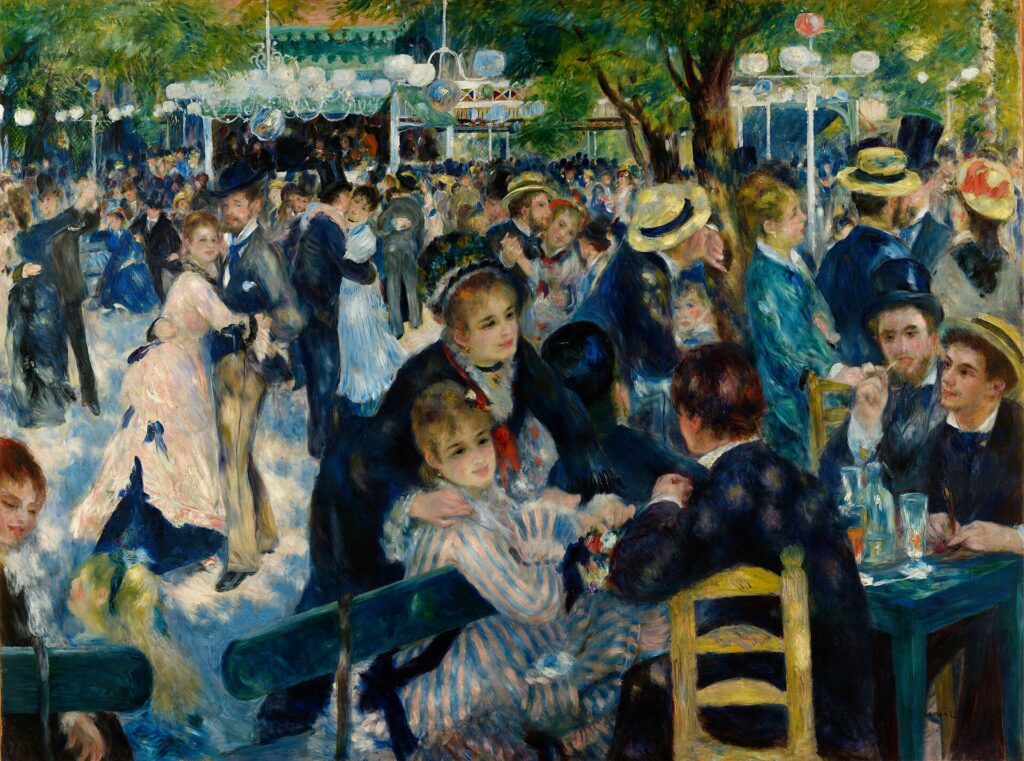
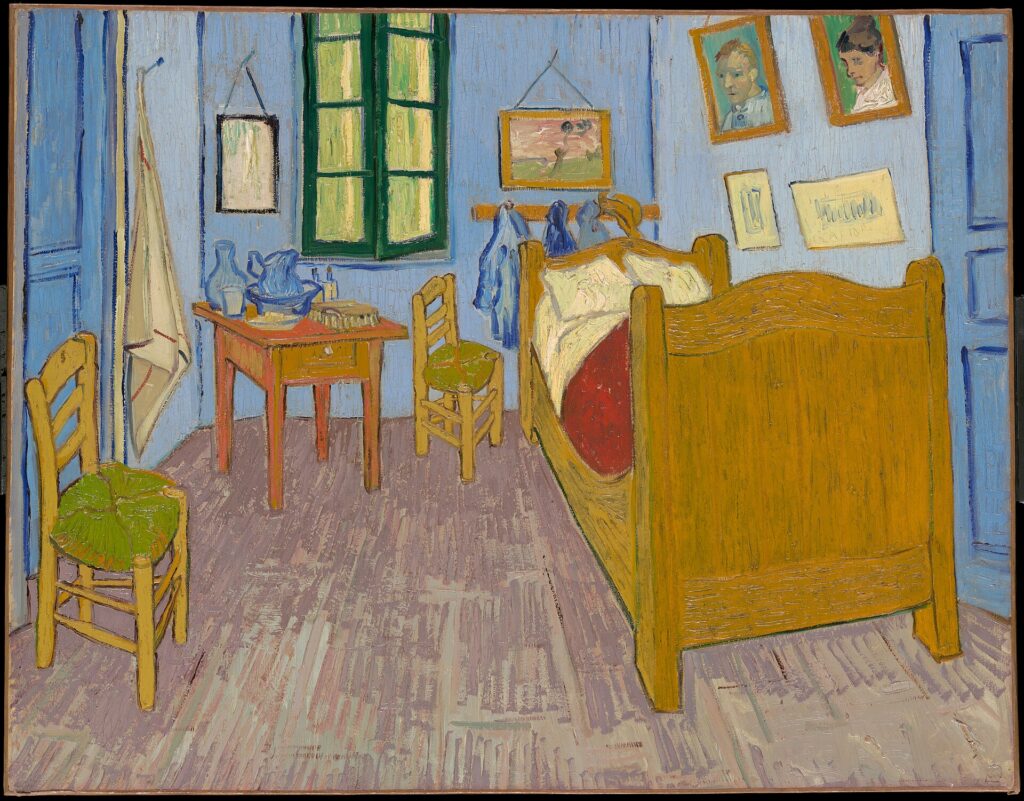
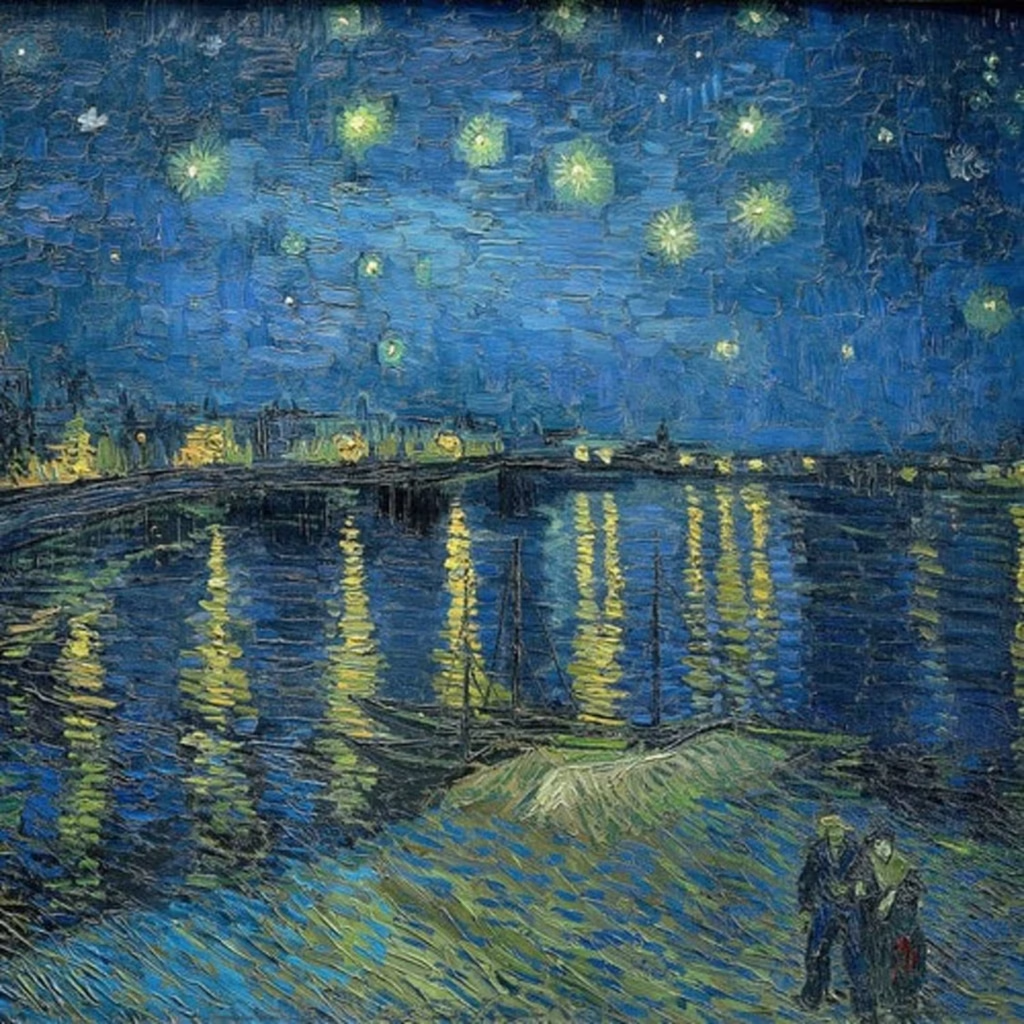
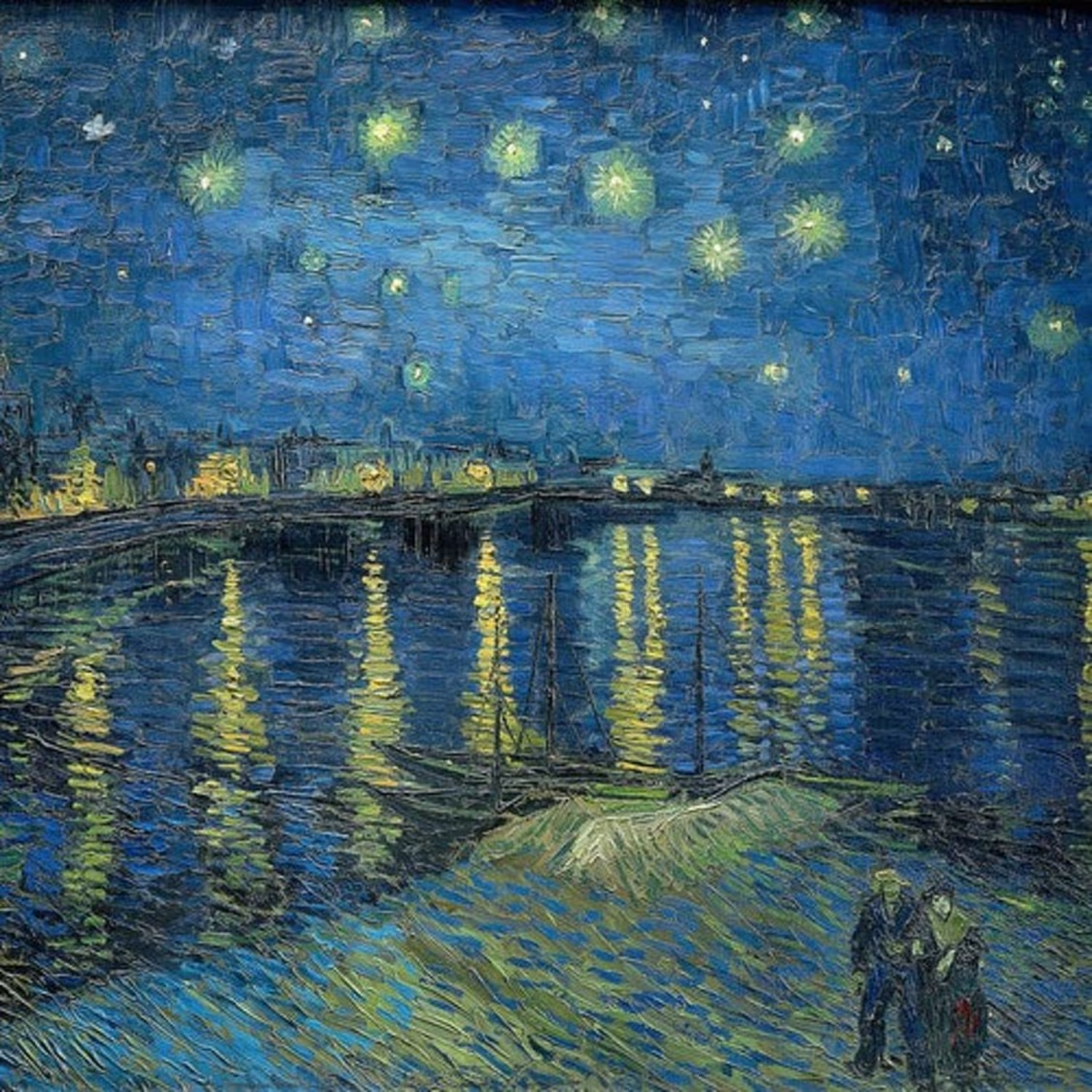
Among the best known are Manet’s Luncheon on the Grass and Olympia, Renoir’s Bal du moulin de la Galette, Van Gogh’s Bedroom in Arles and Morisot’s The Cradle.

What period does the Musée d’Orsay cover?

French art from 1848 to 1914, between the collections of the Louvre and the modern art of the Centre Pompidou.

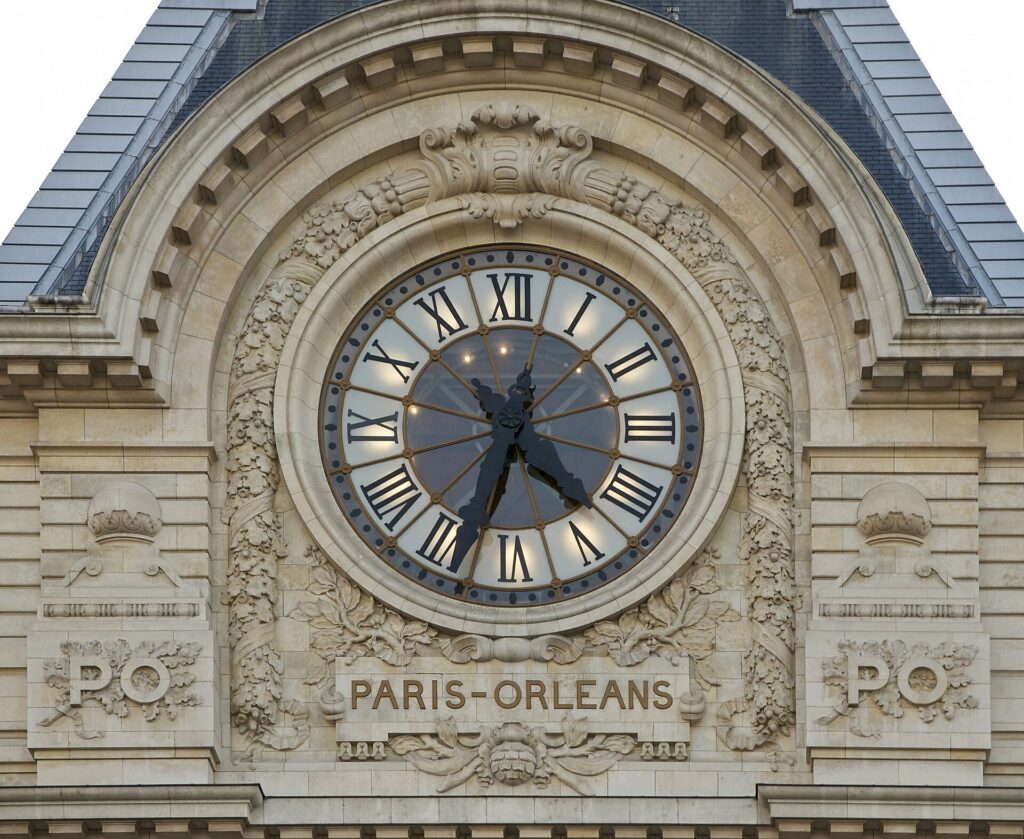
Where is the clock in the Musée d’Orsay?

The station’s gilded clock hangs in the nave. Café Campana, on the fifth floor at the exit of the Impressionist gallery, faces one of the outdoor clocks.

Does the Musée d’Orsay have Van Gogh paintings?

Yes. It holds one of the three versions of The Bedroom, as well as self-portraits and The Church at Auvers.

How big is the Musée d’Orsay?

The old station hall alone is 138 metres long, 40 metres wide and 32 metres high.

Is there a restaurant in the Musée d’Orsay?

Yes. The restaurant is in the former hotel dining room, a listed interior with painted ceilings. It does not take reservations.

This website sells official tickets for this venue. Please note, however, that it is not the official website of the venue.

The images and videos on this website may contain visual elements that have been created or enhanced using AI technology. They are provided for illustrative purposes only.