We are processing your request.
Please, don’t close or refresh the page.
Paris Tickets Musee Dorsay Paris Rosa Bonheur
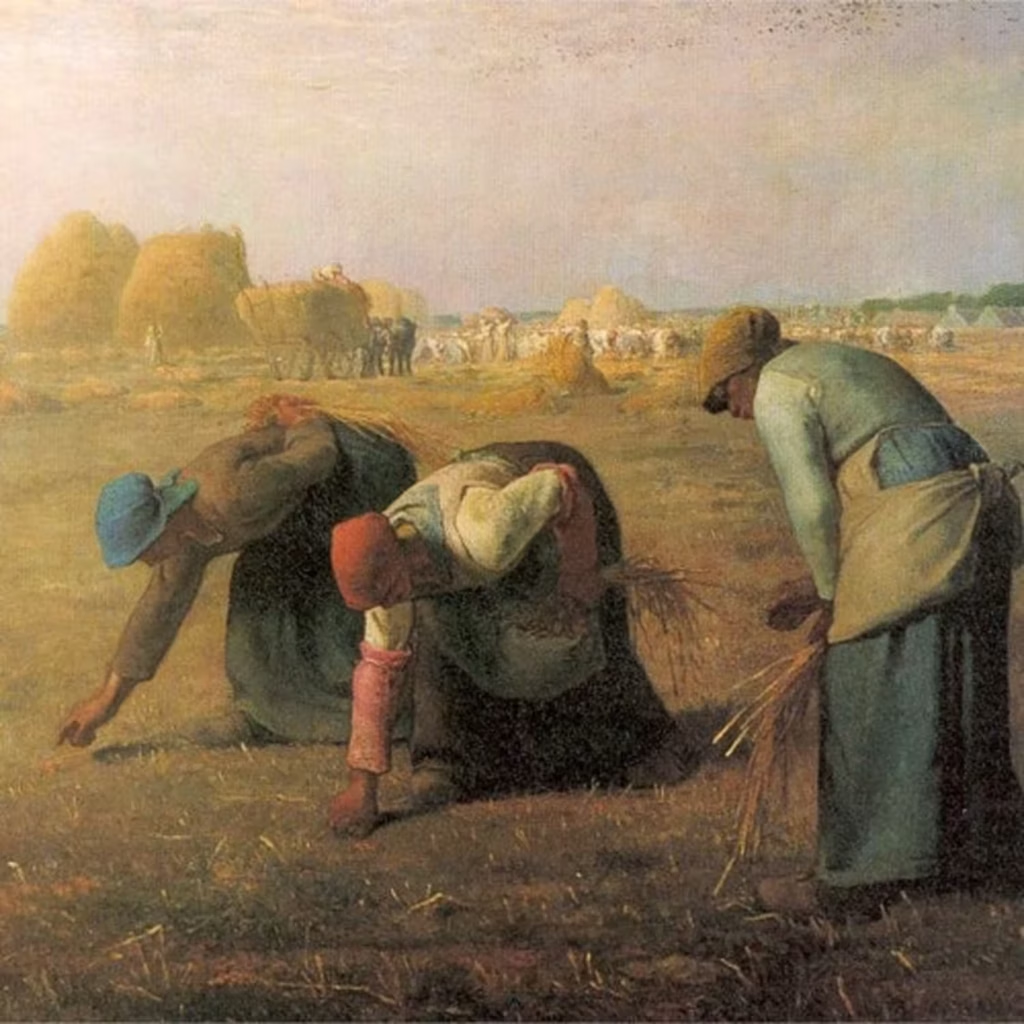
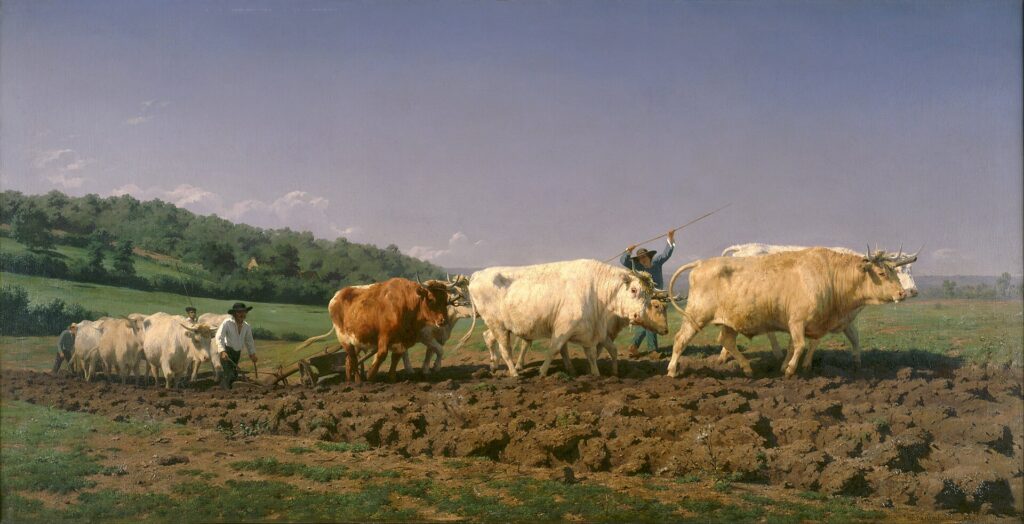
Ploughing in the Nivernais by Rosa Bonheur, 1849

Rosa Bonheur: The Painter Behind Ploughing in the Nivernais and The Horse Fair

The most famous woman painter of her century studied animals in slaughterhouses, sold her work across Europe and America and lived on her own terms. Here is her story, and what the museum on the Seine holds of it.

Who Was Rosa Bonheur?

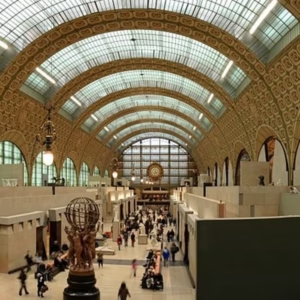
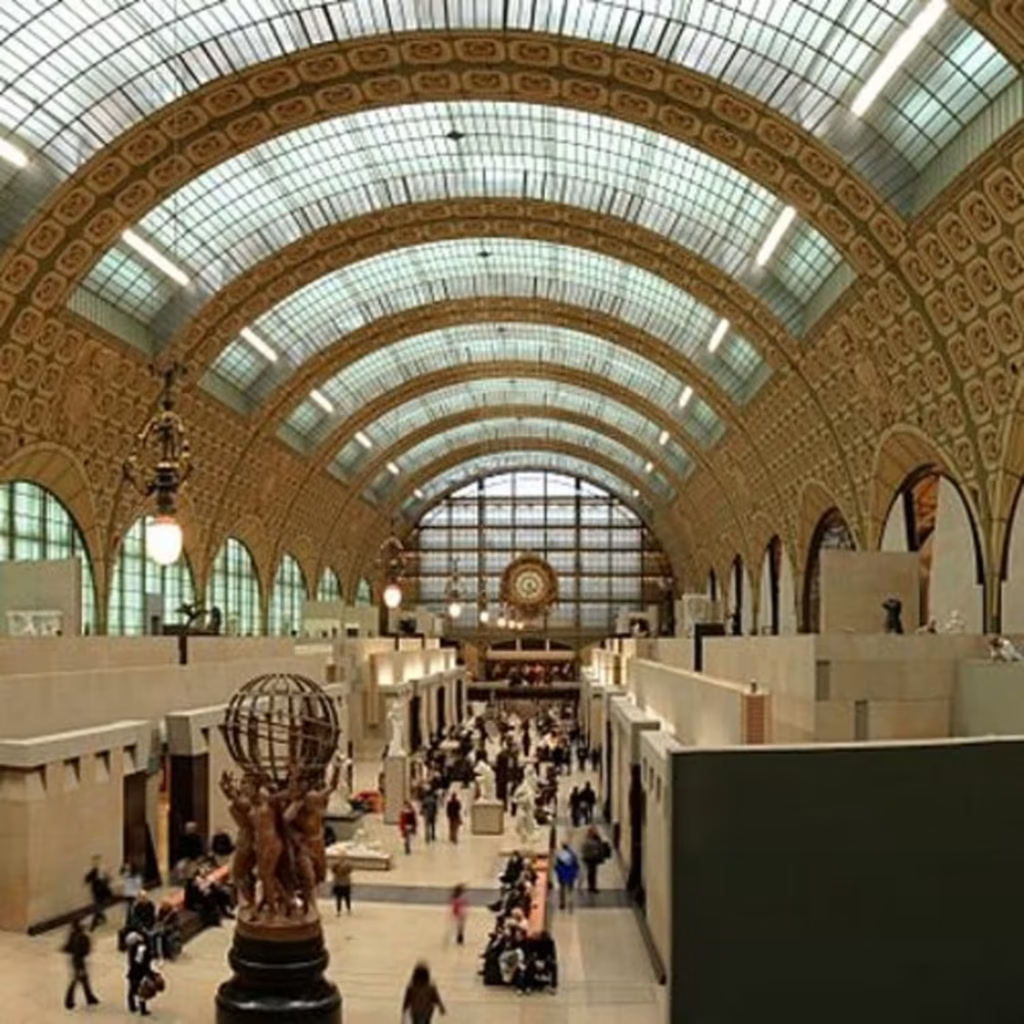
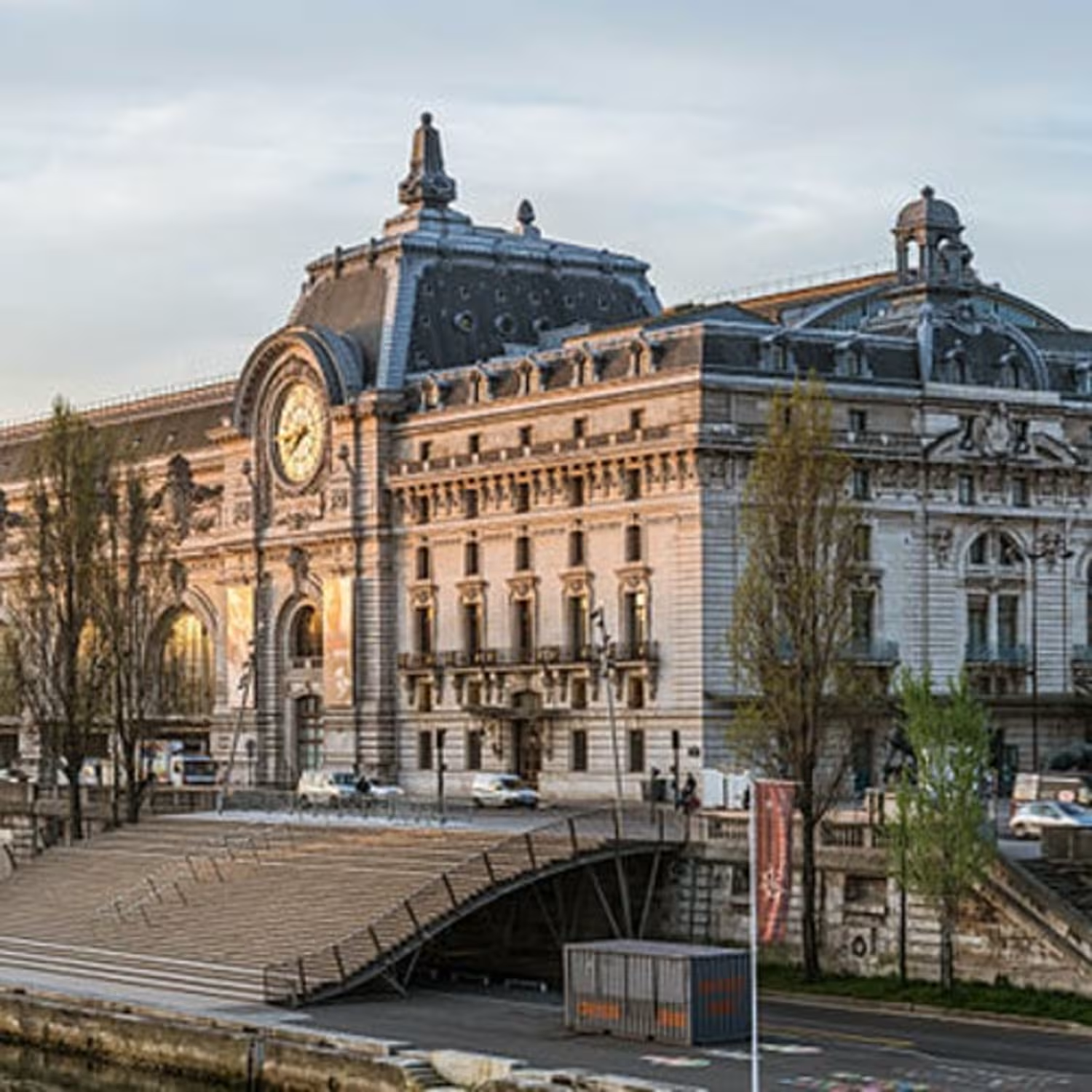
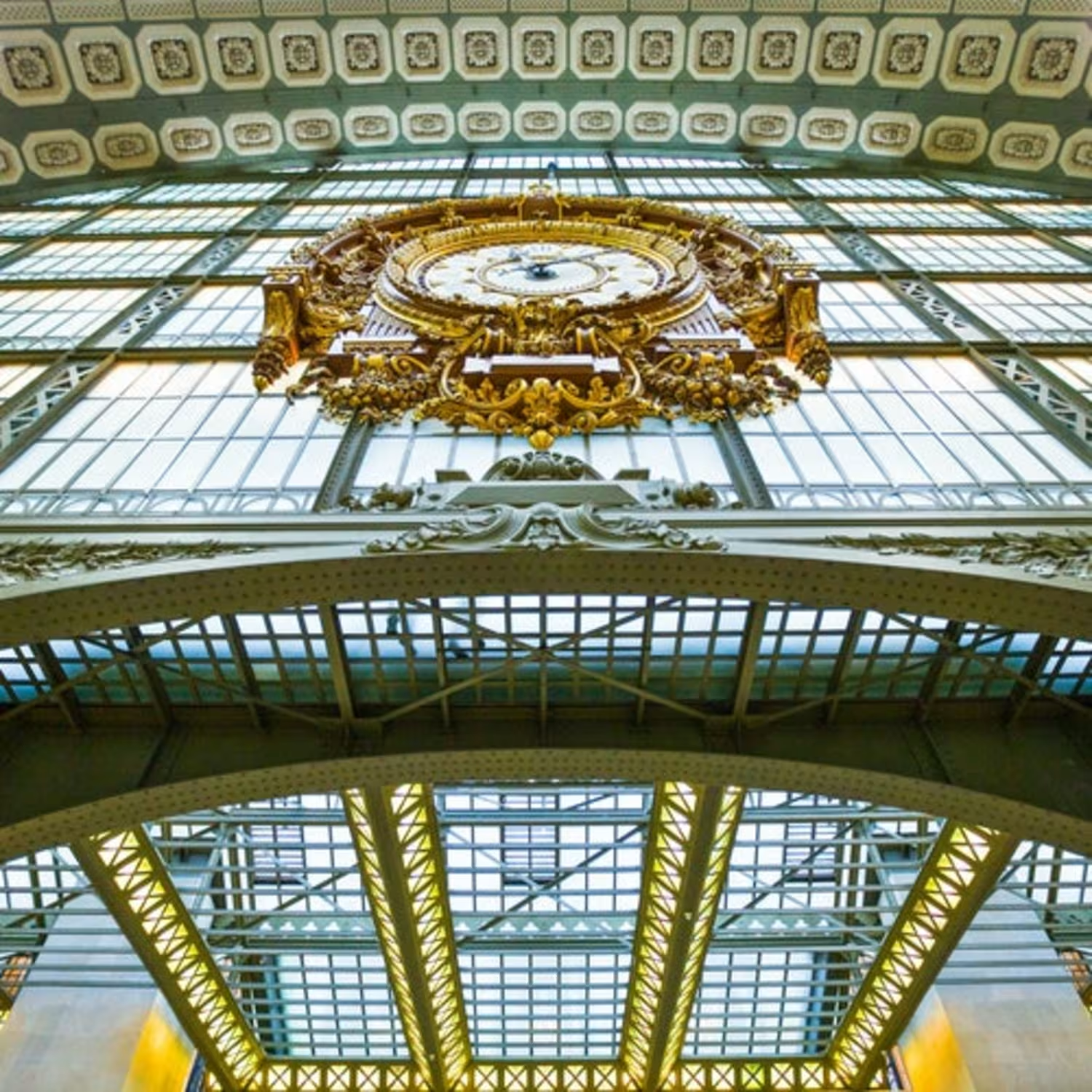
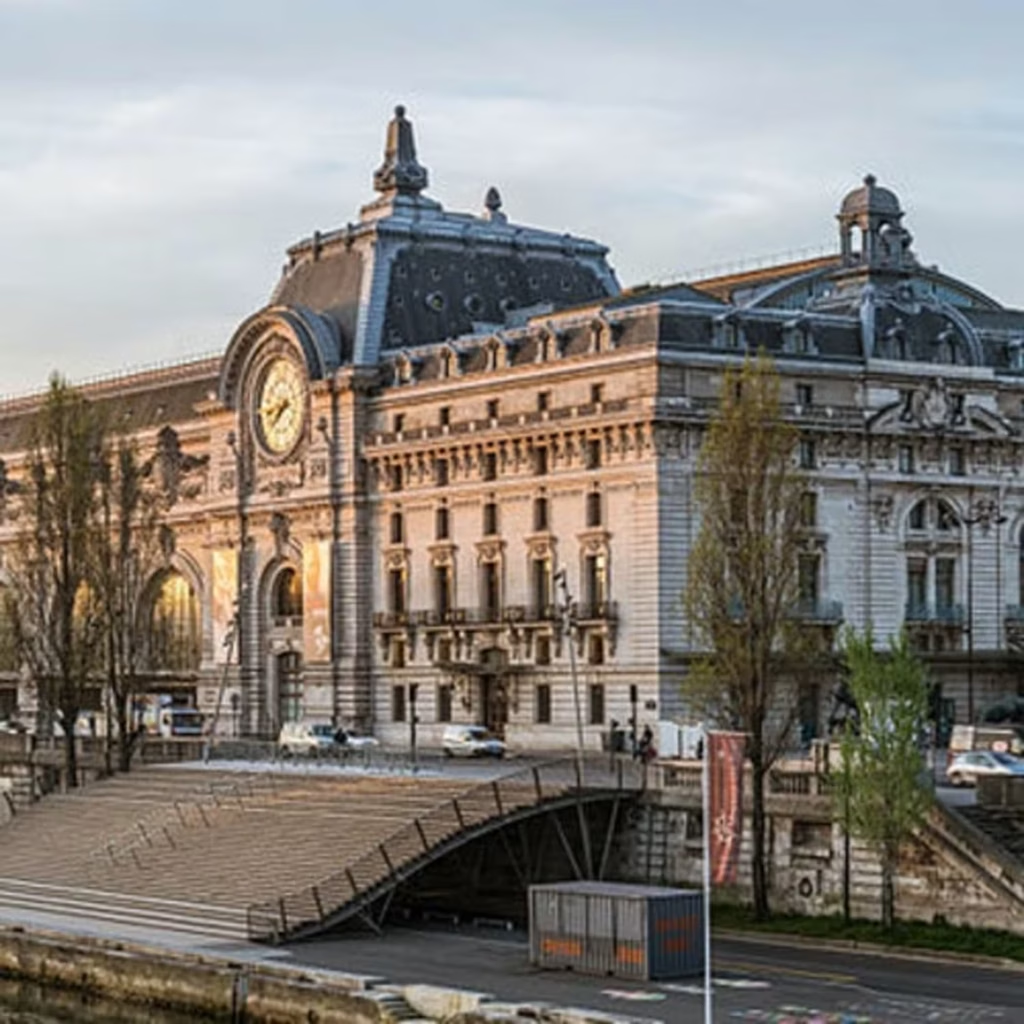
Rosa Bonheur was a French painter and sculptor of animals, widely considered the most famous woman painter of the 19th century. She showed at the Salon from the age of 19, took State commissions, was collected in Britain and America and bought her own château. She got there by drawing from life where the animals were, in horse markets and slaughterhouses. The Musée d’Orsay in the former Gare d’Orsay holds her best-known painting in France, Ploughing in the Nivernais.

Rosa Bonheur in Brief

Her father, the painter Raymond Bonheur, raised her in Saint-Simonian ideas, which argued for the equality of women.

She trained in his studio and copied paintings at the Louvre from the age of 14.

She first exhibited at the Paris Salon in 1841, aged 19.

She held a police permit to dress in men’s clothes, so she could work unnoticed in the horse market.

Empress Eugénie gave her the Légion d’honneur in 1865, and she was made an Officer of the order in 1894.

Her siblings Auguste and Juliette were painters too, and her brother Isidore was an animal sculptor.

Learning Anatomy in Slaughterhouses and at the Louvre
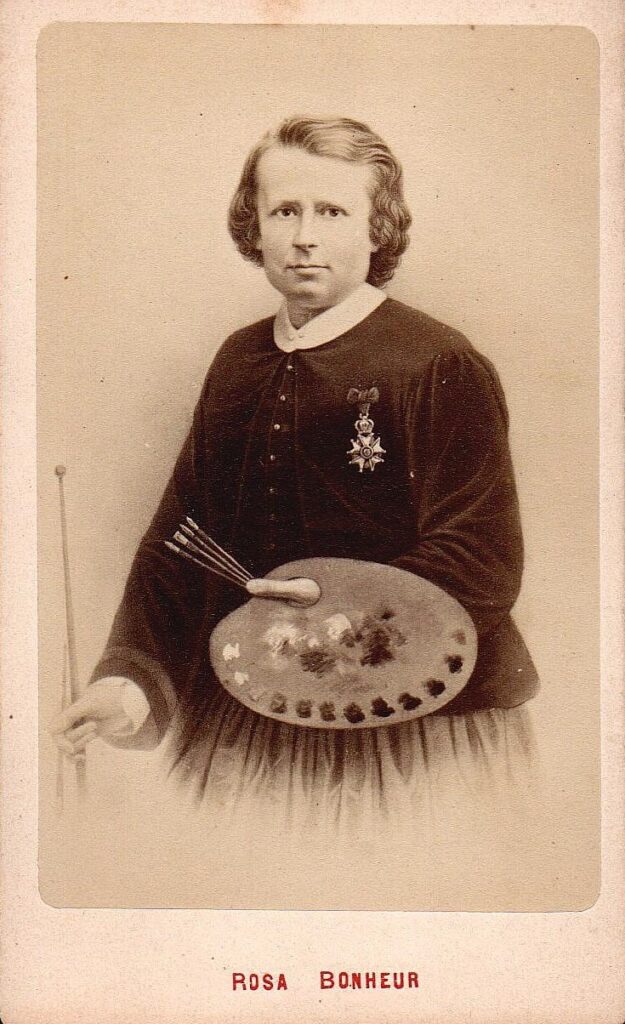
Photograph of Rosa Bonheur

Bonheur built her own training. She learned in her father’s studio, copied old masters at the Louvre and then went where the animals were.

From 1845 she studied anatomy in a Paris slaughterhouse, and she also worked at the veterinary school of Alfort, drawing cattle, horses and sheep from life to understand how they were built and how they moved.

For The Horse Fair she went to the horse market on the boulevard de l’Hôpital twice a week for a year and a half. To work there without drawing attention, she obtained a police permit to dress in men’s clothes.

Ploughing in the Nivernais and The Horse Fair
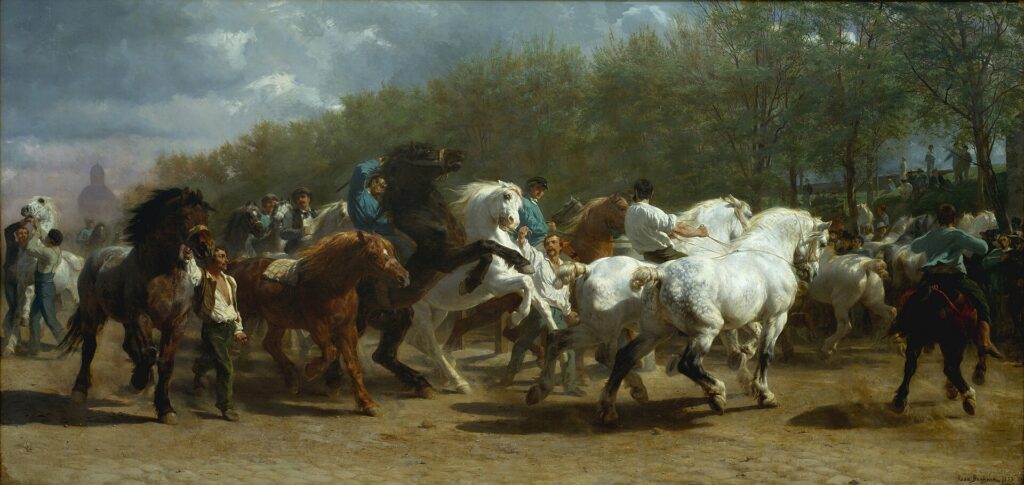
The Horse Fair by Rosa Bonheur

In 1848 the French State commissioned a painting from her. The result was Ploughing in the Nivernais: twelve Charolais oxen in two teams of six, turning the soil on a sunny autumn day. It may have been inspired by the opening of George Sand’s novel La Mare au Diable. Meant for the museum in Lyon, it was such a success at the Salon of 1849 that the State kept it in Paris, at the Musée du Luxembourg. It went to the Louvre after her death and to the Musée d’Orsay in 1986.

The Horse Fair, shown at the Salon of 1853 and finished in 1855, is more than five metres wide and was her first major success. It now hangs in the Metropolitan Museum of Art in New York.

Her dealer was Ernest Gambart, and in 1856 she travelled to Britain, where she met Queen Victoria.

Life at the Château de By, on Her Own Terms
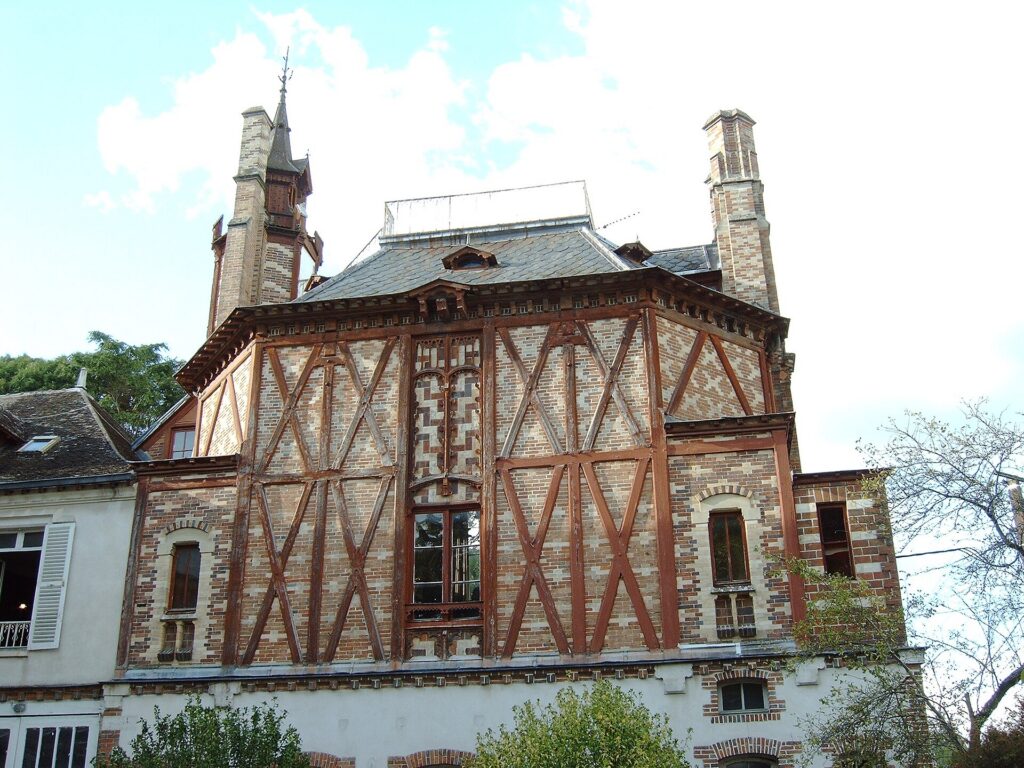
The Château de Rosa Bonheur at By, Thomery
Photo: Teofilo, CC BY-SA 2.0, via Wikimedia Commons

In 1859 Bonheur bought the Château de By at Thomery, on the edge of the forest of Fontainebleau, and worked there for the rest of her life. In her late sixties she was still sketching from life: after visiting the camp of Buffalo Bill’s Wild West Show at Neuilly, she painted Cody on horseback in 1890.

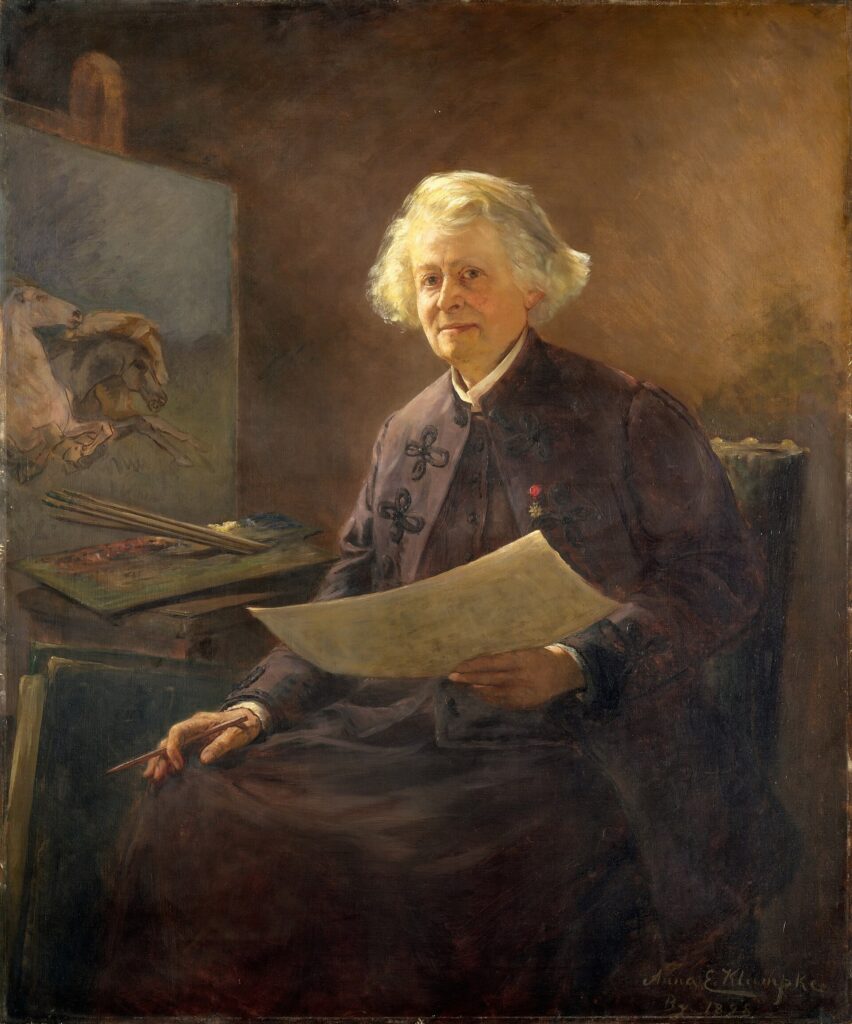
She lived for more than forty years with Nathalie Micas, until Micas died in 1889, and in the last year of her life with the American painter Anna Klumpke, who wrote her biography in Bonheur’s own voice. All three are buried together at Père Lachaise.

The house, with her studio, is now open to visitors as the Château de Rosa Bonheur.

Finding Rosa Bonheur at the Musée d’Orsay

Rooms are rehung, so check the museum’s current display before you go. Ploughing in the Nivernais is not currently on display. At the last check, her large drawing Oxen Crossing a Loch at Ballachulish hung in room 4 on the ground floor. It is drawn in charcoal, sepia and crayon and is more than two metres wide.
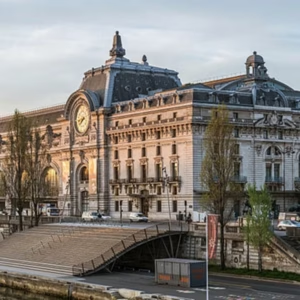
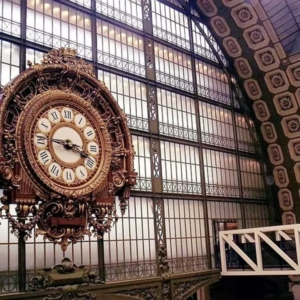
Tickets for the Musée d'Orsay

Highlights

Gain admission to the famed Musée d’Orsay located in a historic railway station.

View a remarkable collection of Impressionist, Post-Impressionist, and Art Nouveau masterpieces.

Enjoy exclusive access to select temporary exhibitions depending on availability.

Avoid long queues with a predetermined entry time slot.

Explore one of the world’s most distinguished art museums with ease.
Questions About Rosa Bonheur

Who was Rosa Bonheur?

A French animal painter and sculptor, born in Bordeaux in 1822, and the most famous woman artist of the 19th century.

Where is Ploughing in the Nivernais?

It belongs to the Musée d’Orsay in Paris. It is not always on display, so check the current hang before visiting.

Where is The Horse Fair?

In the Metropolitan Museum of Art in New York. A smaller version is in the National Gallery in London.

Was Rosa Bonheur an Impressionist?

No. She was a realist painter of animals and the countryside, a generation older than the Impressionists.

Does the Musée d’Orsay have works by Rosa Bonheur?

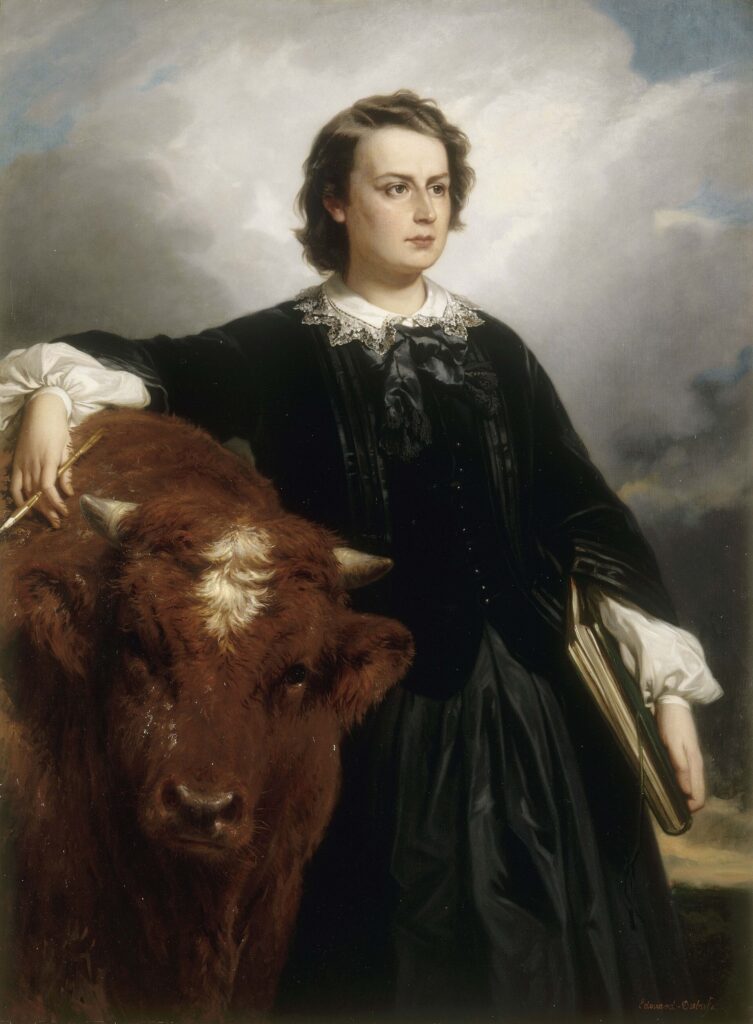
Yes. It holds Ploughing in the Nivernais, a large drawing of oxen at Ballachulish, studies of animals and her portrait by Dubufe.

Why did Rosa Bonheur dress in men’s clothes?

To work unnoticed in the Paris horse market while preparing The Horse Fair. She obtained a police permit to dress in men’s clothes.

Where did Rosa Bonheur live?

In Paris, and from 1859 at the Château de By in Thomery, near Fontainebleau, where she died in 1899.

Where is Rosa Bonheur buried?

In Père Lachaise cemetery in Paris, in the same tomb as Nathalie Micas and Anna Klumpke.

This website sells official tickets for this venue. Please note, however, that it is not the official website of the venue.

The images and videos on this website may contain visual elements that have been created or enhanced using AI technology. They are provided for illustrative purposes only.