We are processing your request.
Please, don’t close or refresh the page.
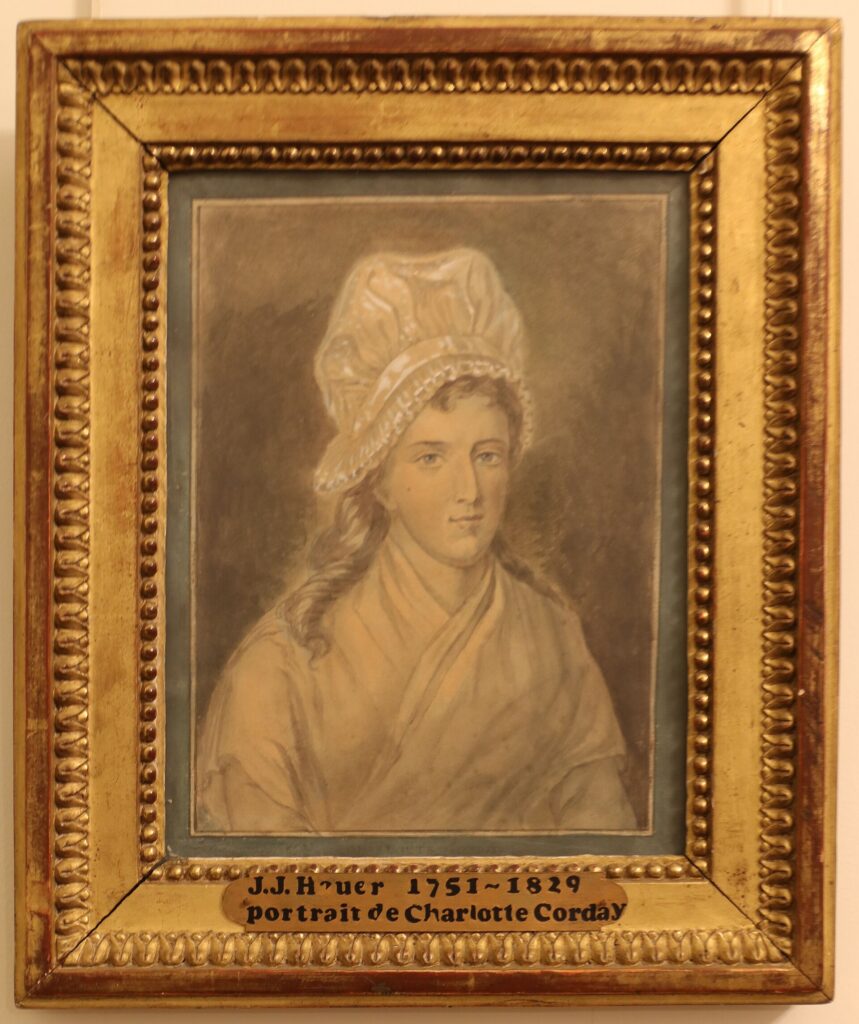
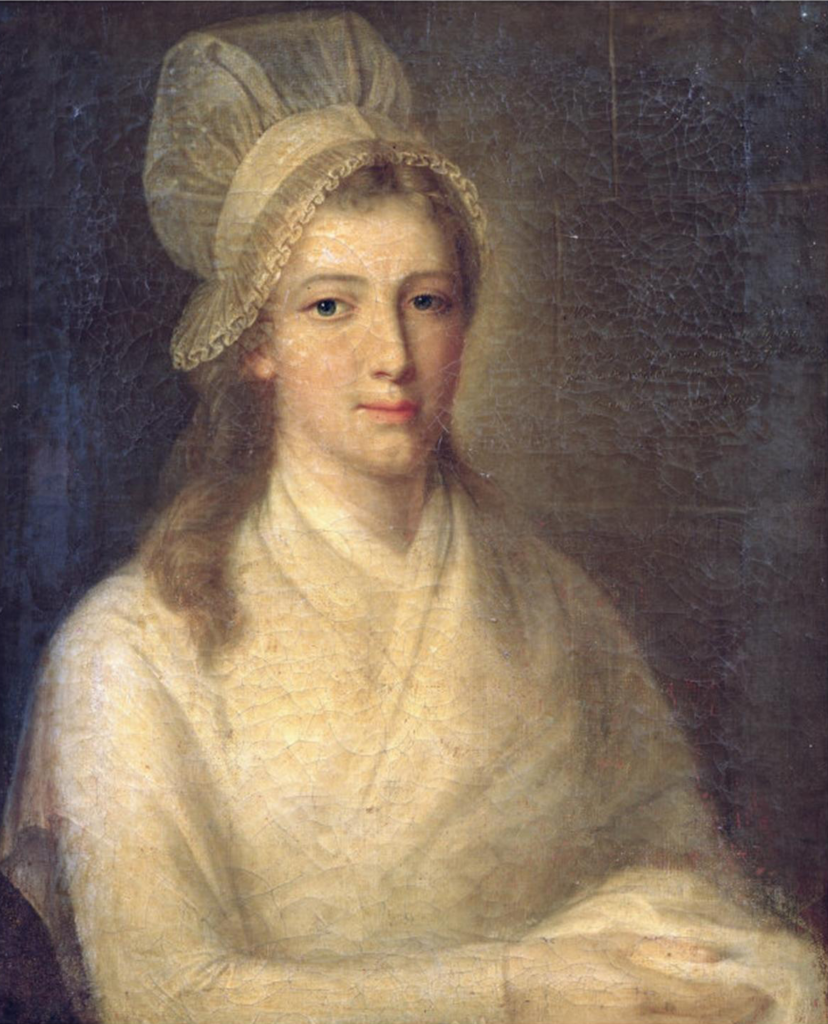
Portrait of Charlotte Corday by Jean-Jacques Hauer

Charlotte Corday: The Woman Who Killed Marat and Insisted She Acted Alone

At 24 she travelled from Caen to Paris, bought a knife and killed one of the most radical journalists of the Revolution. Four days later she left the Conciergerie for the guillotine.

Who Was Charlotte Corday?

Charlotte Corday was a young woman from Normandy who assassinated the Jacobin leader Jean-Paul Marat on 13 July 1793. She blamed him for the September Massacres and believed his death would save the Republic. The tribunal was convinced that a man, or a conspiracy, must be behind her. She was held in the Conciergerie before her execution, one of the women of the French Revolution who passed through its cells.

Charlotte Corday in Brief

She was a descendant of the playwright Pierre Corneille.

She grew up in a convent in Caen, reading Plutarch, Rousseau and Voltaire.

She sympathised with the moderate Girondins, many of whom had fled to Caen.

At her trial she said she had killed one man to save a hundred thousand.

She asked for her portrait to be painted after she was sentenced.

The poet Lamartine later called her the angel of assassination.

A Reader of Plutarch in Revolutionary Caen

Portrait of Charlotte Corday by Jean-Jacques Hauer

Charlotte Corday was born into a minor noble family in Normandy in 1768. After her mother died she was sent to the Abbaye aux Dames in Caen, where she read her way through the abbey library.

When the Revolution turned to terror, she sided with the Girondins, the moderate republicans driven out of Paris in 1793. She came to see Marat, and his newspaper L’Ami du peuple, as most responsible for the violence.

On 9 July 1793 she left for Paris with a copy of Plutarch’s Lives and wrote an address explaining what she was about to do.

The Death of Marat and the Trial

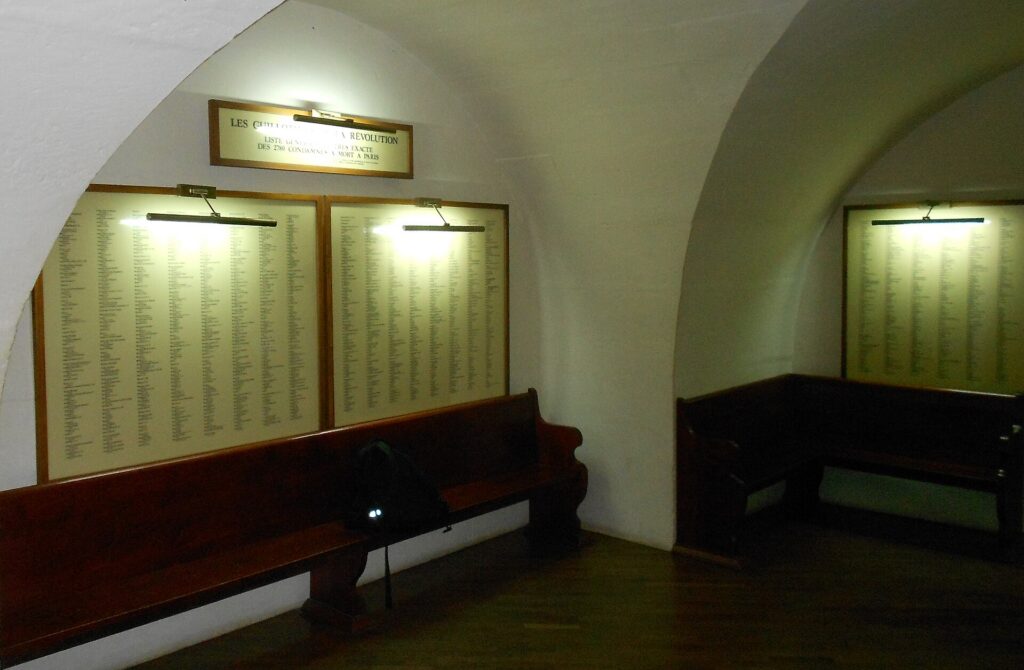
Names of prisoners of the Revolutionary Tribunal in the Conciergerie

On the evening of 13 July she was let into Marat’s rooms, where he worked from a medicinal bath, and stabbed him once in the chest. She was arrested on the spot.

Before the Revolutionary Tribunal she was questioned three times. The judges wanted a Girondin conspiracy, and a man behind it. She repeated that she alone had conceived the plan and carried it out.

After her execution, Jacobin leaders even had her body examined to see whether she had had a lover who might have guided her. They found nothing.

A Last Portrait in the Conciergerie

Portrait of Charlotte Corday by Jean-Jacques Hauer in its frame

After the sentence, she asked the court for one favour: to have her portrait painted. The National Guard officer Jean-Jacques Hauer, who had sketched her from the courtroom gallery, finished it shortly before the cart came, and she suggested a few changes.

The Conciergerie itself notes that some prisoners could have a last portrait made. Corday’s is the most famous.

She was guillotined on 17 July 1793, four days after Marat. Her act did not stop the Terror, which grew harsher, and historians have linked it to the ban on women’s political clubs that followed.

Visiting the Conciergerie for Charlotte Corday

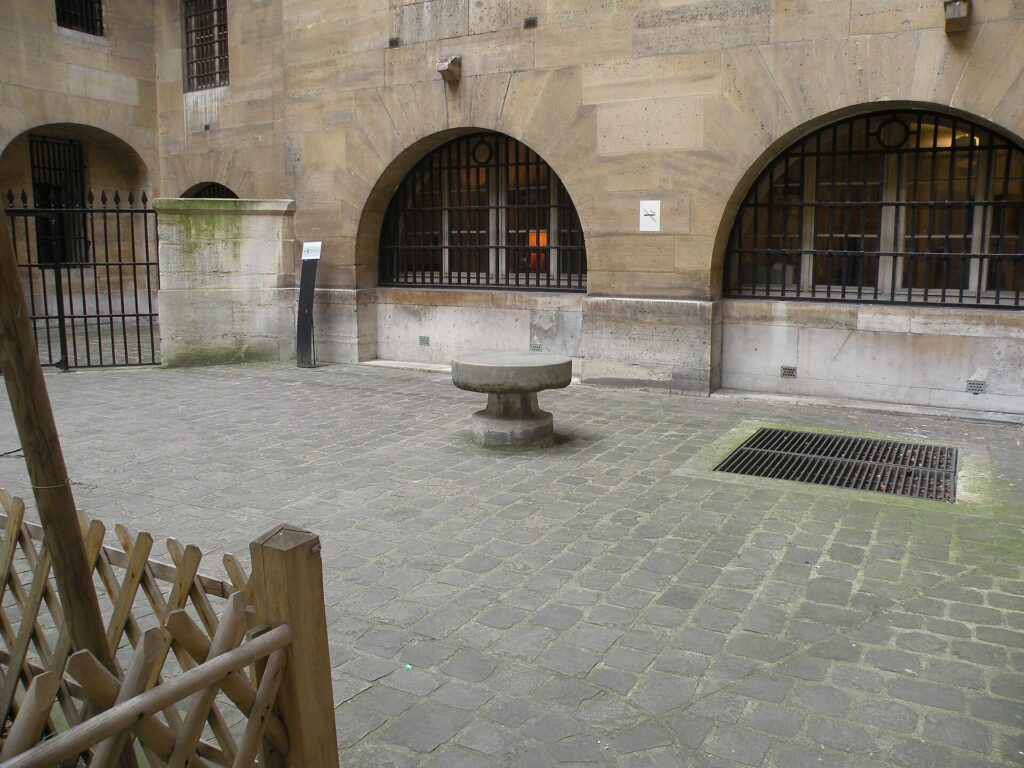
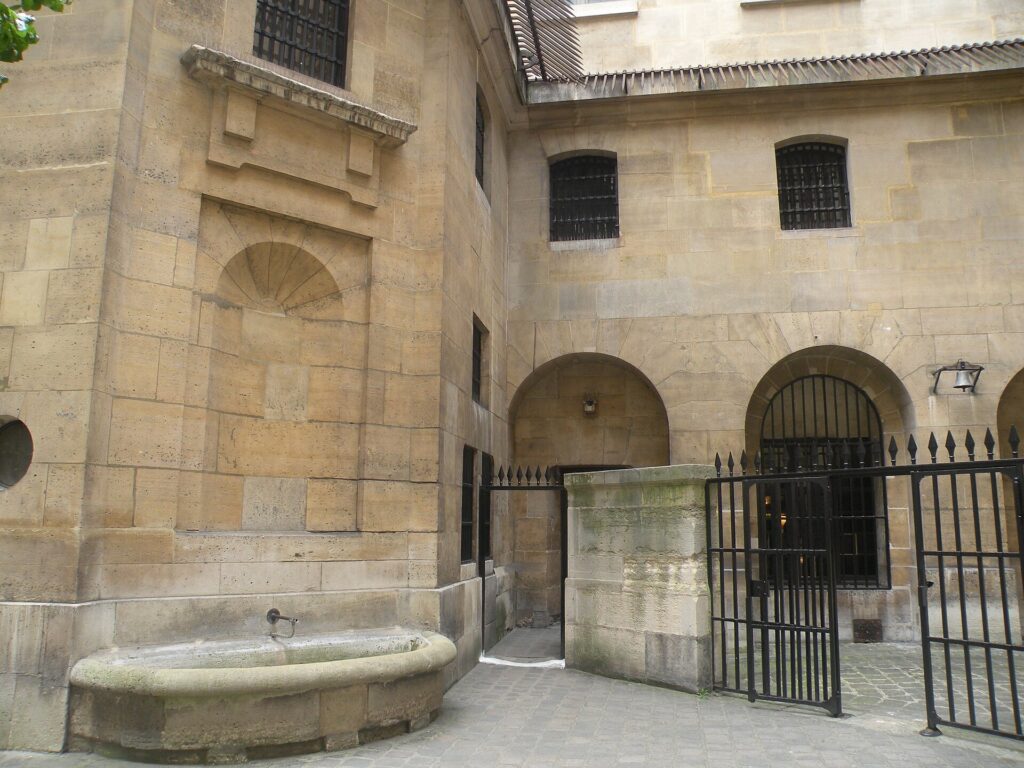
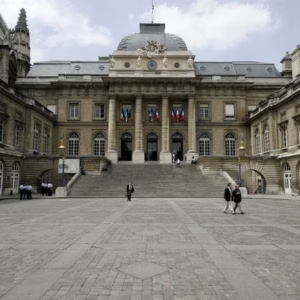
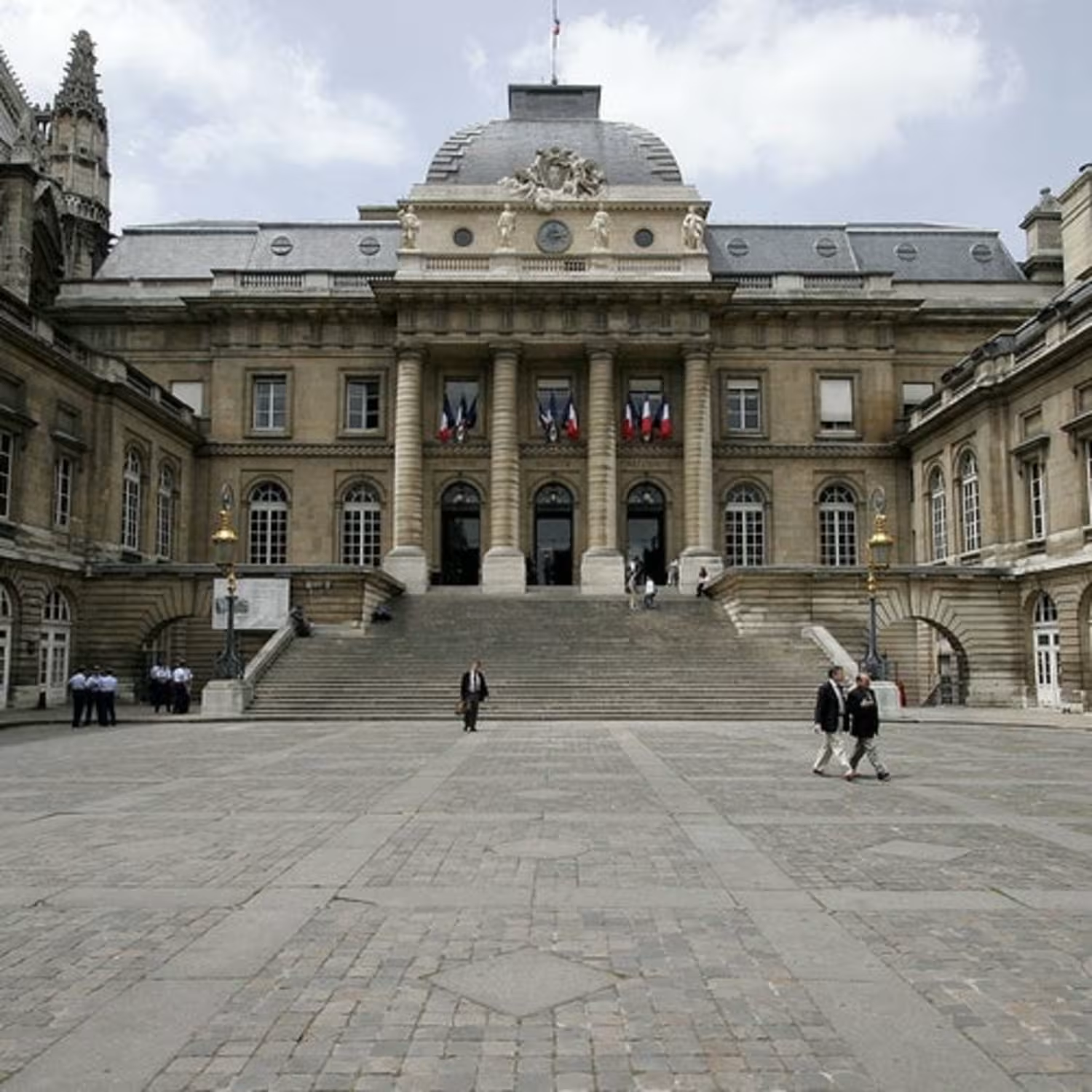
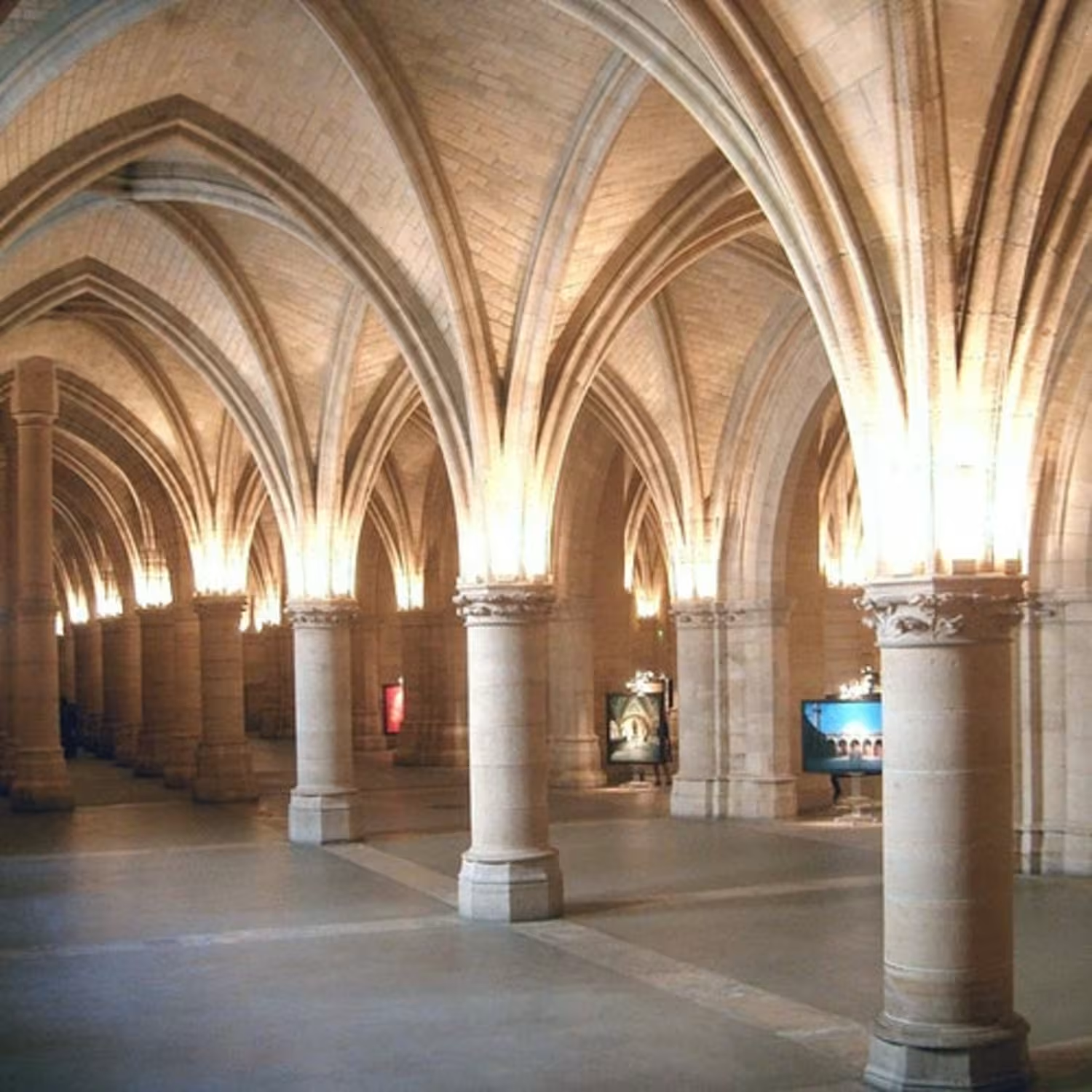
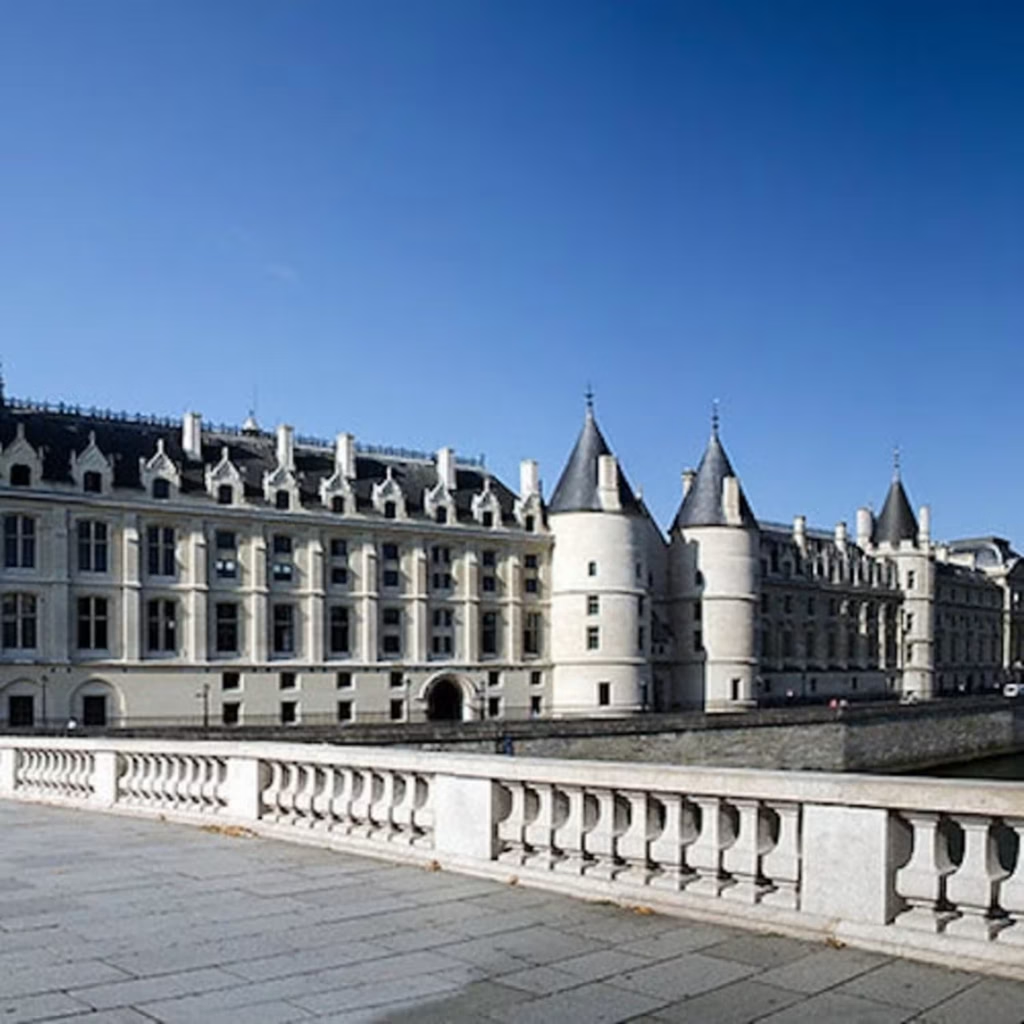
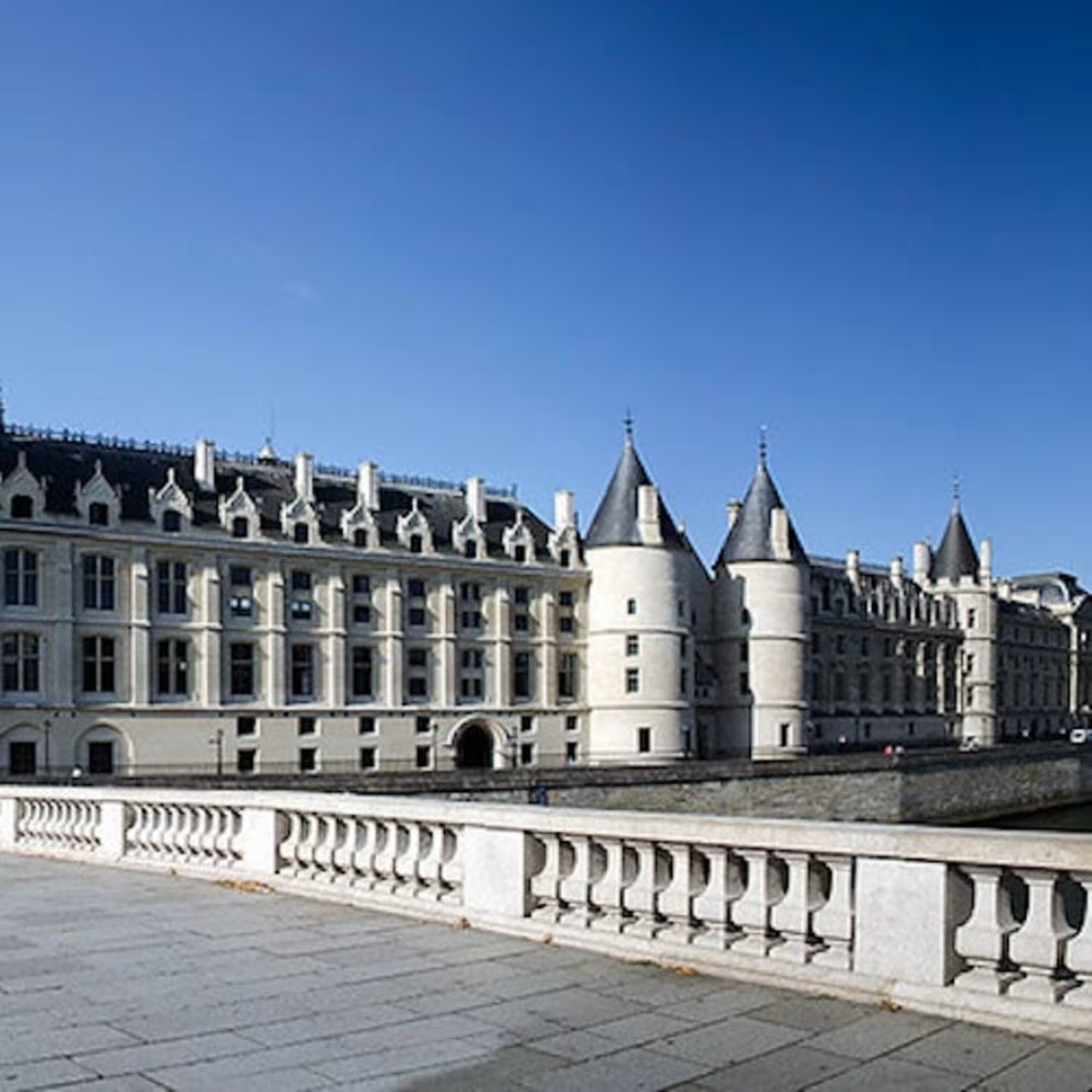
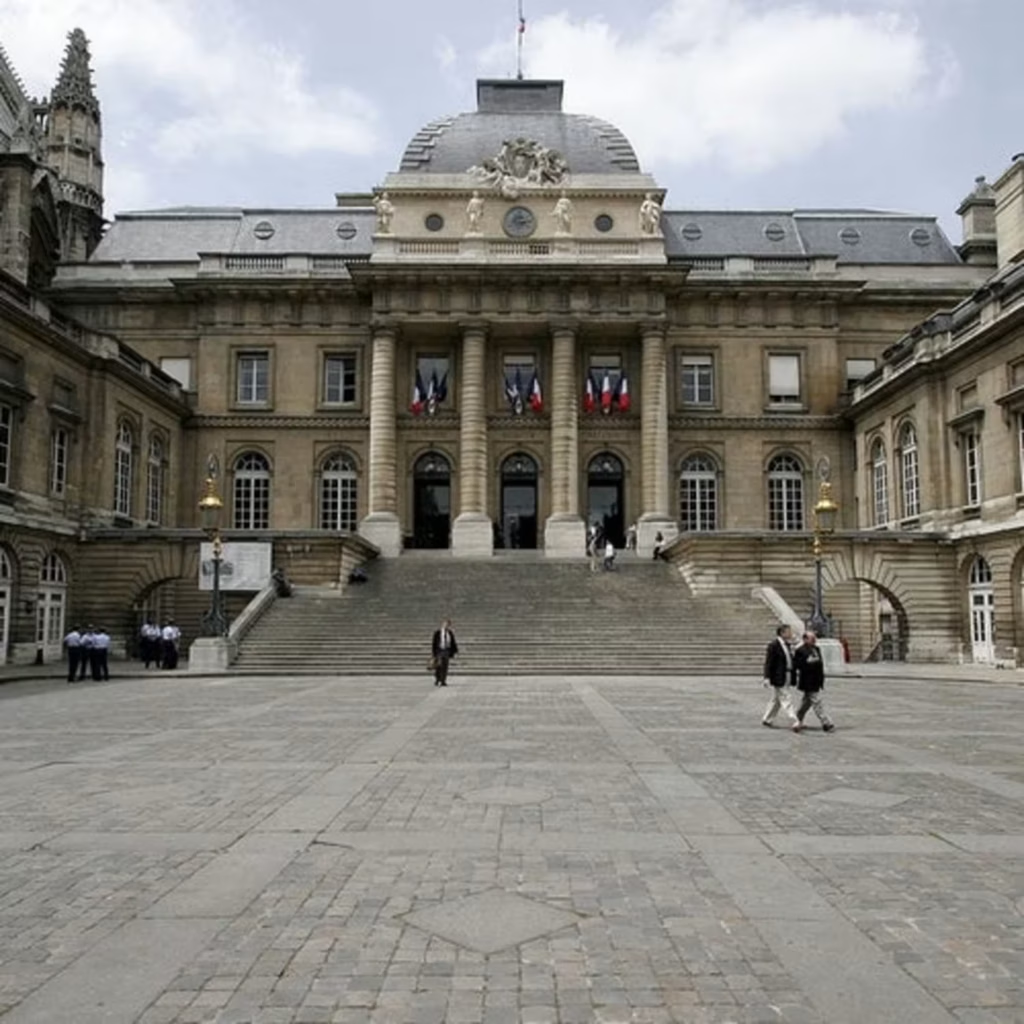
Her trial took place in the Palace of Justice and her last hours in the prison below. On the visit you walk through the reconstructed prison rooms, the Hall of Names and the Women’s Courtyard, with the Histopad tablet to show them as they were in 1793.
Visit the Conciergerie

Highlights

Discover medieval prison cells from the French Revolution, including the famous cell of Queen Marie Antoinette.

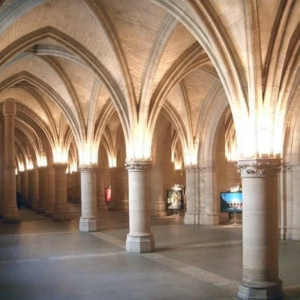
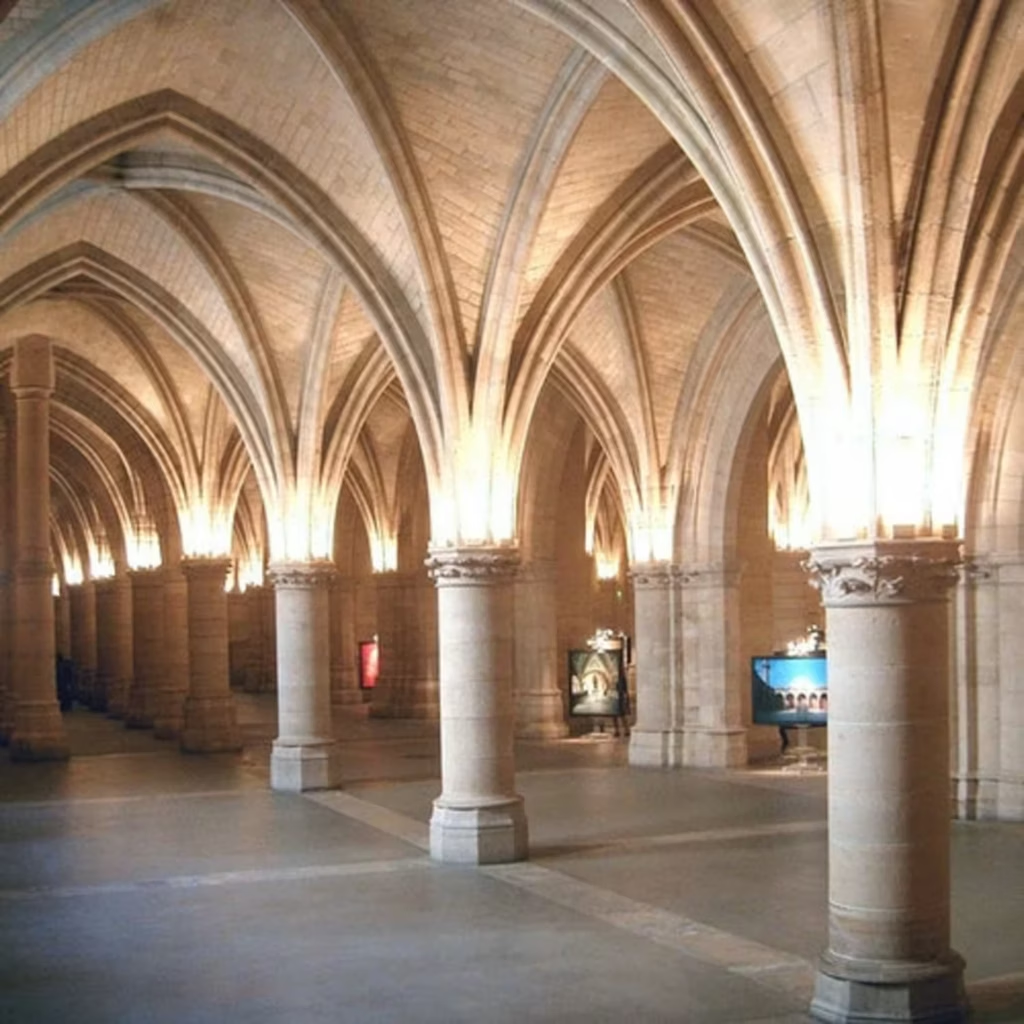
Visit the grand Gothic Salle des Gens d’Armes, Europe’s largest surviving medieval hall.

Experience the haunting history of a building once known as the antechamber to the guillotine.

Explore the torture chamber in the Bonbec Tower, where prisoners were coerced to confess.

Enhance your visit with the Histopad, an augmented reality device revealing the palace’s past appearances.
Entry Ticket to the Sainte Chapelle and the Conciergerie

Highlights

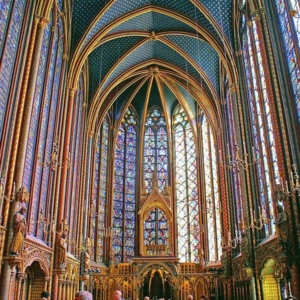
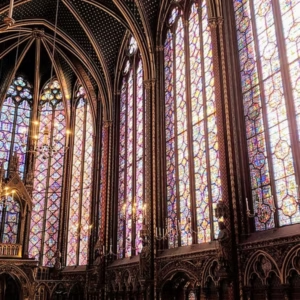
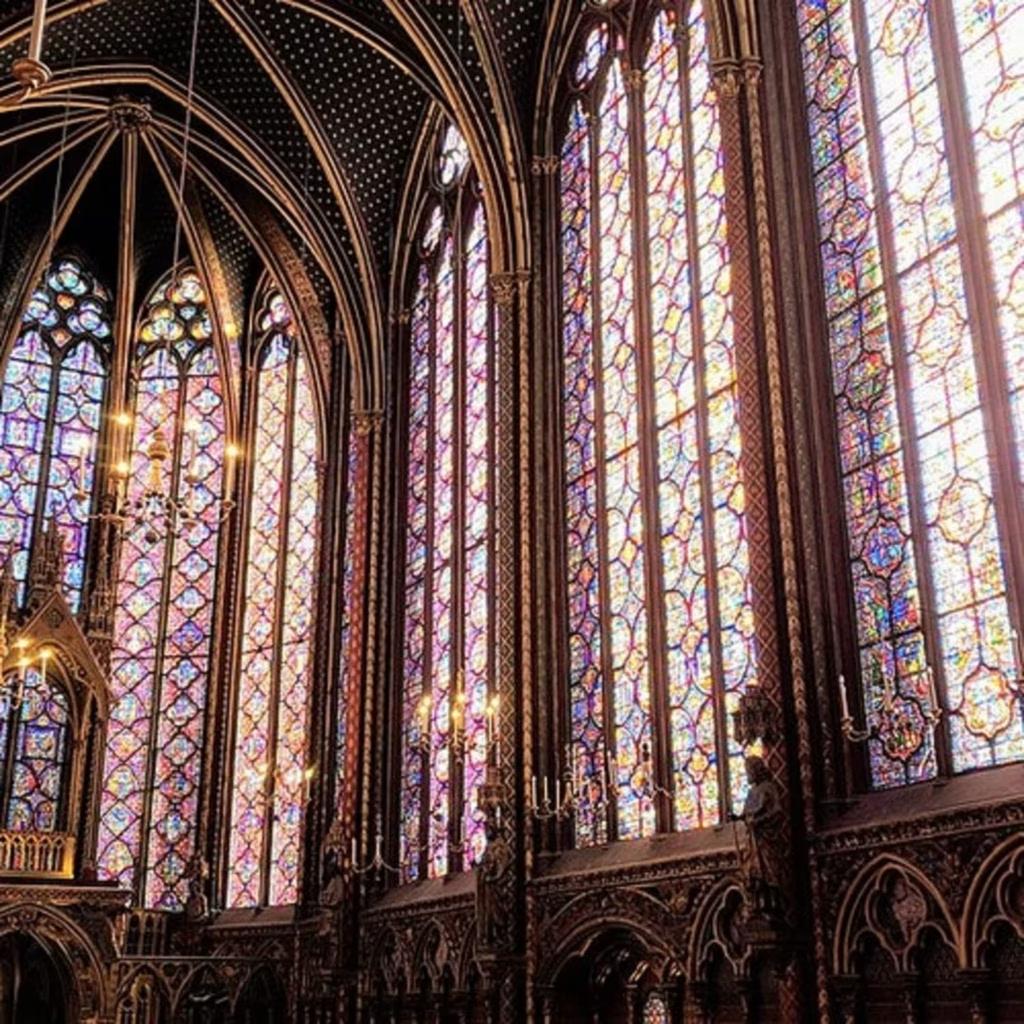
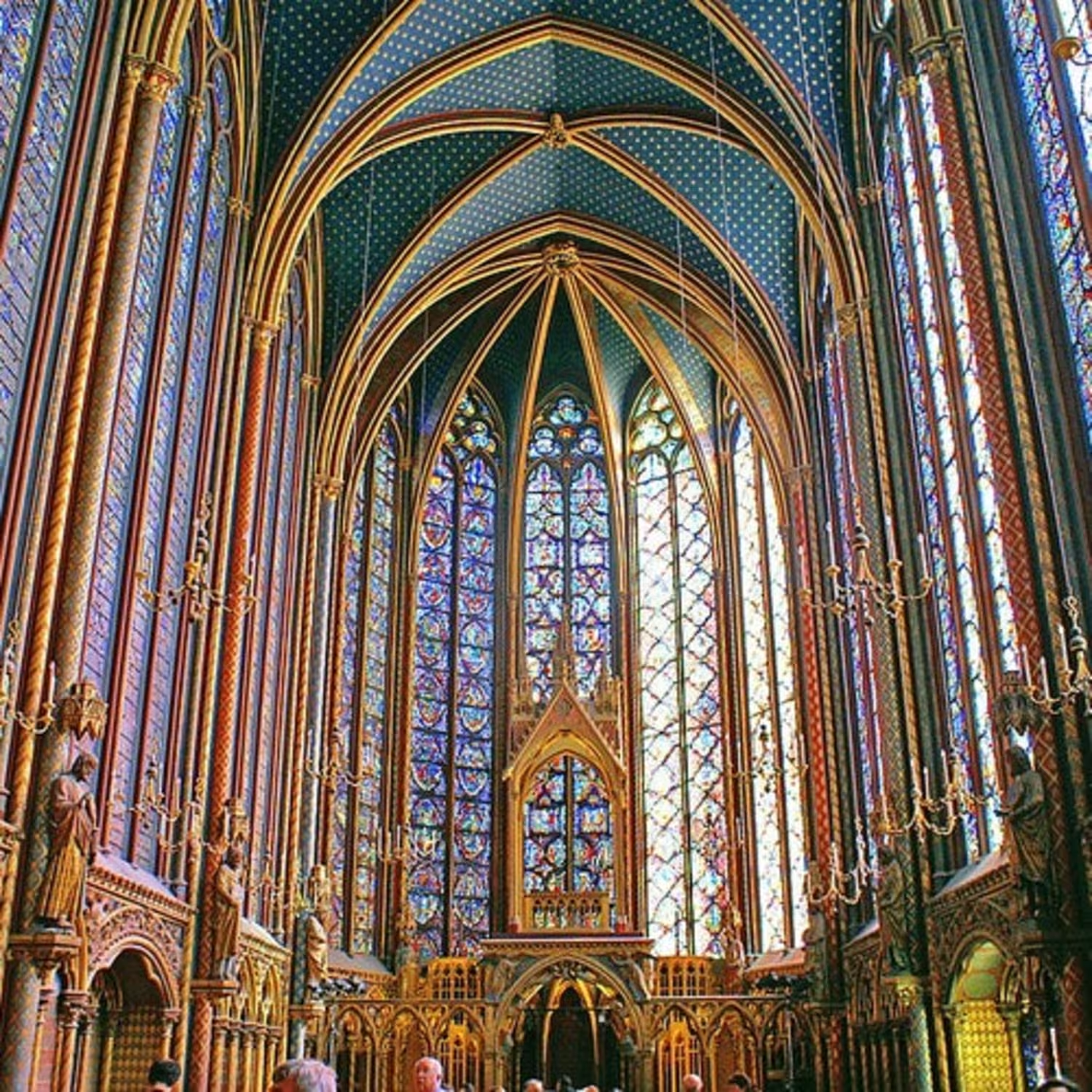
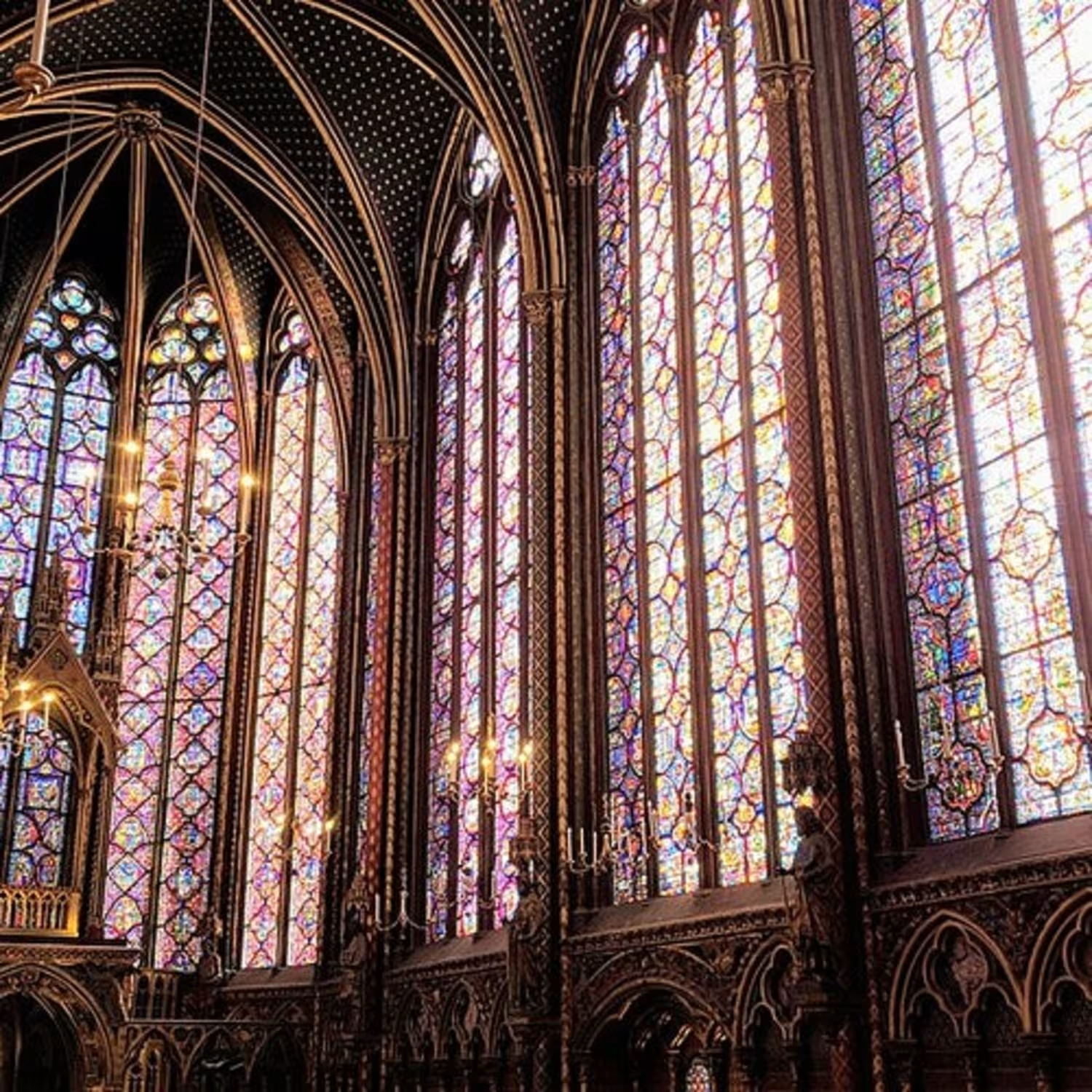
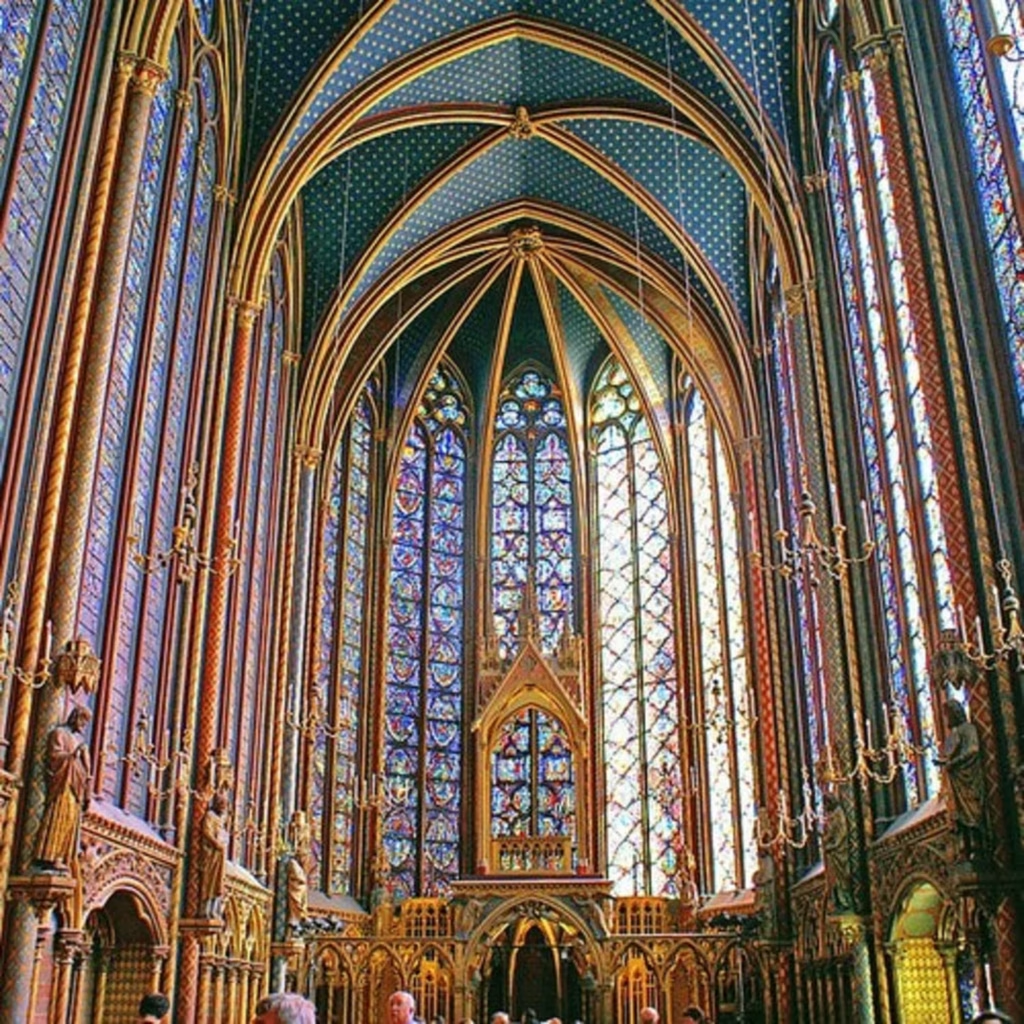
Visit the stunning Gothic Sainte-Chapelle featuring extraordinary stained glass windows.

Explore the Conciergerie, a former royal palace turned prison with deep revolutionary history.

Use the Histopad augmented reality device to experience the Conciergerie’s medieval and revolutionary history.

Enjoy priority entrance and skip the regular lines at both locations.

Discover the captivating stories behind Marie Antoinette’s imprisonment and King Louis IX’s relic collection.
Questions About Charlotte Corday

Who was Charlotte Corday?

A young woman from Normandy who killed the Jacobin journalist Jean-Paul Marat in Paris on 13 July 1793.

Why did Charlotte Corday kill Marat?

She held him responsible for the September Massacres and believed his death would end the violence and save the Republic.

Was Charlotte Corday held at the Conciergerie?

Yes. She was among the prisoners of the Conciergerie before her execution on 17 July 1793.

Did Charlotte Corday act alone?

She always said so, and the tribunal found no proof of accomplices, although it searched hard for a man behind her.

What happened to Charlotte Corday?

She was tried by the Revolutionary Tribunal and guillotined on 17 July 1793, four days after Marat’s death.

Who painted Charlotte Corday’s portrait?

Jean-Jacques Hauer, a National Guard officer, who finished it at her request shortly before her execution.

This website sells official tickets for this venue. Please note, however, that it is not the official website of the venue.

The images and videos on this website may contain visual elements that have been created or enhanced using AI technology. They are provided for illustrative purposes only.