We are processing your request.
Please, don’t close or refresh the page.
Paris Tickets Sainte Chapelle Conciergerie Women Of The Conciergerie
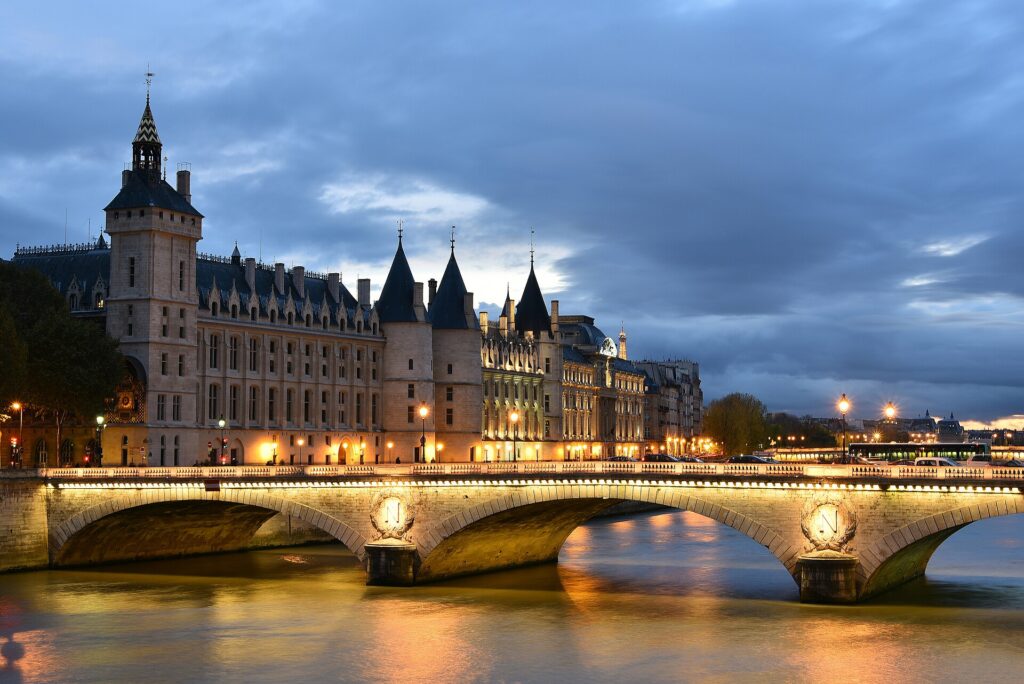
The Conciergerie on the Seine at dusk

Women of the French Revolution at the Conciergerie

A playwright who demanded rights for women, a young woman who acted alone, a political thinker and a queen all passed through this prison on their way to the guillotine. Their stories are still written into its walls.

The Antechamber of the Guillotine

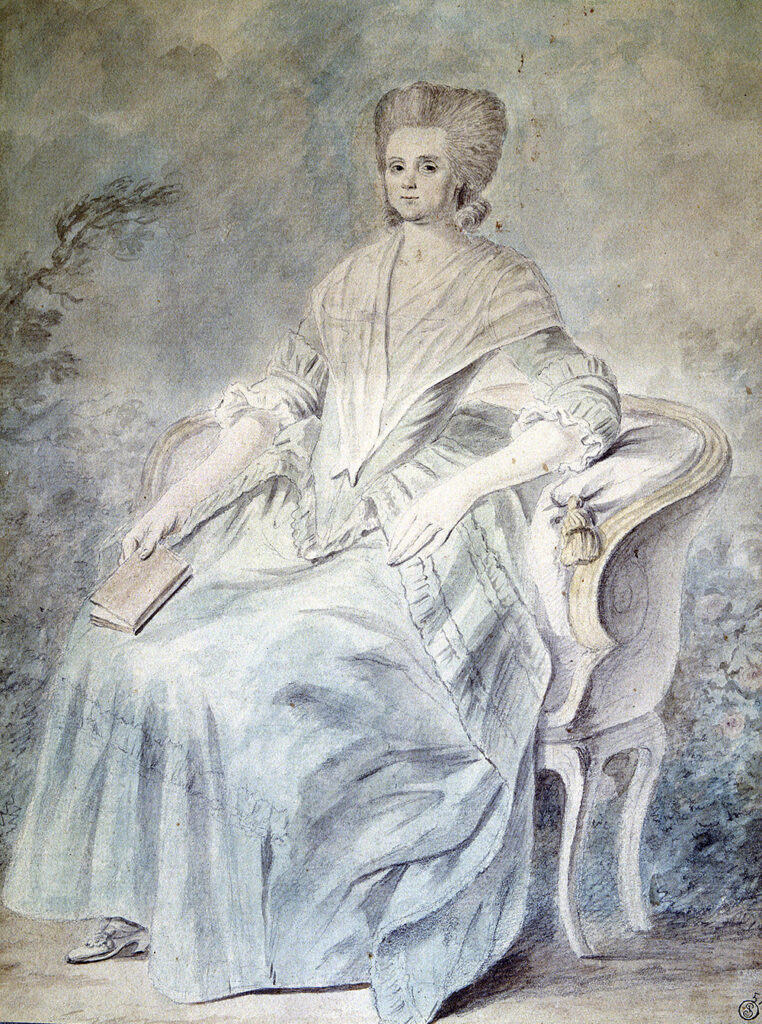
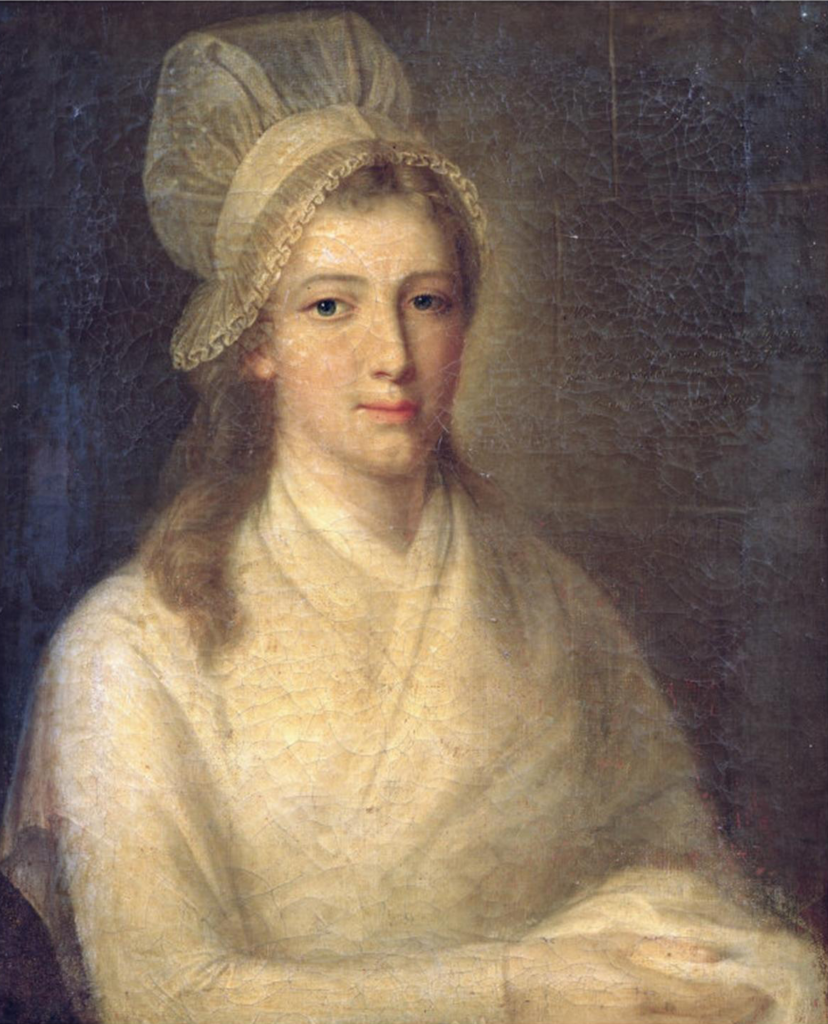
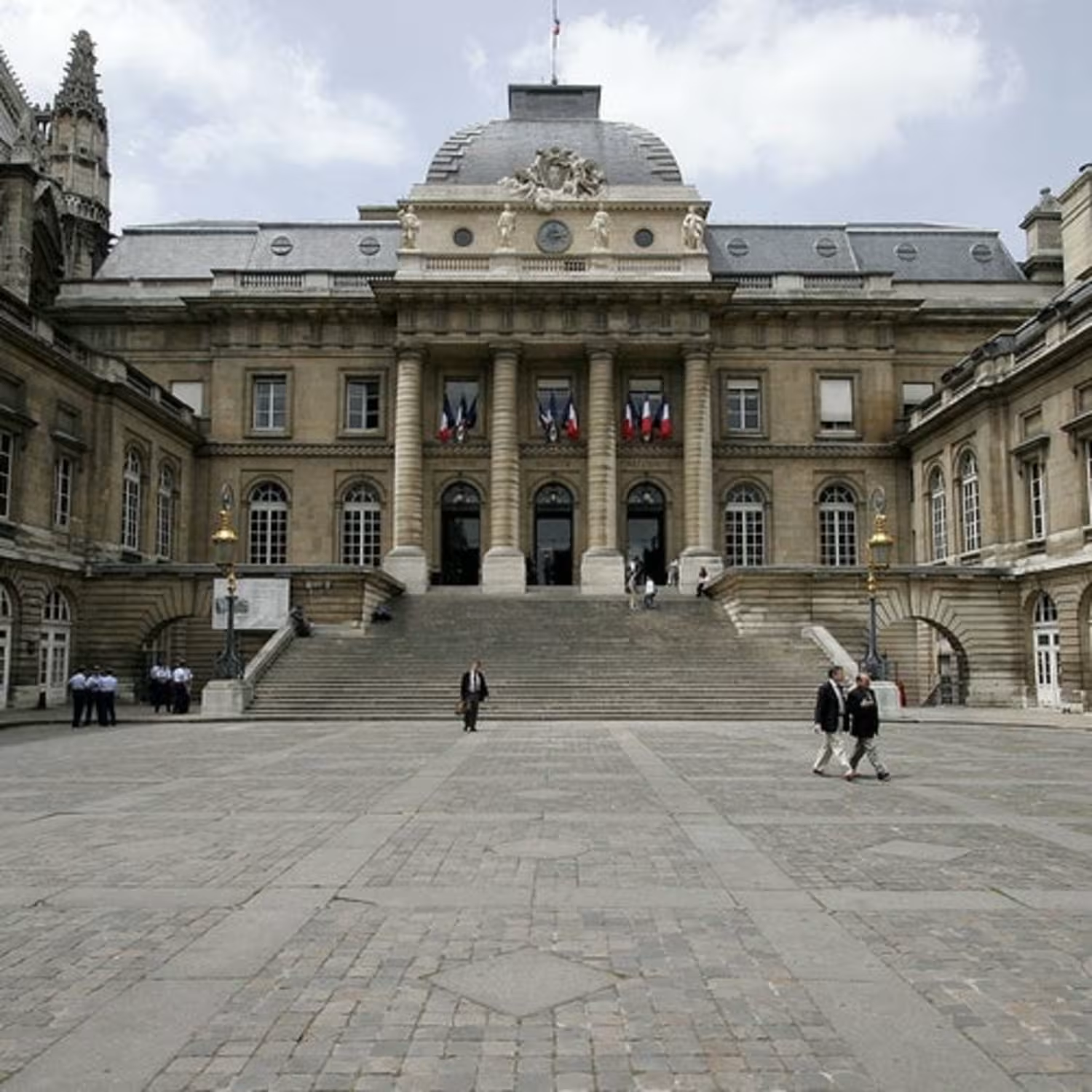
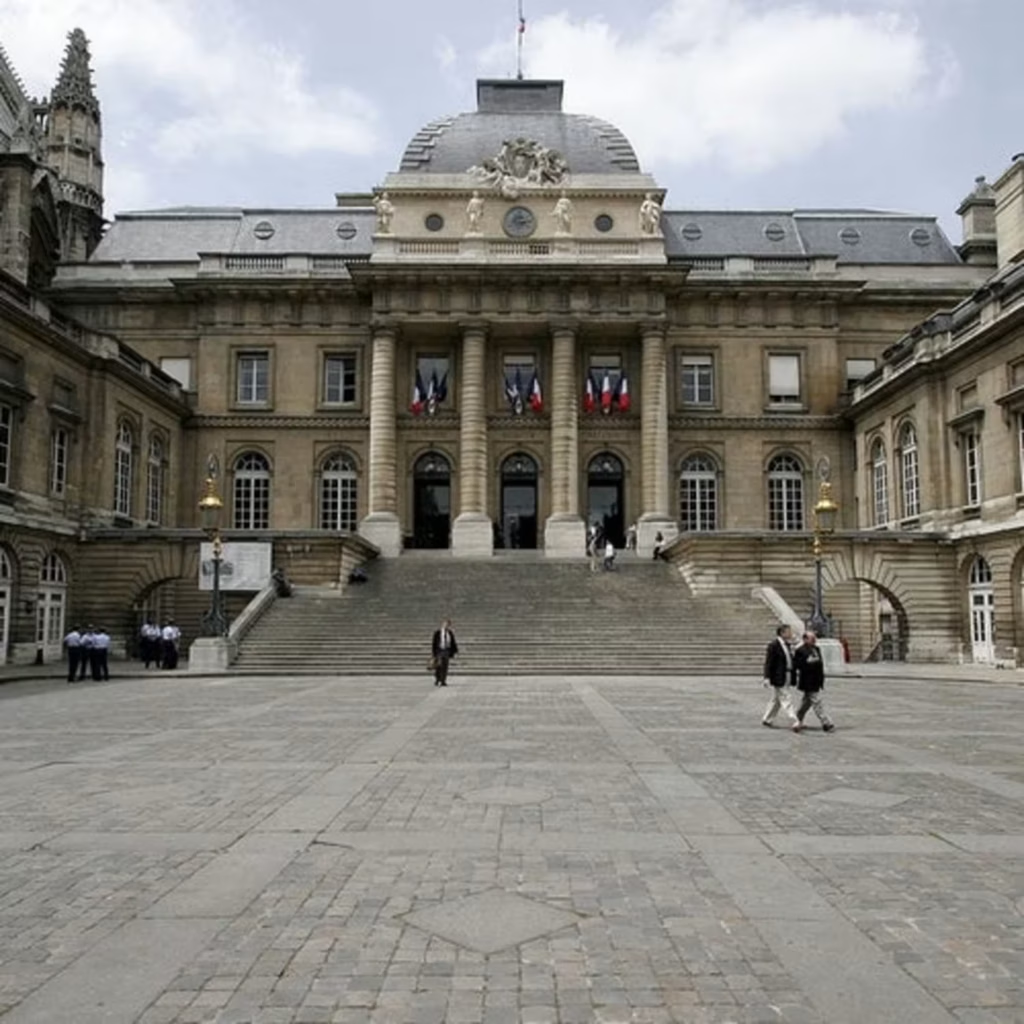
During the Revolution the Conciergerie was the last prison before the scaffold. More than 4,000 people came before the Revolutionary Tribunal next door, women among them. Some were there for what they wrote, some for what they did and one for who she was. Olympe de Gouges, Charlotte Corday, Madame Roland and Marie-Antoinette all spent their last days here, and the rooms where they waited are part of the visit.

Women at the Conciergerie in Brief

Men and women were let out of their cells into separate yards during the day.

The Women’s Courtyard has barely changed since the Revolution.

At the height of the Terror the prison held more than 500 people at a time.

The Hall of Names lists more than 4,000 prisoners brought before the Revolutionary Tribunal.

Wealthier prisoners could pay for a better cell, write letters and even have a last portrait made.

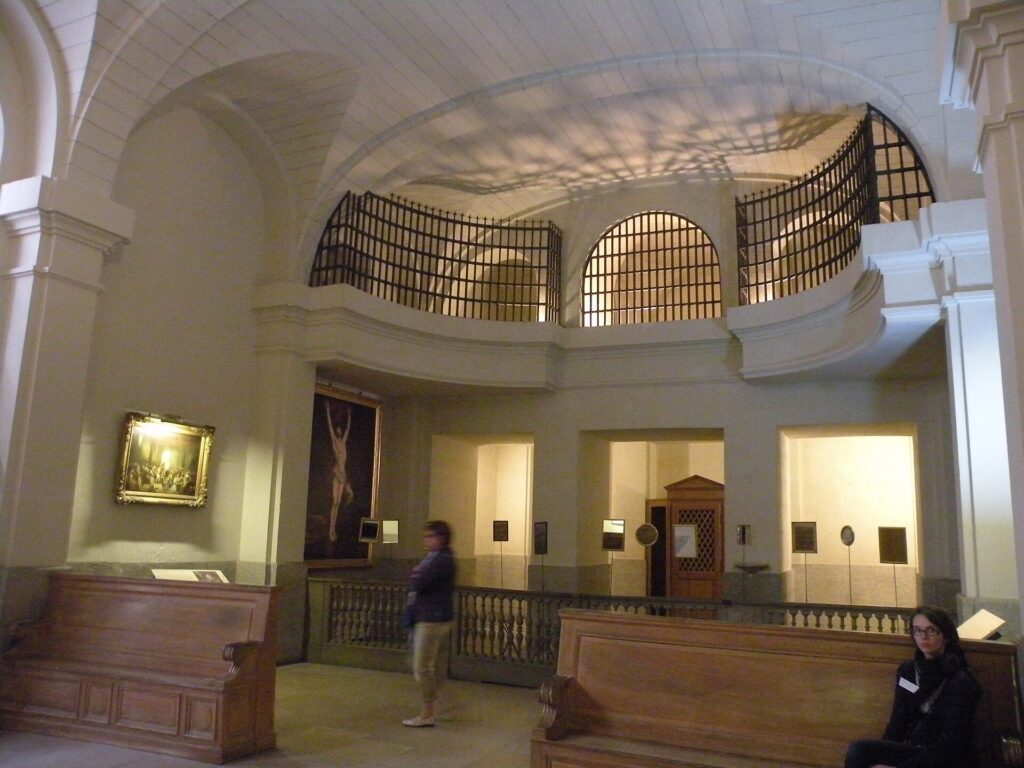
The expiatory chapel of Marie-Antoinette stands partly on the site of her cell.

A Prison of Passage
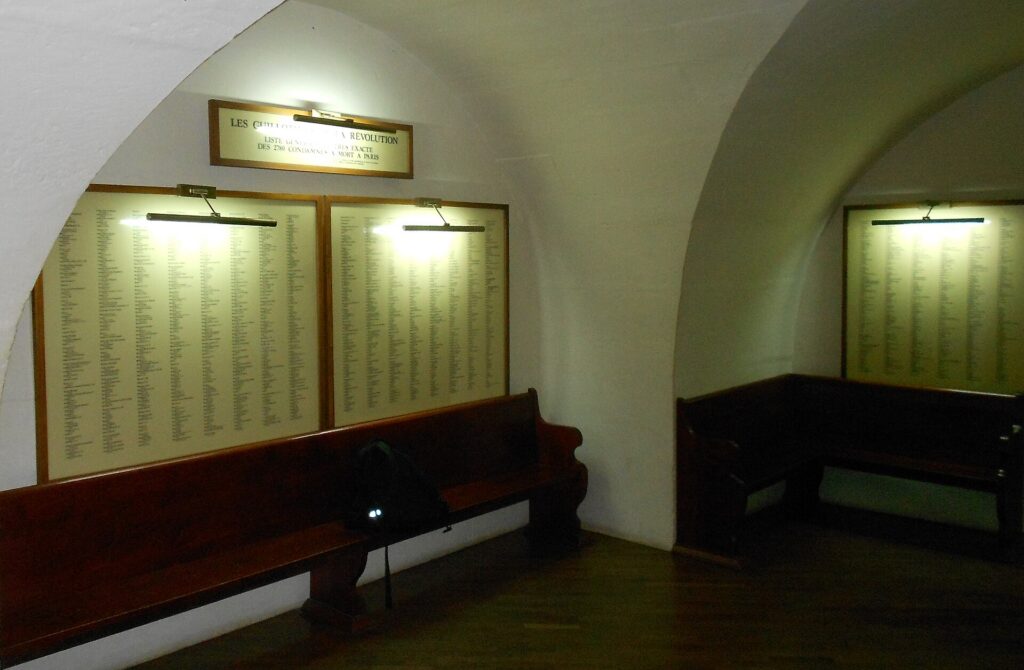
Names of prisoners of the Revolutionary Tribunal in the Conciergerie

The Conciergerie took its name from the concierge who ran the prisons built here after Charles V left the palace in the 14th century. During the Revolution it filled up: the number of prisoners tripled, and most stayed only a few days before their trial.

Political opponents shared the building with common criminals. The poorest slept on straw in dark cells without furniture, while those who could pay bought a little comfort, visits and paper.

The Conciergerie was never a place of execution. The carts left from its courtyard for the guillotine, and today the Hall of Names records who passed through and what became of them.

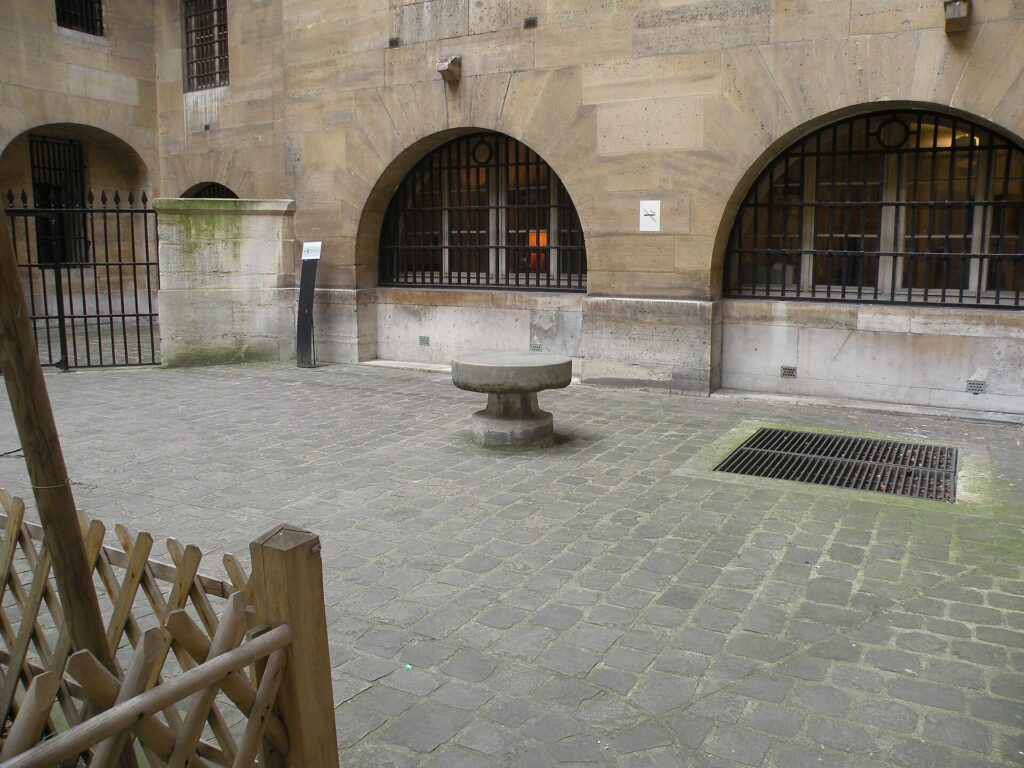
The Women’s Courtyard

The Women’s Courtyard in the Conciergerie
Photo: Chatsam, CC BY-SA 3.0, via Wikimedia Commons

Each morning the cells were opened and the women were led out into their own yard, separate from the men. This courtyard has remained almost unchanged since the Revolution, and it is on the visitor route today.

Marie-Antoinette’s first cell here looked out onto it. Other women were held in the same prison, from Madame Élisabeth, the king’s sister, to writers and political activists.

Standing in it is the closest you can come to the daily life of the women who were held here.

Condemned for Crossing a Line

The chapel of the Conciergerie
Photo: Chatsam, CC BY-SA 3.0, via Wikimedia Commons

The Revolution promised rights to citizens, but not to women. As the Terror hardened, women were pushed out of political life, and women’s political clubs were banned in the autumn of 1793.

When Madame Roland was guillotined, the official newspaper Le Moniteur wrote that she, Marie-Antoinette and Olympe de Gouges had been put to death because they had crossed the boundaries of female virtue.

They held very different beliefs. What they shared was that they spoke or acted in public, and were punished as women for it.

Walking in Their Footsteps

Your ticket takes you through the medieval halls, the prison rooms and the Hall of Names, then out to the Women’s Courtyard and the expiatory chapel. The Histopad tablet brings the rooms back to life. The combined ticket adds Sainte-Chapelle, just across the courtyard.
Visit the Conciergerie

Highlights

Discover medieval prison cells from the French Revolution, including the famous cell of Queen Marie Antoinette.

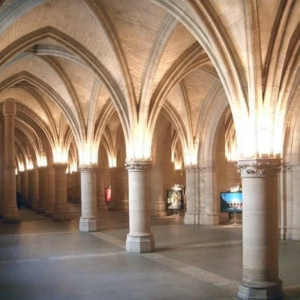
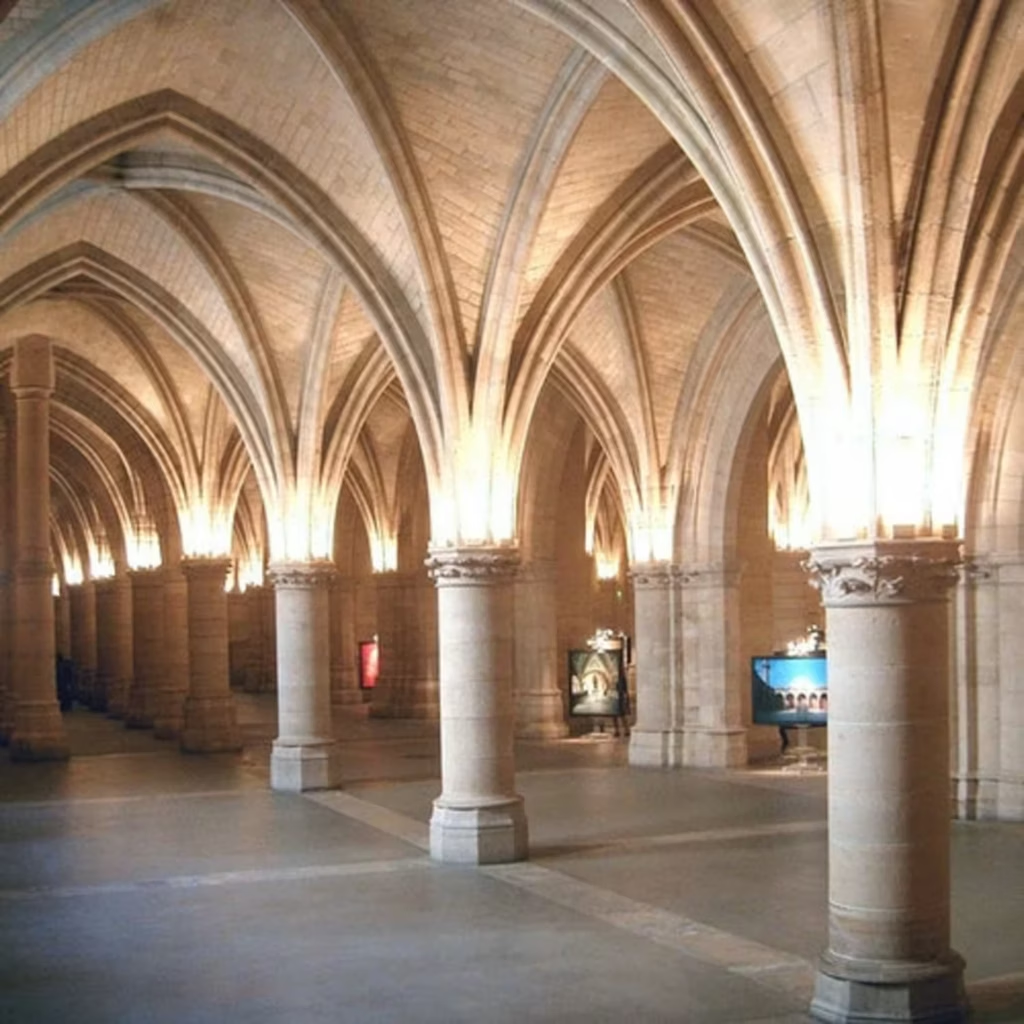
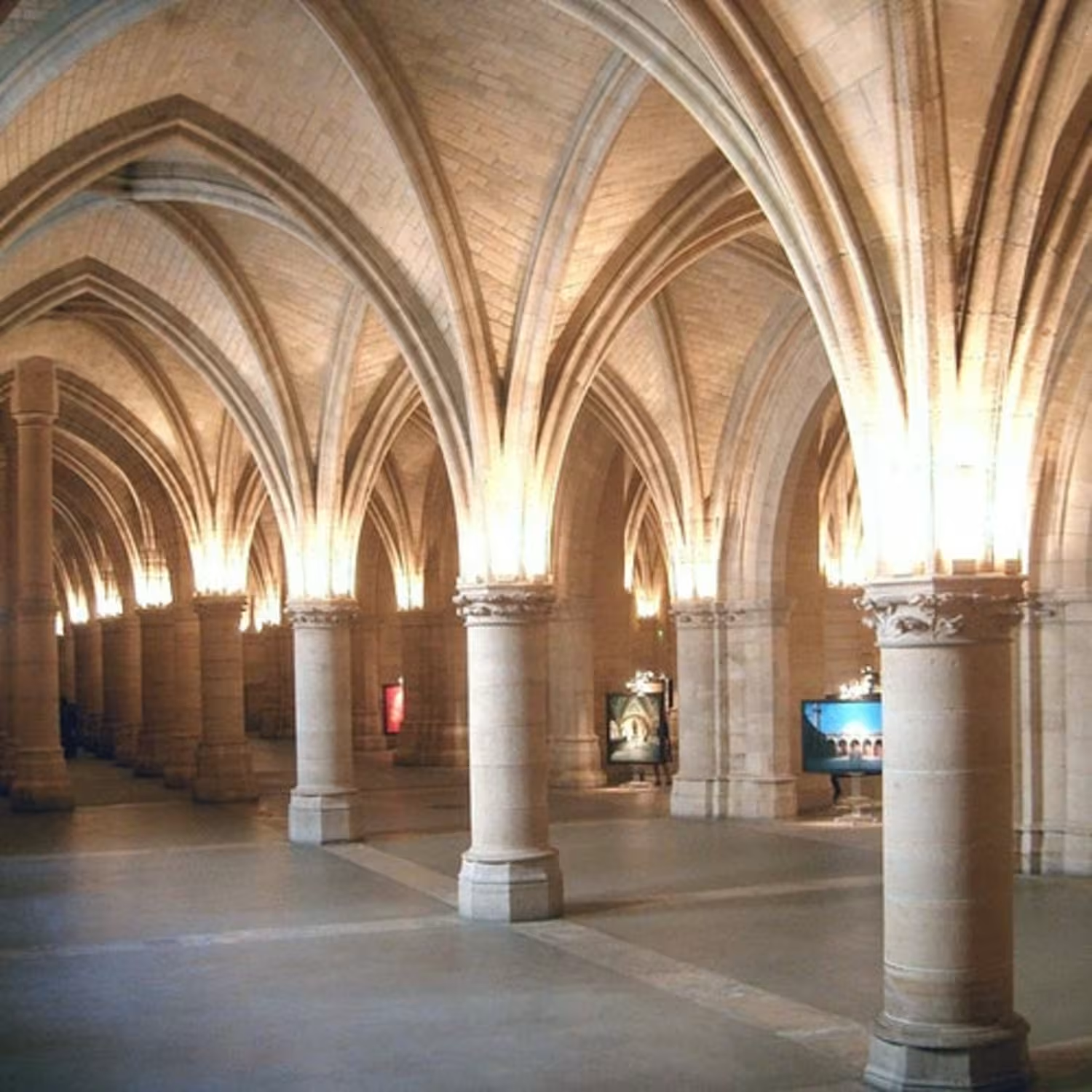
Visit the grand Gothic Salle des Gens d’Armes, Europe’s largest surviving medieval hall.

Experience the haunting history of a building once known as the antechamber to the guillotine.

Explore the torture chamber in the Bonbec Tower, where prisoners were coerced to confess.

Enhance your visit with the Histopad, an augmented reality device revealing the palace’s past appearances.
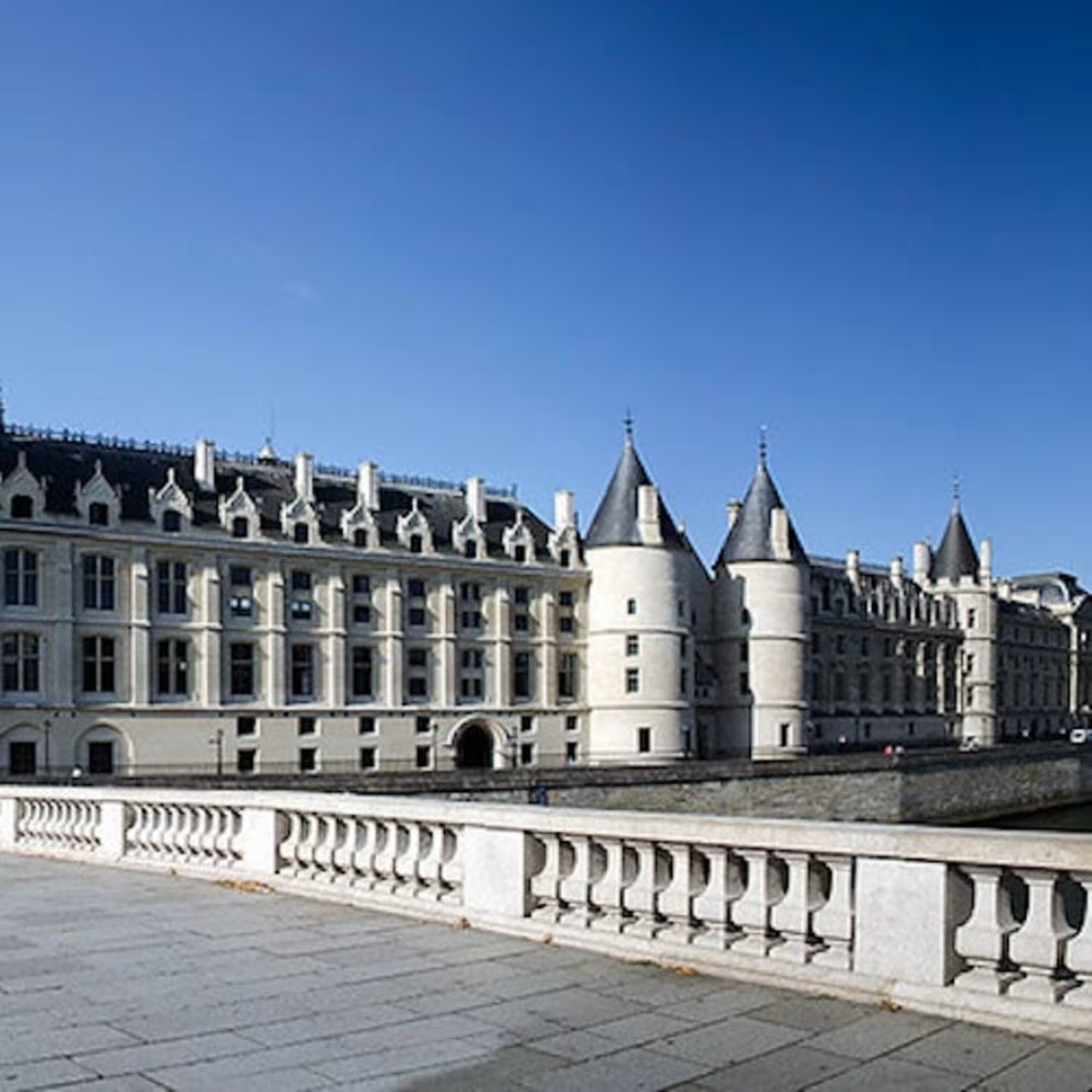
Entry Ticket to the Sainte Chapelle and the Conciergerie

Highlights

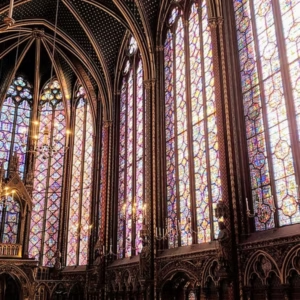
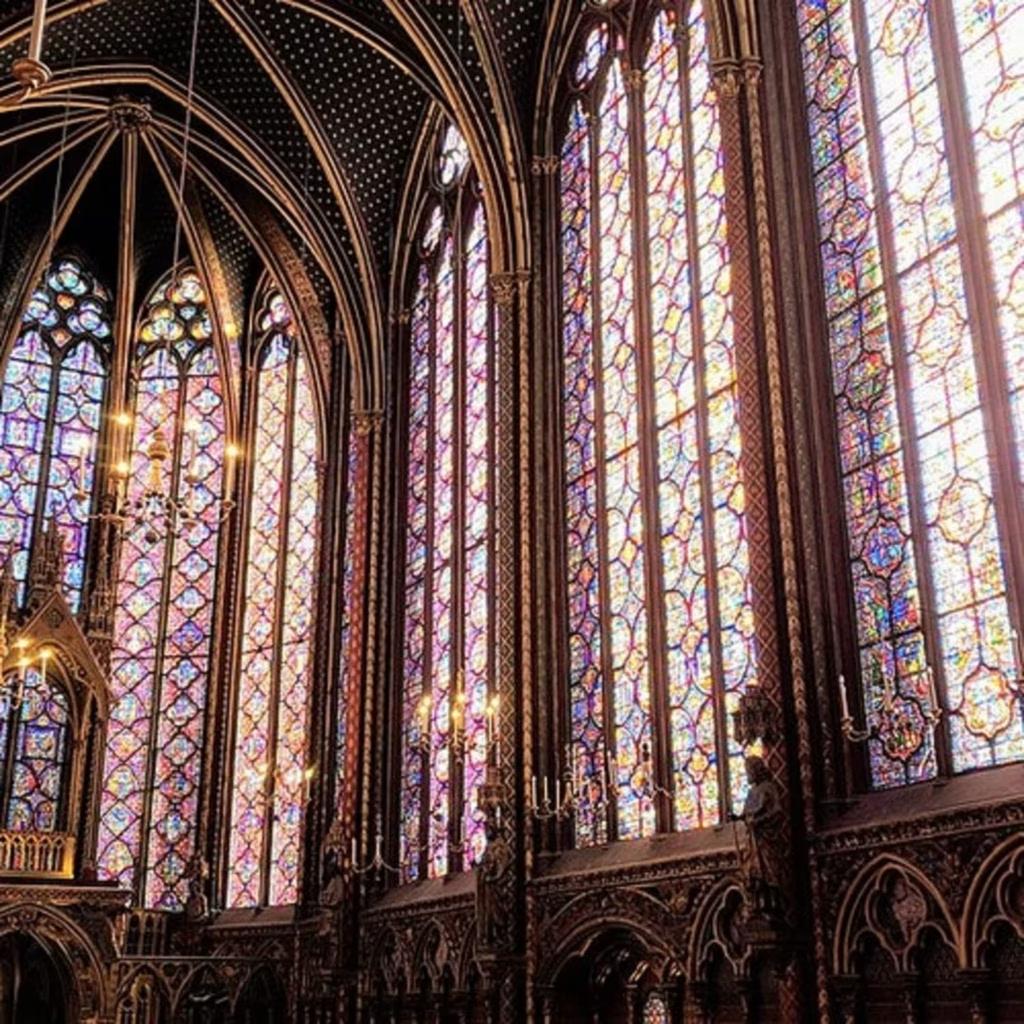
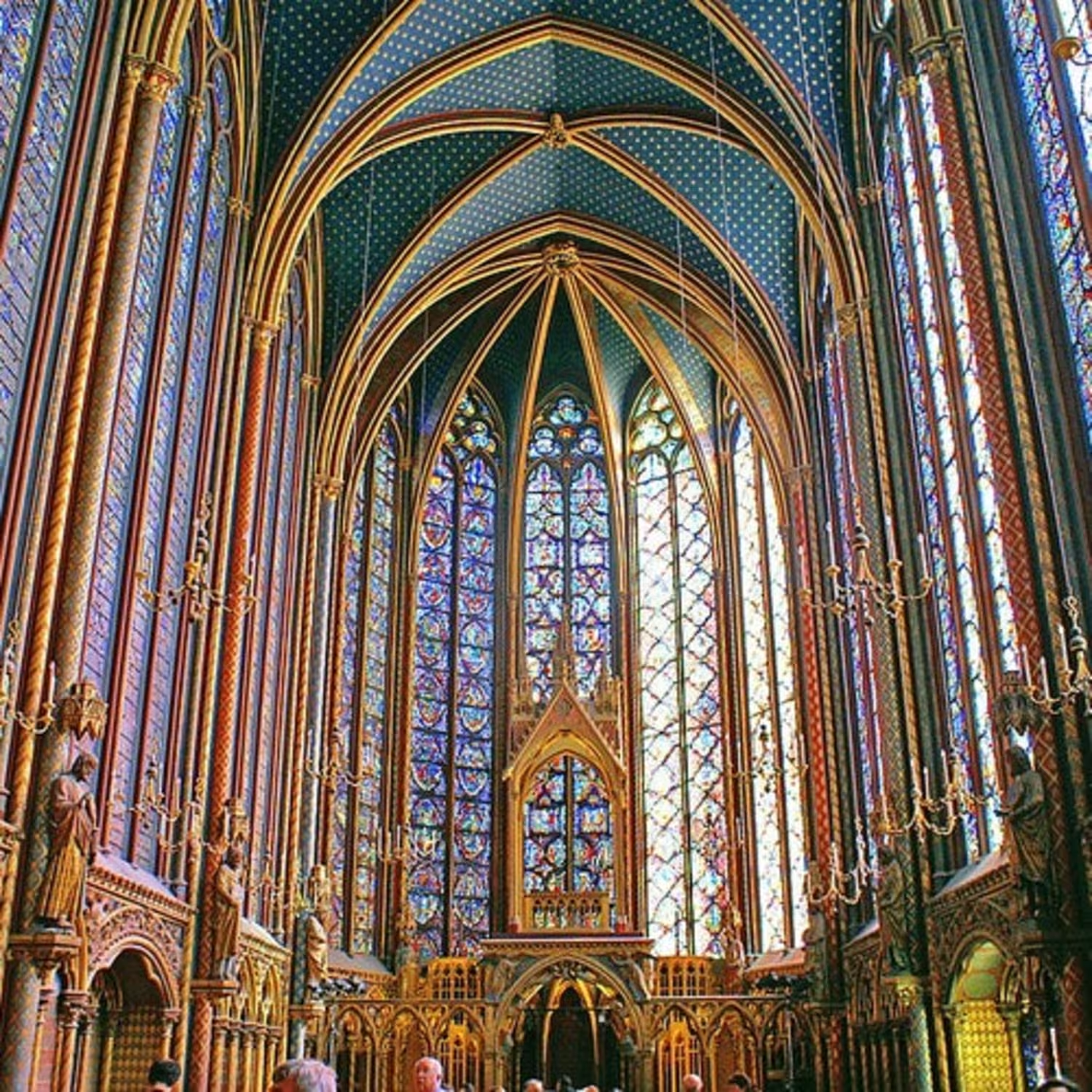
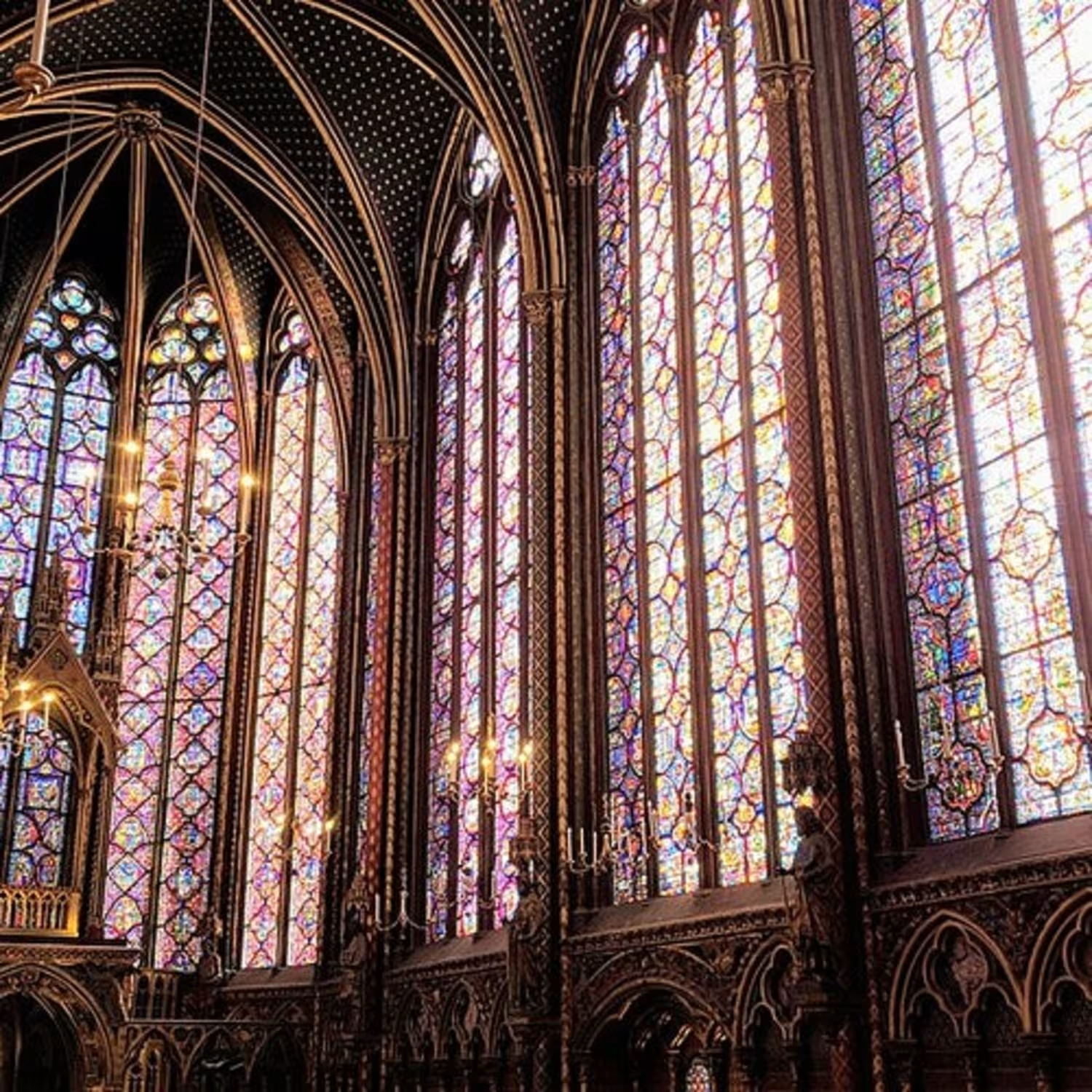
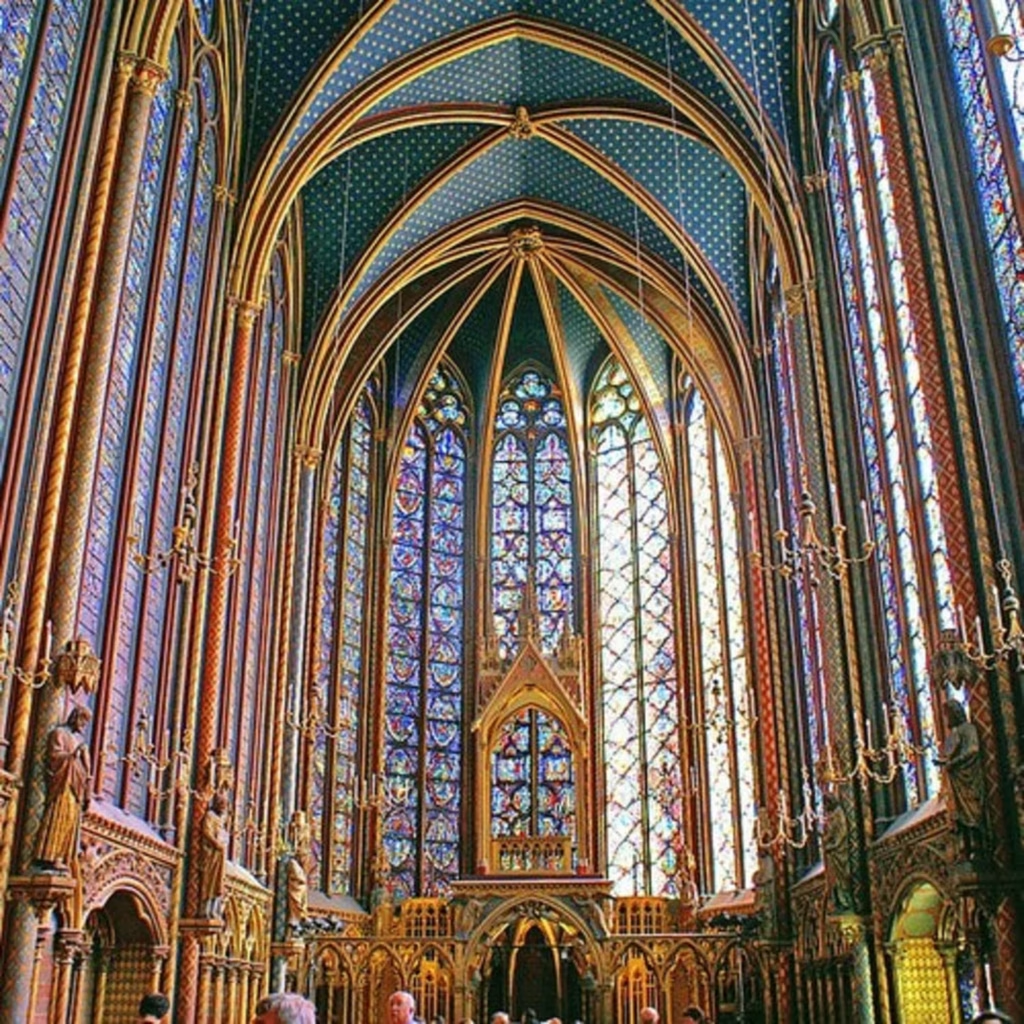
Visit the stunning Gothic Sainte-Chapelle featuring extraordinary stained glass windows.

Explore the Conciergerie, a former royal palace turned prison with deep revolutionary history.

Use the Histopad augmented reality device to experience the Conciergerie’s medieval and revolutionary history.

Enjoy priority entrance and skip the regular lines at both locations.

Discover the captivating stories behind Marie Antoinette’s imprisonment and King Louis IX’s relic collection.
Questions About the Women of the Conciergerie

Which famous women were imprisoned at the Conciergerie?

Among them were Marie-Antoinette, Olympe de Gouges, Charlotte Corday, Madame Roland and Madame Élisabeth, the sister of Louis XVI.

Can you see the Women’s Courtyard today?

Yes. It has barely changed since the Revolution and is part of the visitor route.

Was anyone executed at the Conciergerie?

No. The prisoners were tried at the Revolutionary Tribunal next door and taken by cart to the guillotine elsewhere in Paris.

What is the Hall of Names?

A room listing more than 4,000 people who came before the Revolutionary Tribunal and what happened to them: acquittal, exile or execution.

Were women allowed in politics during the French Revolution?

Women took part in clubs, protests and debates, but they did not gain political rights, and women’s clubs were banned in 1793.

Can you visit Marie-Antoinette’s cell?

Her cell was replaced after 1815 by an expiatory chapel built partly on the same spot, which you can visit.

This website sells official tickets for this venue. Please note, however, that it is not the official website of the venue.

The images and videos on this website may contain visual elements that have been created or enhanced using AI technology. They are provided for illustrative purposes only.