We are processing your request.
Please, don’t close or refresh the page.
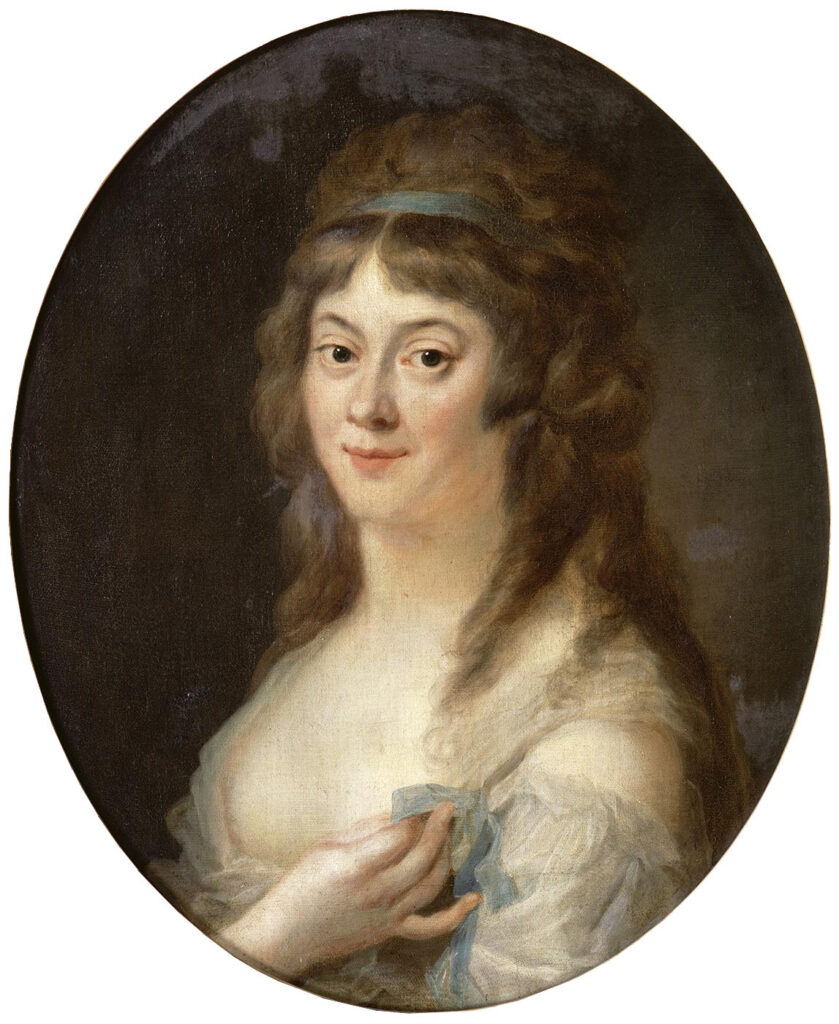
Portrait of Madame Roland by Johann Julius Heinsius

Madame Roland: The Political Mind of the Girondins

She grew up on the quay beside the Conciergerie, shaped a ministry from her desk and wrote her memoirs in prison. In 1793 she returned to that quay as a prisoner of the Conciergerie.

Who Was Madame Roland?

Manon Roland was a writer, a salon host and one of the most influential political figures of the early Revolution. She did not campaign for women’s rights, and even said women should keep a modest public role, yet she shaped the policy of the Girondins and of her husband’s ministry. She was one of the women of the French Revolution held at the Conciergerie, in the last week of her life.

Madame Roland in Brief

She was born Marie-Jeanne Phlipon, the daughter of an engraver, and grew up on the Quai de l’Horloge.

She read philosophy and political theory from a young age.

Her salon in Paris was a meeting place for Girondin politicians.

When her husband became Minister of the Interior in 1792, she drafted his letters and speeches.

She was the first Girondin to be arrested, on 1 June 1793.

In prison she wrote her memoirs, an Appeal to Impartial Posterity.

A Girl from the Quai de l’Horloge
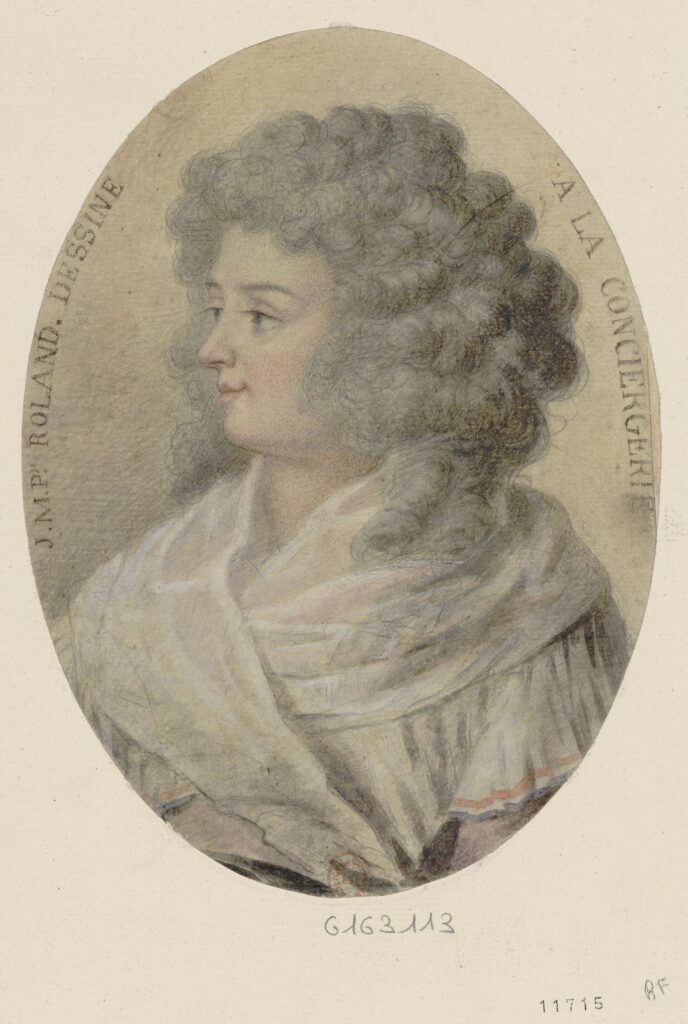
Engraved portrait of Madame Roland

Manon Phlipon grew up in a comfortable family on the Quai de l’Horloge, the quay that runs along the Conciergerie. She read widely, from philosophy to history, and felt keenly how little room there was for a woman with such ambitions.

Her marriage to the economist Jean-Marie Roland gave her a way in. Together they wrote and researched, first in Lyon, where her reports on the Revolution were published in Paris newspapers.

In 1791 they settled in Paris, and her salon soon became one of the places where Girondin politics was made.

The Minister’s Pen

Portrait of Madame Roland by Johann Julius Heinsius

When Jean-Marie Roland became Minister of the Interior in 1792, Manon controlled the content of his letters, memos and speeches, weighed in on appointments and ran an office to shape public opinion.

That made her a target. Marat and Hébert led a smear campaign, and the newspaper Le Père Duchesne caricatured her as a toothless old woman. She noted how the attacks went after her body as well as her politics.

On 1 June 1793 she was arrested, the first of the Girondins. She refused to flee.

The Conciergerie and Her Last Words

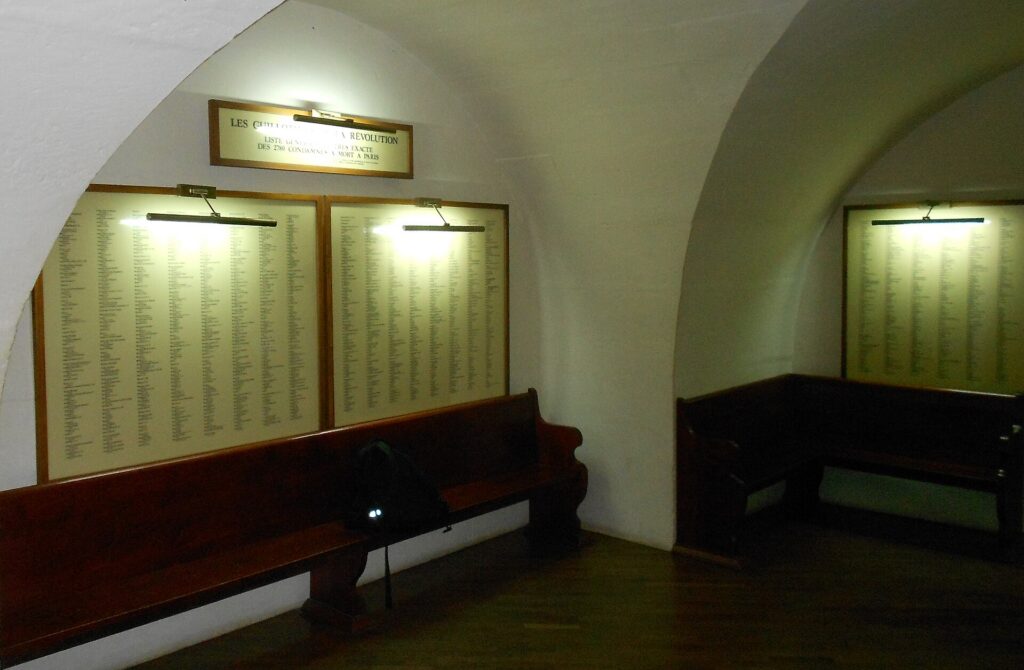
Names of prisoners of the Revolutionary Tribunal in the Conciergerie

After five months in other prisons, where she wrote her memoirs, she was transferred to the Conciergerie on 1 November 1793, the day after the Girondin leaders were executed. Fellow prisoners described her as calm and courageous.

On 8 November she went before the Revolutionary Tribunal in a white muslin dress she had chosen in advance. The judge refused to let her read her statement, and she was guillotined the same day.

At the scaffold she is said to have cried out: O Liberty, what crimes are committed in your name!

Visiting the Conciergerie for Madame Roland

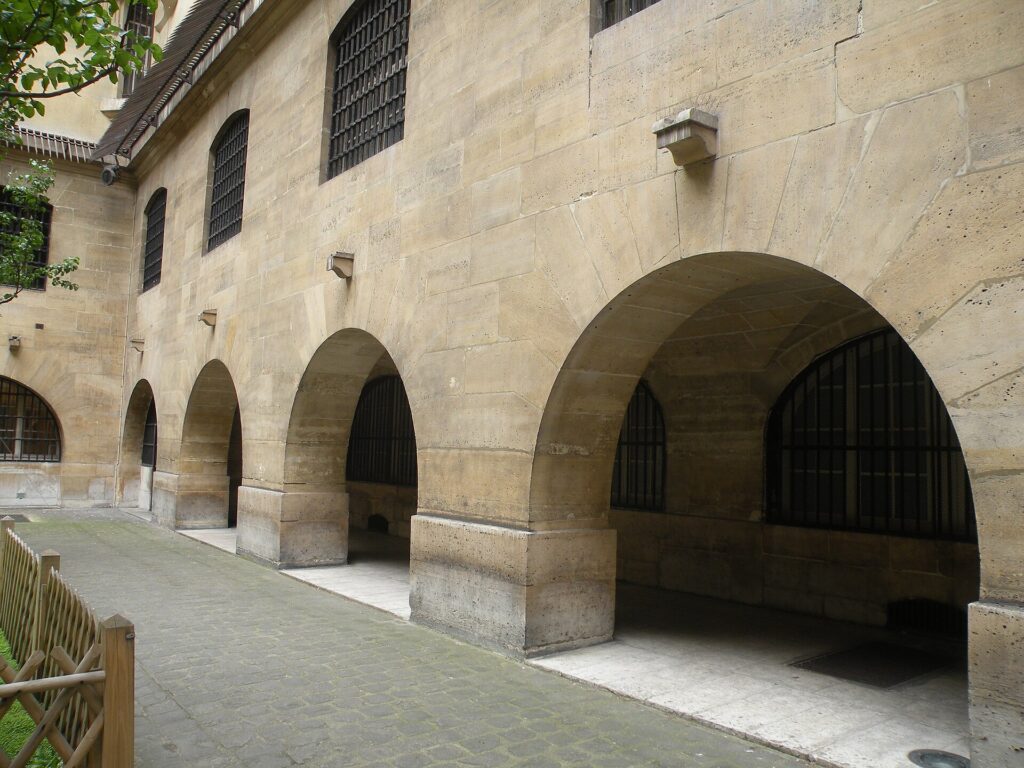
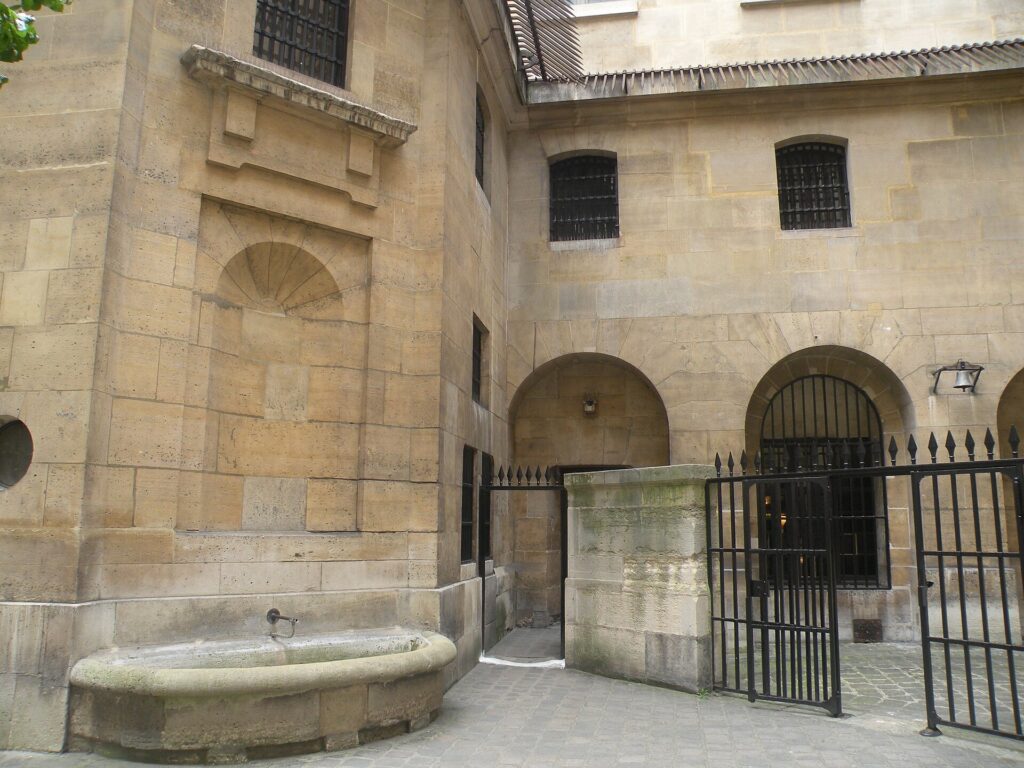
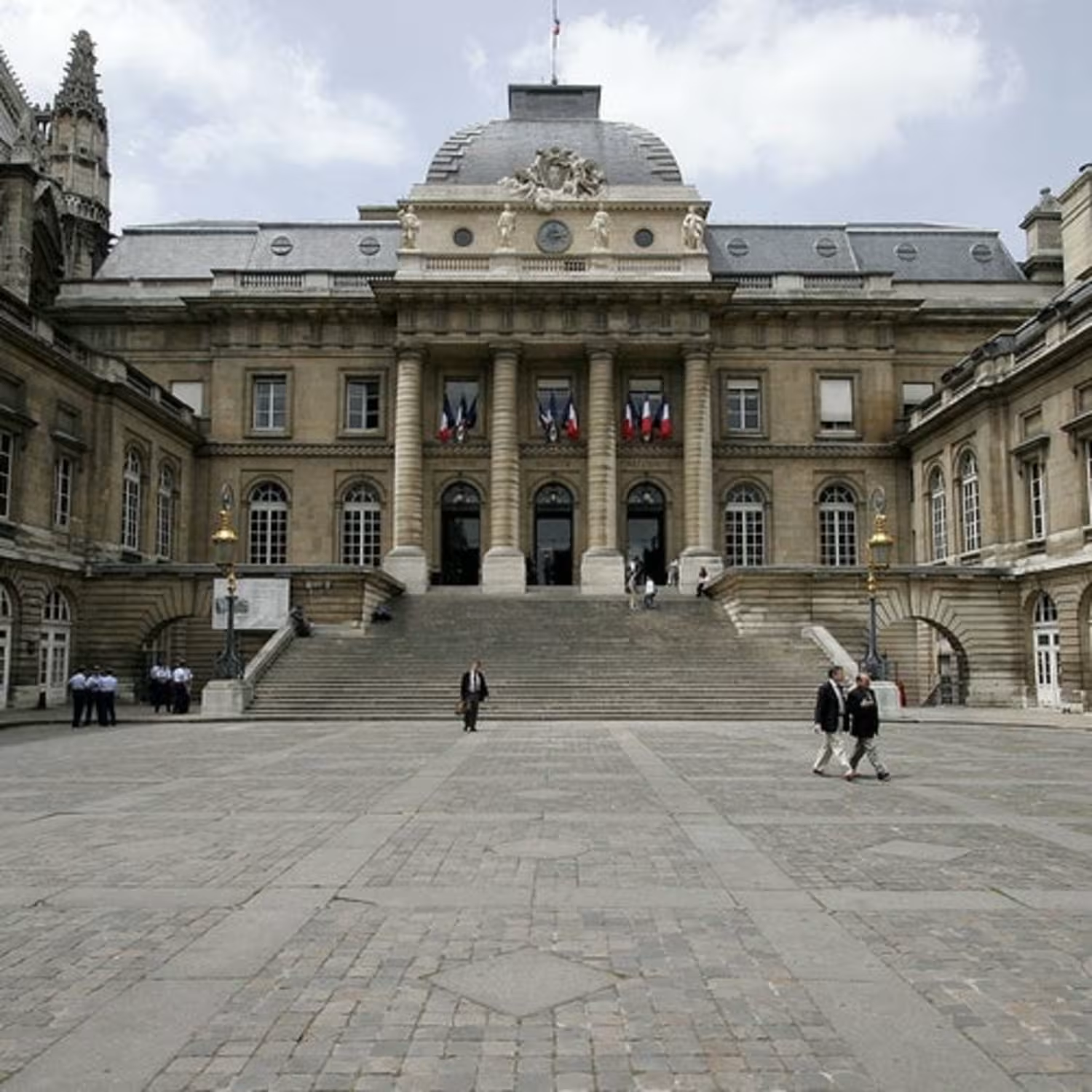
You enter the Conciergerie from the Boulevard du Palais, a few steps from the quay where she grew up. Inside, the Histopad tablet reconstructs the prison, and the Women’s Courtyard is still where the women held in 1793 spent their days.
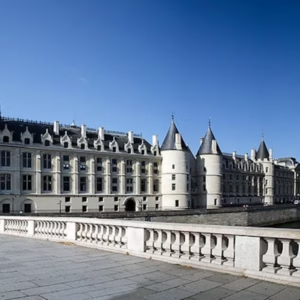
Visit the Conciergerie

Highlights

Discover medieval prison cells from the French Revolution, including the famous cell of Queen Marie Antoinette.

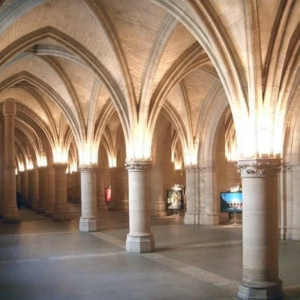
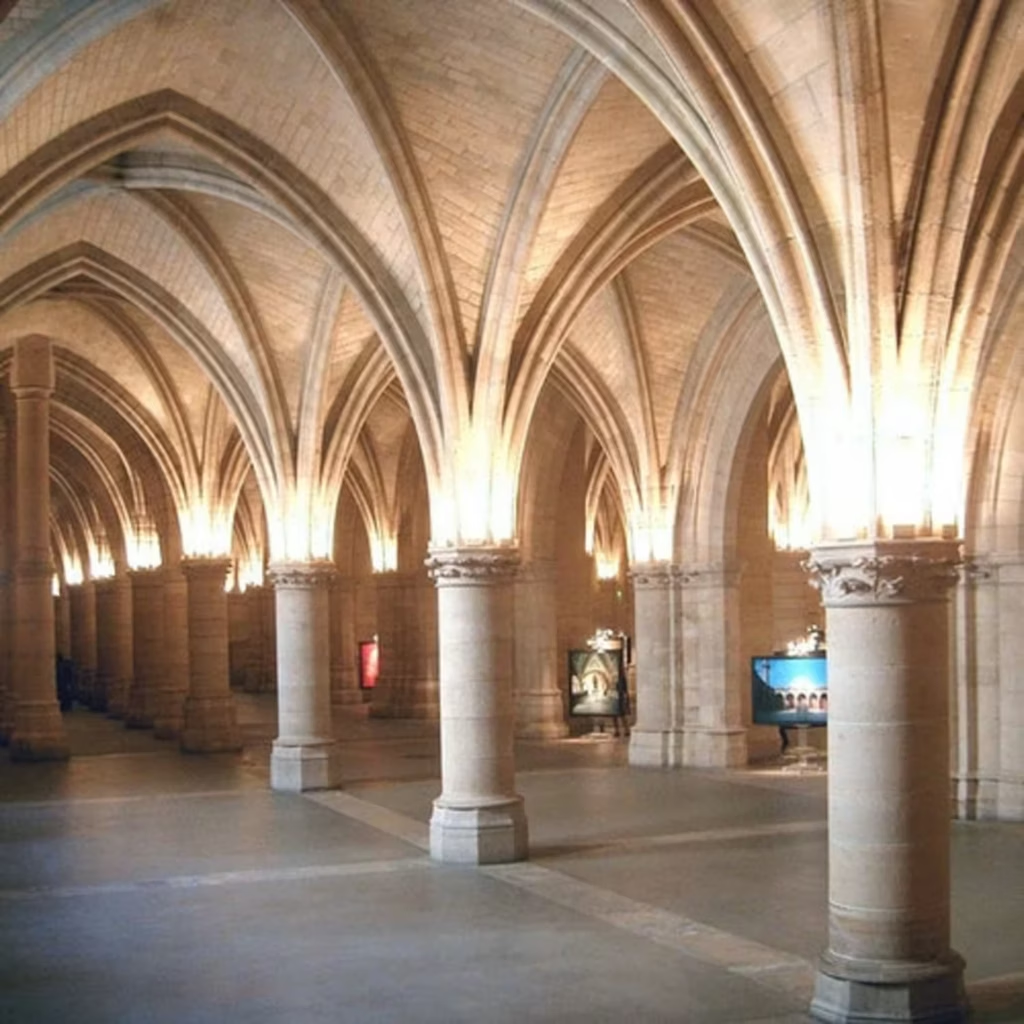
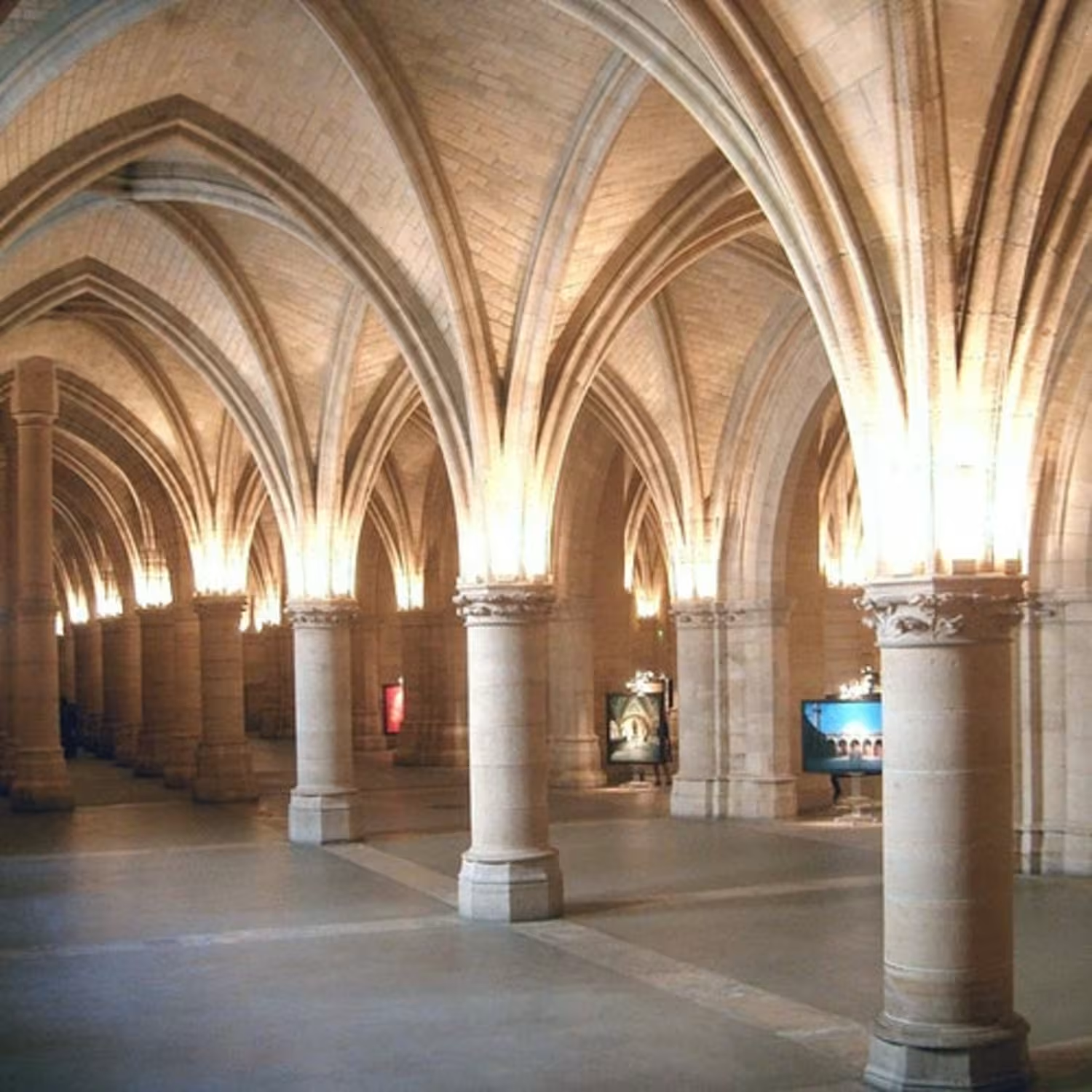
Visit the grand Gothic Salle des Gens d’Armes, Europe’s largest surviving medieval hall.

Experience the haunting history of a building once known as the antechamber to the guillotine.

Explore the torture chamber in the Bonbec Tower, where prisoners were coerced to confess.

Enhance your visit with the Histopad, an augmented reality device revealing the palace’s past appearances.
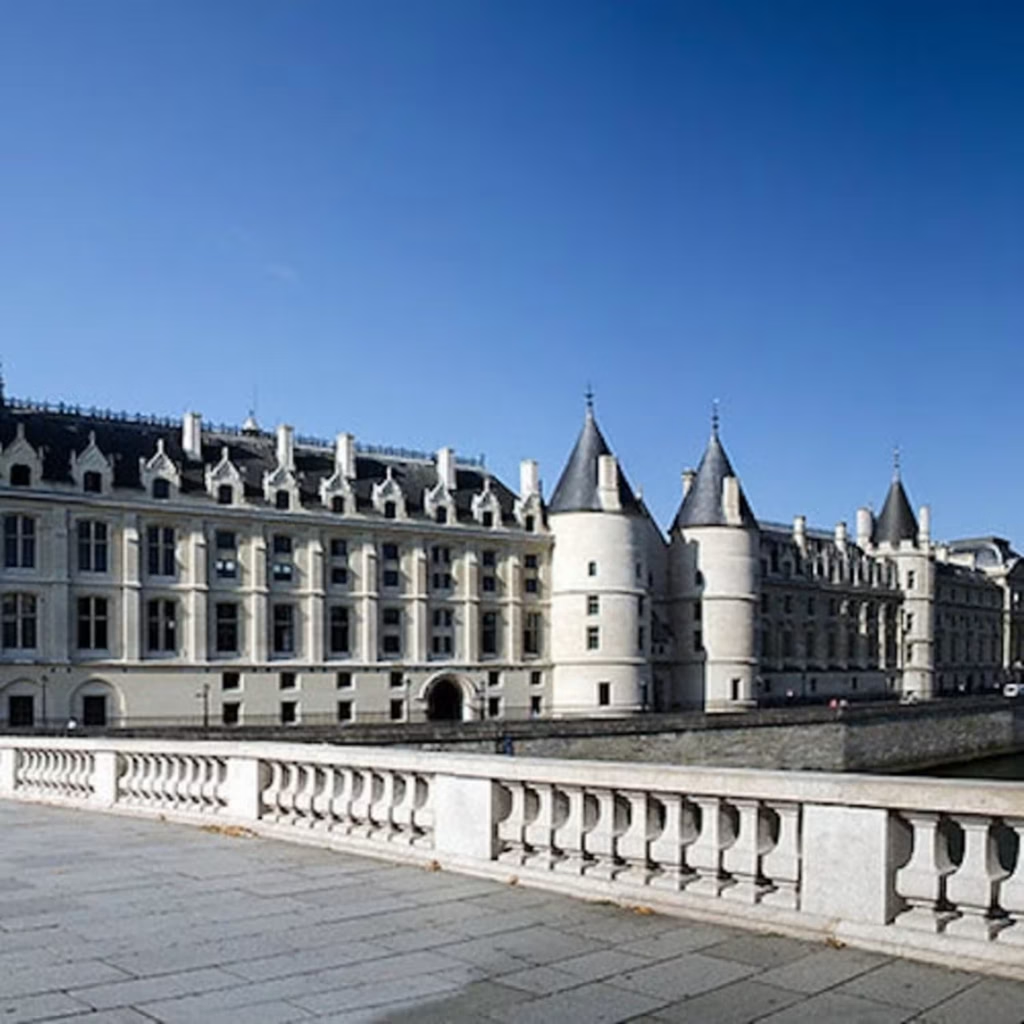
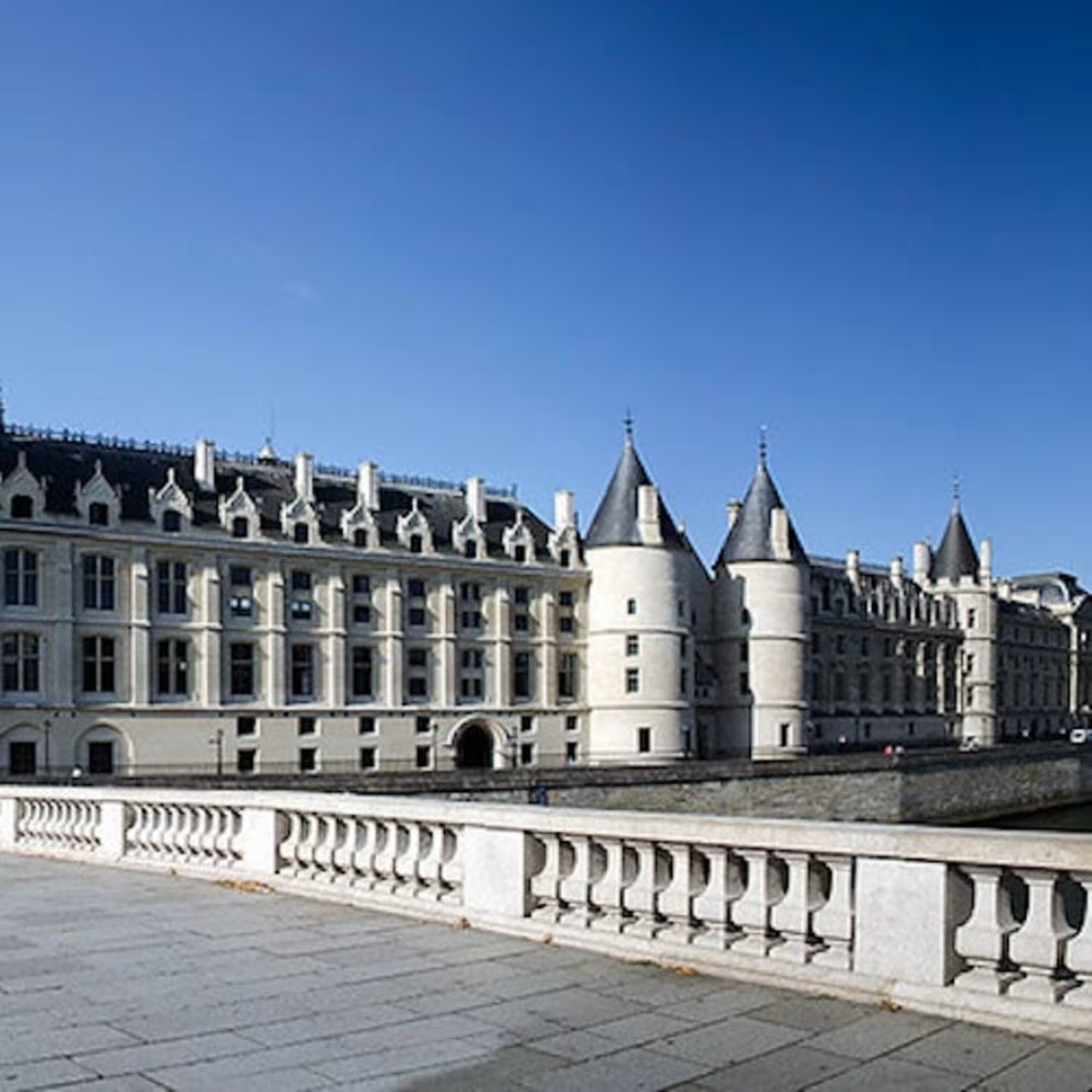
Entry Ticket to the Sainte Chapelle and the Conciergerie

Highlights

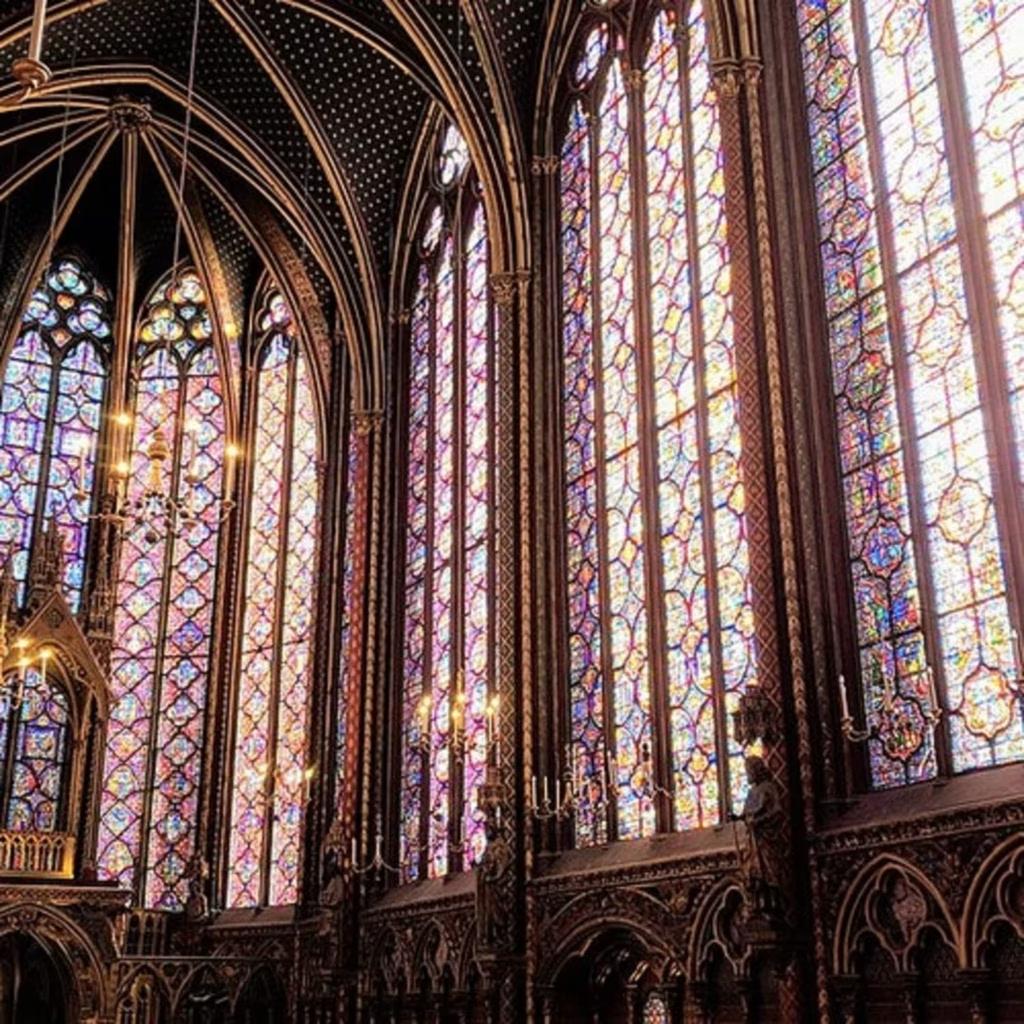
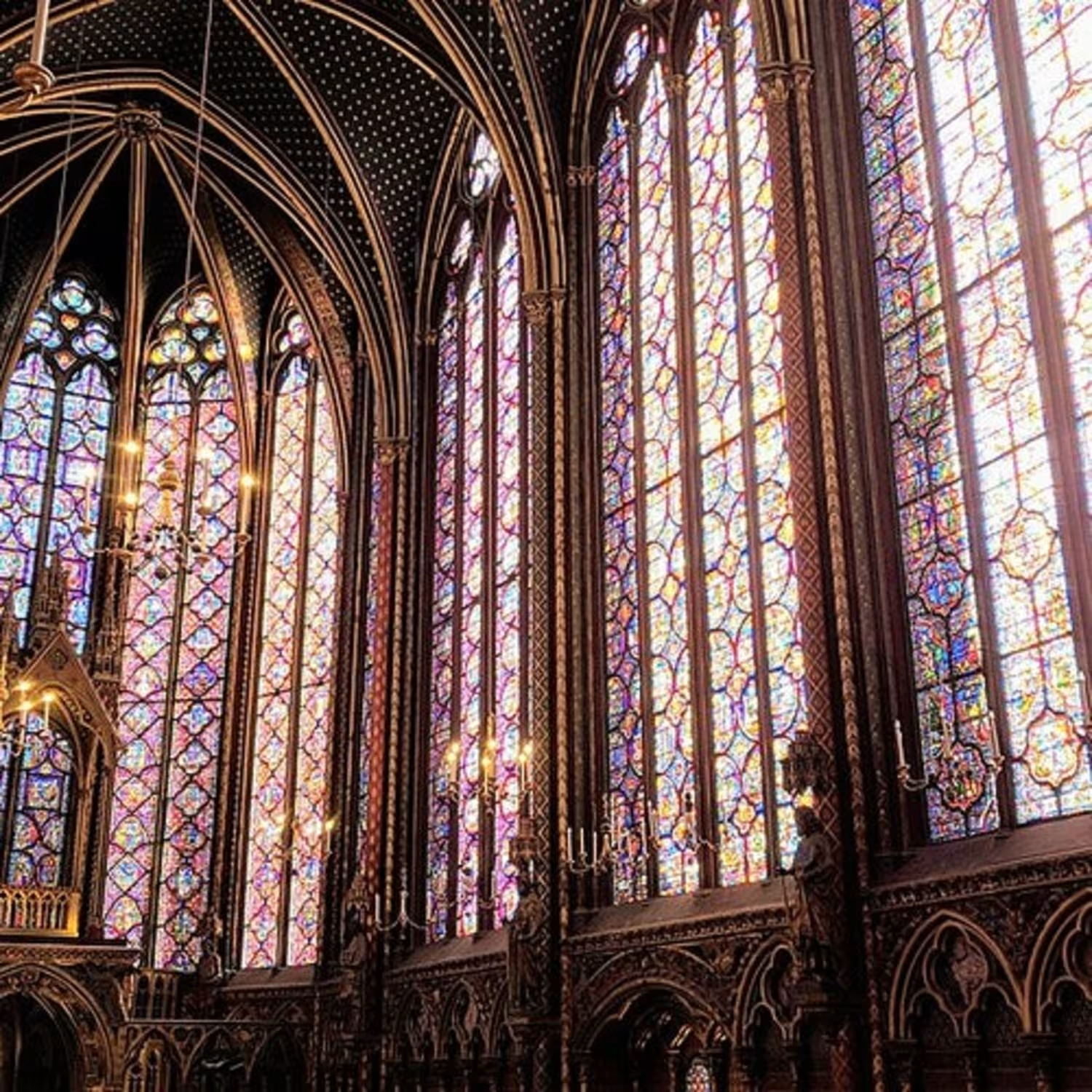
Visit the stunning Gothic Sainte-Chapelle featuring extraordinary stained glass windows.

Explore the Conciergerie, a former royal palace turned prison with deep revolutionary history.

Use the Histopad augmented reality device to experience the Conciergerie’s medieval and revolutionary history.

Enjoy priority entrance and skip the regular lines at both locations.

Discover the captivating stories behind Marie Antoinette’s imprisonment and King Louis IX’s relic collection.

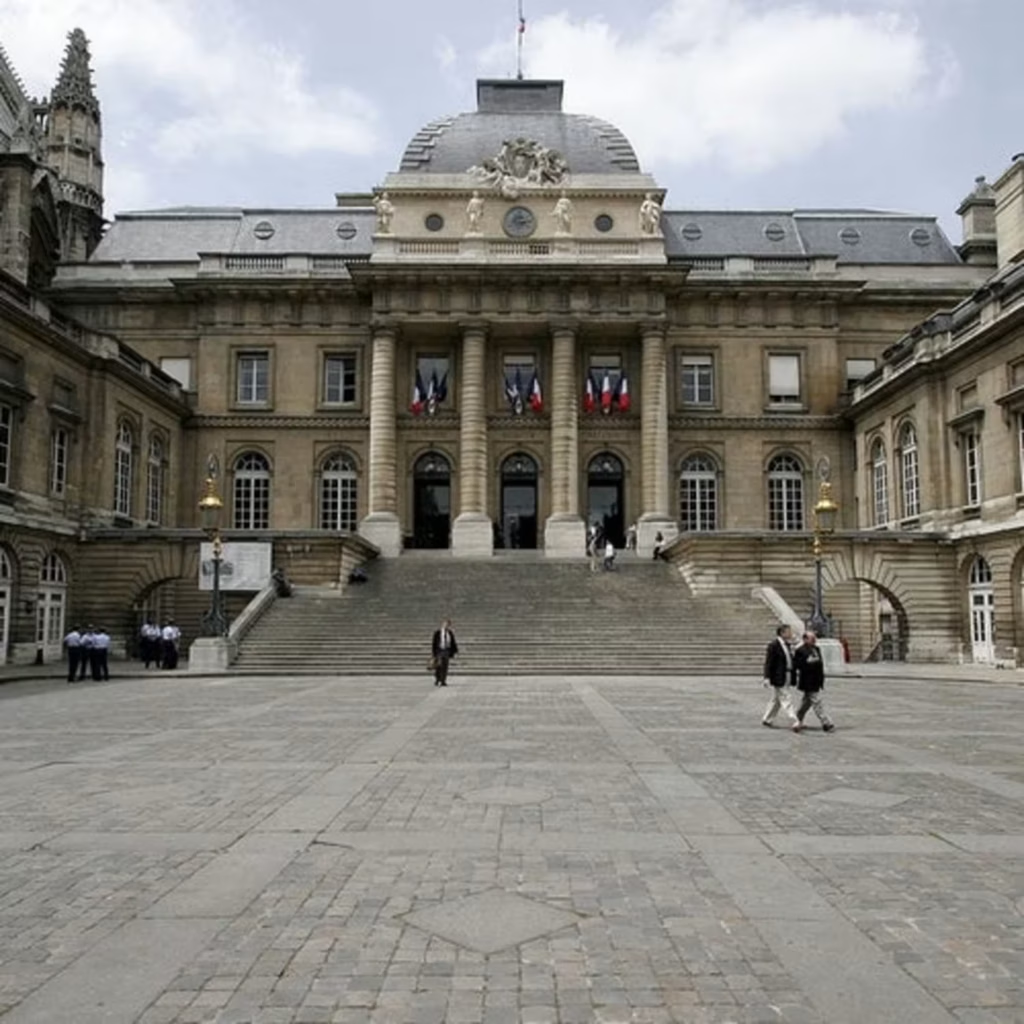
Questions About Madame Roland

Who was Madame Roland?

Marie-Jeanne Roland, a French writer and salon host who was one of the leading political figures of the Girondins.

Was Madame Roland a feminist?

No. Unlike Olympe de Gouges she did not campaign for women’s political rights, although she played a major political role herself.

Was Madame Roland held at the Conciergerie?

Yes. She was transferred there on 1 November 1793 and held until her trial and execution on 8 November.

What were Madame Roland’s last words?

By tradition, O Liberty, what crimes are committed in your name! Another version is O Liberty, they have made a mockery of you.

What did Madame Roland write?

Her memoirs, An Appeal to Impartial Posterity, written in prison, and many letters that are key sources on the early Revolution.

Why was Madame Roland executed?

She was convicted of conspiring against the Revolution, as a leading figure of the Girondins, the faction purged by the Montagnards.

This website sells official tickets for this venue. Please note, however, that it is not the official website of the venue.

The images and videos on this website may contain visual elements that have been created or enhanced using AI technology. They are provided for illustrative purposes only.