We are processing your request.
Please, don’t close or refresh the page.
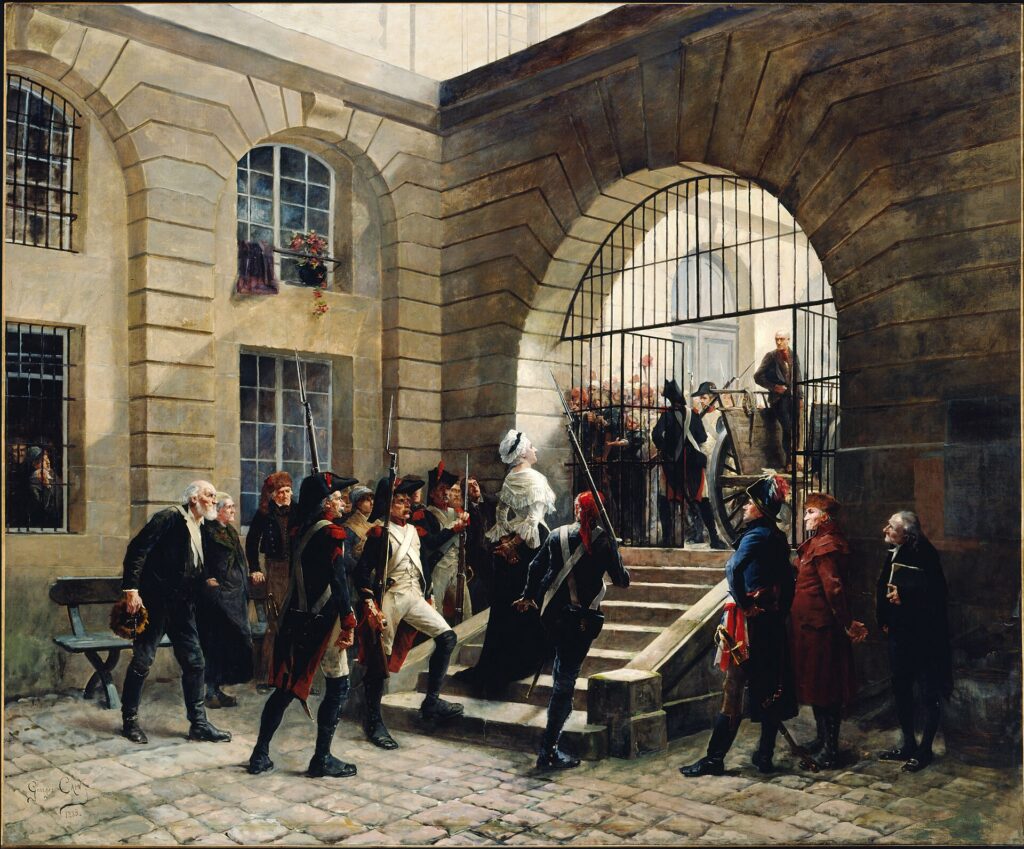
Marie-Antoinette leaving the Conciergerie, painting by Georges Cain

Marie-Antoinette at the Conciergerie: Her Cell, Her Trial and Her Last Letter

For ten weeks the former queen was a prisoner here, watched day and night. What survives is a courtyard she looked out on and a chapel built where her cell once stood.

Marie-Antoinette in the Conciergerie

Marie-Antoinette was brought to the Conciergerie in the middle of the night of 1 to 2 August 1793 and left it for the guillotine on 16 October. She was denied pens and paper and watched constantly by two gendarmes. Her trial, in the hall next door, turned on accusations aimed at her as a woman and a mother as much as a queen. She was one of the women held at the Conciergerie during the Revolution.

Marie-Antoinette’s Last Weeks in Brief

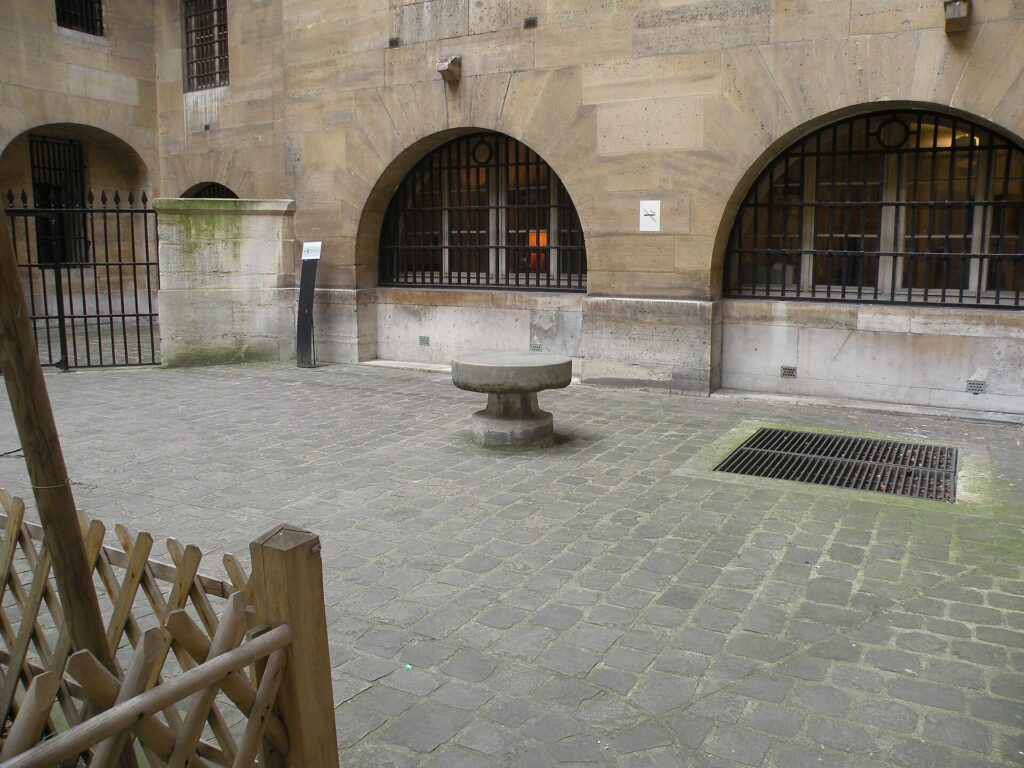
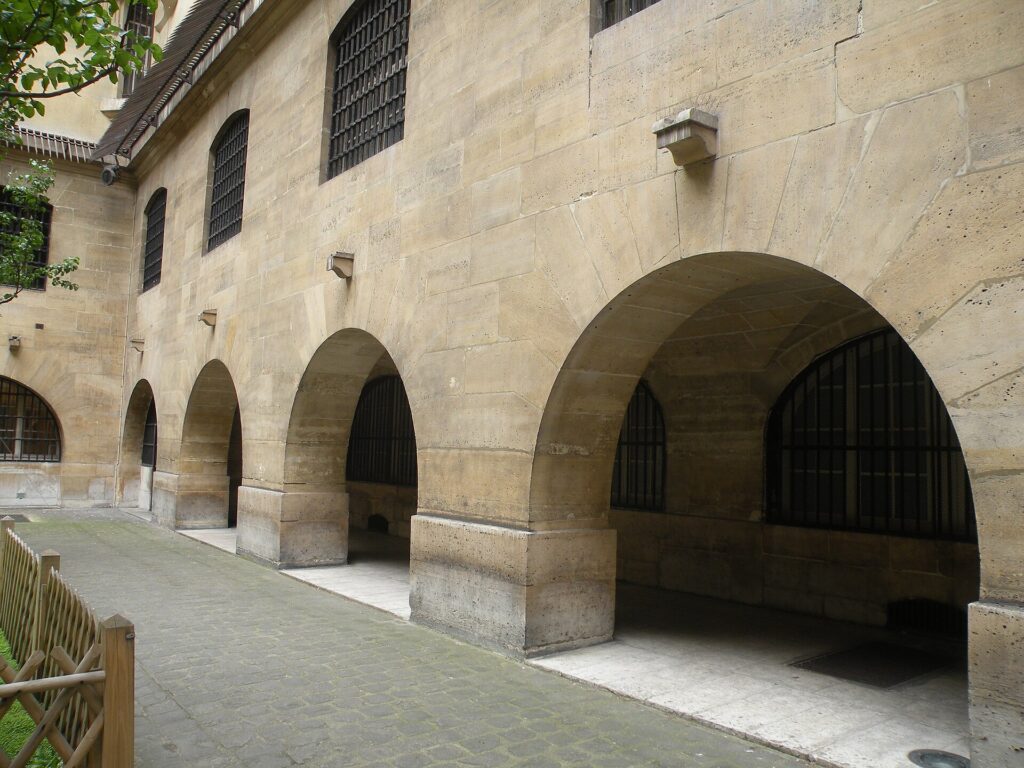
Her first cell was on the ground floor, overlooking the Women’s Courtyard.

After failed attempts to free her, she was moved to another cell, where the chapel now stands.

She spent 44 days in that second cell.

Her trial opened on 14 October 1793 and heard 41 witnesses in two days.

Her court-appointed lawyers had less than a day to prepare.

She was taken to the scaffold in an open cart, with her hands tied behind her back.

A Prisoner Under Watch
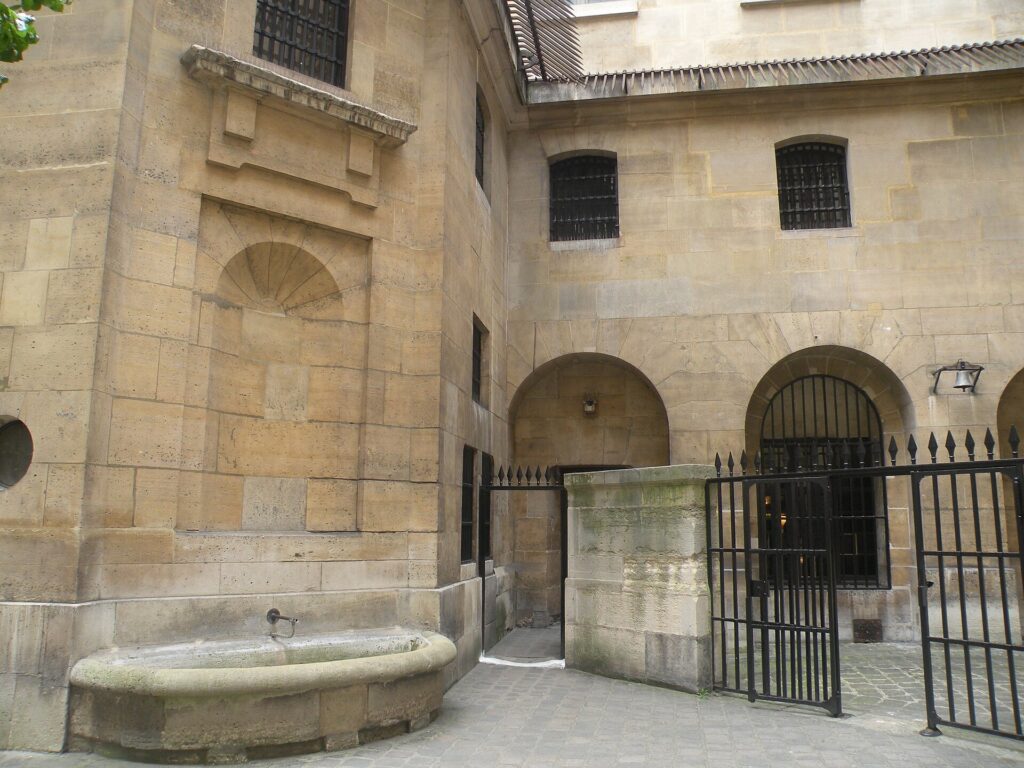
The Women’s Courtyard of the Conciergerie
Photo: Chatsam, CC BY-SA 3.0, via Wikimedia Commons

After the fall of the monarchy the royal family was held in the Temple. Louis XVI was executed in January 1793, and in August Marie-Antoinette was moved to the Conciergerie.

Her cell on the ground floor looked onto the Women’s Courtyard. She had no writing materials and two guards never left her. When plots to rescue her were uncovered, she was transferred to a more secure cell and kept there for 44 days.

Years before, pamphlets had painted her as extravagant and immoral, attacking her body and her motherhood. By 1793 the same accusations reached her trial.

The Trial and the Appeal to Mothers

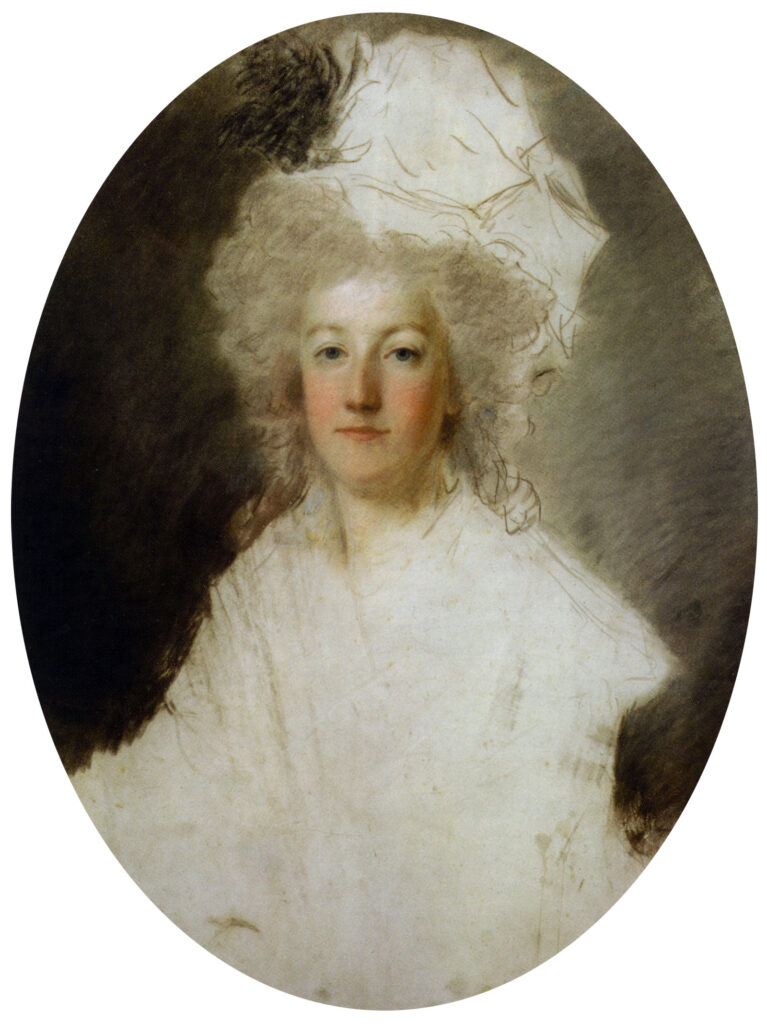
Portrait of Marie-Antoinette by Alexandre Kucharski

Her trial began on 14 October 1793 in the former great hall of the palace. She was charged with treason and with draining the treasury, and a charge of incest, drawn from her young son under pressure from the journalist Hébert, was added during the hearing.

She refused to answer it. Pressed by a juror, she replied that nature forbade a mother to answer such an accusation, and appealed to all the mothers in the room. Their reaction comforted her, although they had shown her no sympathy before.

She was sentenced to death early on 16 October and taken to the guillotine the same day.

The Expiatory Chapel

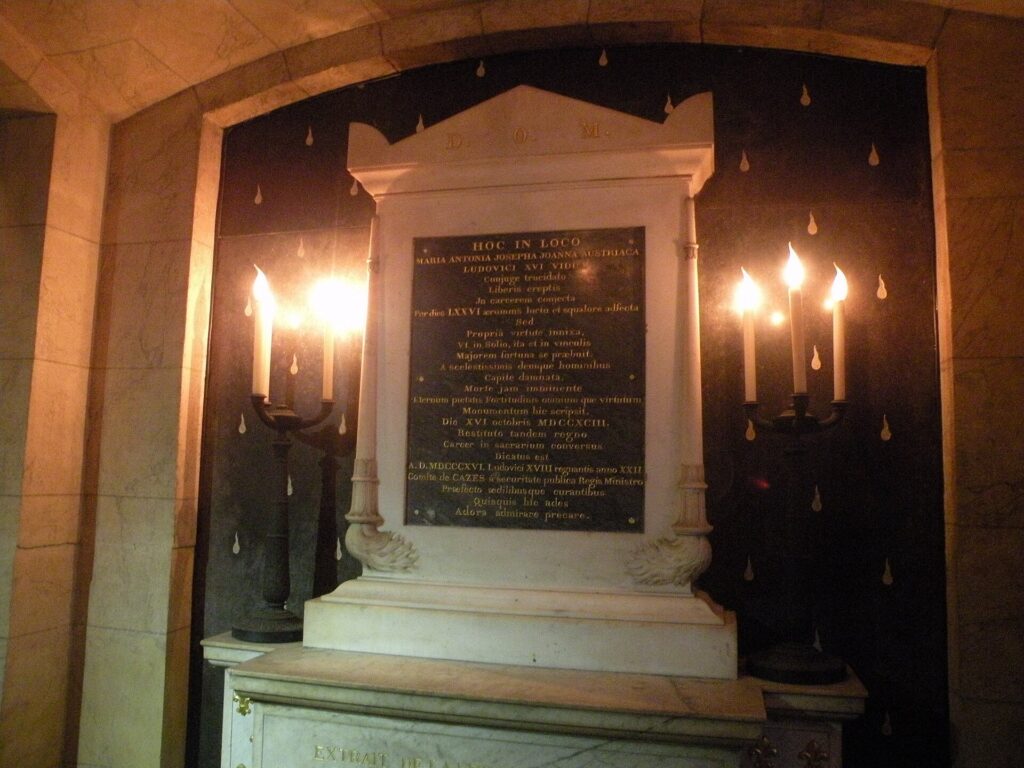
The altar of the expiatory chapel of Marie-Antoinette
Photo: Chatsam, CC BY-SA 3.0, via Wikimedia Commons

When the monarchy returned in 1815, Louis XVIII ordered an expiatory chapel in her memory. It was built partly on the site of her cell and partly on that of the room where Robespierre was later held.

The sanctuary has black walls lined with silver tears. On the altar, placed where her bed is thought to have stood, is engraved part of the last letter she wrote to her sister-in-law, Madame Élisabeth.

The stained glass with her initials and the three paintings on the walls date from the Restoration.

Visiting Marie-Antoinette’s Chapel

The expiatory chapel and the Women’s Courtyard are on the standard visitor route. The Histopad tablet included with the ticket reconstructs the prison of 1793, and the combined ticket adds Sainte-Chapelle across the courtyard.
Visit the Conciergerie

Highlights

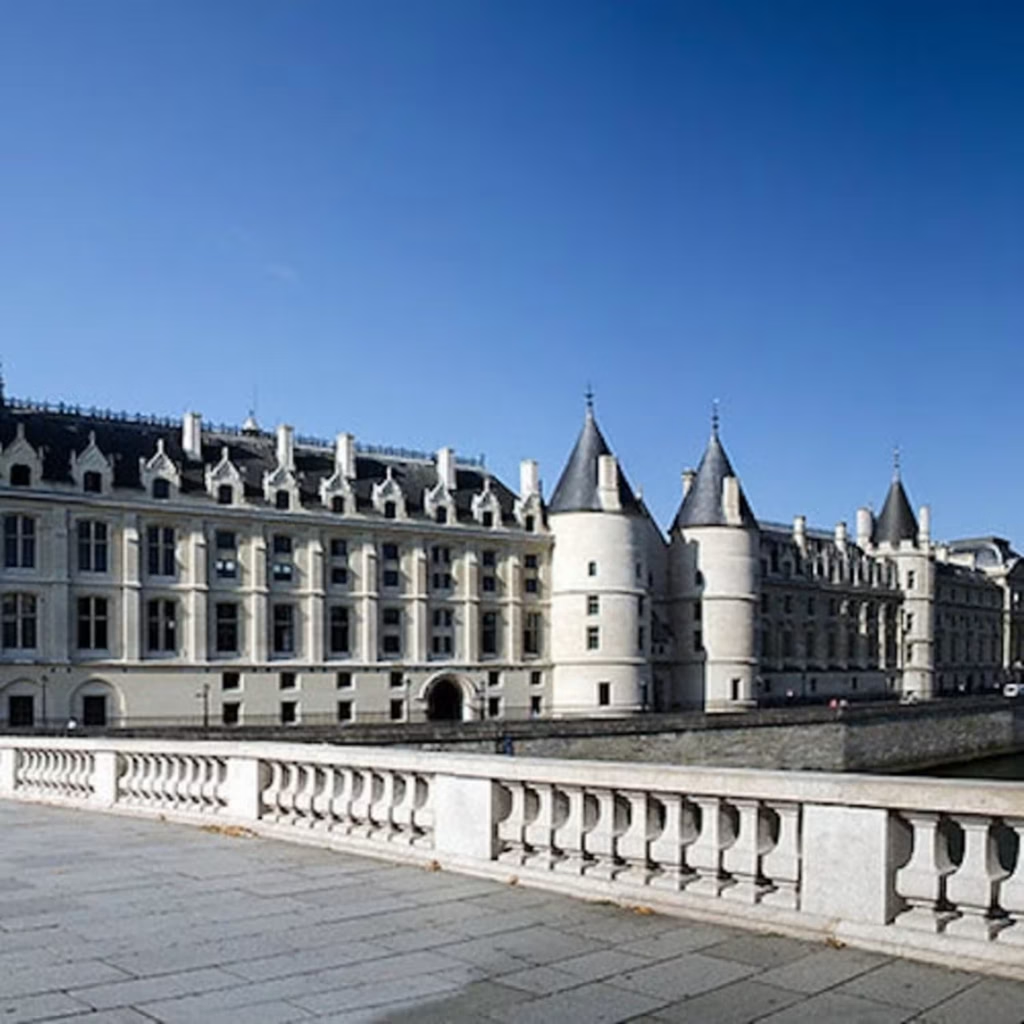
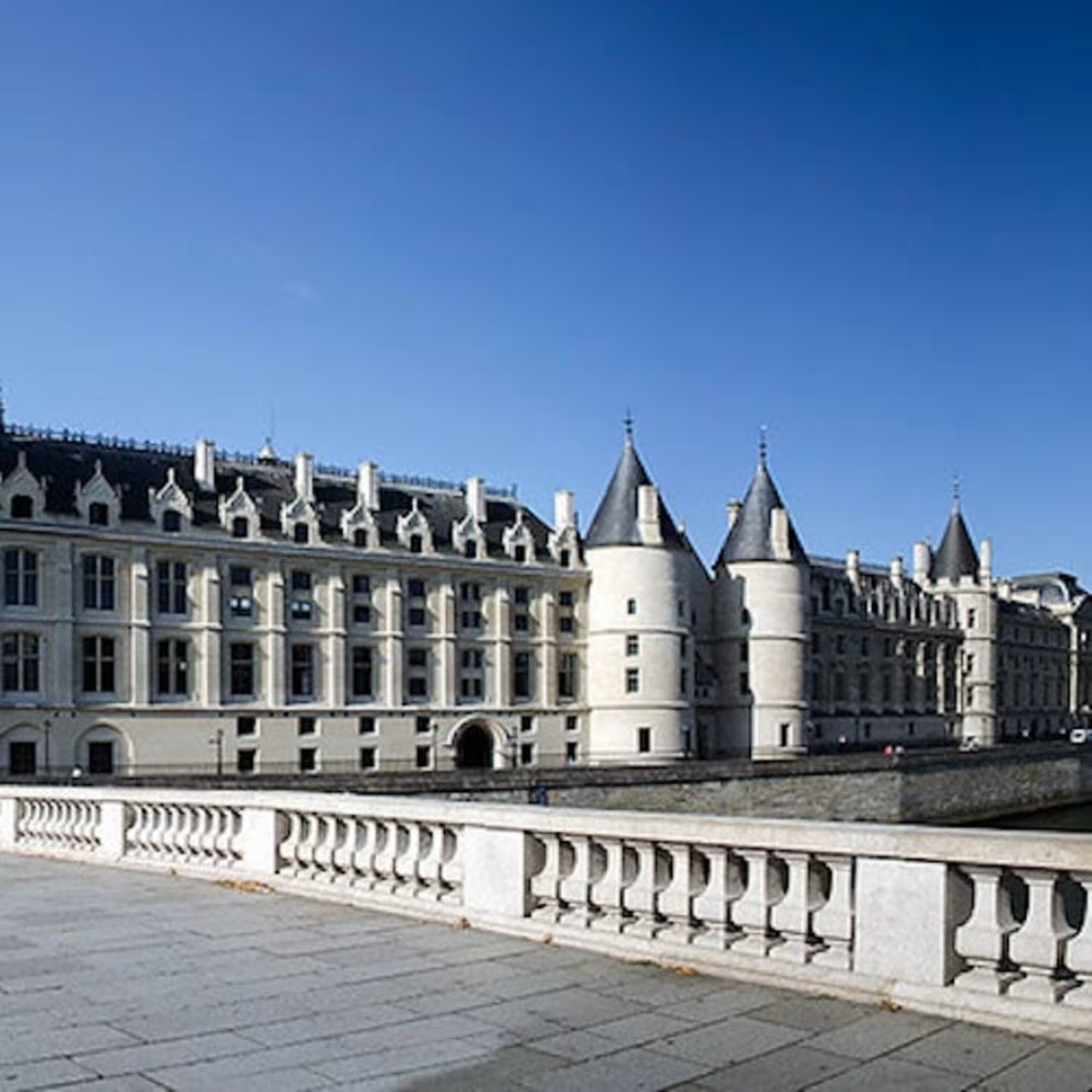
Discover medieval prison cells from the French Revolution, including the famous cell of Queen Marie Antoinette.

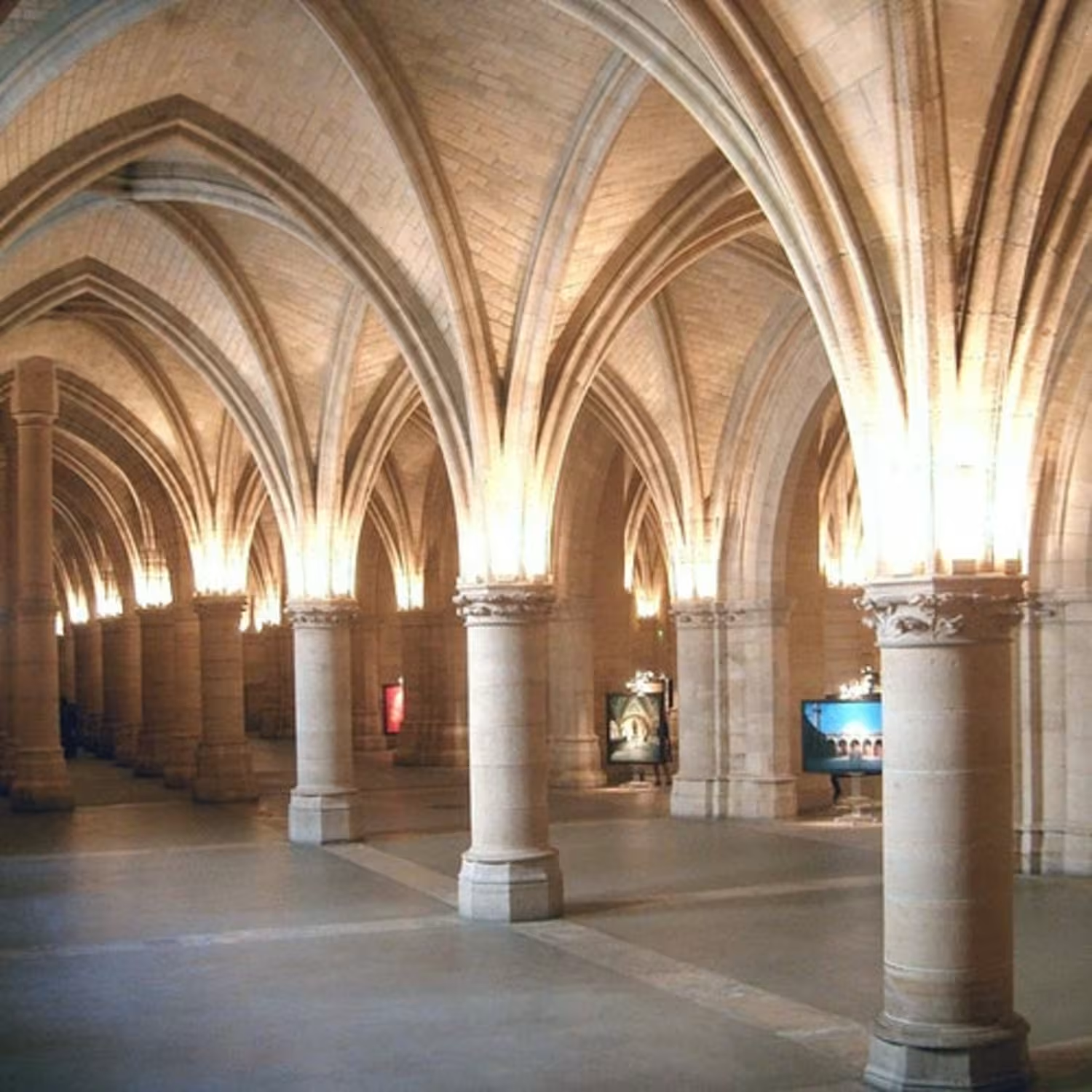
Visit the grand Gothic Salle des Gens d’Armes, Europe’s largest surviving medieval hall.

Experience the haunting history of a building once known as the antechamber to the guillotine.

Explore the torture chamber in the Bonbec Tower, where prisoners were coerced to confess.

Enhance your visit with the Histopad, an augmented reality device revealing the palace’s past appearances.
Entry Ticket to the Sainte Chapelle and the Conciergerie

Highlights

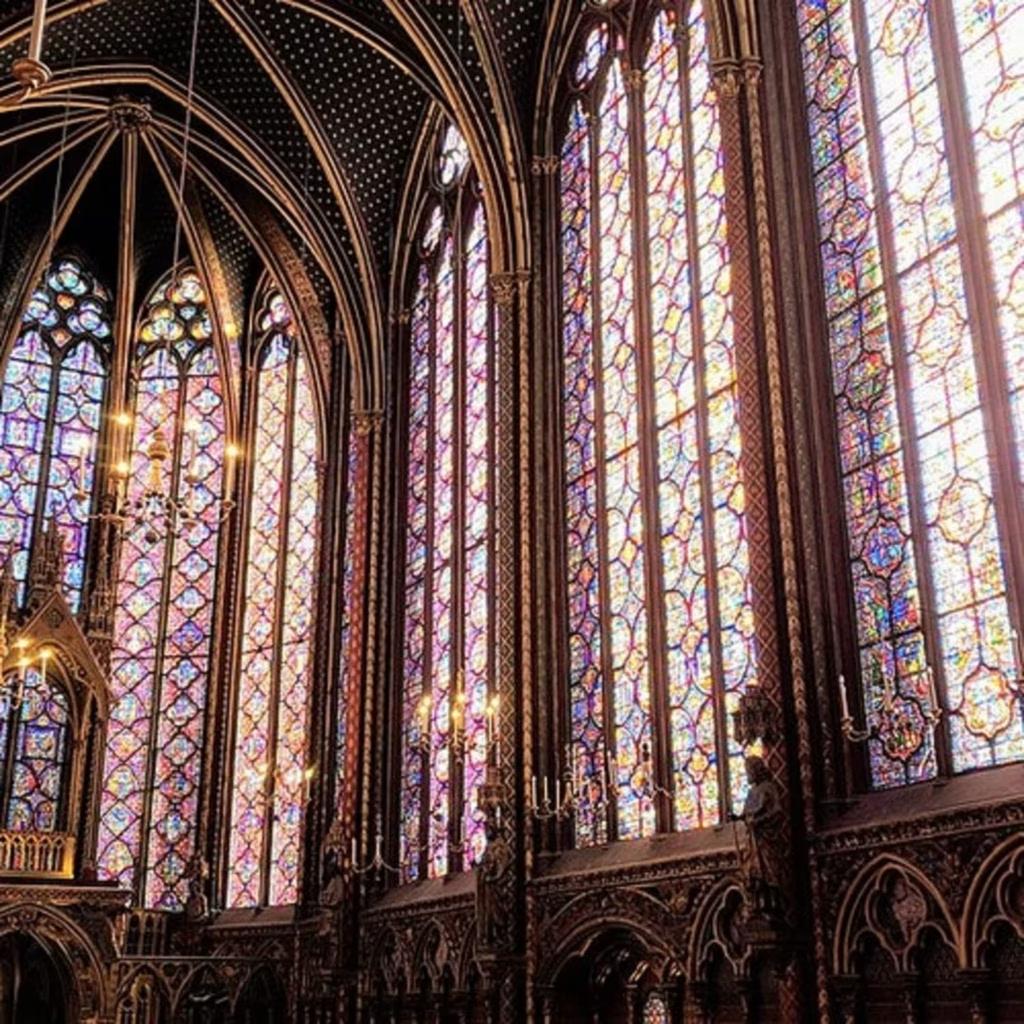
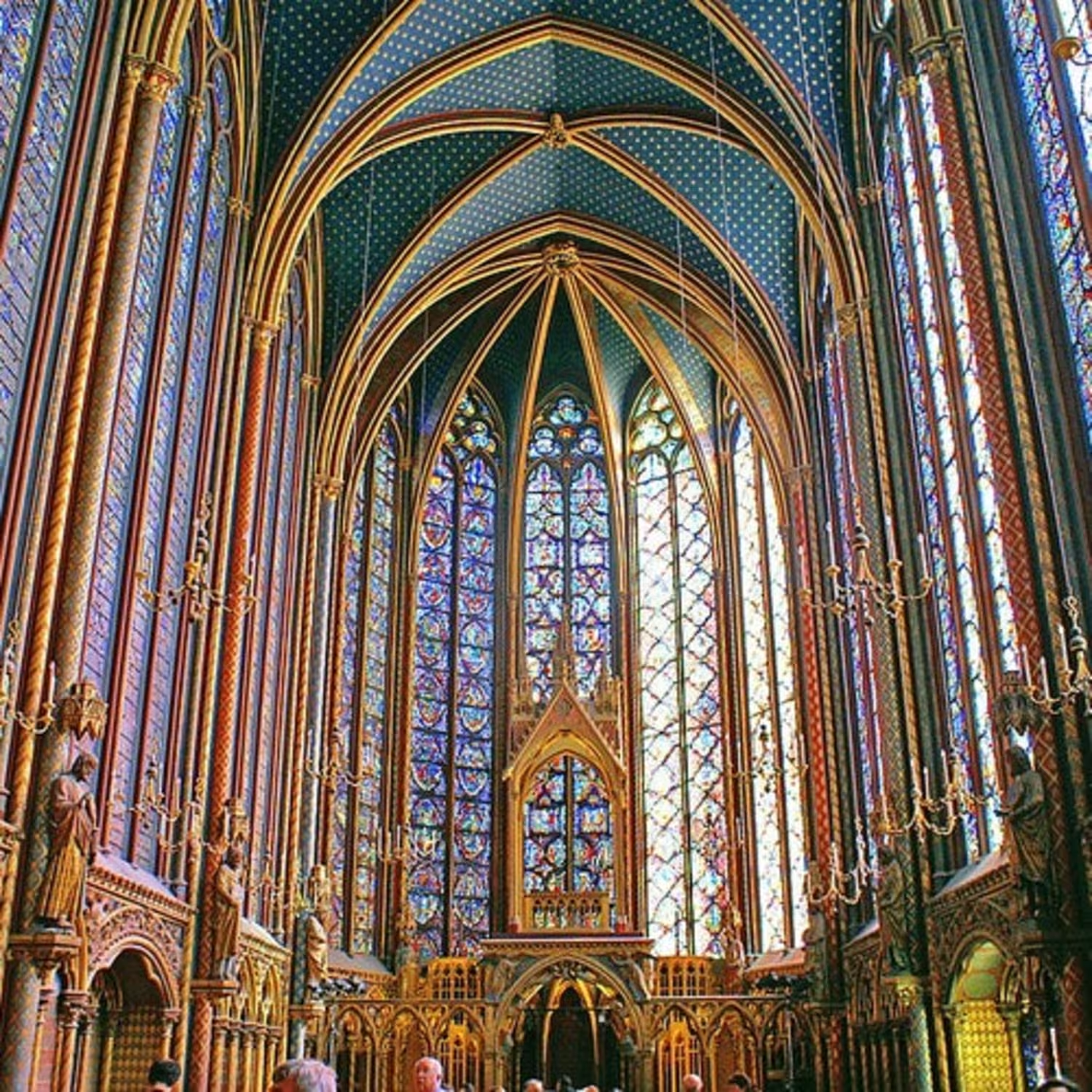
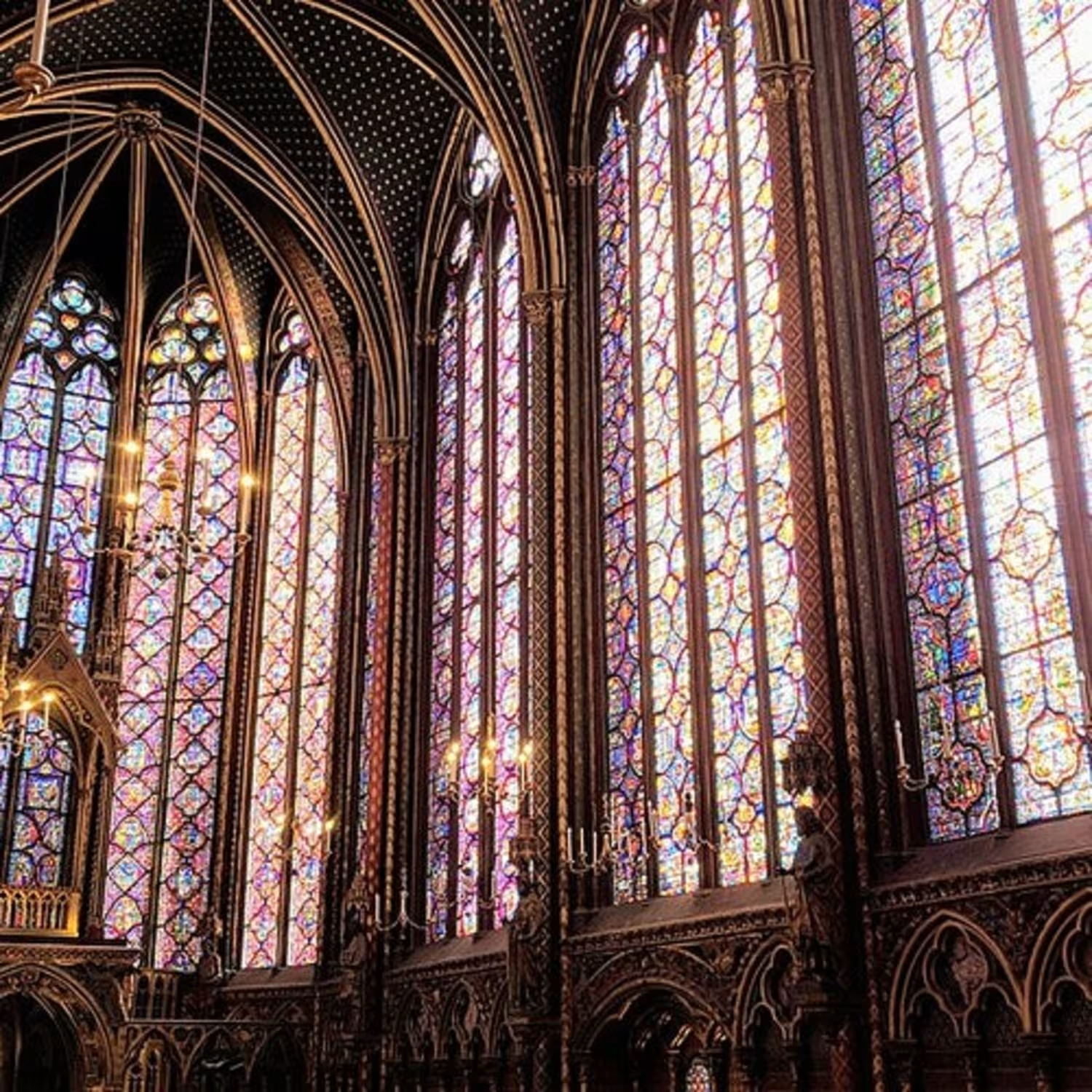
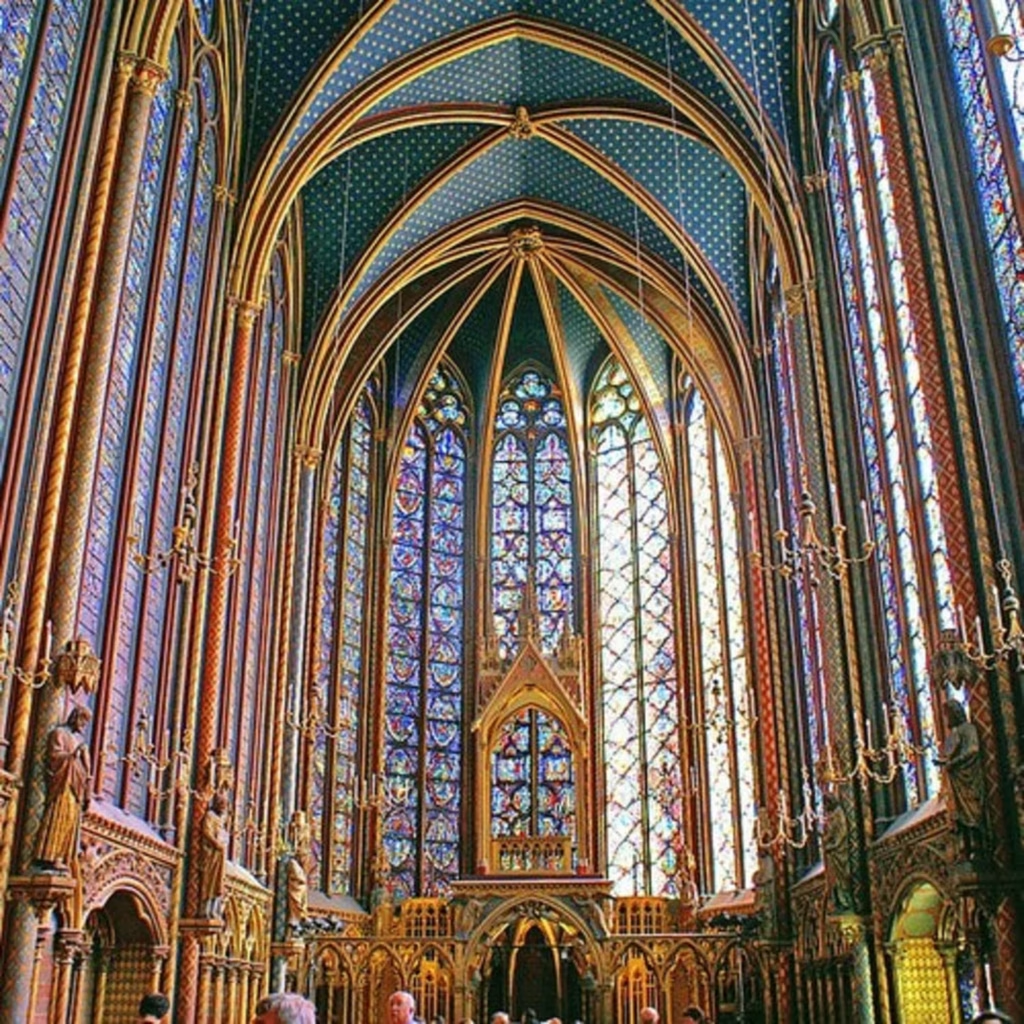
Visit the stunning Gothic Sainte-Chapelle featuring extraordinary stained glass windows.

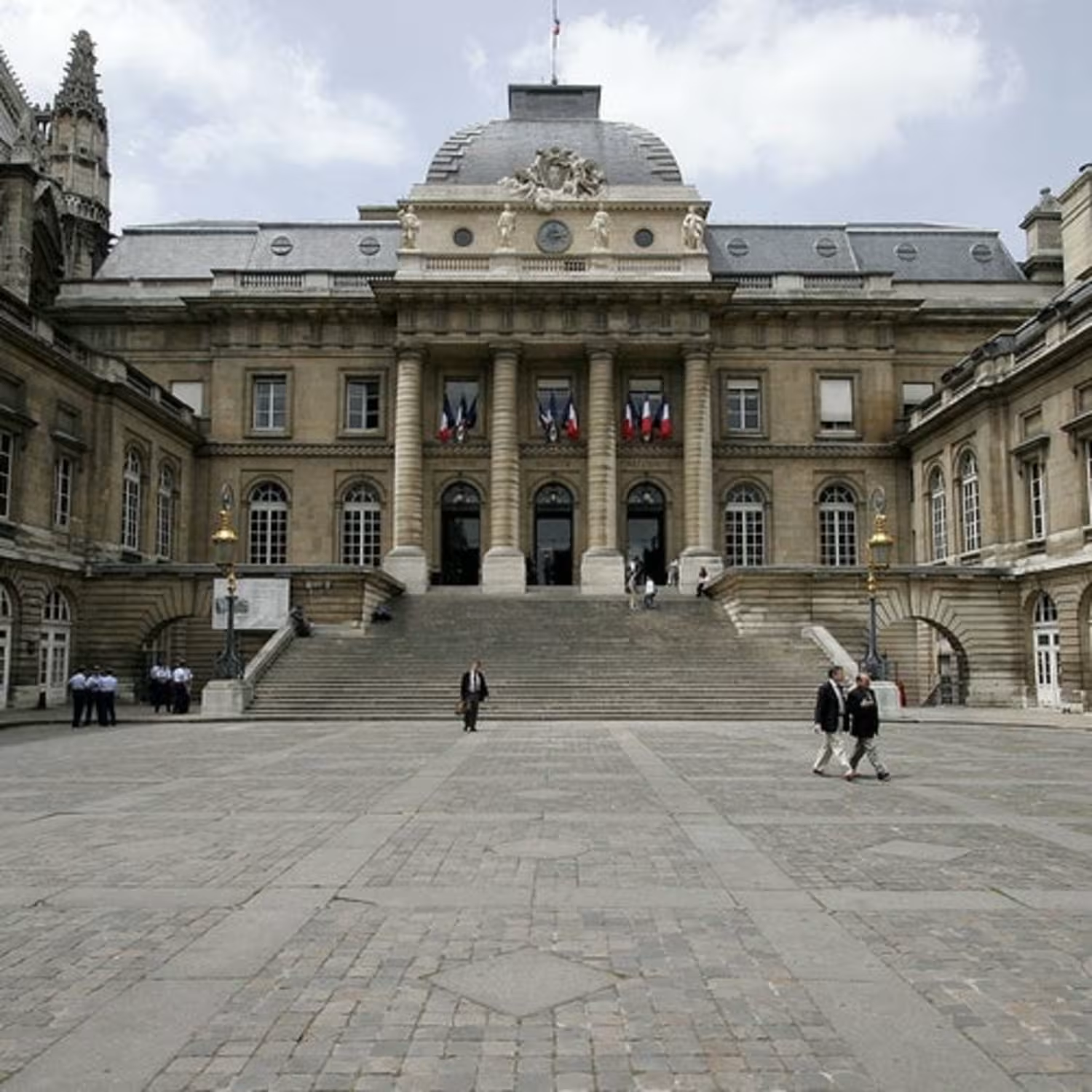
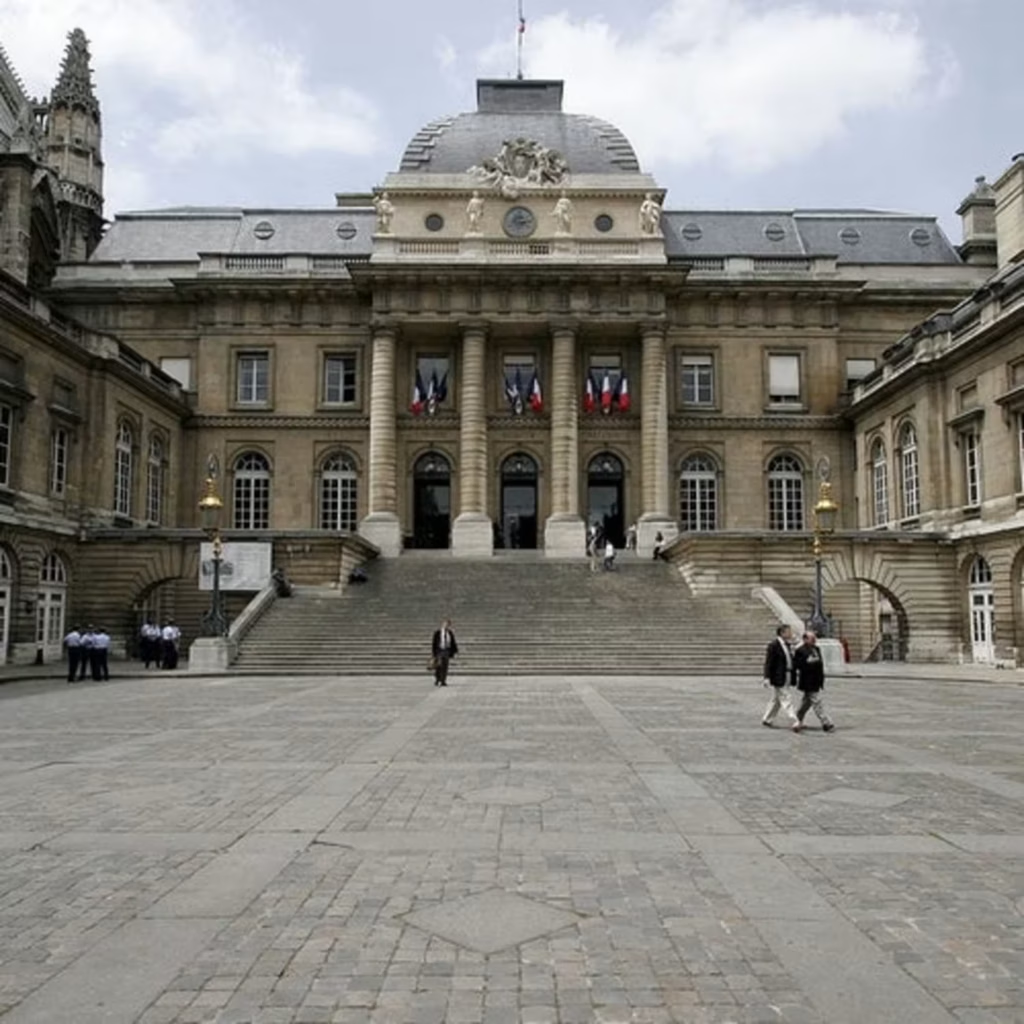
Explore the Conciergerie, a former royal palace turned prison with deep revolutionary history.

Use the Histopad augmented reality device to experience the Conciergerie’s medieval and revolutionary history.

Enjoy priority entrance and skip the regular lines at both locations.

Discover the captivating stories behind Marie Antoinette’s imprisonment and King Louis IX’s relic collection.
Questions About Marie-Antoinette at the Conciergerie

How long was Marie-Antoinette at the Conciergerie?

From the night of 1 to 2 August 1793 until her execution on 16 October 1793, about ten weeks.

Can you visit Marie-Antoinette’s cell?

Her cell no longer exists. An expiatory chapel was built partly on its site after 1815, and it is part of the visit.

Where was Marie-Antoinette tried?

In the former great hall of the palace, next to the Conciergerie, before the Revolutionary Tribunal, from 14 to 16 October 1793.

What was Marie-Antoinette accused of?

Treason and depleting the treasury. A charge of incest with her son was added during the trial, which she refused to answer.

What did Marie-Antoinette say at her trial?

Asked about the incest charge, she said a mother could not answer such an accusation and appealed to all the mothers present.

Where was Marie-Antoinette executed?

On the Place de la Révolution, today’s Place de la Concorde, on 16 October 1793.

This website sells official tickets for this venue. Please note, however, that it is not the official website of the venue.

The images and videos on this website may contain visual elements that have been created or enhanced using AI technology. They are provided for illustrative purposes only.