We are processing your request.
Please, don’t close or refresh the page.
Paris Tickets Pantheon Paris Simonne Vidal
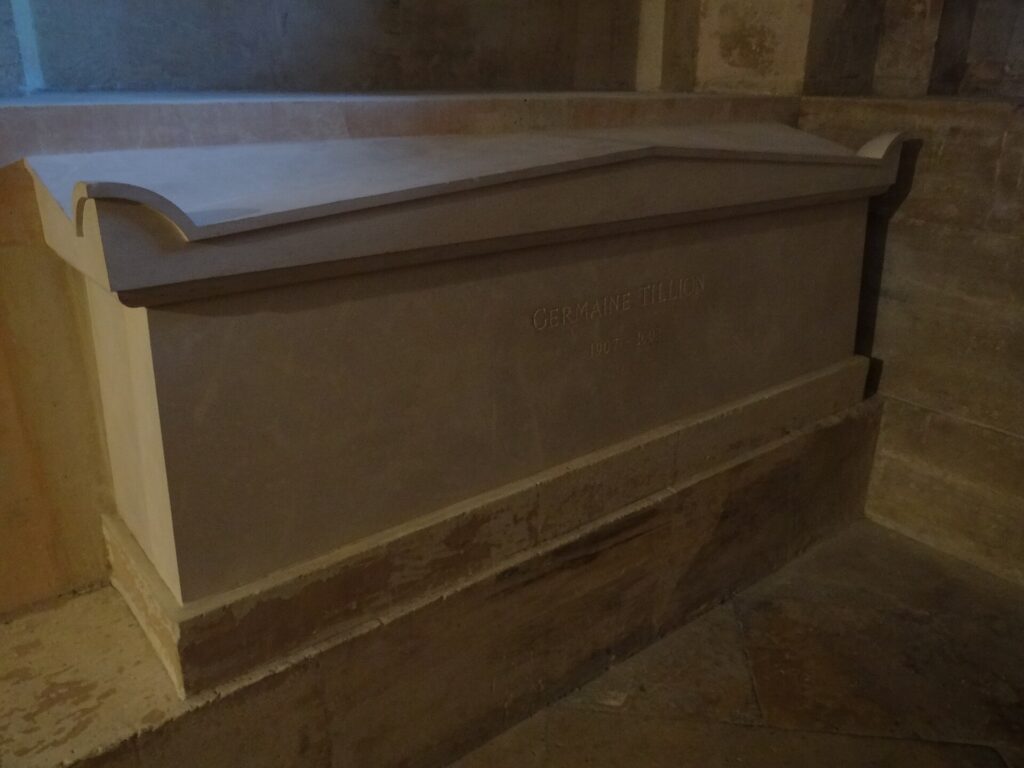
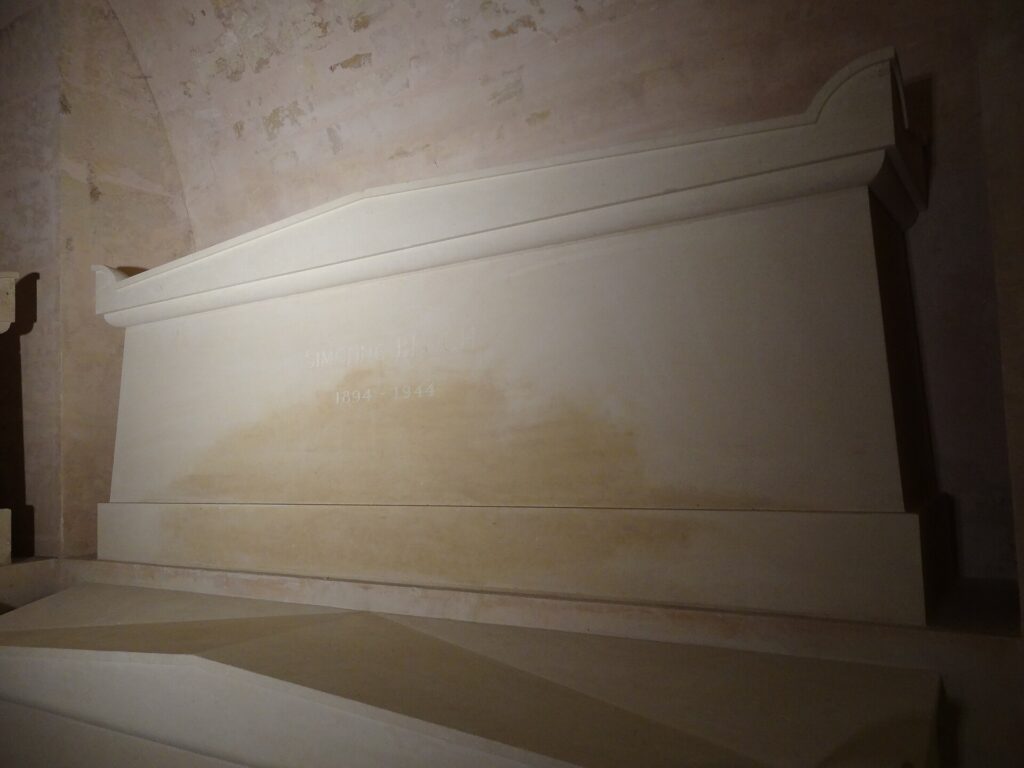
The tombs of Marc Bloch and Simonne Vidal in vault XIII of the Panthéon crypt, Paris

Simonne Vidal and Marc Bloch in the Panthéon: The Historian’s Wife Honoured Beside Him

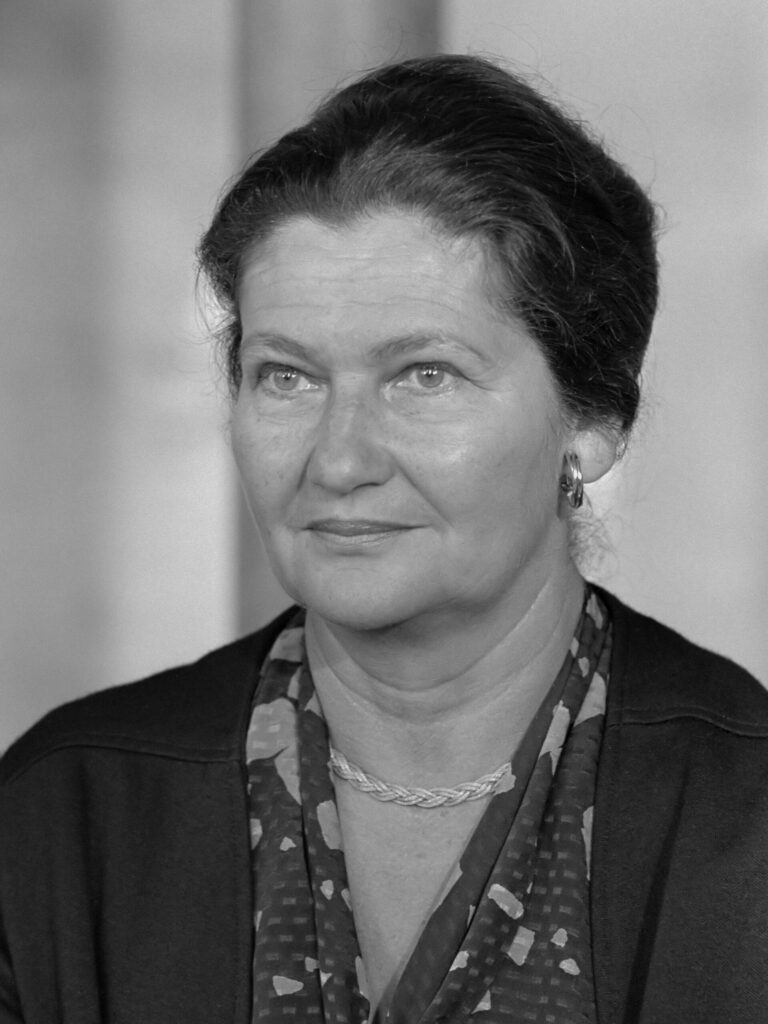
Nurse in two world wars and her husband’s research partner for 25 years, Simonne Vidal entered the Panthéon with the historian Marc Bloch, eighty-two years after both died in 1944.

Who Was Simonne Vidal?

Simonne Vidal was the wife of Marc Bloch, one of the great historians of the 20th century, and much more than that: for twenty-five years she was his secretary, his research assistant and his closest reader. When France decided to honour Bloch in the Panthéon, it chose to honour her with him, and their names now stand side by side in the crypt. Neither lies there: Bloch remains in the Creuse, and her own grave was lost.

Facts About Simonne Vidal and Marc Bloch

She was born in Dieppe on 14 February 1894, into a Jewish family of engineers and industrialists.

A volunteer nurse from 1916, she was decorated for her work with prisoners and refugees, and nursed again in 1940.

She married Marc Bloch in Paris on 19 July 1919, and their six children were all born in Strasbourg.

Marc Bloch is the first historian to be honoured in the Panthéon.

Bloch was shot by the Gestapo on 16 June 1944, and she died in Lyon about two weeks later.

Bloch has lain since 1977 at Le Bourg-d’Hem, in the Creuse, where a plaque on the family vault also carries her name.

Simonne Vidal and Marc Bloch, a Working Partnership

The tombs of Marc Bloch and Simonne Vidal in vault XIII of the Panthéon crypt, Paris

After their wedding the couple moved to Strasbourg, where Bloch had joined the university, and they stayed seventeen years. Alongside running a household of six children, she transcribed his manuscripts, helped with his research and was, by all accounts, the person he most liked to talk his ideas through with.

Her part in his work went largely unrecognised for decades. Their son Étienne later wrote that he doubted his father would have become a historian of world standing without her.

In 1936 the family moved to Paris. By then Bloch was worried about living so close to the German border, and the coming war would scatter the family across France.

The War Years, and Her Death in Lyon

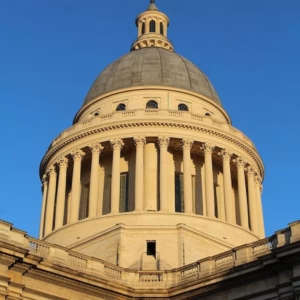
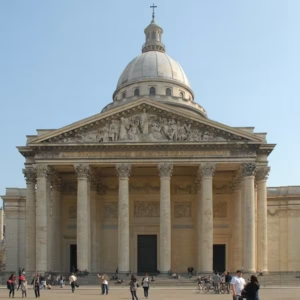
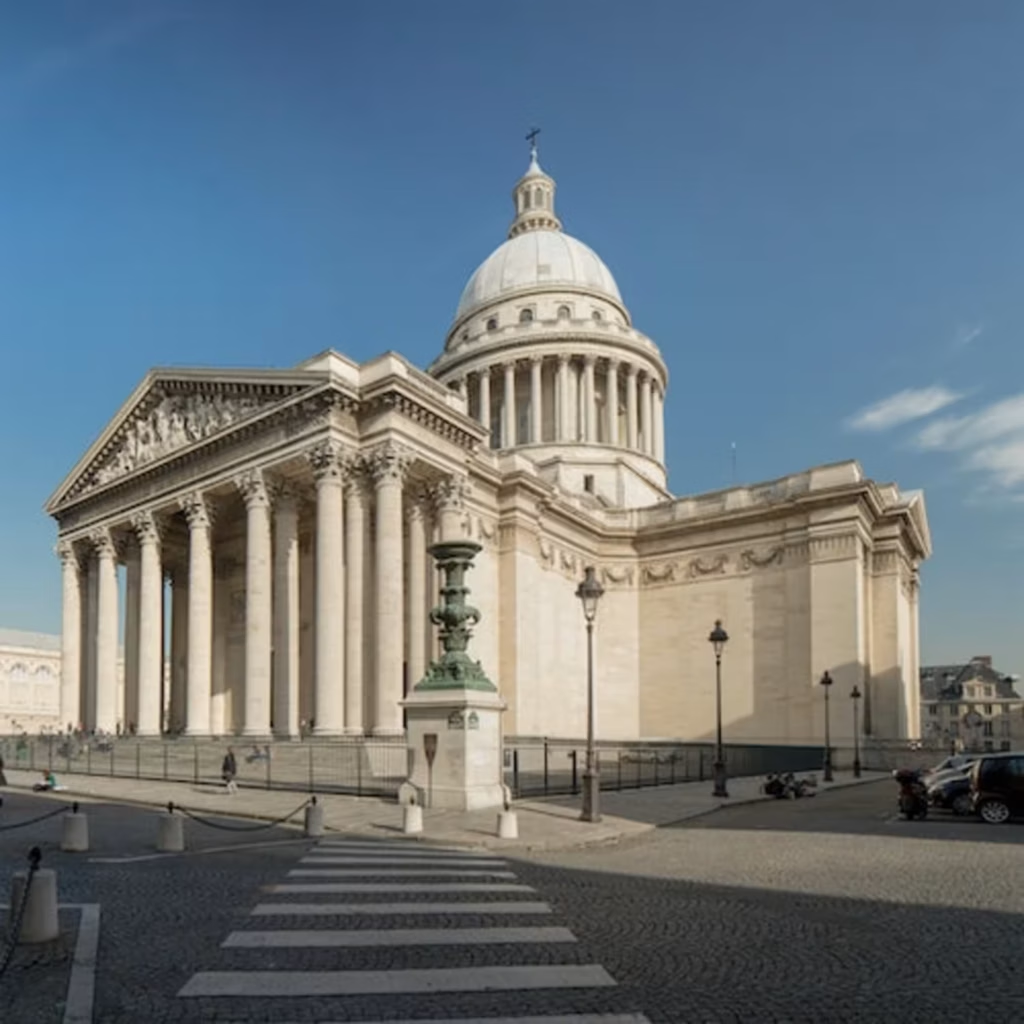
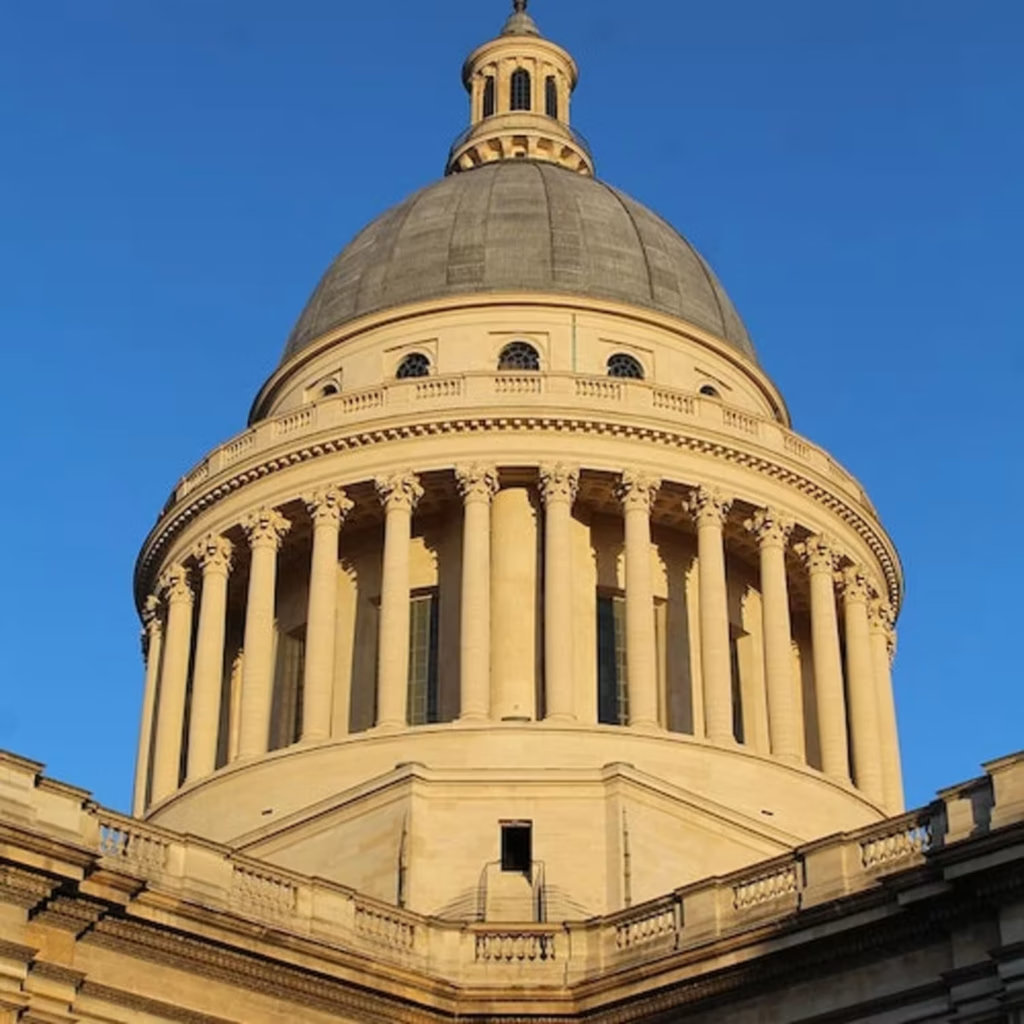
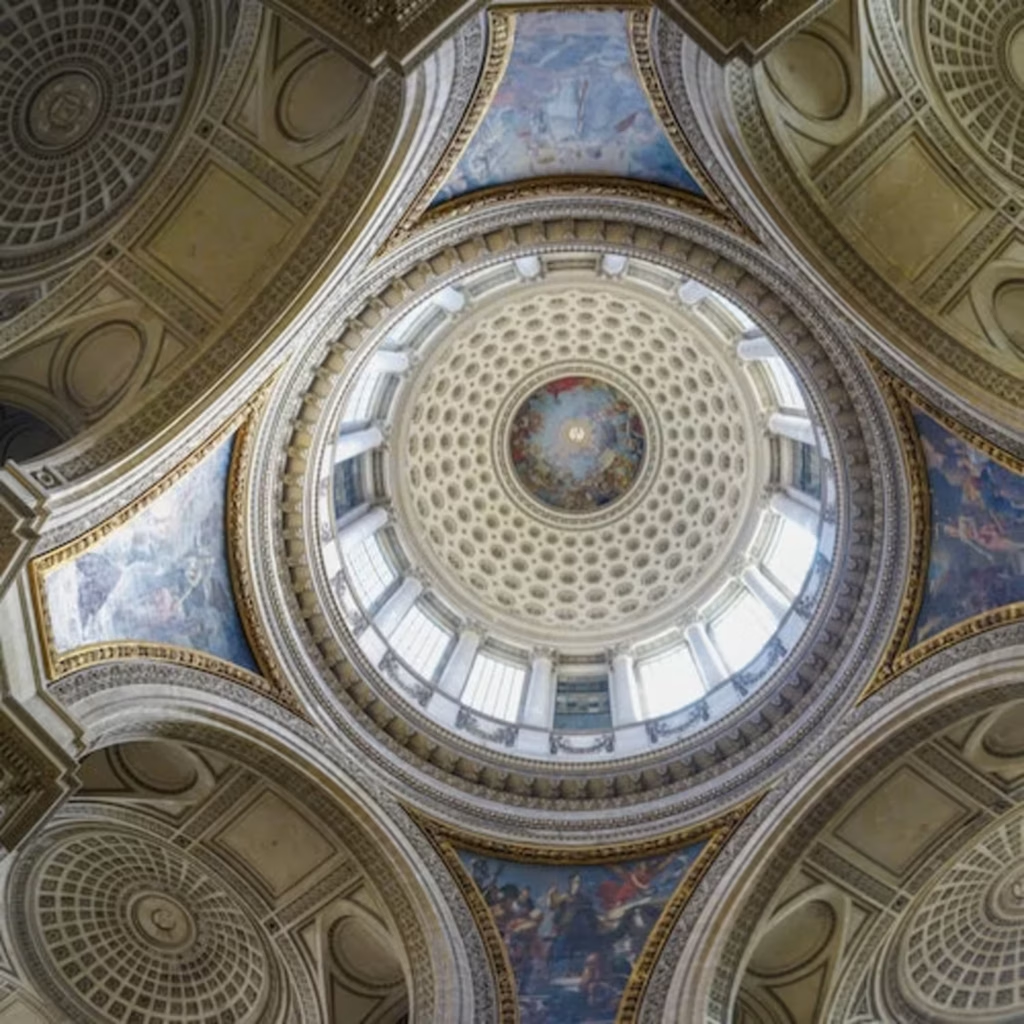
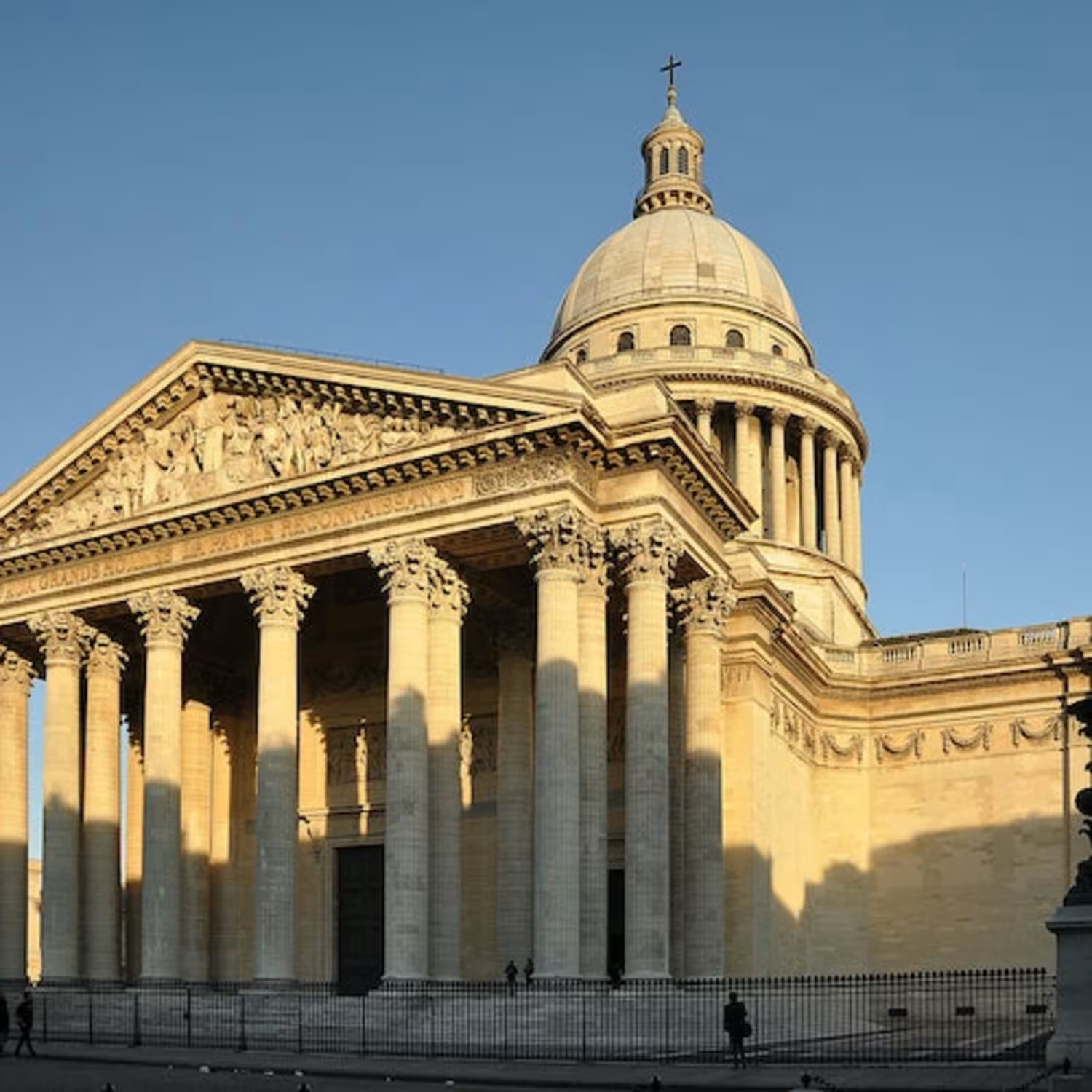
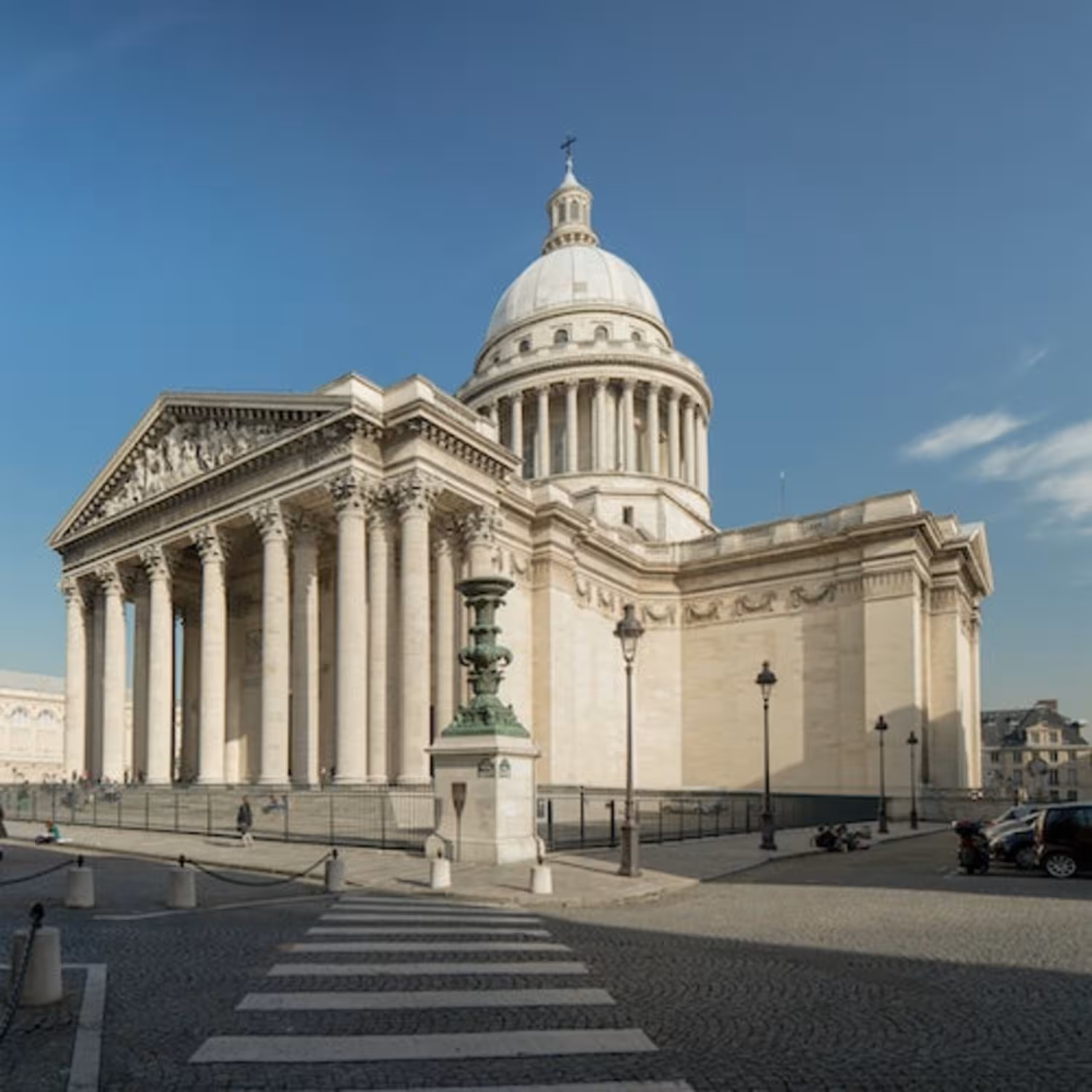
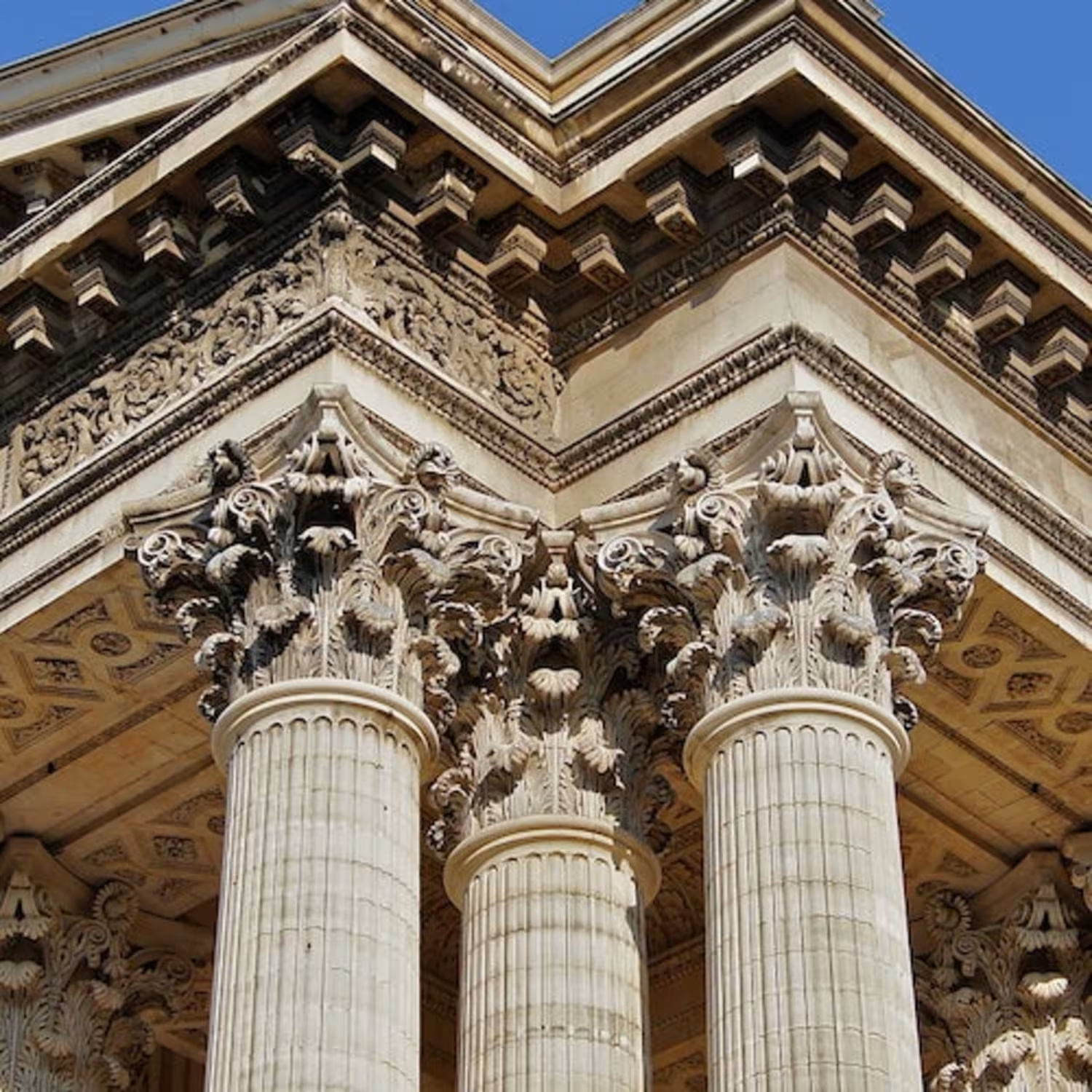
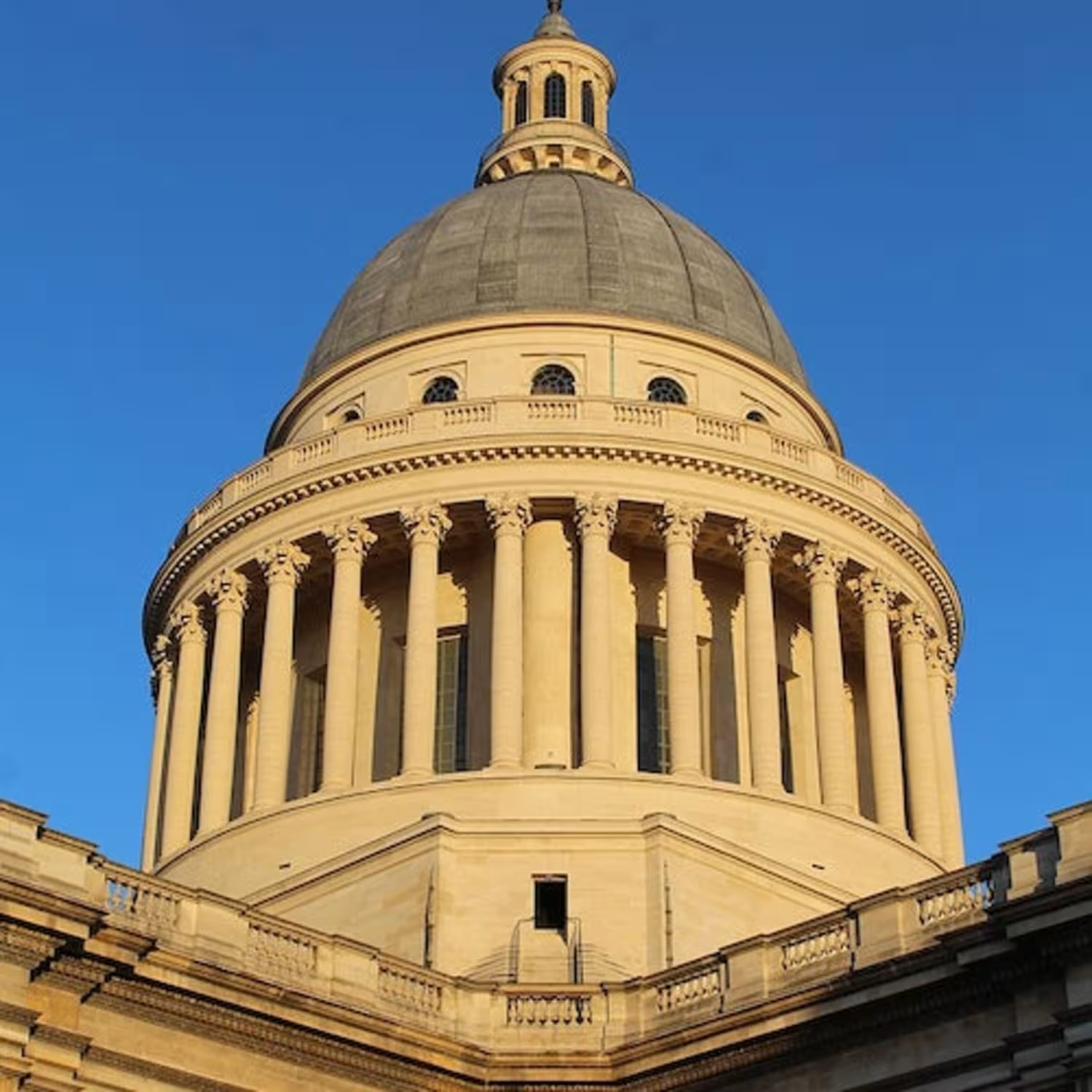
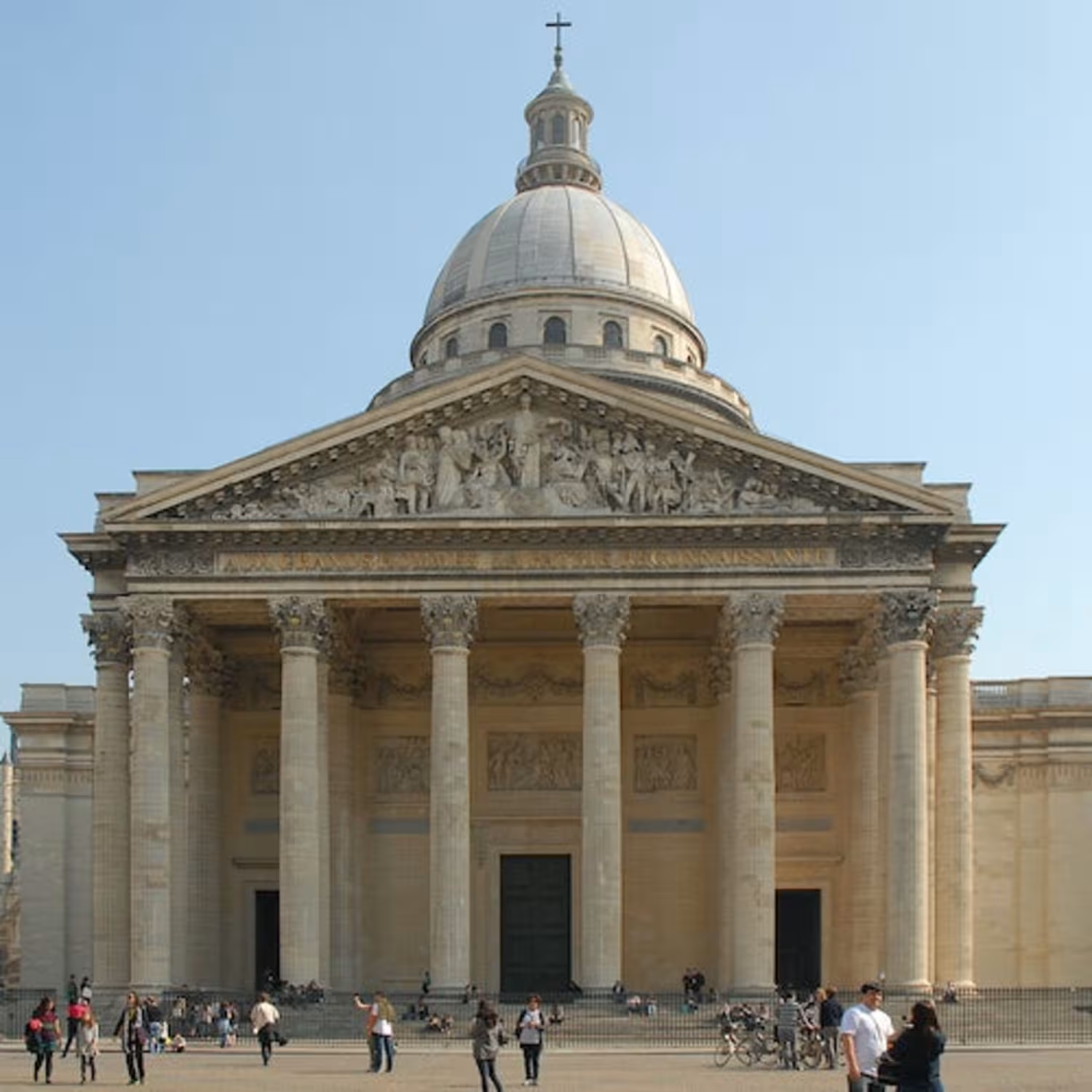
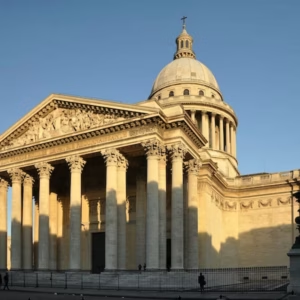
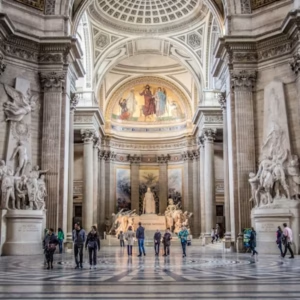
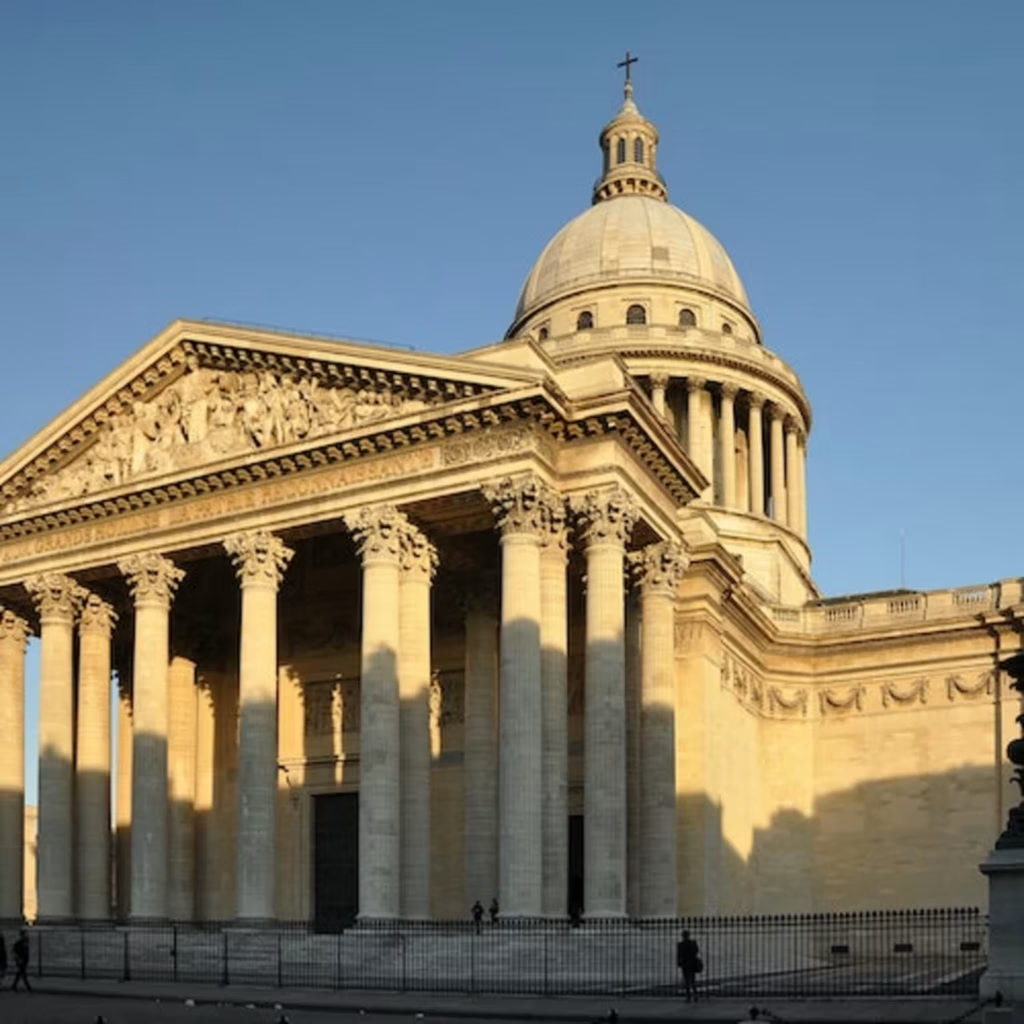
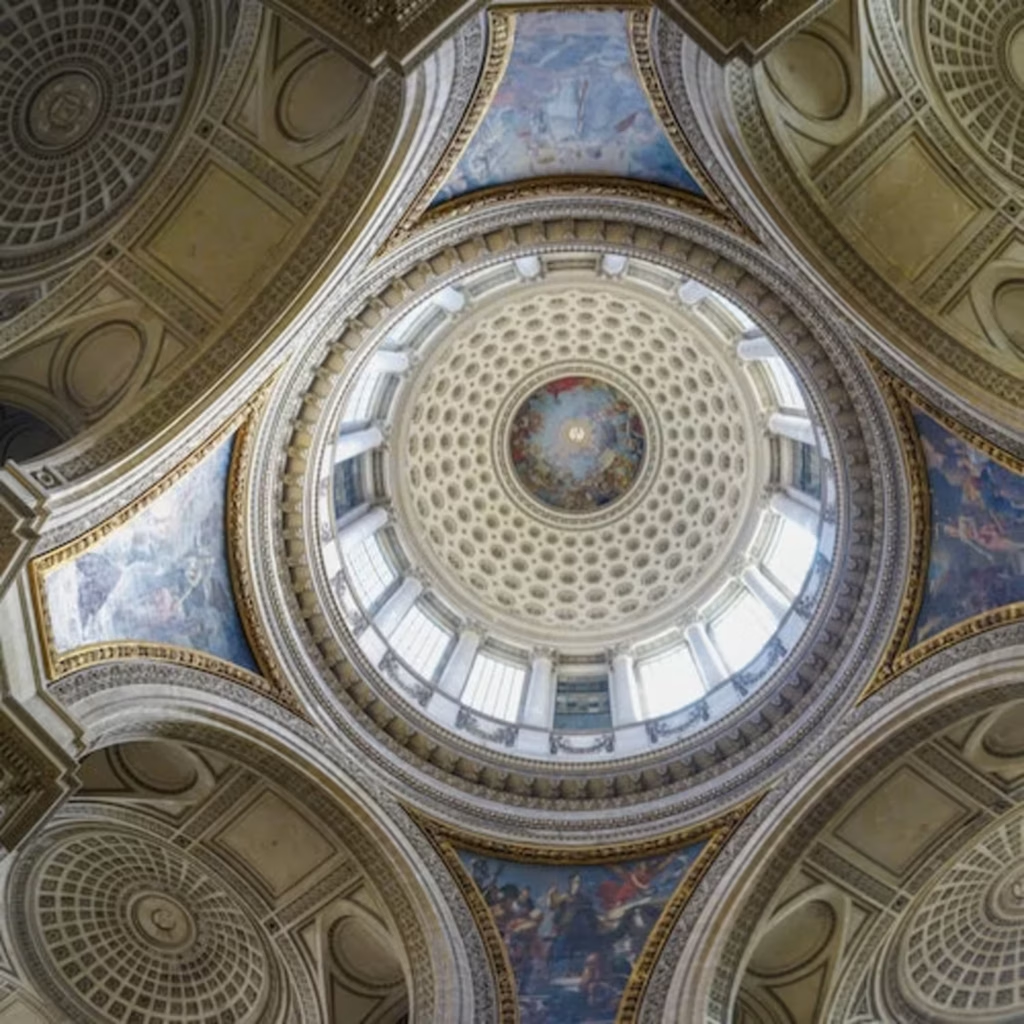
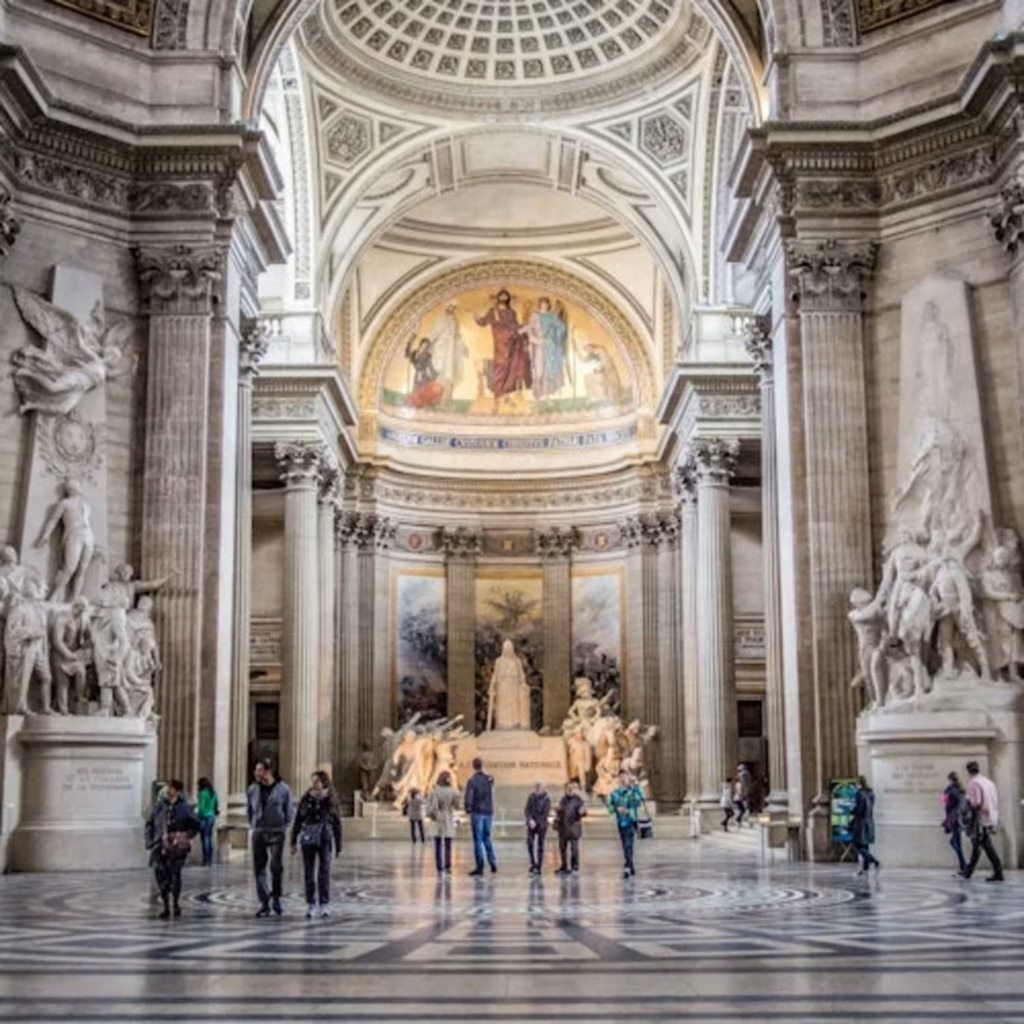
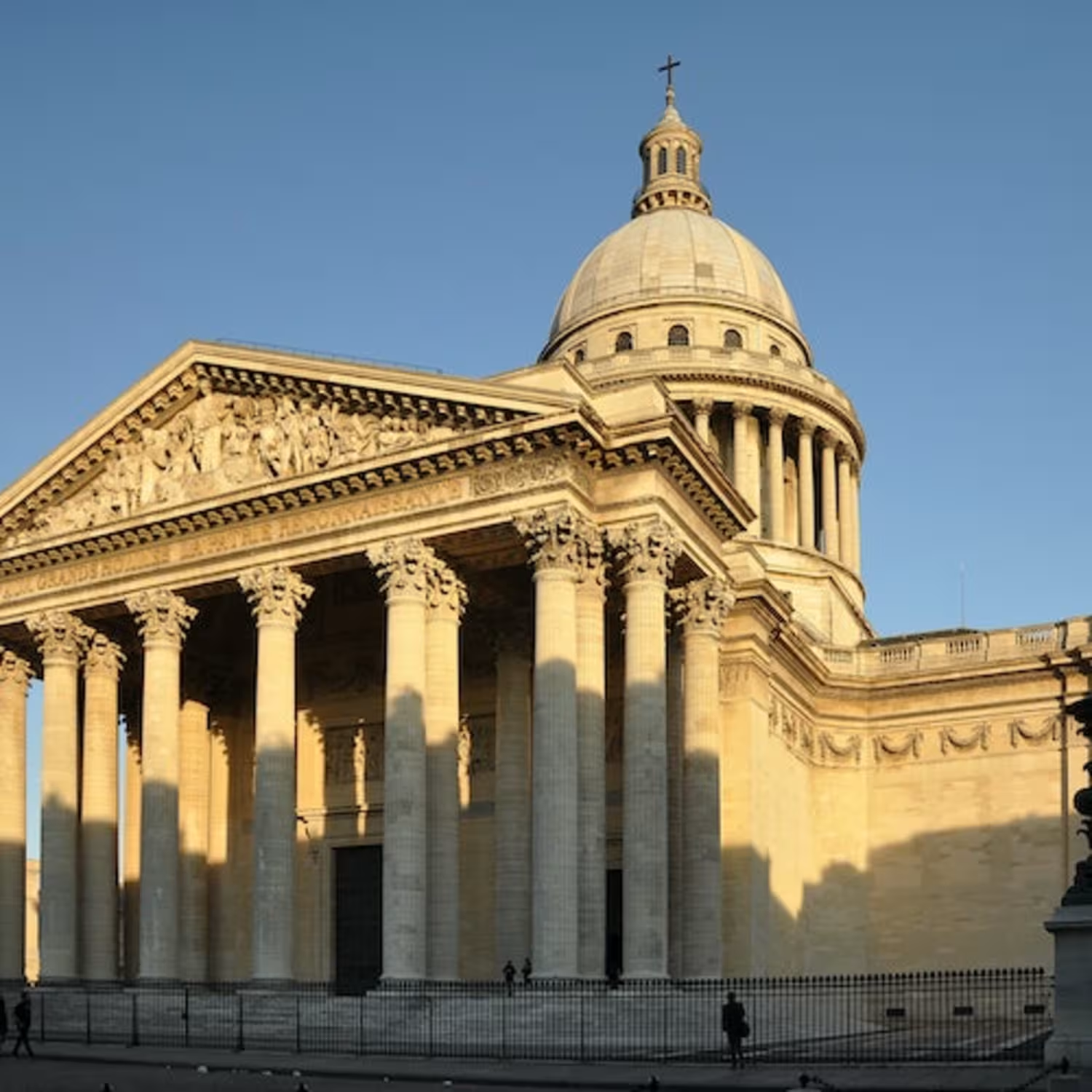
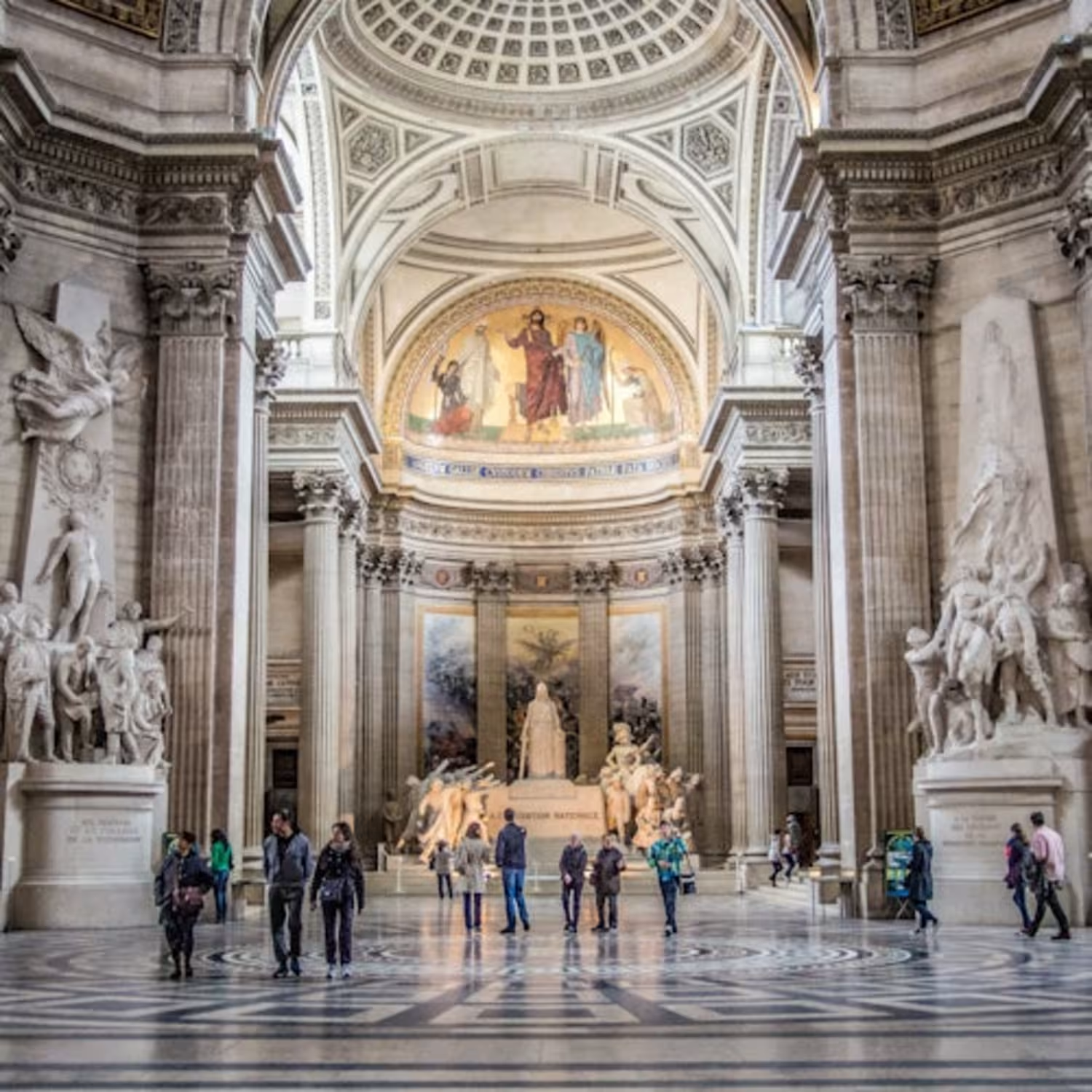
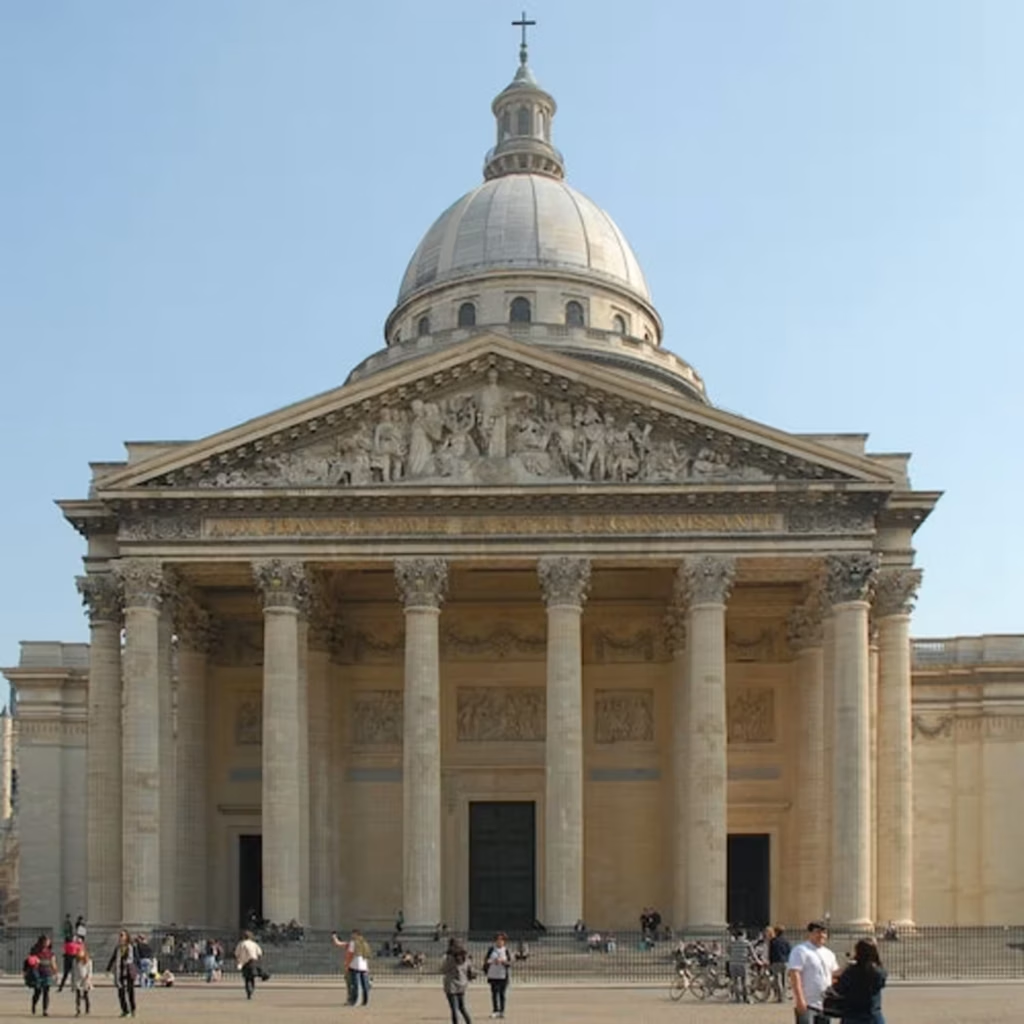
The Panthéon, Paris

When Bloch was mobilised in 1939 she moved the children to Guéret, in the Creuse, and volunteered in a Paris hospital. After the defeat Bloch wrote Strange Defeat, his account of the collapse of 1940, published after the war in 1946.

Her health was fragile, and the family moved on to Clermont-Ferrand and then Montpellier. When Bloch joined the Resistance and lived under a false name near Lyon, she sent him food, clothes and books. The Gestapo arrested him on 8 March 1944 and shot him on 16 June.

Anxious for him, she had travelled to Lyon with their daughter Alice. There she was admitted to hospital under a false name with an undiagnosed cancer and died after surgery, probably without knowing he was dead. She was buried in a common grave.

Marc Bloch Enters the Panthéon, With Simonne
President Emmanuel Macron announced Bloch’s entry into the Panthéon in November 2024, at the 80th anniversary of the liberation of Strasbourg, for his work, his teaching and his courage. It was decided that Simonne would enter with him.

The family wished Bloch to stay at Le Bourg-d’Hem, and her remains had never been identified, so the couple are honoured with cenotaphs. On 23 June 2026 the coffins were carried by the Garde républicaine through the great bronze doors, which open only for such ceremonies.

After the presidential tribute and a vigil, the coffins were taken down to the crypt, and their names were carved into the walls of the vault where visitors can now pay their respects.

Where to Find Their Names

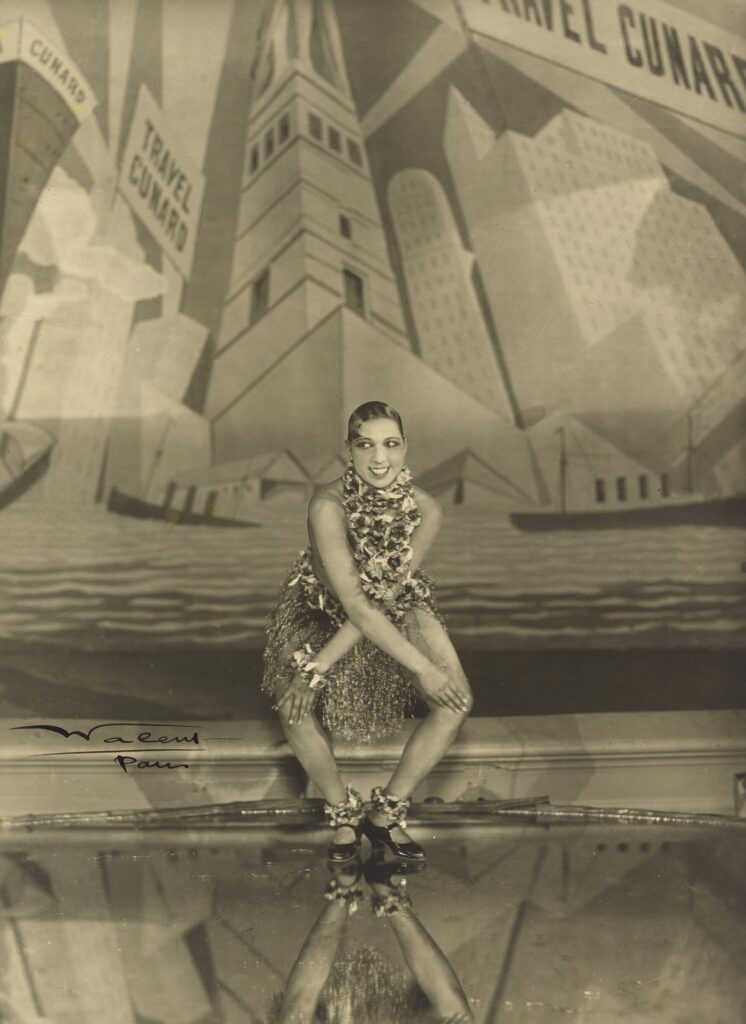
Head down to the crypt and look for vault XIII. Simonne and Marc Bloch’s names are carved in its walls, in the same vault as Joséphine Baker’s cenotaph, and the crypt comes with every visit, so there is nothing extra to book.
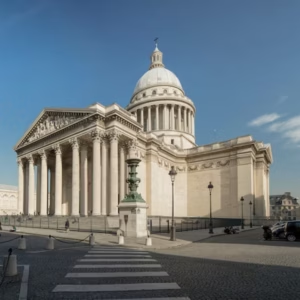
Visit the Paris Pantheon

Highlights

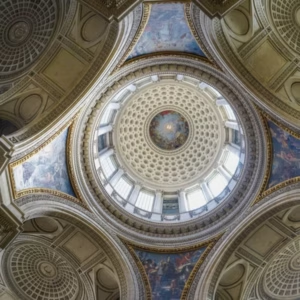
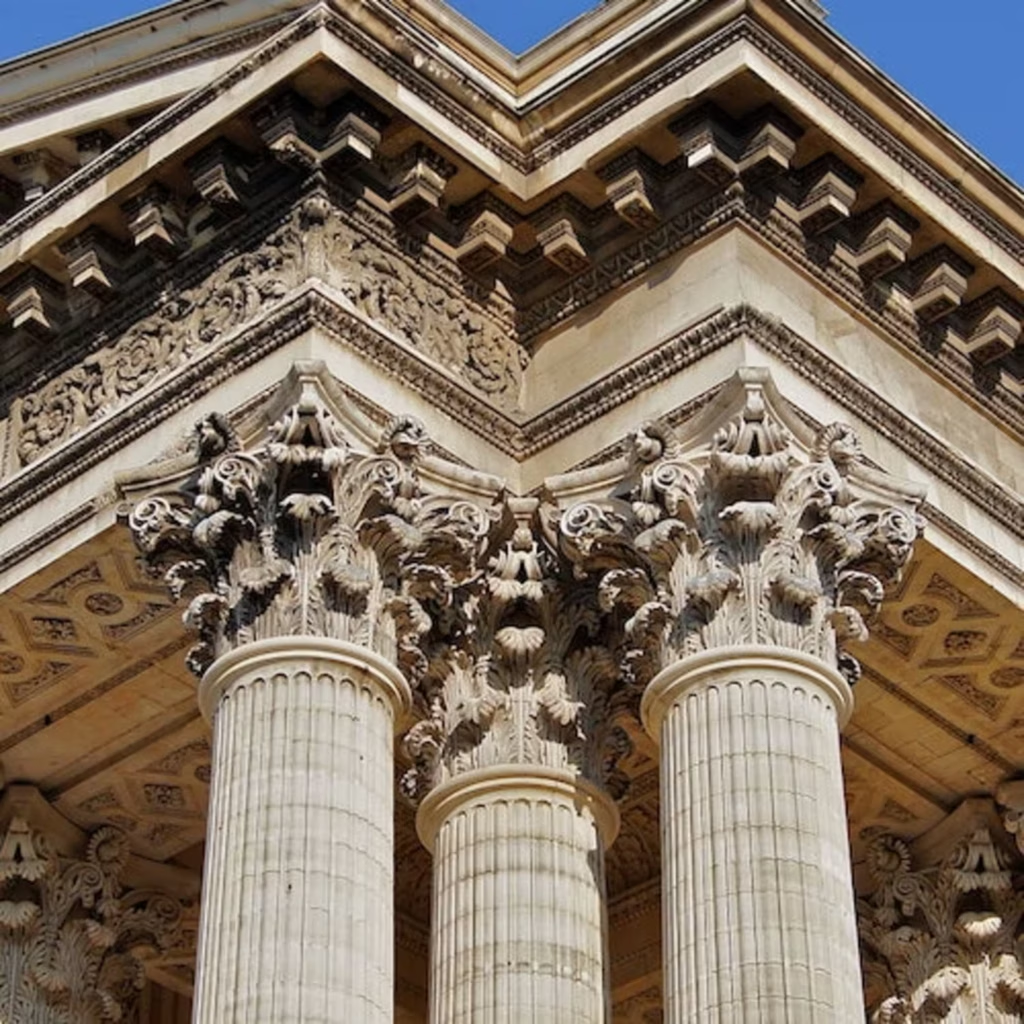
Explore an elegant neoclassical structure located atop Montagne Sainte Geneviève.

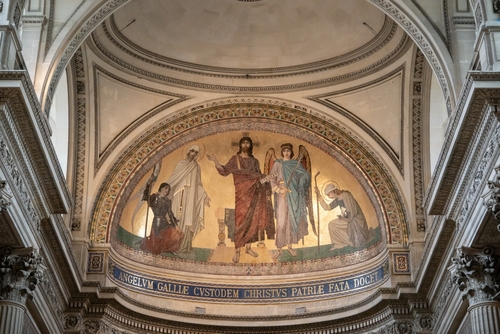
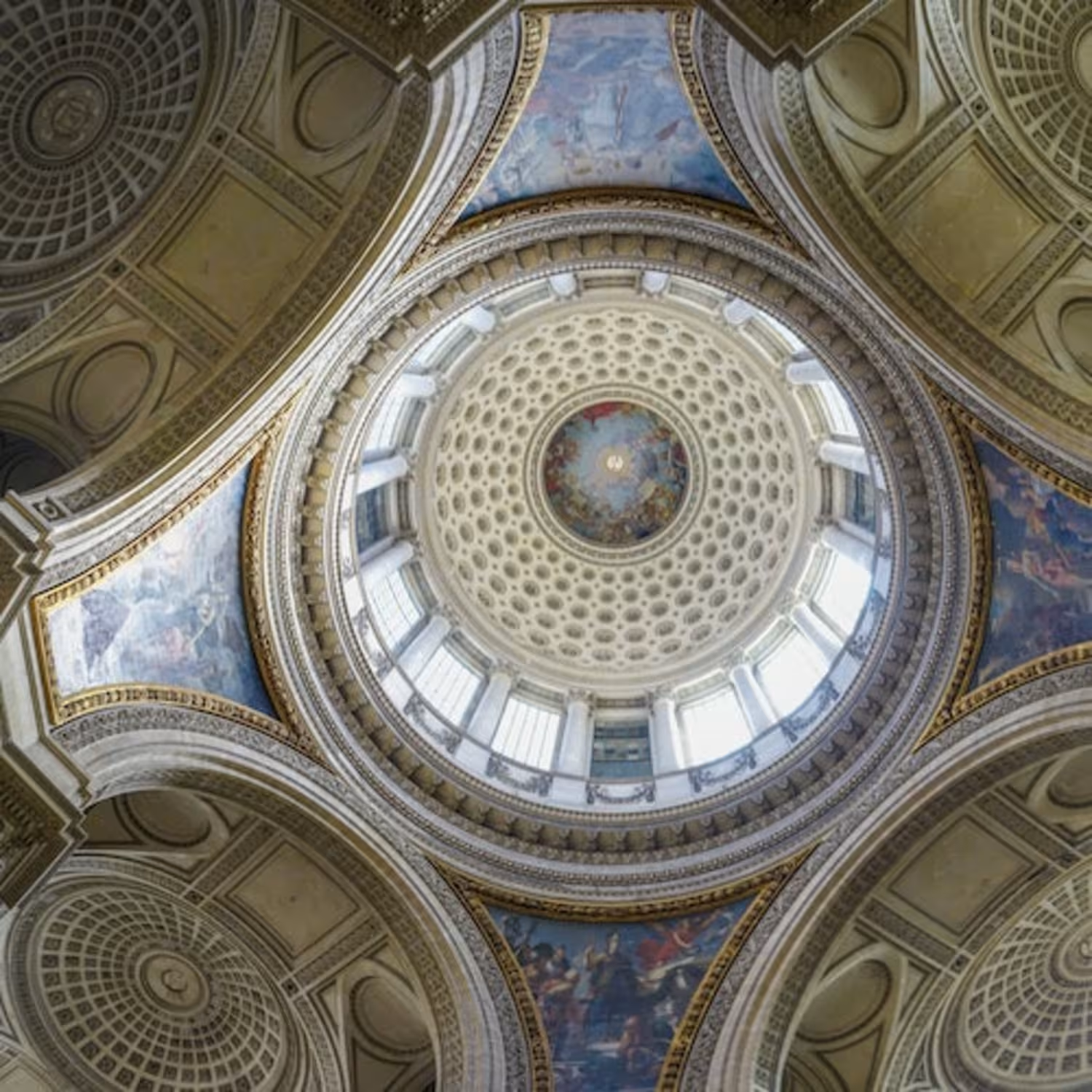
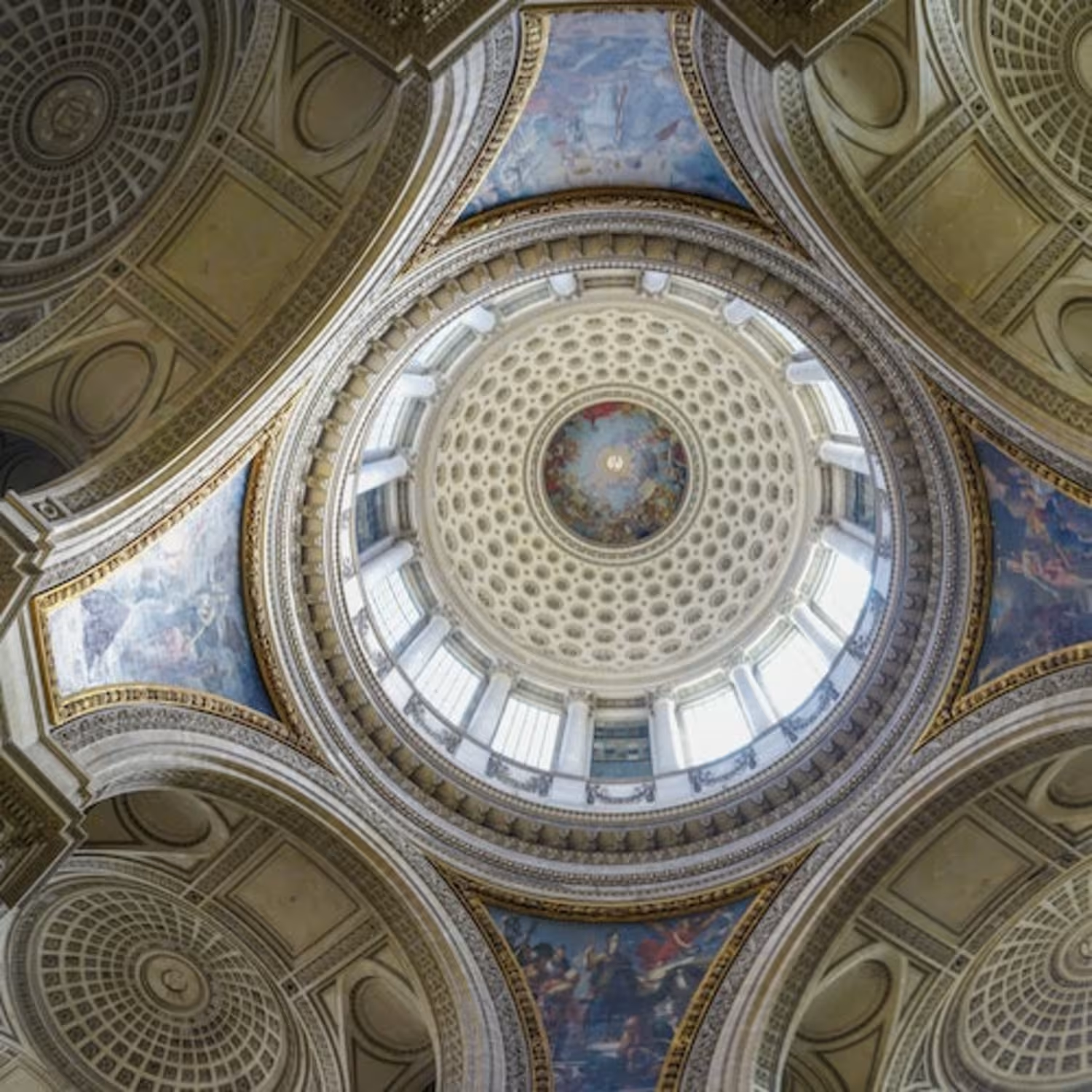
Discover captivating murals portraying the origins of Christianity.

Visit the crypt housing the resting places of France’s illustrious figures.

Witness the famous Foucault’s pendulum demonstrating Earth’s rotation.

Enjoy panoramic views over Paris from the monument’s position in the Latin Quarter.
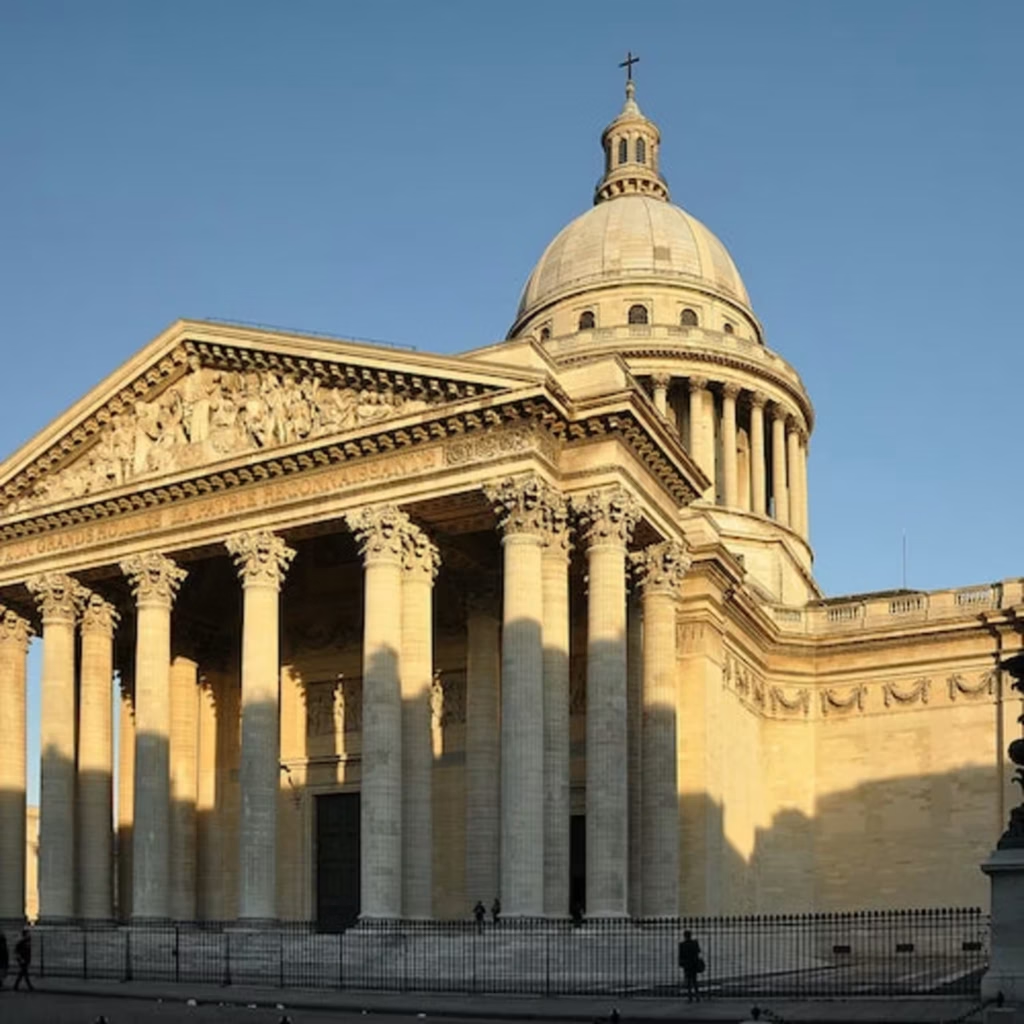
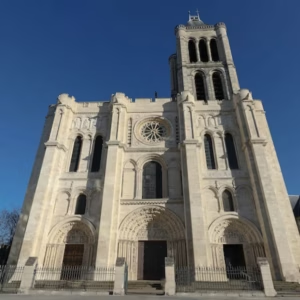
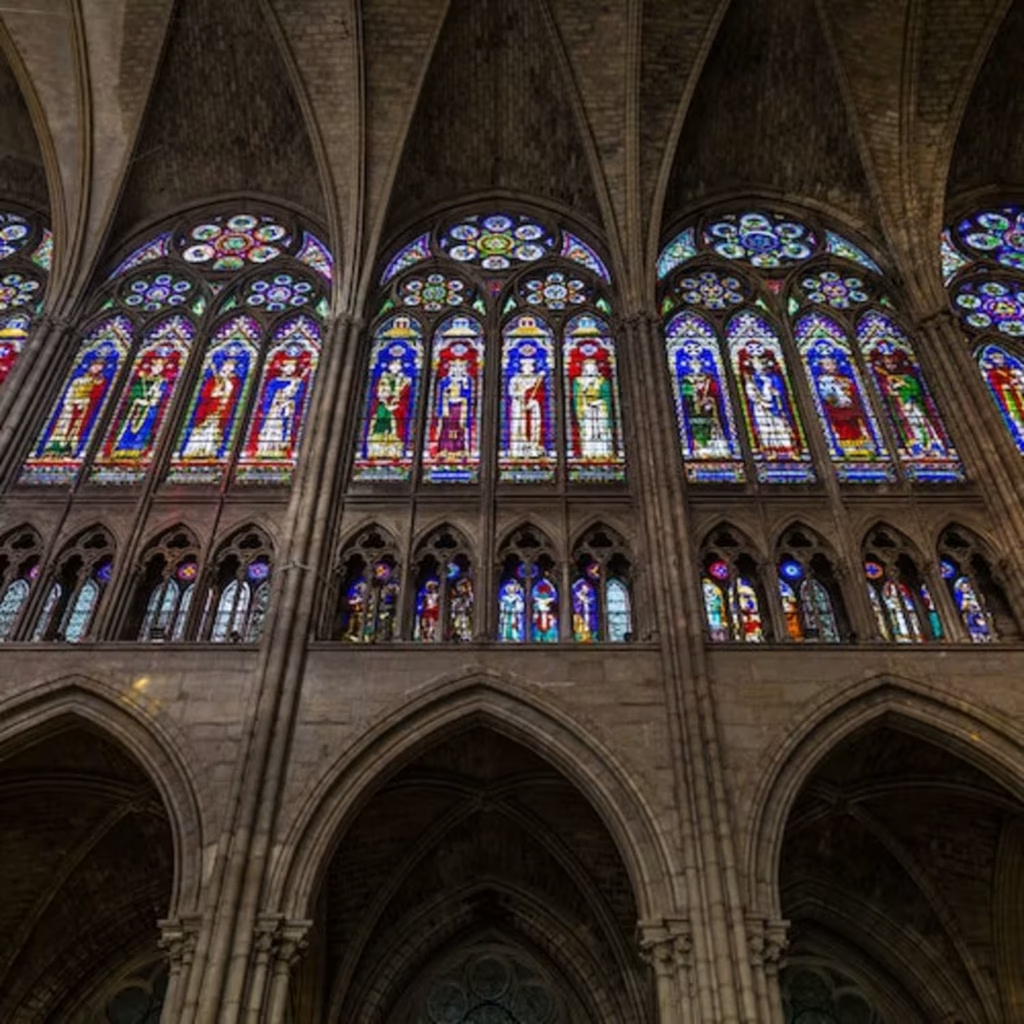
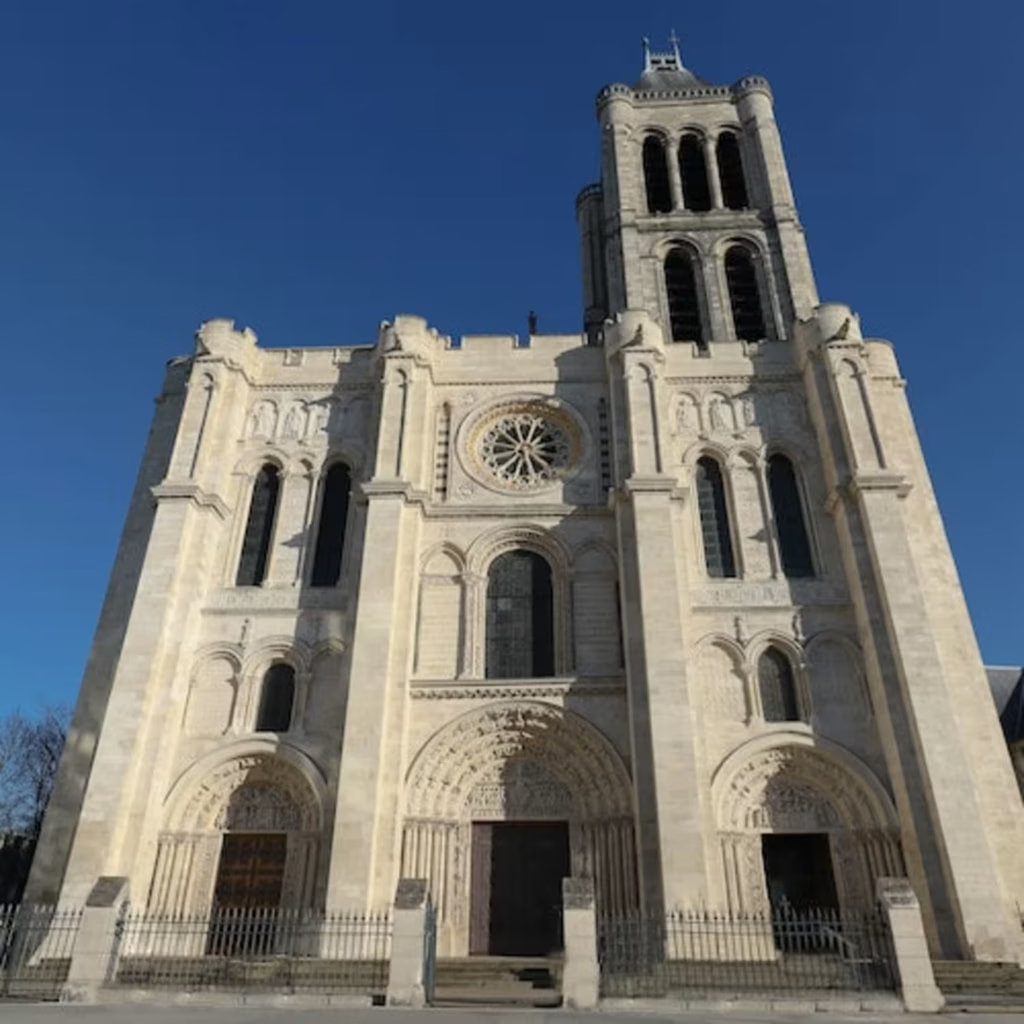
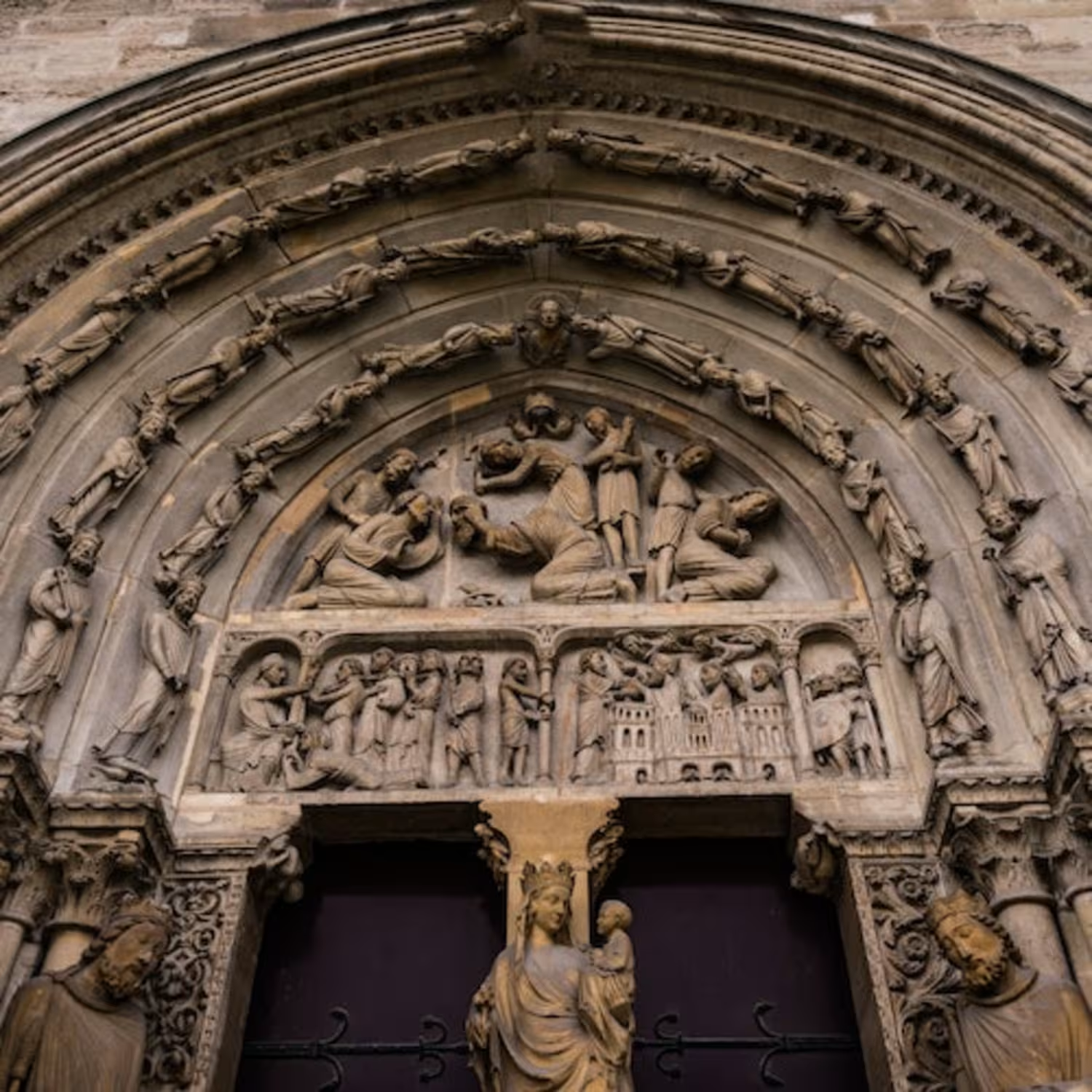
Ticket-free access to the Panthéon & Saint-Denis Cathedral Basilica

Highlights

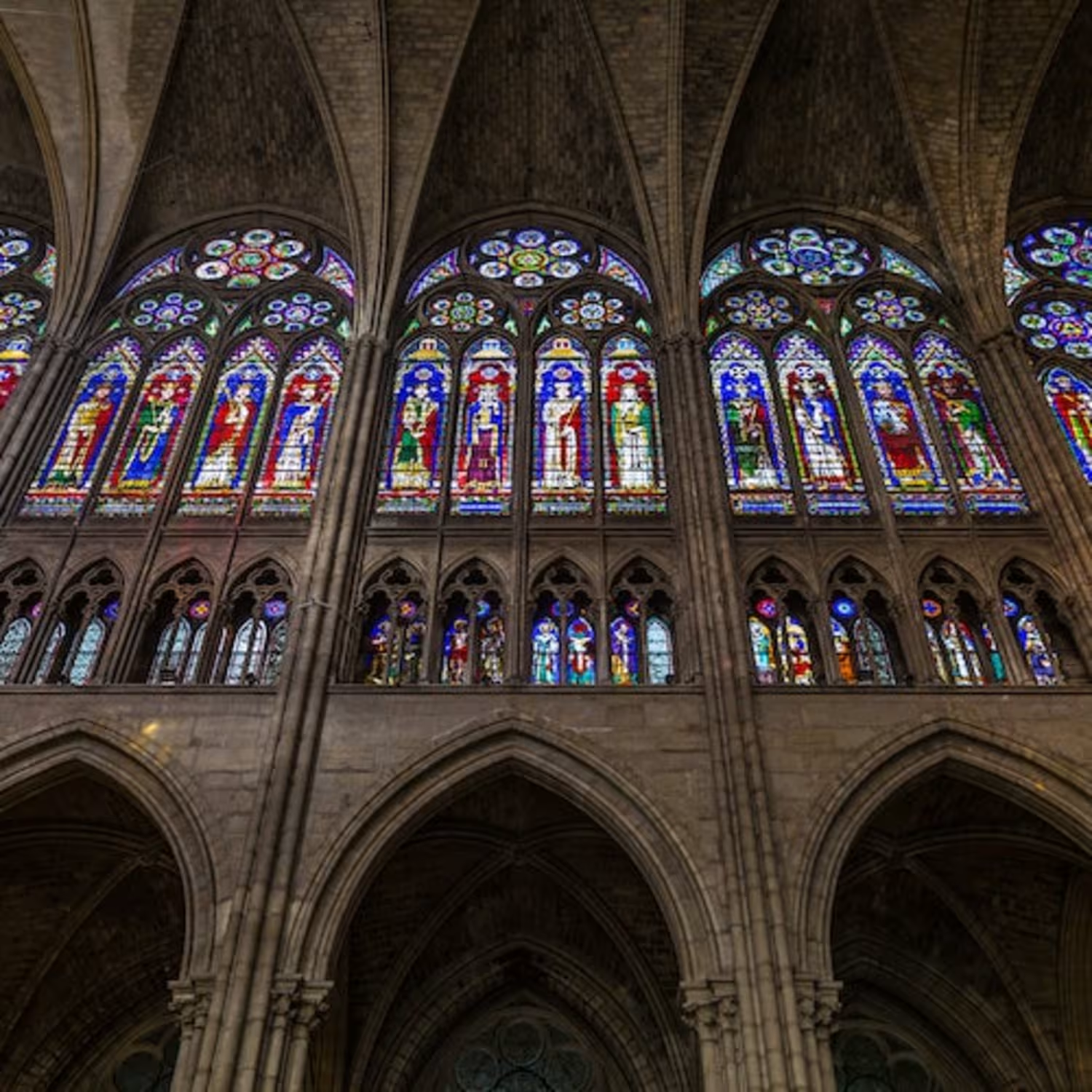
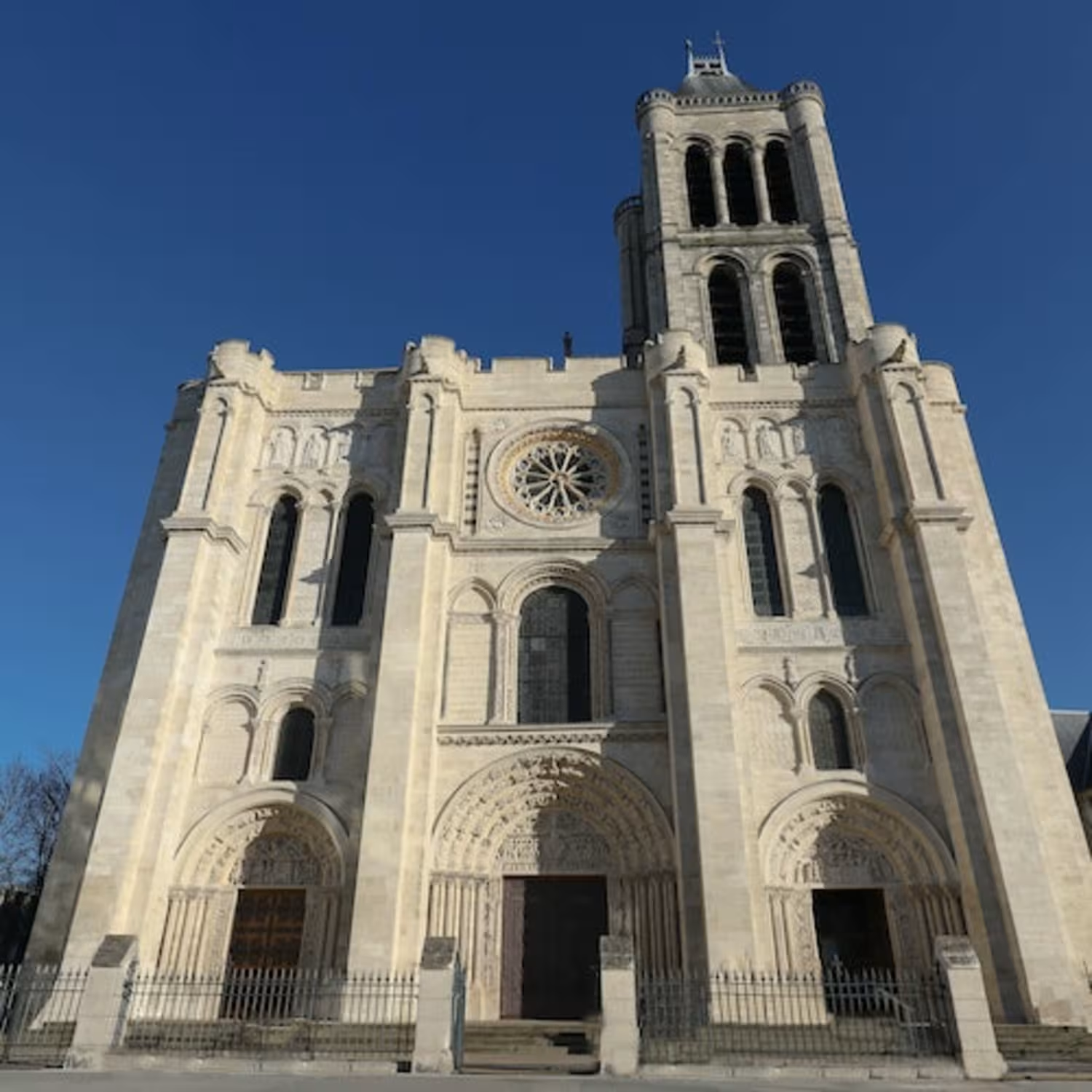
Gain admission to both the historically rich Panthéon and the majestic Basilica of Saint-Denis.

Discover the resting places of notable French figures, including royalty and renowned intellectuals.

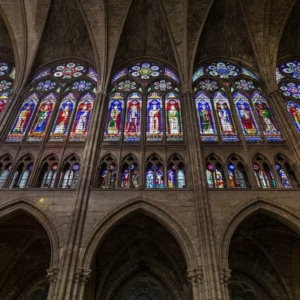
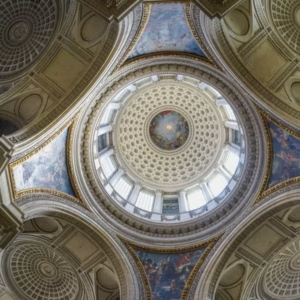
Enjoy the impressive architecture and artistic details inside these famous landmarks.

Visit at your leisure with tickets valid throughout their respective open hours.

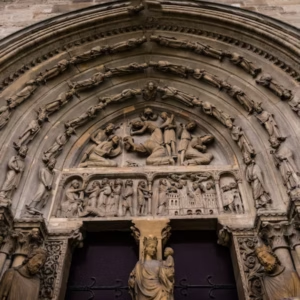
Benefit from a convenient combined ticket ideal for a thorough cultural experience.
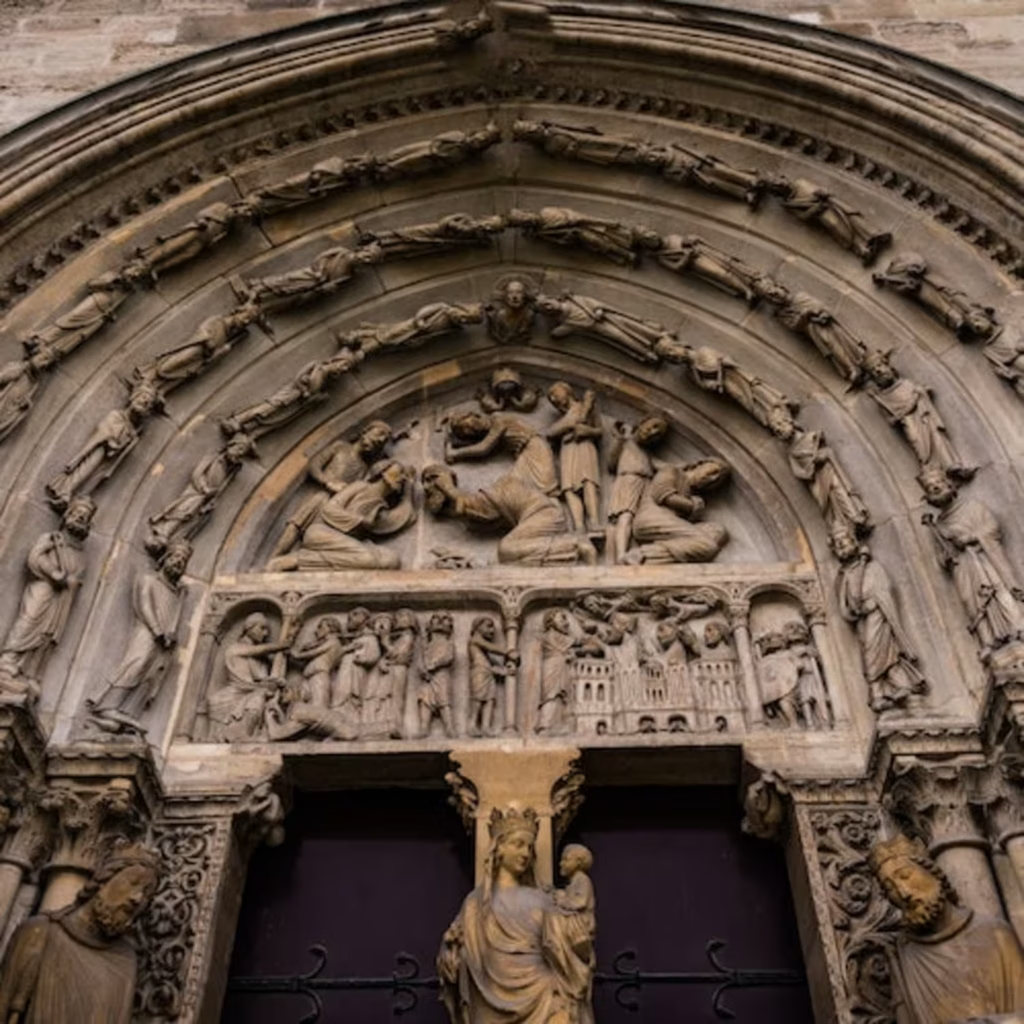
Questions About Simonne Vidal and Marc Bloch

Who was Simonne Vidal?

The wife of the historian Marc Bloch, a volunteer nurse in both world wars and his secretary and research assistant for twenty-five years.

Is Simonne Vidal buried in the Panthéon?

No. Her remains, buried in a common grave in Lyon in 1944, were never identified. She is honoured symbolically, with her name carved in the crypt.

Is Marc Bloch buried in the Panthéon?

Symbolically. At his family’s wish he remains at Le Bourg-d’Hem, in the Creuse, where he has lain since 1977.

When did Marc Bloch enter the Panthéon?

On 23 June 2026, together with his wife, Simonne Vidal.

Why is Marc Bloch in the Panthéon?

In the words of President Emmanuel Macron, for his work, his teaching and his courage. He is the first historian honoured there.

How did Marc Bloch die?

He was arrested by the Gestapo in Lyon on 8 March 1944 and shot on 16 June 1944.

What is Strange Defeat?

Marc Bloch’s account of the causes of France’s collapse in 1940, written that summer and published after the war, in 1946.

This website sells official tickets for this venue. Please note, however, that it is not the official website of the venue.

The images and videos on this website may contain visual elements that have been created or enhanced using AI technology. They are provided for illustrative purposes only.