We are processing your request.
Please, don’t close or refresh the page.
Paris Tickets Pantheon Paris Marie Curie
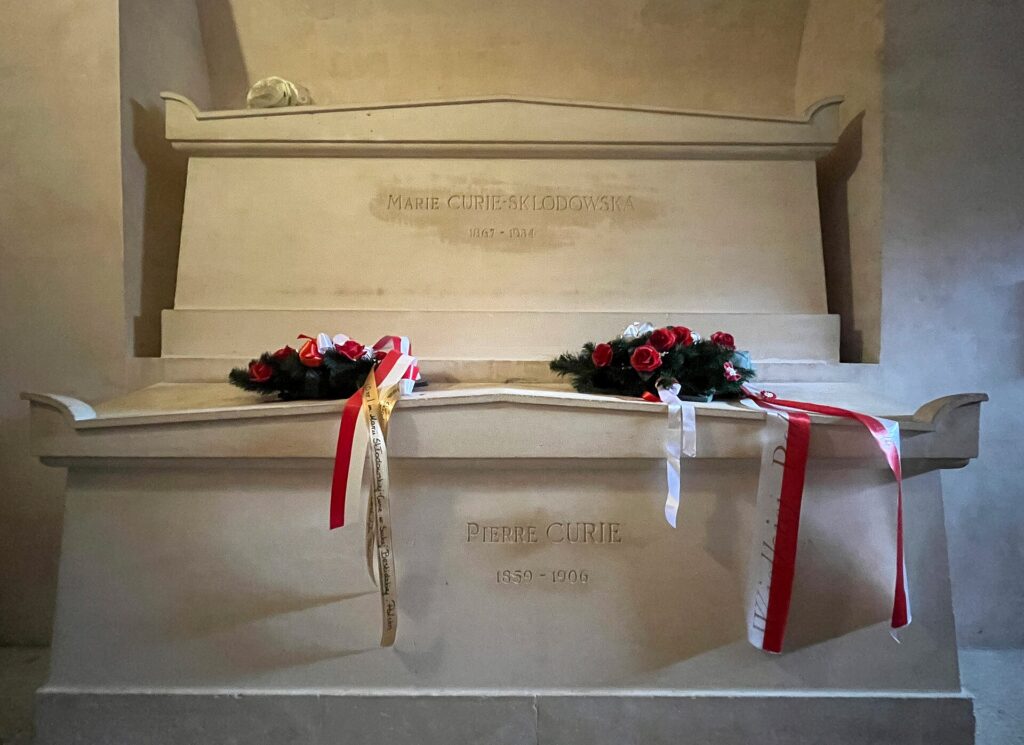
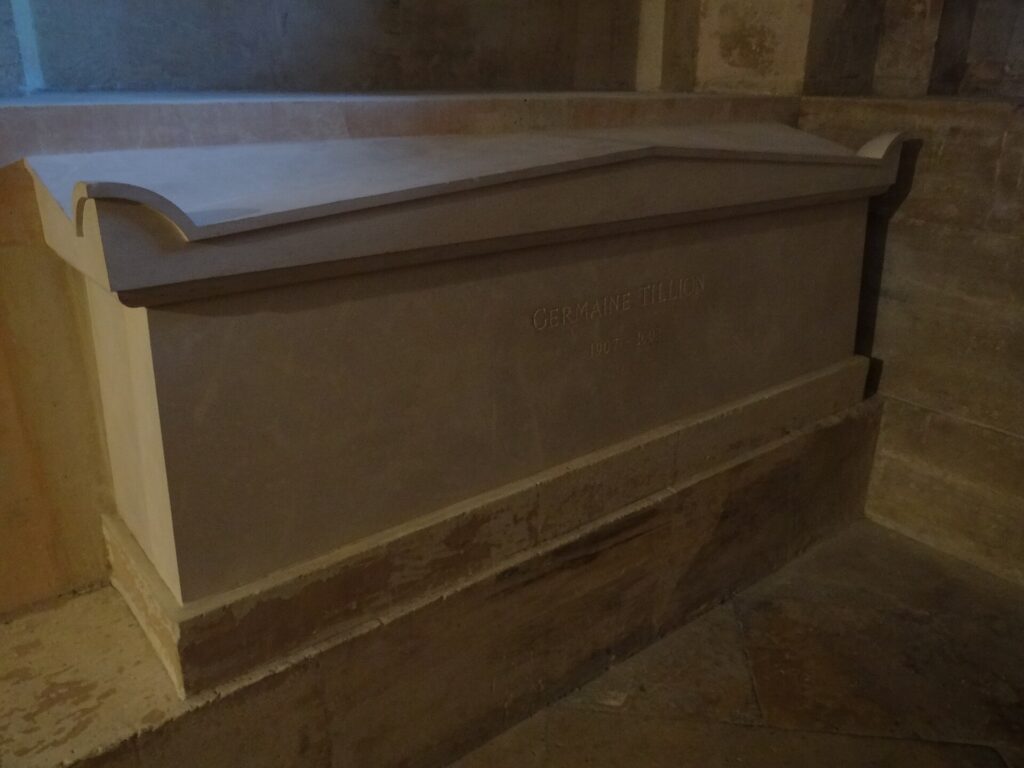
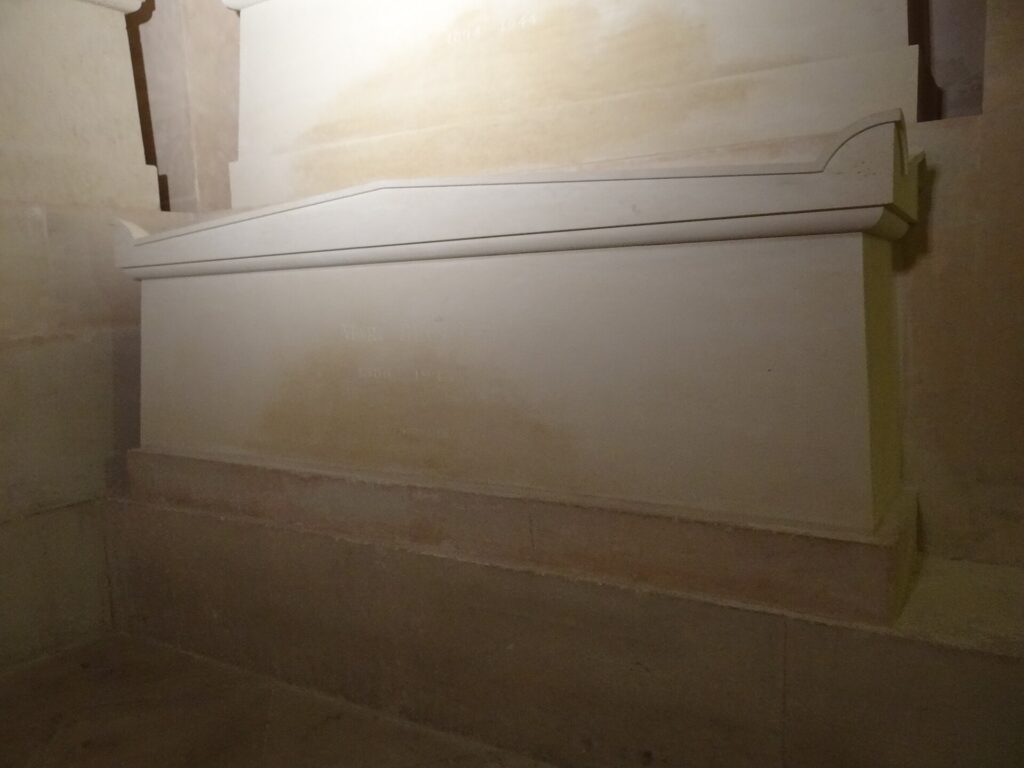
The tombs of Marie and Pierre Curie in vault VIII of the Panthéon crypt, Paris

Marie Curie’s Grave in the Panthéon: Where She Is Buried in Paris

Twice a Nobel laureate and the first woman honoured in the Panthéon for her own achievements, Marie Curie lies beside Pierre in the crypt, moved there from Sceaux in 1995.

Where Is Marie Curie Buried?

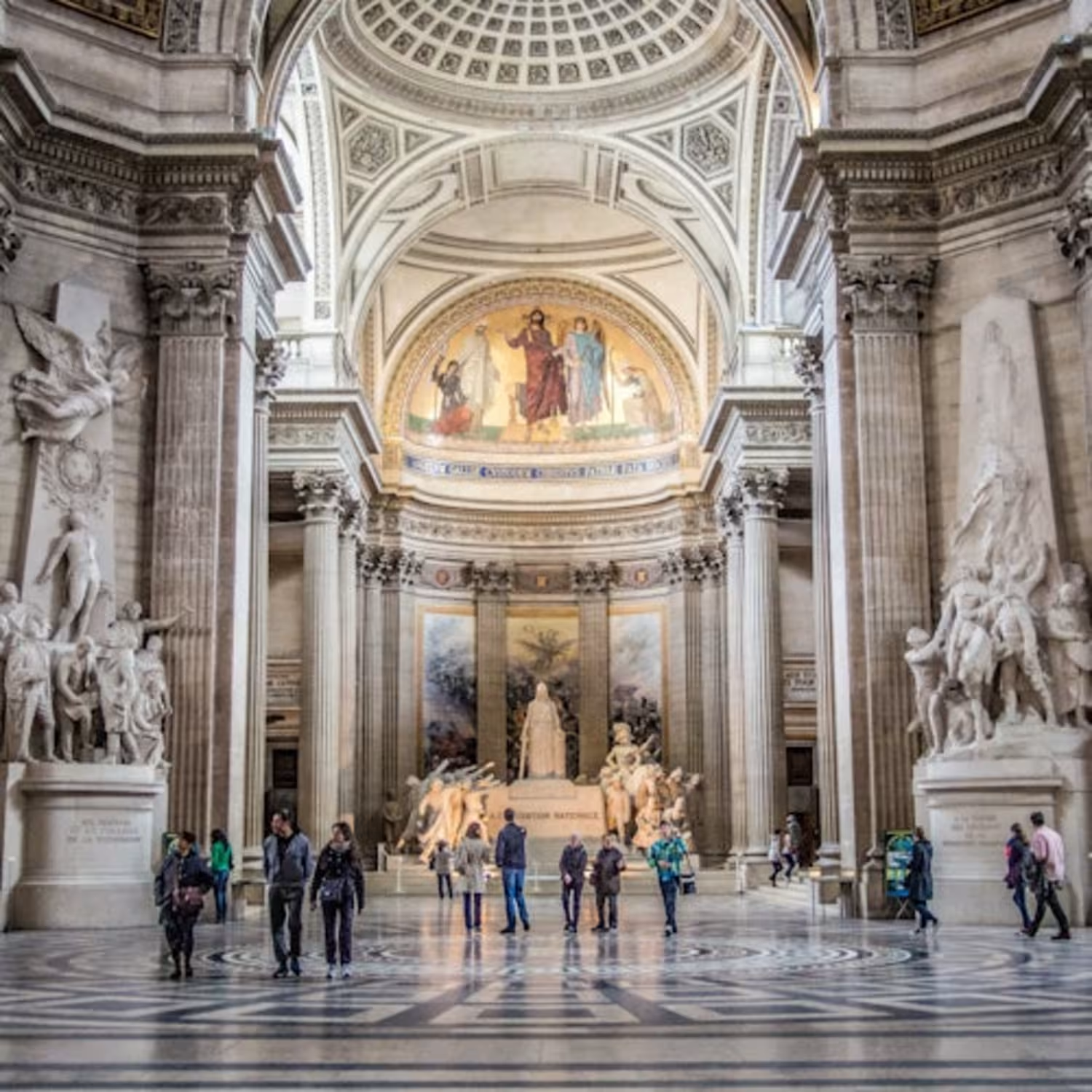
In Paris, in the crypt of the Panthéon, where she shares vault VIII with her husband Pierre. Marie Curie was first buried beside him in the cemetery at Sceaux in 1934, and in 1995 both were transferred to the Panthéon, making her the first woman to rest there on her own merits. Her tomb is one stop on a visit that also takes in Foucault’s pendulum and the rest of the Panthéon in Paris, and the story of how she got there says a lot about how slowly the monument opened its doors to women.

Facts About Marie Curie’s Tomb

She shares vault VIII with Pierre, who was killed in 1906 when a horse-drawn vehicle struck him in the Rue Dauphine.

The transfer took place on 20 April 1995, decided by President François Mitterrand and attended by the Polish president, Lech Wałęsa.

She was the second woman buried in the Panthéon, after Sophie Berthelot in 1907, and the first honoured for her own work.

Her remains were placed in a lead-lined tomb in the Panthéon, as a precaution against radioactivity.

Born in Warsaw in 1867, she named polonium, the first element she and Pierre discovered, after her native Poland.

Her laboratory notebooks are still radioactive, and are expected to stay that way for well over a thousand years.

Marie Curie’s First Burial, at Sceaux
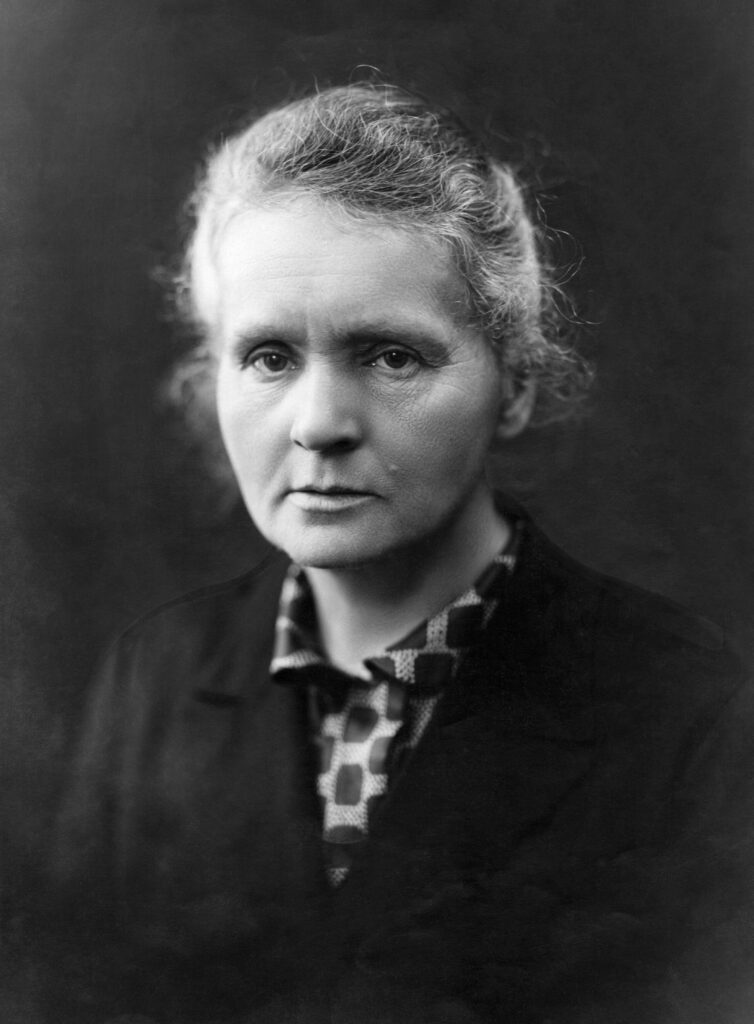
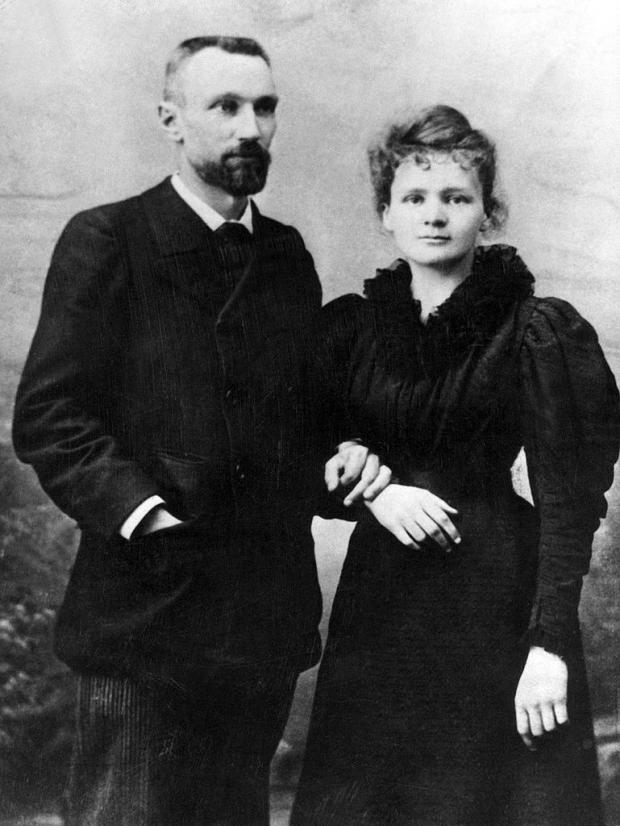
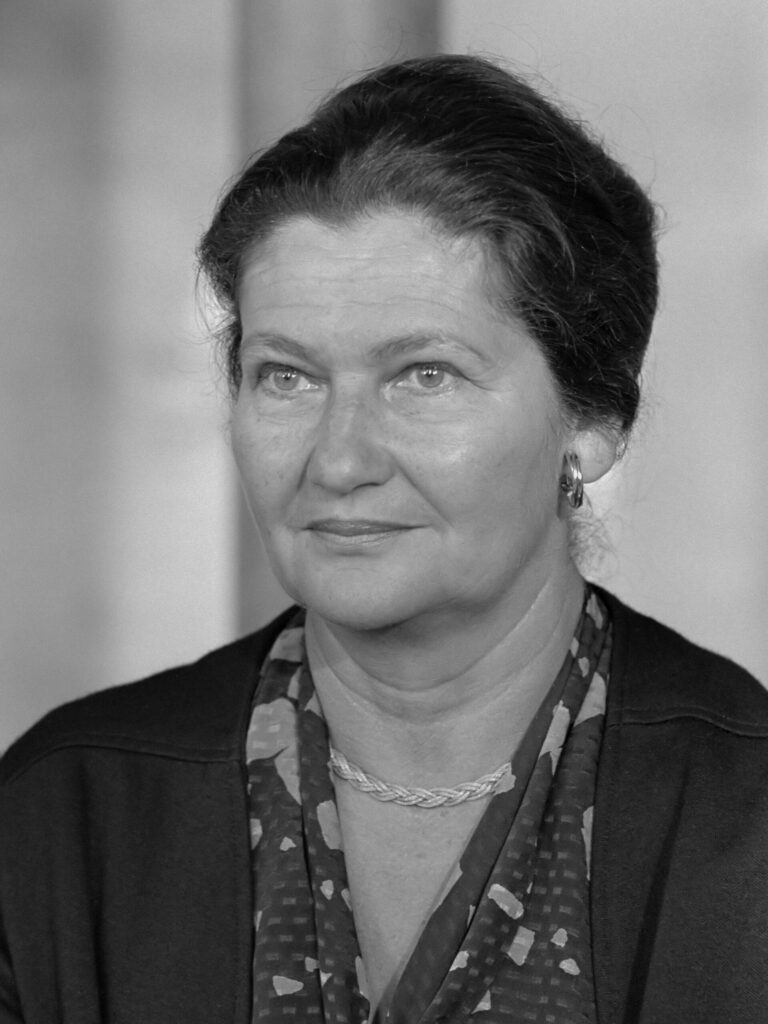
Portrait of Marie Curie, around 1920

Marie Skłodowska came to Paris from Warsaw in 1891 to study, and in 1895 she married Pierre Curie at Sceaux, south of the city. They shared the Nobel Prize in Physics in 1903 with Henri Becquerel, and in 1911 she won the Nobel Prize in Chemistry alone, the first person to receive two Nobel Prizes.

Pierre died in 1906, and the following year she moved to Sceaux to be closer to where he was buried. She kept working for almost three decades more, running what is now the Curie Institute in Paris.

She died on 4 July 1934, aged 66, at the Sancellemoz sanatorium in Haute-Savoie, of aplastic anaemia believed to have been caused by her long exposure to radiation. She was buried at Sceaux, in the Curie family vault beside Pierre, and there the couple stayed for sixty years.

How Marie Curie Came to the Panthéon

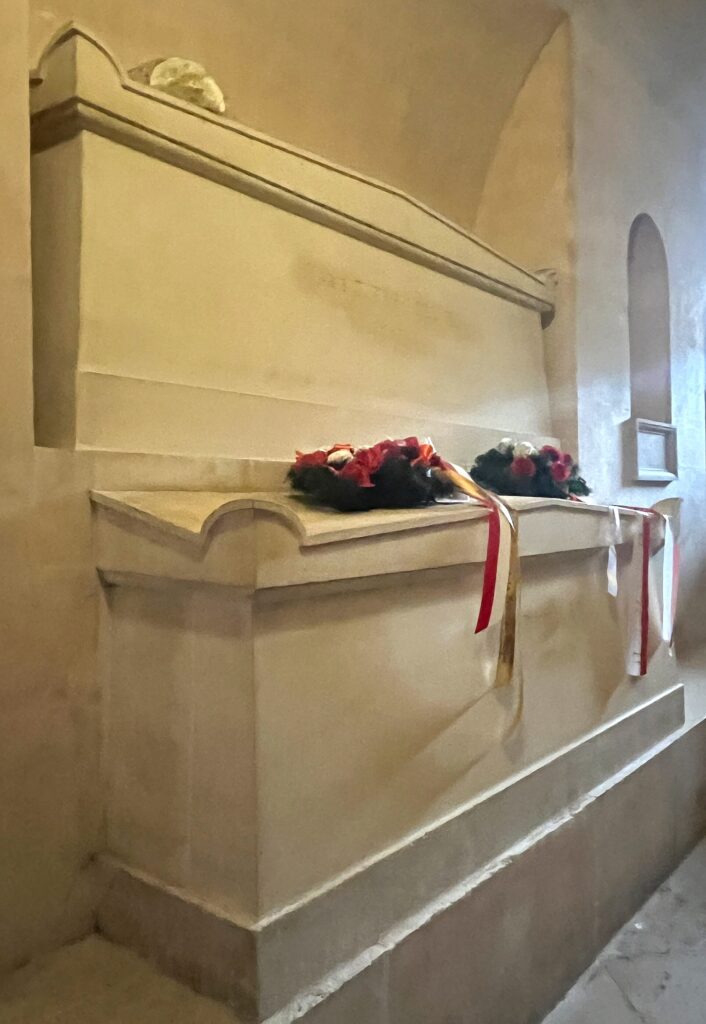
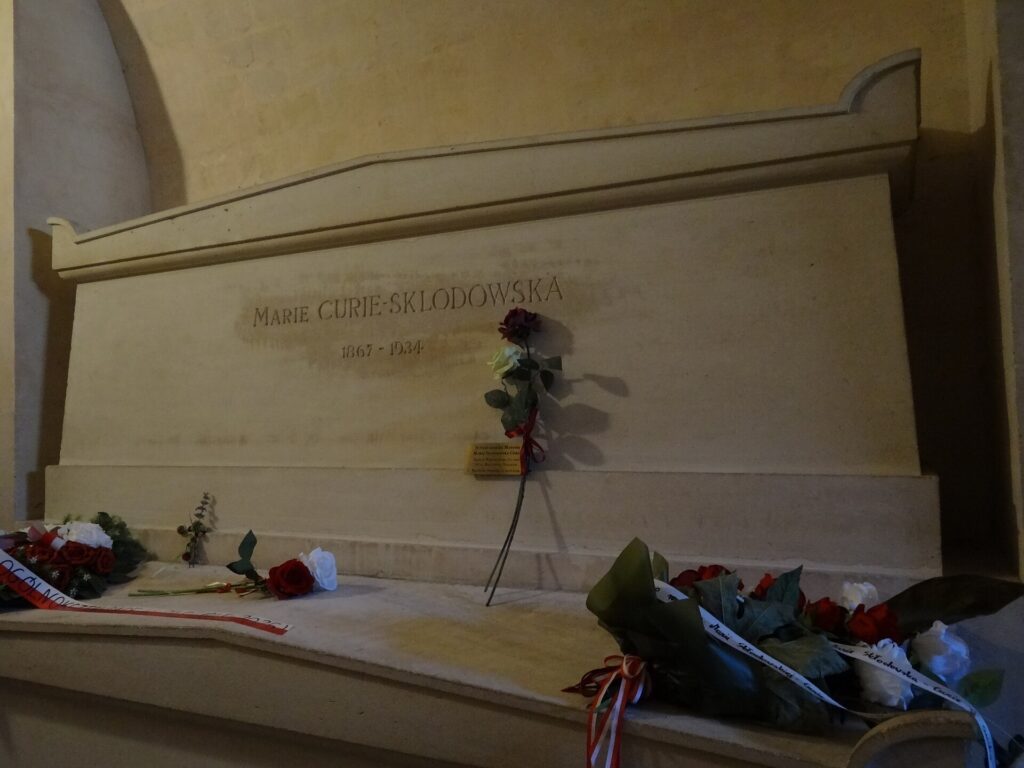
Flowers and ribbons on the tomb of Marie and Pierre Curie in the Panthéon

By the 1990s the Panthéon had honoured dozens of men, and only one woman, Sophie Berthelot, who had been admitted in 1907 so as not to be parted from her husband. President François Mitterrand decided that the Curies would enter together, in honour of their scientific achievements.

On 20 April 1995 their remains were brought from Sceaux and placed in vault VIII of the crypt. The ceremony had a Polish as well as a French dimension: Lech Wałęsa, then President of Poland, attended alongside Mitterrand, fitting for a scientist who never lost her sense of Polish identity.

The move made her the first woman in the Panthéon on her own merits, and for twenty years she remained the only one, until two women of the Resistance followed in 2015.

Is Marie Curie’s Coffin Radioactive?

The stone tombs of Marie and Pierre Curie in the Panthéon crypt

The worry was reasonable. Curie had handled radium for decades without protection, and during the First World War she also ran mobile X-ray units for field hospitals. Her original coffin already held a layer of lead between two layers of wood, and in the Panthéon her remains were placed in a lead-lined tomb.

When the body was exhumed in 1995, however, the French radiation-protection office found only low residual radioactivity. It concluded that she could not have been exposed to lethal levels of radium while alive, and suggested her illness owed more to her wartime X-ray work, since radium is dangerous mainly when ingested.

The lead, in other words, was a precaution rather than a necessity. What does stay radioactive are her papers: radium-226 has a half-life of about 1,600 years, so her notebooks will remain so for well over a millennium.

Seeing Marie Curie’s Tomb for Yourself

The Curies’ tomb is in vault VIII of the crypt, which a standard visit includes, so there is nothing extra to book. Take your time on the way: vault XXV holds Berthelot, Perrin and Langevin, so a single walk through the crypt covers most of the scientists the Panthéon honours, before you climb back up to the pendulum under the dome.

Visit the Paris Pantheon

Highlights

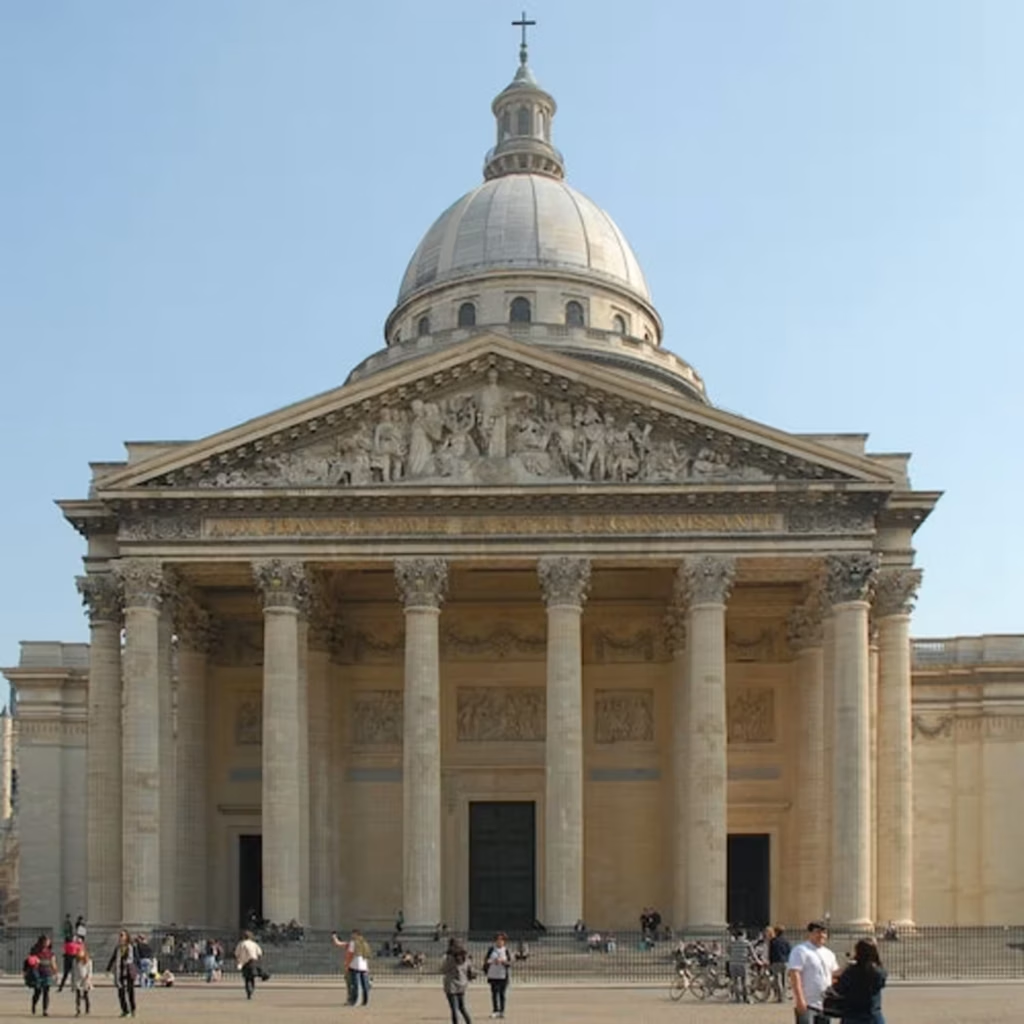
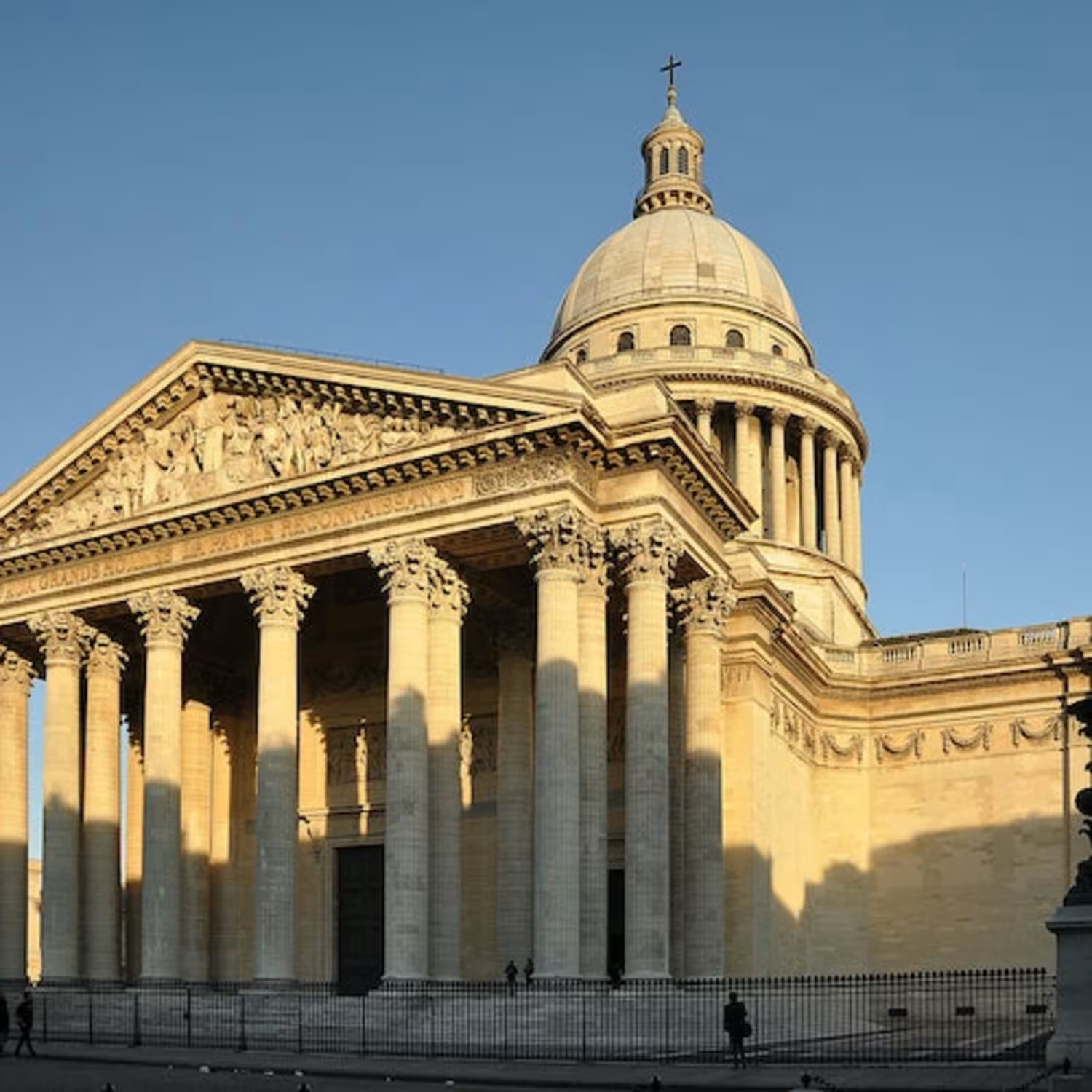
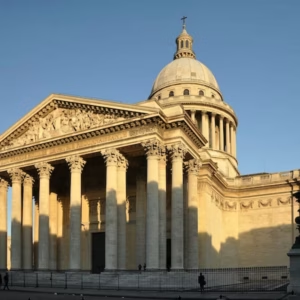
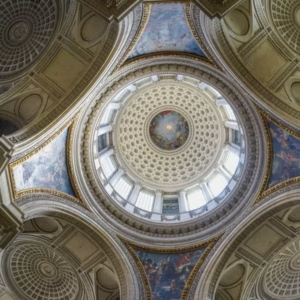
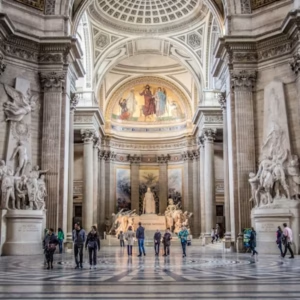
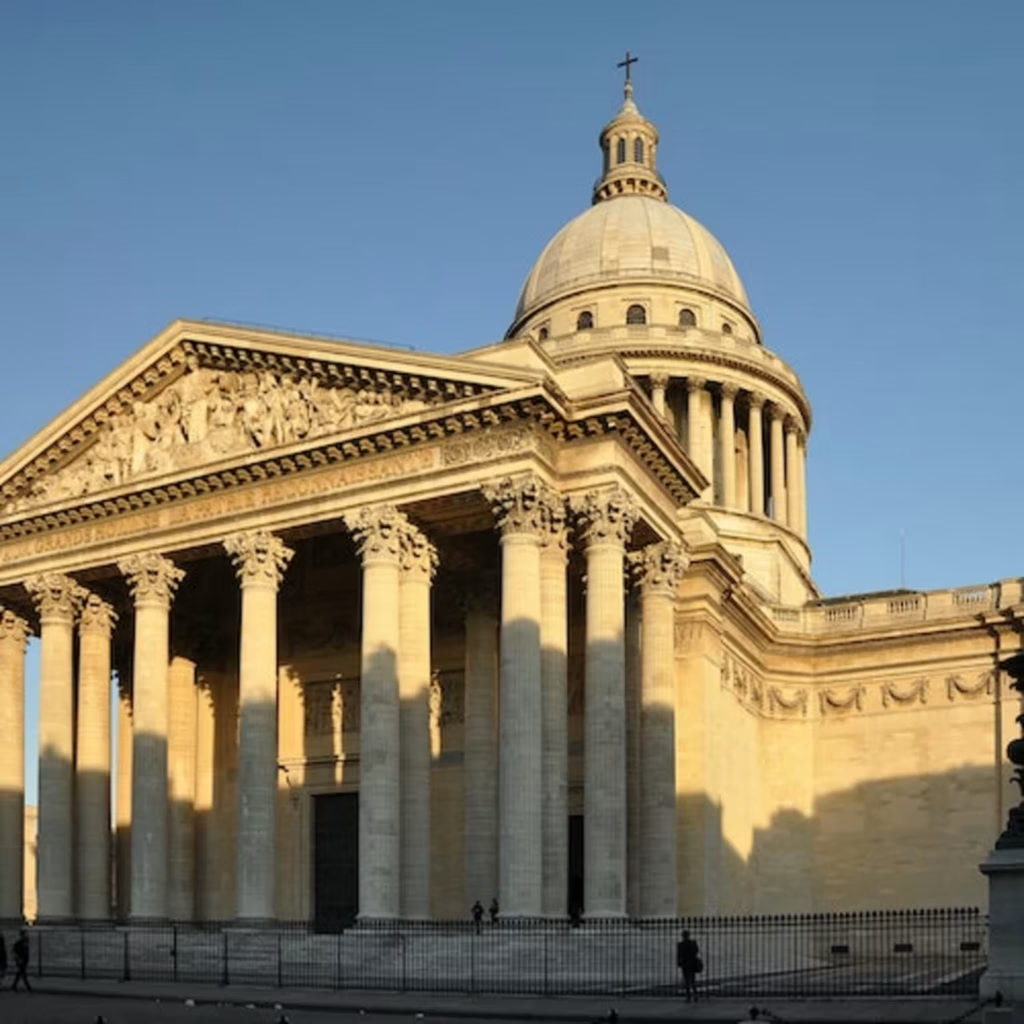
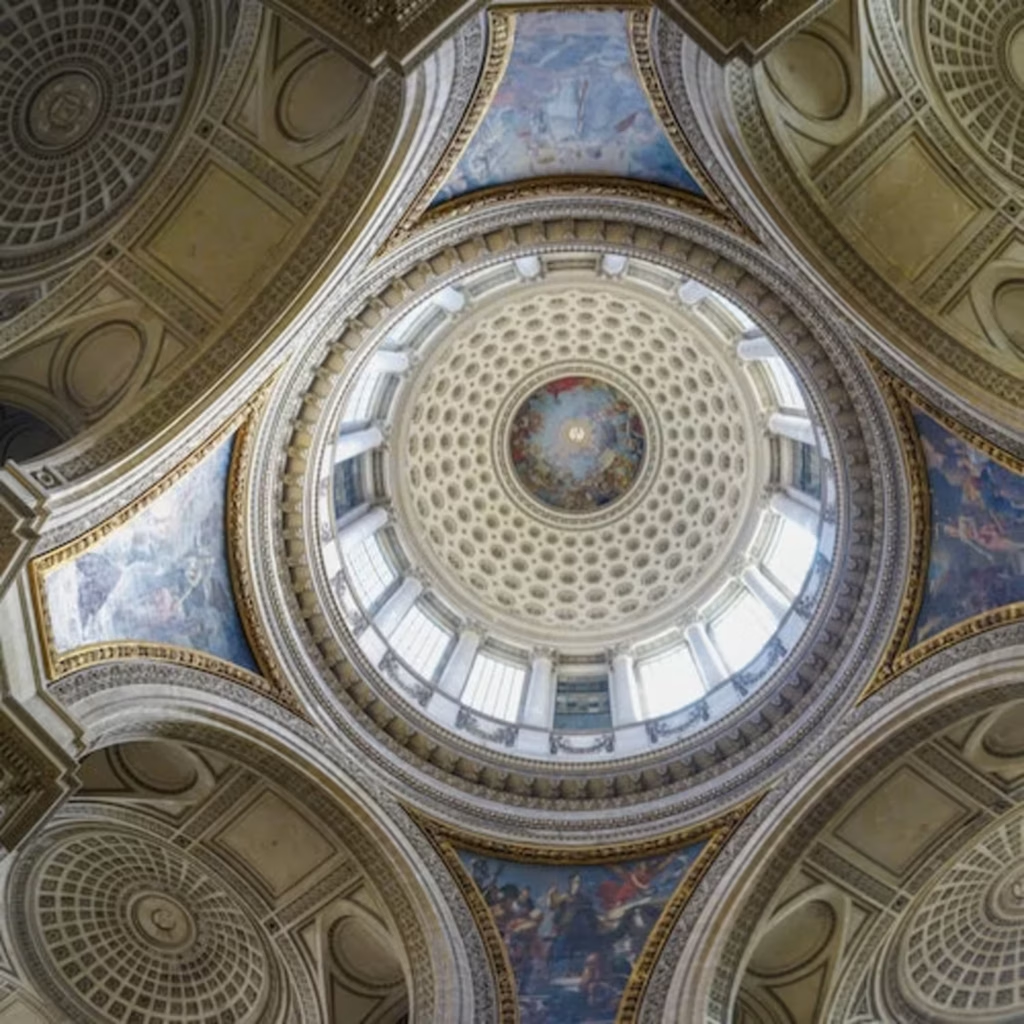
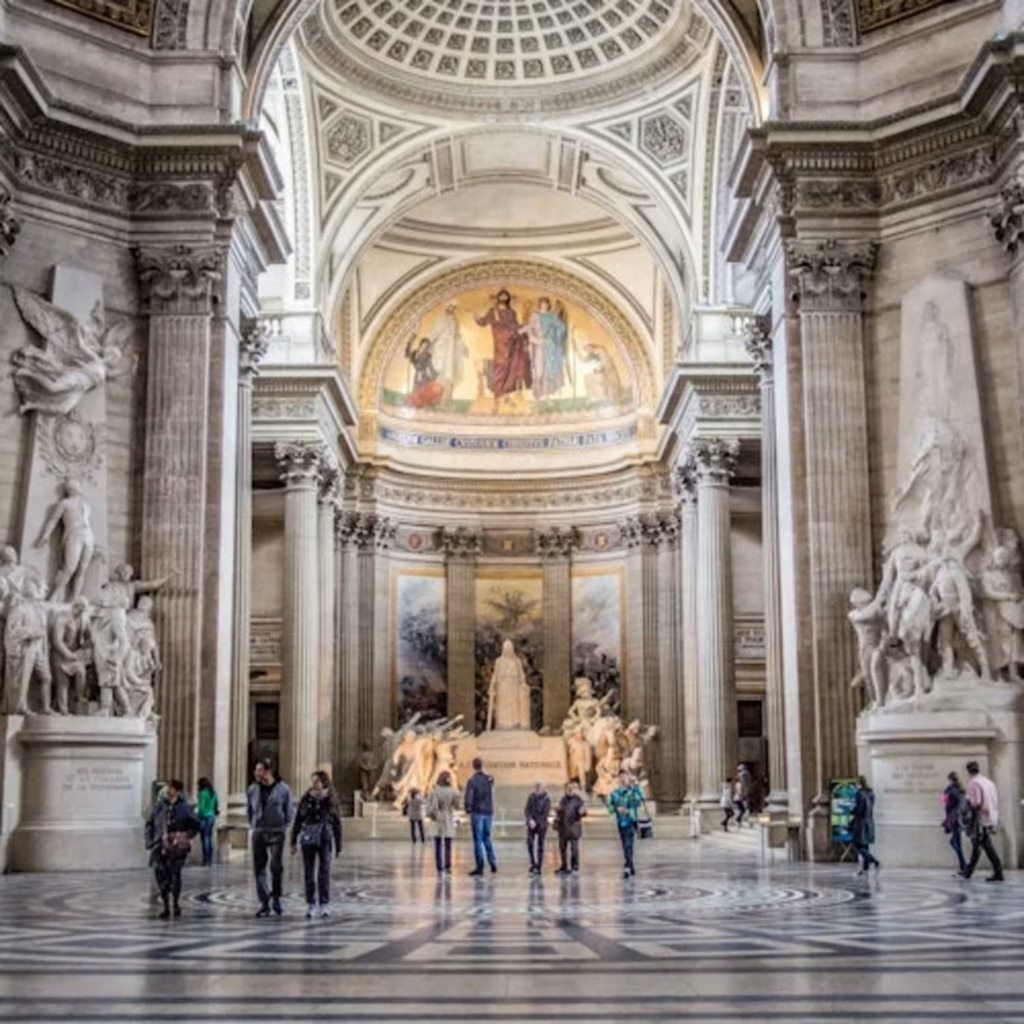
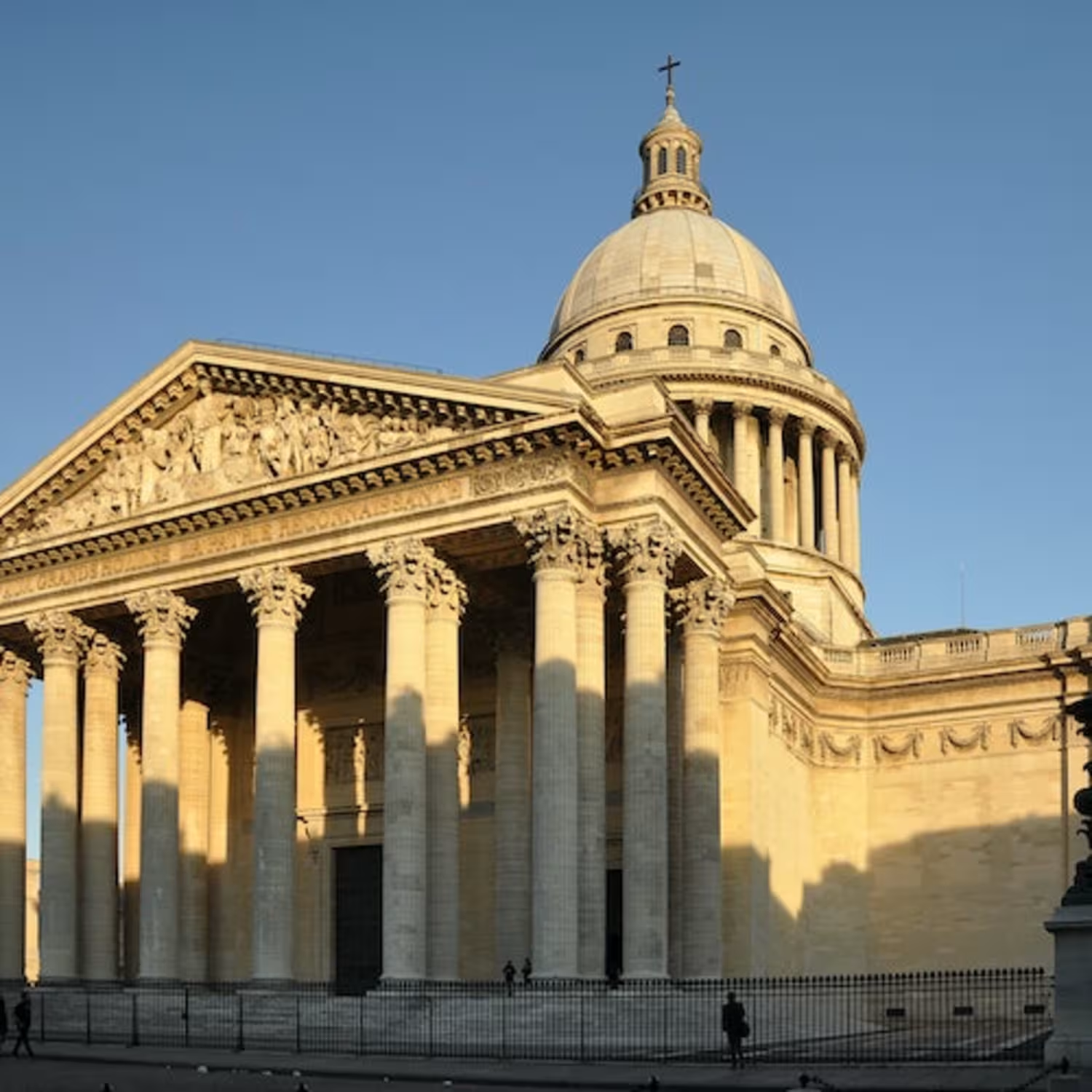
Explore an elegant neoclassical structure located atop Montagne Sainte Geneviève.

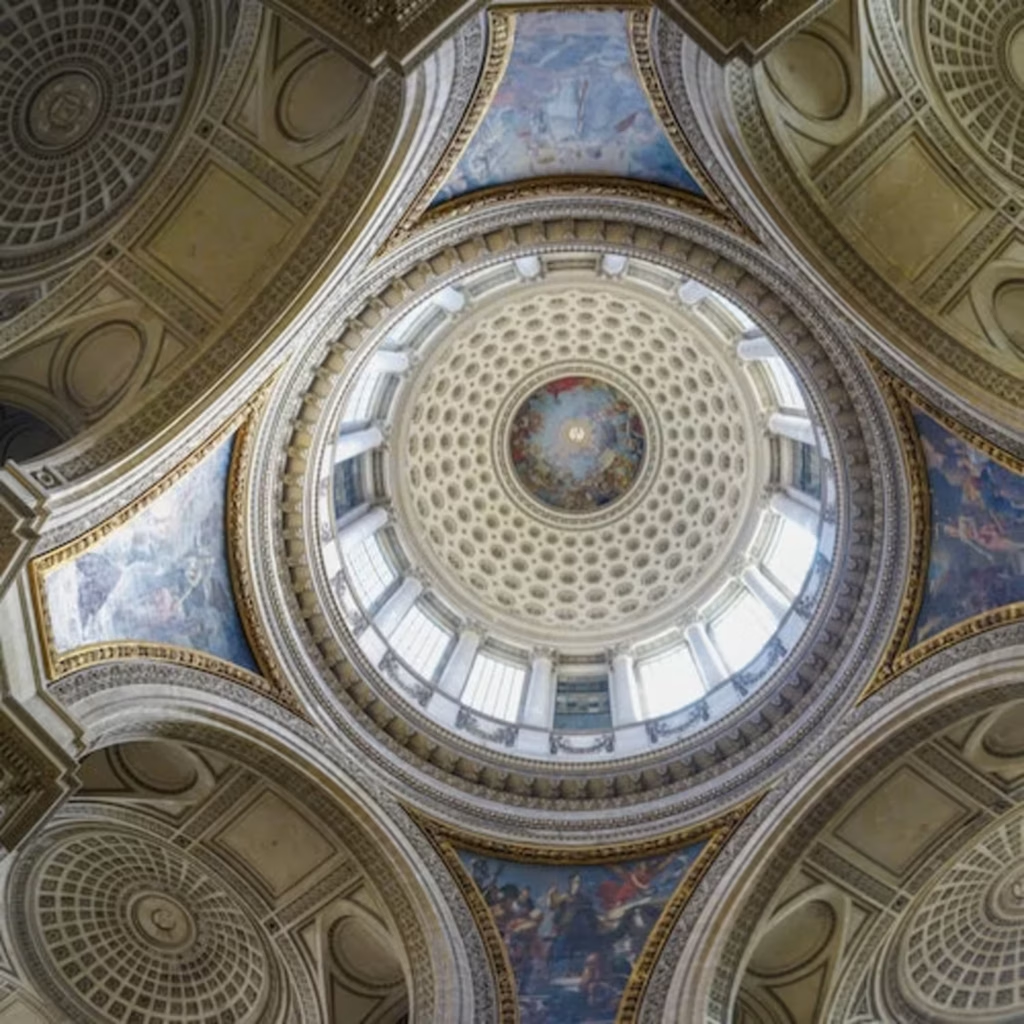
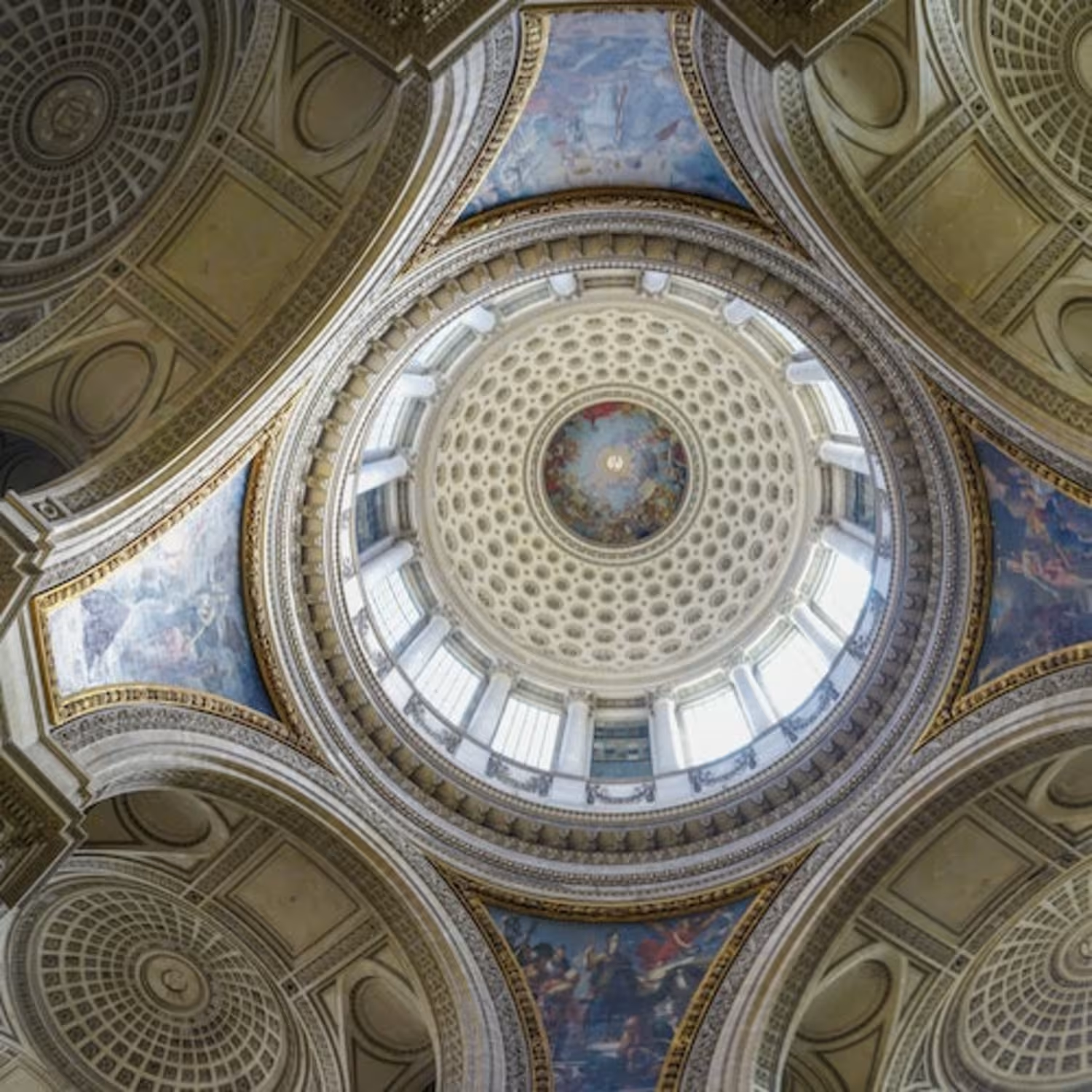
Discover captivating murals portraying the origins of Christianity.

Visit the crypt housing the resting places of France’s illustrious figures.

Witness the famous Foucault’s pendulum demonstrating Earth’s rotation.

Enjoy panoramic views over Paris from the monument’s position in the Latin Quarter.
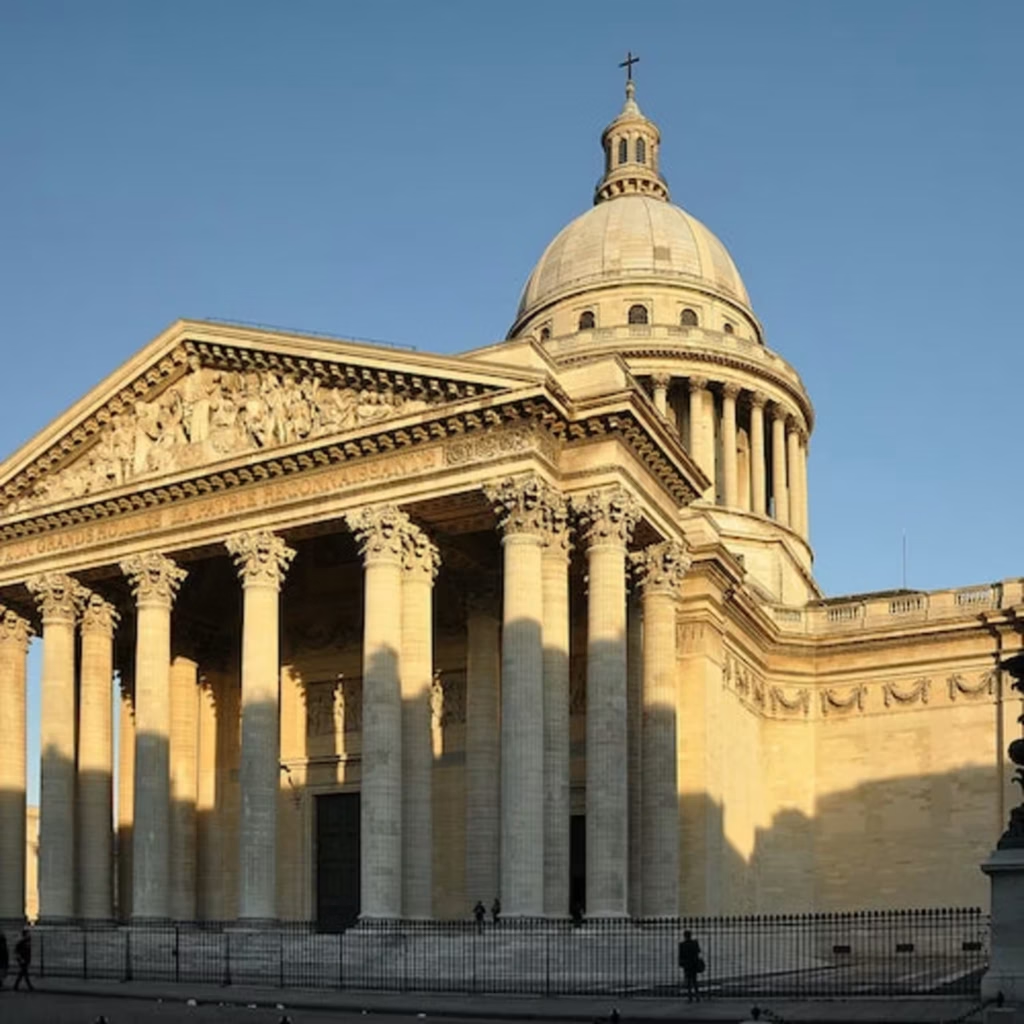
Ticket-free access to the Panthéon & Saint-Denis Cathedral Basilica

Highlights

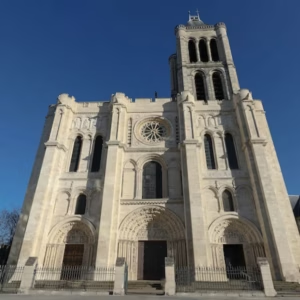
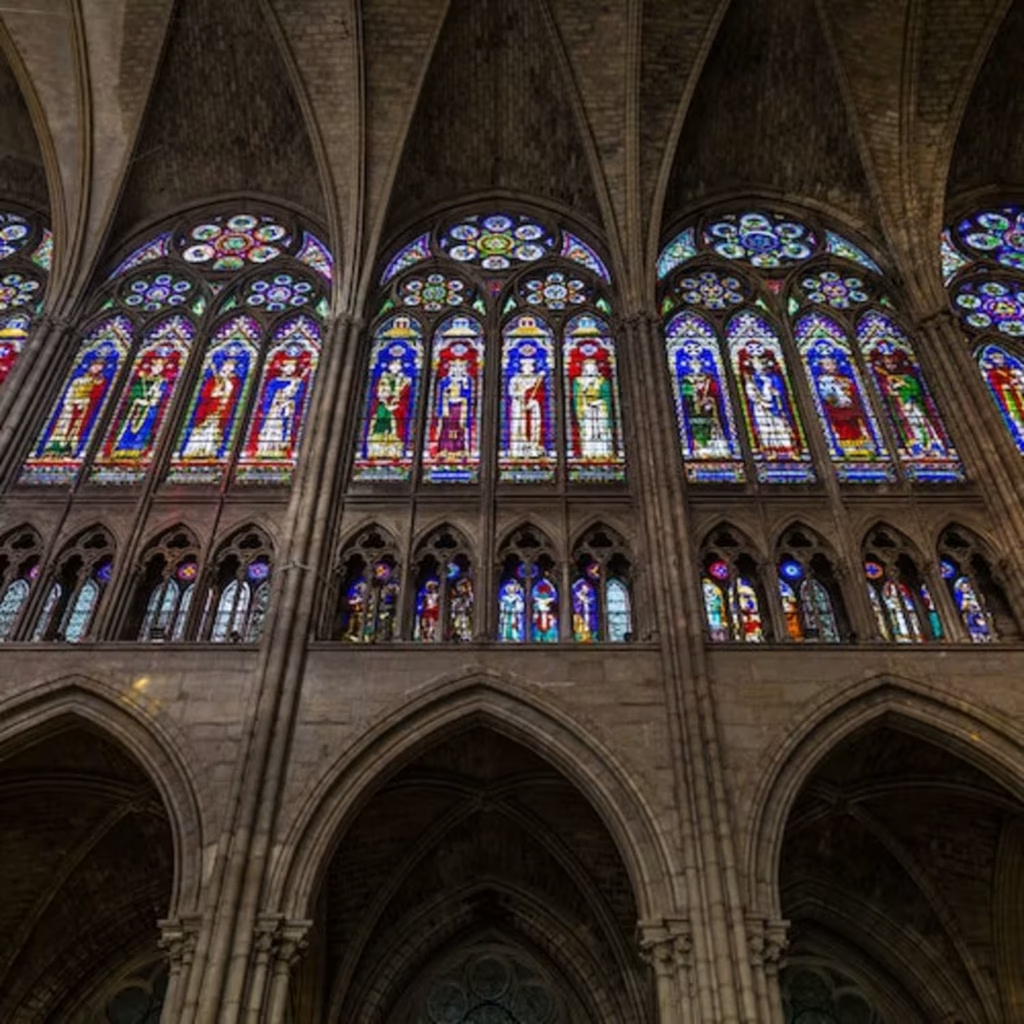
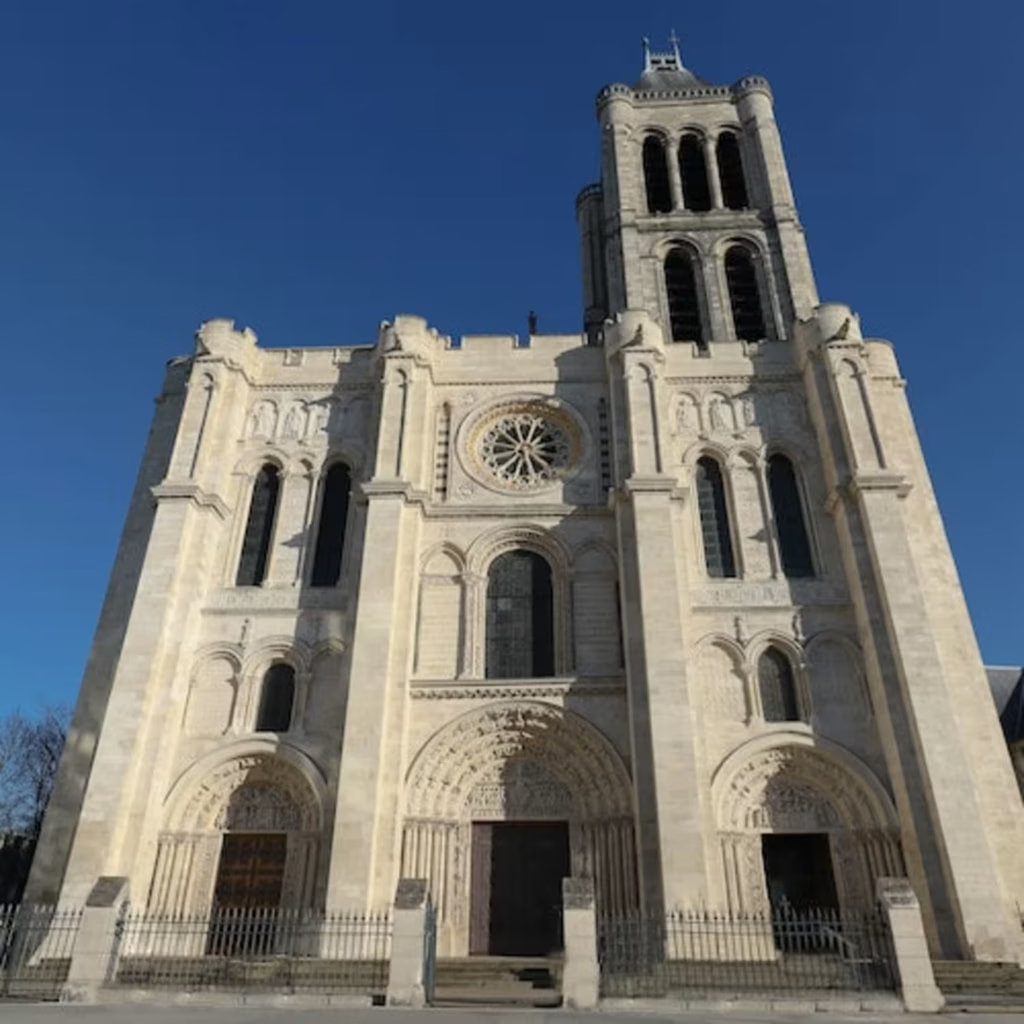
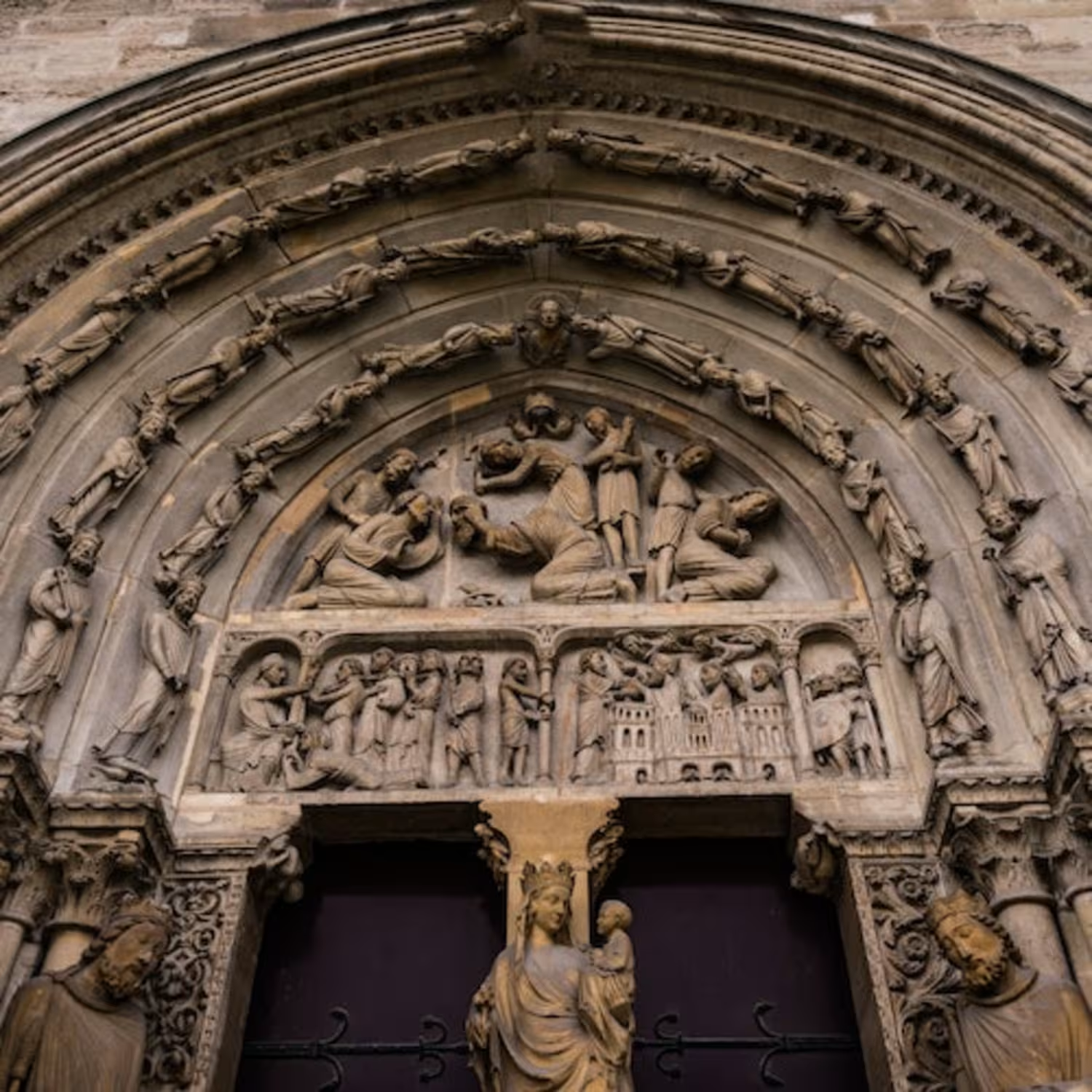
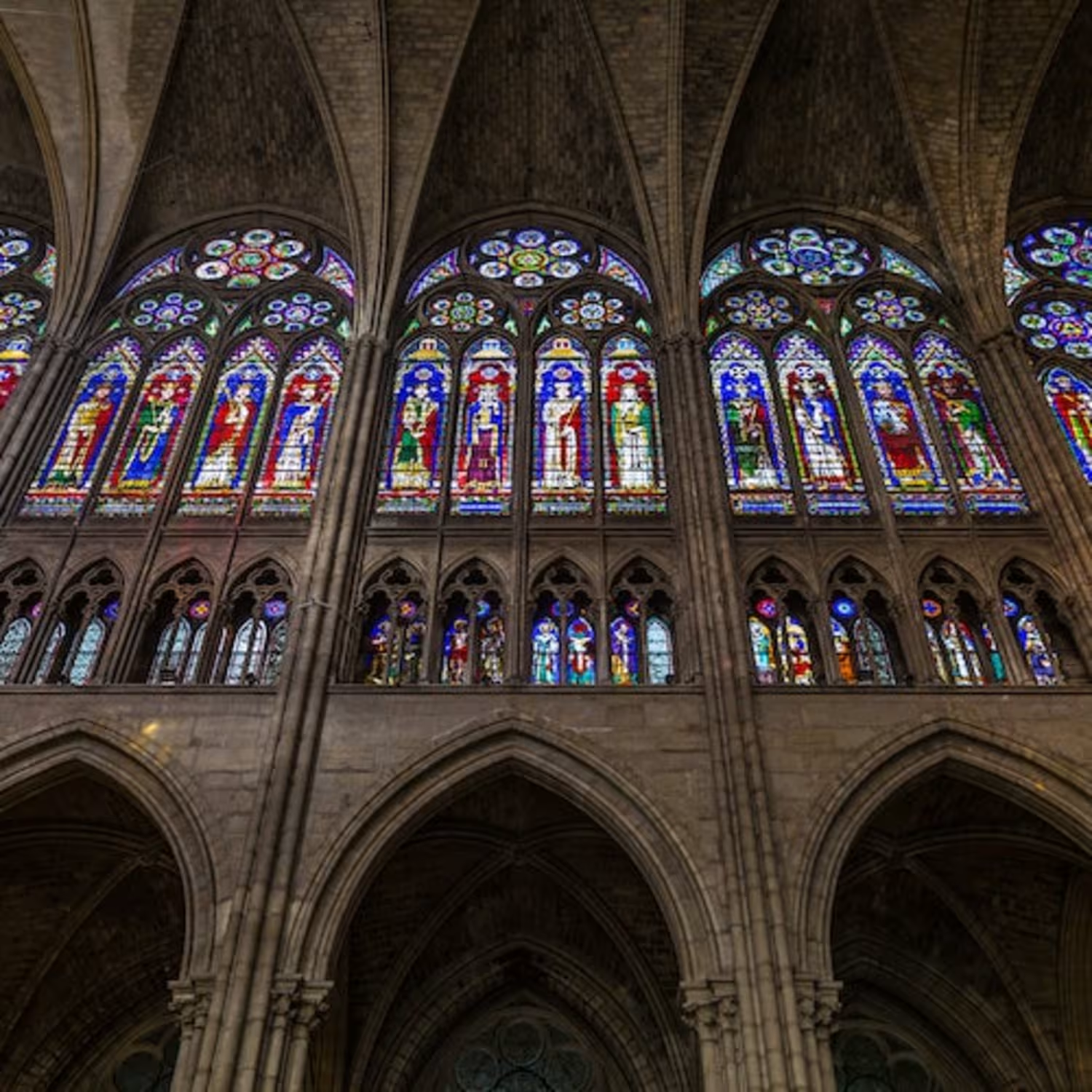
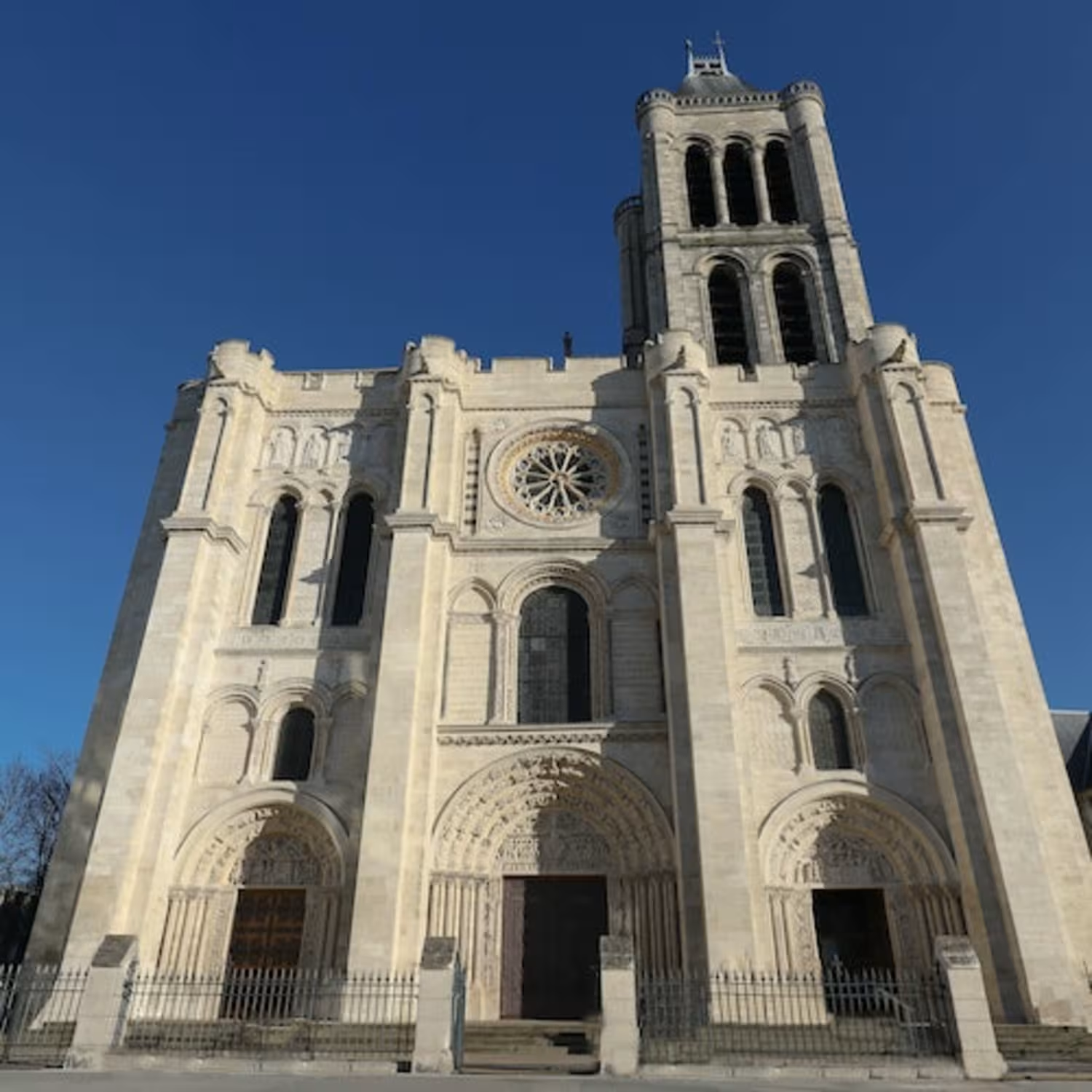
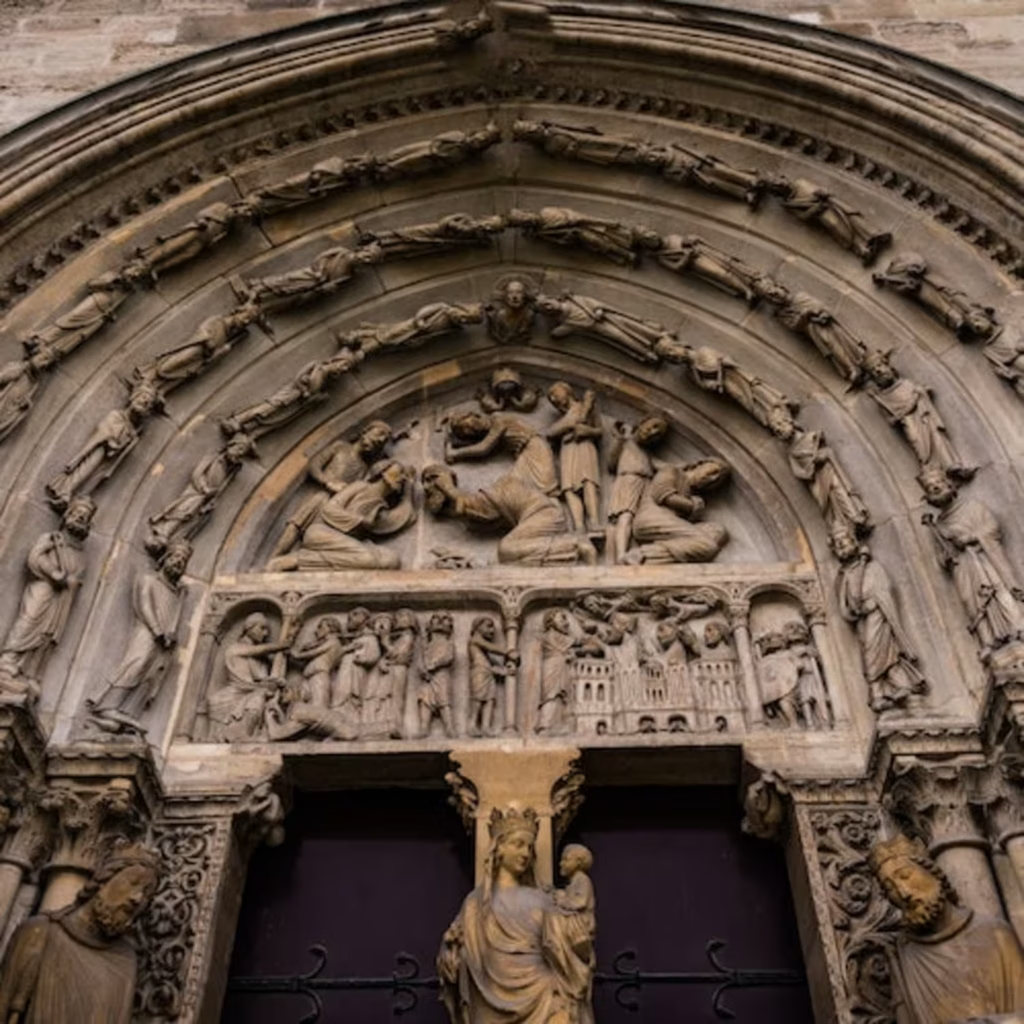
Gain admission to both the historically rich Panthéon and the majestic Basilica of Saint-Denis.

Discover the resting places of notable French figures, including royalty and renowned intellectuals.

Enjoy the impressive architecture and artistic details inside these famous landmarks.

Visit at your leisure with tickets valid throughout their respective open hours.

Benefit from a convenient combined ticket ideal for a thorough cultural experience.
Questions About Marie Curie’s Grave

Where is Marie Curie buried?

In vault VIII of the crypt of the Panthéon in Paris, beside her husband Pierre. They were moved there in 1995 from the cemetery at Sceaux.

When was Marie Curie moved to the Panthéon?

On 20 April 1995, by decision of President François Mitterrand, in a ceremony attended by the Polish president, Lech Wałęsa.

Was Marie Curie buried in a lead coffin?

Her original coffin contained a layer of lead between two layers of wood, and in the Panthéon her remains were placed in a lead-lined tomb as a precaution.

Is Marie Curie’s grave radioactive?

Measurements taken when her body was exhumed in 1995 found only low residual radioactivity. Her laboratory notebooks, by contrast, remain radioactive.

Is Pierre Curie buried with Marie Curie?

Yes. They were buried together at Sceaux and transferred together to the Panthéon, where they share vault VIII.

Can you visit Marie Curie’s tomb?

Yes. It is in the crypt of the Panthéon, which is part of a standard visit.

Why is Marie Curie in the Panthéon?

In honour of her scientific work on radioactivity, which earned her Nobel Prizes in 1903 and 1911. She was the first woman admitted on her own merits.

What did Marie Curie die of?

Aplastic anaemia, believed to have been caused by long exposure to radiation. She died on 4 July 1934 at the Sancellemoz sanatorium in Haute-Savoie.

This website sells official tickets for this venue. Please note, however, that it is not the official website of the venue.

The images and videos on this website may contain visual elements that have been created or enhanced using AI technology. They are provided for illustrative purposes only.