We are processing your request.
Please, don’t close or refresh the page.
Paris Tickets Pantheon Paris Simone Veil
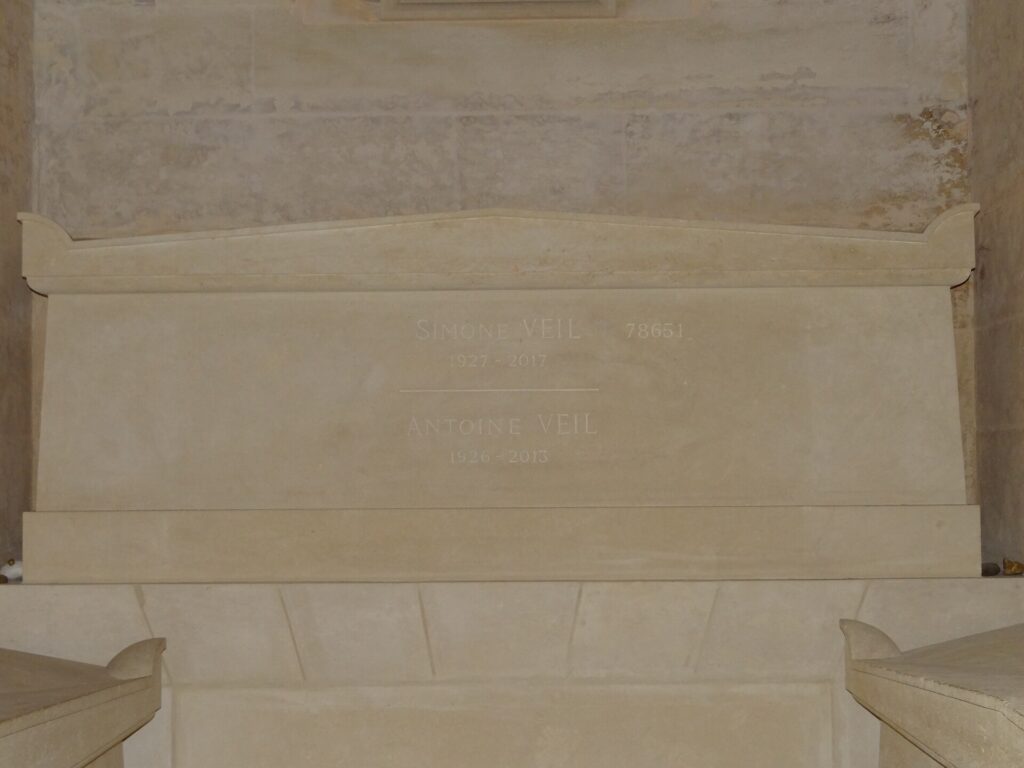
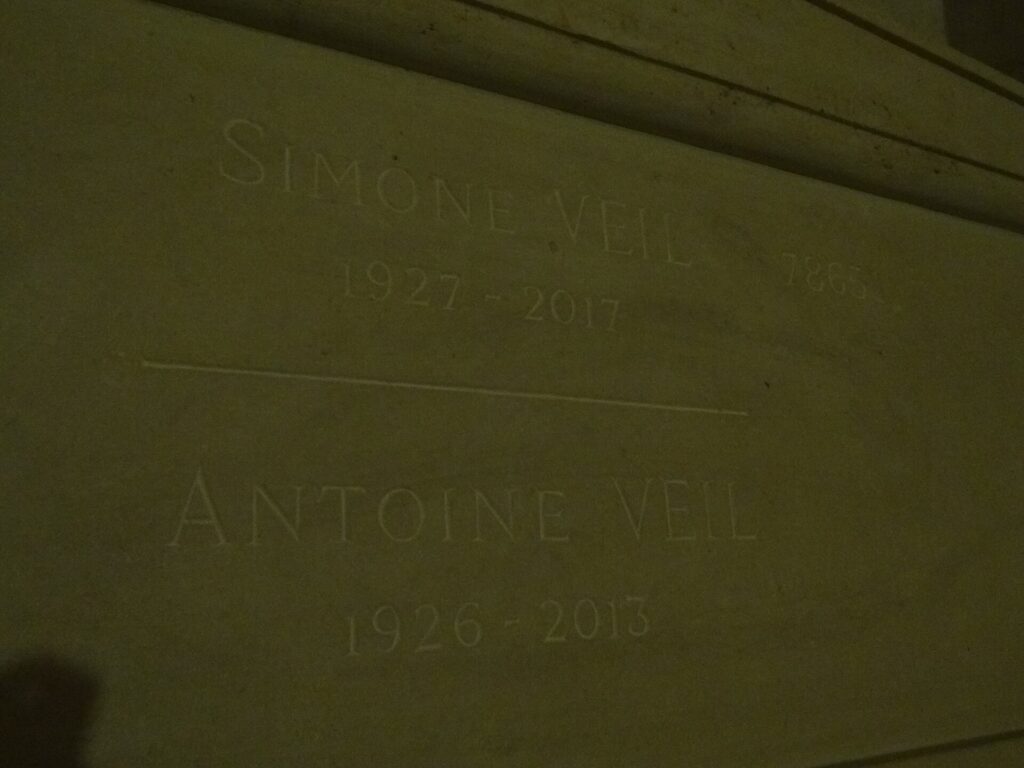
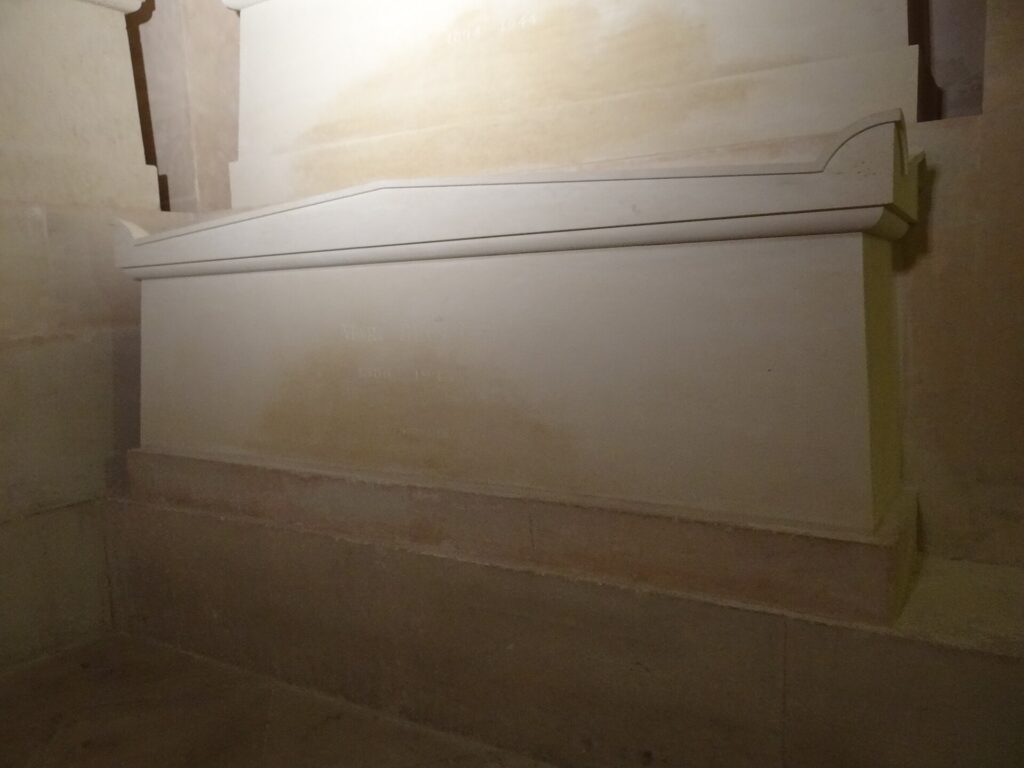
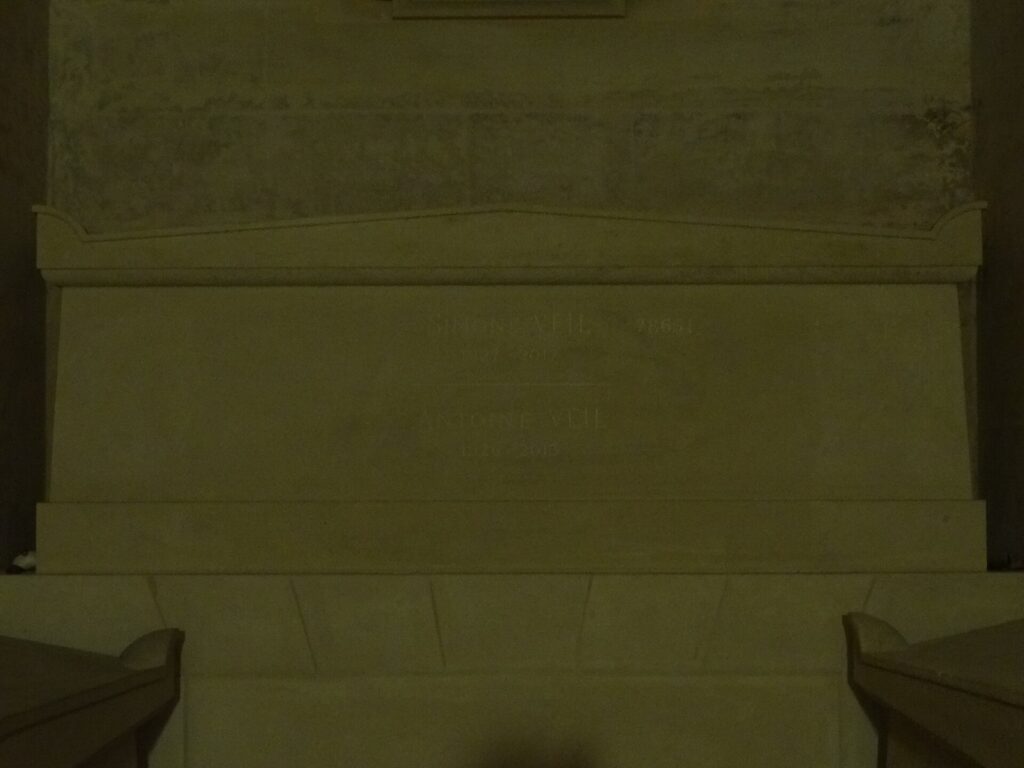
The tomb of Simone and Antoine Veil in vault VI of the Panthéon crypt, Paris

Simone Veil in the Panthéon: Her Tomb and Her Story

Auschwitz survivor, magistrate, health minister and the first elected president of the European Parliament, Simone Veil lies with her husband Antoine in the crypt of the Panthéon.

Why Simone Veil Is in the Panthéon

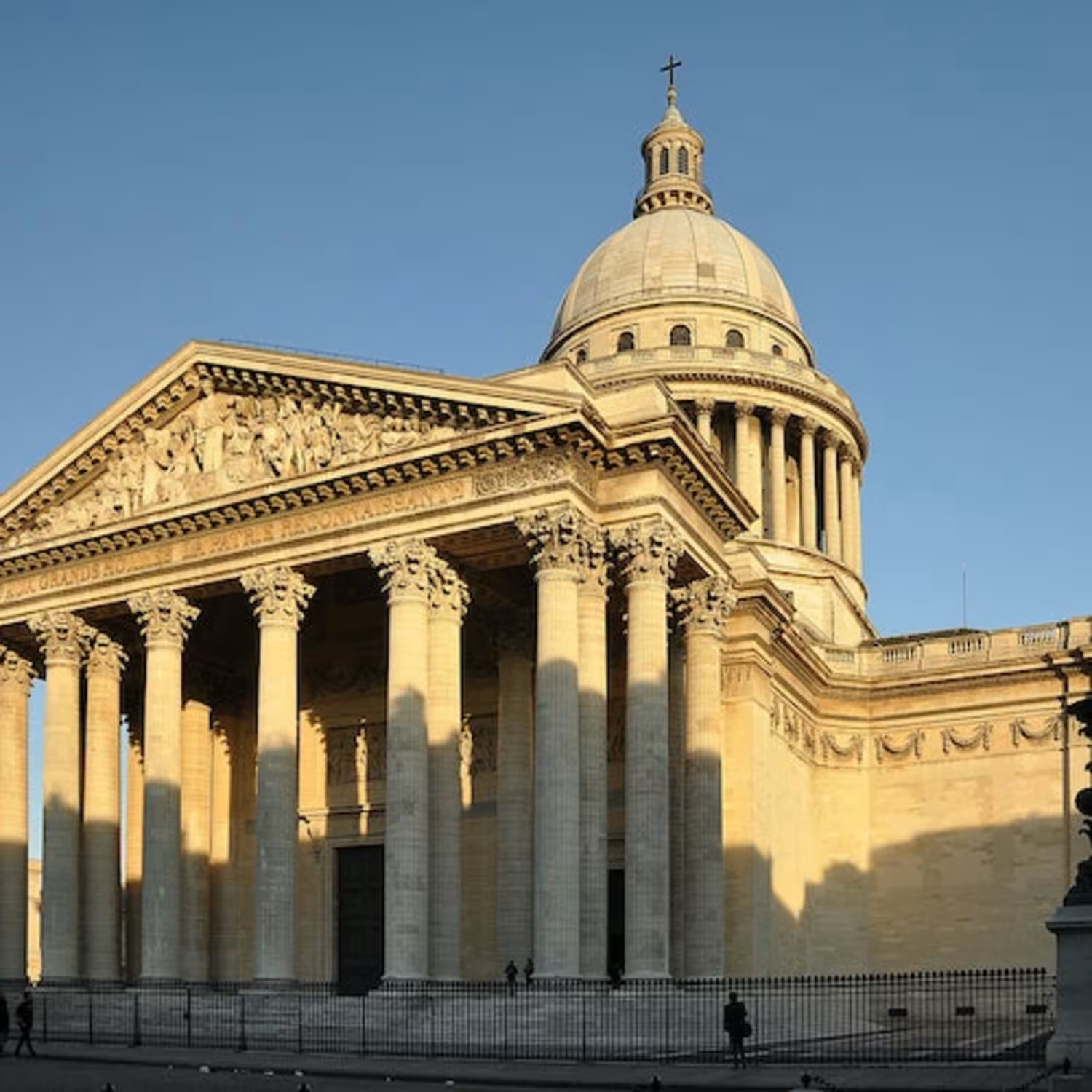
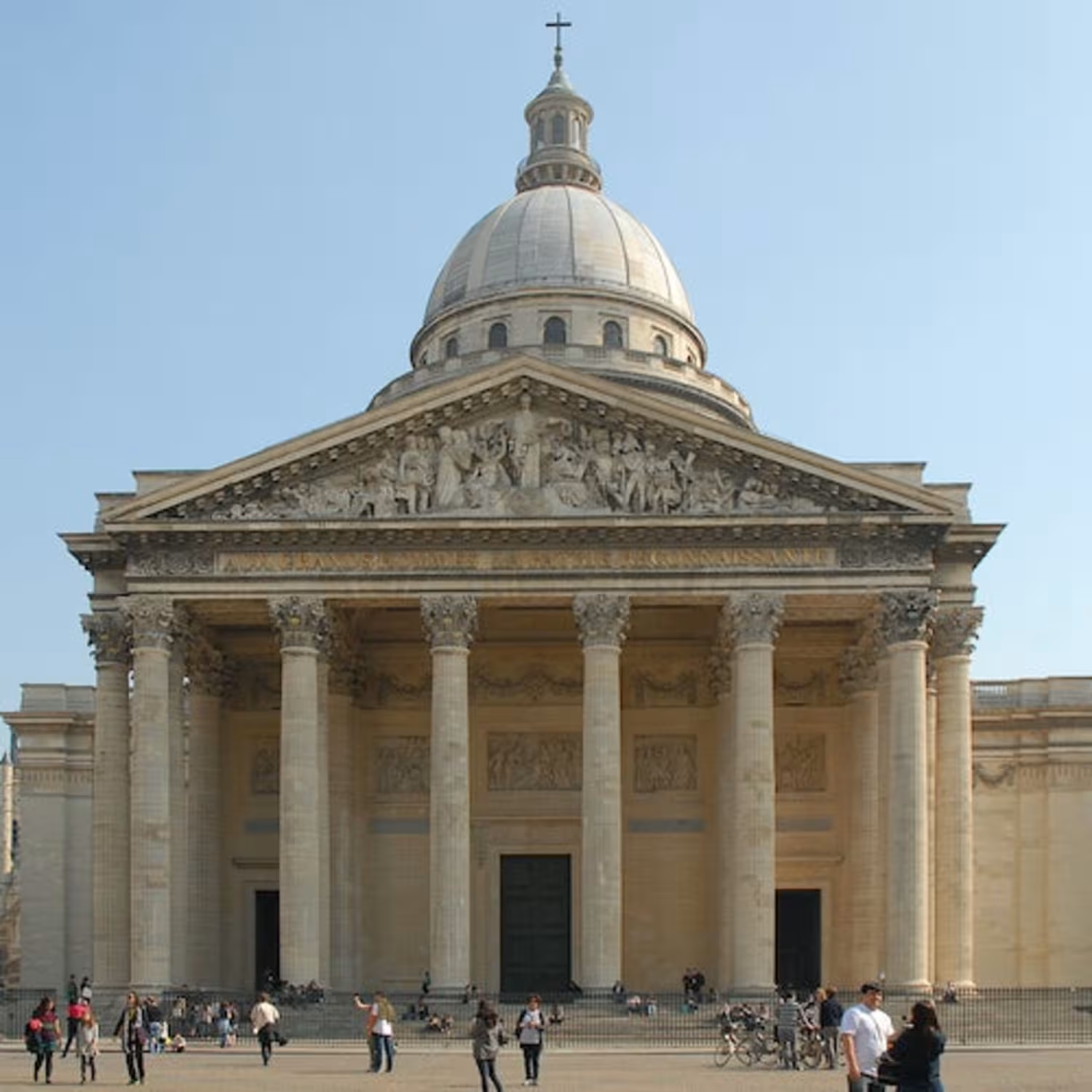
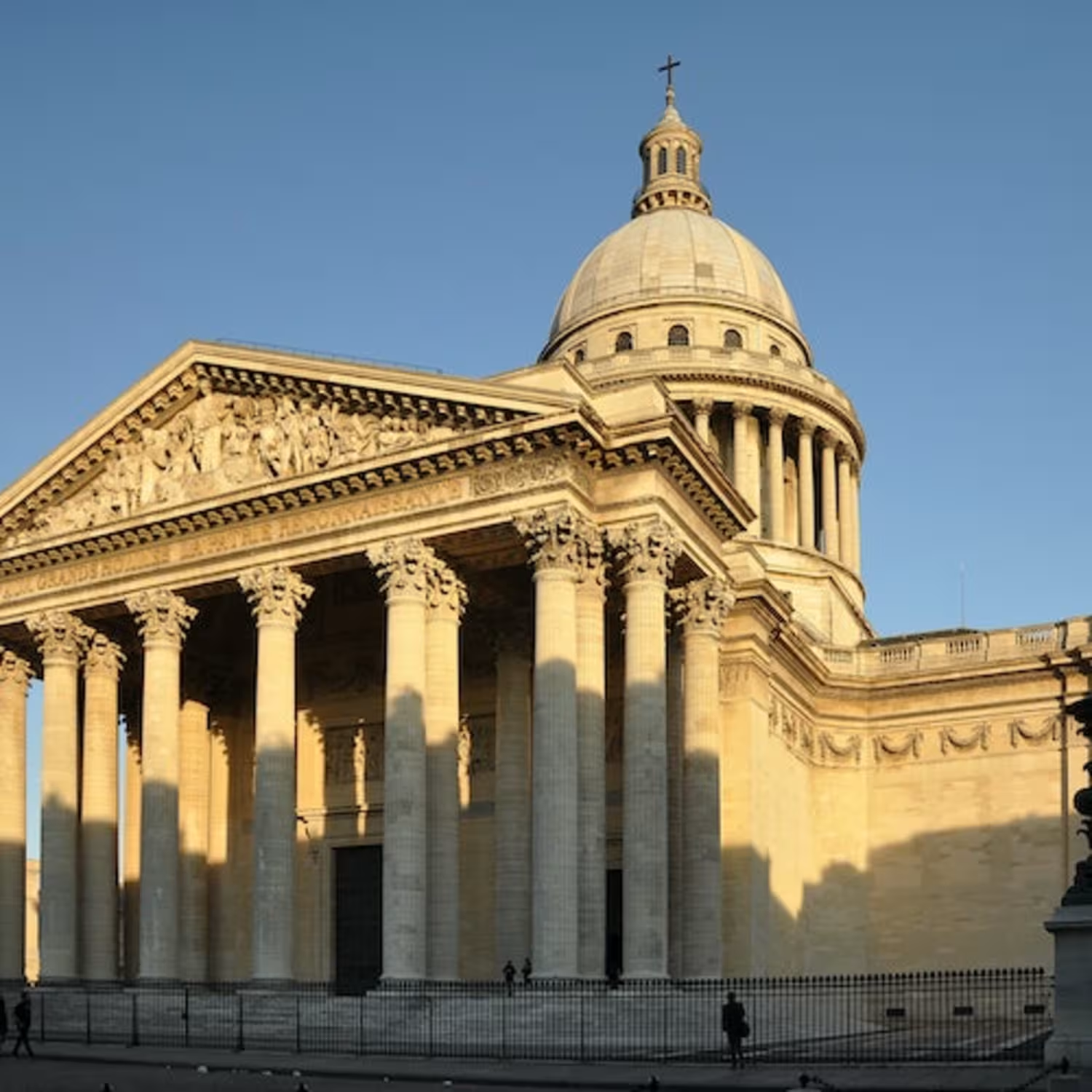
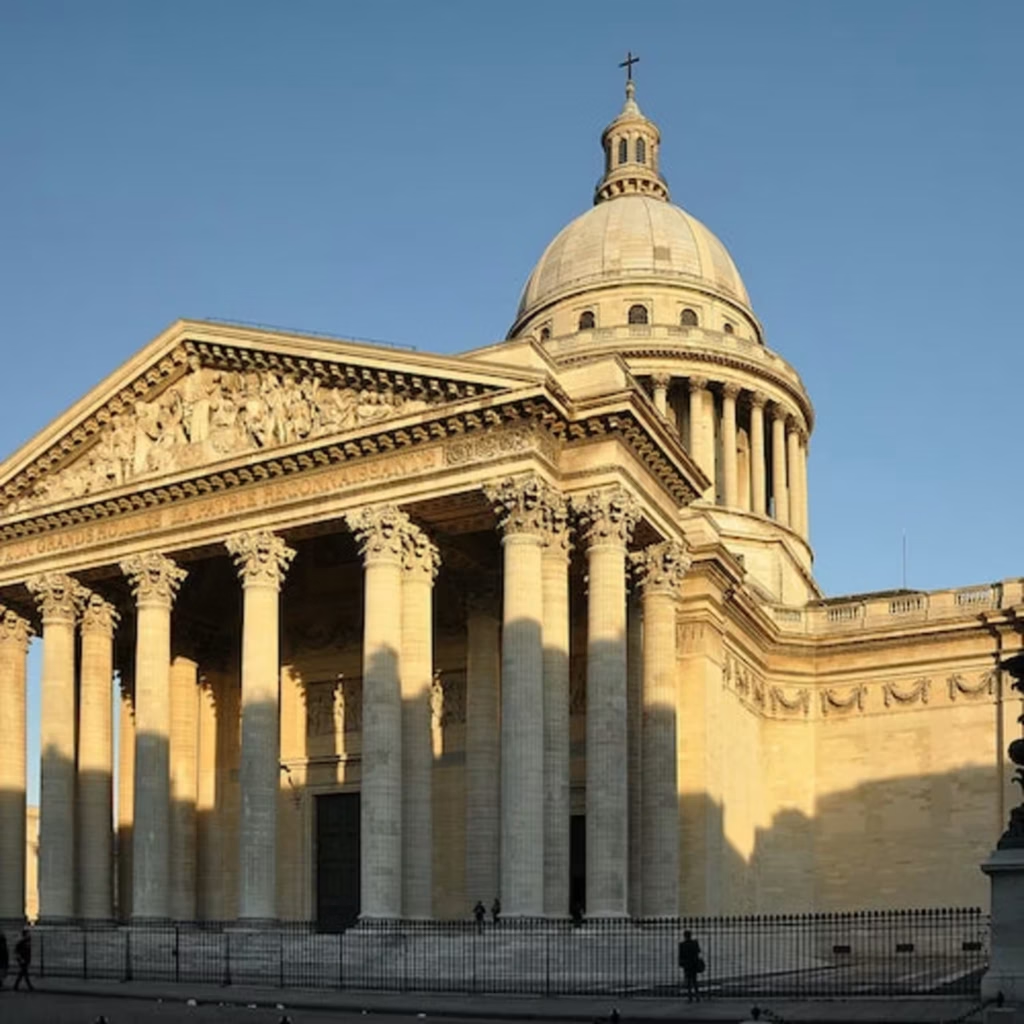
Simone Veil was honoured for a life that ran from the camps to the heart of French and European politics. Deported to Auschwitz at 16, she came back to become a magistrate, the health minister who carried the 1975 law legalising abortion, and the first woman elected president of the European Parliament. After her death in 2017 President Emmanuel Macron announced that she and Antoine would enter the Panthéon and its motto, Aux grands hommes la patrie reconnaissante, and in 2018 she became the fifth woman honoured there.

Simone Veil at a Glance

She was born Simone Jacob in Nice on 13 July 1927, into a Jewish family; her father André was an architect.

She was arrested by the Gestapo in March 1944, the day after passing her baccalauréat, aged 16.

Her Auschwitz number, 78651, is engraved on her Académie française sword, with the mottos of France and of the European Union.

The Veil law legalising abortion in France was adopted on 17 January 1975.

She sat on the Constitutional Council from 1998 to 2007 and presided over the Fondation pour la Mémoire de la Shoah.

In 2008 she became only the sixth woman elected to the Académie française.

Simone Veil at Auschwitz and Bergen-Belsen
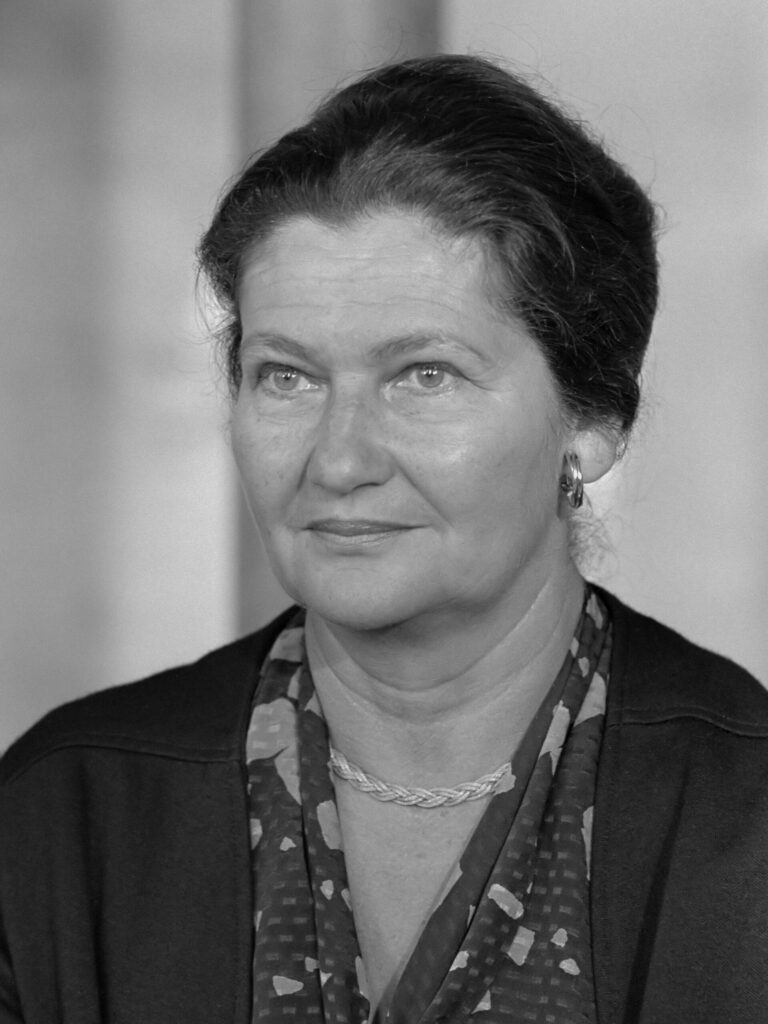
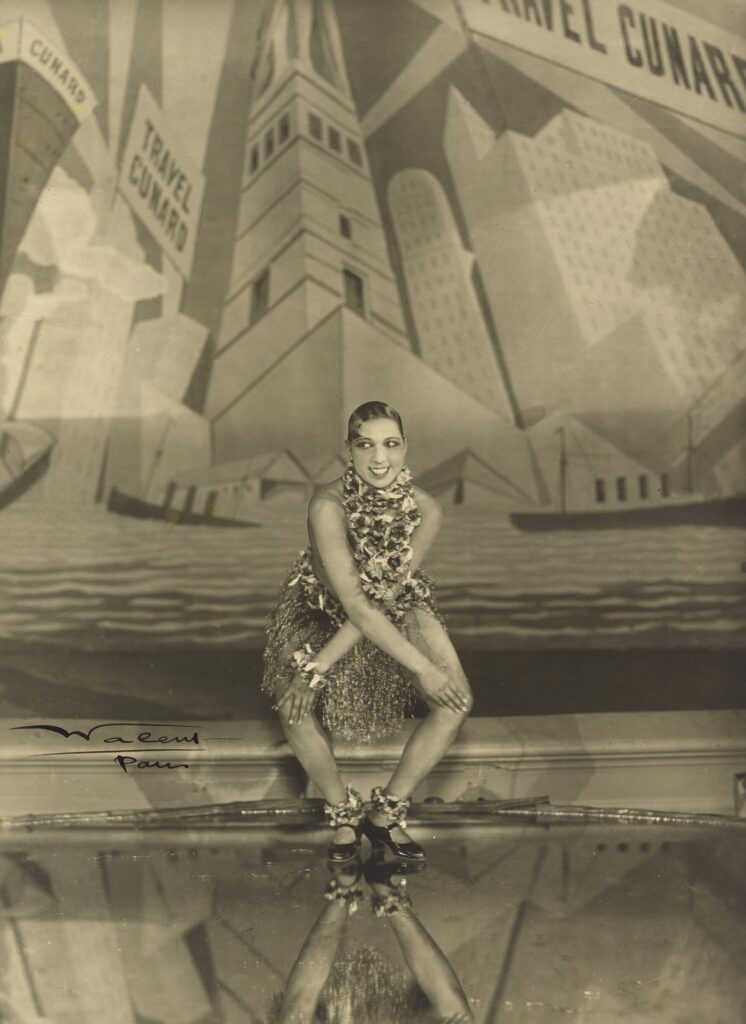
Pantheon Simone Veil in 1984

Nice lay in the Italian occupation zone, and for a time the Jacob family escaped the round-ups, living apart under false identities. In March 1944 the Gestapo arrested Simone, then the rest of the family. On 7 April she was taken to Drancy with her mother and her sister Madeleine, and on 13 April they were deported to Auschwitz-Birkenau in convoy 71.

Her father and brother were sent east in convoy 73 and never seen again. Her other sister, Denise, active in the Resistance, was deported to Ravensbrück. By her own account, Simone escaped the gas chamber by lying about her age and was registered for labour.

In January 1945 she was marched with her mother and Madeleine to Bergen-Belsen, where her mother died of typhus. The two sisters were still alive when the camp was liberated on 15 April 1945.

From Magistrate to the Veil Law

Back in France she studied law and political science, married Antoine Veil in 1946 and, in 1954, passed the examination to become a magistrate. At the prison administration she worked to improve conditions for women in prison, and in 1970 she became secretary general of the Superior Council of the Judiciary.

In May 1974 she was appointed Minister of Health. A first law widening access to contraception was adopted that December, and on 17 January 1975 the law legalising abortion under set conditions followed.

The debate in parliament was fierce, and she and her family were personally attacked by opponents of the reform. The law still carries her name, and it became the core of her public legacy, the achievement she was honoured for again and again.

Simone Veil, Europe and the Académie

Simone and Antoine Veil’s tomb in the Panthéon crypt

In 1979 the first European Parliament elected by direct vote chose her as its president, the first woman in the post, which she held until 1982. She sat as a member until 1993, returned to government that year, then served on the Constitutional Council from 1998 to 2007.

In 2008 she was elected to the Académie française, taking the thirteenth seat, once held by Jean Racine. She died at home in Paris on 30 June 2017, aged 89.

After a national ceremony with military honours at Les Invalides on 5 July, she was buried beside Antoine at Montparnasse Cemetery. In his speech Macron announced her entry into the Panthéon, and the couple were transferred there on 1 July 2018.

Paying Your Respects to Simone Veil

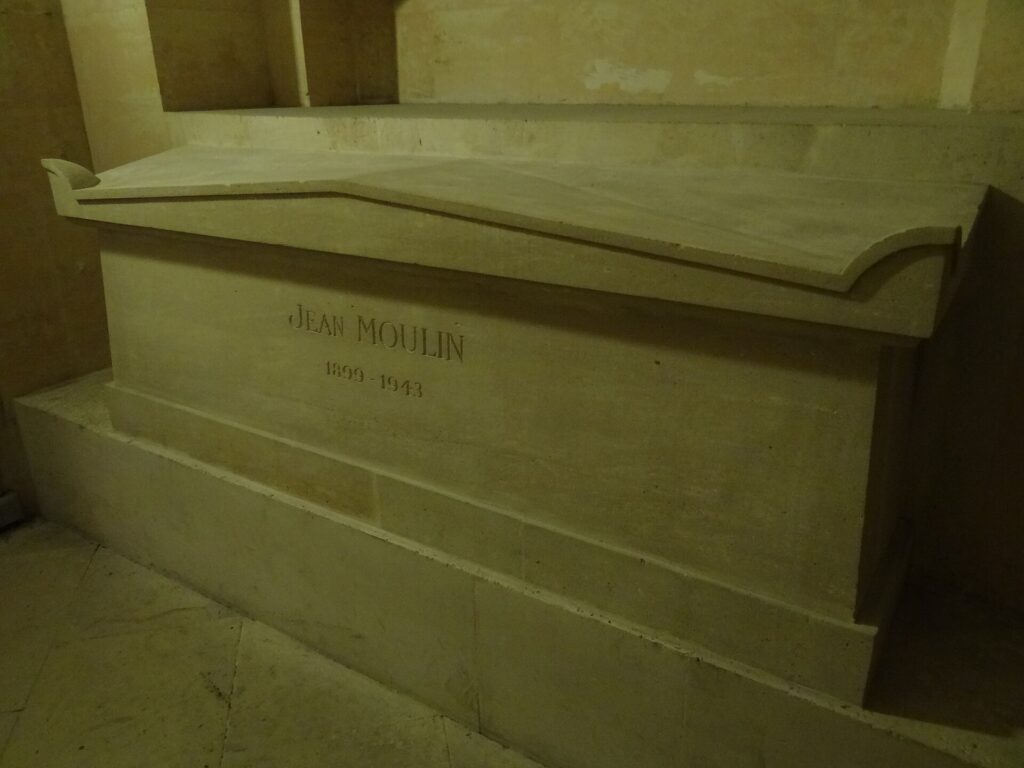
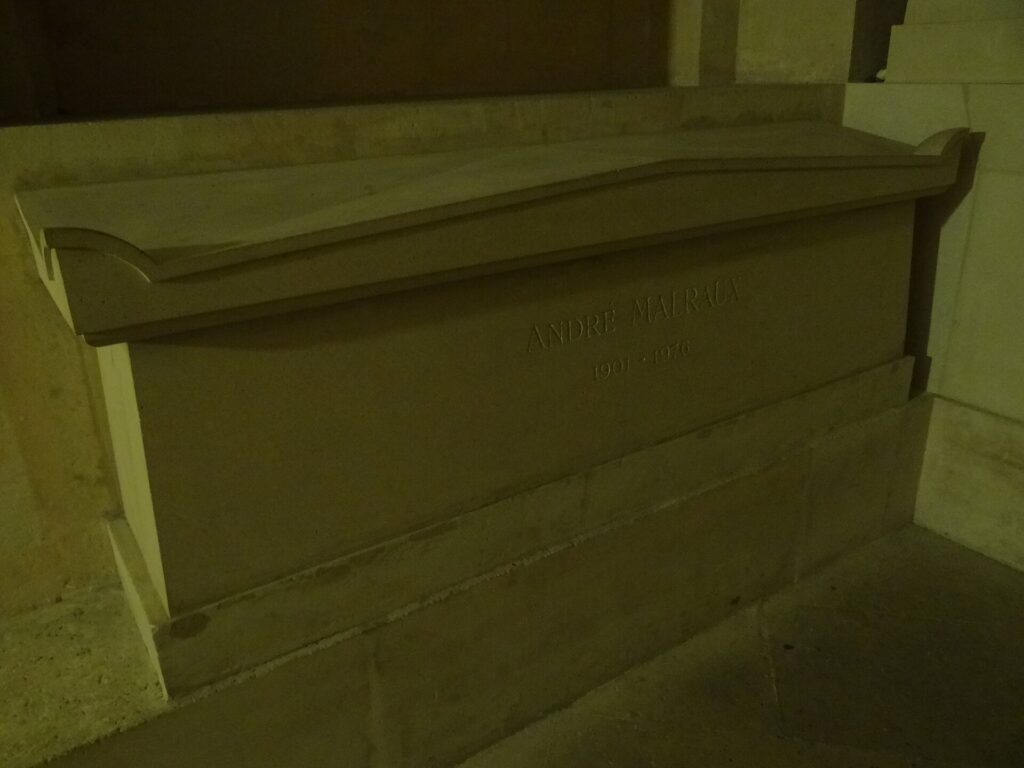
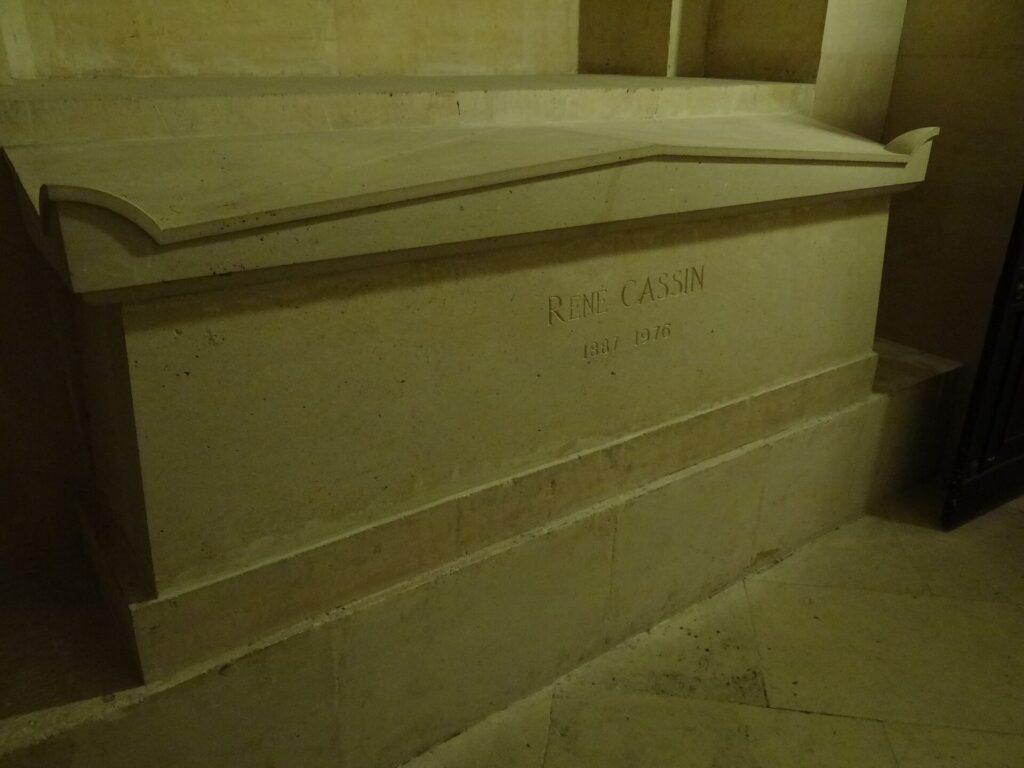
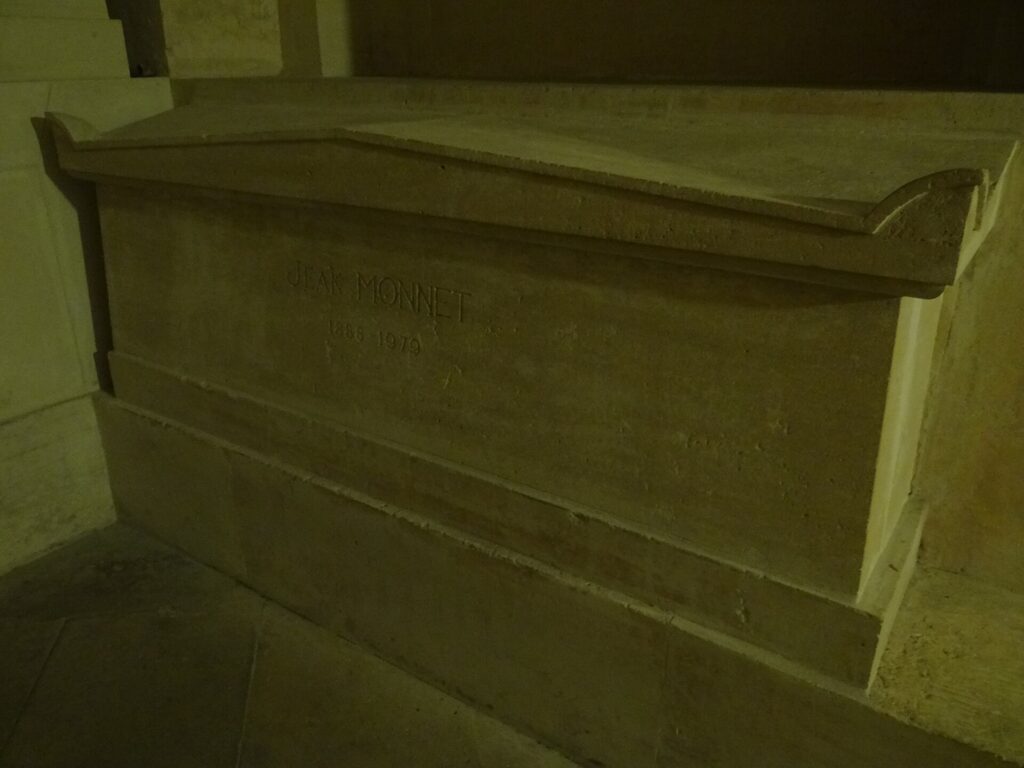
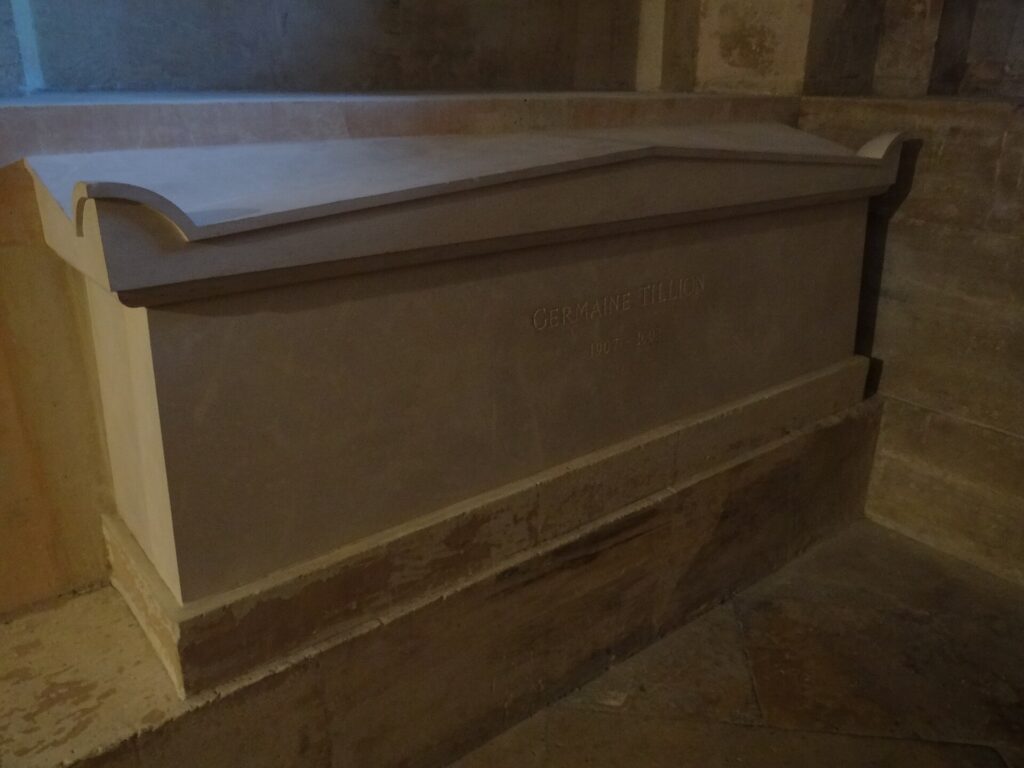
Vault VI is in the crypt, which every visit includes, so you can go straight down after the nave. It brings together two figures of the Resistance, a Nobel peace laureate and a founder of the European project, fitting company for a woman who gave much of her life to memory and to Europe.
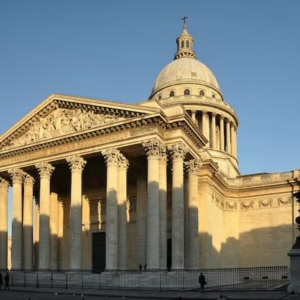

Visit the Paris Pantheon

Highlights

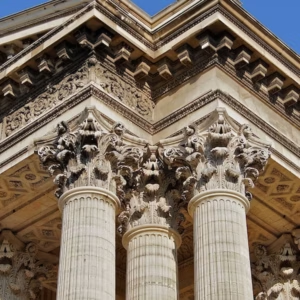
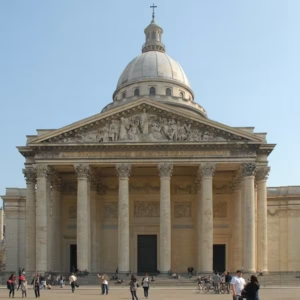
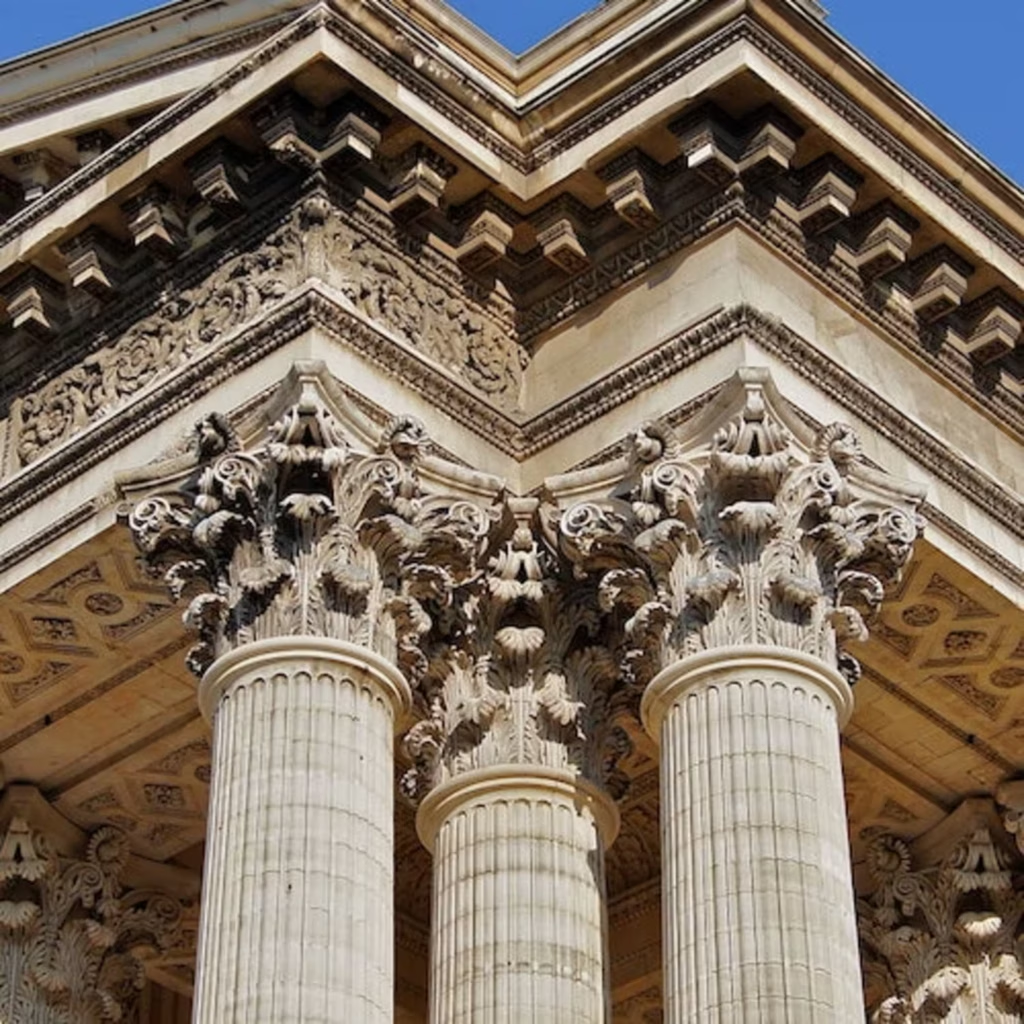
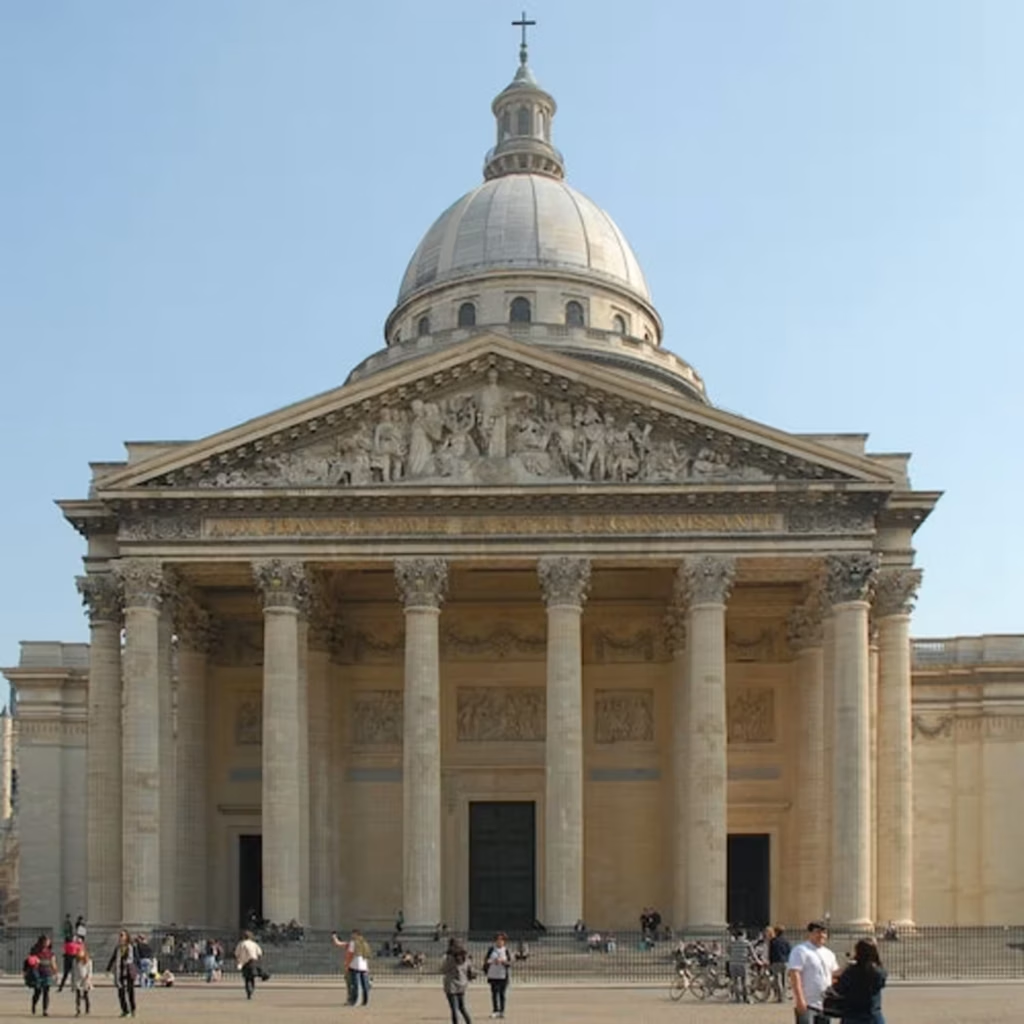
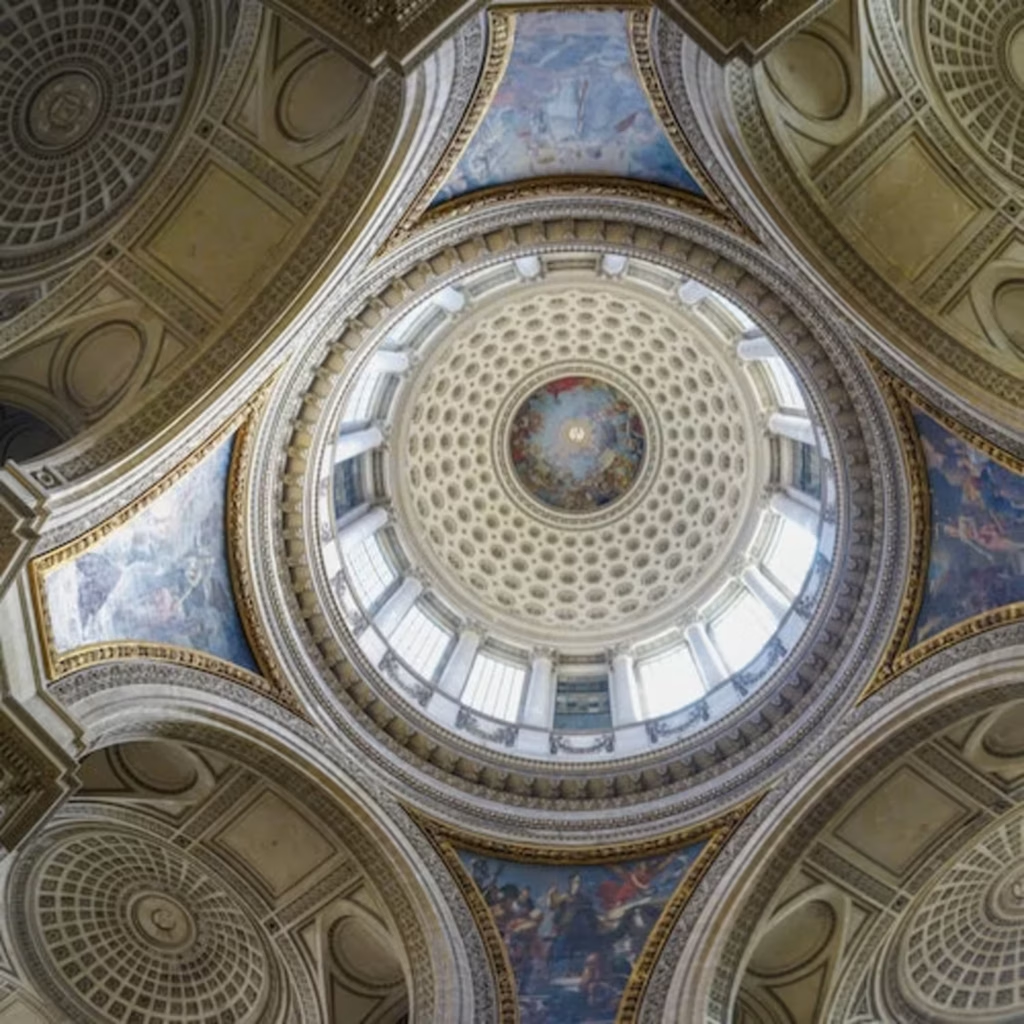
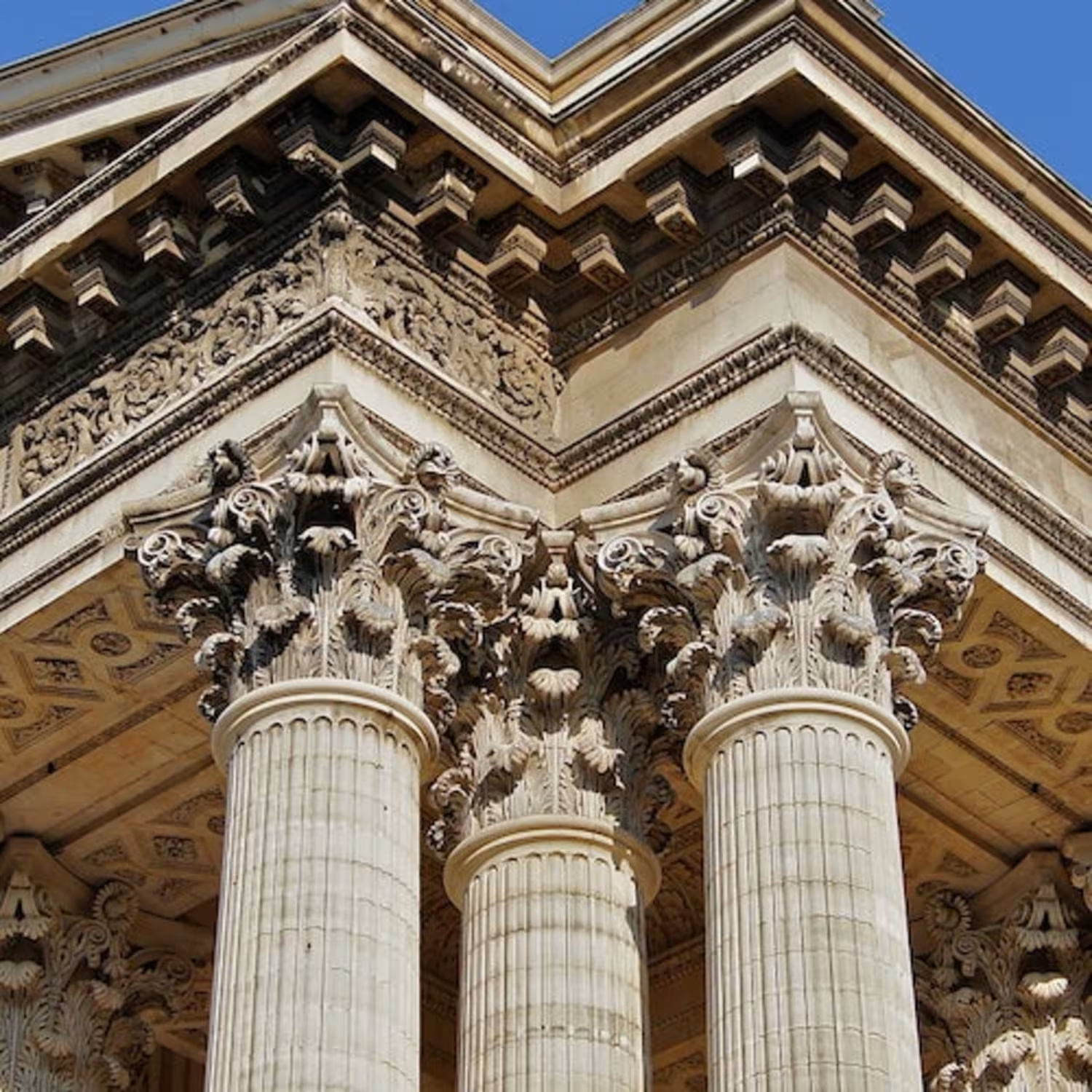
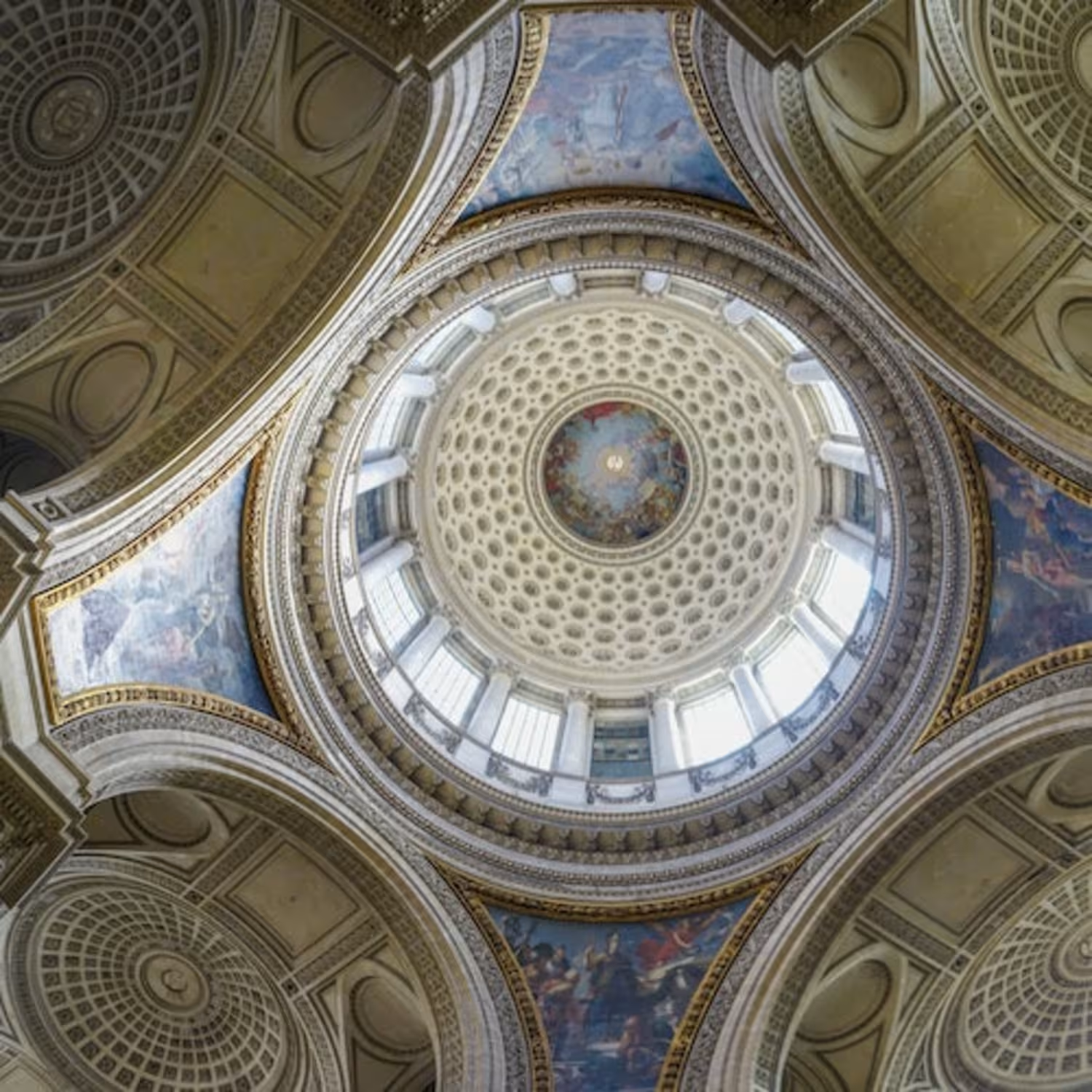
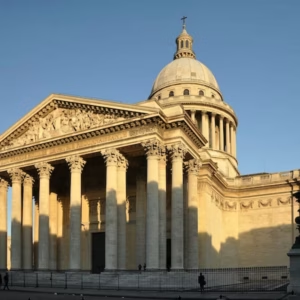
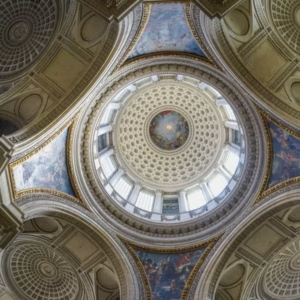
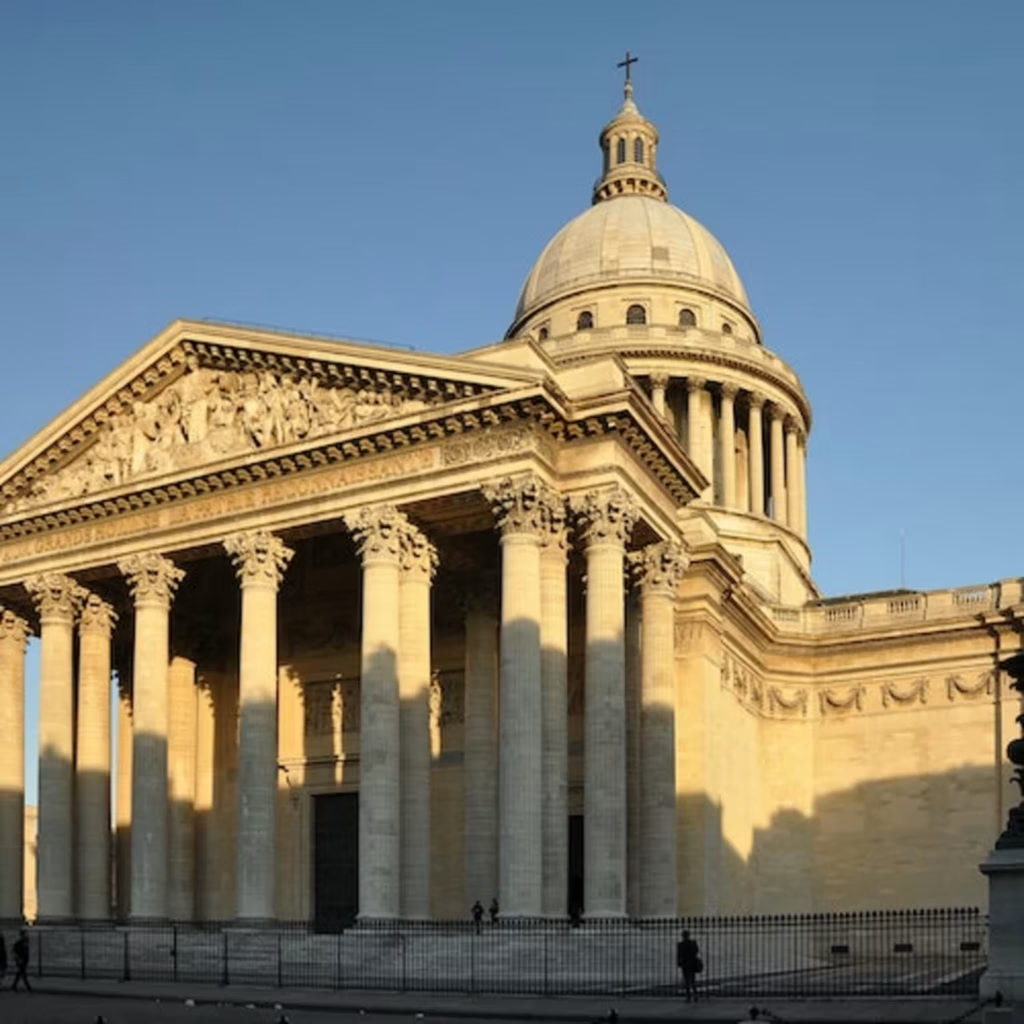
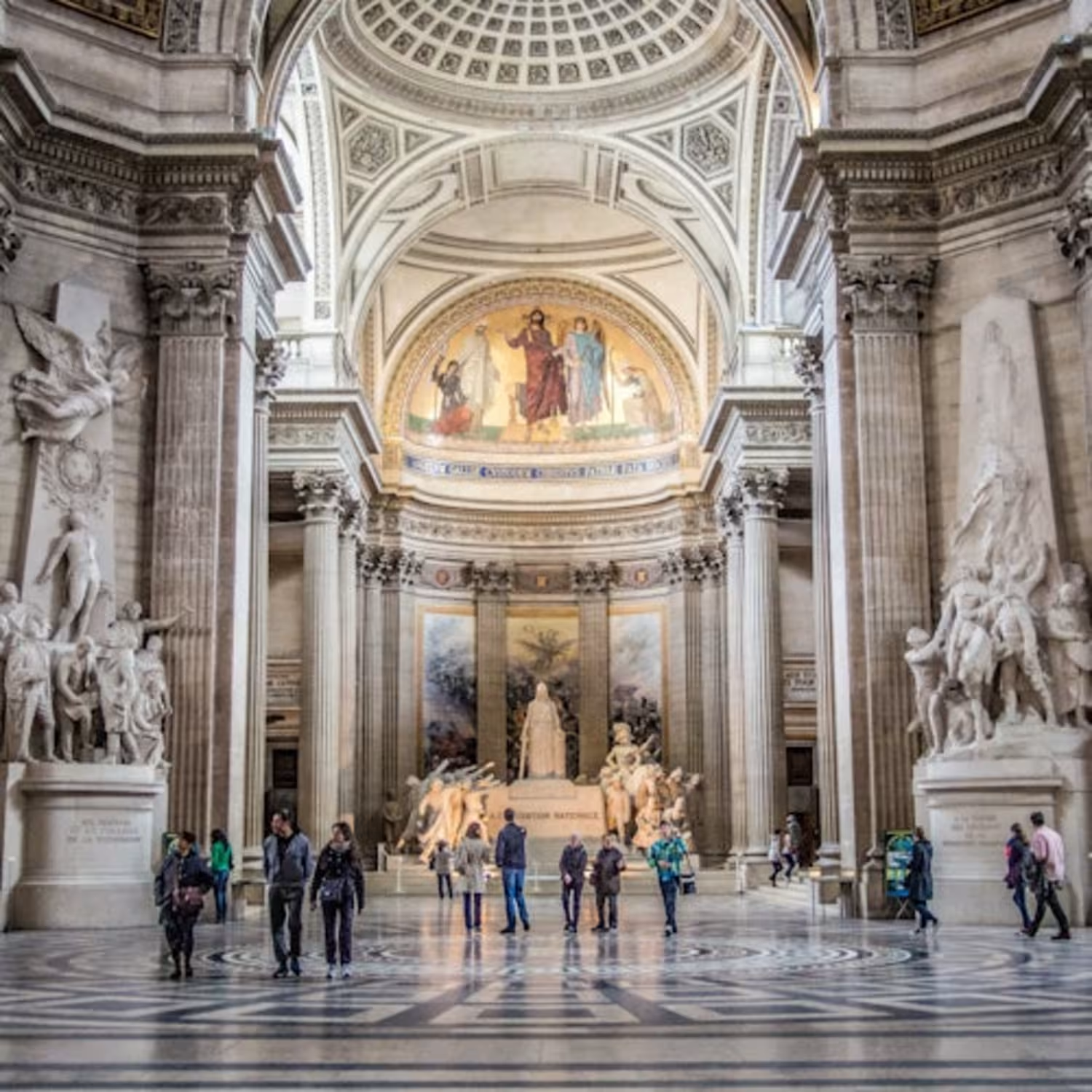
Explore an elegant neoclassical structure located atop Montagne Sainte Geneviève.

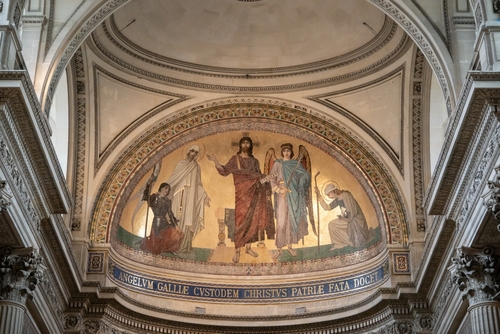
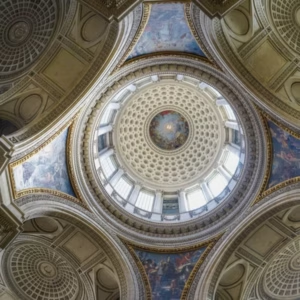
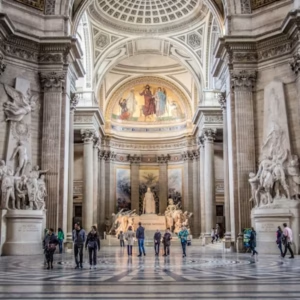
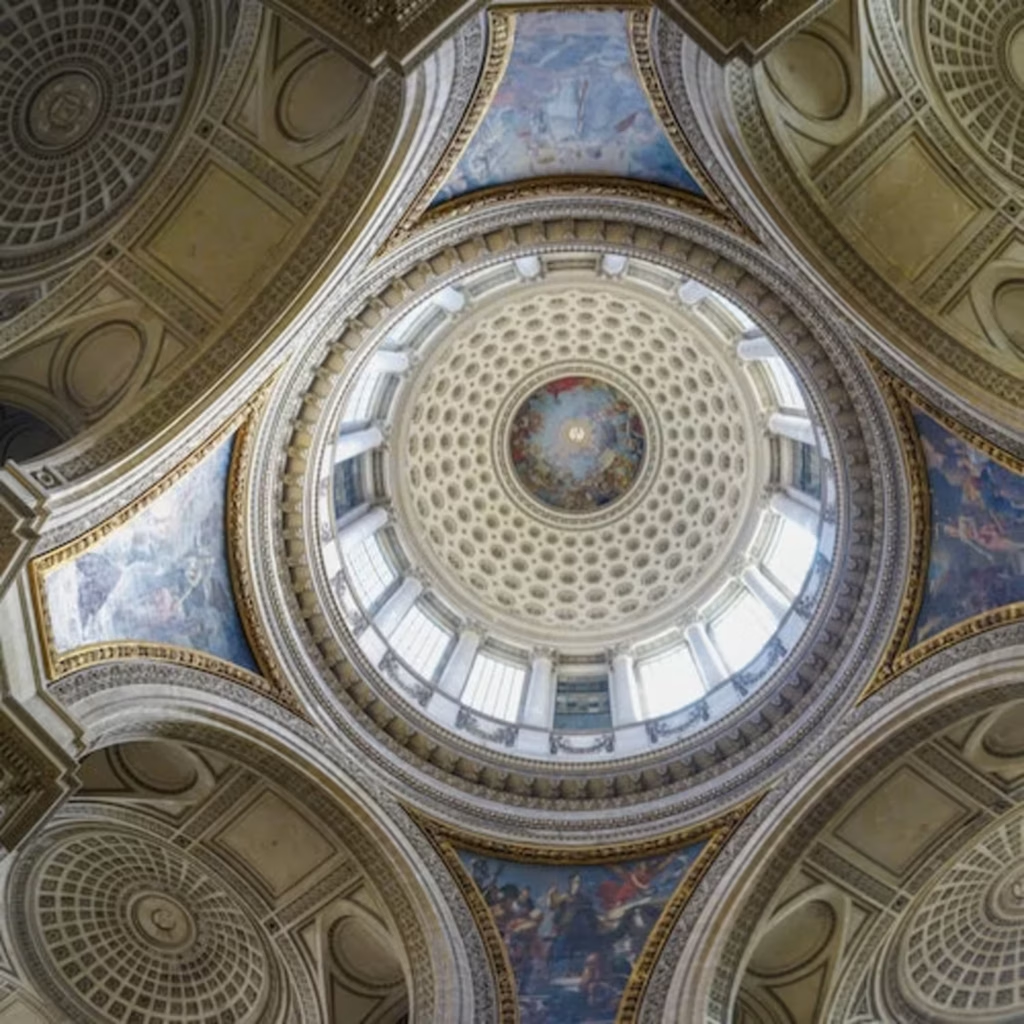
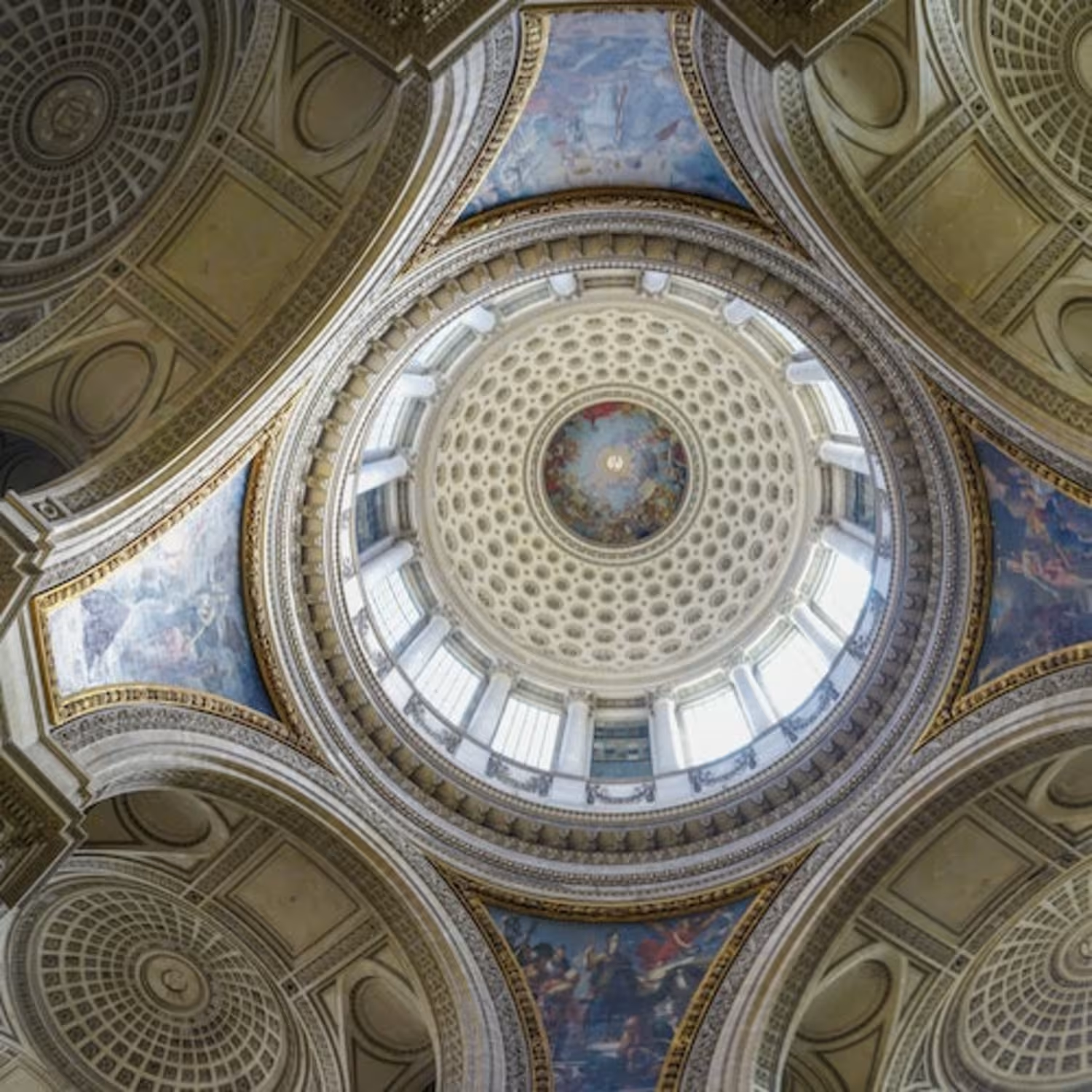
Discover captivating murals portraying the origins of Christianity.

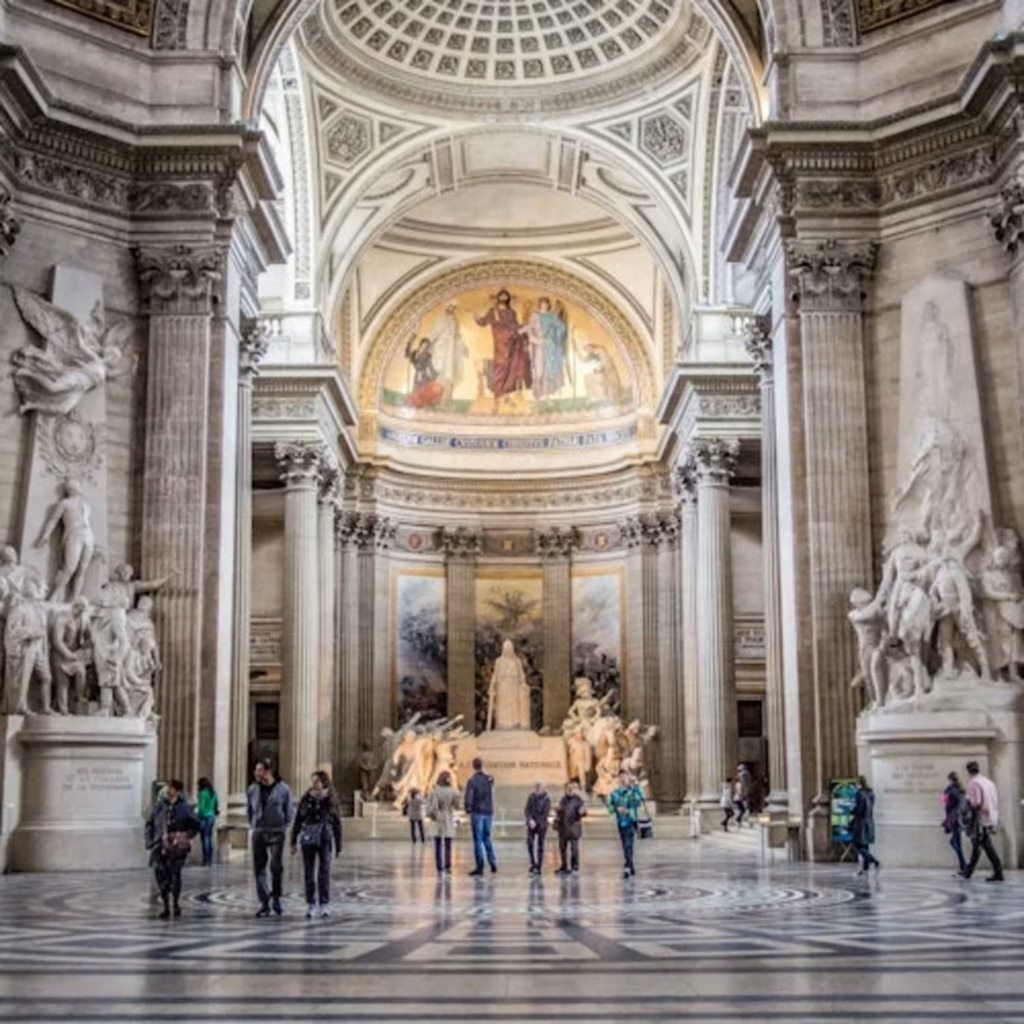
Visit the crypt housing the resting places of France’s illustrious figures.

Witness the famous Foucault’s pendulum demonstrating Earth’s rotation.

Enjoy panoramic views over Paris from the monument’s position in the Latin Quarter.
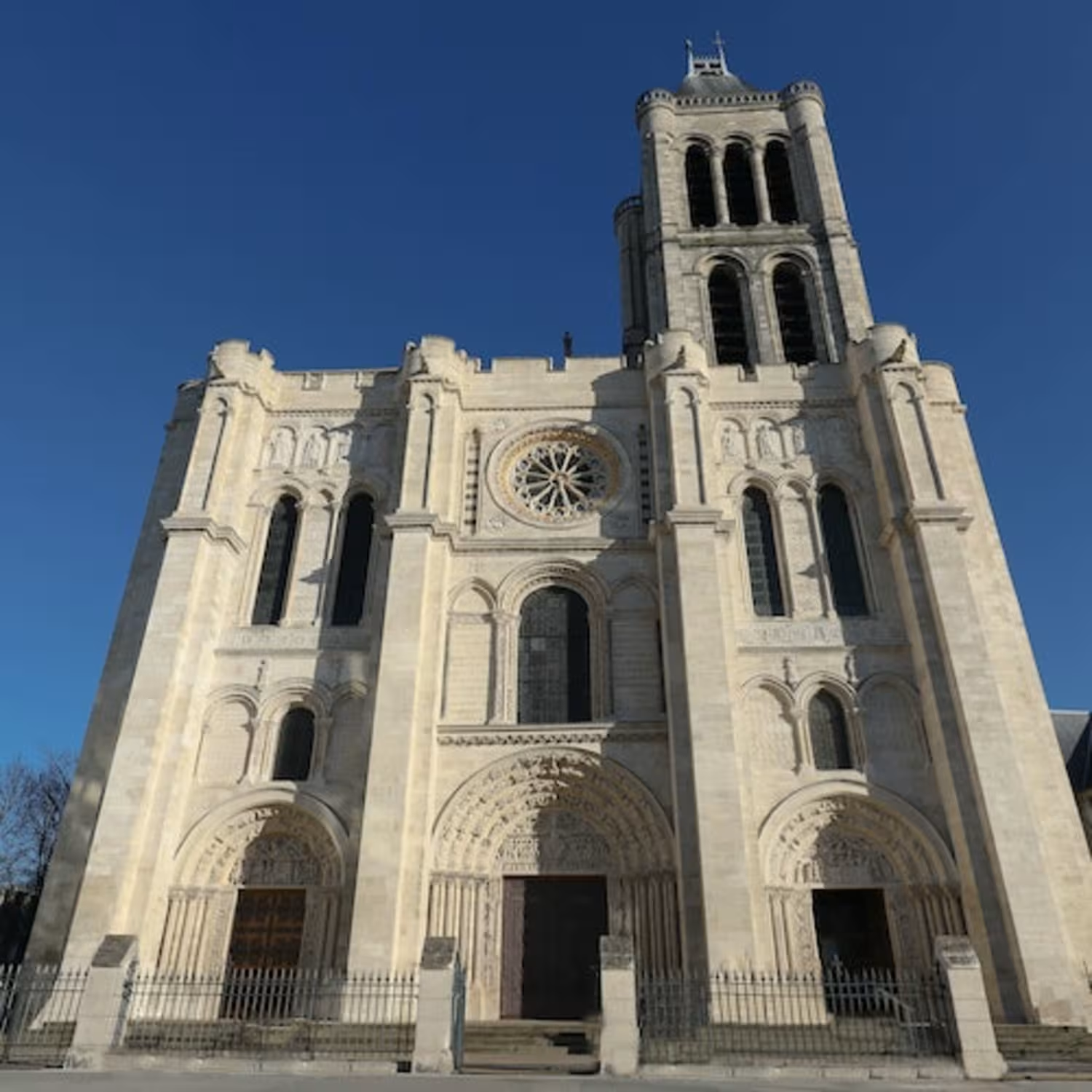
Ticket-free access to the Panthéon & Saint-Denis Cathedral Basilica

Highlights

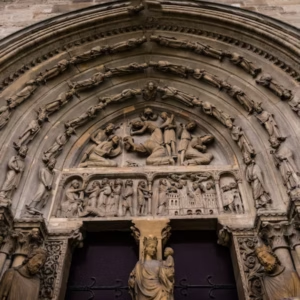
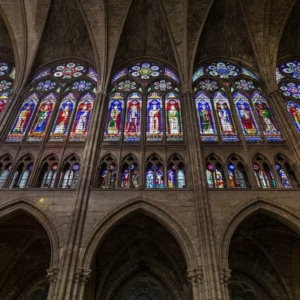
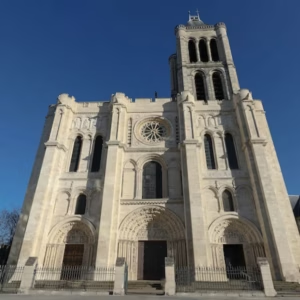
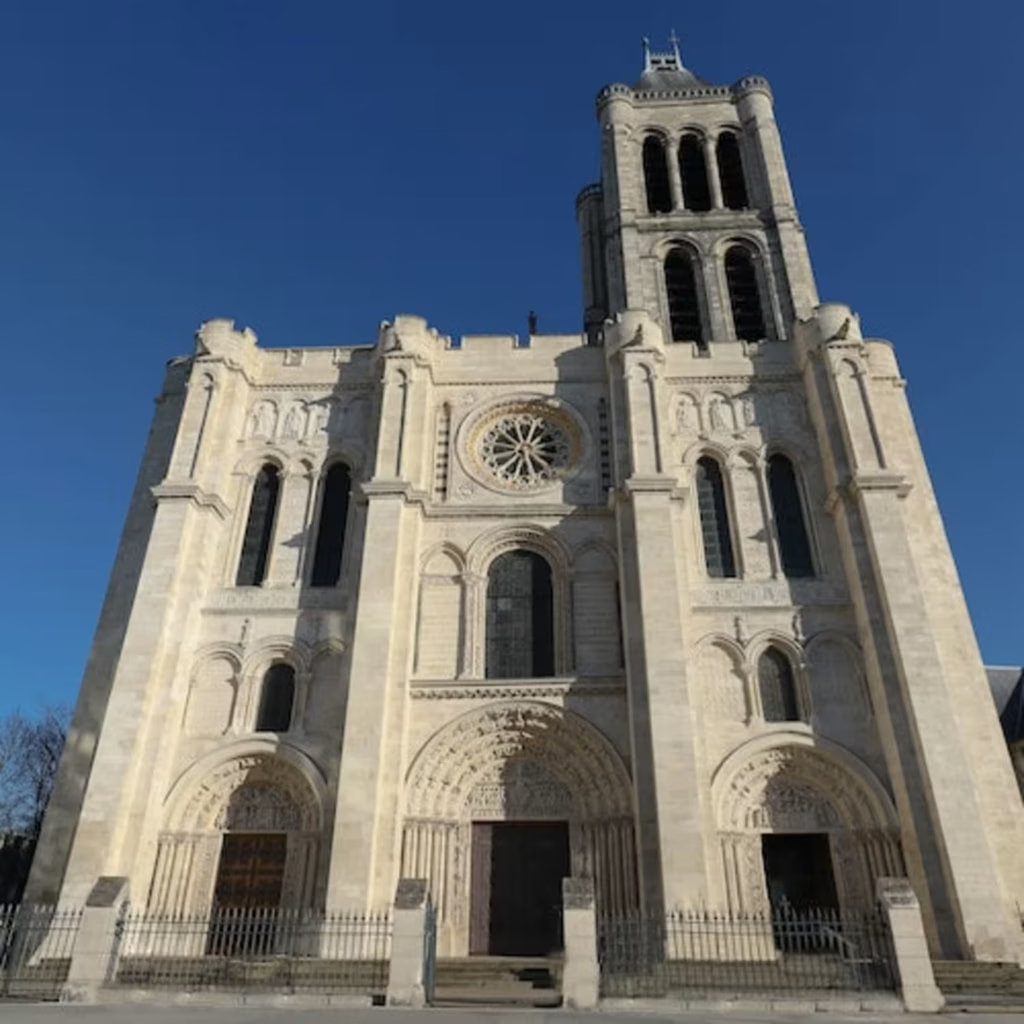
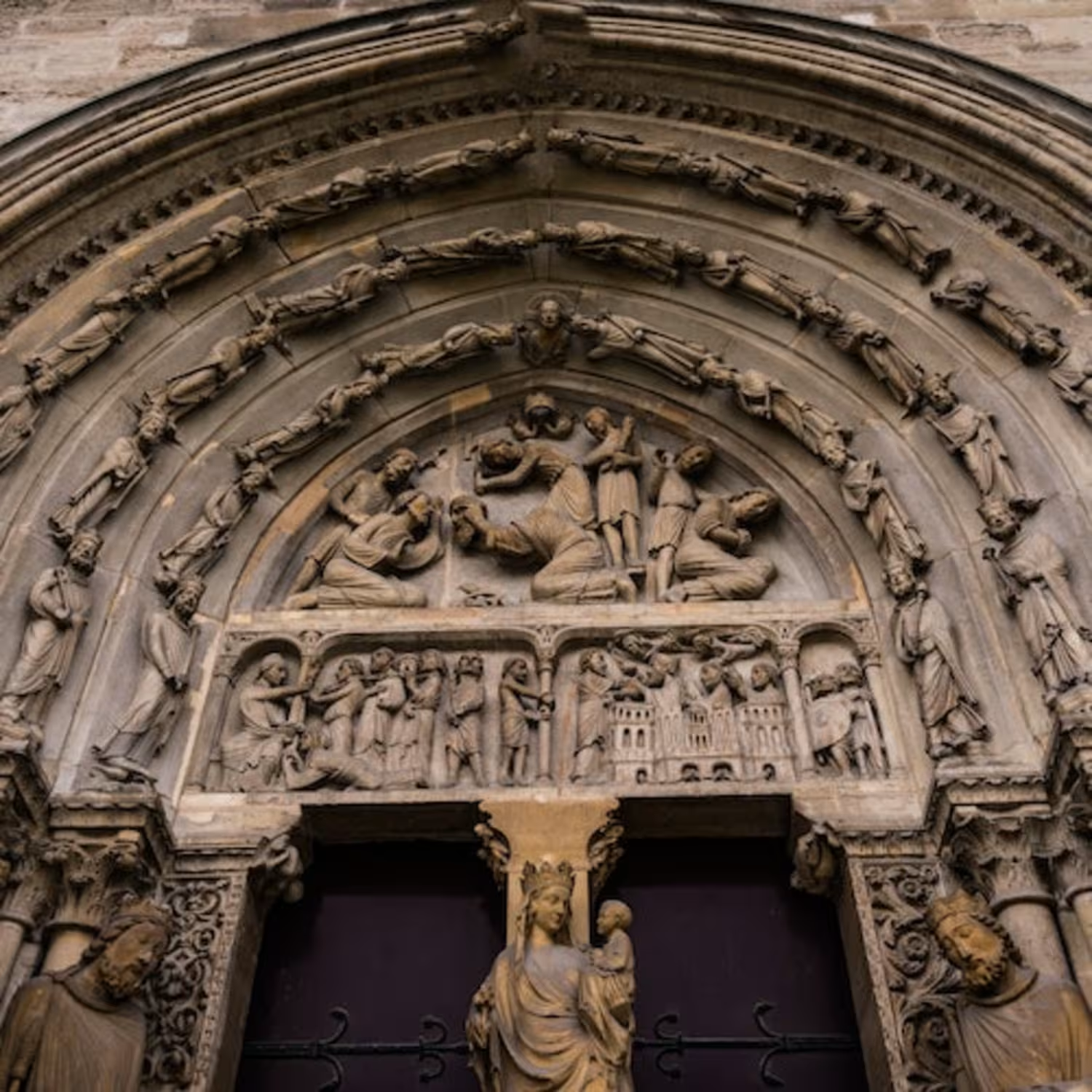
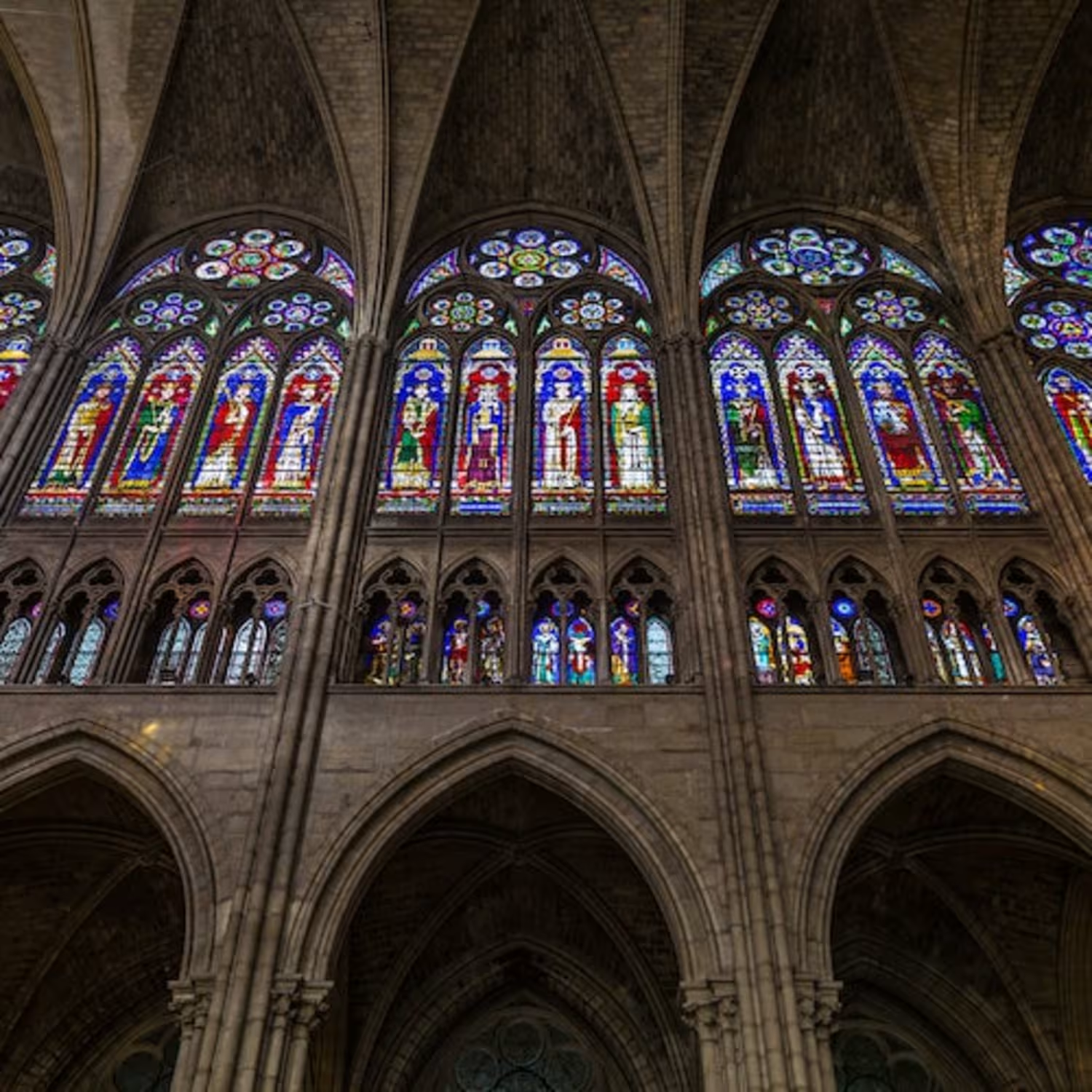
Gain admission to both the historically rich Panthéon and the majestic Basilica of Saint-Denis.

Discover the resting places of notable French figures, including royalty and renowned intellectuals.

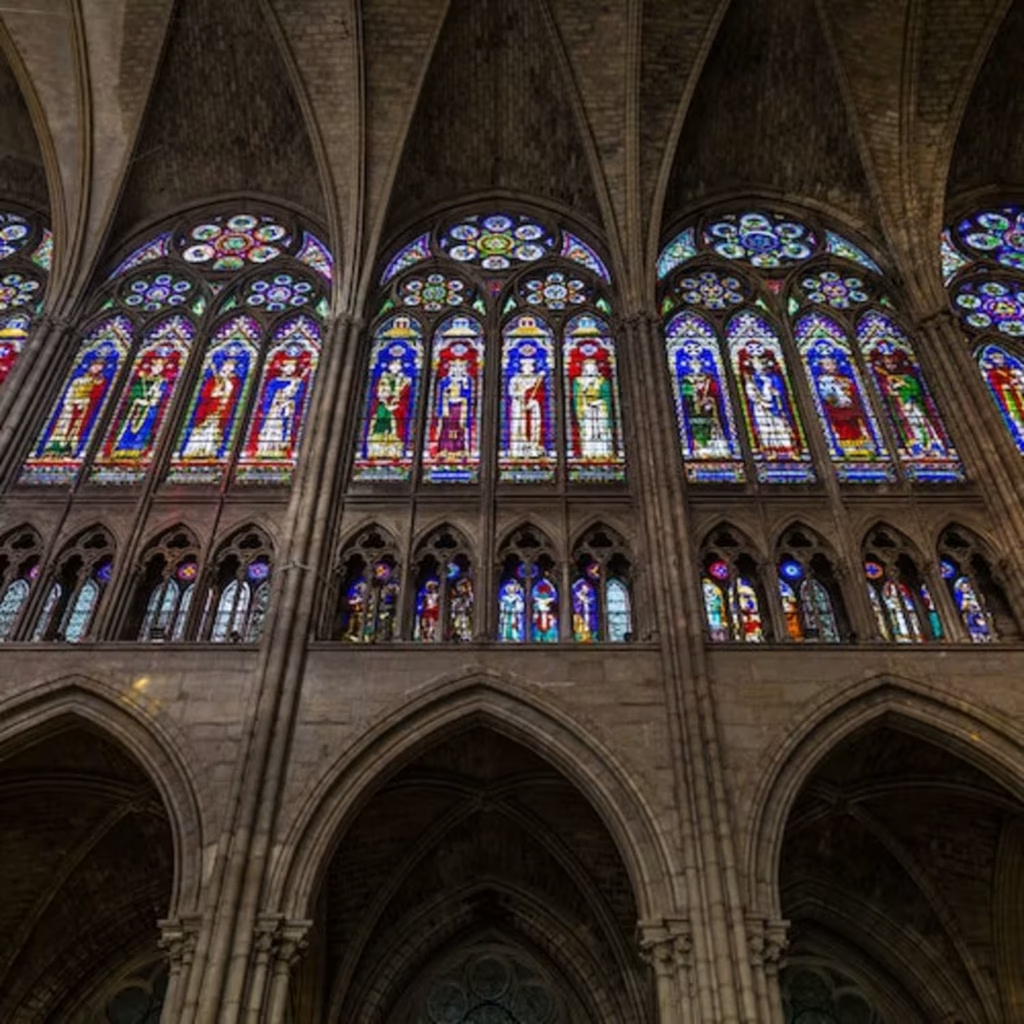
Enjoy the impressive architecture and artistic details inside these famous landmarks.

Visit at your leisure with tickets valid throughout their respective open hours.

Benefit from a convenient combined ticket ideal for a thorough cultural experience.
Questions About Simone Veil and the Panthéon

Where is Simone Veil buried?

In vault VI of the crypt of the Panthéon in Paris, beside her husband Antoine. They were moved there from Montparnasse Cemetery in 2018.

When did Simone Veil enter the Panthéon?

On 1 July 2018, a year after her death, together with her husband Antoine.

Why is Simone Veil in the Panthéon?

For a life spent defending human dignity: an Auschwitz survivor, she carried the 1975 abortion law and was the first elected president of the European Parliament.

Who was Simone Veil’s husband?

Antoine Veil, a senior civil servant she married in 1946. He died in 2013 and was transferred to the Panthéon with her.

Was Simone Veil in Auschwitz?

Yes. She was deported to Auschwitz-Birkenau in April 1944, aged 16, and later to Bergen-Belsen, where she was liberated in April 1945.

What is the Veil law?

The French law legalising abortion under set conditions, adopted on 17 January 1975 when Simone Veil was Minister of Health.

When did Simone Veil die?

On 30 June 2017, at her home in Paris, aged 89.

This website sells official tickets for this venue. Please note, however, that it is not the official website of the venue.

The images and videos on this website may contain visual elements that have been created or enhanced using AI technology. They are provided for illustrative purposes only.