We are processing your request.
Please, don’t close or refresh the page.

The Panthéon in Paris: Who Is Buried There and What to See Inside

Louis XV’s church for Saint Genevieve, turned by the Revolution into France’s mausoleum for its great men and women, with Foucault’s pendulum under its dome and a crypt of writers, scientists and resistance fighters.

From a King’s Church to France’s Hall of Honour

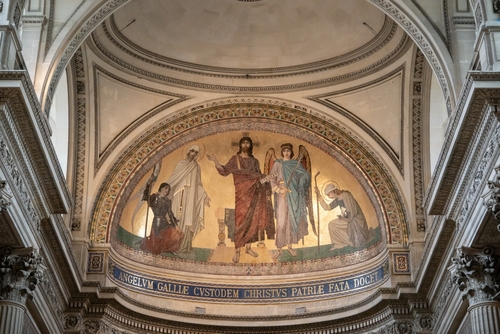
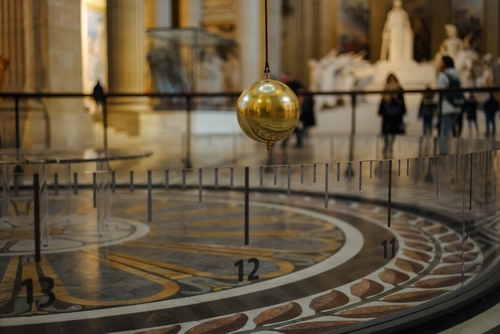
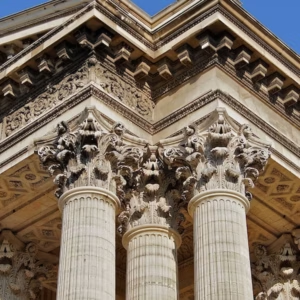
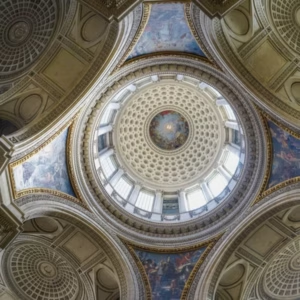
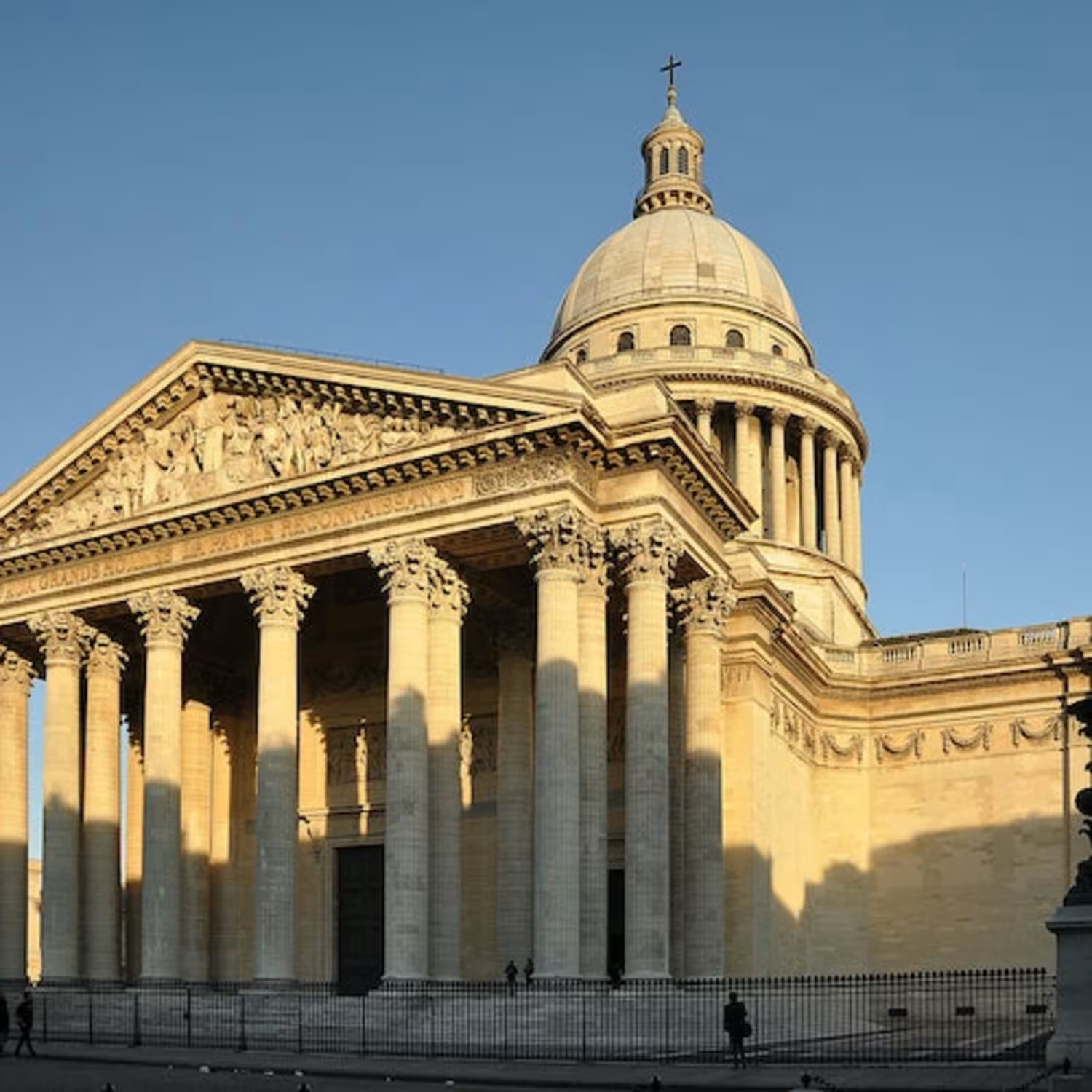
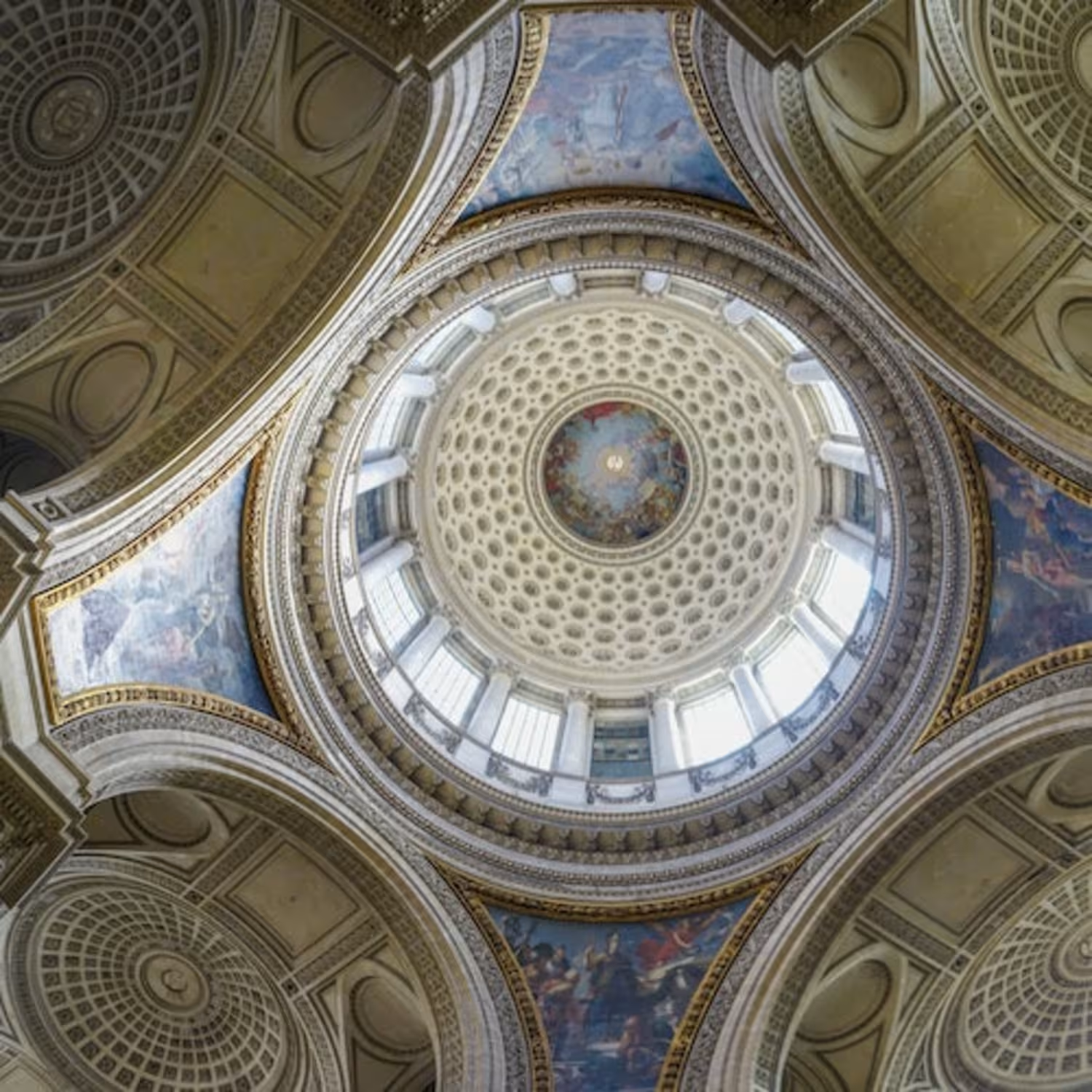
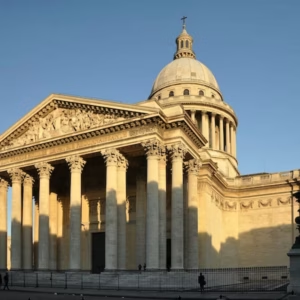
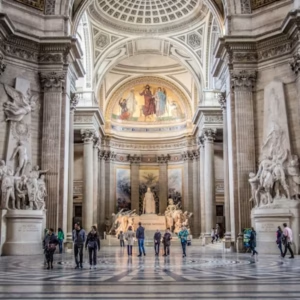
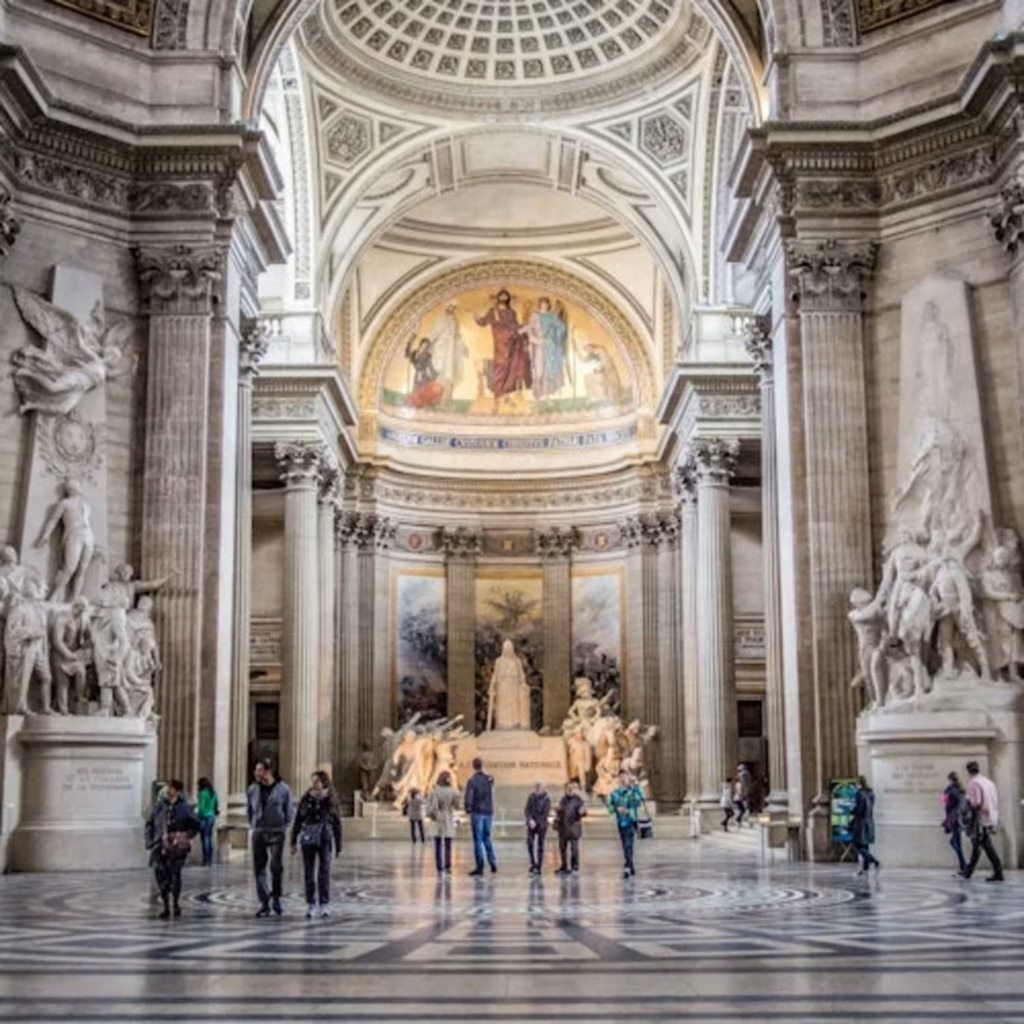
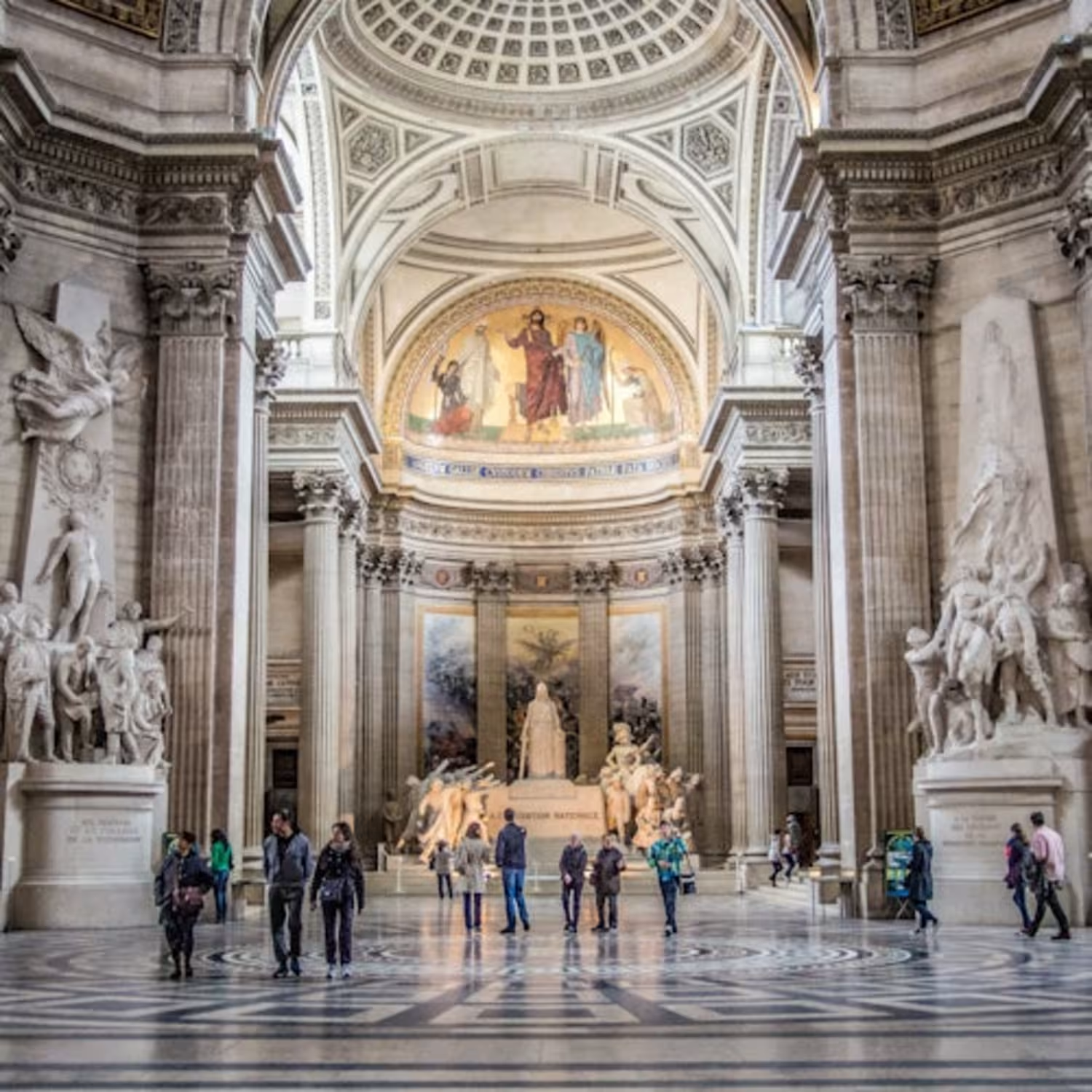
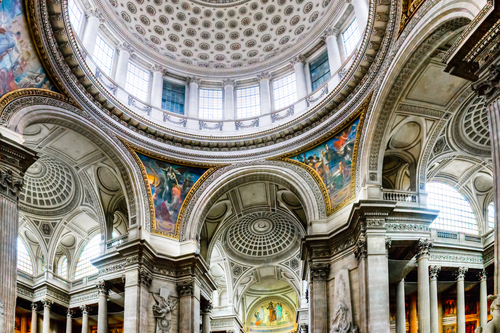
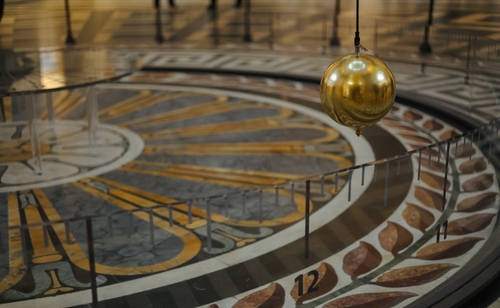
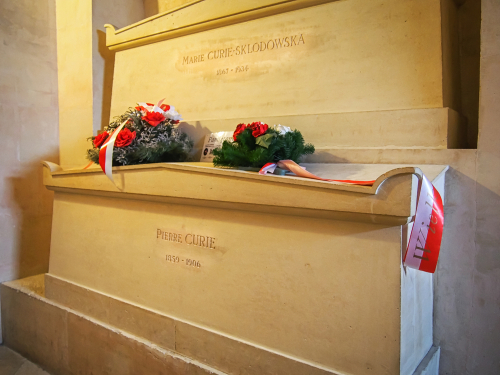
The Panthéon was meant to be a church. Louis XV ordered it for Saint Genevieve, the patron saint of Paris, and it was finished just as the Revolution began, which decided its fate: in 1791 the Assembly turned it into a mausoleum for the nation’s great figures. Today you walk through a vast neoclassical nave hung with murals of Genevieve and French history, stand under the dome where Foucault proved the Earth turns, then go down to the crypt, where Voltaire, Rousseau, Victor Hugo, Zola and Jean Moulin lie in stone vaults beneath your feet, in the same crypt as Marie Curie’s tomb.

Eight Panthéon Facts Worth Knowing

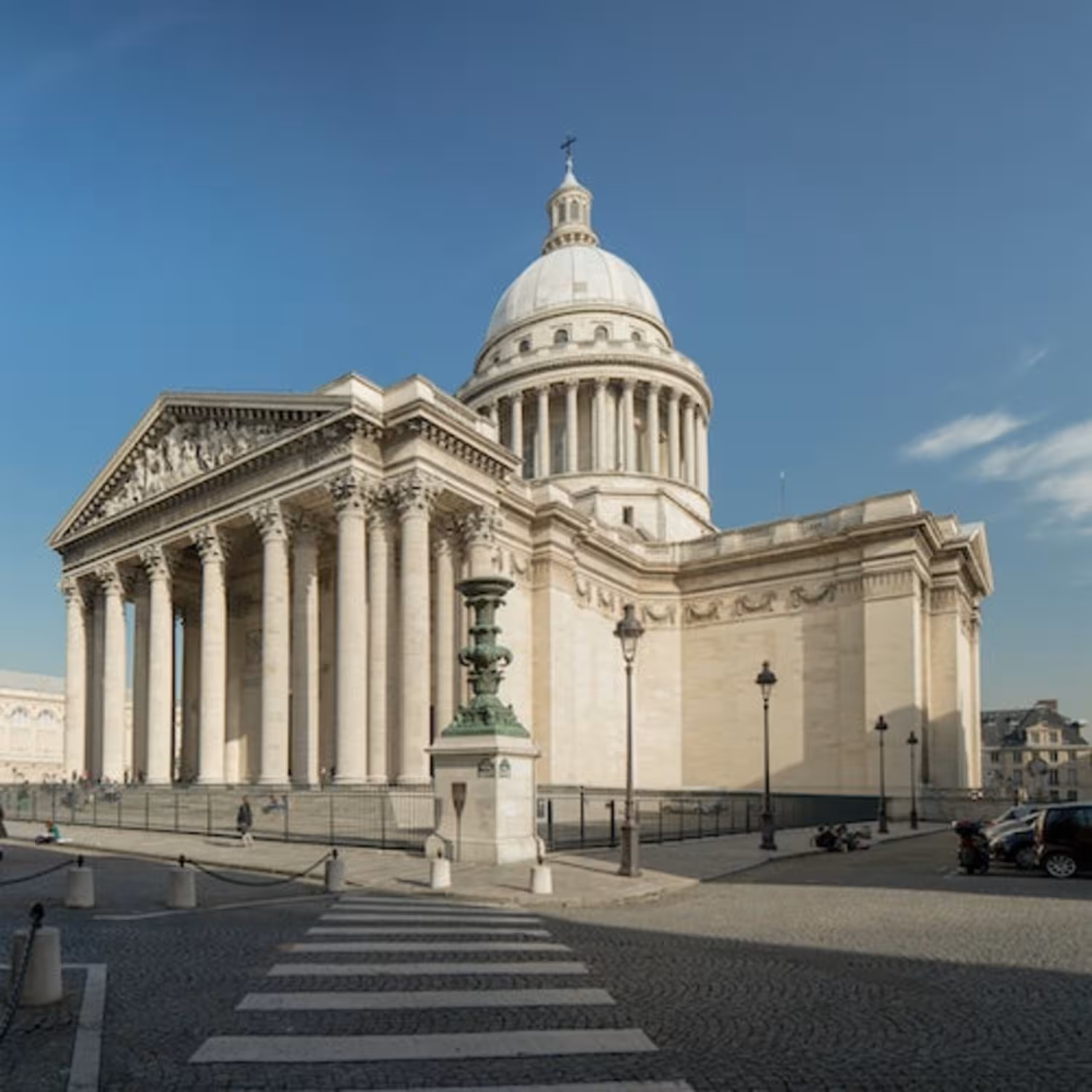
The building is 110 metres long, 84 metres wide and 83 metres high, with a crypt of the same footprint beneath it.

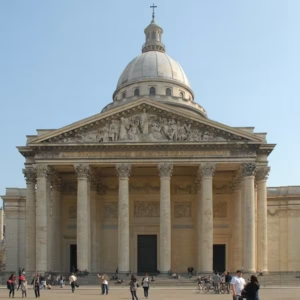
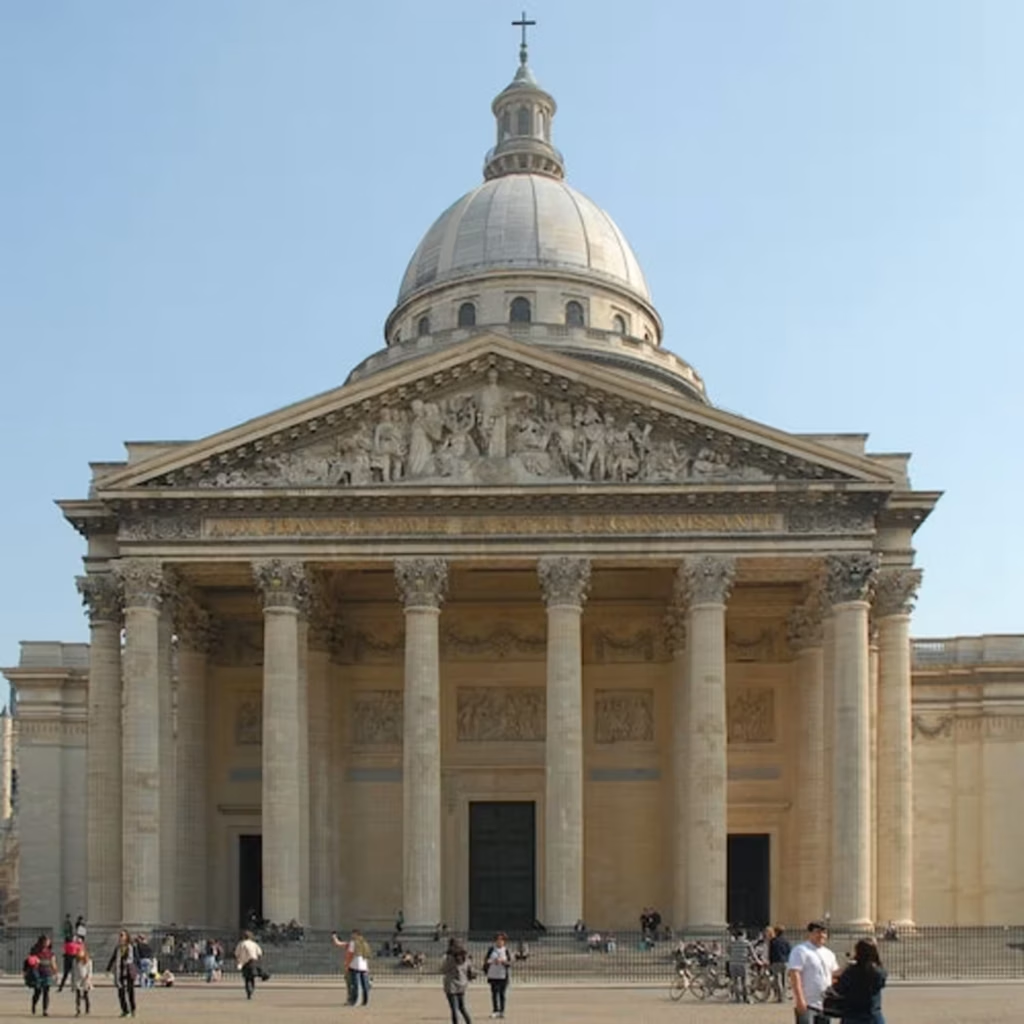
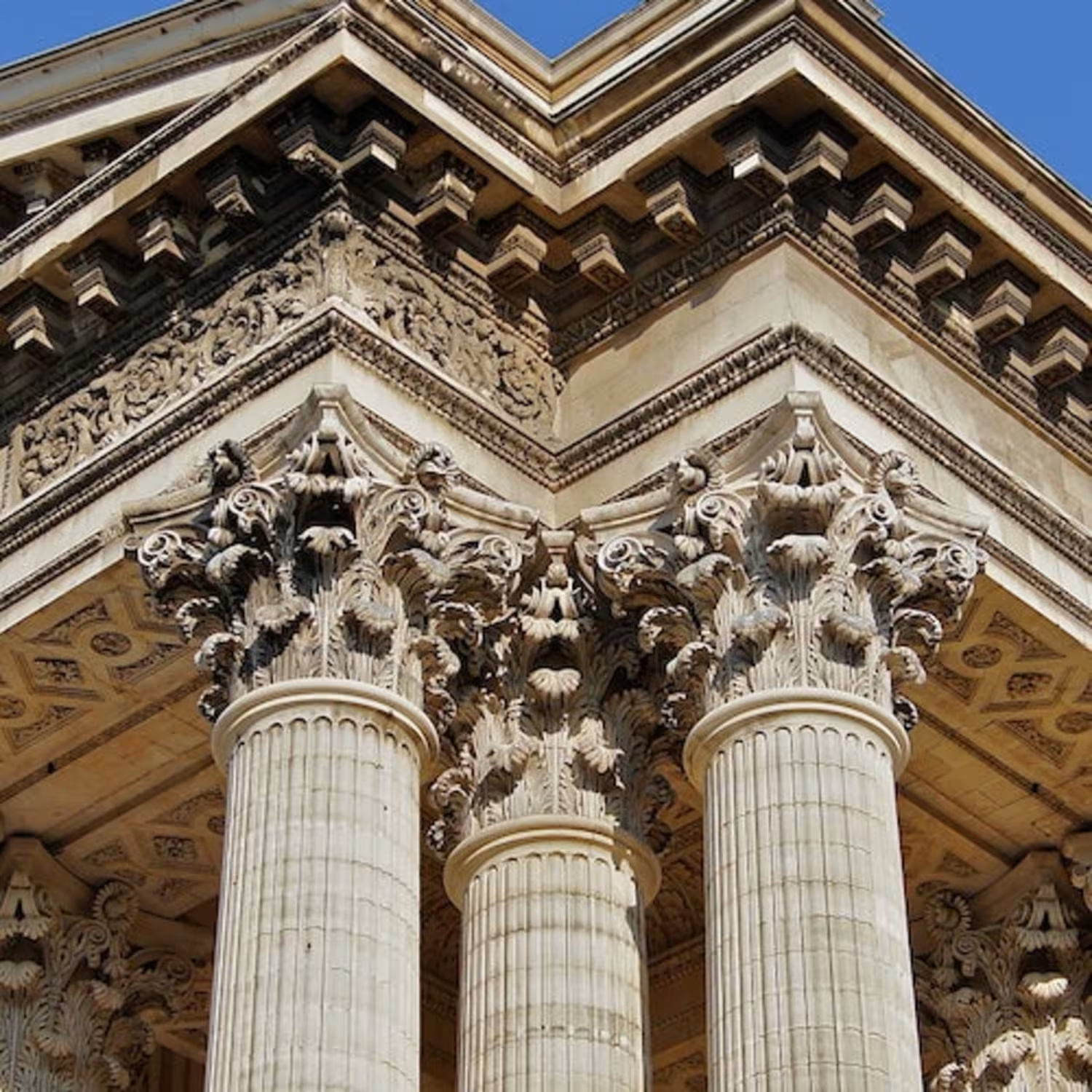
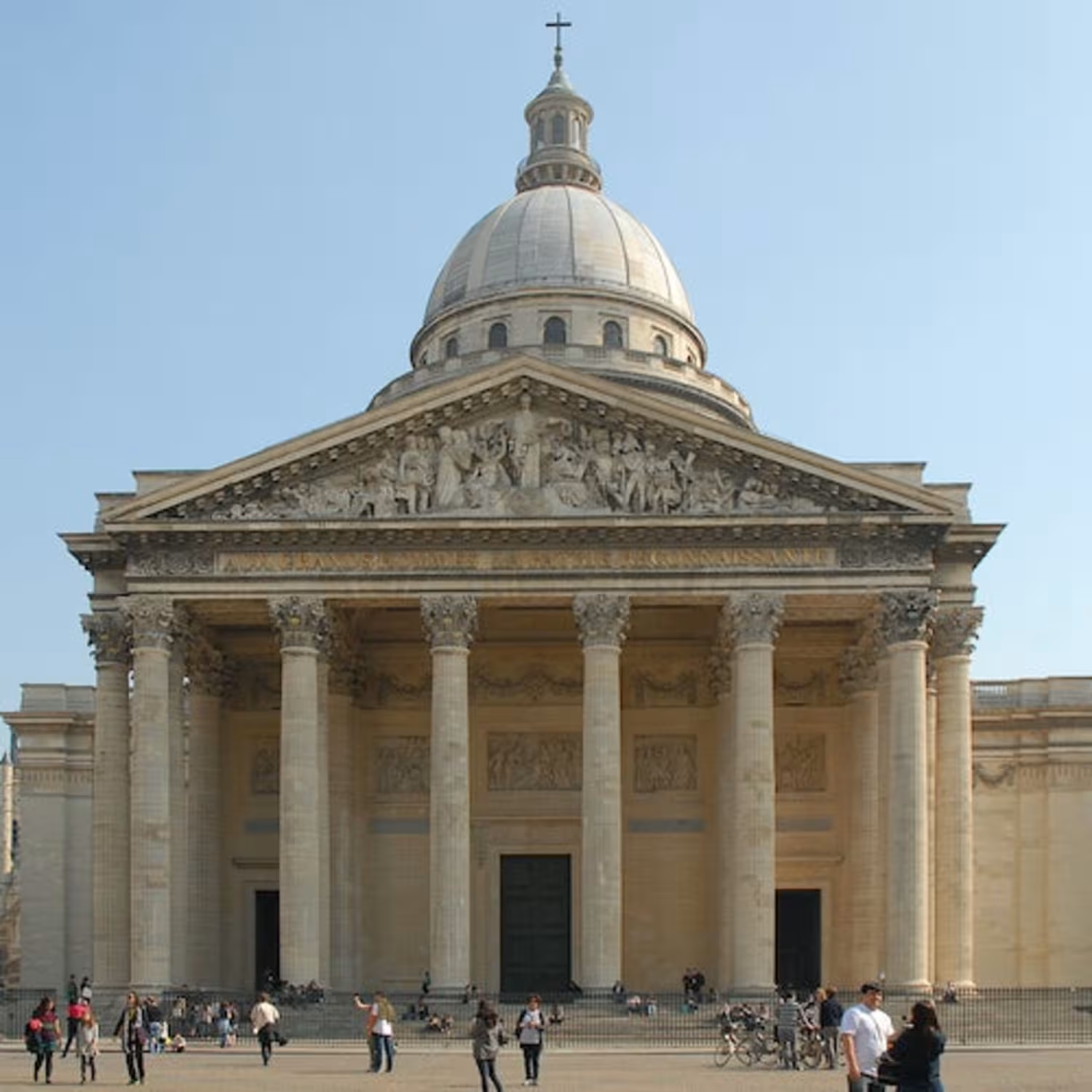
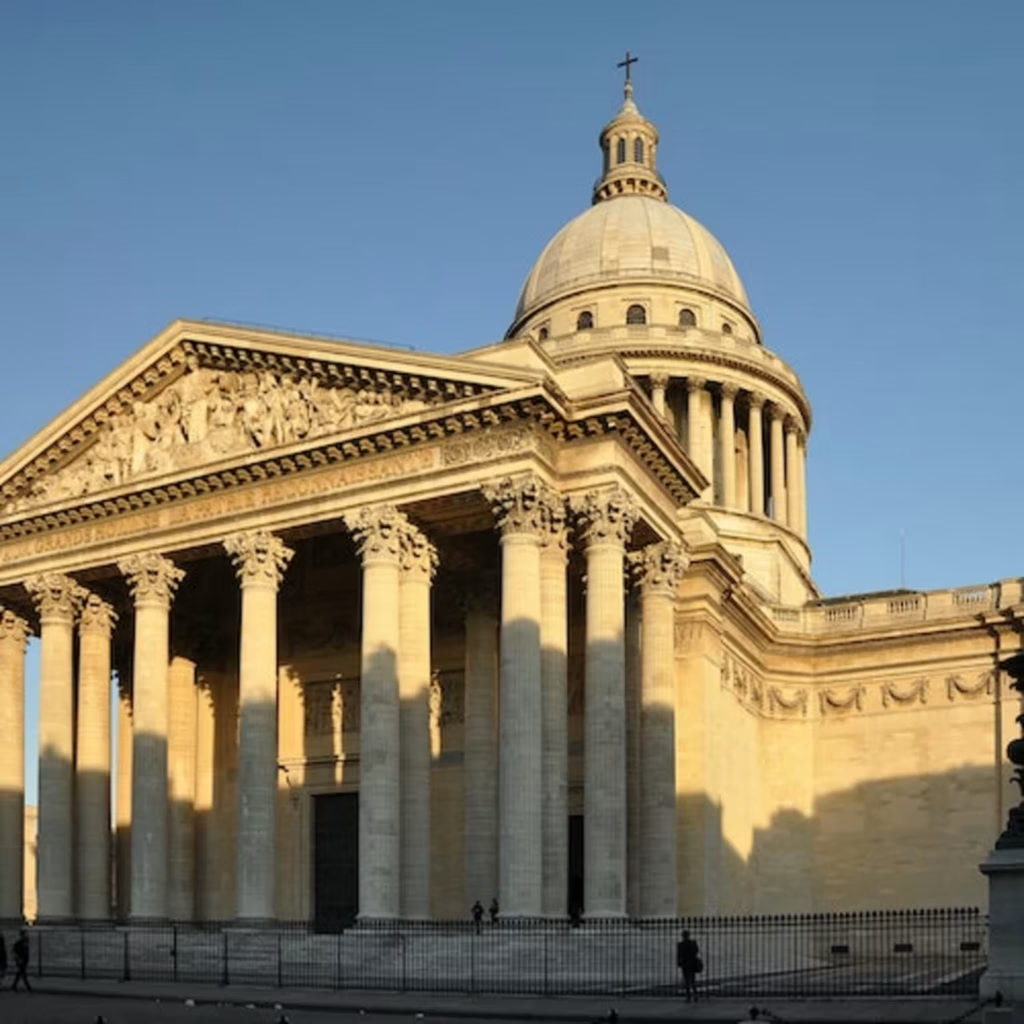
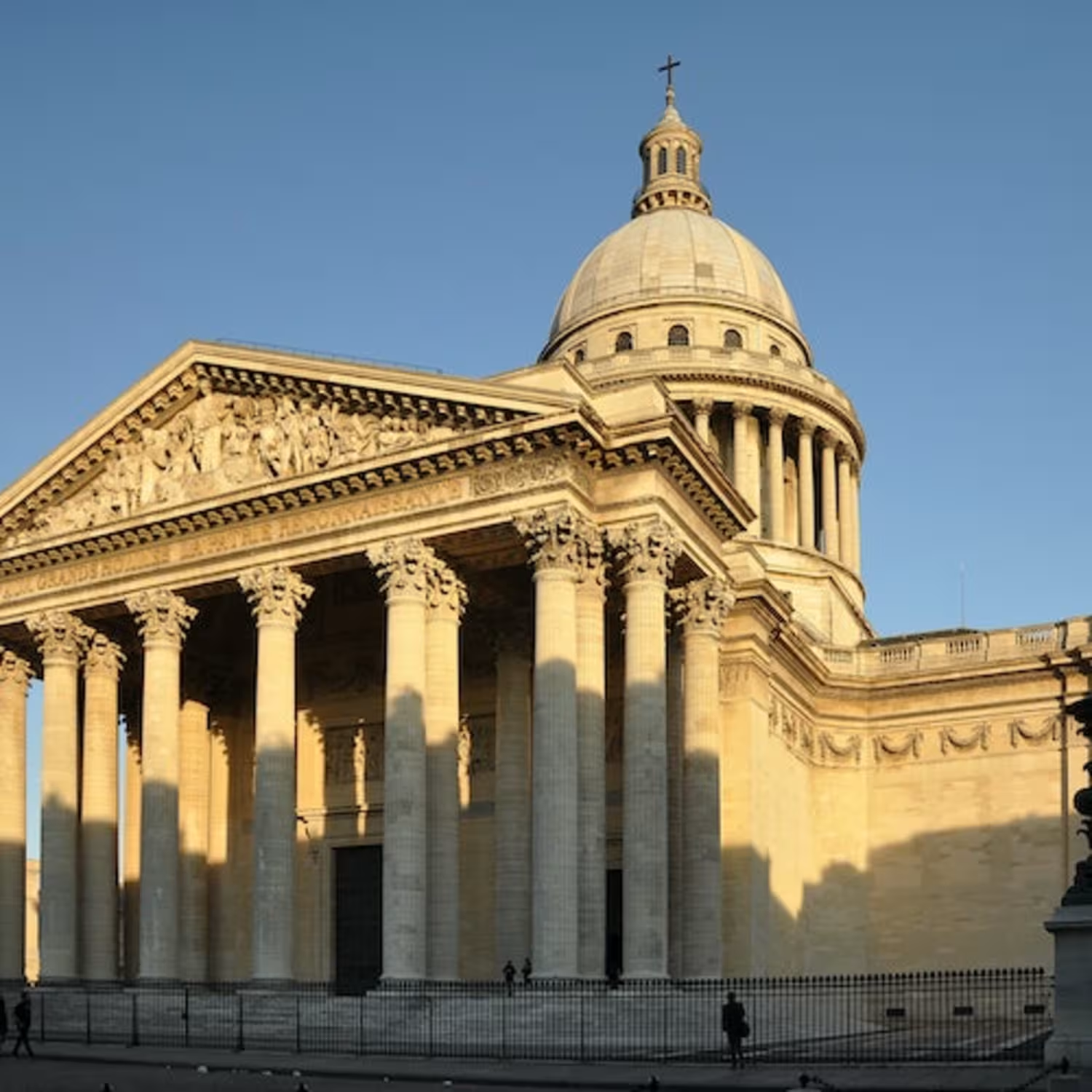
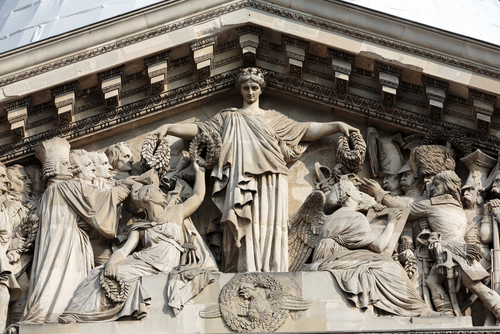
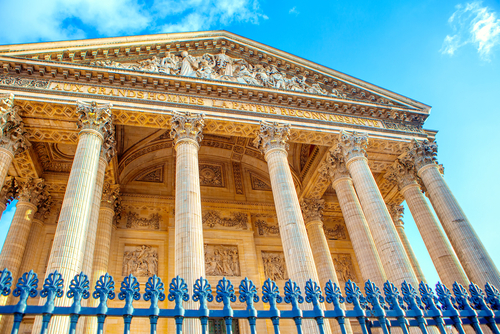
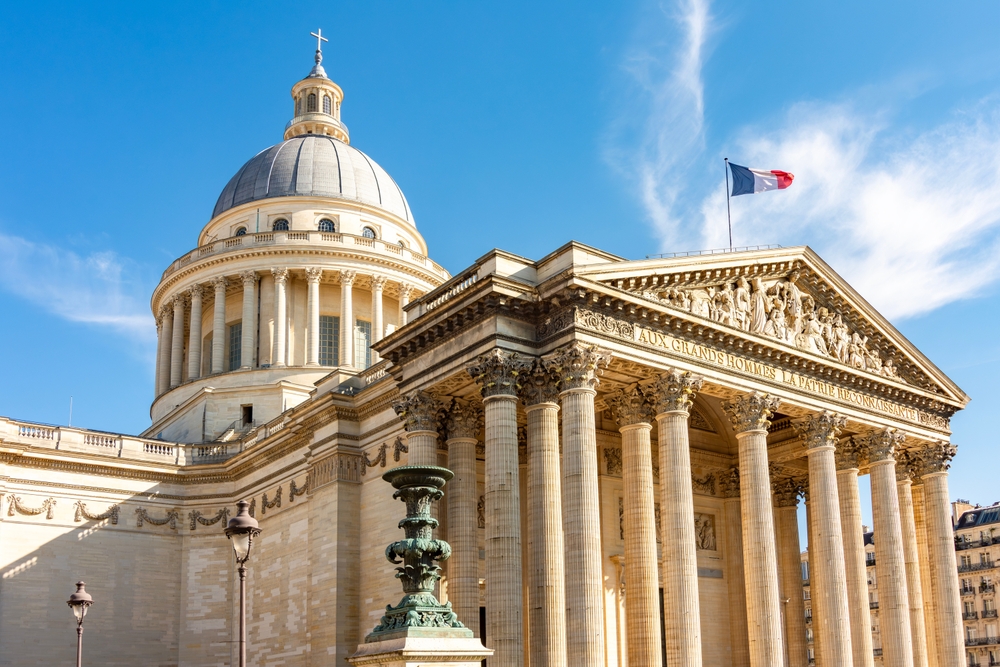
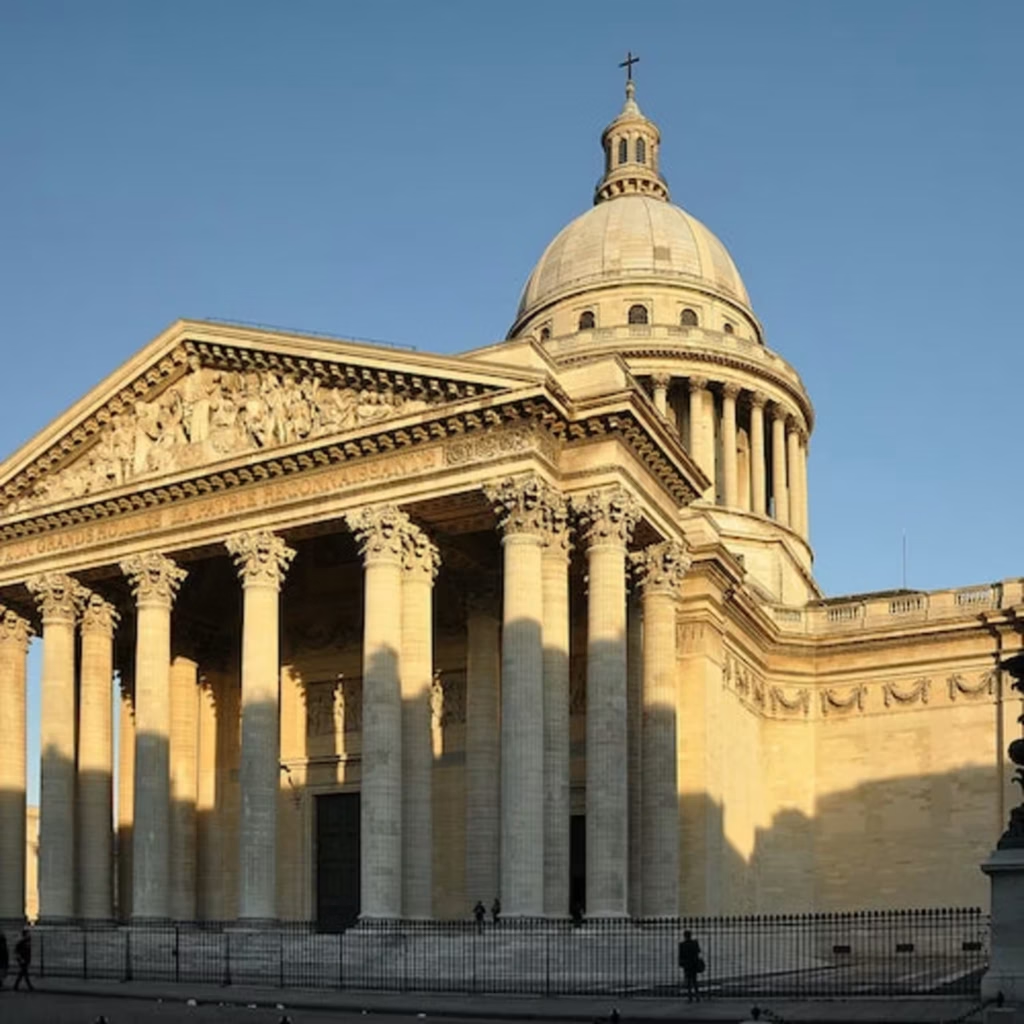
The inscription on the portico, Aux grands hommes la patrie reconnaissante, dates from 1791 and translates as To the great men, a grateful nation.

Soufflot reinforced the stone with iron rods, an early forerunner of reinforced construction; they were replaced in a restoration between 2010 and 2020.

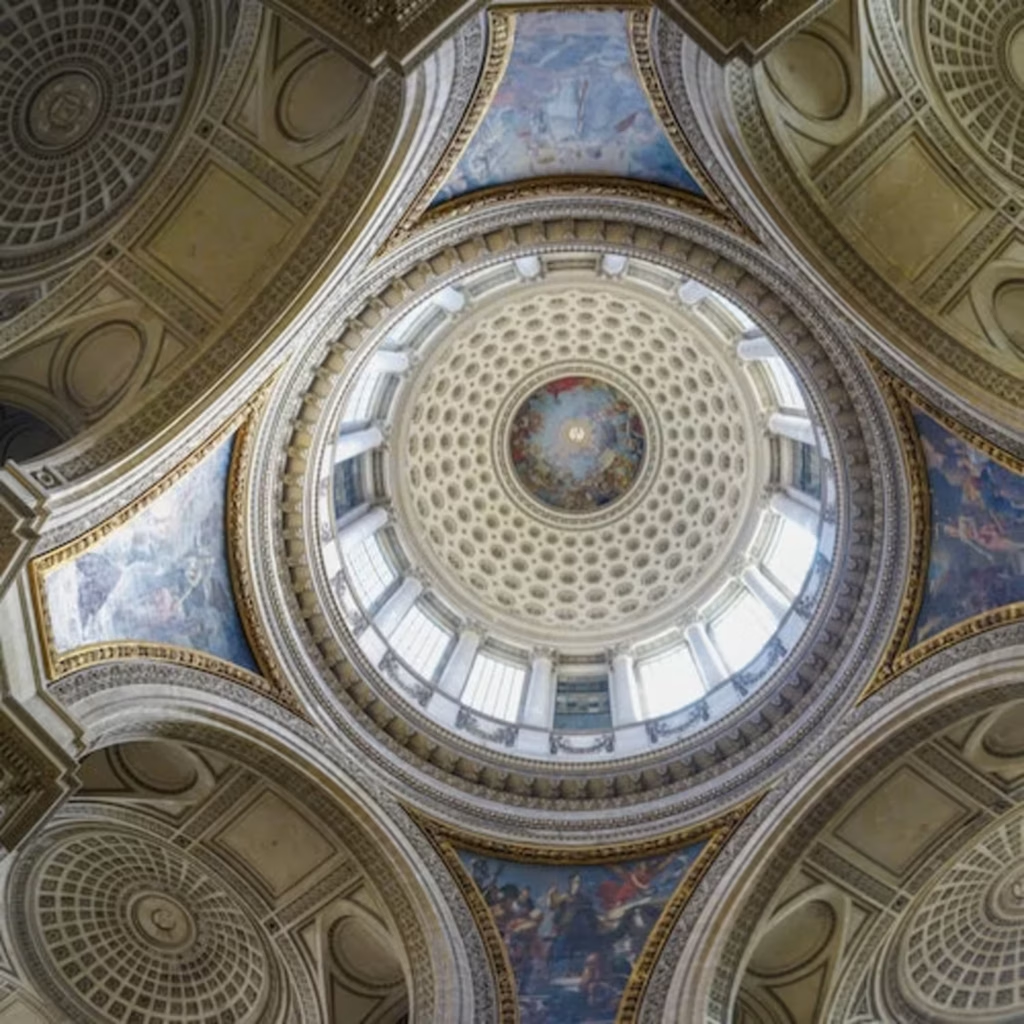
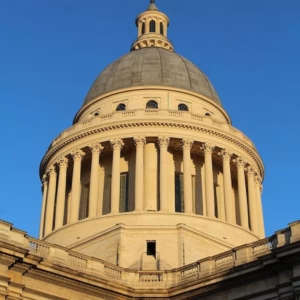
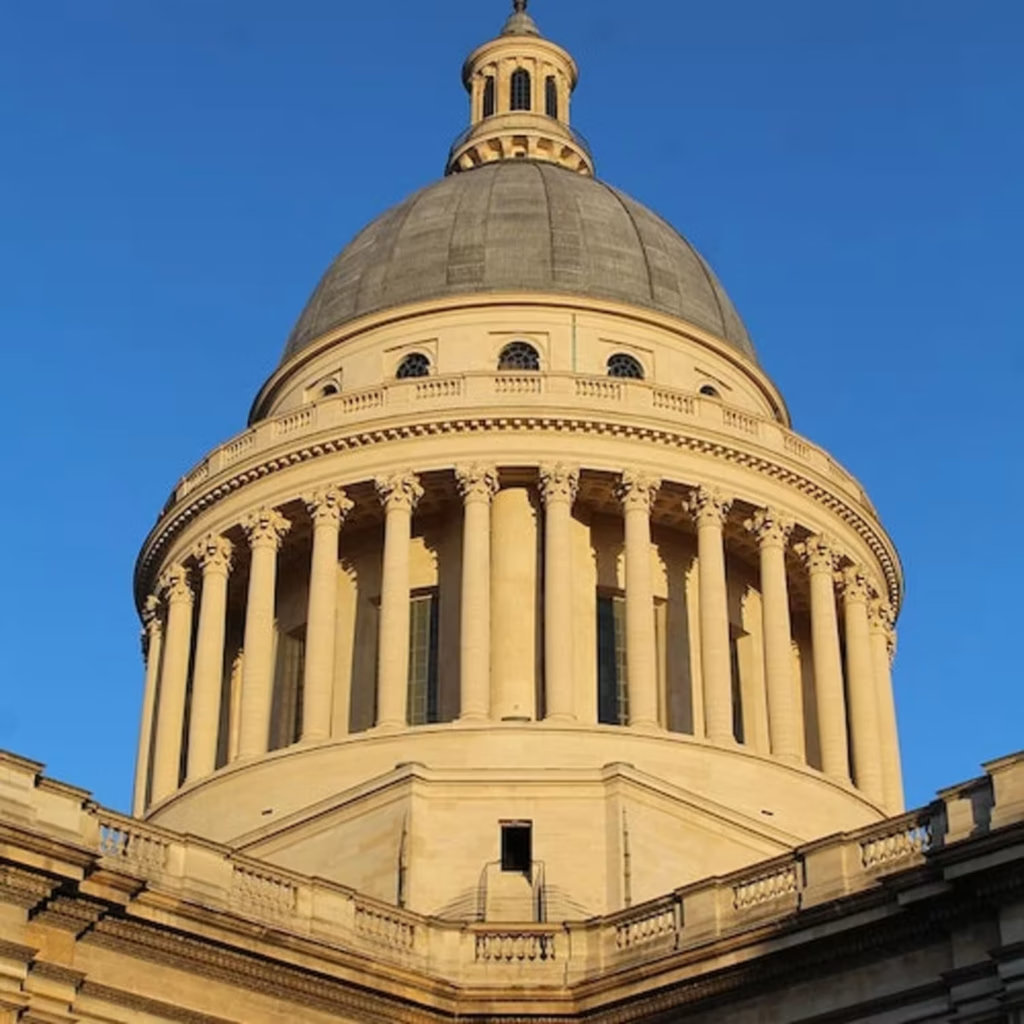
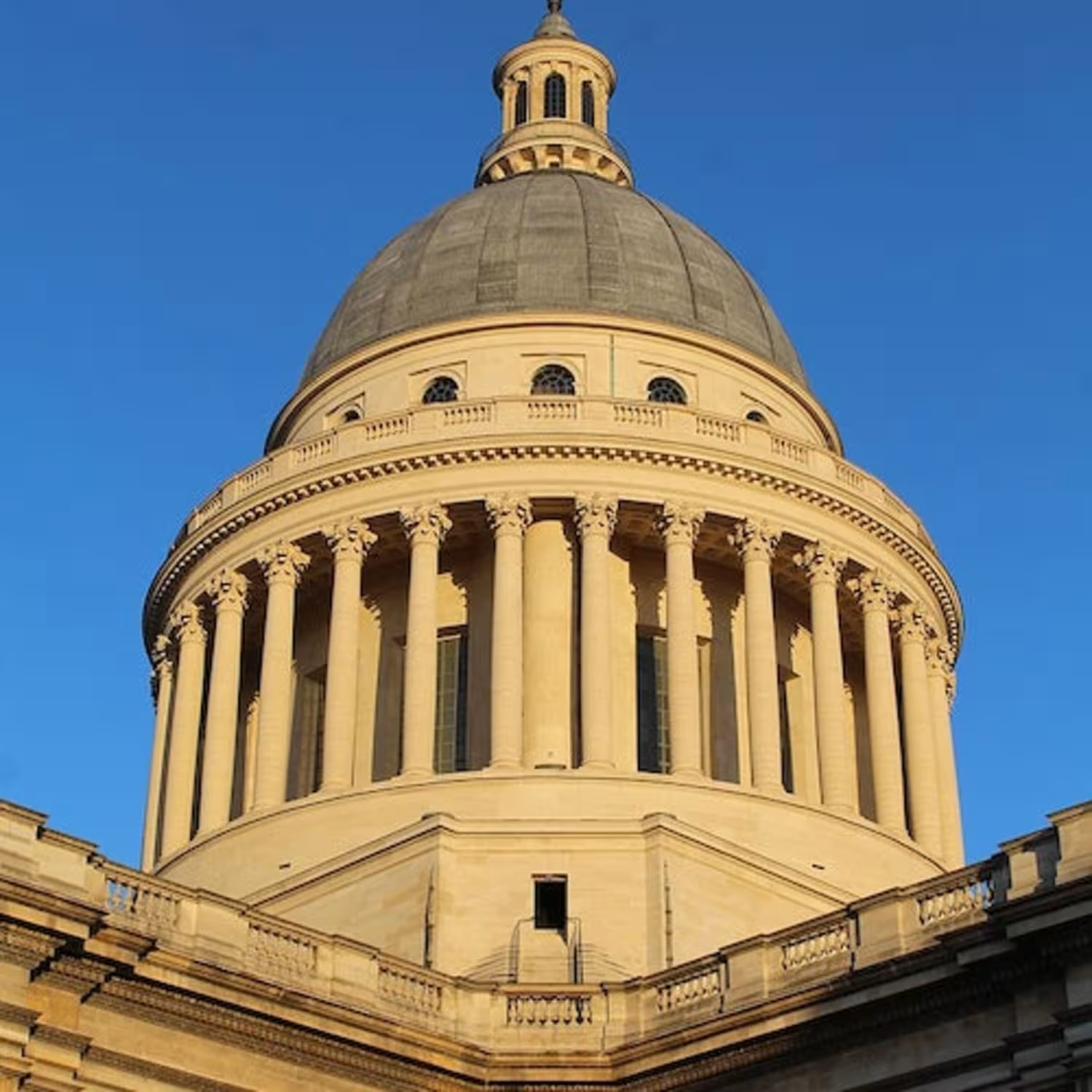
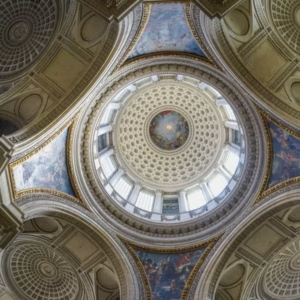
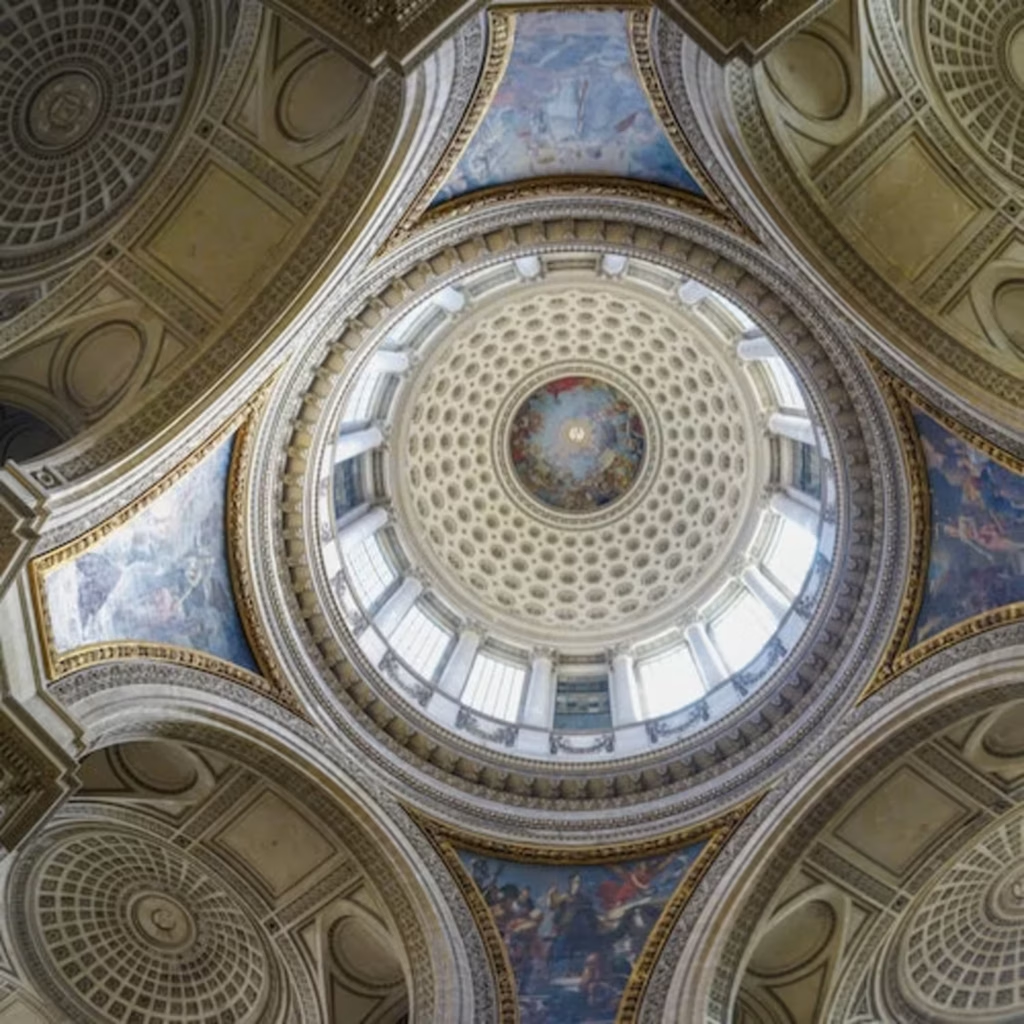
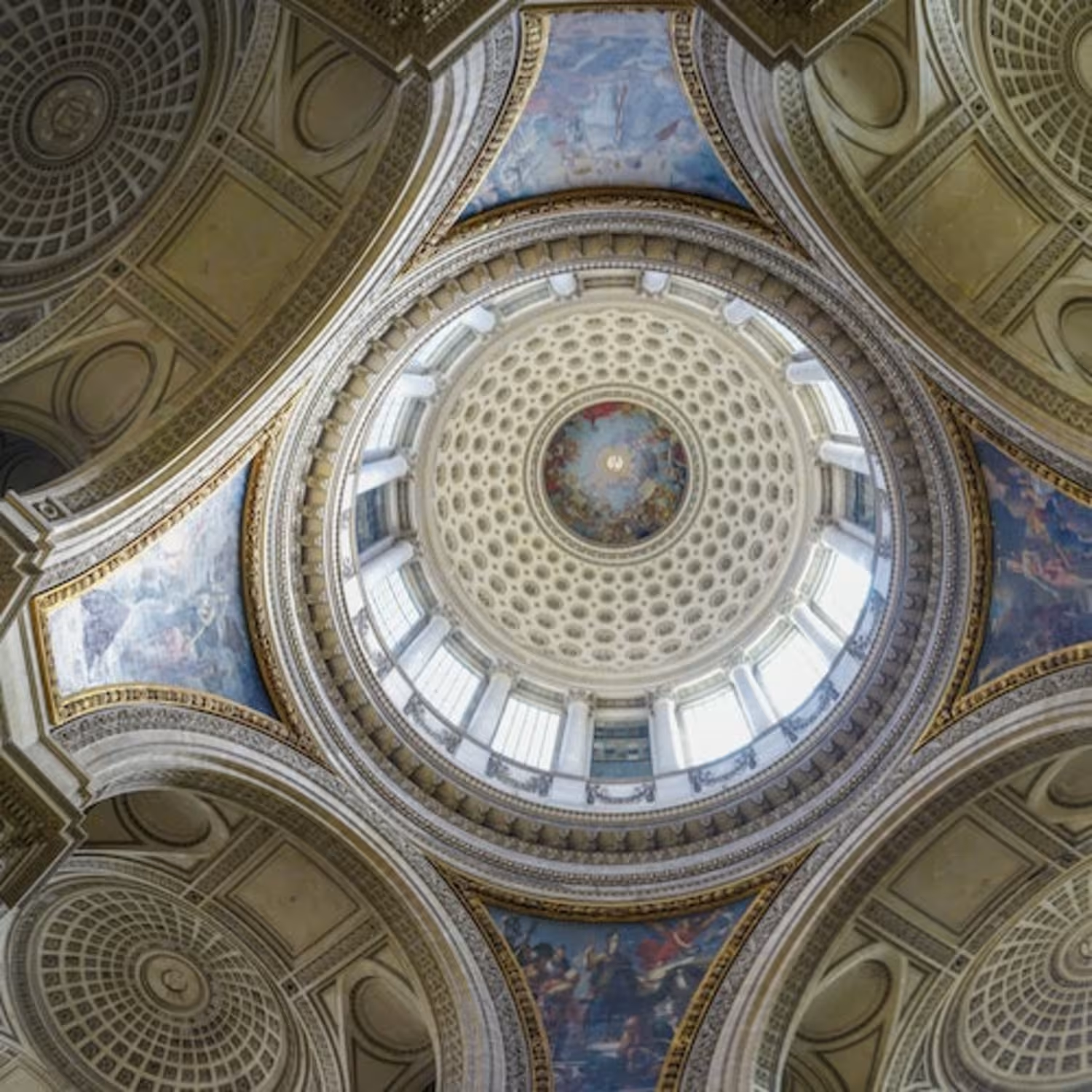
The dome is really three domes, one inside another, built of stone rather than timber.

Voltaire entered on 11 July 1791, one of the first to be honoured after the building became a mausoleum.

More than half of all those buried there were honoured under Napoleon, most of them dignitaries of the Empire.

Since 1958 the decision to honour someone has rested with the President of the Republic.

Not everyone honoured is buried there: some have a cenotaph or an inscription instead.

A King’s Vow on the Montagne Sainte-Geneviève

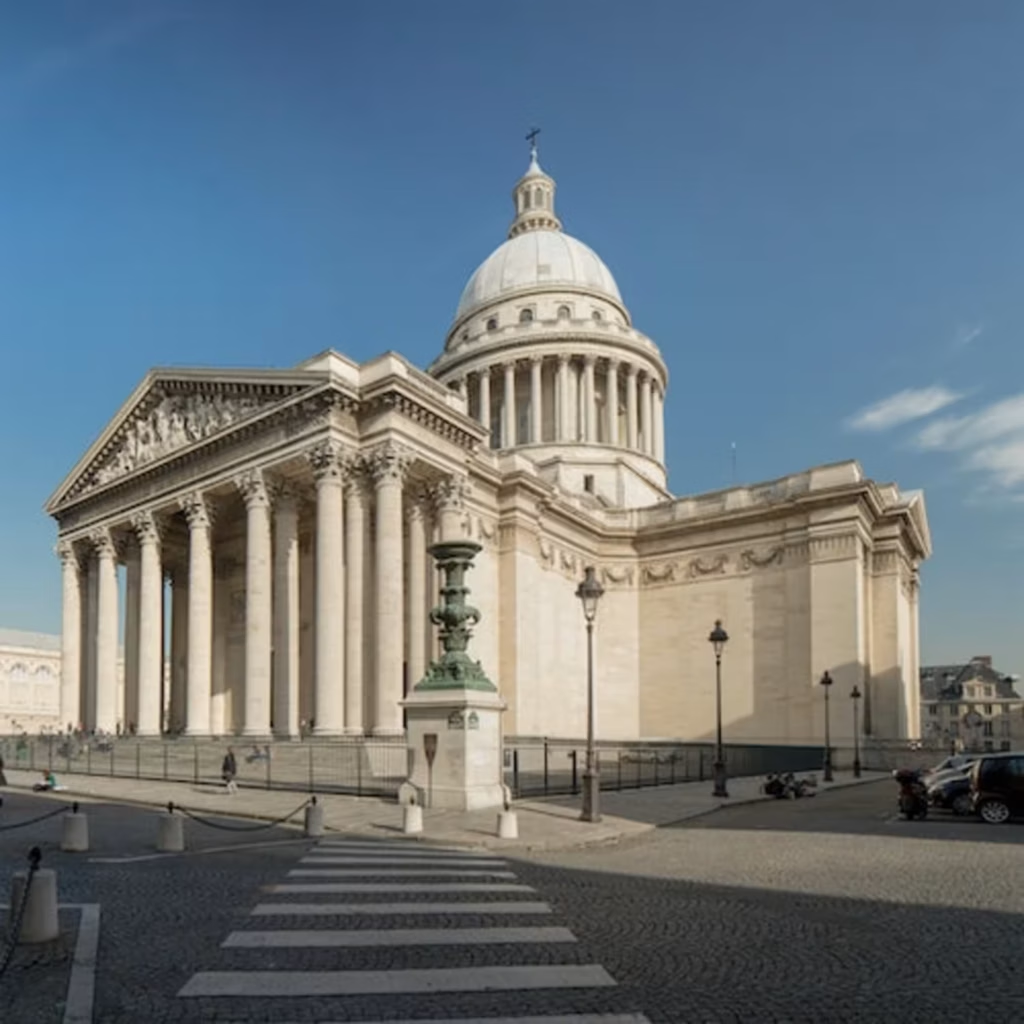
The Panthéon seen from outside

The hilltop had been sacred to Paris long before the Panthéon. Clovis, King of the Franks, built a church here in 508, and Saint Genevieve, who had rallied the city against the Huns, was buried on the site. In 1744 a gravely ill Louis XV vowed that if he recovered he would replace the dilapidated abbey church with a building worthy of the patron saint of Paris.

He recovered, and in 1755 Jacques-Germain Soufflot was chosen as architect. Soufflot had studied in Rome, and his design mixed a Greek-cross plan with a great dome over the crossing, reworked five times before it was fixed in 1777. The foundations went in in 1758, but money was short and work dragged on for decades.

Soufflot died in 1780 without seeing it finished, and his pupil Jean-Baptiste Rondelet completed the church in 1790. Critics had doubted the four pillars could carry such a dome, so Soufflot threaded iron rods through the stonework to hold it together.

From Church to Temple, and Back Again

Inside the Panthéon

The Revolution gave the new church a new purpose. On 4 April 1791 the Assembly decreed that it would become a temple of the nation, holding the remains of great citizens, and approved the inscription over the door. Mirabeau was the first to be placed there, Voltaire followed in July, then Rousseau. The lower windows were bricked up to make the interior darker and more solemn.

For almost a century the building swung back and forth. Napoleon handed it back to the Church while keeping the crypt as a burial place, the restored monarchy consecrated it in 1816, Louis-Philippe made it a Panthéon again in 1830, and Napoleon III restored it as a basilica.

The Third Republic settled the question: a decree of 1881 made it a mausoleum for good, and in 1885 Victor Hugo became the first person entombed there in over fifty years. Zola, Jaurès and, much later, Jean Moulin and Marie Curie would follow.

Who Decides Who Lies in the Crypt

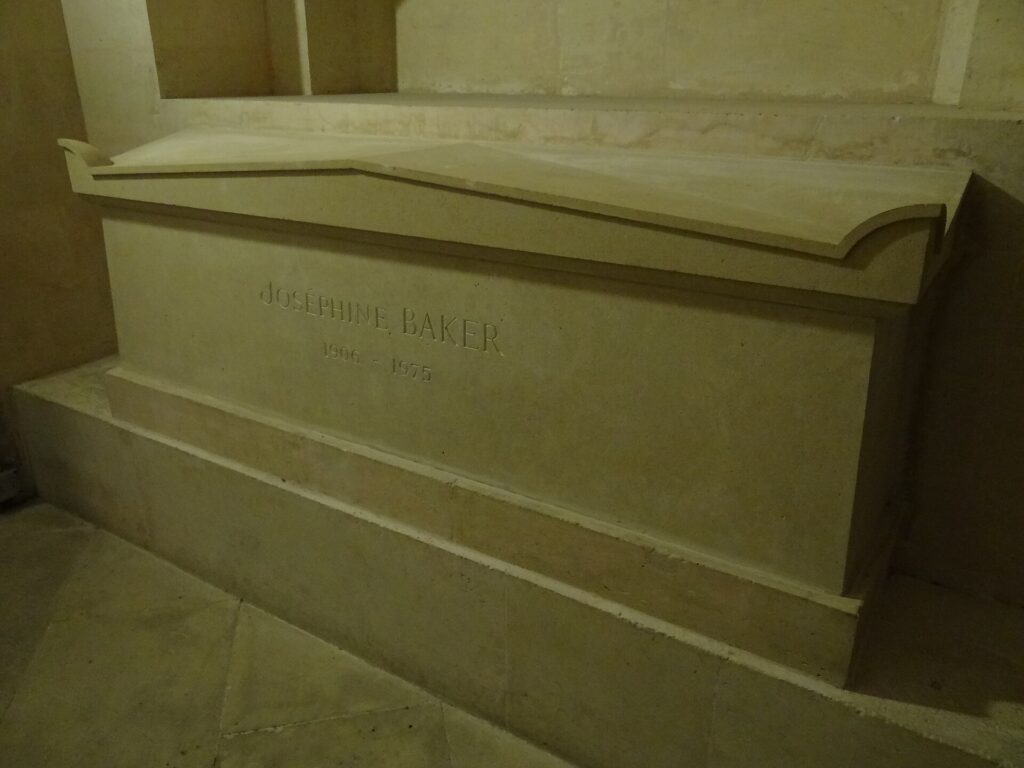
The cenotaph of Joséphine Baker in vault XIII of the Panthéon crypt, Paris

There is no written rule for entering the Panthéon, only a tradition. Someone must have embodied the values of the Republic, through their work, commitments or actions, and they or their descendants must have agreed to the honour. The choice has changed hands over time: the Assembly in 1791, Napoleon under the Empire, Parliament under the Third and Fourth Republics, and the President of the Republic since 1958.

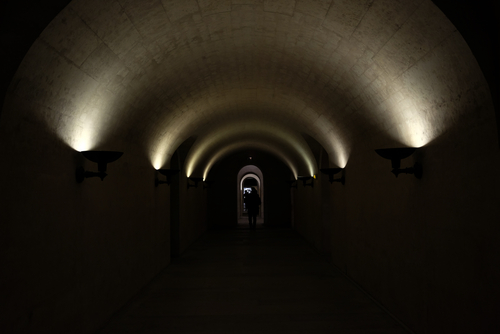
The crypt reflects those shifts. Enlightenment philosophers lie near dozens of Empire dignitaries most visitors have never heard of, then writers, scientists, socialist leaders and resistance fighters from the 20th century. Once an entry is announced, the ceremony takes about three months to prepare.

Honours do not always mean a burial. Joséphine Baker is remembered with a cenotaph, since she remains buried in Monaco, and Aimé Césaire with an inscription, as are the Righteous of France.

Before You Climb the Montagne Sainte-Geneviève

The Panthéon sits at the top of a gentle hill in the Latin Quarter, and the square in front of it is worth a pause before you go in. Inside, spend time under the dome with the pendulum first, then take the stairs down to the crypt and give the vaults as much time as the nave, since that is where the building’s real story lies. Leave time afterwards for the Jardin du Luxembourg, a short walk down the hill.
Visit the Paris Pantheon

Highlights

Explore an elegant neoclassical structure located atop Montagne Sainte Geneviève.

Discover captivating murals portraying the origins of Christianity.

Visit the crypt housing the resting places of France’s illustrious figures.

Witness the famous Foucault’s pendulum demonstrating Earth’s rotation.

Enjoy panoramic views over Paris from the monument’s position in the Latin Quarter.
Ticket-free access to the Panthéon & Saint-Denis Cathedral Basilica

Highlights

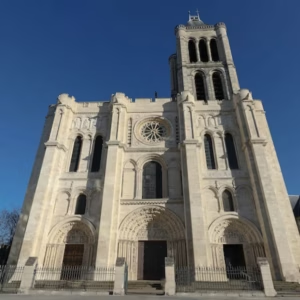
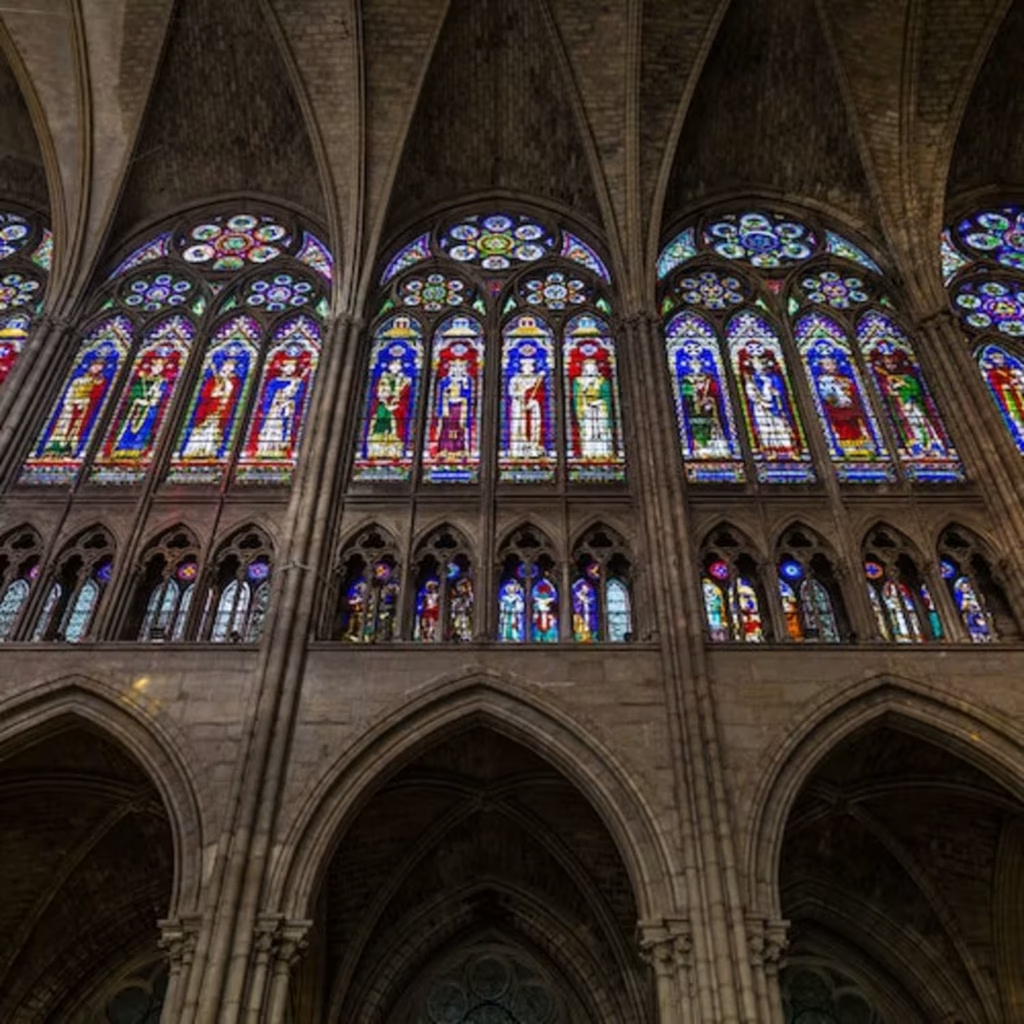
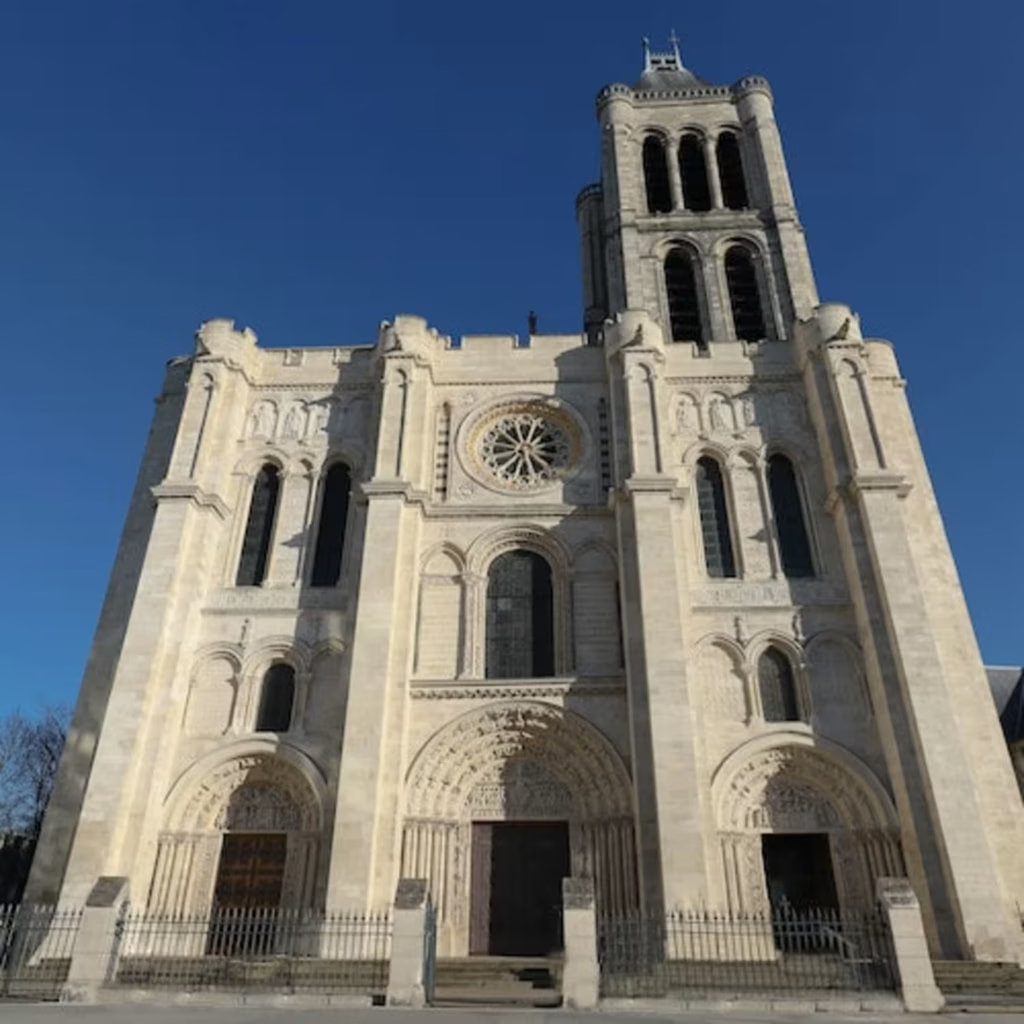
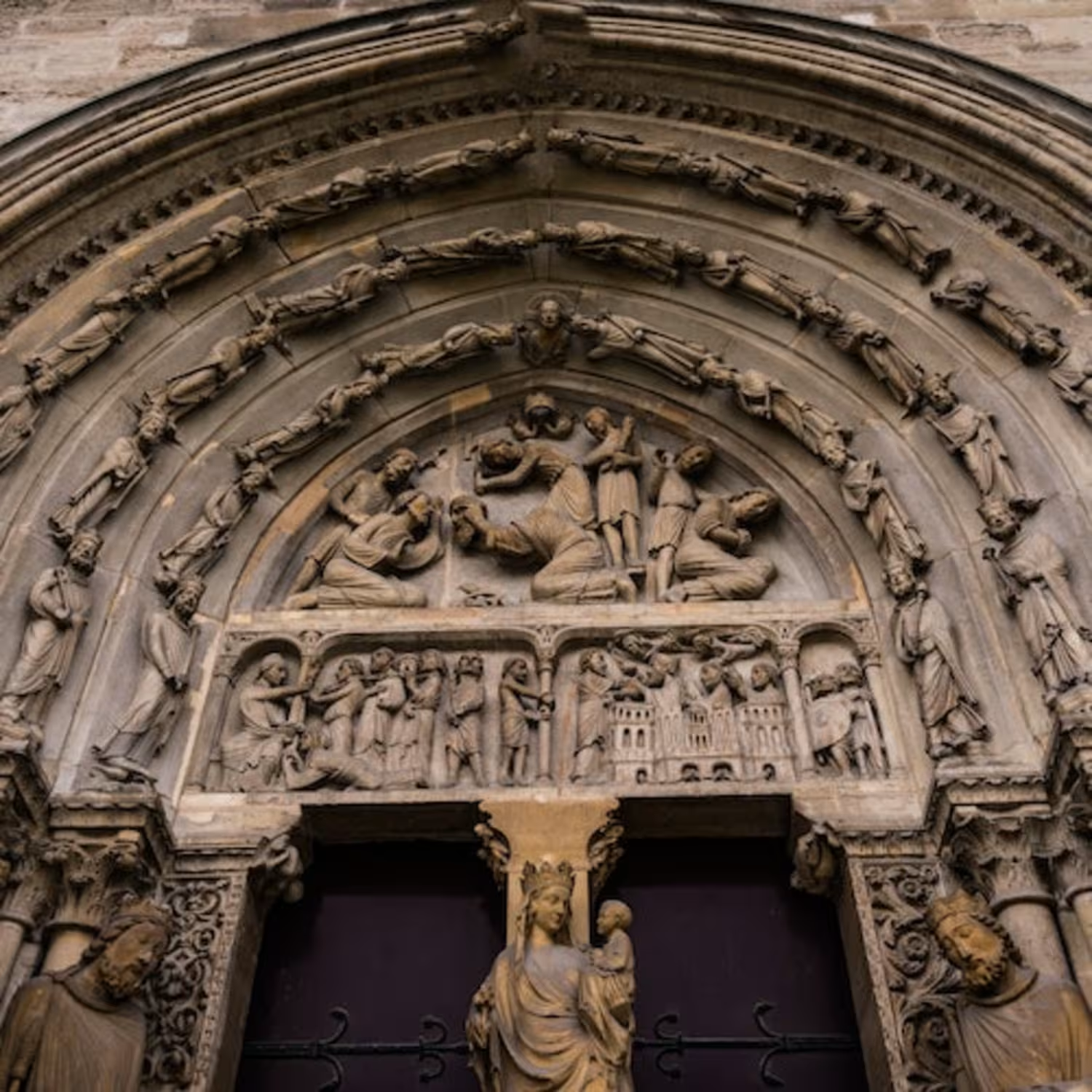
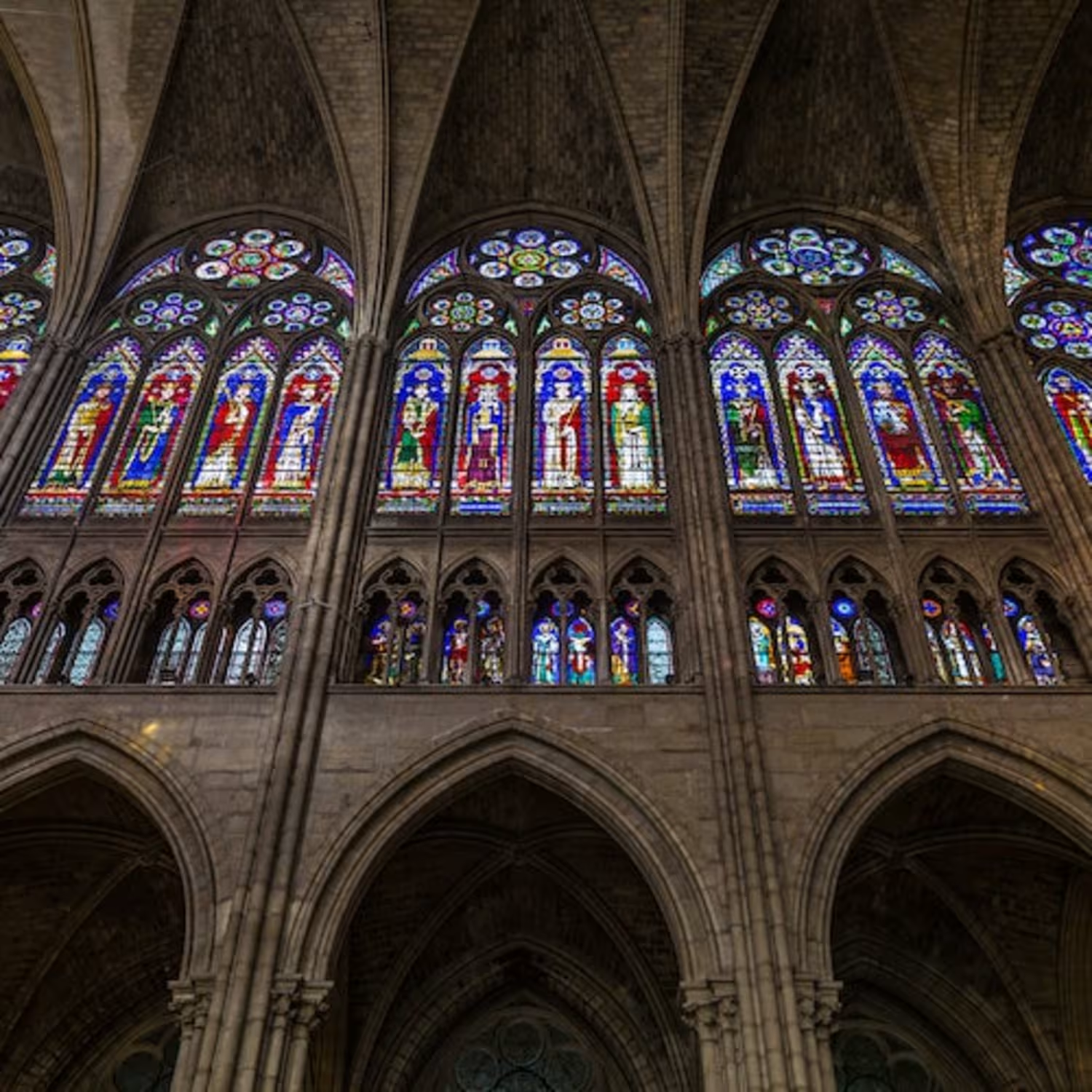
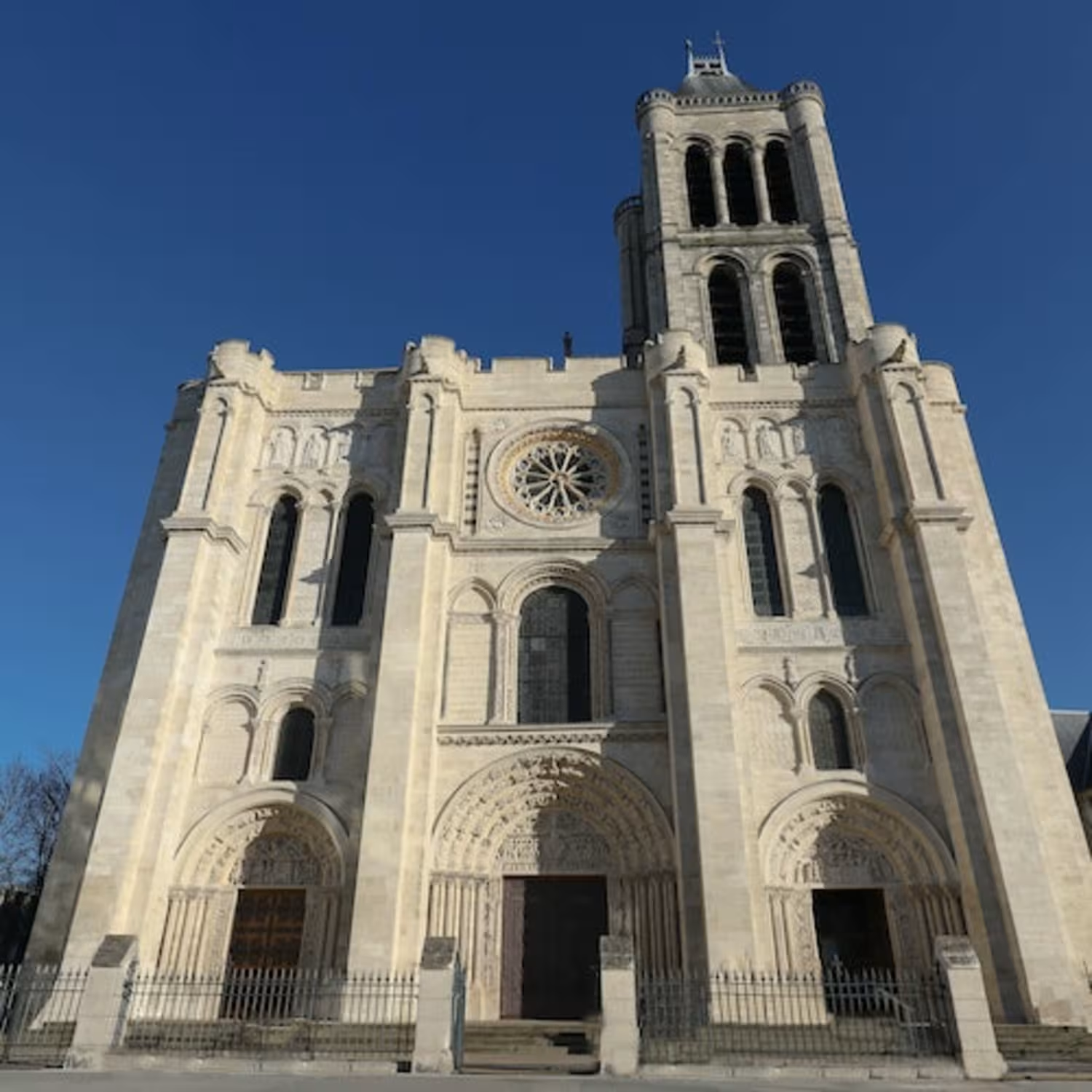
Gain admission to both the historically rich Panthéon and the majestic Basilica of Saint-Denis.

Discover the resting places of notable French figures, including royalty and renowned intellectuals.

Enjoy the impressive architecture and artistic details inside these famous landmarks.

Visit at your leisure with tickets valid throughout their respective open hours.

Benefit from a convenient combined ticket ideal for a thorough cultural experience.
Questions About the Panthéon in Paris

Who is buried in the Panthéon?

Philosophers such as Voltaire and Rousseau, writers including Victor Hugo, Émile Zola and André Malraux, scientists like Marie and Pierre Curie, and resistance figures such as Jean Moulin, alongside many dignitaries of the Napoleonic Empire.

What does Aux grands hommes la patrie reconnaissante mean?

To the great men, a grateful nation. The inscription was added to the portico in 1791, removed during the Restoration and put back in 1830.

Who designed the Panthéon?

Jacques-Germain Soufflot. After his death in 1780, his pupil Jean-Baptiste Rondelet completed the building in 1790.

Was the Panthéon a church?

It was built as the church of Saint Genevieve and served as a church several times in the 19th century. A decree of 1881 made it a secular mausoleum for good.

Is Foucault’s pendulum the original?

The pendulum swinging today is a copy of the one Foucault hung in 1851. It was reinstalled permanently in 1995.

How tall is the dome?

The building rises 83 metres. The dome is made of three shells, one inside another, all in stone.

Who decides who enters the Panthéon?

Since 1958, the President of the Republic. Before that the choice was made by the Assembly, by Napoleon, and by Parliament under the Third and Fourth Republics.

Is everyone honoured in the Panthéon buried there?

No. Some are honoured with a cenotaph, as Joséphine Baker is, or with an inscription, as Aimé Césaire is.

Why were the windows blocked up?

After 1791 the lower windows were bricked up and the upper ones frosted, to make the interior darker and more fitting for a place of mourning.

What stood on the site before the Panthéon?

An abbey church dedicated to Saint Genevieve, on a site where Clovis had founded a church in 508 and where Genevieve herself was buried.

This website sells official tickets for this venue. Please note, however, that it is not the official website of the venue.

The images and videos on this website may contain visual elements that have been created or enhanced using AI technology. They are provided for illustrative purposes only.