We are processing your request.
Please, don’t close or refresh the page.
Paris Tickets Pantheon Paris Women In The Pantheon
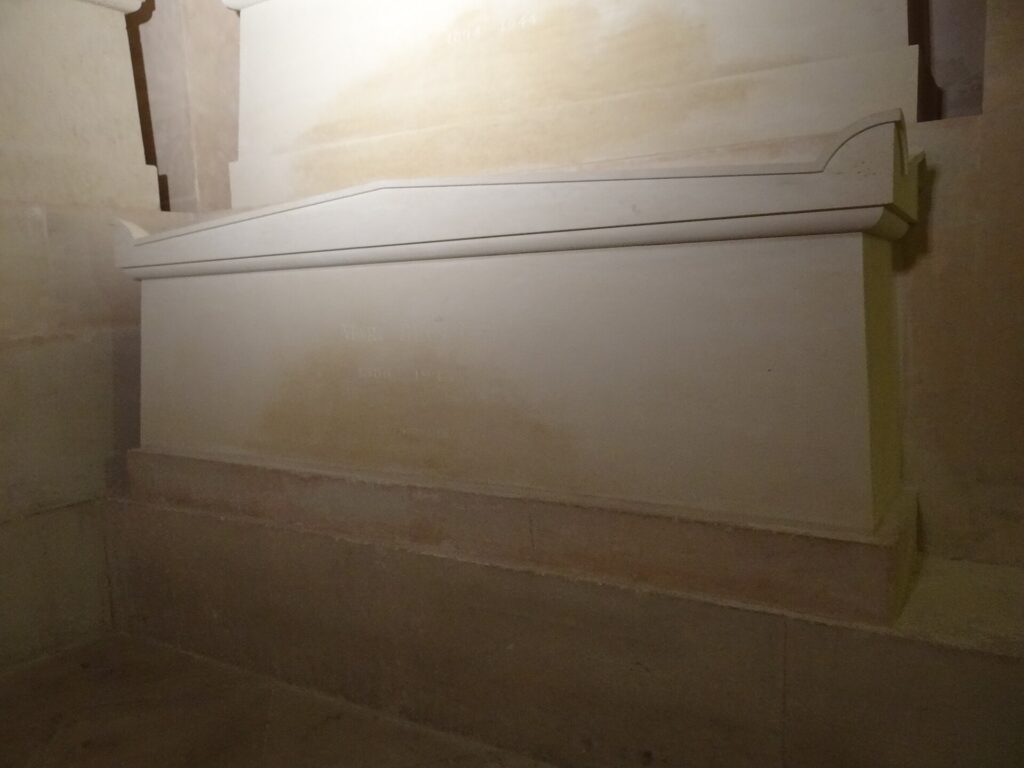
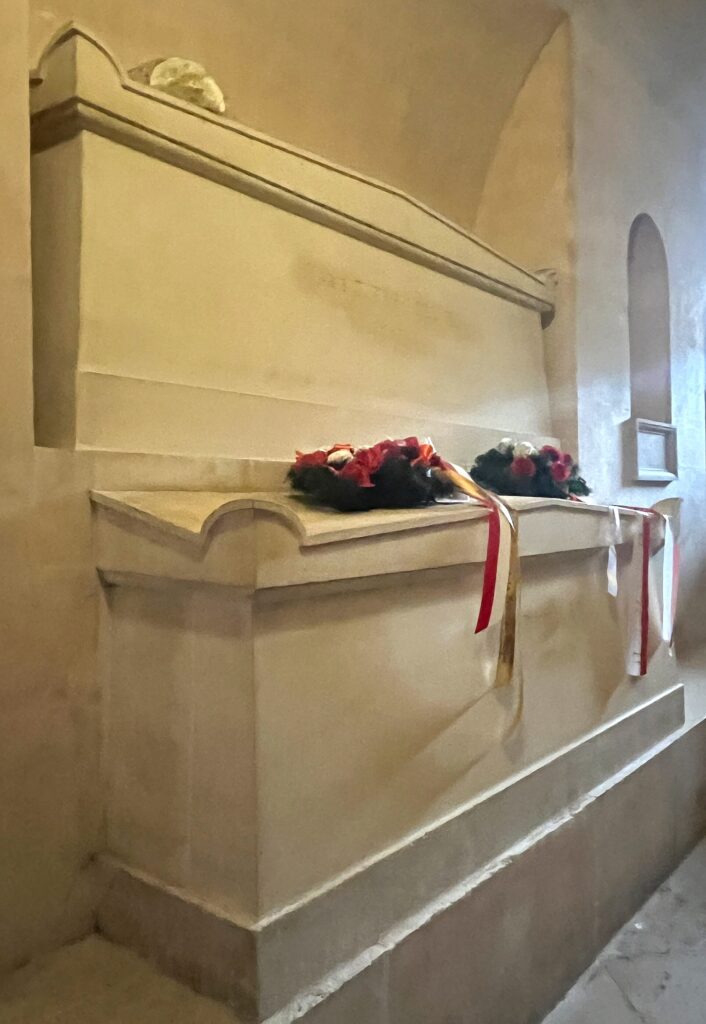
The stone tombs of Marie and Pierre Curie in the Panthéon crypt

Women in the Panthéon: The Scientists, Resistance Heroines and Pioneers Honoured in Paris

For almost two centuries the crypt was a place for great men. Here are the women honoured there, from Sophie Berthelot in 1907 and Marie Curie in 1995 to the resistance heroines who followed.

Great Men, and Women

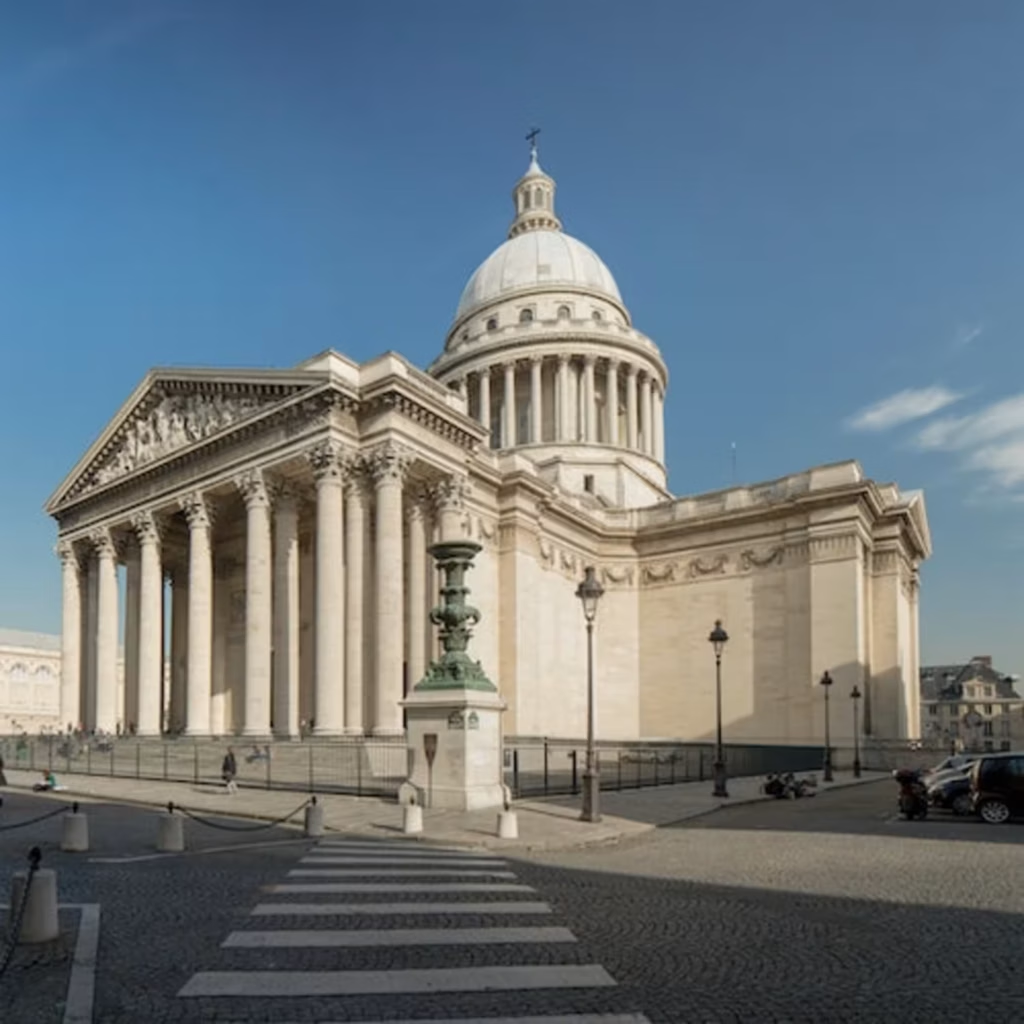
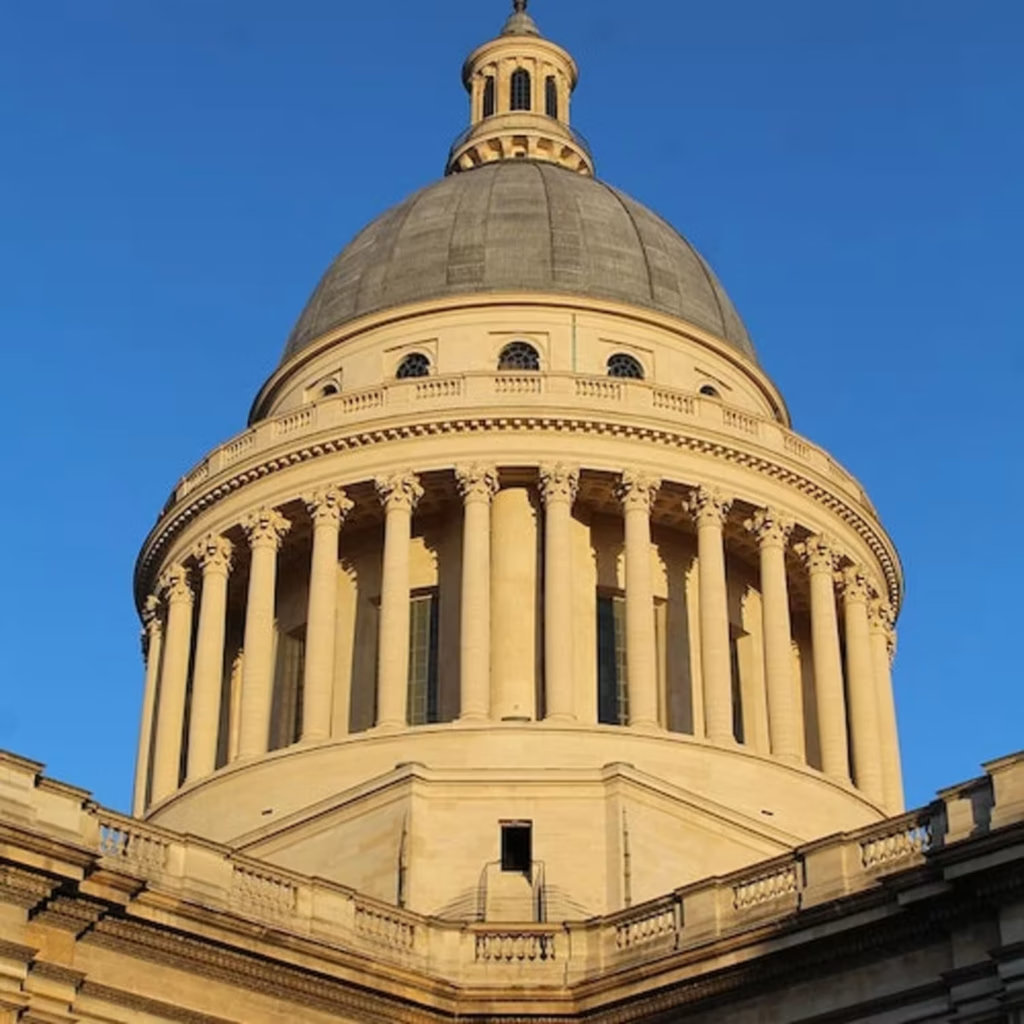
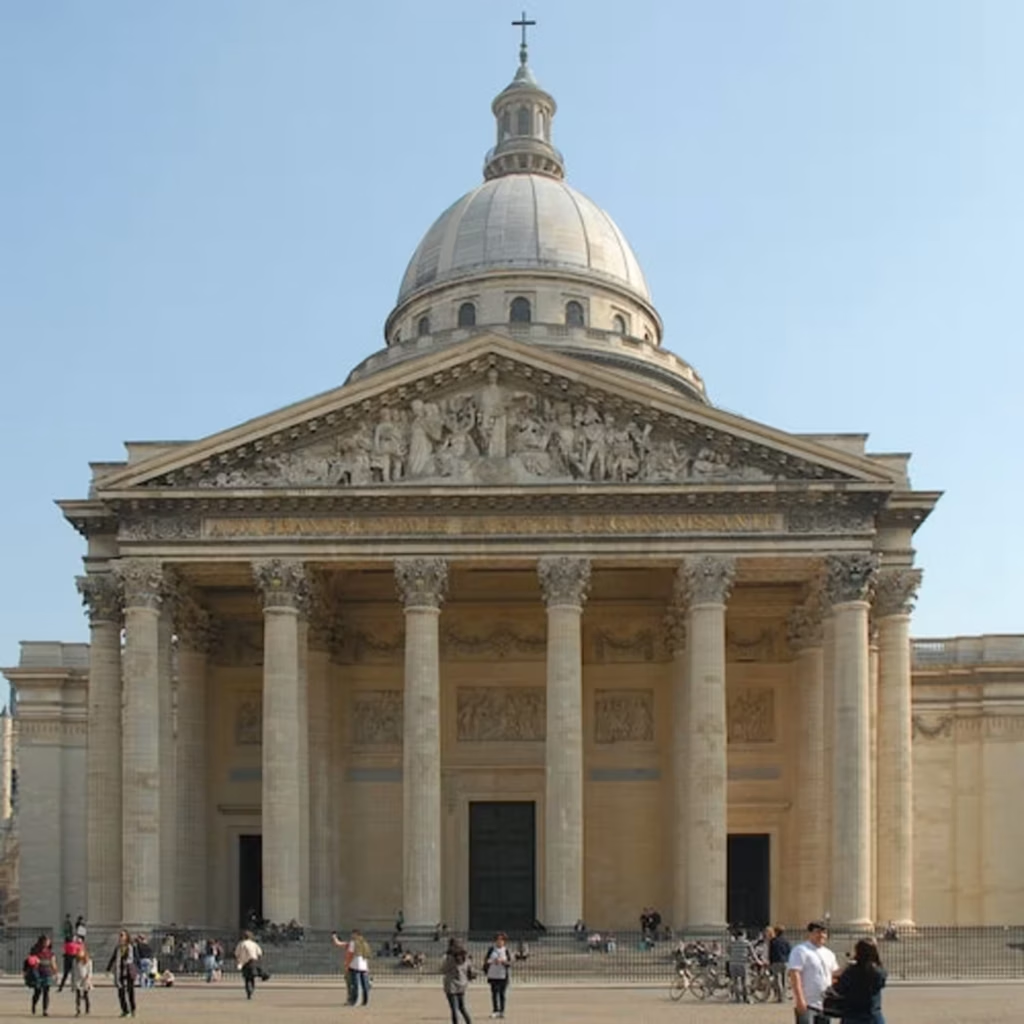
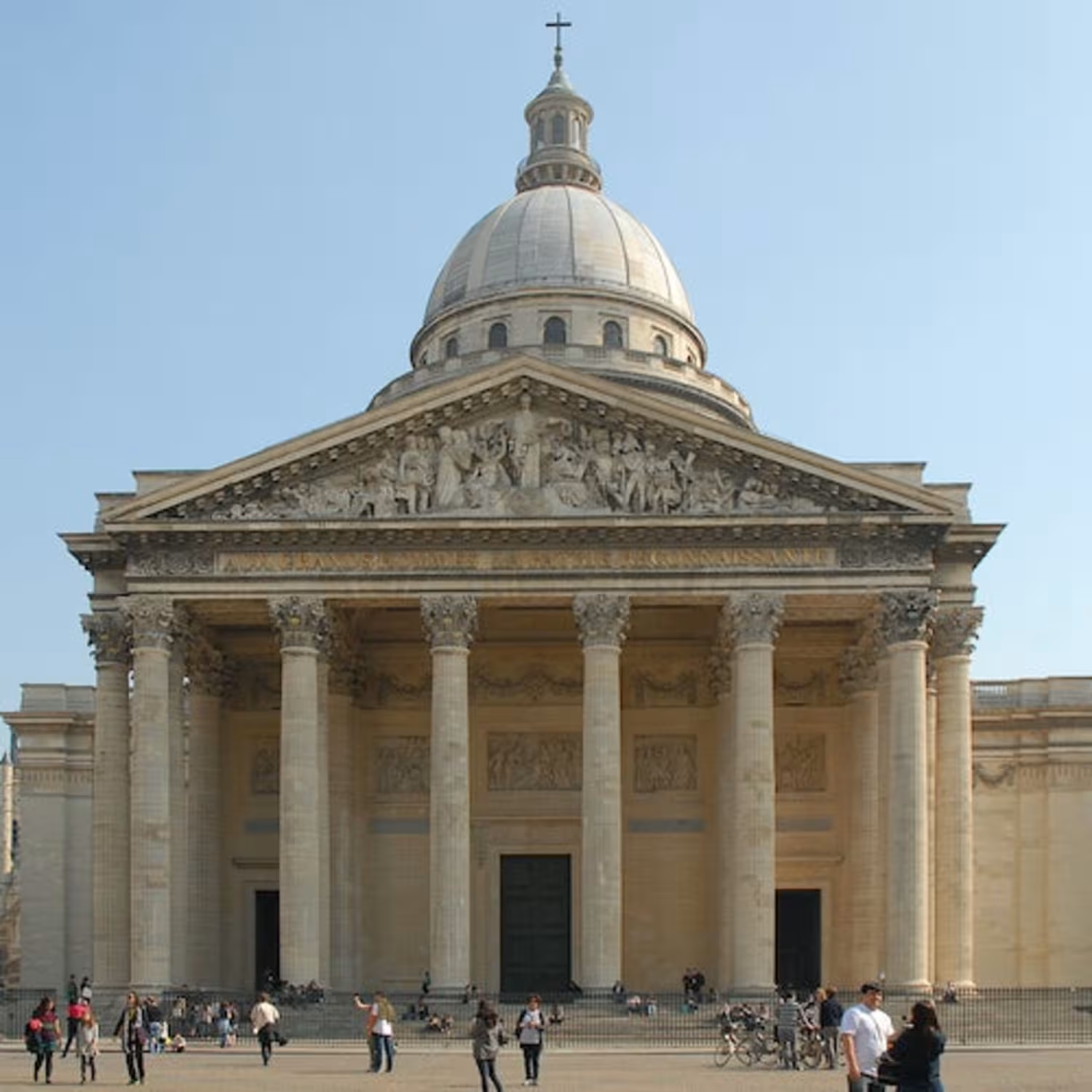
The inscription over the door still speaks of great men, and for most of the building’s history that was literal. Women were long absent from the crypt, and the first to be honoured for her own achievements arrived only in 1995. The handful who have followed are scientists, resistance fighters, a stateswoman and an entertainer, and together they tell a different story of France from the one on the pediment. For the building itself, its dome and its pendulum, see who is buried in the Panthéon, and what to see inside.

Facts About the Women Honoured in the Panthéon

The first woman laid to rest there was Sophie Berthelot, in 1907, by special law, alongside her husband Marcellin.

Marie Curie was the first woman honoured on her own merits, in 1995, together with her husband Pierre.

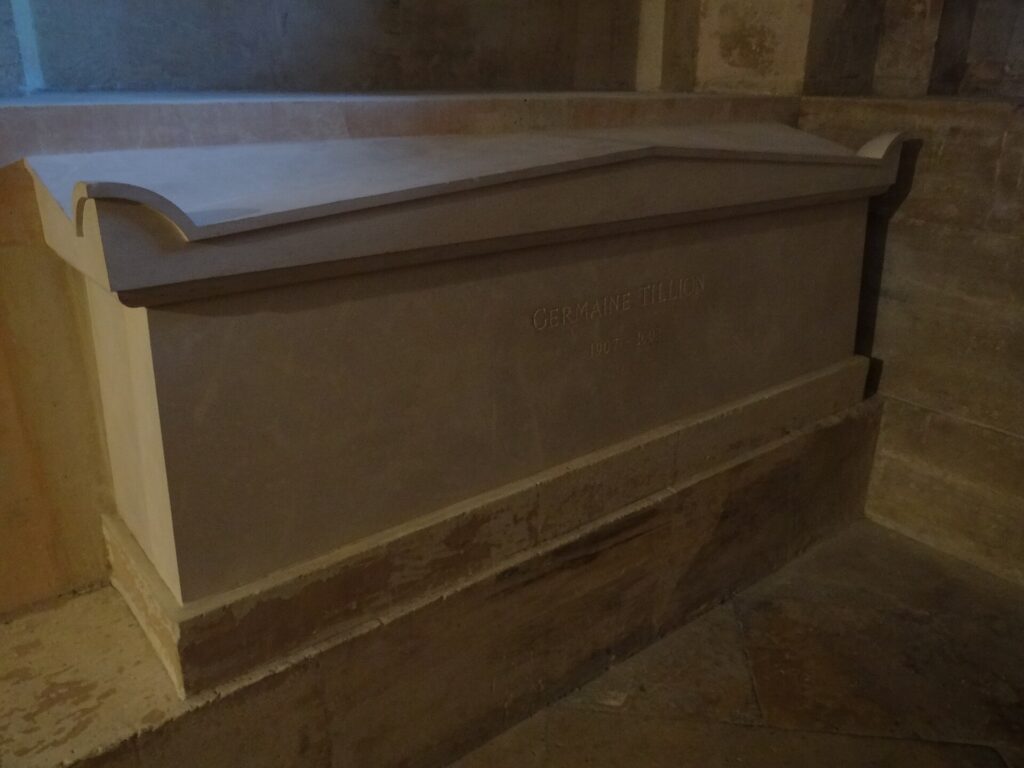
The coffins of Germaine Tillion and Geneviève de Gaulle-Anthonioz hold soil from their graves, not their remains.

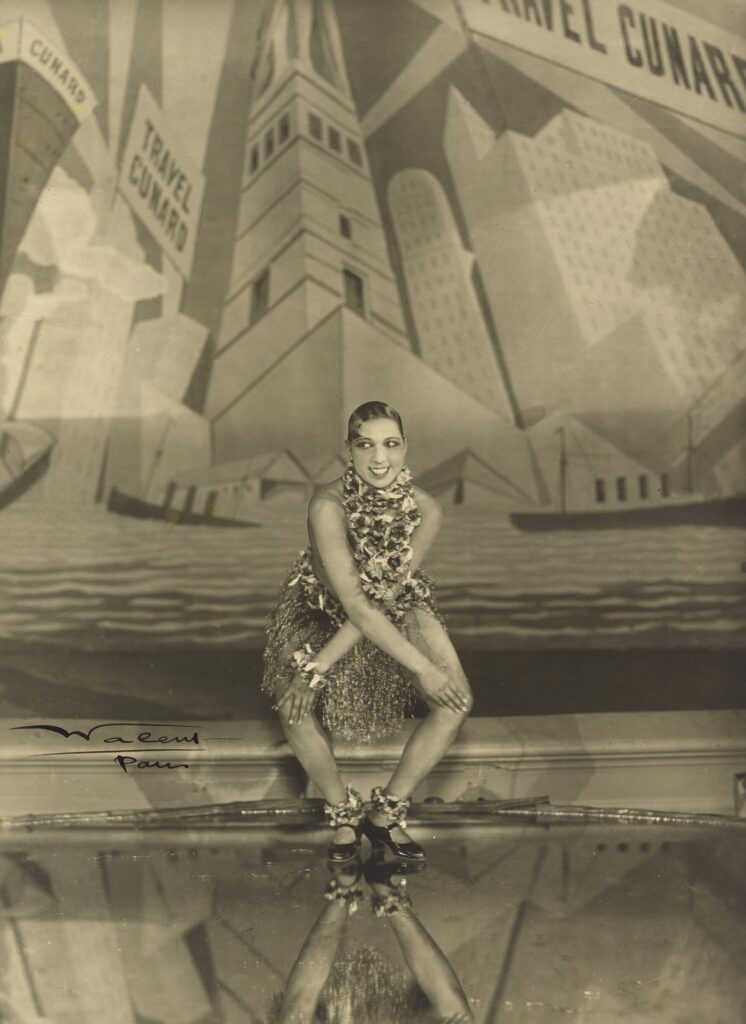
Joséphine Baker, honoured in 2021, is the first Black woman to receive the honour; her body remains in Monaco.

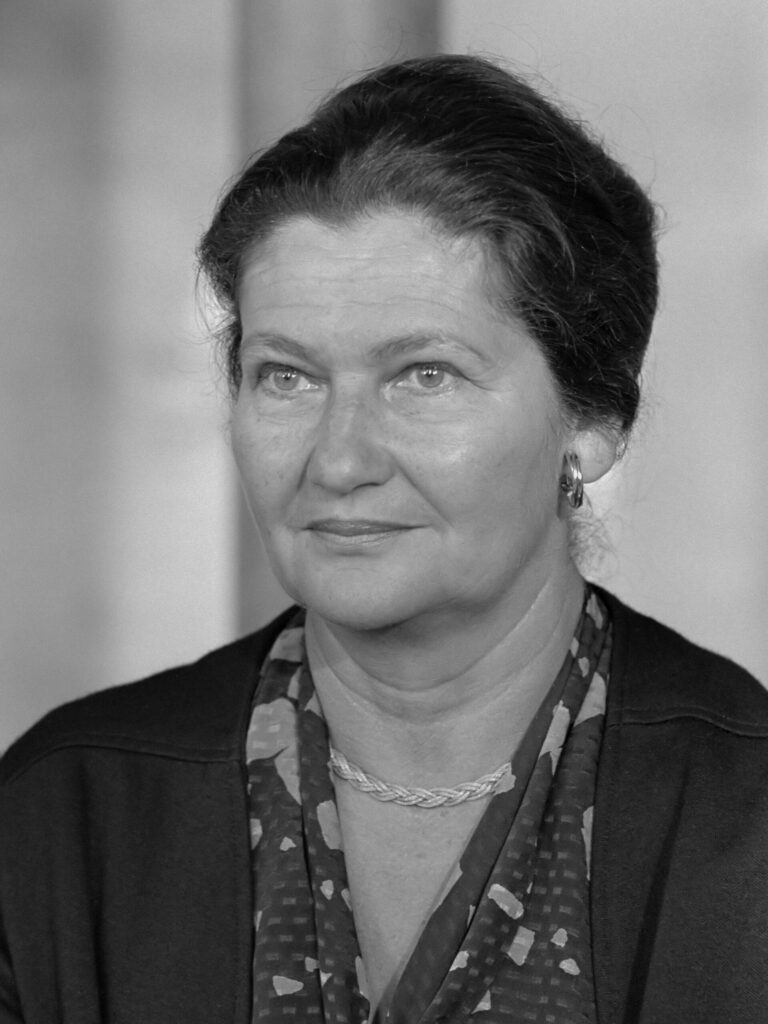
Simone Veil entered in July 2018 with her husband Antoine.

Mélinée Manouchian entered on 21 February 2024 beside her husband Missak, a leader of the Resistance.

Simonne Vidal entered in June 2026 with her husband, the historian Marc Bloch.

Sophie Berthelot, the First Woman in the Crypt
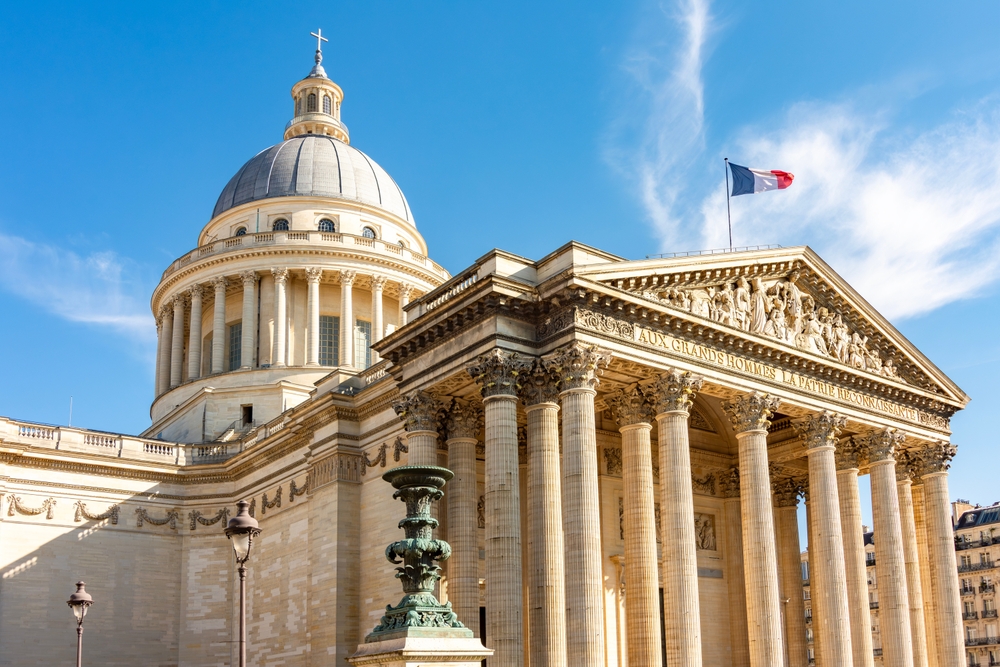
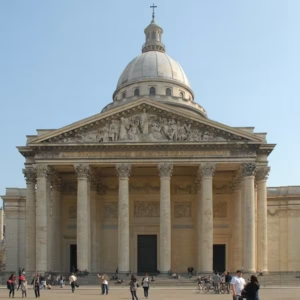
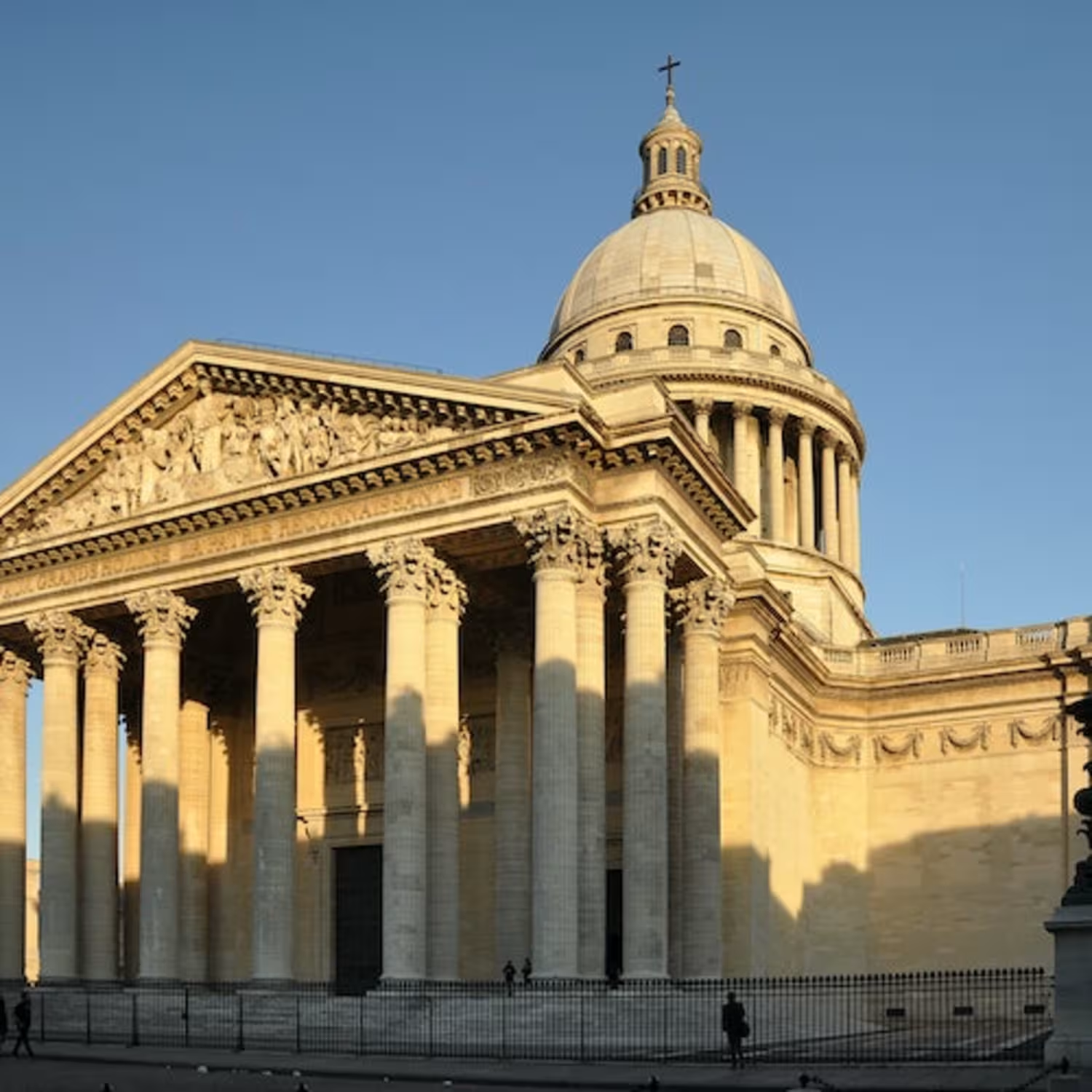
The Panthéon, Paris

The first woman buried in the Panthéon was not honoured for her own work. Sophie Berthelot, born Sophie Niaudet in Nantes in 1837, was the wife of the chemist and politician Marcellin Berthelot, and the couple had six children. She died on 18 March 1907, only hours before her husband.

Marcellin was granted a place in the Panthéon. The family asked that they not be separated, and the government passed a special law allowing Sophie to be buried with him, officially in homage to her conjugal virtue. They received a joint state funeral and share a single tomb.

For almost ninety years she remained the only woman in the crypt. It took until the end of the 20th century for a woman to be admitted for what she herself had done.

The First Woman Honoured on Her Own Merits
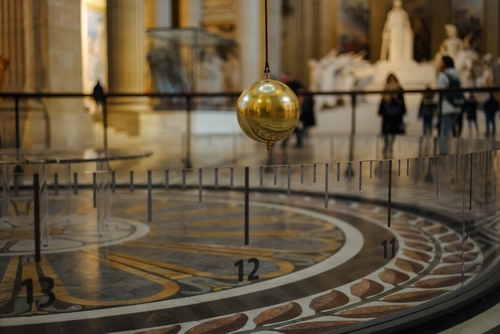
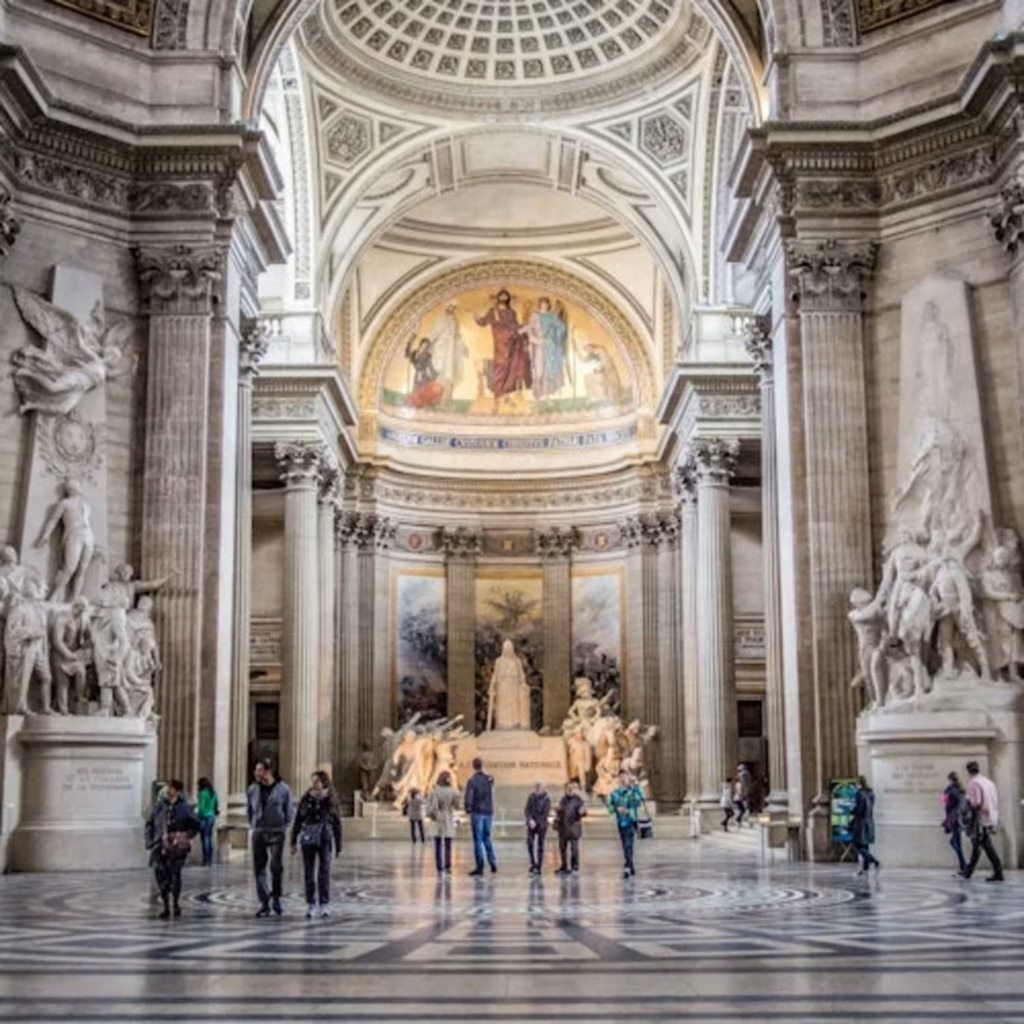
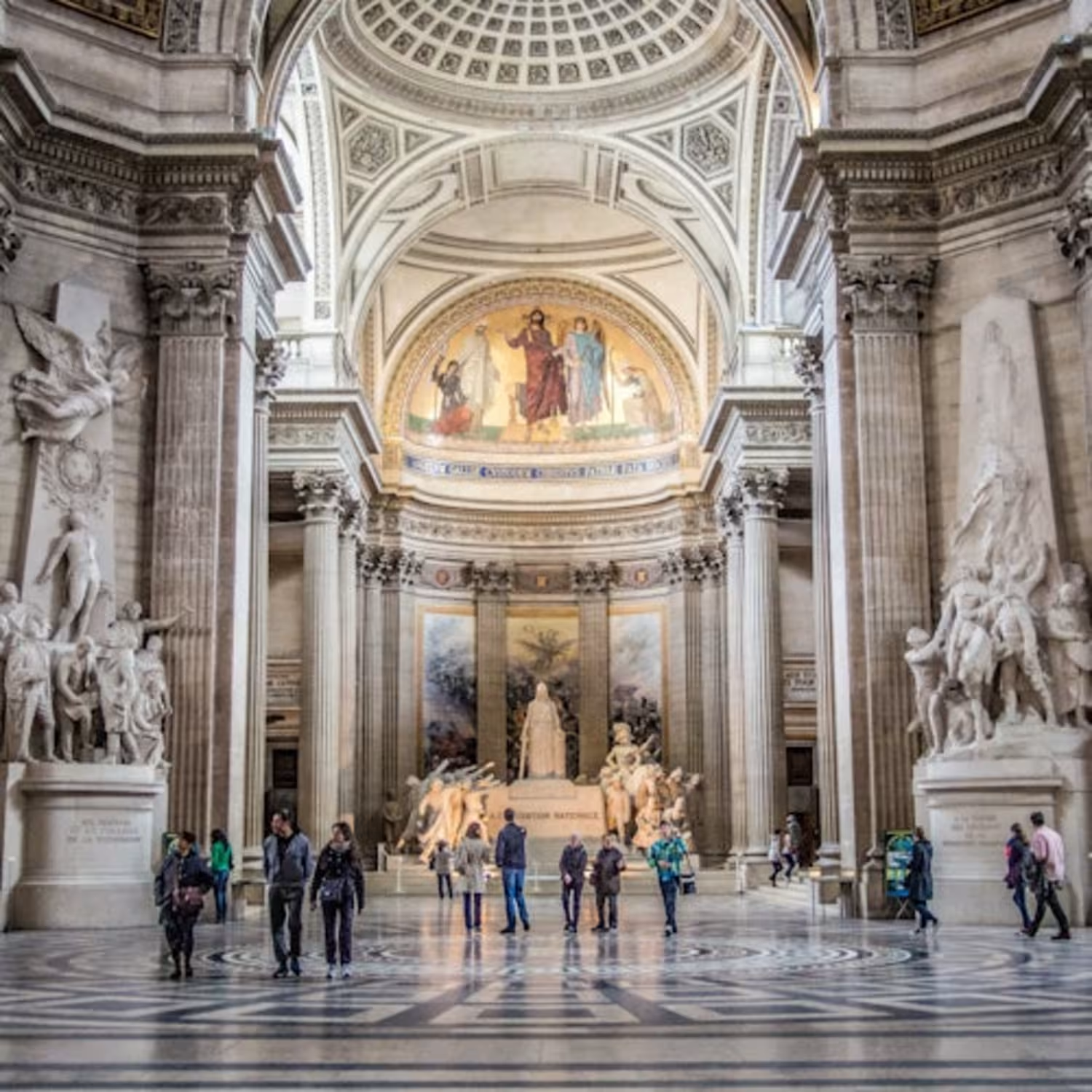
Inside the Panthéon

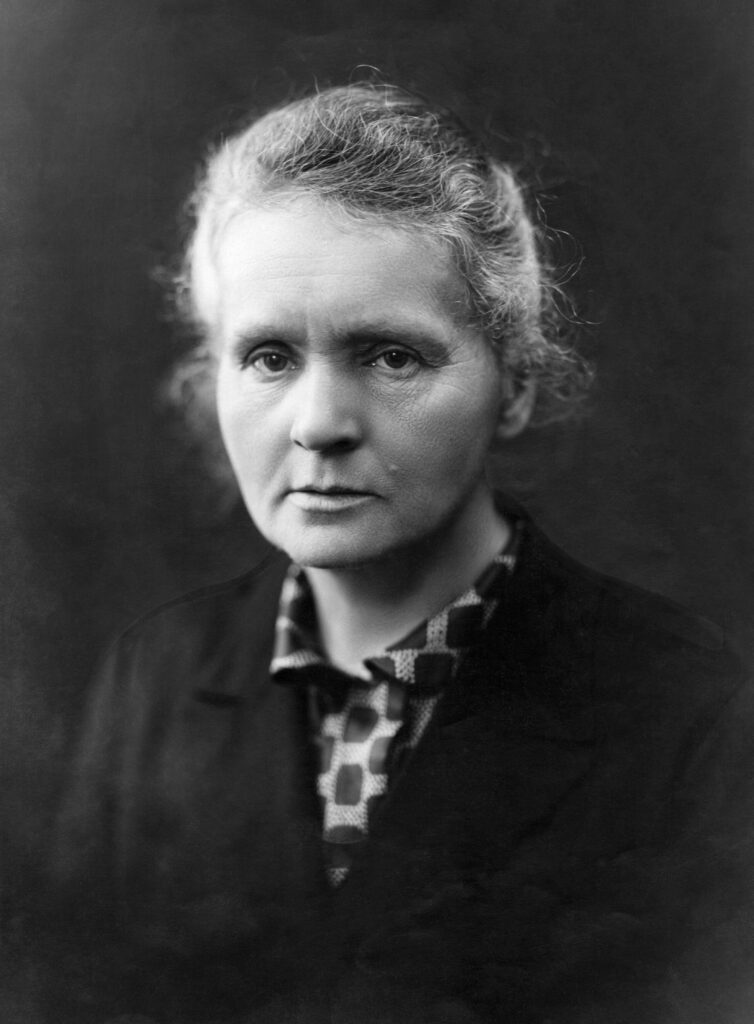
The wait ended on 20 April 1995. Marie Curie, winner of the Nobel Prize in Physics in 1903 and in Chemistry in 1911, was carried into the crypt with her husband Pierre, and she became the first woman honoured there for her own achievements, rather than as someone’s wife.

The couple had lain in the cemetery at Sceaux, south of Paris, since her death in 1934, and the transfer was decided by President François Mitterrand, with the Polish president Lech Wałęsa at the ceremony. How the move was handled, and why lead was part of it, is told on Marie Curie’s grave in the Panthéon.

The ceremony drew attention to how male the crypt still was, almost two centuries after the Revolution. Other women would not follow for twenty years, until two heroines of the Resistance entered together.

Resistance Heroines Honoured in the Crypt
On 21 February 2014 President François Hollande announced that Germaine Tillion and Geneviève de Gaulle-Anthonioz would enter the Panthéon, along with Pierre Brossolette and Jean Zay. Both women had been deported to Ravensbrück for their resistance work. They entered in May 2015.

Germaine Tillion was an ethnologist who lived to be a hundred. Geneviève de Gaulle-Anthonioz, niece of Charles de Gaulle, later led the anti-poverty movement ATD Quart Monde from 1964 to 1998 and fought for a law against poverty, passed in 1998.

Their families chose not to move their bodies, so their coffins in the crypt hold soil from their graves. The honour, in both cases, is symbolic, which the Panthéon allows.

Finding Them in the Crypt

The women’s tombs are spread through the crypt among those of the men they were honoured beside, so it pays to go slowly rather than follow the crowd straight to Voltaire and Rousseau. Look for the Curies’ vault and for the door of the vault shared by Maurice Genevoix and Joséphine Baker. A standard ticket covers the crypt, so you can spend as long down there as you like.
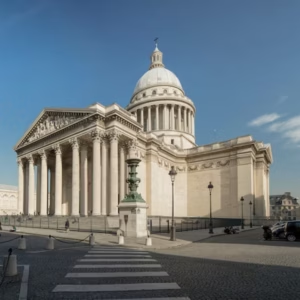
Visit the Paris Pantheon

Highlights

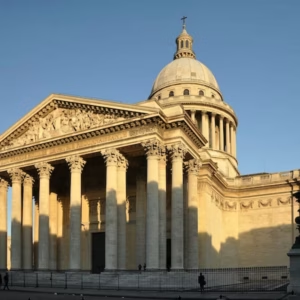
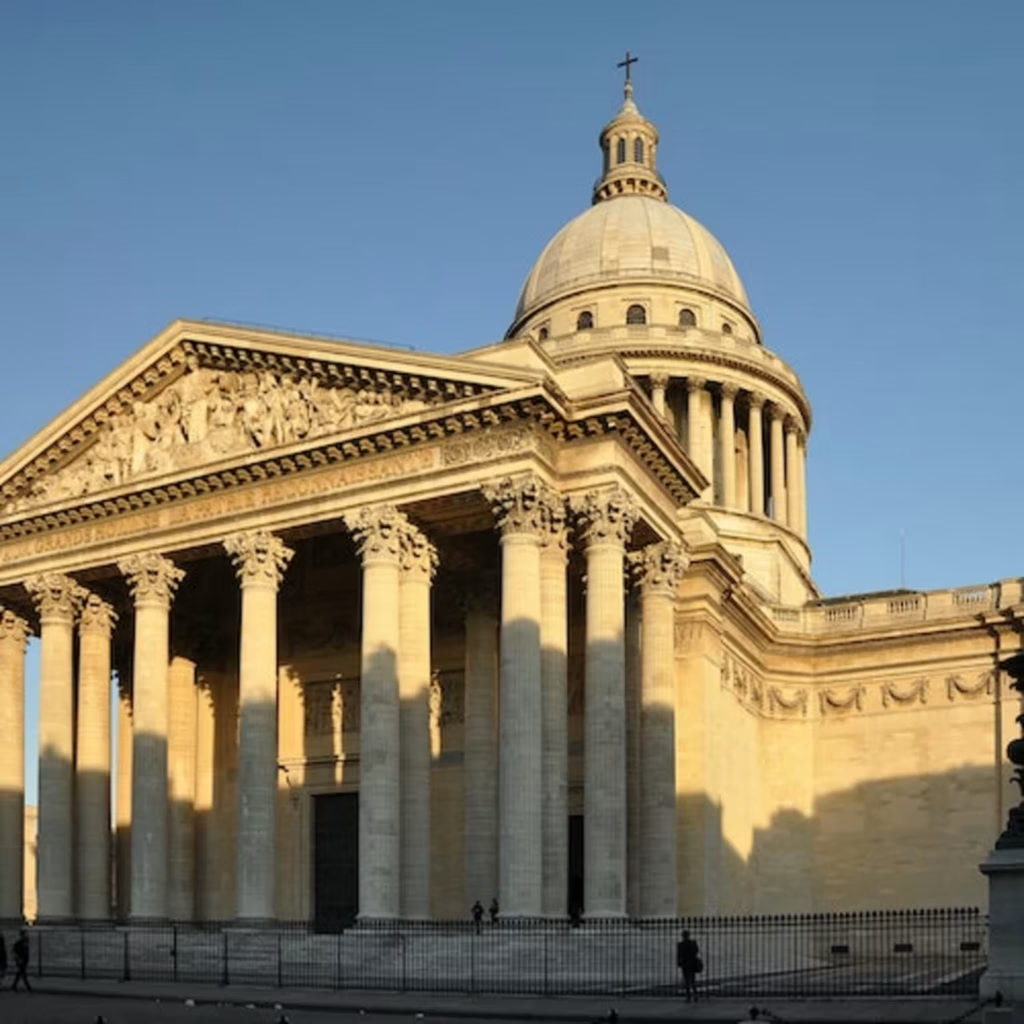
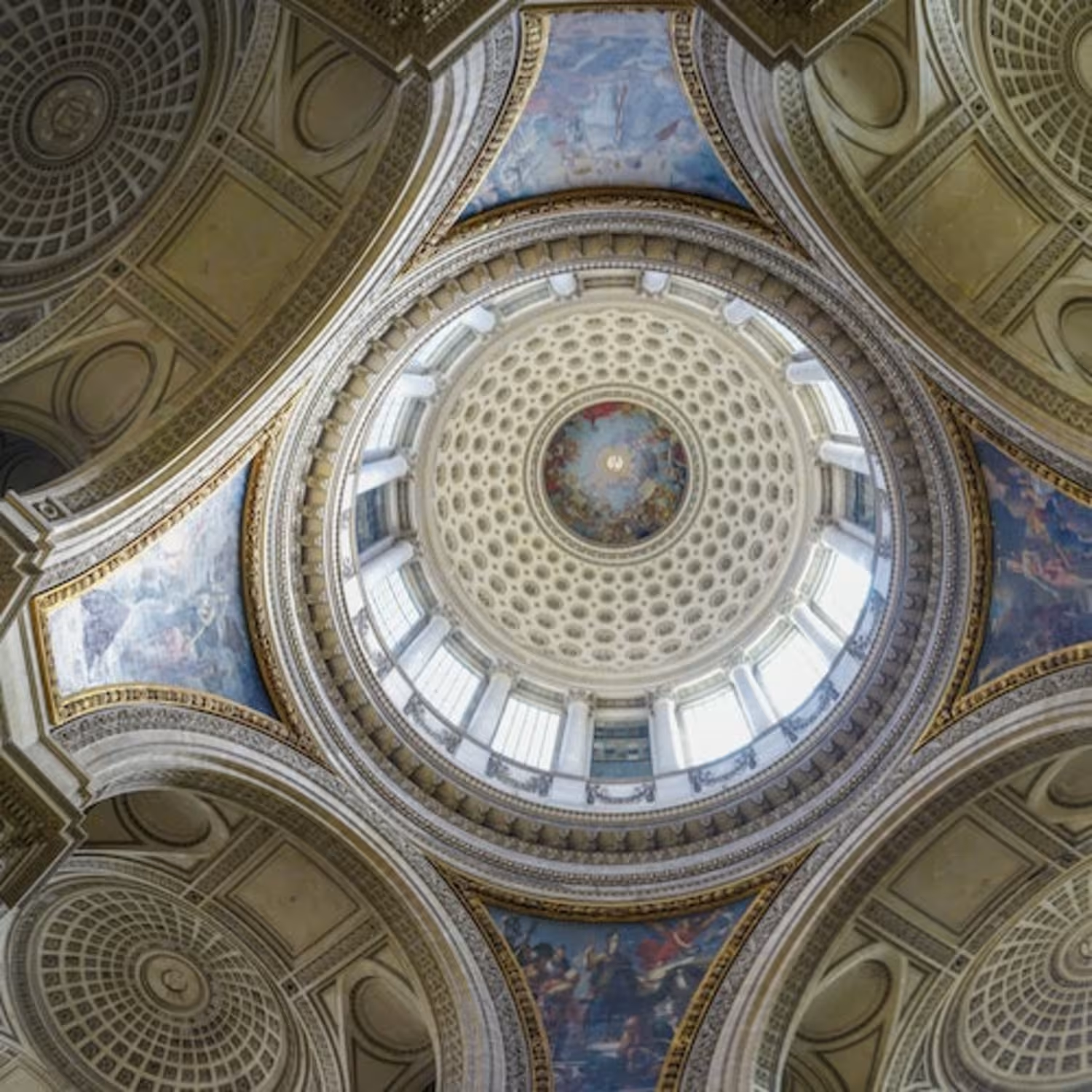
Explore an elegant neoclassical structure located atop Montagne Sainte Geneviève.

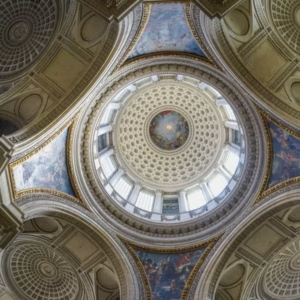
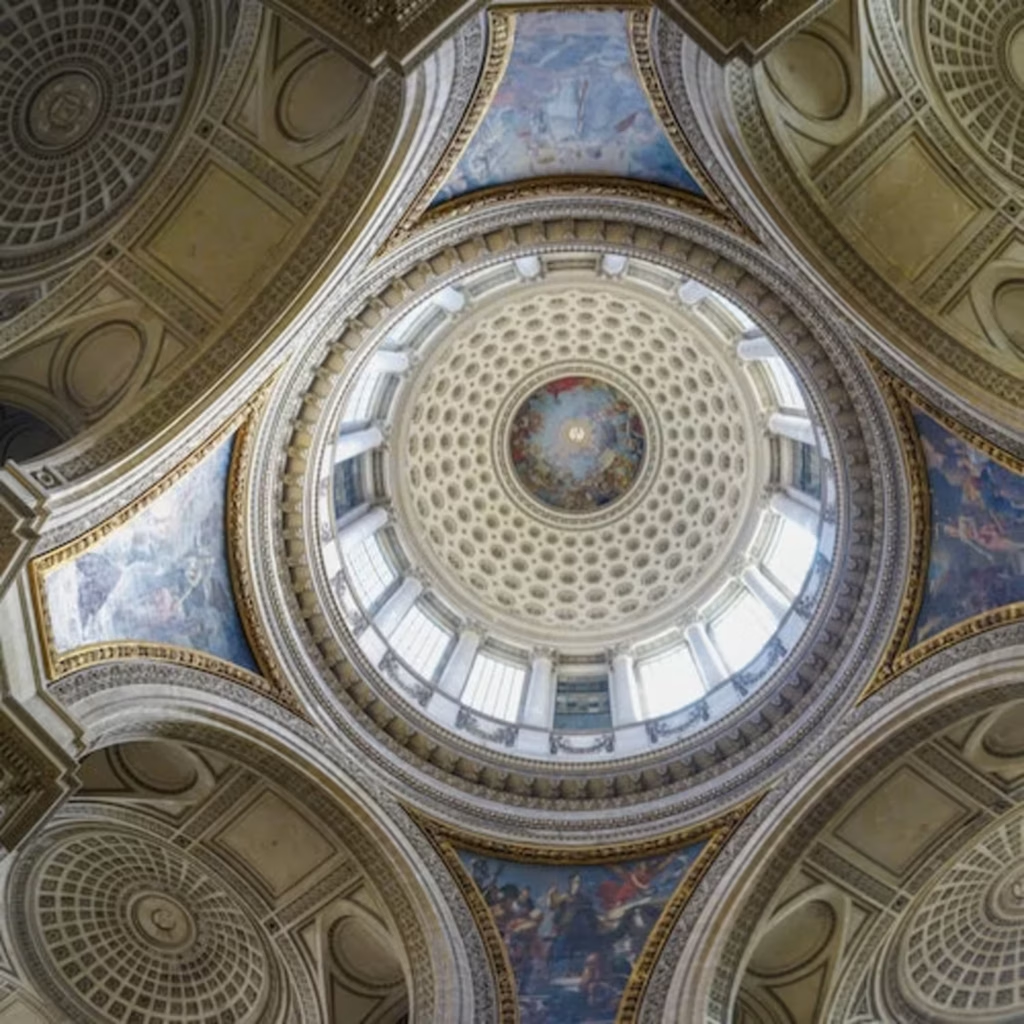
Discover captivating murals portraying the origins of Christianity.

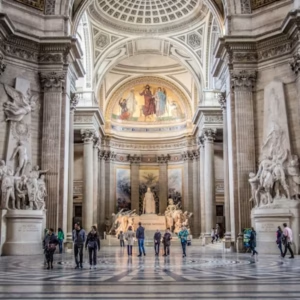
Visit the crypt housing the resting places of France’s illustrious figures.

Witness the famous Foucault’s pendulum demonstrating Earth’s rotation.

Enjoy panoramic views over Paris from the monument’s position in the Latin Quarter.
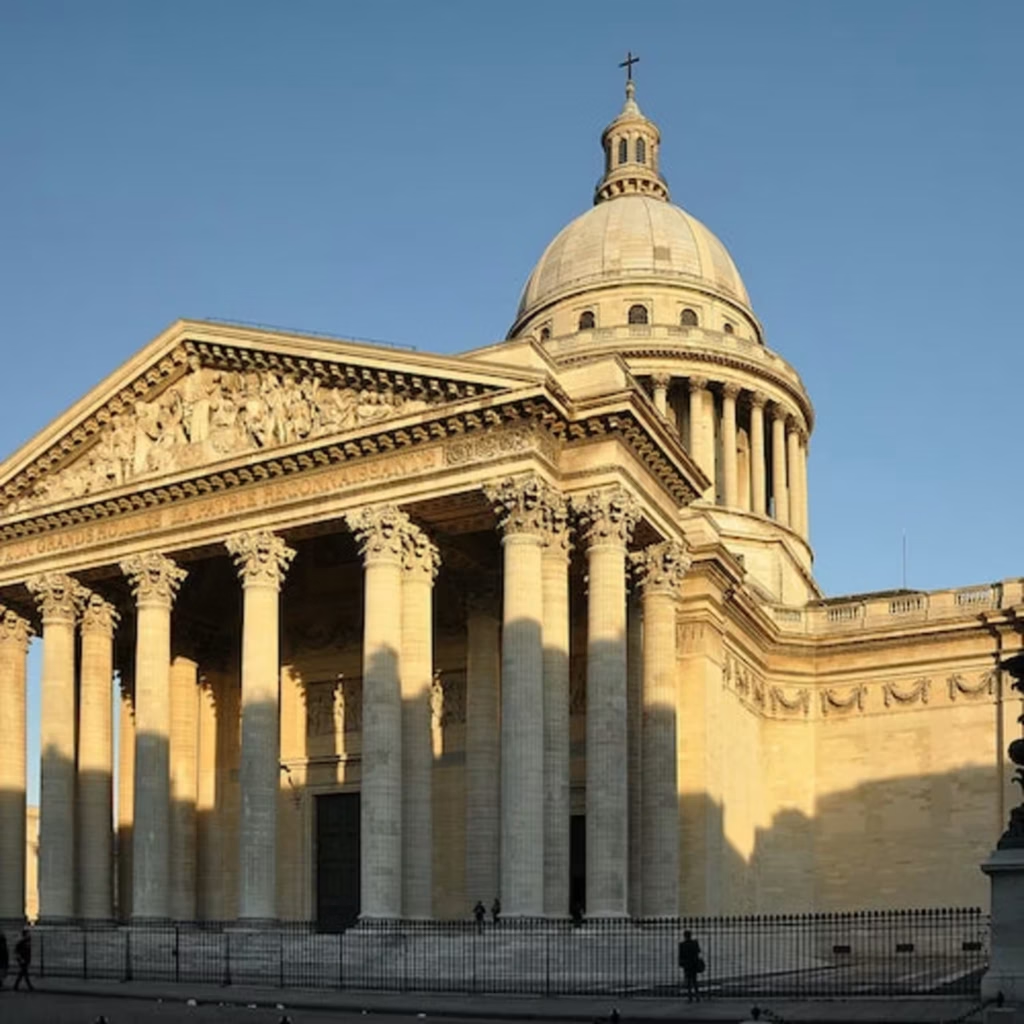
Ticket-free access to the Panthéon & Saint-Denis Cathedral Basilica

Highlights

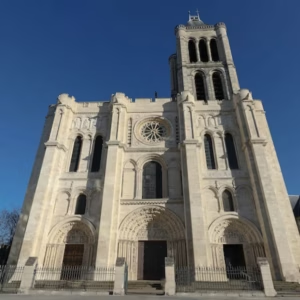
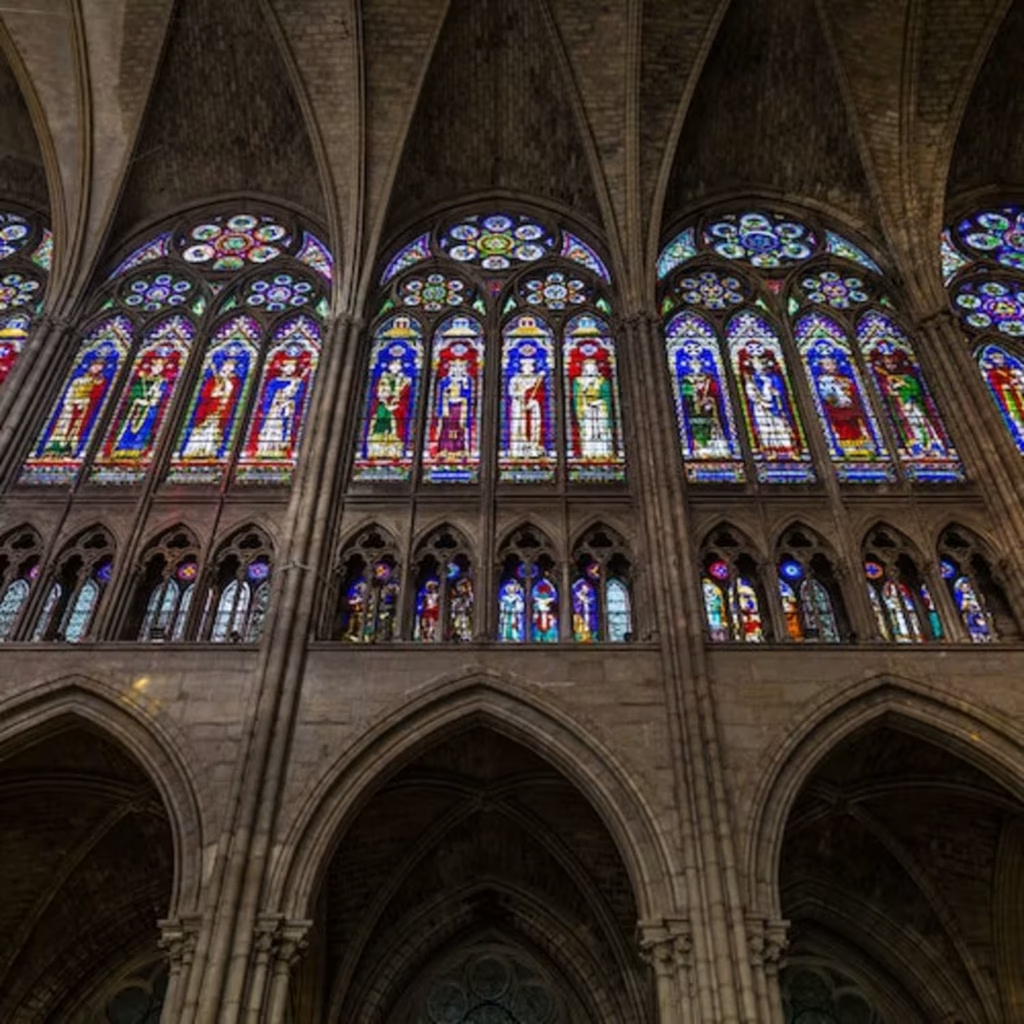
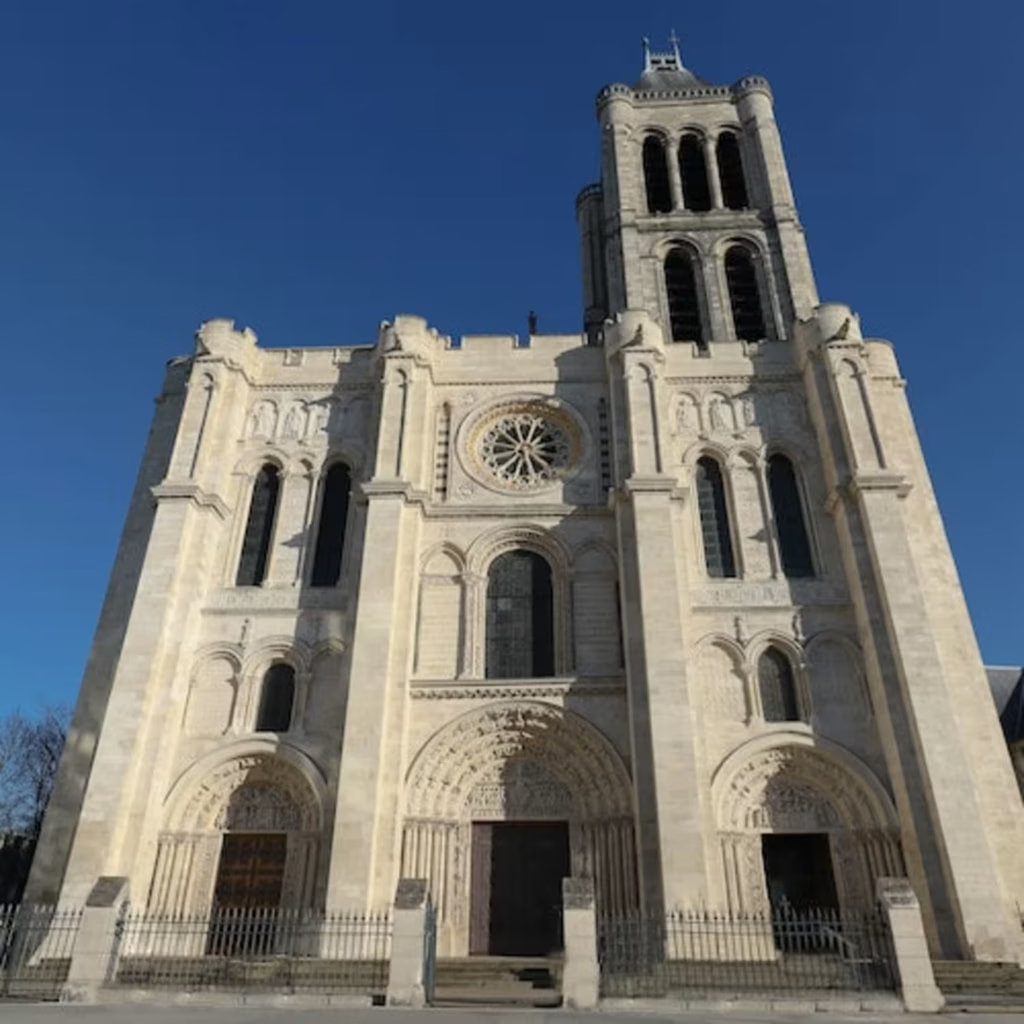
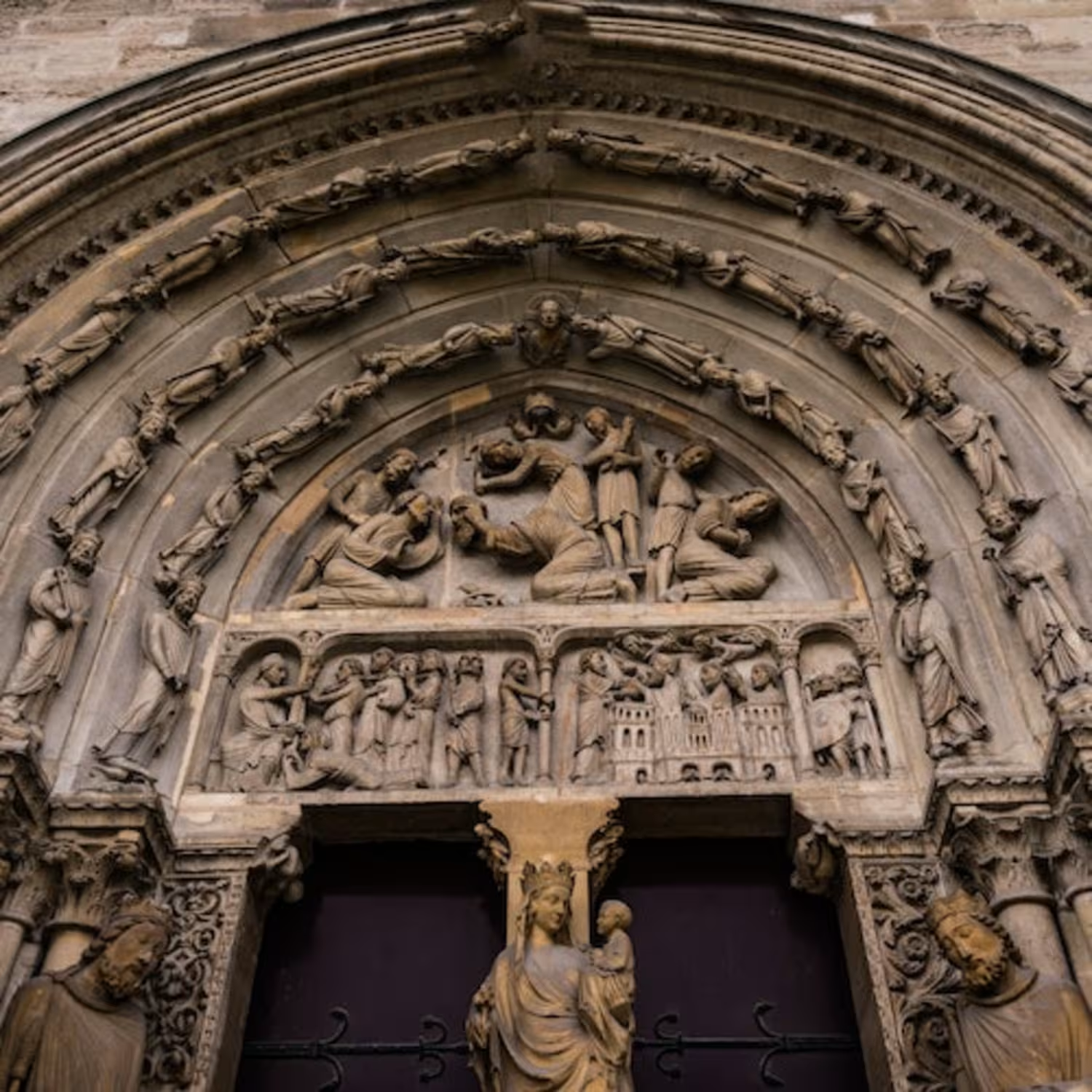
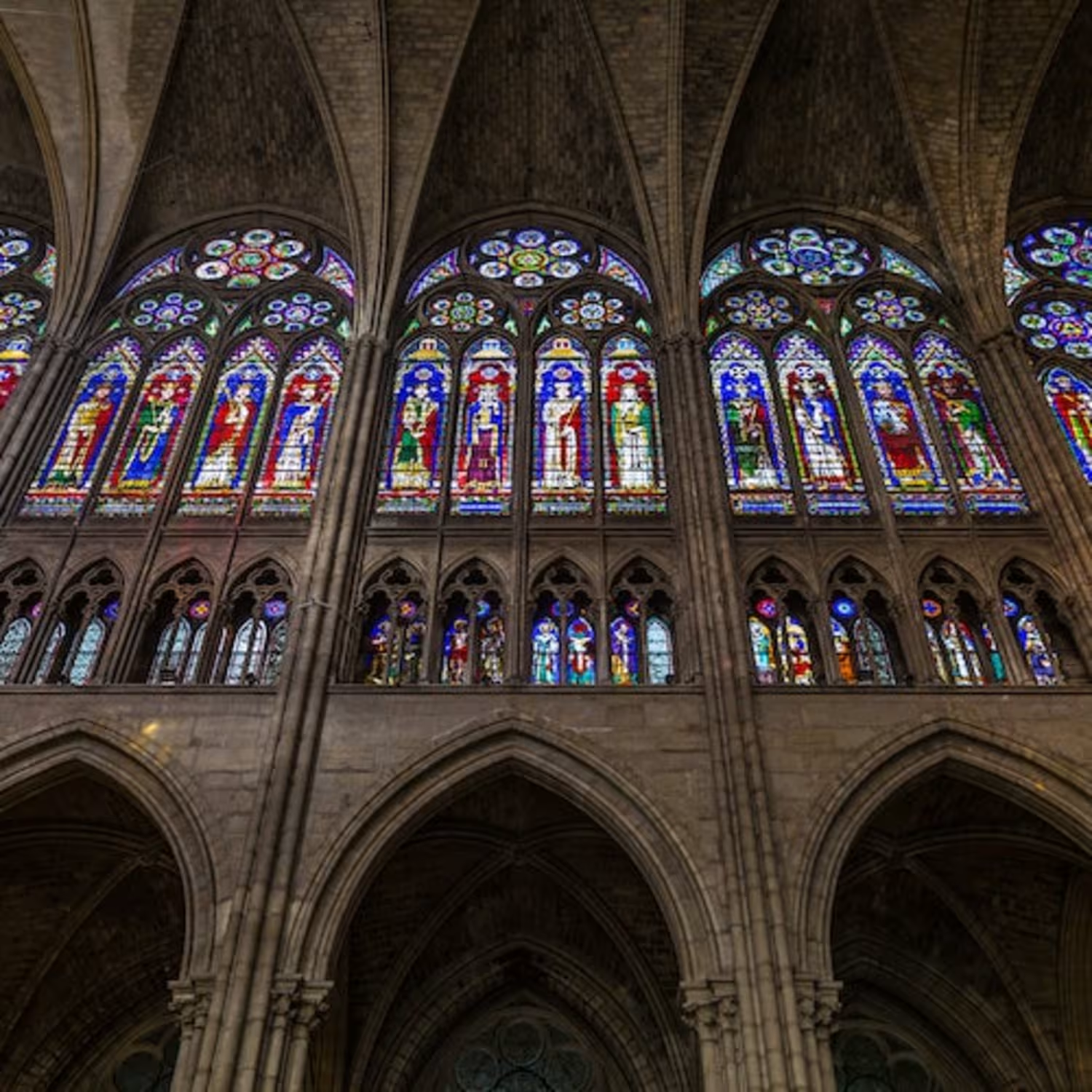
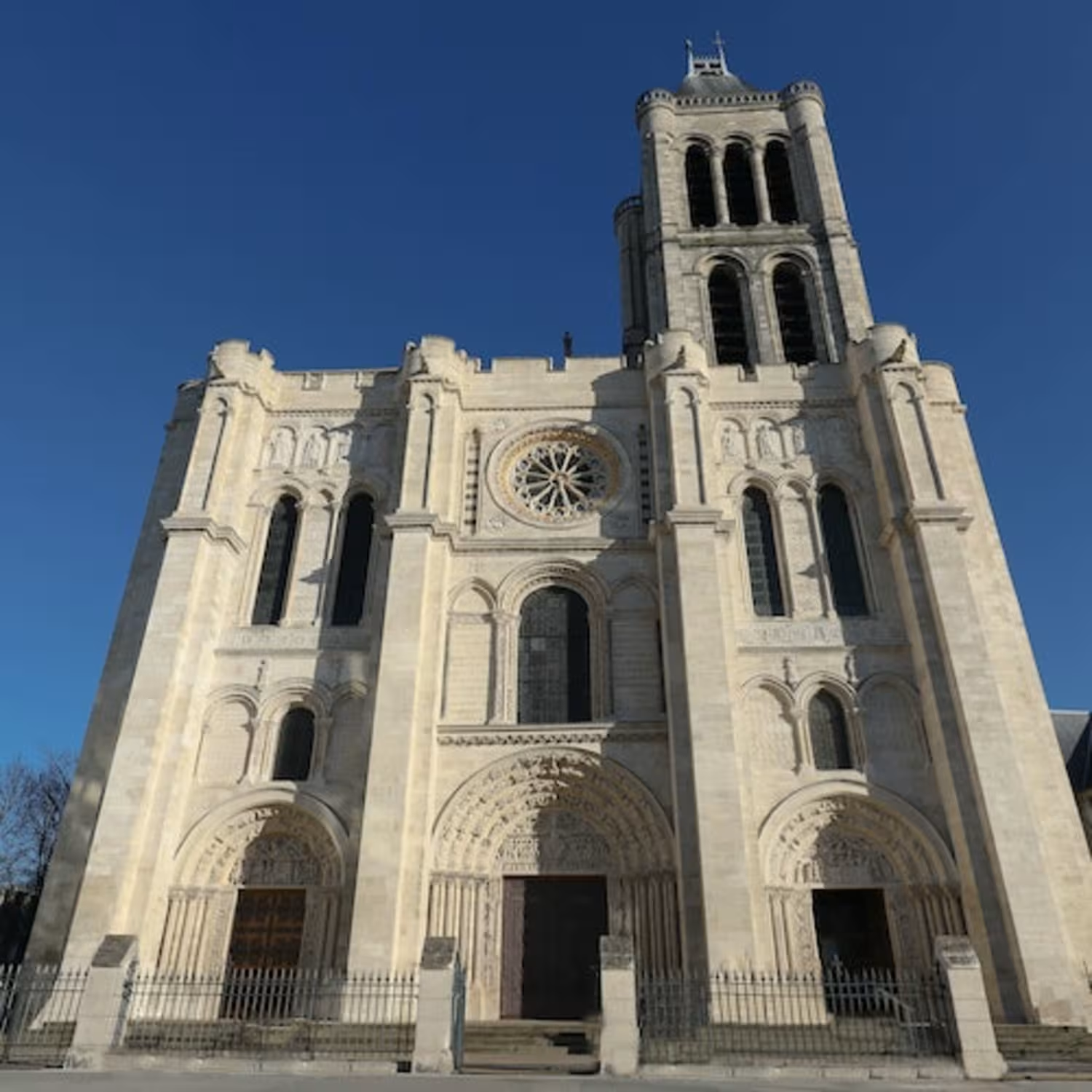
Gain admission to both the historically rich Panthéon and the majestic Basilica of Saint-Denis.

Discover the resting places of notable French figures, including royalty and renowned intellectuals.

Enjoy the impressive architecture and artistic details inside these famous landmarks.

Visit at your leisure with tickets valid throughout their respective open hours.

Benefit from a convenient combined ticket ideal for a thorough cultural experience.
Questions About the Women in the Panthéon

How many women are honoured in the Panthéon?

Eight: Sophie Berthelot, Marie Curie, Germaine Tillion, Geneviève de Gaulle-Anthonioz, Simone Veil, Joséphine Baker, Mélinée Manouchian and Simonne Vidal. Not all of their remains are there.

Who was the first woman in the Panthéon?

Sophie Berthelot, in 1907, buried alongside her husband Marcellin. Marie Curie, in 1995, was the first honoured for her own achievements.

Who was Germaine Tillion?

A French ethnologist and resistance fighter, deported to Ravensbrück, who lived from 1907 to 2008. She entered the Panthéon symbolically in 2015.

Who was Geneviève de Gaulle-Anthonioz?

A resistance fighter and niece of Charles de Gaulle who led ATD Quart Monde from 1964 to 1998. She entered the Panthéon symbolically in 2015.

Who was Mélinée Manouchian?

A French-Armenian resistance fighter and writer, widow of Missak Manouchian, with whom she entered the Panthéon in 2024.

Who was Simonne Vidal?

The wife and research collaborator of the historian Marc Bloch. She entered the Panthéon with him in 2026.

Why are so few women in the Panthéon?

Women were long absent from the Panthéon, as the monument itself acknowledges. Apart from Sophie Berthelot in 1907, they began to enter only from 1995, with Marie Curie.

This website sells official tickets for this venue. Please note, however, that it is not the official website of the venue.

The images and videos on this website may contain visual elements that have been created or enhanced using AI technology. They are provided for illustrative purposes only.