We are processing your request.
Please, don’t close or refresh the page.
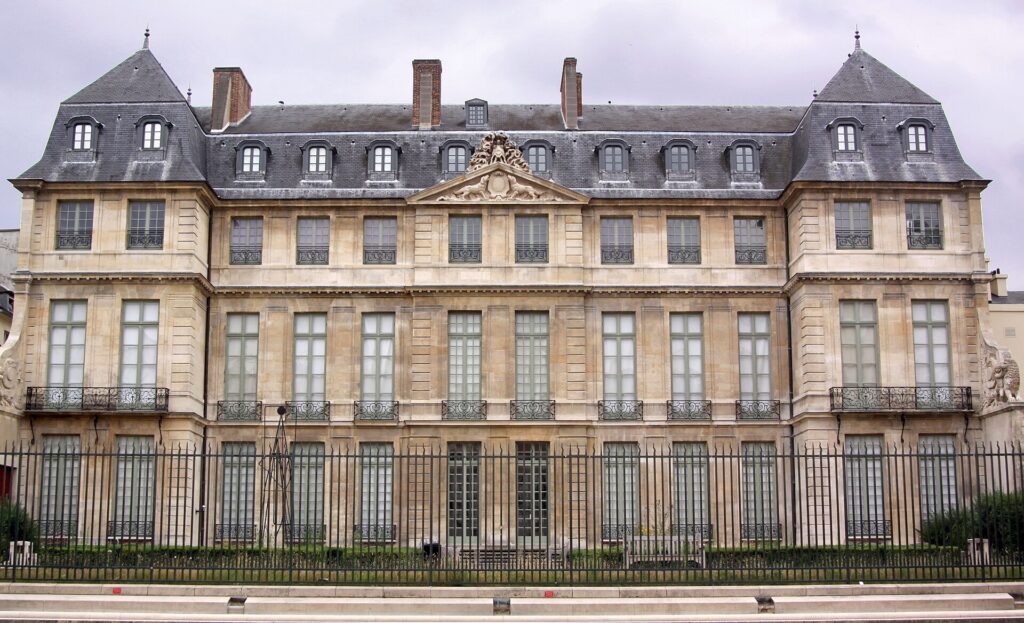
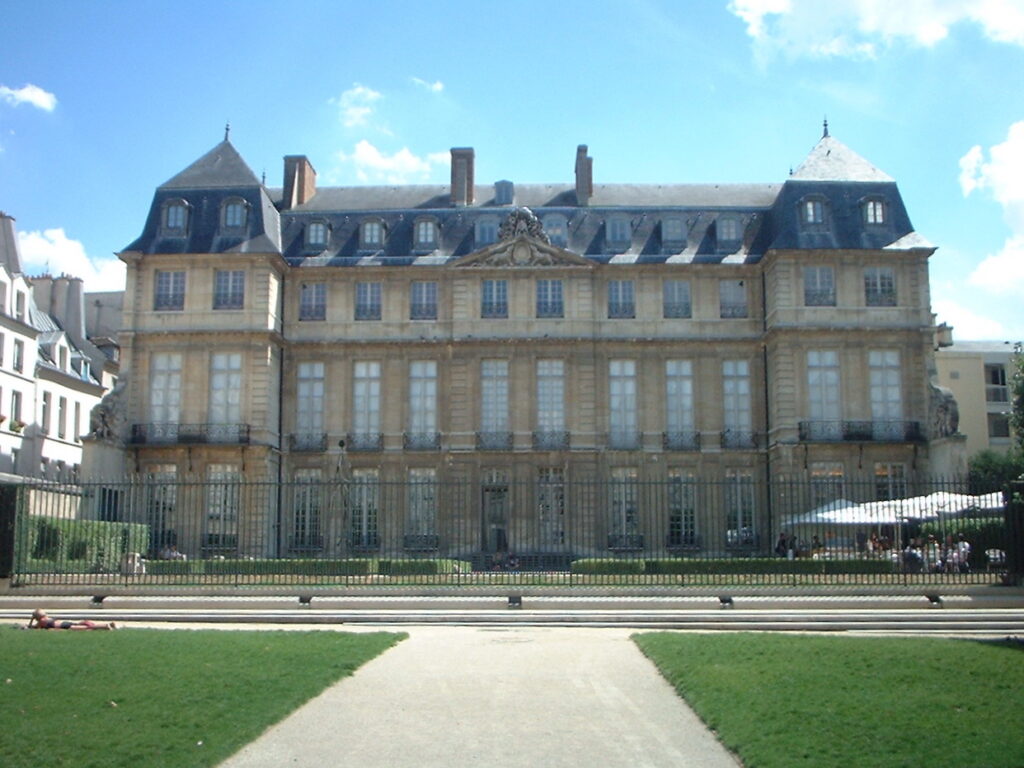
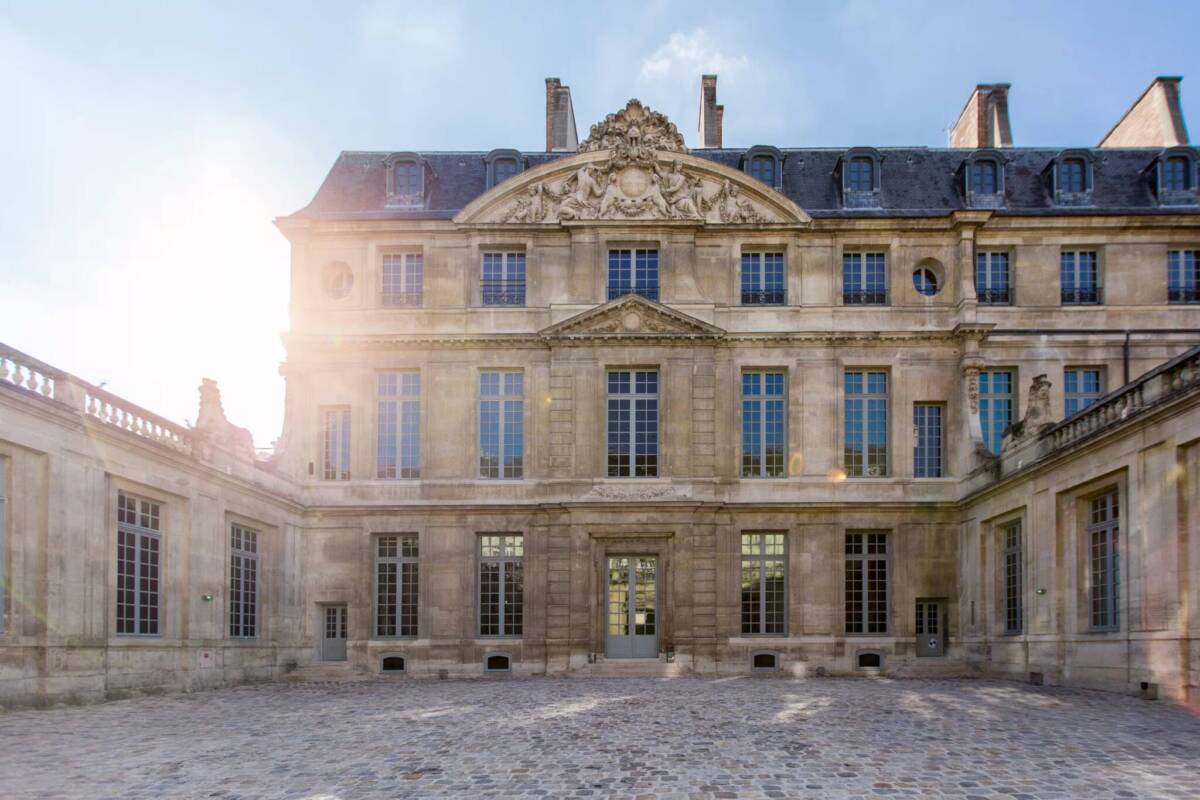
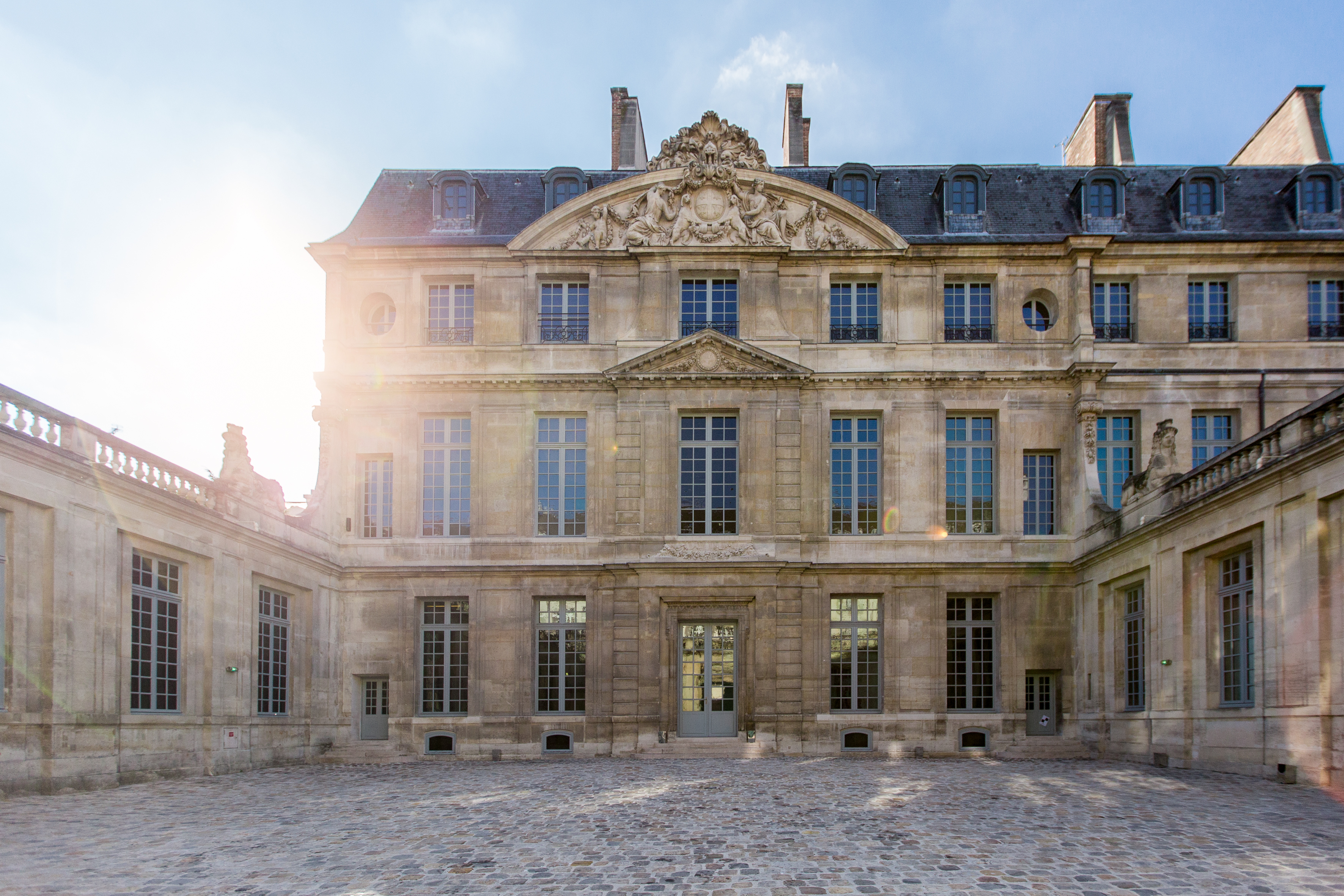
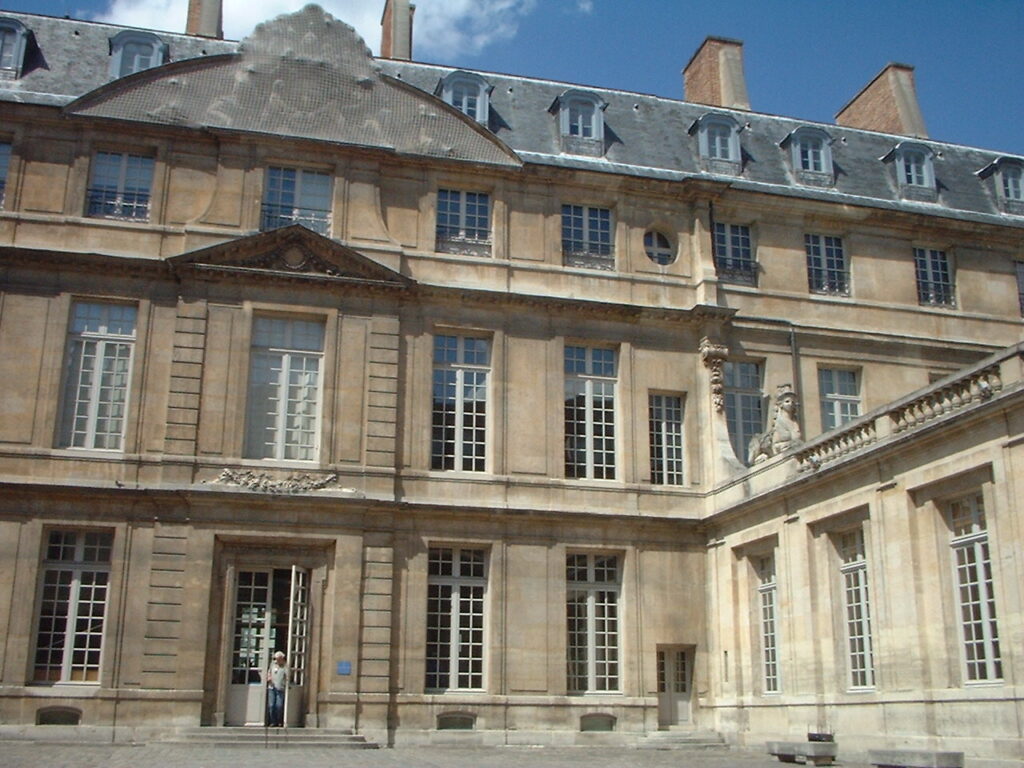
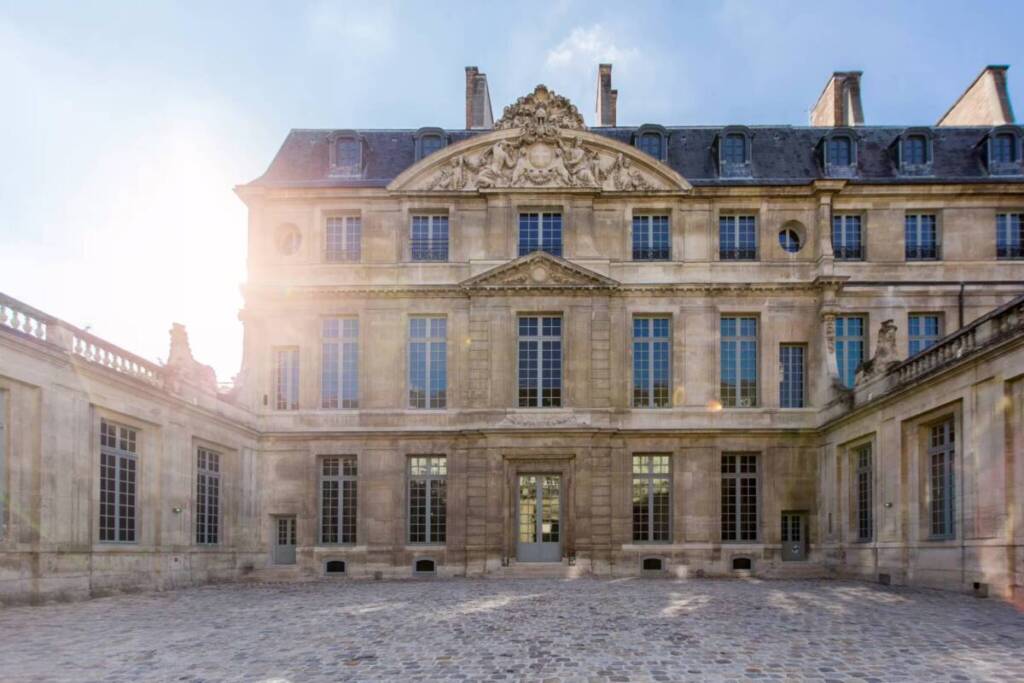
The courtyard façade of the Hôtel Salé, home of the Musée National Picasso-Paris

Musée National Picasso-Paris: The Hôtel Salé and the World’s Richest Public Picasso Collection

A 17th-century mansion in the Marais, built on a salt-tax fortune, now holding more than 5,000 works and a vast archive that trace an entire artistic life from first sketch to final canvas.

A Marais Mansion Built on Salt

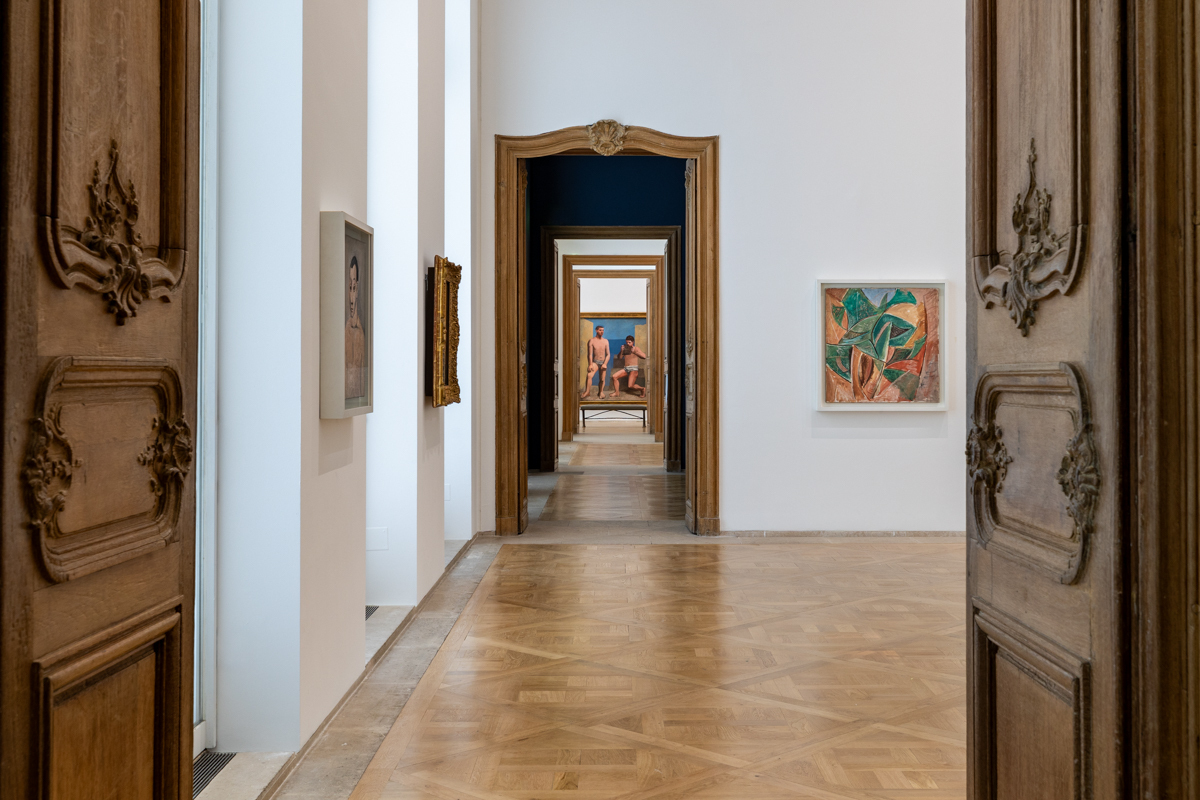
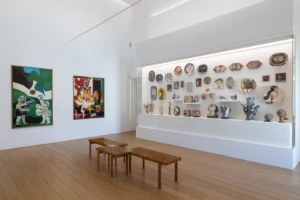
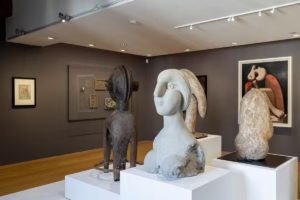
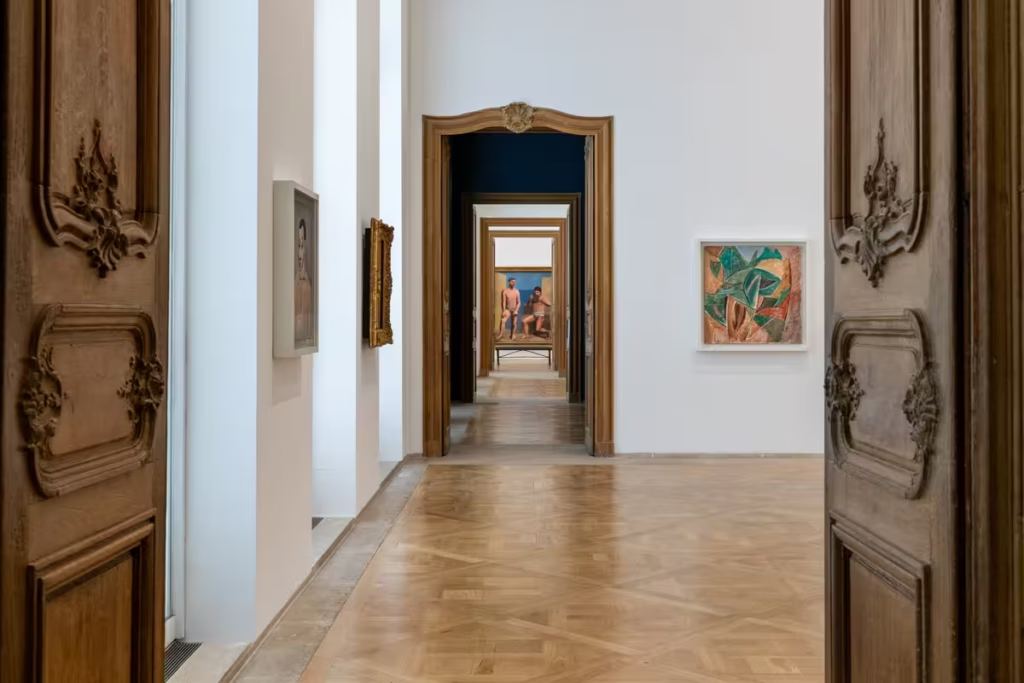
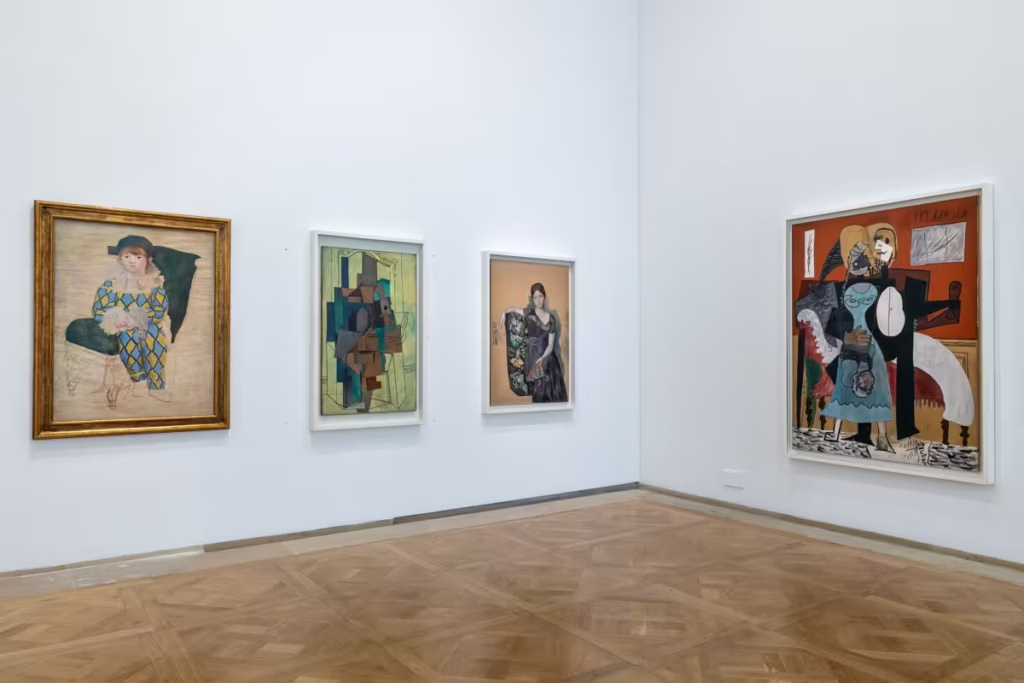
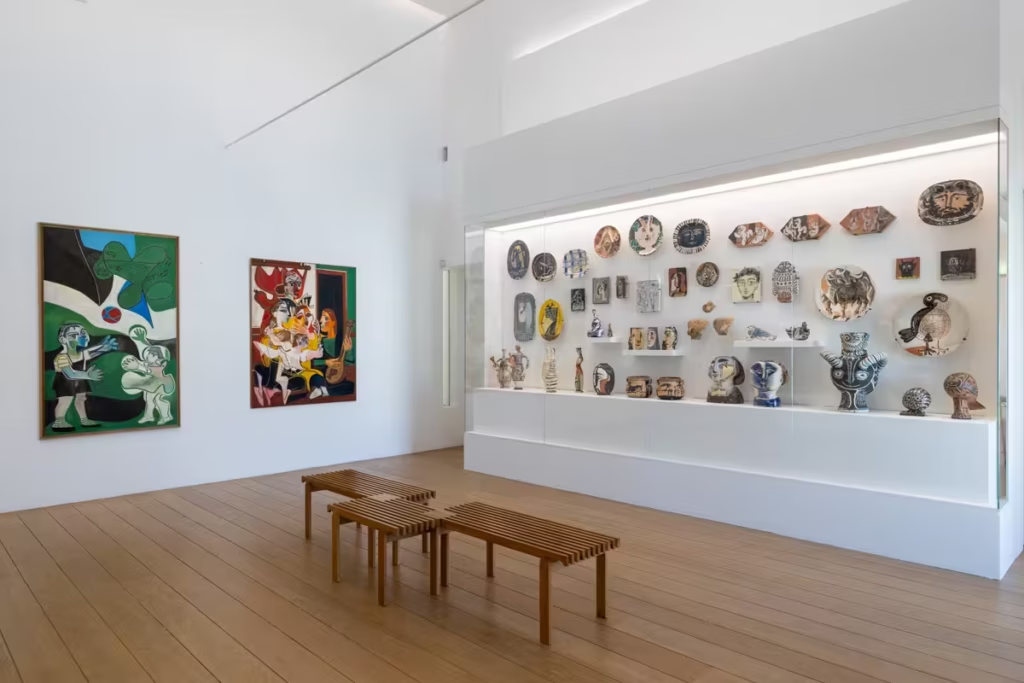
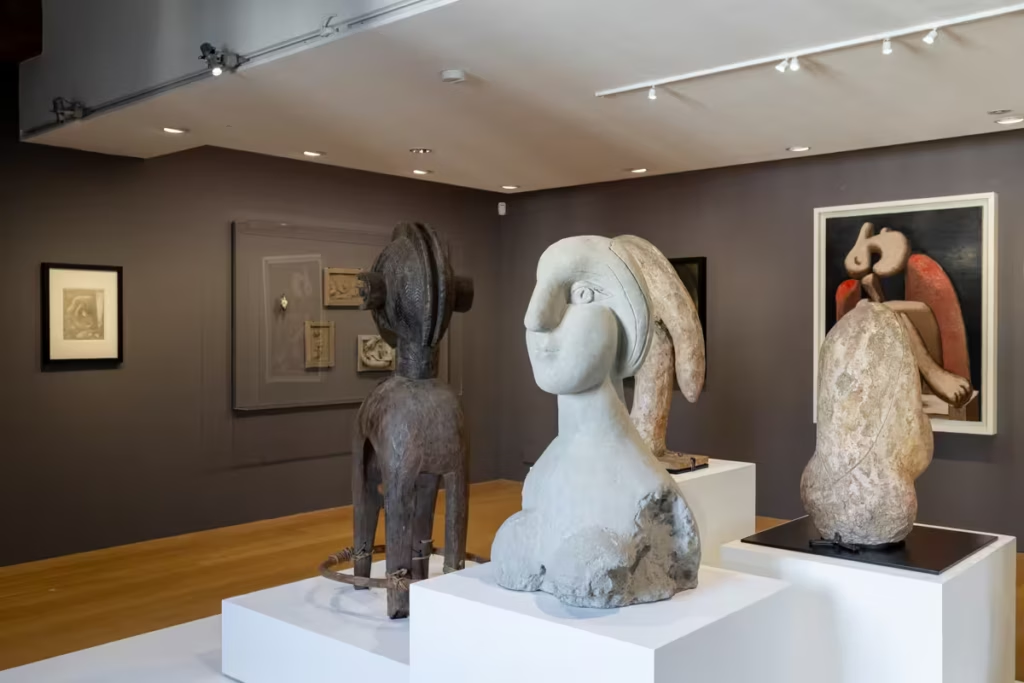
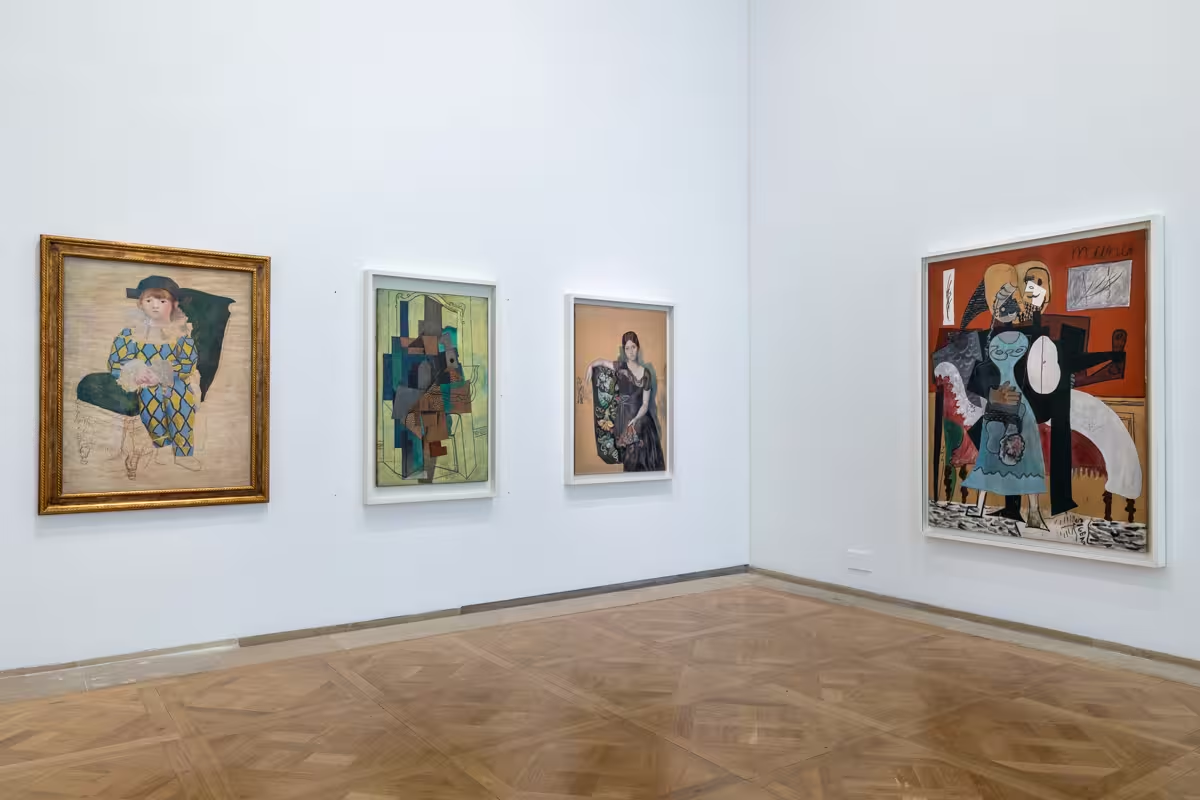
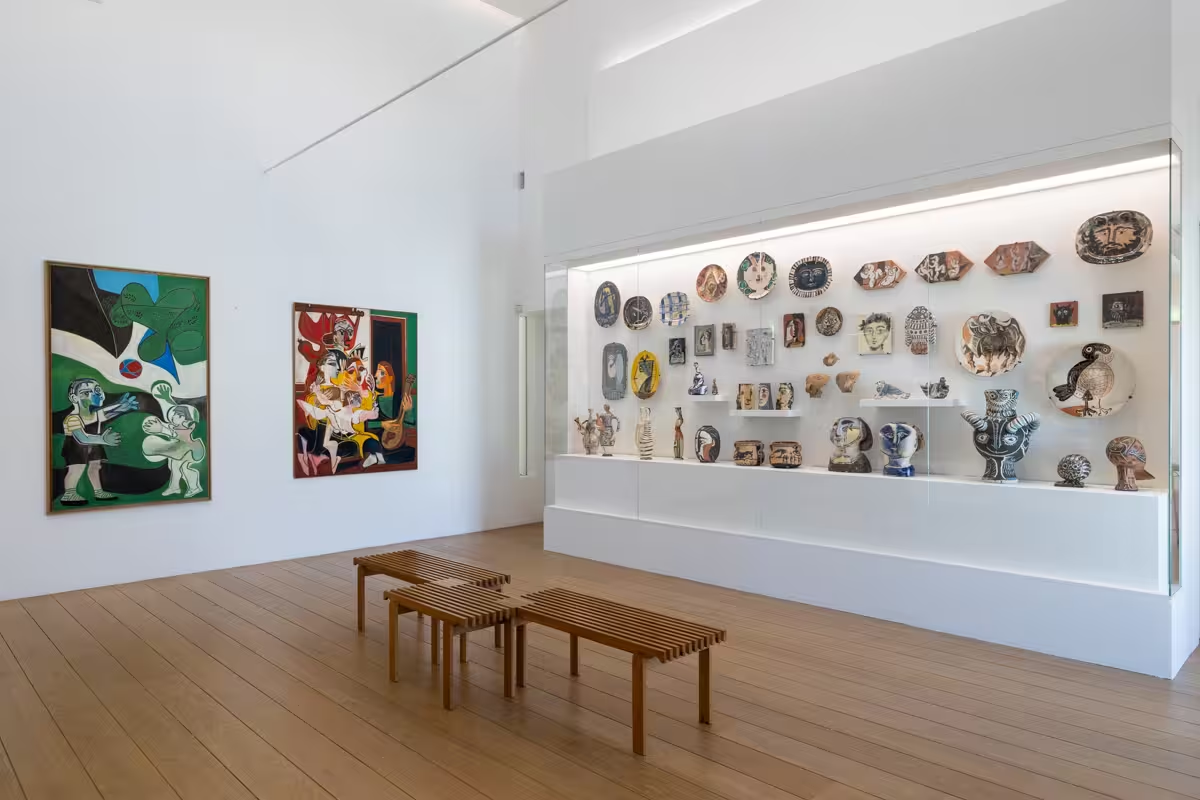
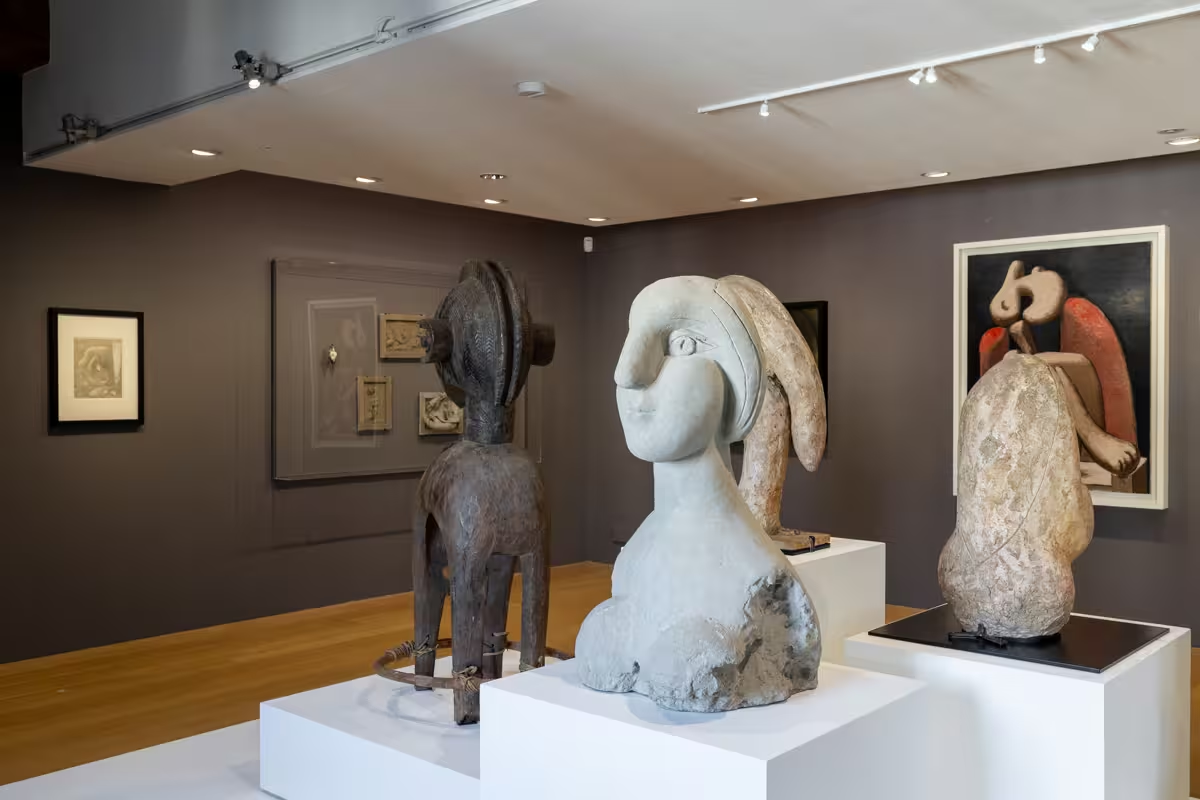
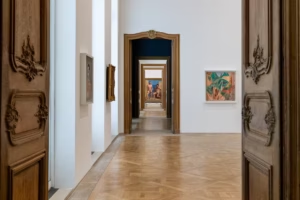
The Musée National Picasso-Paris describes its holdings as the richest public collection of Picasso in the world, and it keeps them in one of the most flamboyant houses of 17th-century Paris. The Hôtel Salé was built for a man who grew rich collecting the salt tax, which is where its name comes from. Inside, more than 5,000 works and tens of thousands of archive pieces cover painting, sculpture, engraving and the notebooks, photographs and drafts behind them, so a visit shows not only finished works but how they were made.

The Musée National Picasso-Paris in Numbers

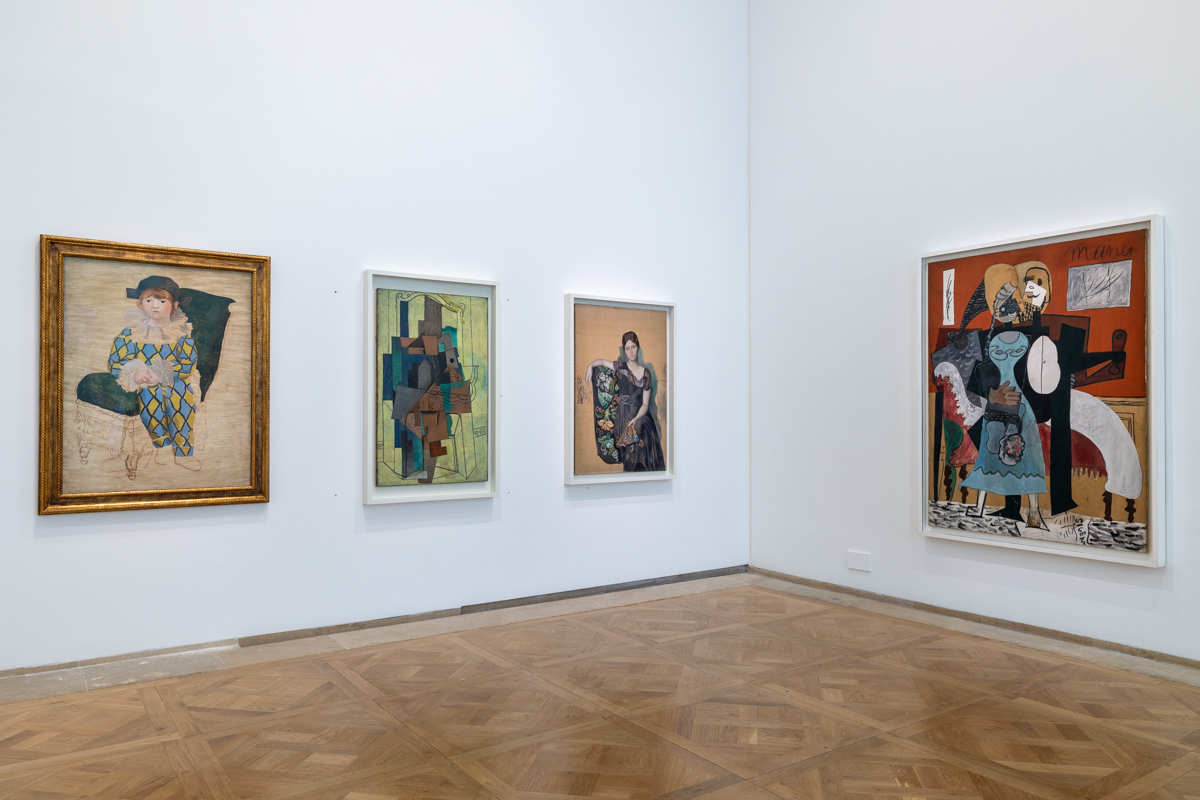
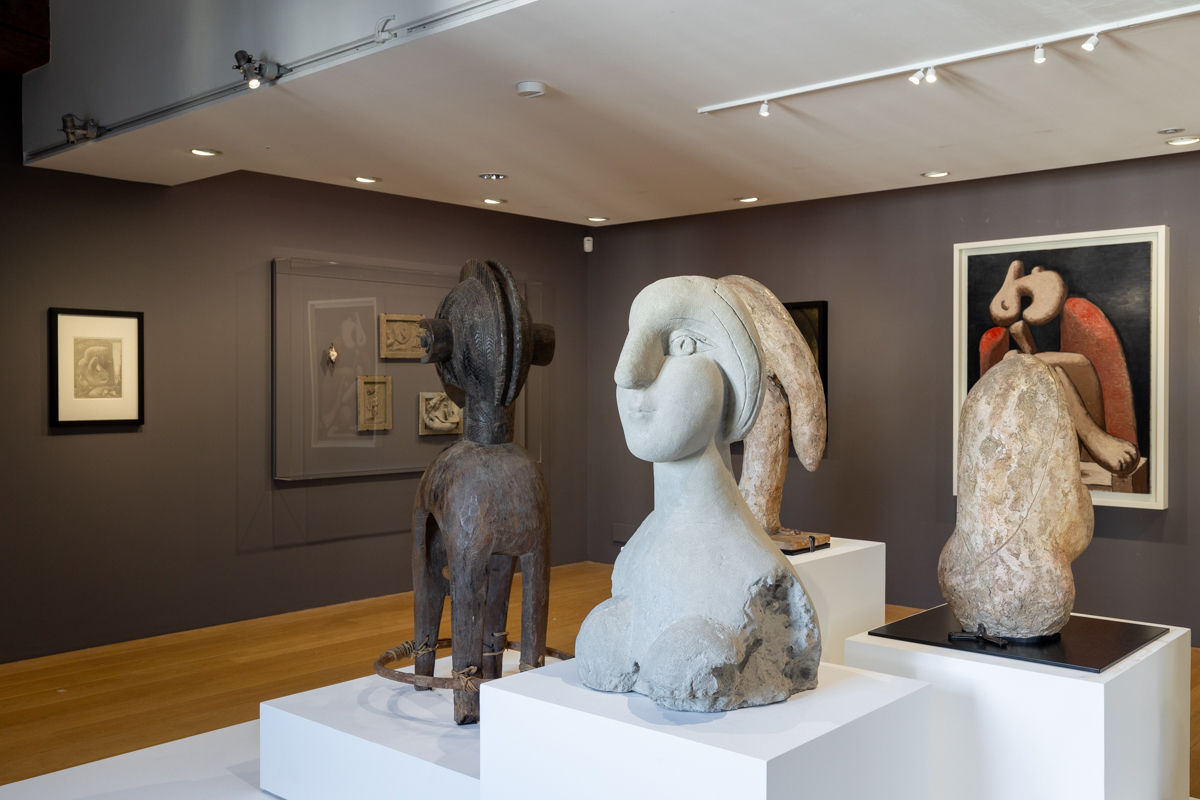
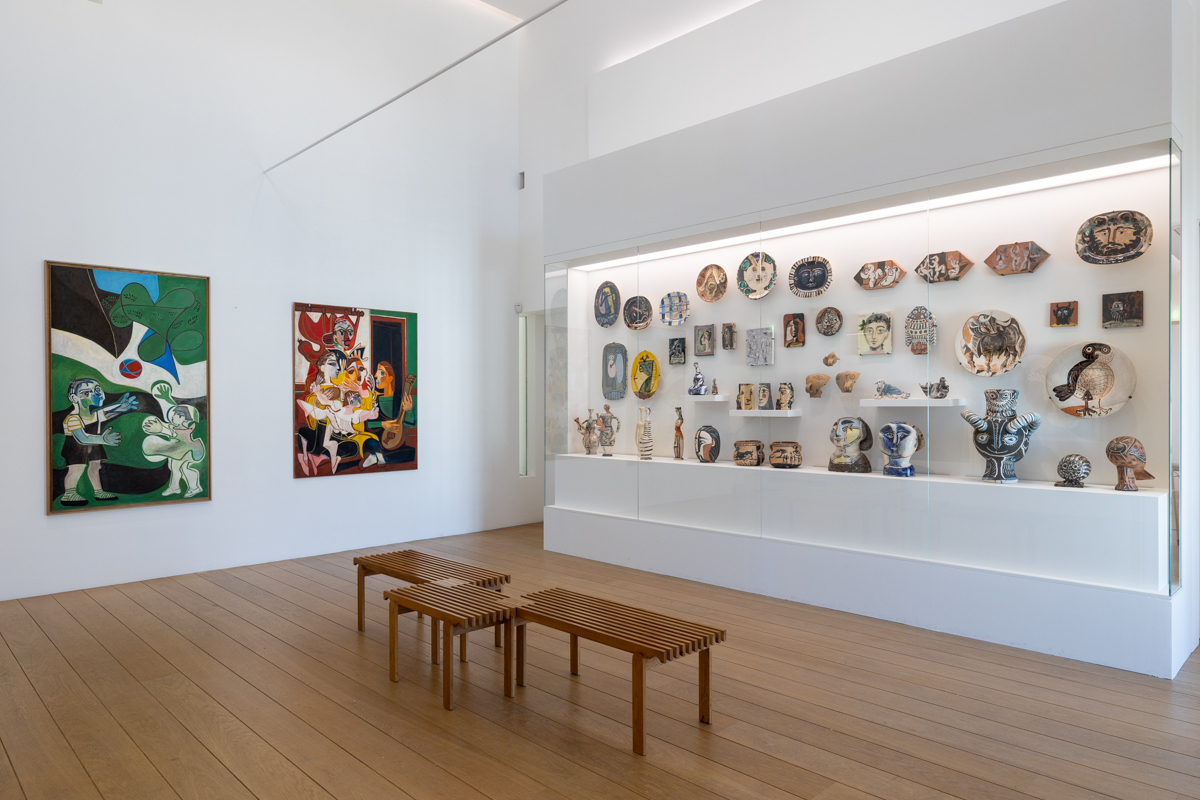
The collection counts 297 paintings and 368 sculptures and three-dimensional works, alongside some 1,700 drawings and notebooks.

It also holds more than 2,300 engravings and posters, 17,000 photographs and 200,000 archive pieces.

More than 6,760 books from Picasso’s personal library are part of the collection.

The museum owns 50 pieces of furniture designed for it by Diego Giacometti.

The Hôtel Salé was listed as a Historic Monument on 29 October 1968.

Works from Picasso’s private collection may not be lent to exhibitions anywhere in the world, France included.

The Hôtel Salé: A Salt-Tax Fortune in Stone
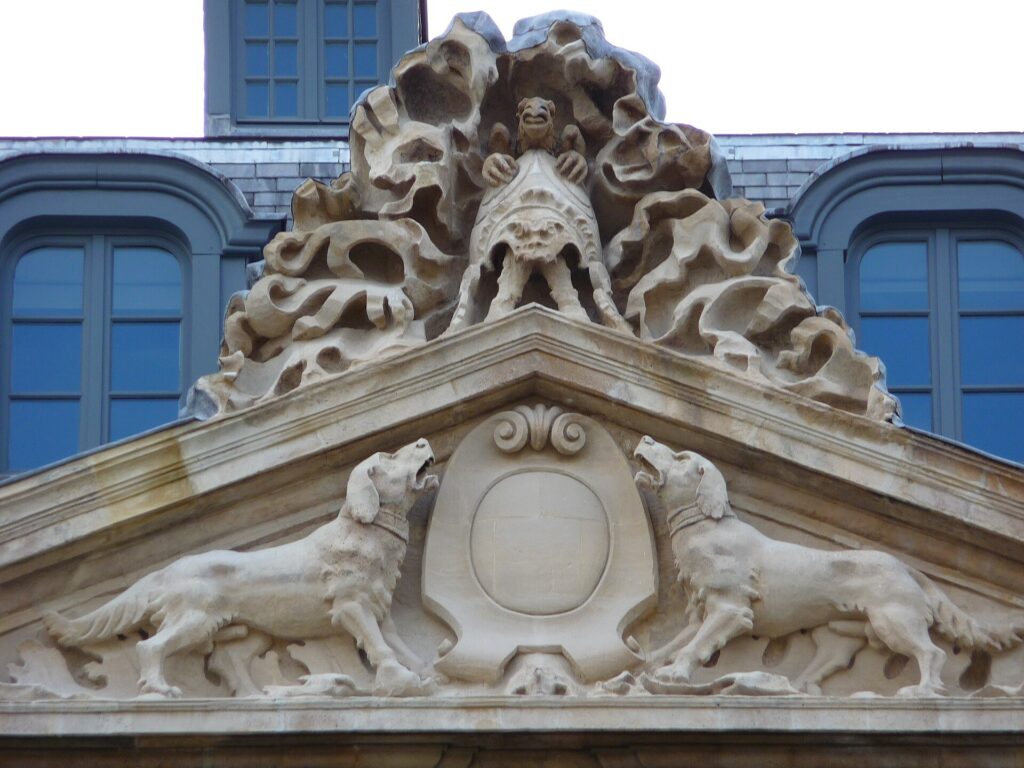
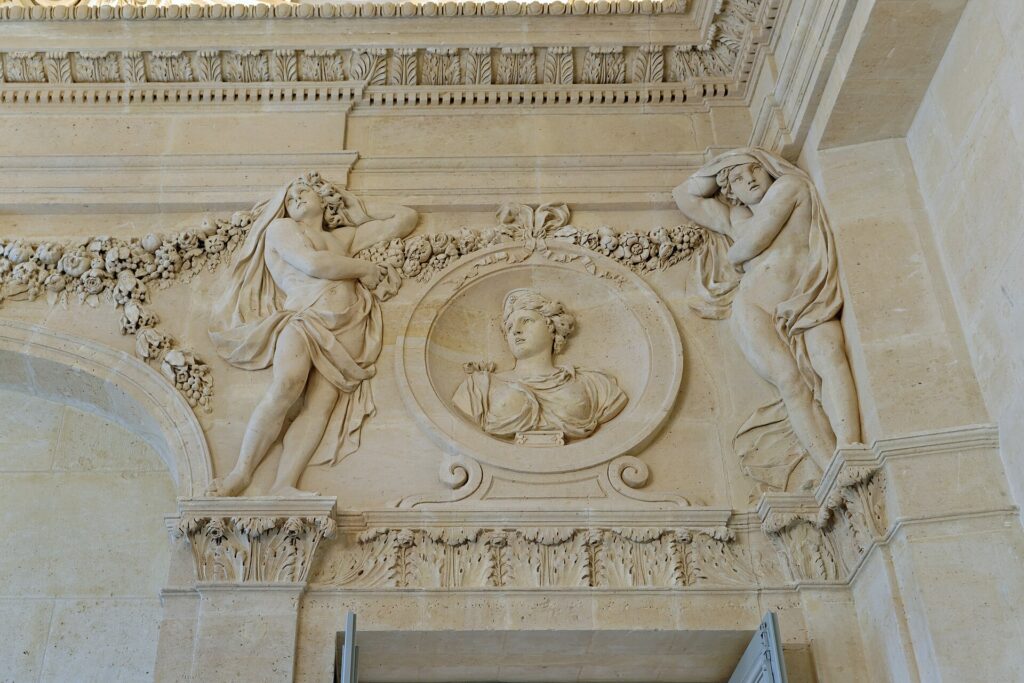
Sculpted pediment on the Hôtel Salé
Photo: Marimarina, CC BY 3.0, via Wikimedia Commons

The house was built for Pierre Aubert de Fontenay, a financier and protégé of Nicolas Fouquet who farmed the salt tax on the king’s behalf. He bought land in the Marais from a convent, chose a young, little-known architect, Jean Boullier de Bourges, and moved in at the end of 1659.

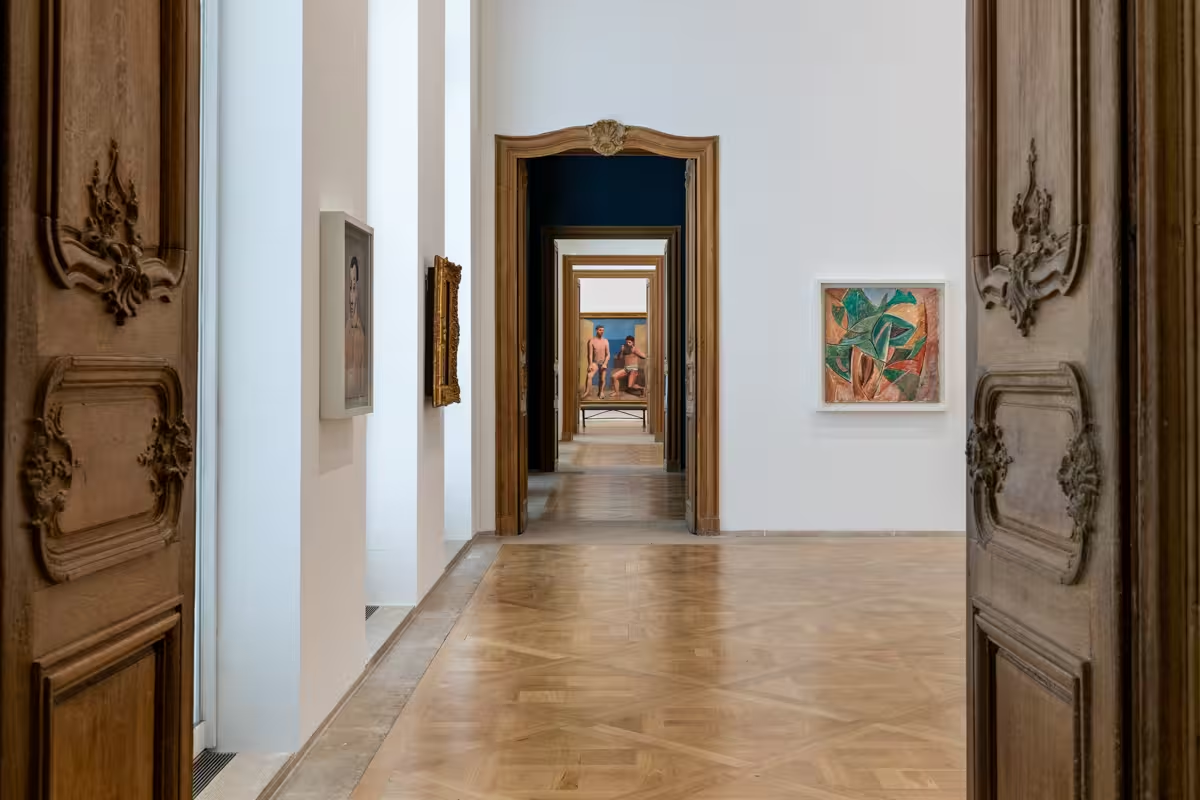
The result was, in the words of the historian Bruno Foucart, the grandest if not the most extravagant of 17th-century Parisian houses. Its central staircase, modelled on Michelangelo’s design for the Laurentian Library in Florence, rises beneath sculpted stucco by the Marsy brothers and Martin Desjardins.

Aubert barely enjoyed it. In 1663 he fell in the same scandal that ruined Fouquet, and his creditors fought over the house for sixty years, during which the Republic of Venice used it as its embassy.

Balzac, Engineers and Bronze-Makers: Three Centuries of Tenants
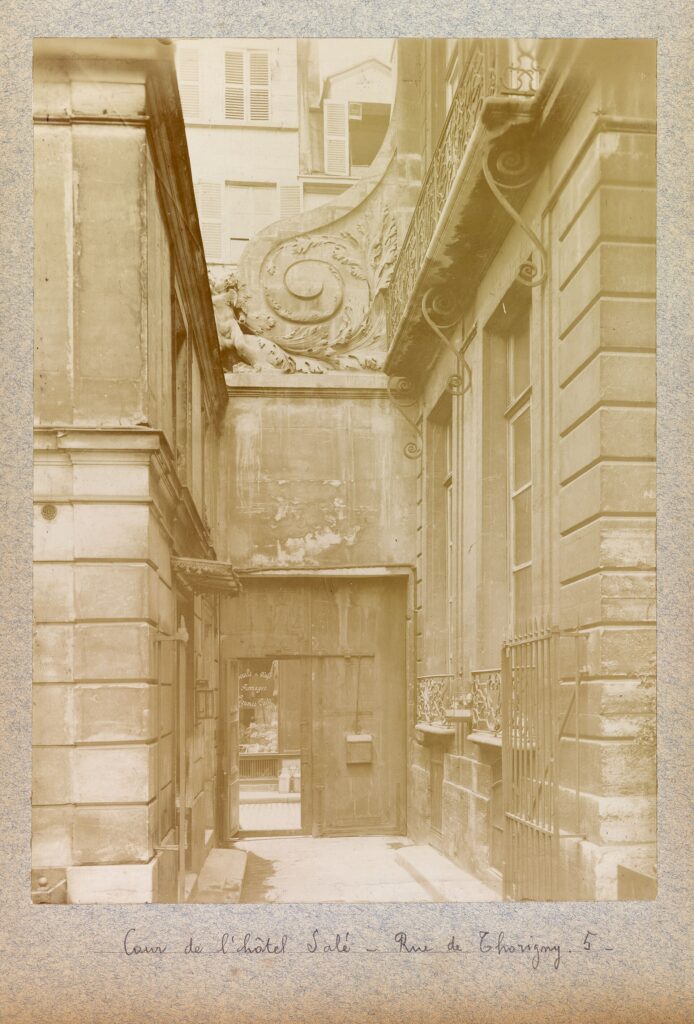
The courtyard of the Hôtel Salé around 1905
Photo: Séeberger frères, c. 1905, Licence Ouverte, via Wikimedia Commons

After its sale in 1728 the house passed through many hands. During the Revolution it was used to store and sort books seized from the local convents, and from 1797 it belonged to a single family until 1962, which leased it out.

The tenants are a cross-section of Paris: a boarding school where the young Honoré de Balzac studied, the École centrale des arts et manufactures from 1829 to 1884, which altered the interior heavily, bronze-makers until 1941 and, from 1944, the city’s school of fine crafts.

The City of Paris bought the house in 1964 and it was listed four years later. None of its original furnishings survive, which is partly why it could be reinvented as a museum.

How the Picasso Museum Came to Be

The garden façade of the Hôtel Salé
Photo: Guillaume Baviere, CC BY 2.0, via Wikimedia Commons

In 1968 France changed the law so that heirs could settle inheritance tax with works of art, an initiative launched by the culture minister André Malraux. When Picasso died in 1973, his heirs used it to transfer a huge body of work to the State, in a first dation in 1979 and a second, from Jacqueline Picasso’s estate, in 1990.

The Hôtel Salé was chosen to hold them in 1974. The architect Roland Simounet set a modern museum inside the listed building without extending it, and the museum opened in October 1985.

After a renovation and extension led by Jean-François Bodin, which kept it closed for five years, it reopened on 25 October 2014 with a new hang and much more exhibition space.

Before You Walk In from Rue de Thorigny

Book a time slot rather than queueing: priority entry is guaranteed within half an hour of the time on your ticket. Leave suitcases and backpacks behind, since the museum cannot store them, and allow time for the staircase and the Salon de Jupiter as well as the galleries. Photography without flash is allowed except where a sign says otherwise.
Tickets for the Musée National Picasso-Paris

Highlights

Skip long lines with priority admission.

Discover over 5,000 artworks including Picasso’s own creations and his personal art collection.

Explore the museum housed in the elegant 17th-century Hôtel Salé.

Experience both permanent and temporary exhibitions dedicated to influential modern art.

Optionally enhance your visit with an audio guide for deeper insight.
Questions About the Musée National Picasso-Paris

Where is the Picasso Museum in Paris?

At 5 rue de Thorigny, in the Hôtel Salé in the Marais, in the 3rd arrondissement.

What is the Hôtel Salé?

A mansion completed in 1659 for Pierre Aubert de Fontenay, a salt-tax farmer. Its name, meaning salty, comes from his trade.

How many works does the Picasso Museum hold?

More than 5,000 works, including 297 paintings and 368 sculptures, plus some 200,000 archive pieces and 17,000 photographs.

Is Guernica at the Musée Picasso in Paris?

No. Guernica is in Madrid, at the Museo Reina Sofía. The Paris museum keeps photographs of the painting in progress taken by Dora Maar.

When did the Picasso Museum open?

In October 1985. It closed for renovation in 2009 and reopened on 25 October 2014.

Who designed the museum?

Roland Simounet created the museum inside the Hôtel Salé between 1979 and 1985. Jean-François Bodin led the renovation that reopened it in 2014.

Does the museum show works by other artists?

Yes. Picasso’s private collection includes paintings by Cézanne, Matisse, Renoir, Modigliani and Miró, as well as African and Oceanic masks.

Can you take photos inside the Picasso Museum?

Yes, without flash or tripods, except for works marked with a no-photography sign.

Is there a café at the Picasso Museum?

Yes. The rooftop café looks onto the façade of the Hôtel Salé.

Is the garden open?

The garden is open to museum visitors from April to October, reached through the lower-level galleries.

This website sells official tickets for this venue. Please note, however, that it is not the official website of the venue.

The images and videos on this website may contain visual elements that have been created or enhanced using AI technology. They are provided for illustrative purposes only.