We are processing your request.
Please, don’t close or refresh the page.
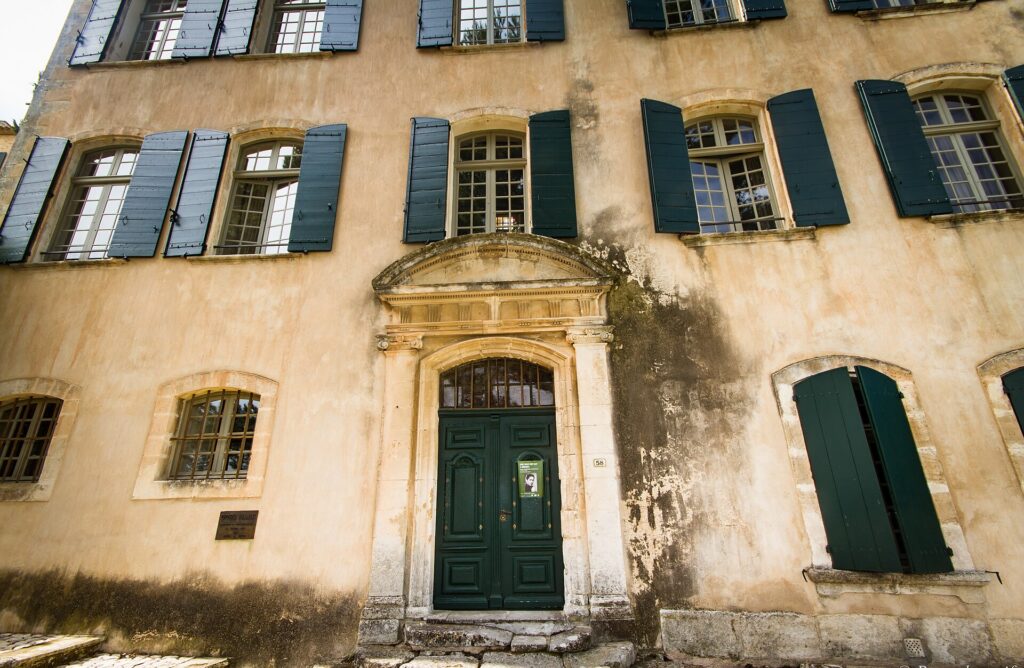
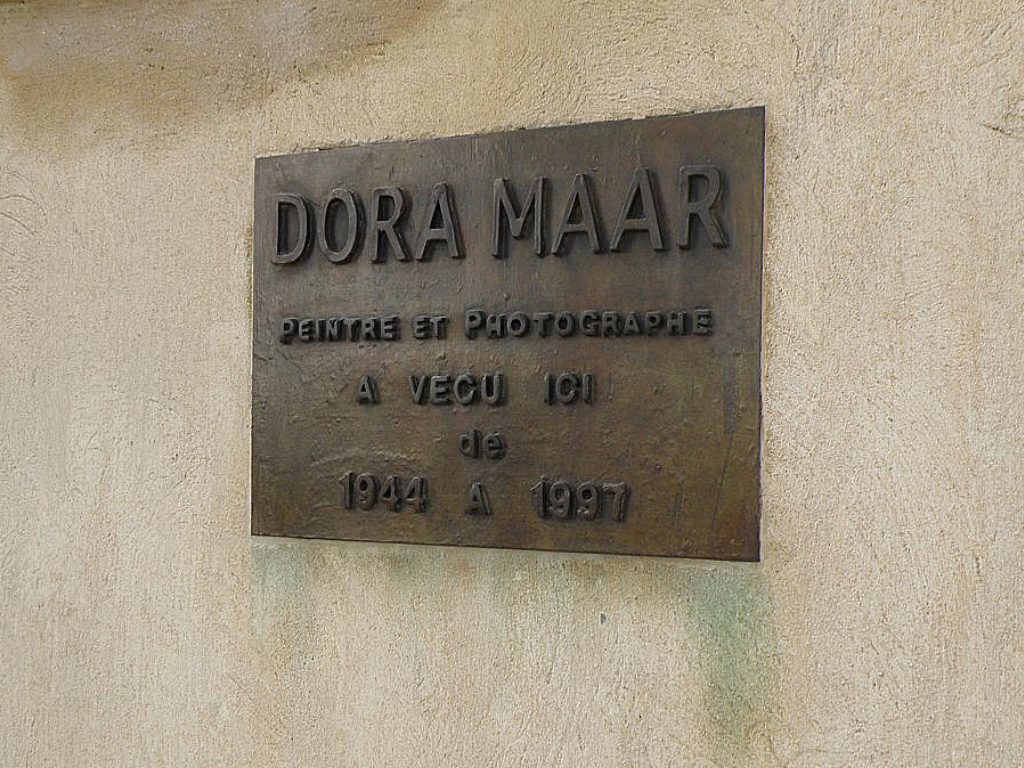
Memorial plaque for Dora Maar on her house in Ménerbes

Dora Maar: Surrealist Photographer, Painter and an Artist in Her Own Right

Long before anyone painted her, Dora Maar was behind the camera, shooting fashion, the streets of the Depression and some of Surrealism’s strangest images. This is her story, and what the museum in the Marais holds of it.

Who Was Dora Maar?

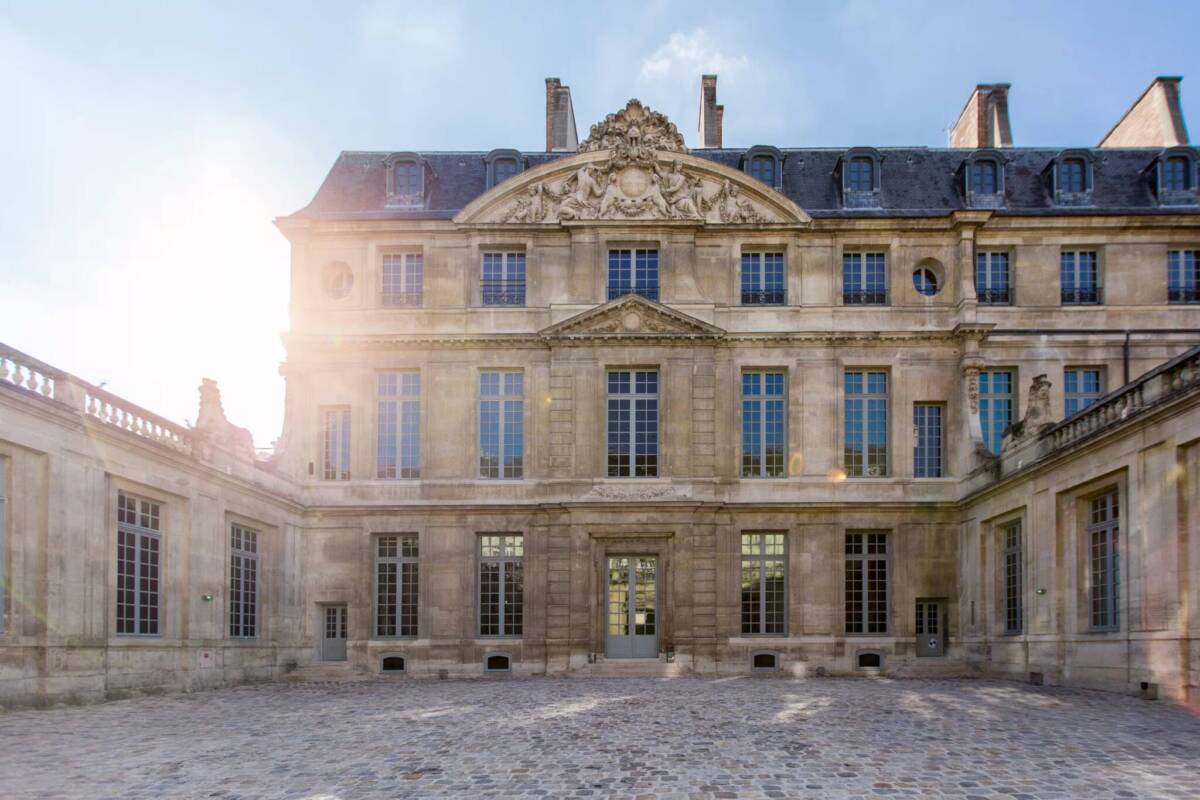
Dora Maar was a photographer first, a painter for most of her life, and one of the few women to hold her own among the Surrealists. She ran a busy studio, photographed poverty and protest, and made photomontages that were shown in the movement’s major exhibitions. For decades she was remembered mainly as a face in someone else’s paintings; only since her death in 1997 has the full breadth of her work been recognised. The Musée National Picasso-Paris in the Hôtel Salé keeps part of that story, including her own photographs.

Dora Maar in Brief

She grew up between Argentina and France; her father was an architect and her mother ran a fashion boutique.

She trained at progressive Paris art schools, including the Académie Julian, which taught women the same curriculum as men.

A public notice in 1932 marked her change of name and trade, from Henriette Markovitch, painter, to Dora Maar, photographer.

Prints signed Kéfer–Dora Maar were usually her work alone, according to Tate’s curators.

She was one of the few photographers included in the major Surrealist exhibitions of the 1930s, from Paris and London to New York and Japan.

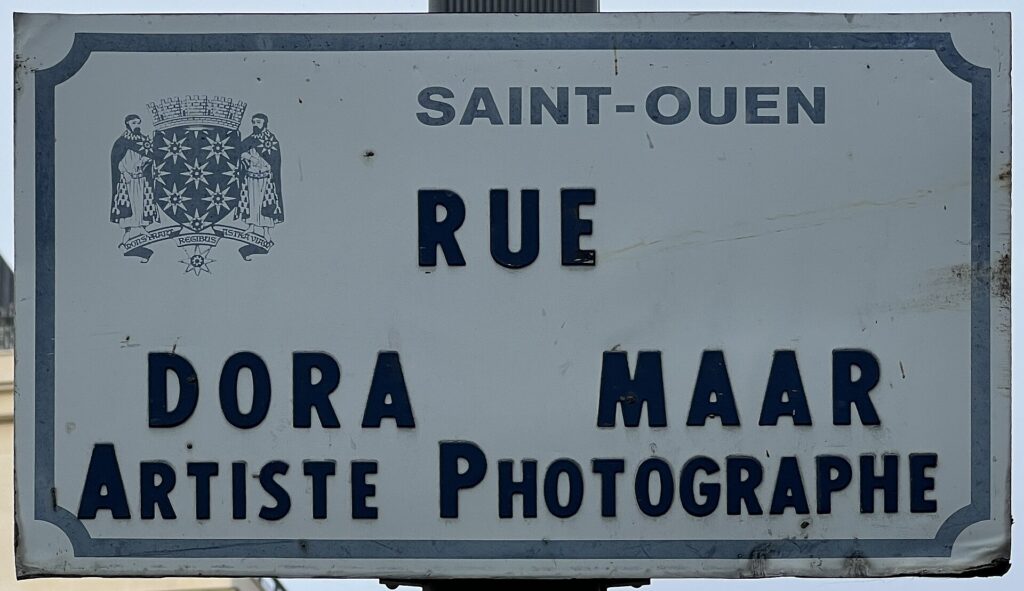
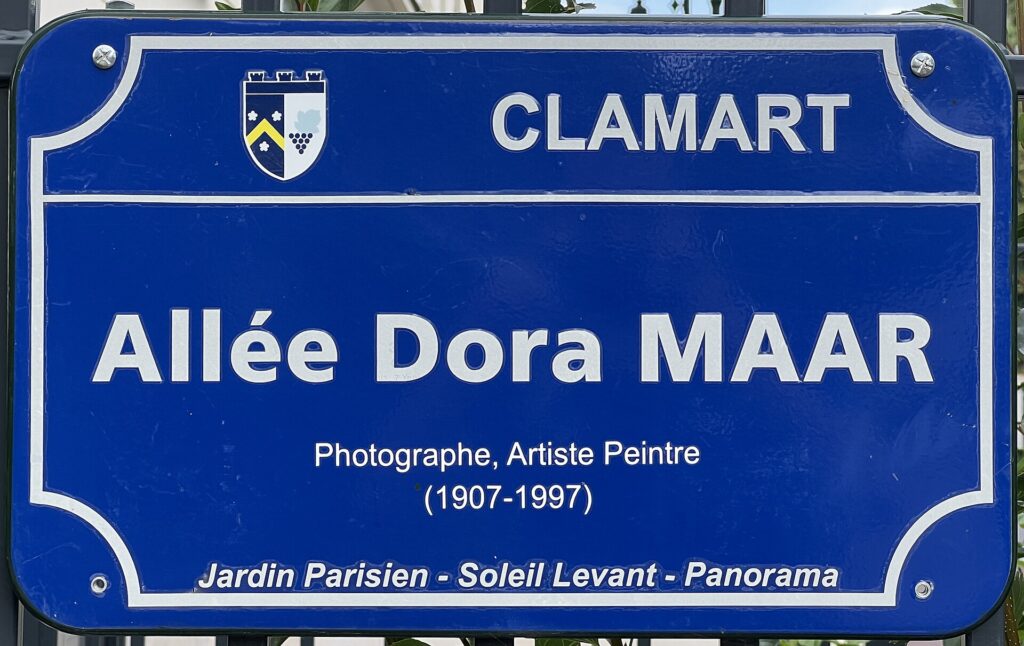
Streets now carry her name, among them Rue Dora Maar, Artiste Photographe, in Saint-Ouen.

Dora Maar, Photographer: From Fashion Studio to the Street
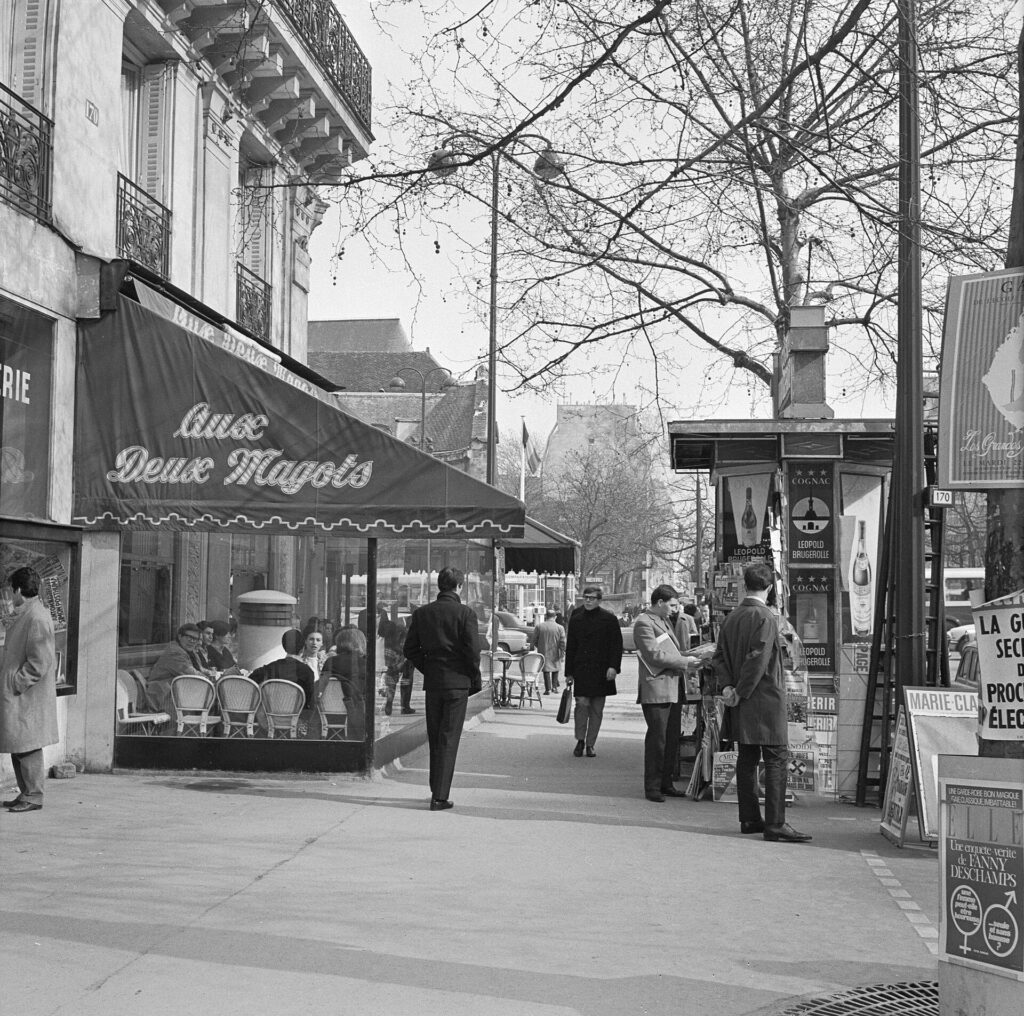
The terrace of Les Deux Magots in Saint-Germain-des-Prés, 1965

In 1930 Maar shared a darkroom with Brassaï and assisted the fashion photographer Harry Meerson. The next year she set up a studio with the film-set designer Pierre Kéfer, specialising in portraits, nudes, fashion and advertising; she called it her worldly period. Around 1935 she opened her own studio in central Paris and took commissions under her name alone.

Outside the studio she turned her camera on the Depression. In 1933 she travelled alone to the Costa Brava, in 1934 to London, and she photographed La Zone, an undeveloped belt on the edge of Paris where some 40,000 people lived.

Her politics drove the work. She signed the anti-fascist call Appel à la lutte, joined the Contre-Attaque movement and photographed the leftist troupe Groupe Octobre. I was very much on the left at 25, she said later.

Dora Maar and Surrealism: Portrait of Ubu and Guernica
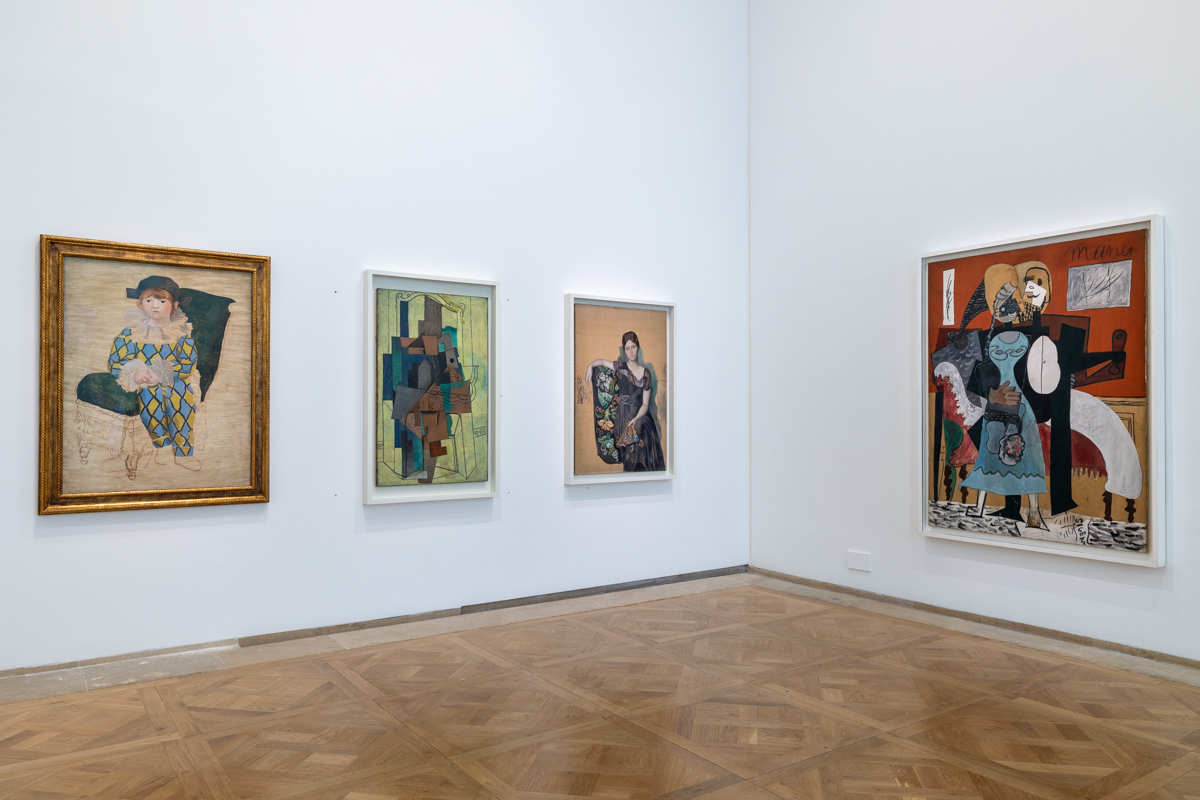
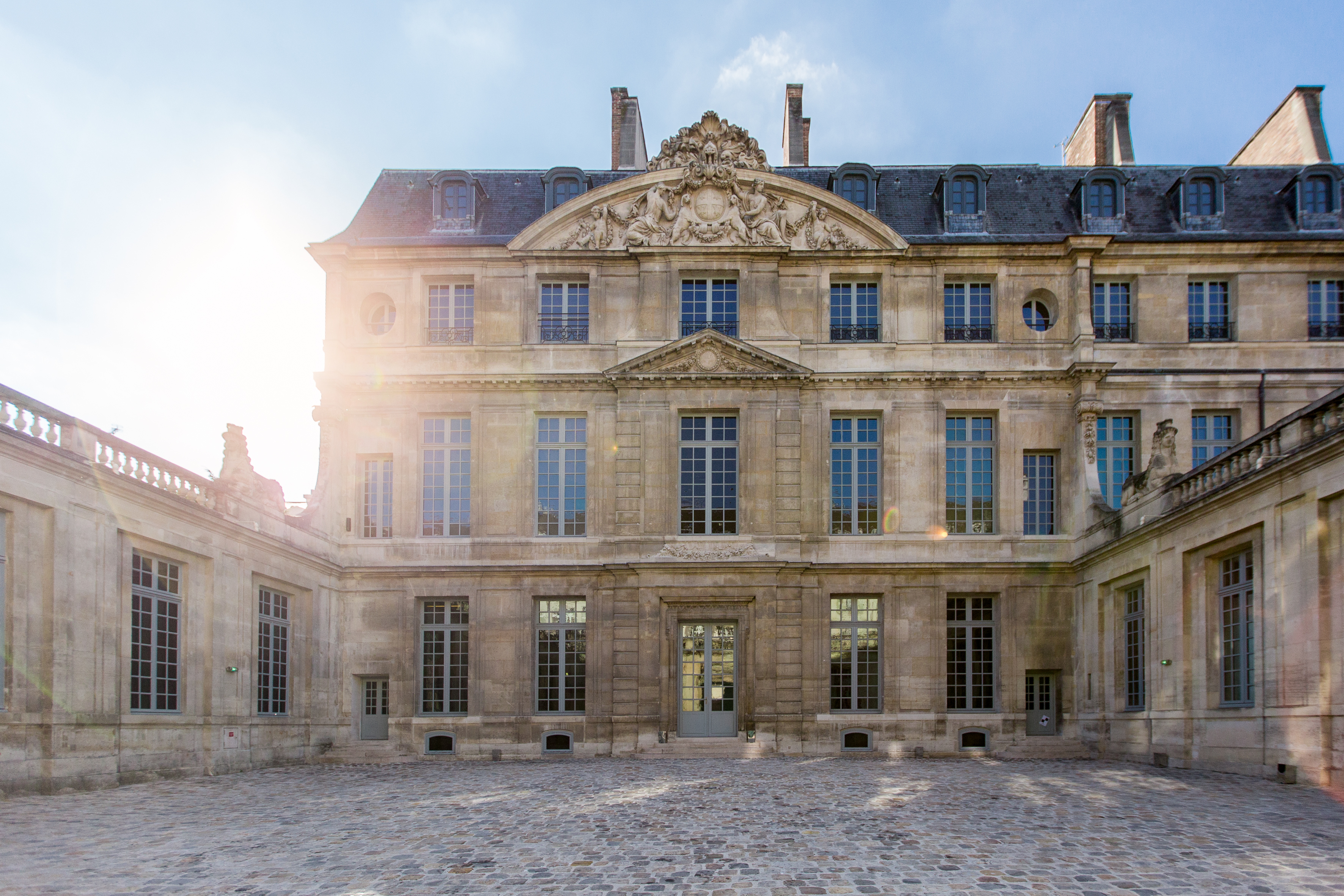
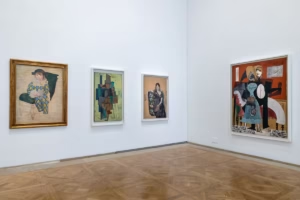
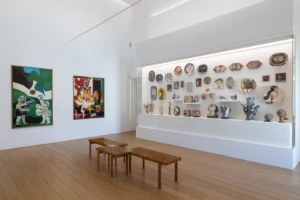
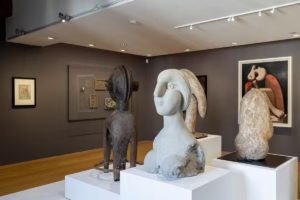
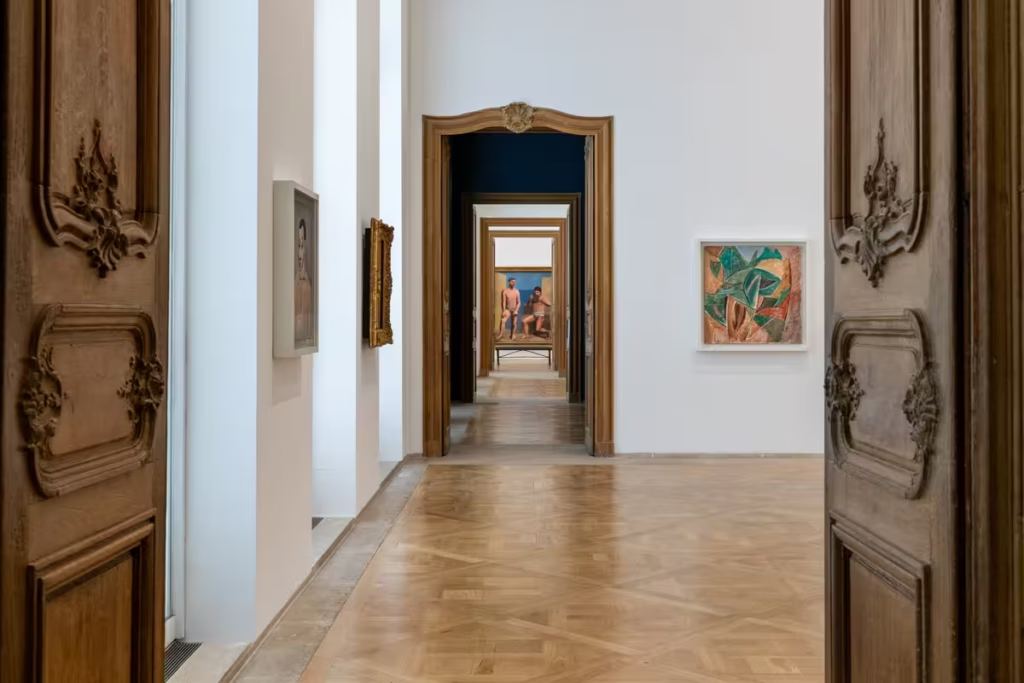
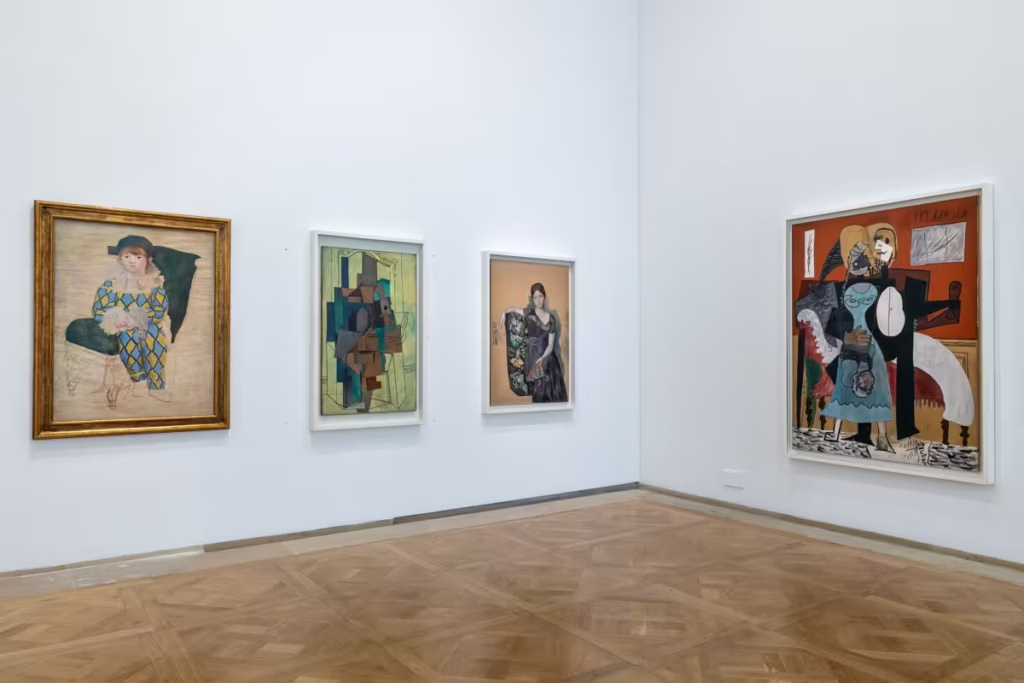
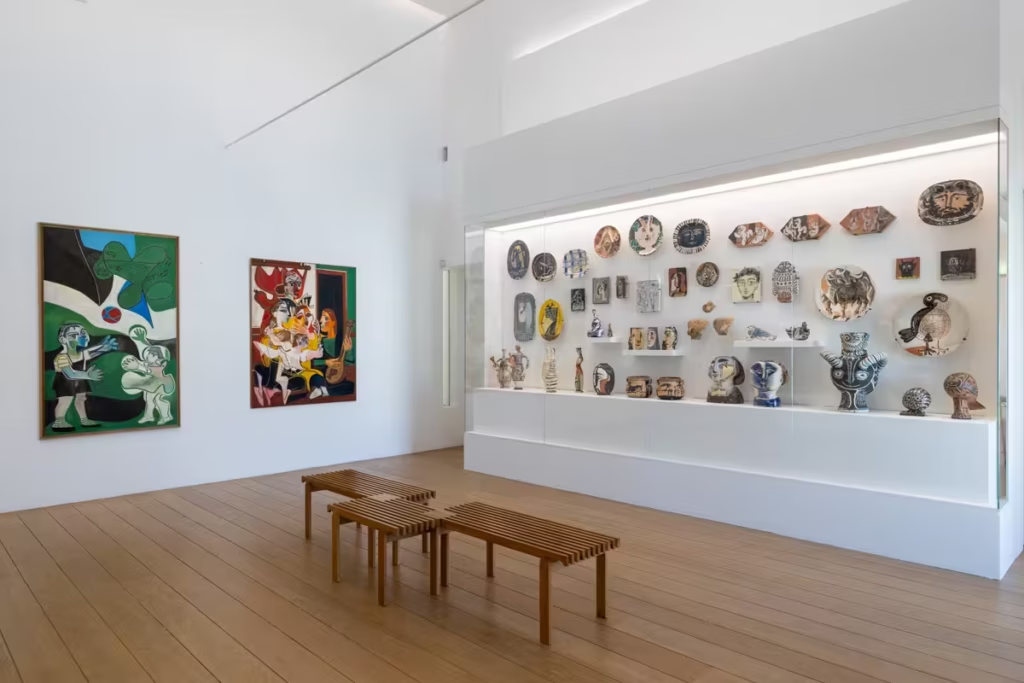
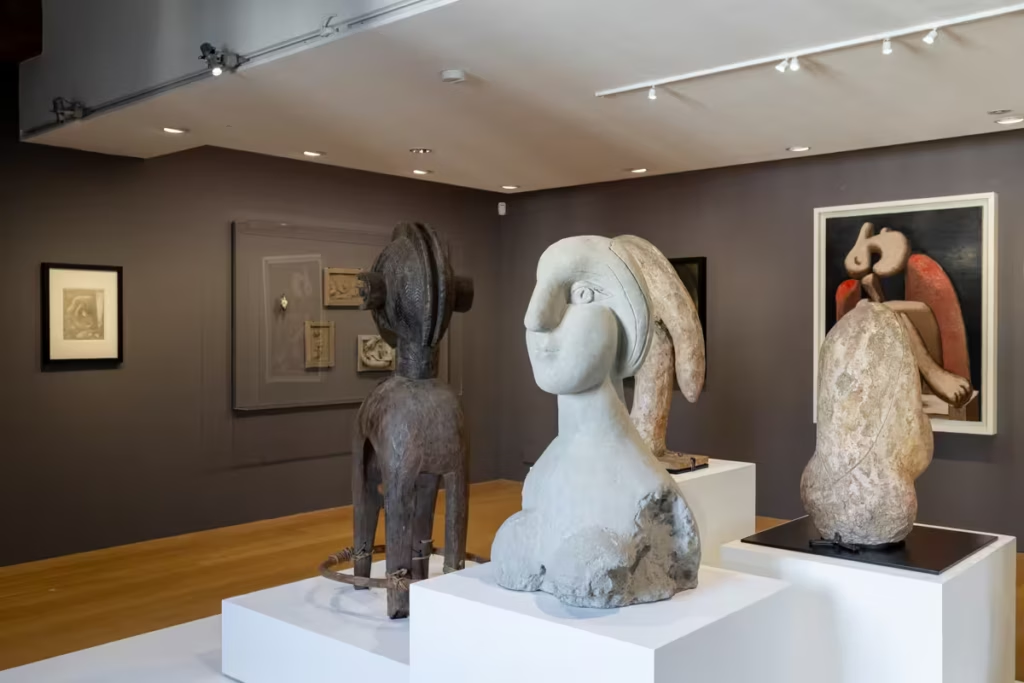
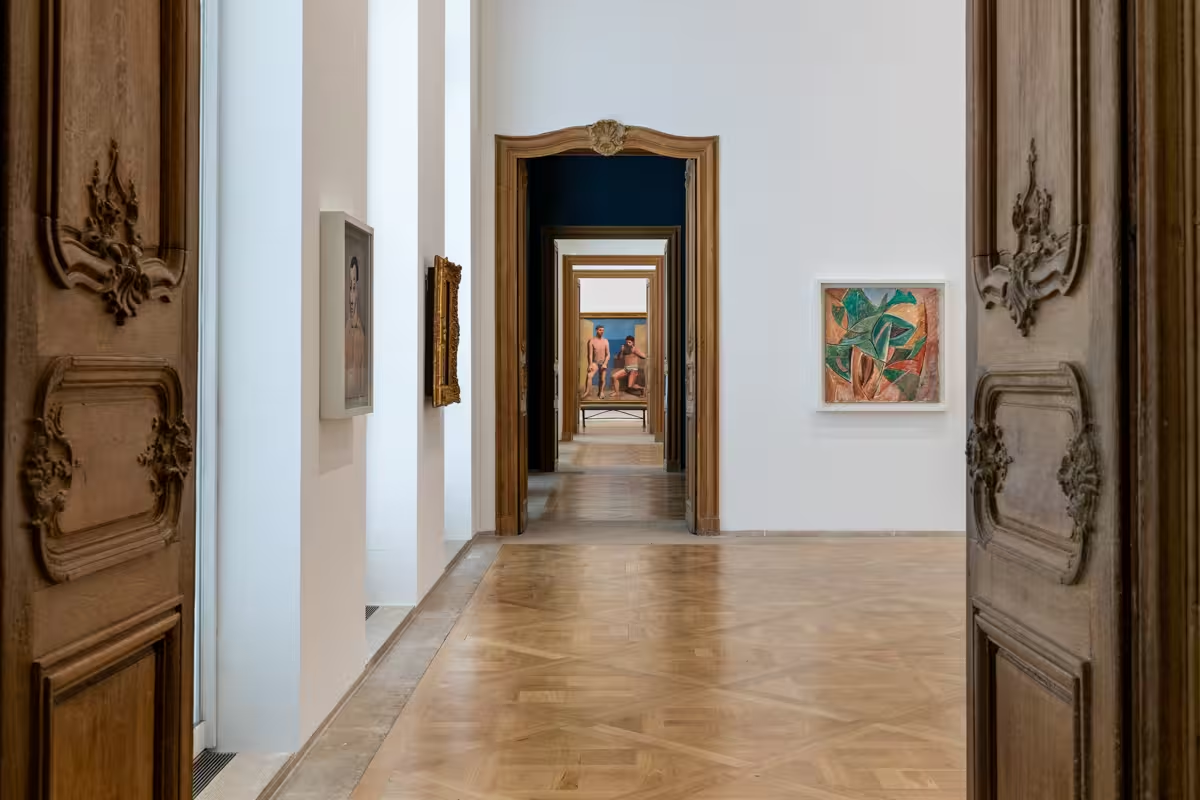
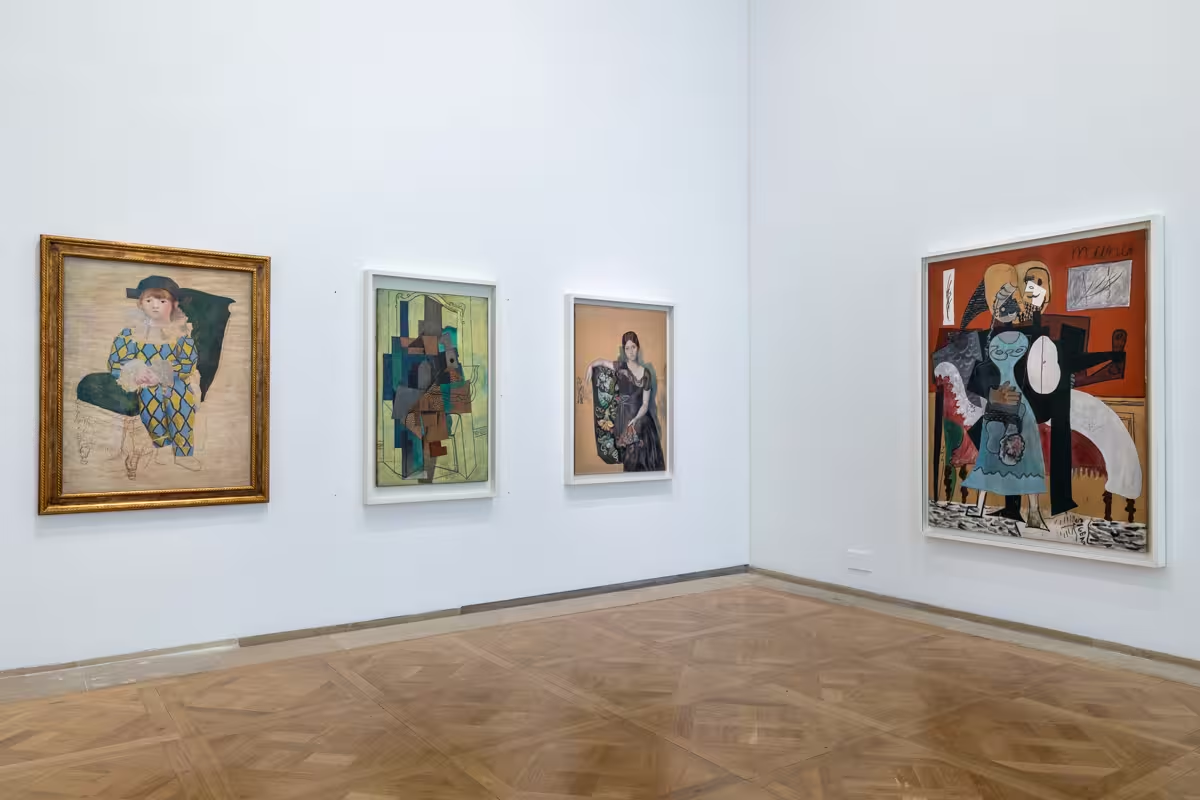
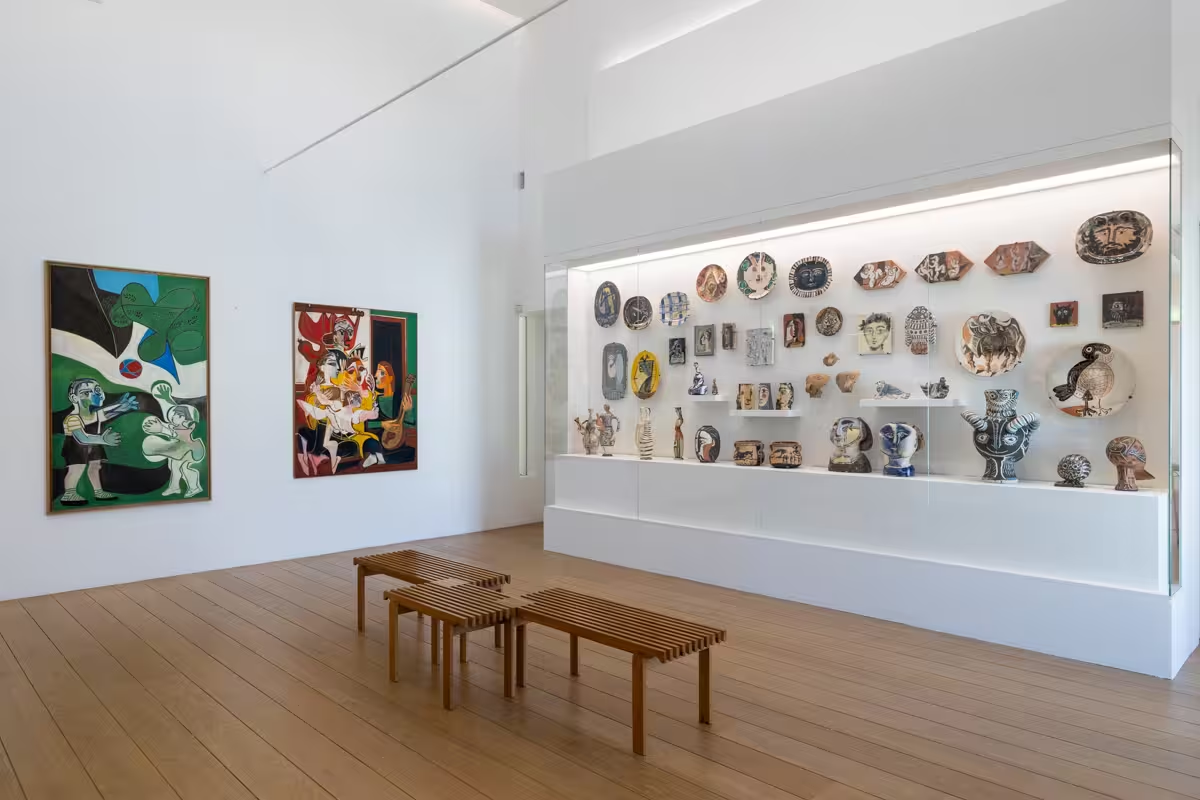
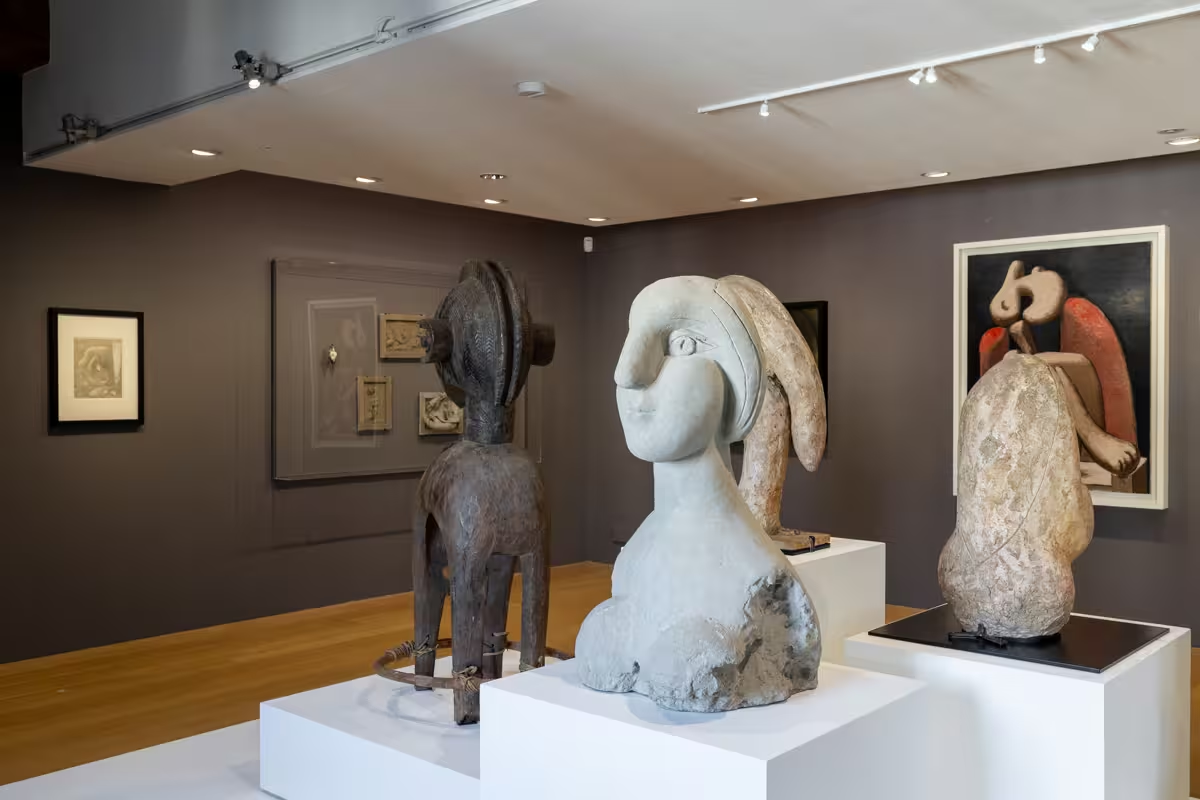
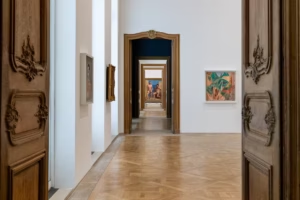
Inside the Musée National Picasso-Paris
Image Credits: Musée national Picasso-Paris ©Vinciane Lebrun / Voyez-Vous

Maar’s favourite themes, the erotic, sleep, eyes and the sea, fitted Surrealism perfectly, and her photomontages showed how photography could create worlds of its own. Her Portrait of Ubu (1936), a close-up of a strange creature named after Alfred Jarry’s grotesque king, was shown in Paris and at the International Surrealist Exhibition in London that year.

In May and June 1937, on a commission for the journal Cahiers d’art, she photographed Guernica stage by stage as it was painted in the Grands-Augustins studio, a step-by-step record of how the composition changed. Some of those prints are now in the Musée National Picasso-Paris.

She also brought her darkroom skills into that studio, teaching the cliché-verre technique, which combines photography and printmaking. The weeping woman she was cast as more than thirty times was, in her own reading, not her portrait but a metaphor for the suffering of Spain.

The Painter of Ménerbes, and a Career Rediscovered

Memorial plaque for Dora Maar in Ménerbes
Photo: Karen Apricot New Orleans, CC BY-SA 2.0, via Wikimedia Commons

By 1939 painting had taken over from photography, and it held her for the rest of her life. In 1942 she moved to a new studio in Paris and painted the banks of the Seine and sombre still lifes, marked by the war and by a run of personal losses.

From 1945 she divided her time between Paris and a house in Ménerbes, in Provence. A friendship with the poet André du Bouchet led to engravings for his collection in 1956, and she moved towards gestural, abstract impressions of nature. In the 1980s she returned to the darkroom to make photograms.

She died in Paris on 16 July 1997, aged 89, almost unknown. The sale of her studio revealed paintings no one had seen, and in 2019 the Centre Pompidou and Tate Modern gave her the largest retrospective ever devoted to her work.

Looking for Dora Maar at the Musée Picasso

The collection is rehung regularly, so check the museum’s current display before you go if you want to see the 1937 portrait or her photographs. As you walk through, look for her beyond the canvases: her camera is behind some of the best-known images of the period, and her own voice is worth keeping in mind in front of every picture of her.
Tickets for the Musée National Picasso-Paris

Highlights

Skip long lines with priority admission.

Discover over 5,000 artworks including Picasso’s own creations and his personal art collection.

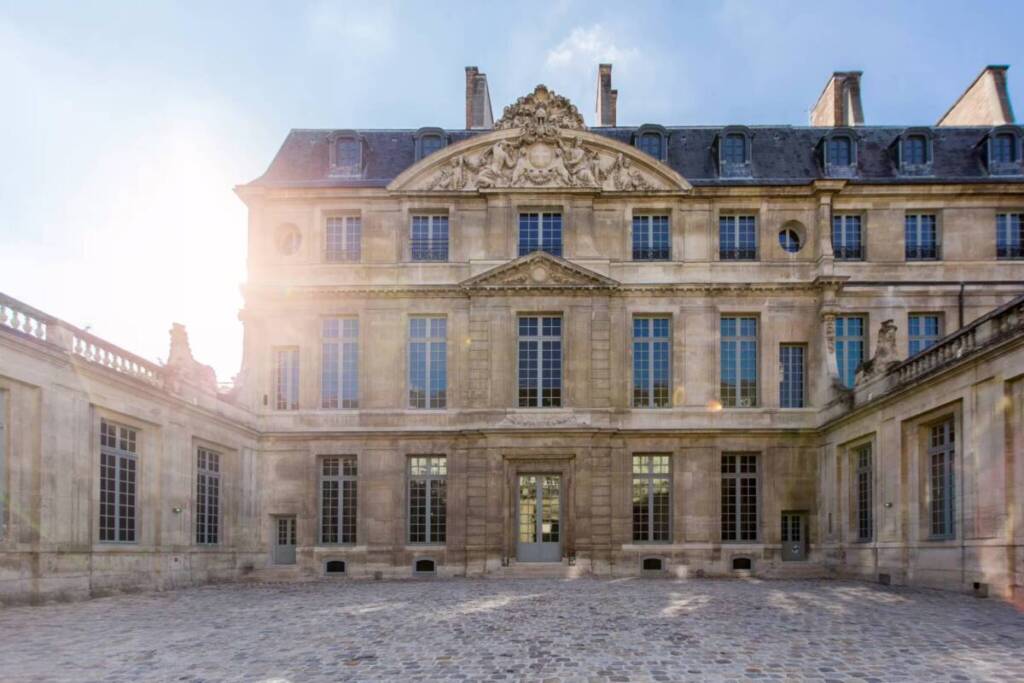
Explore the museum housed in the elegant 17th-century Hôtel Salé.

Experience both permanent and temporary exhibitions dedicated to influential modern art.

Optionally enhance your visit with an audio guide for deeper insight.
Questions About Dora Maar

Who was Dora Maar?

A French photographer and painter, born Henriette Theodora Markovitch in 1907, and one of the few women photographers at the heart of Surrealism.

Was Dora Maar a photographer?

Yes. She ran her own studio in the 1930s, working in fashion, advertising and portraiture, and made documentary and Surrealist photographs.

What is Dora Maar’s most famous photograph?

Portrait of Ubu (1936), shown at the International Surrealist Exhibition in London, is one of her best-known works.

Where can I see the Portrait of Dora Maar?

The 1937 portrait belongs to the Musée National Picasso-Paris in Paris. Displays change, so check the museum’s current hang before visiting.

Is The Weeping Woman at the Musée Picasso in Paris?

No. The best-known painted version is in the Tate collection in London. Maar saw the weeping woman as a metaphor for the suffering of Spain, not a portrait.

Did Dora Maar paint?

Yes. She turned to painting at the end of the 1930s and painted for the rest of her life, from Seine landscapes and still lifes to abstraction.

Where did Dora Maar live?

In Paris, where she had a studio on the Left Bank, and from 1945 also in a house in Ménerbes, in Provence.

When did Dora Maar die?

On 16 July 1997 in Paris, aged 89. She is buried in the Bois-Tardieu cemetery in Clamart.

This website sells official tickets for this venue. Please note, however, that it is not the official website of the venue.

The images and videos on this website may contain visual elements that have been created or enhanced using AI technology. They are provided for illustrative purposes only.