
What is the Conciergerie? Stained Glass, Royal Palace and Revolution
Two survivors of the first palace of the kings of France, side by side on the Île de la Cité. One is a chapel made almost entirely of light, the other a Gothic palace that became the last prison of the Revolution.
What Is the Conciergerie, and What Is Sainte-Chapelle?
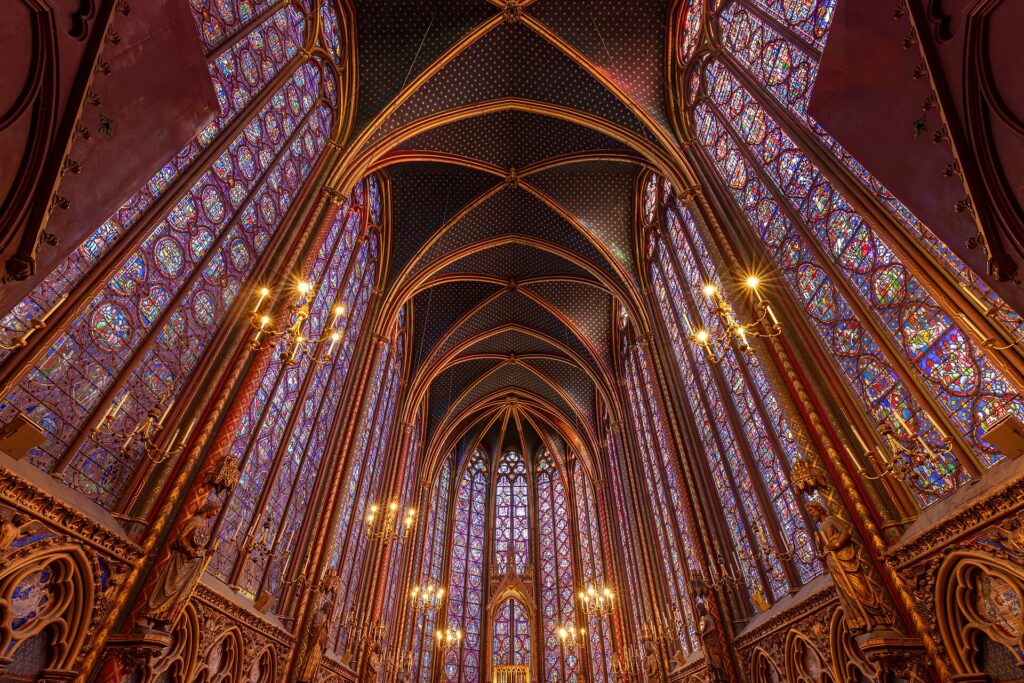
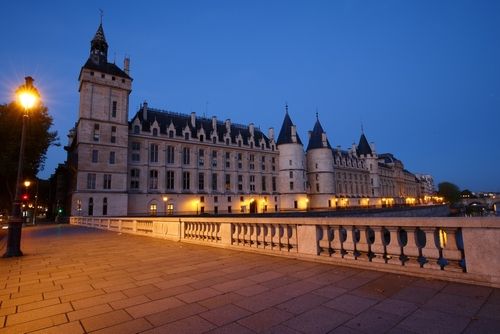
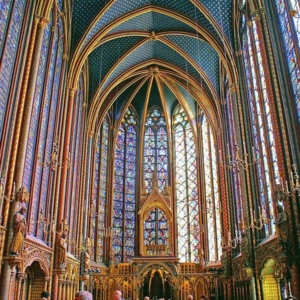
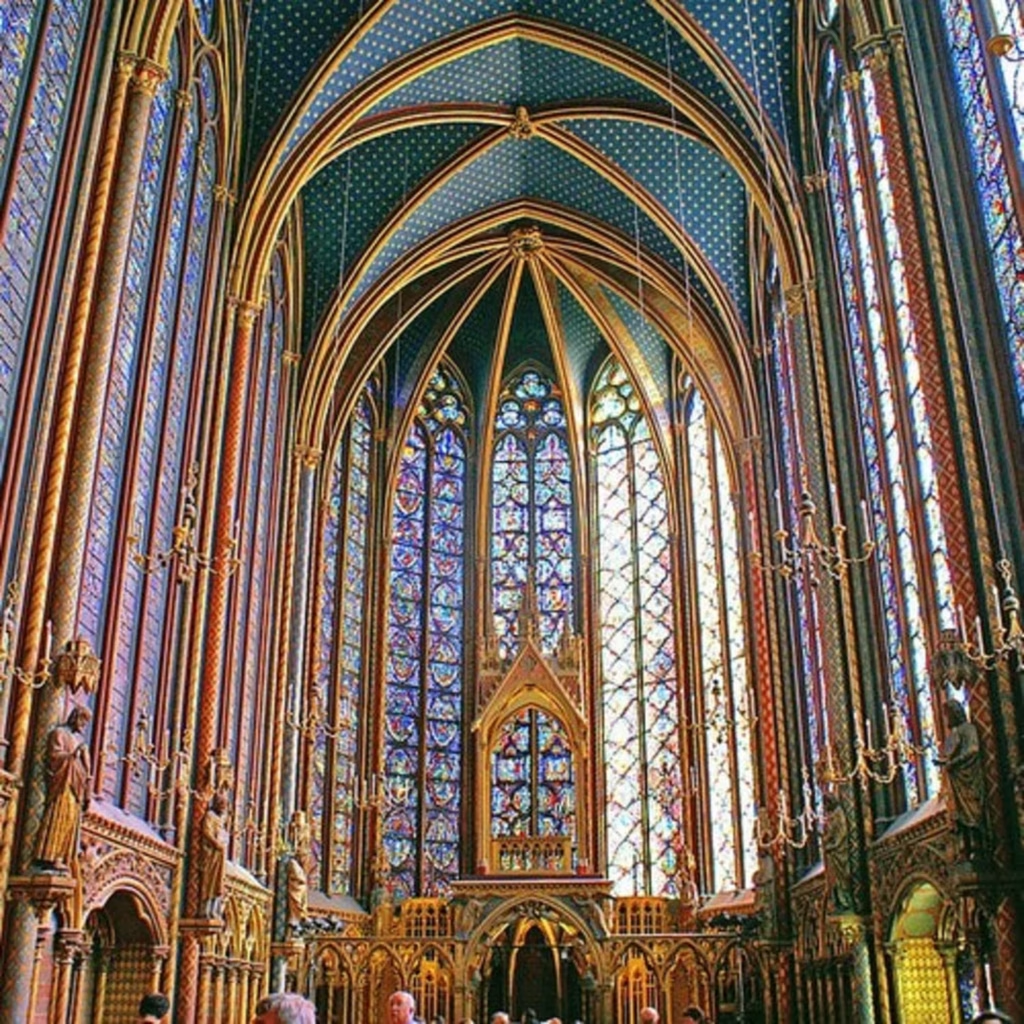
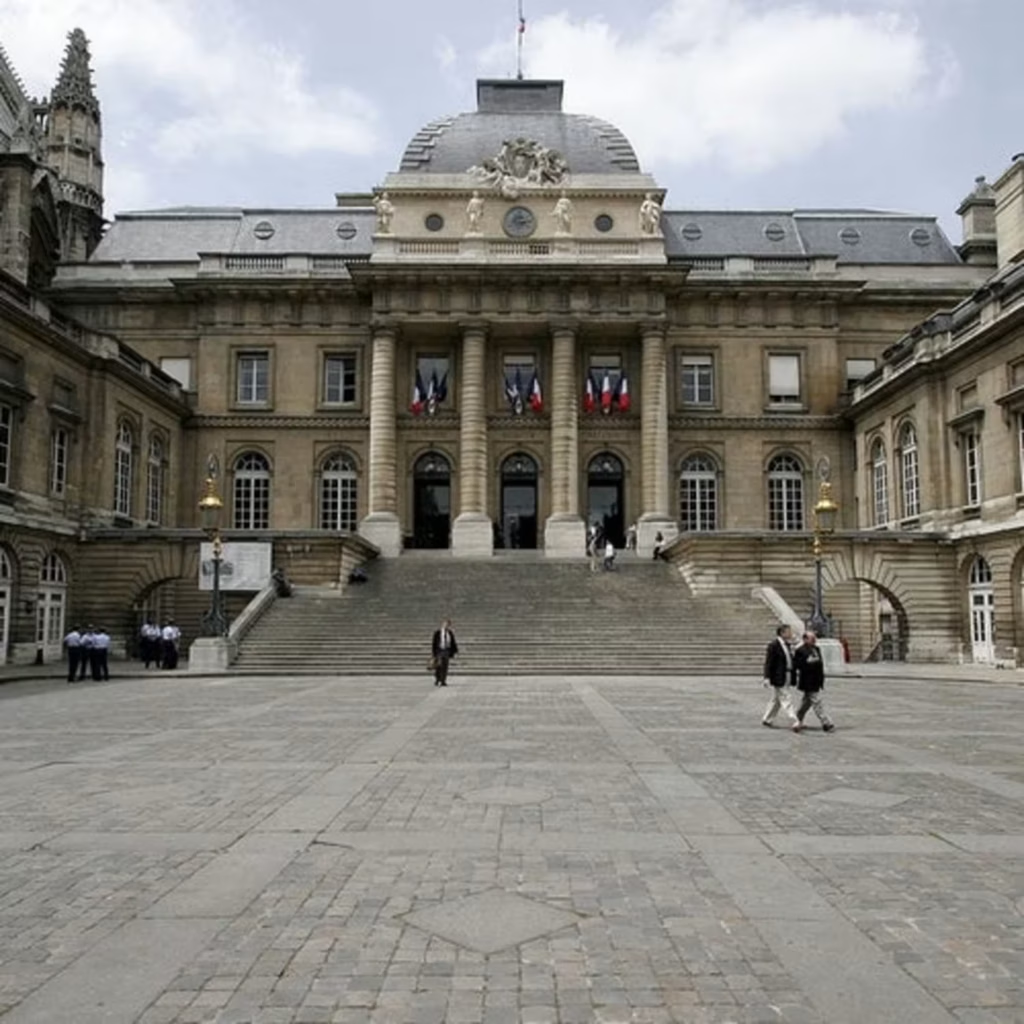
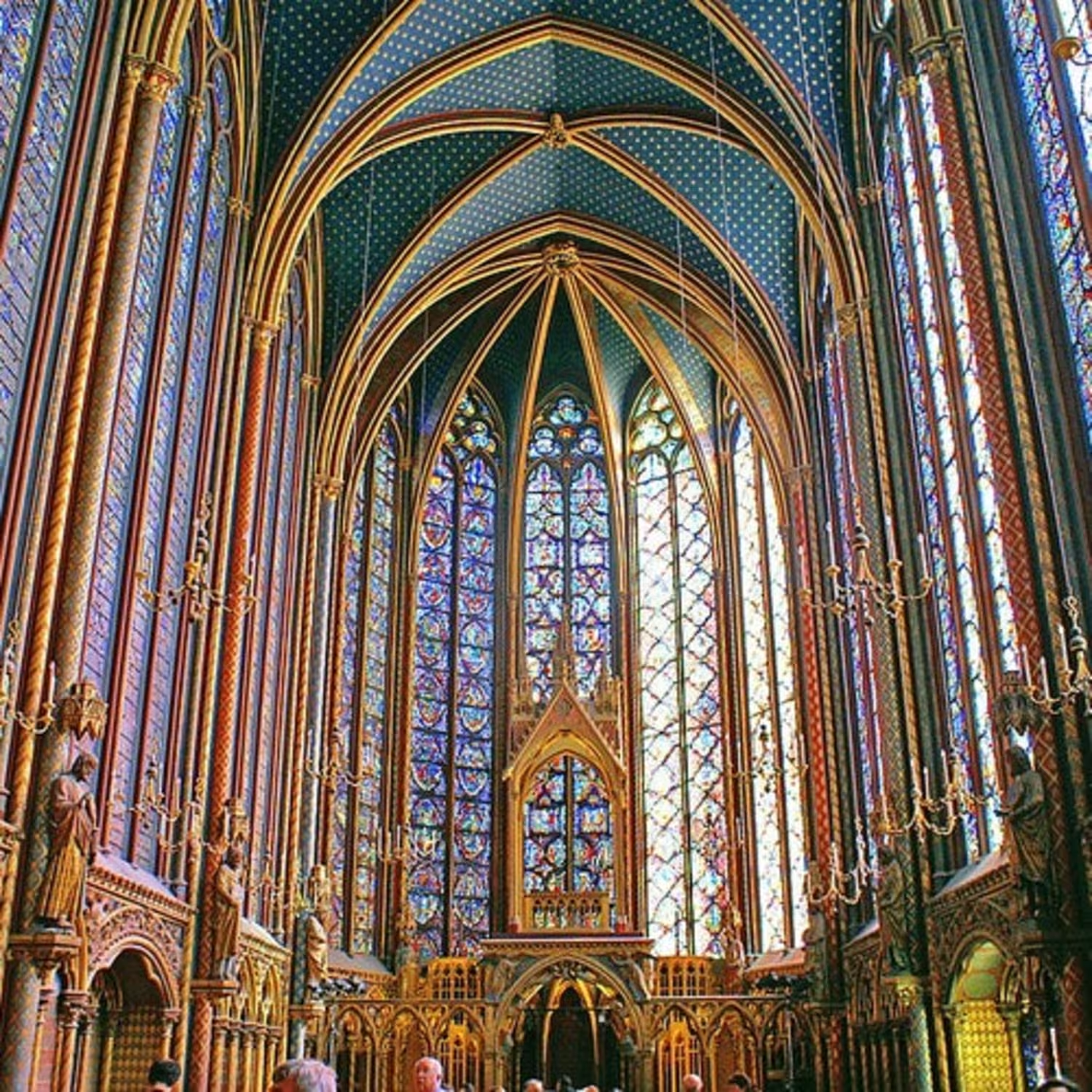
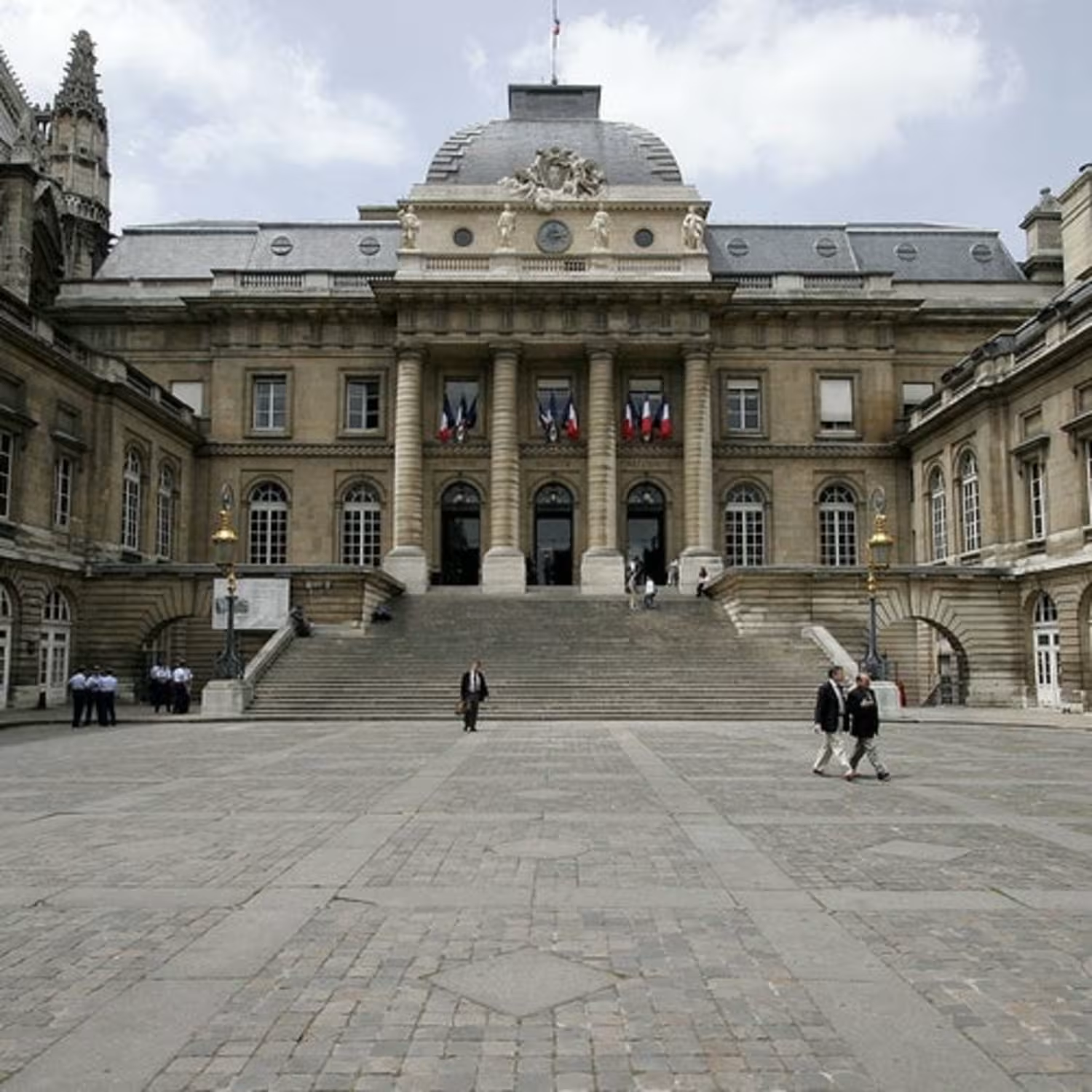
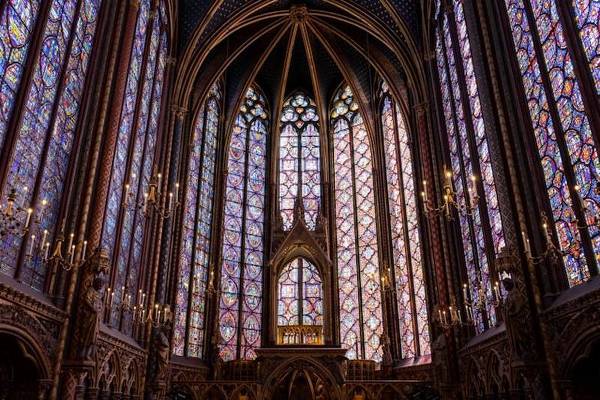
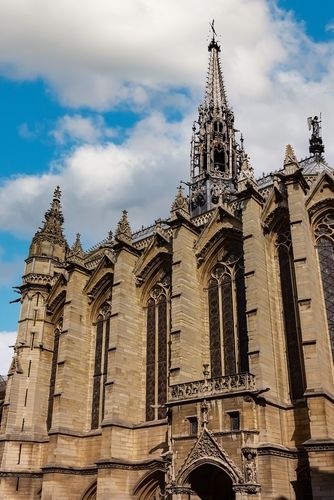
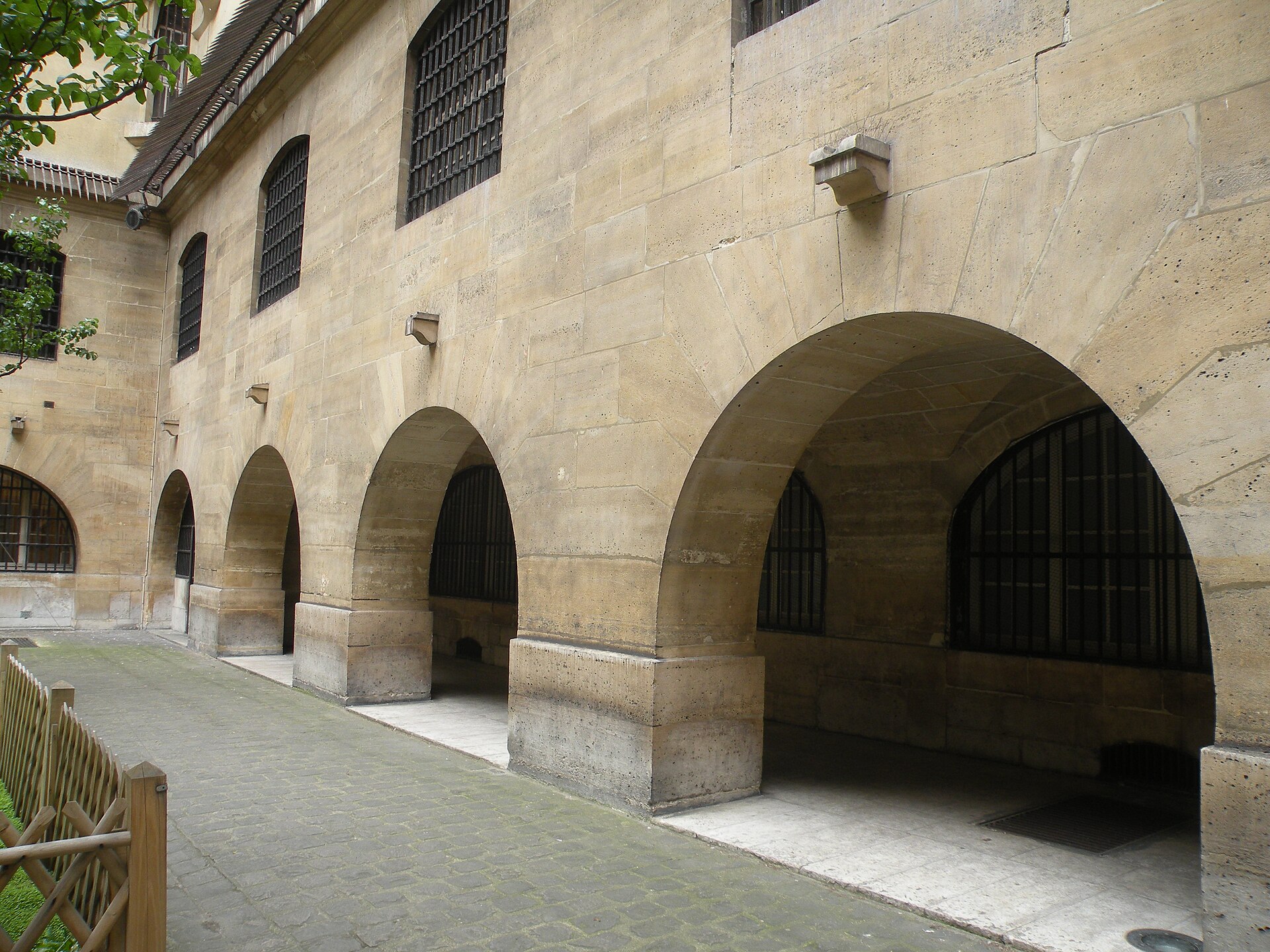
Both are what remains of the Palais de la Cité, the residence and seat of power of the kings of France in the Middle Ages. Sainte-Chapelle was built by Louis IX as a giant reliquary for the Crown of Thorns, and its walls are almost all glass. The Conciergerie holds the palace’s great Gothic halls, which became a prison at the end of the 14th century and, during the Revolution, the last stop before the guillotine. Between them they tell the story of a queen who ruled for her son and of the women who were tried here for their ideas.
Sainte-Chapelle and the Conciergerie in Numbers
Sainte-Chapelle was built in less than seven years and consecrated on 26 April 1248.
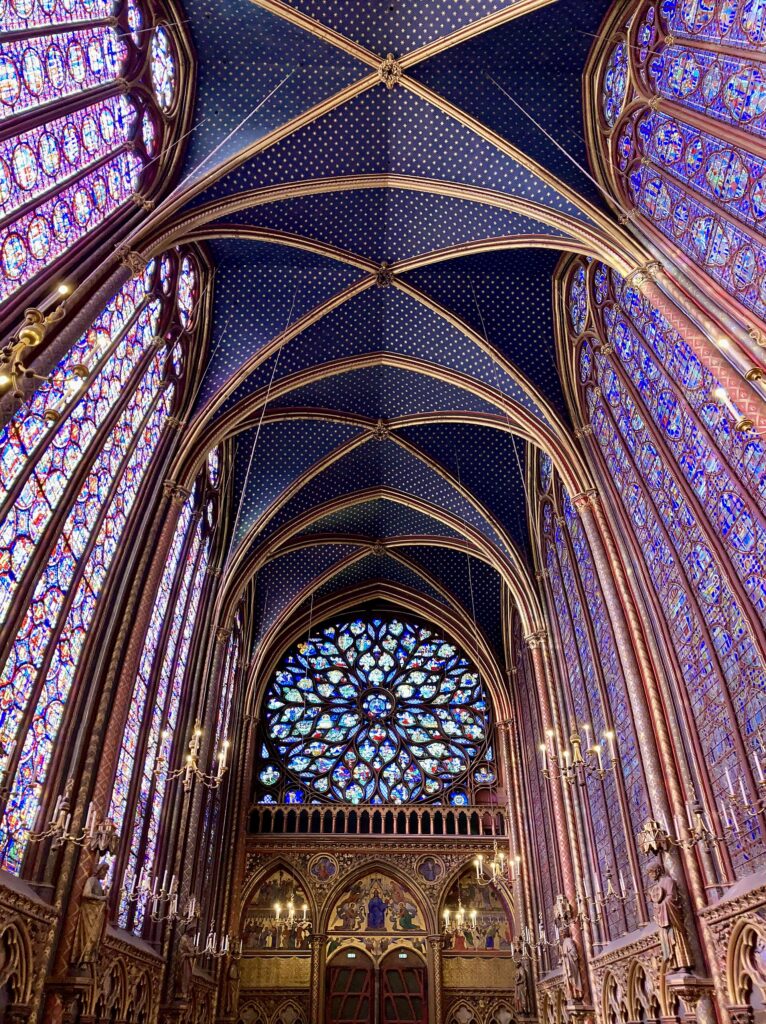
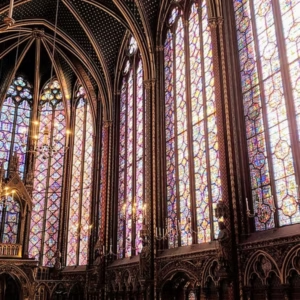
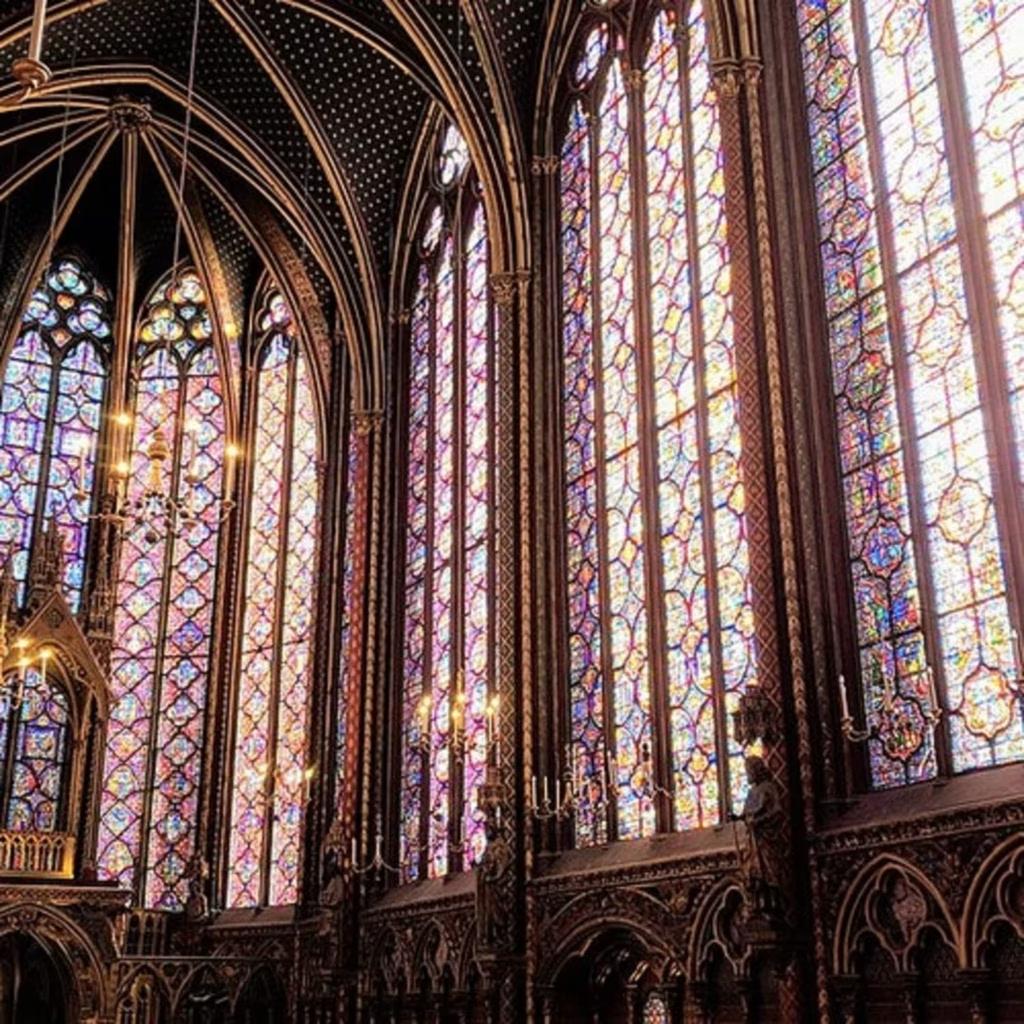
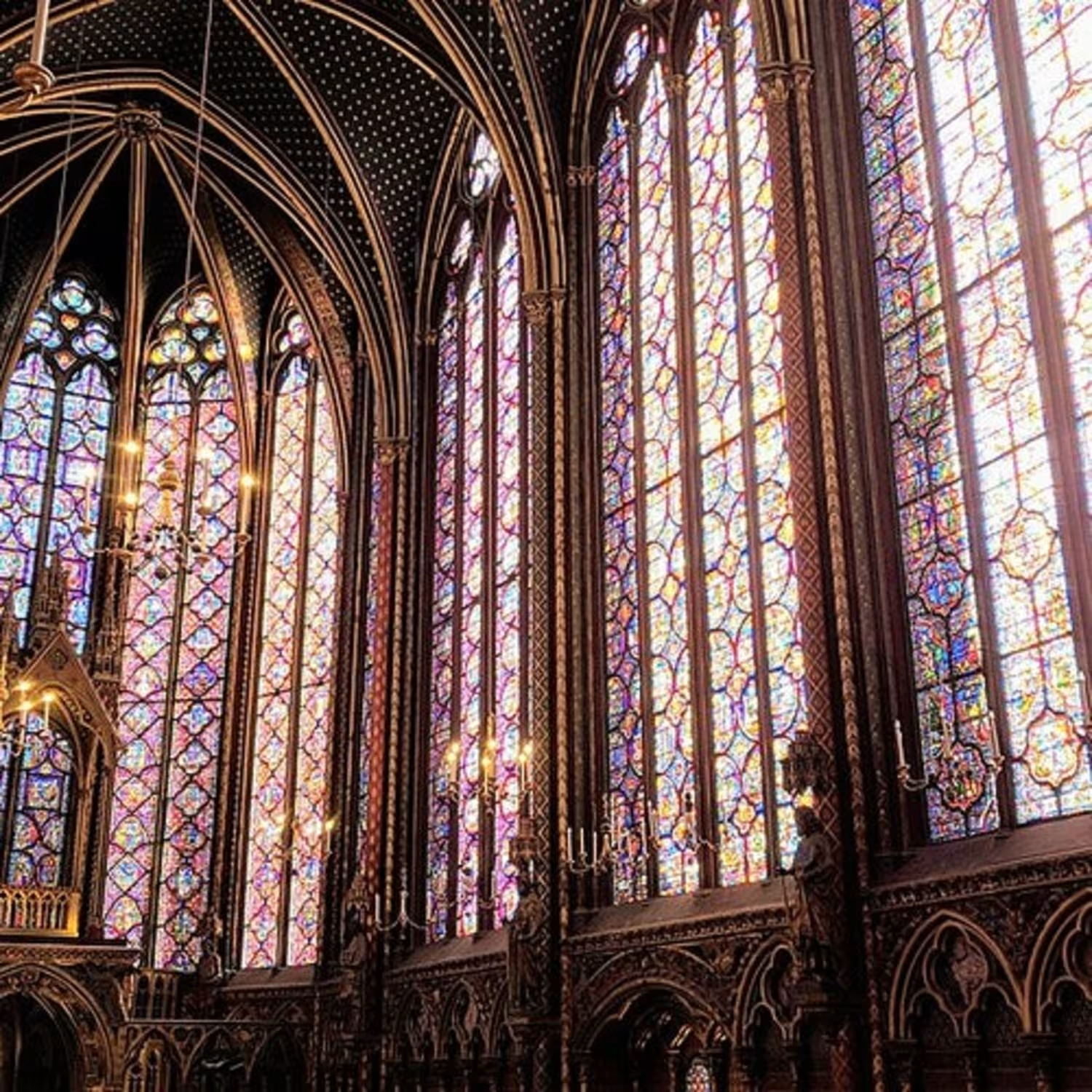
Its 15 windows rise 15 metres in the nave and hold 1,113 scenes from the Bible.
Two-thirds of the stained glass is original, making it the most complete set of 13th-century glass anywhere.
Louis IX paid 135,000 livres for the relics, about half the annual income of the kingdom.
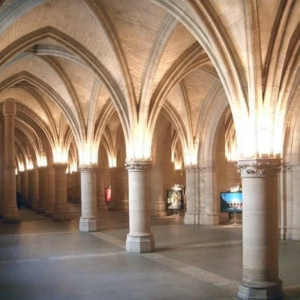
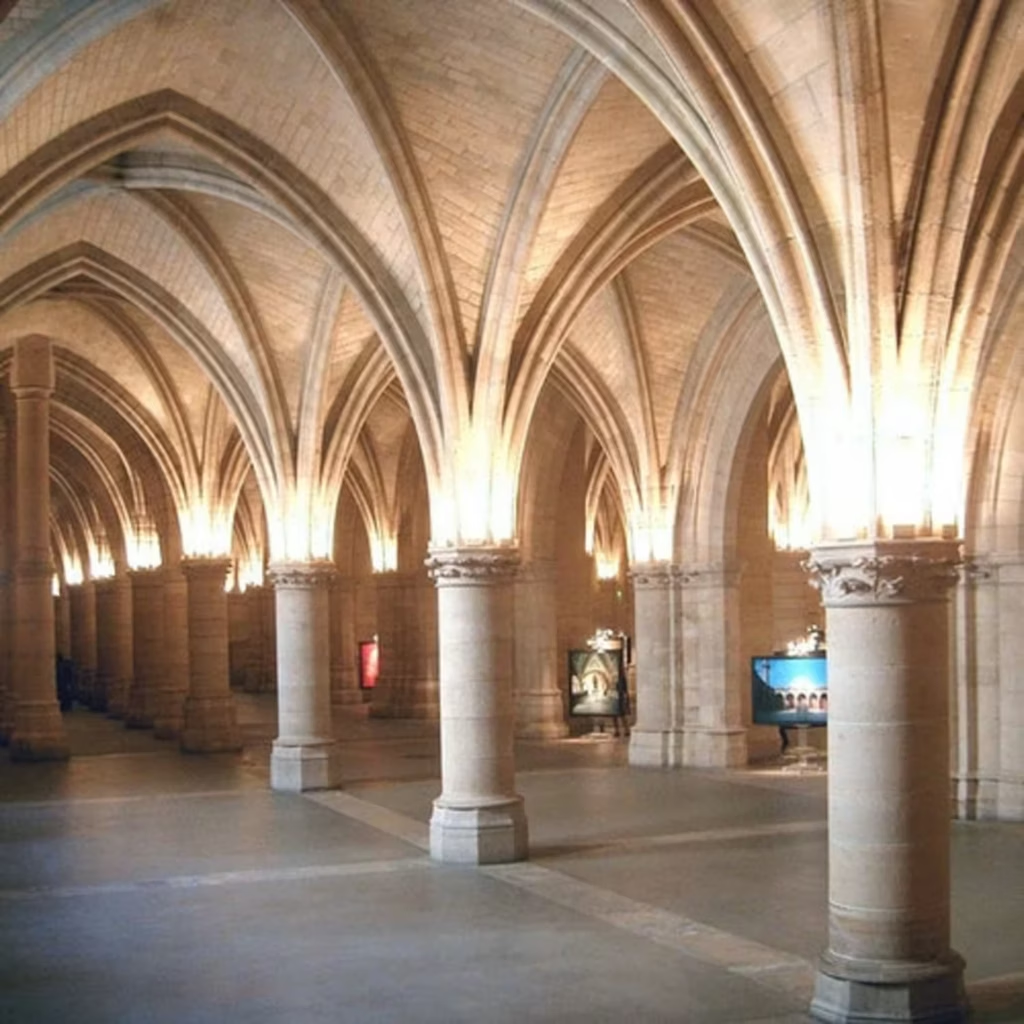
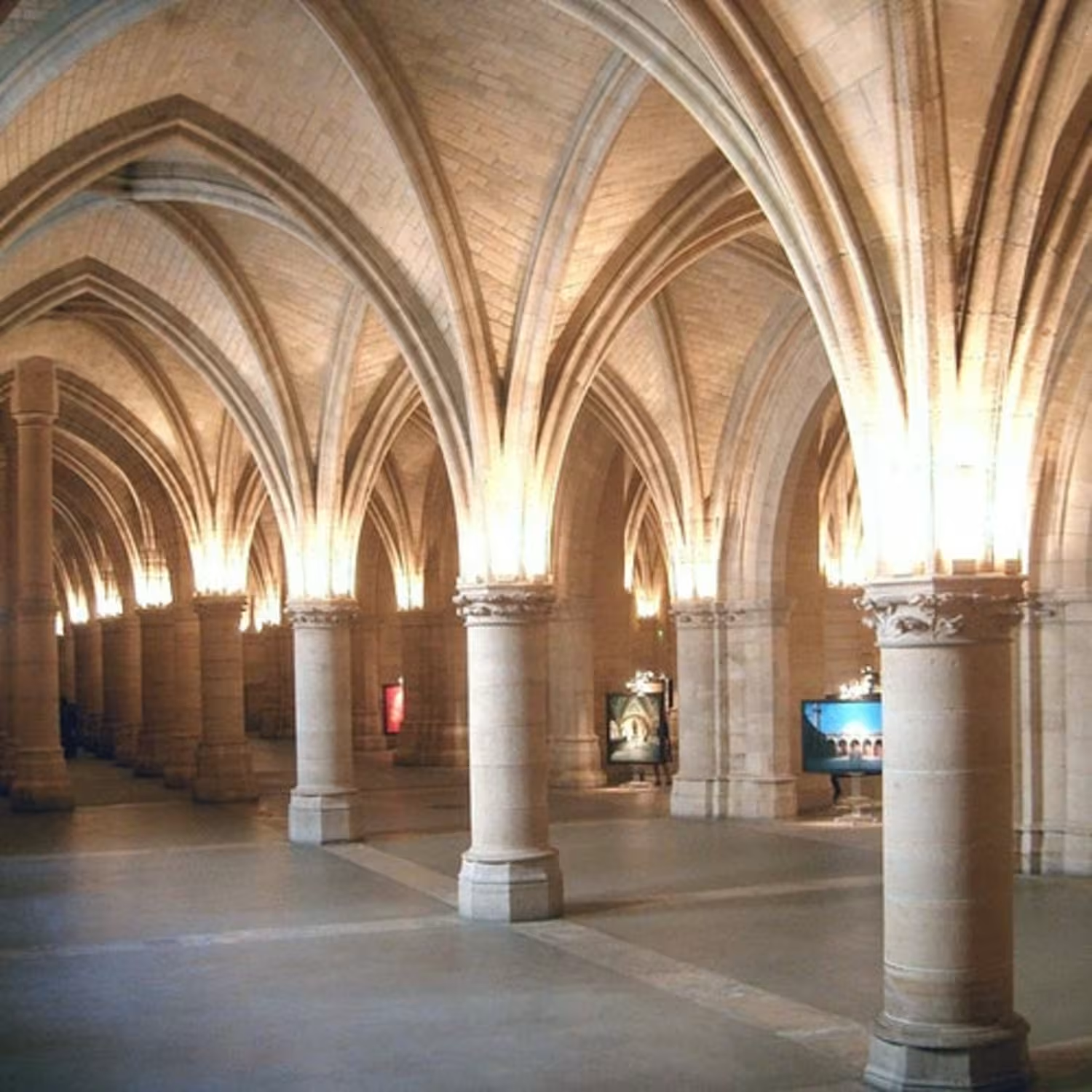
The Salle des Gens d’Armes covers 1,785 square metres, the largest Gothic civil hall in Europe.
Between 1,000 and 2,000 royal servants and soldiers ate there every day.
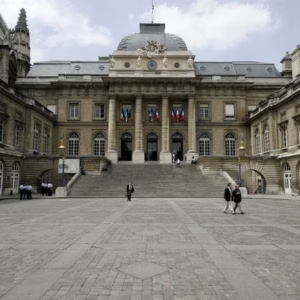
The Palais de la Cité, First Palace of the Kings of France

Sainte-Chapelle: The Crown of Thorns and the Stained Glass
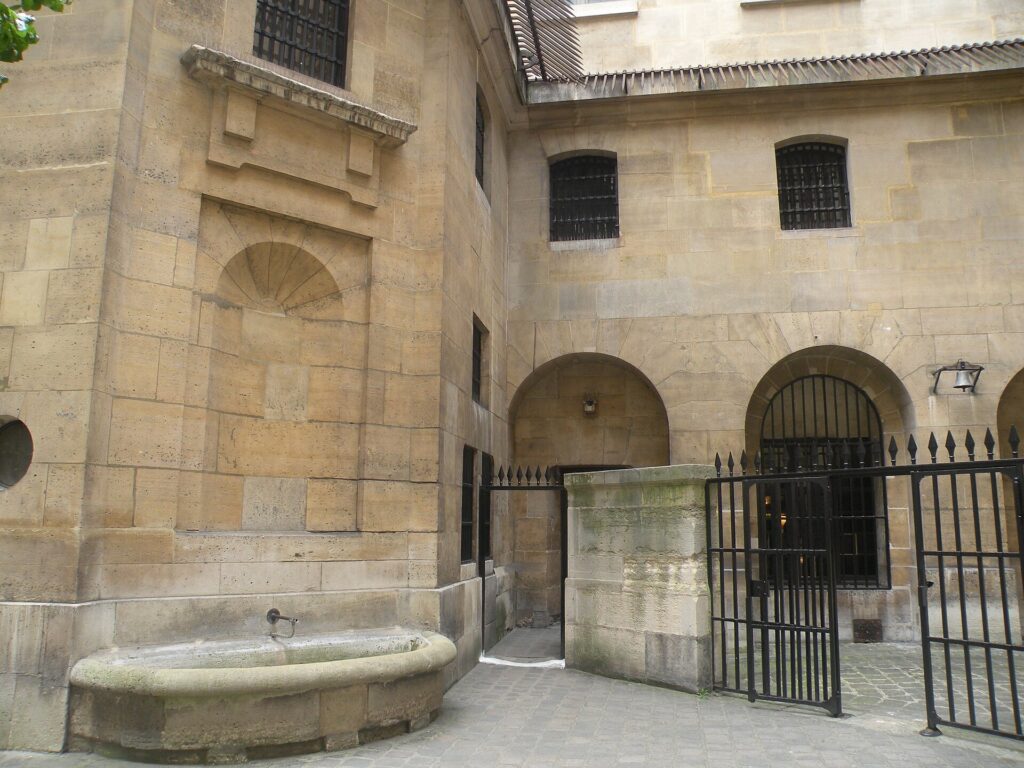
The Conciergerie: From Royal Palace to Revolutionary Prison
What to See in Sainte-Chapelle and the Conciergerie
The Lower Chapel
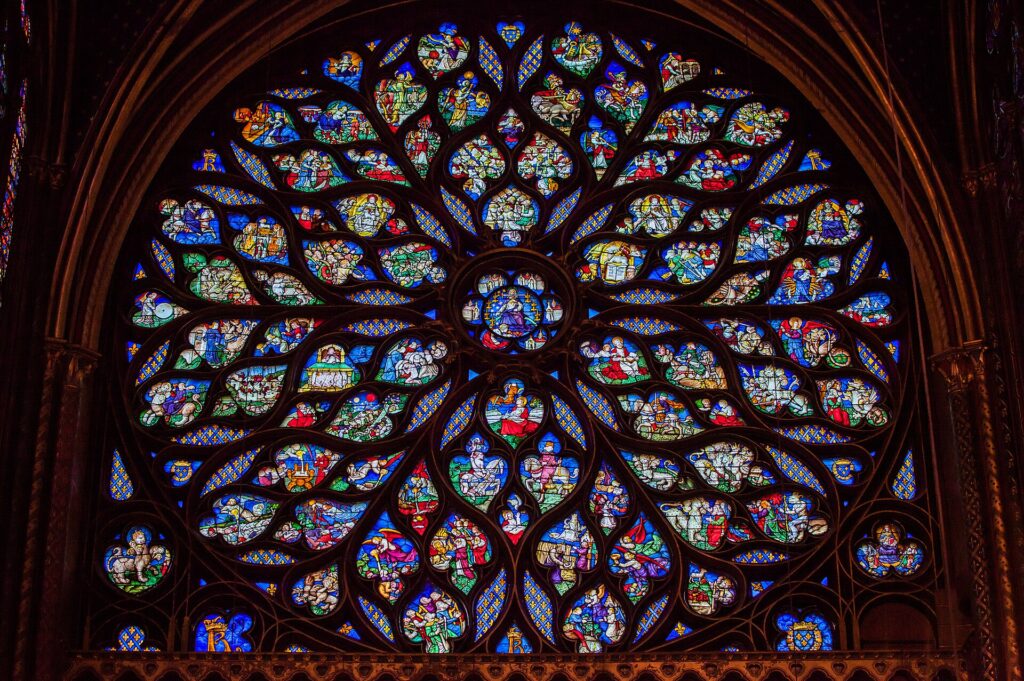
The Rose Window
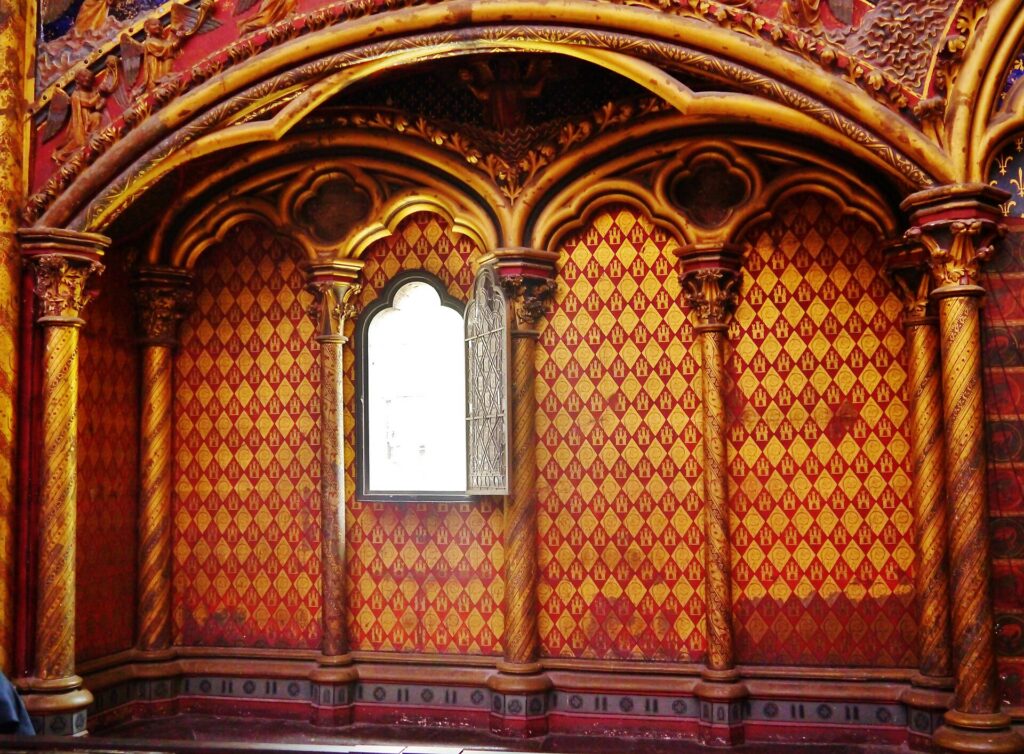
Queen Blanche’s Alcove
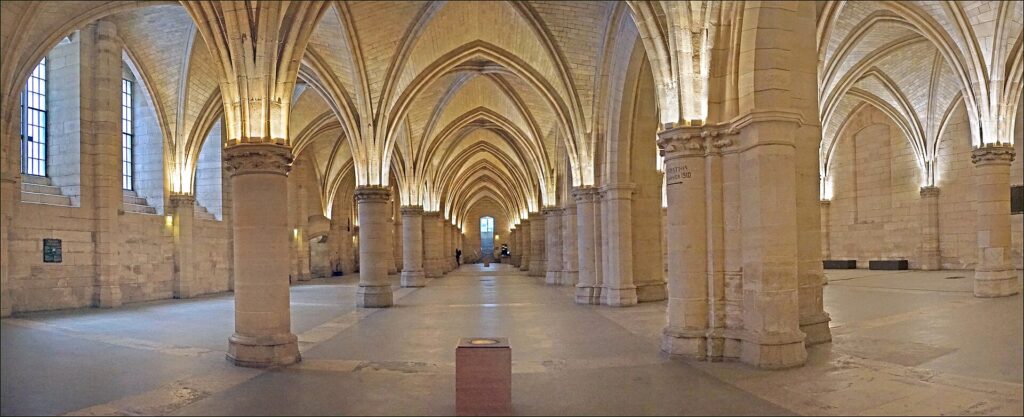
Salle des Gens d’Armes
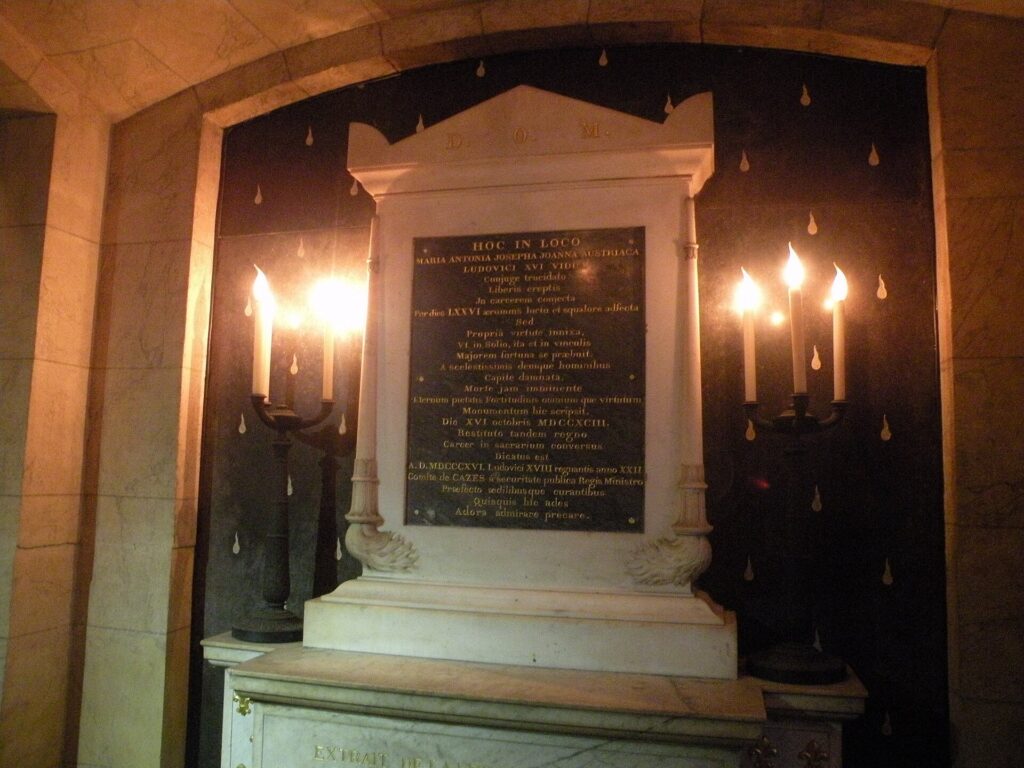
The Expiatory Chapel
Women of Sainte-Chapelle and the Conciergerie
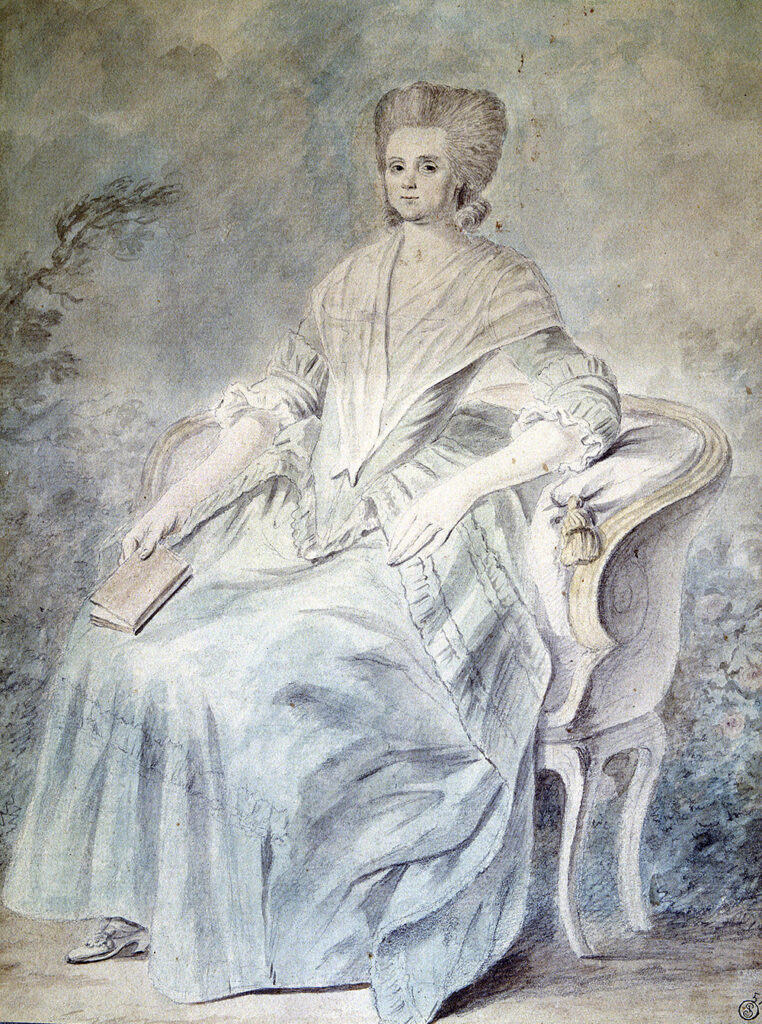


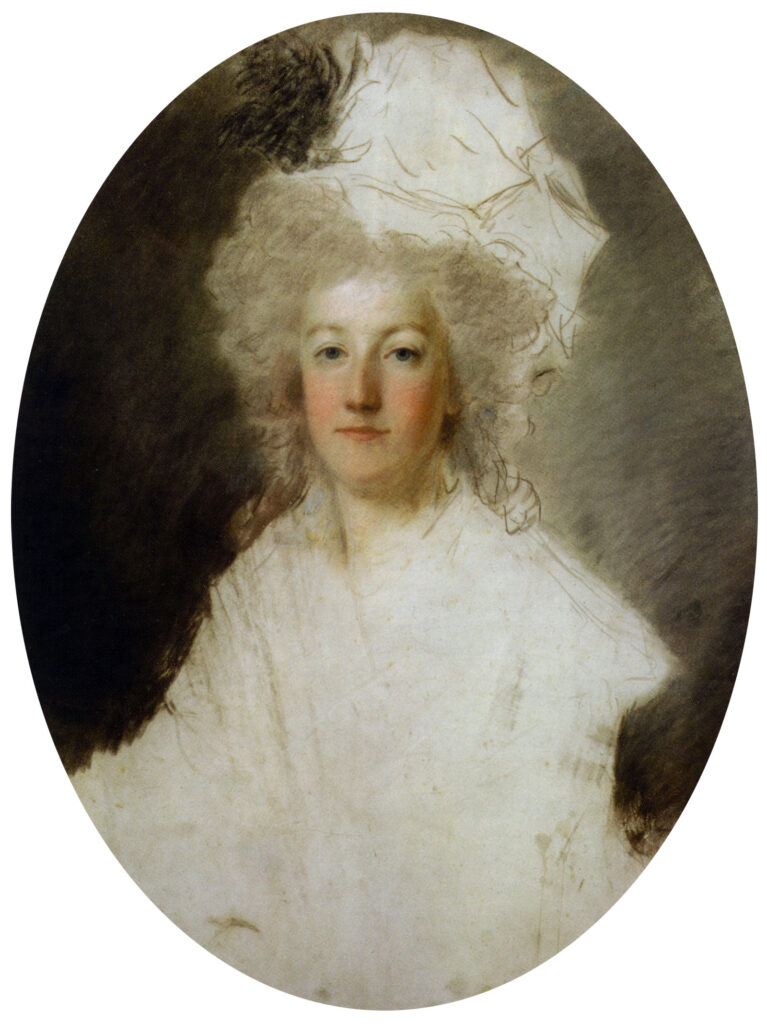
Blanche of Castile
Visiting Sainte-Chapelle and the Conciergerie Together
Sainte-Chapelle stands inside the Palais de Justice, so security checks are strict and sharp objects and glass bottles are not allowed. Arrive on time for your slot, see the upper chapel while the light is on the windows, then cross to the Conciergerie, where the Histopad tablet brings the medieval palace and the Revolutionary prison back to life. The combined ticket covers both.
Entry Ticket to the Sainte Chapelle and the Conciergerie
Highlights
Visit the stunning Gothic Sainte-Chapelle featuring extraordinary stained glass windows.
Explore the Conciergerie, a former royal palace turned prison with deep revolutionary history.
Use the Histopad augmented reality device to experience the Conciergerie’s medieval and revolutionary history.
Enjoy priority entrance and skip the regular lines at both locations.
Discover the captivating stories behind Marie Antoinette’s imprisonment and King Louis IX’s relic collection.
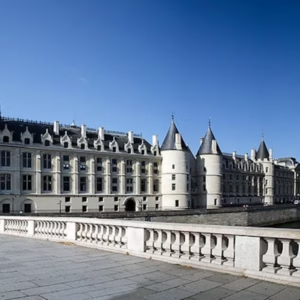
Visit the Conciergerie
Highlights
Discover medieval prison cells from the French Revolution, including the famous cell of Queen Marie Antoinette.
Visit the grand Gothic Salle des Gens d’Armes, Europe’s largest surviving medieval hall.
Experience the haunting history of a building once known as the antechamber to the guillotine.
Explore the torture chamber in the Bonbec Tower, where prisoners were coerced to confess.
Enhance your visit with the Histopad, an augmented reality device revealing the palace’s past appearances.
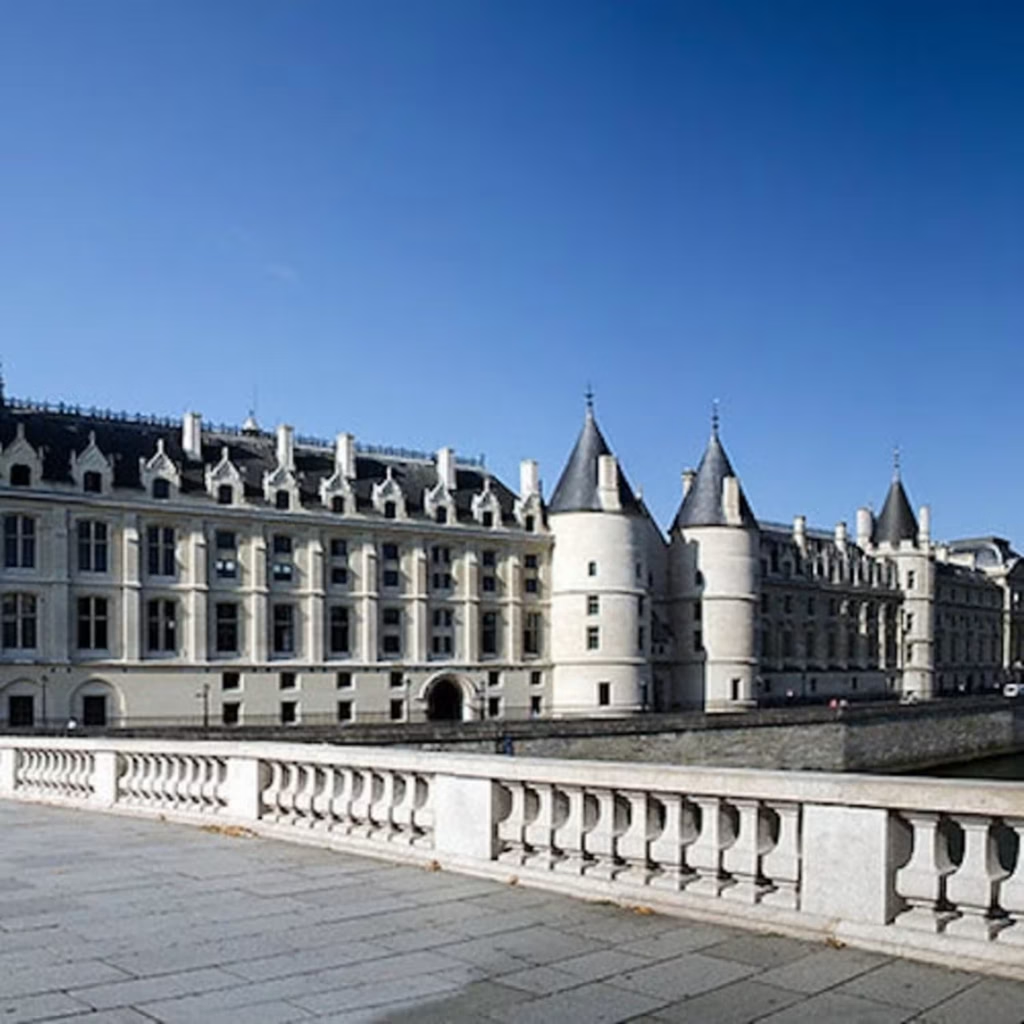
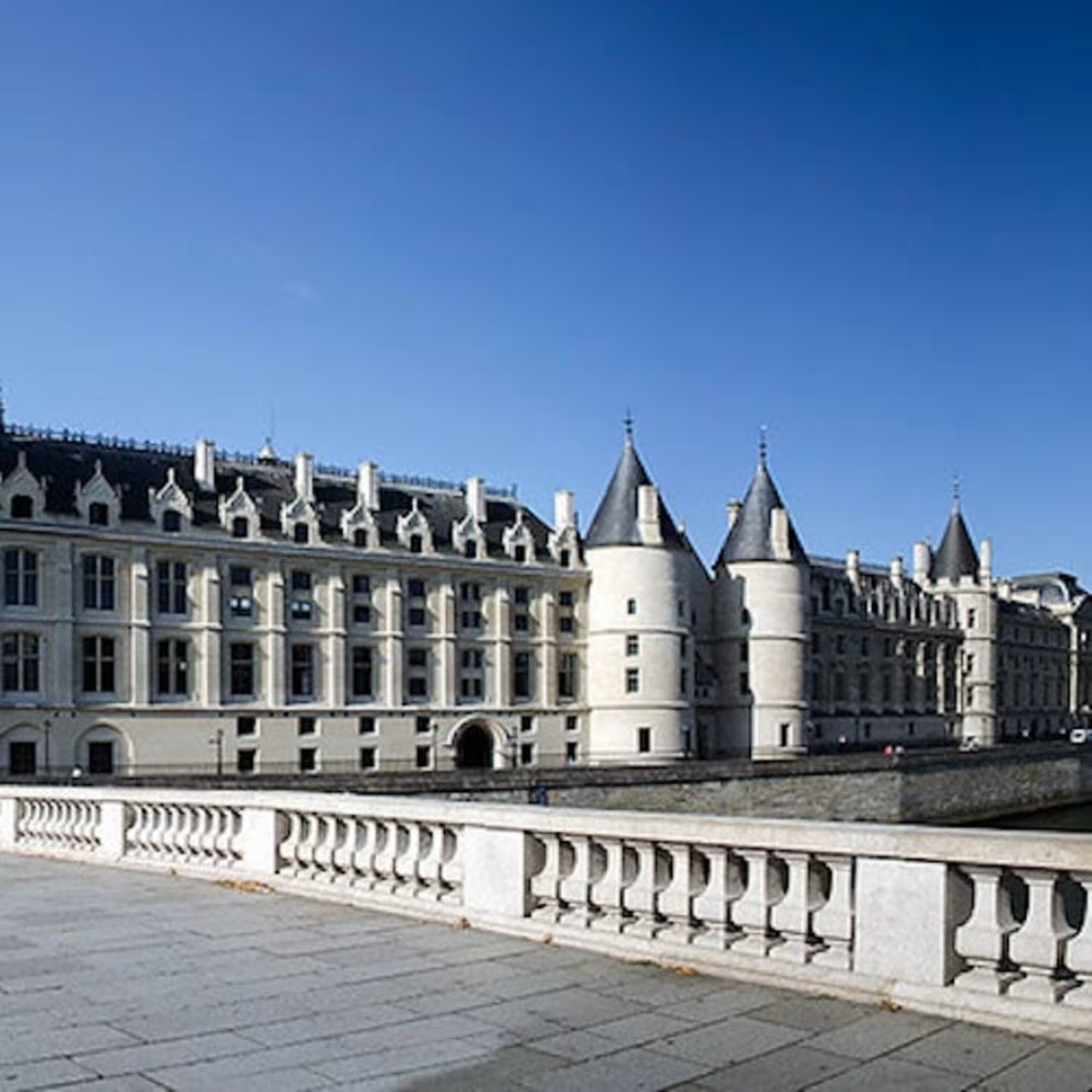
Sainte-Chapelle and the Conciergerie in Pictures

 English
  Français
  Deutsch
  Italiano
  Español
  Português